
Joined June 2020
- Tweets 1,454
- Following 235
- Followers 212
- Likes 2,271
212 Photos and videos






May 30
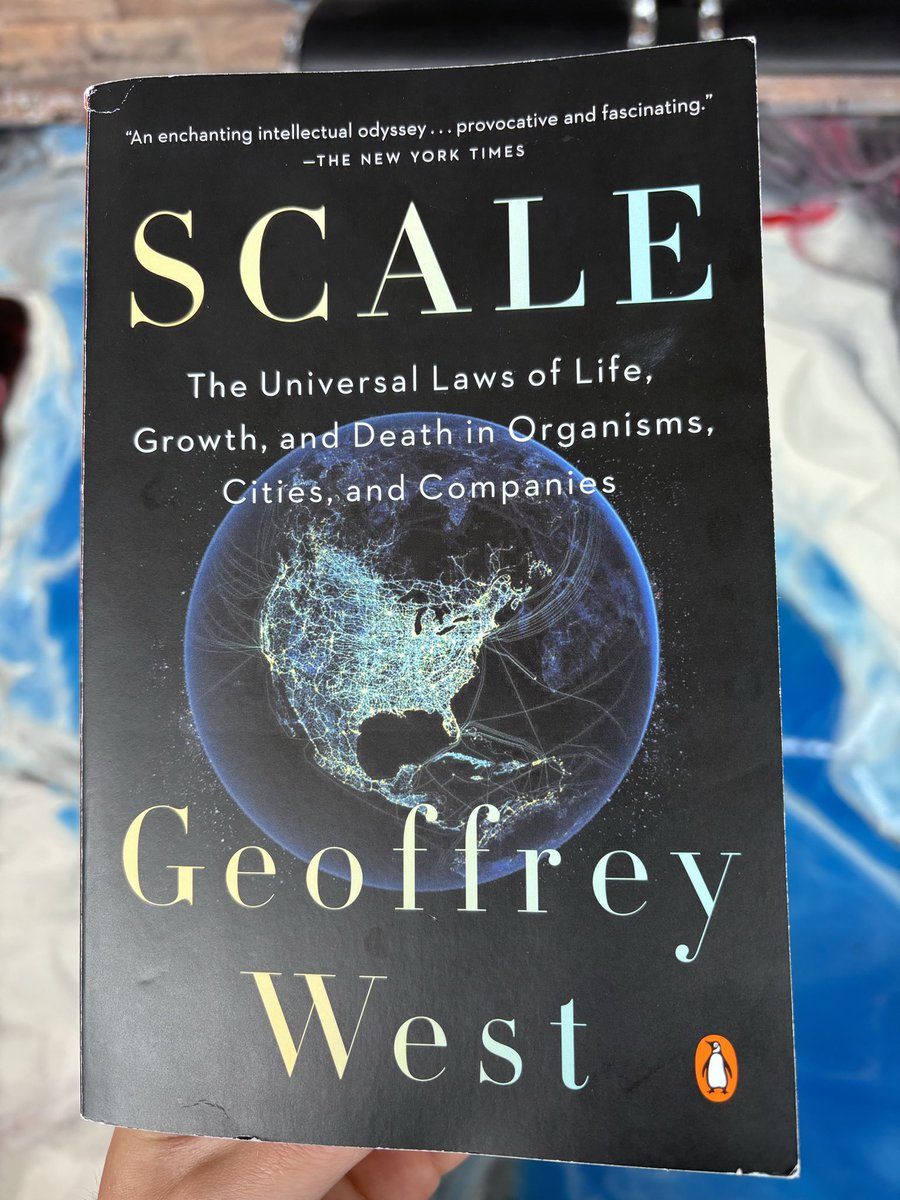
Only 120 pages in, but really fascinating book so far. Hard to believe how much regularity/predictability there is across diverse systems from plants to companies that all follow similar scaling principles.
36
May 30
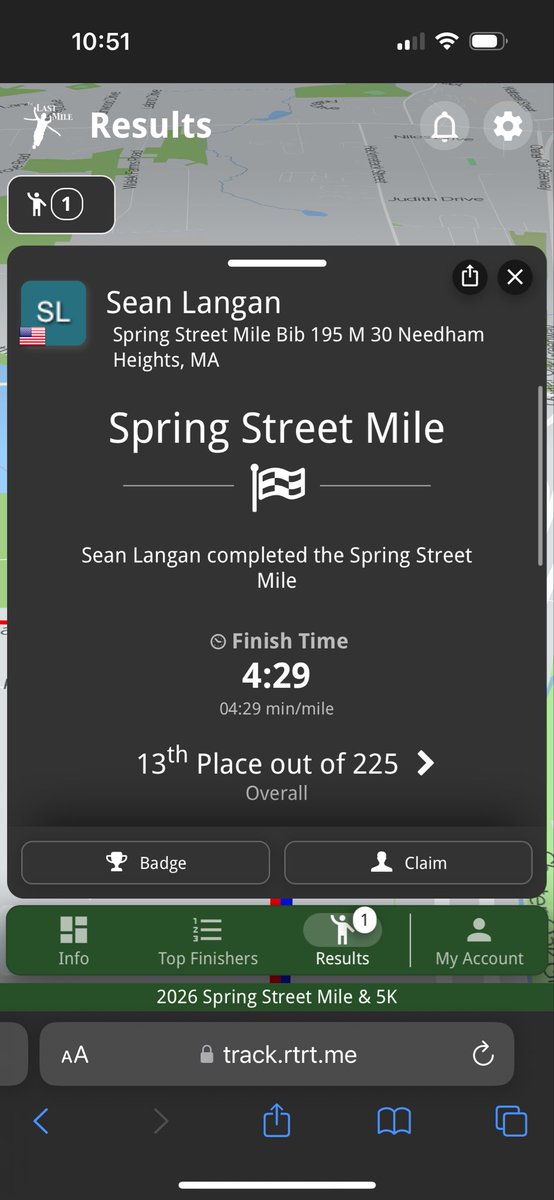
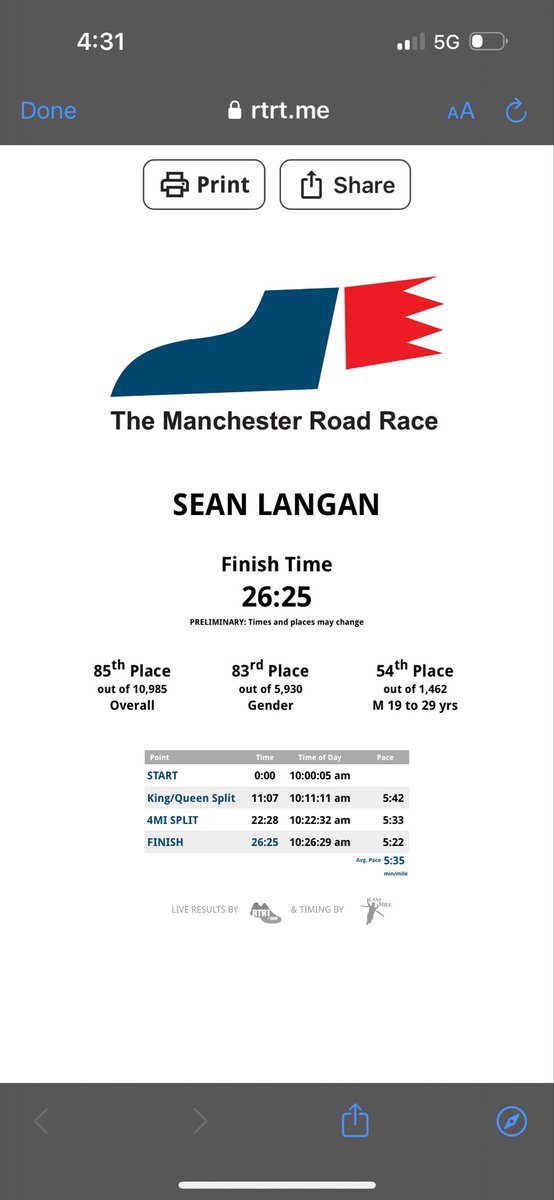
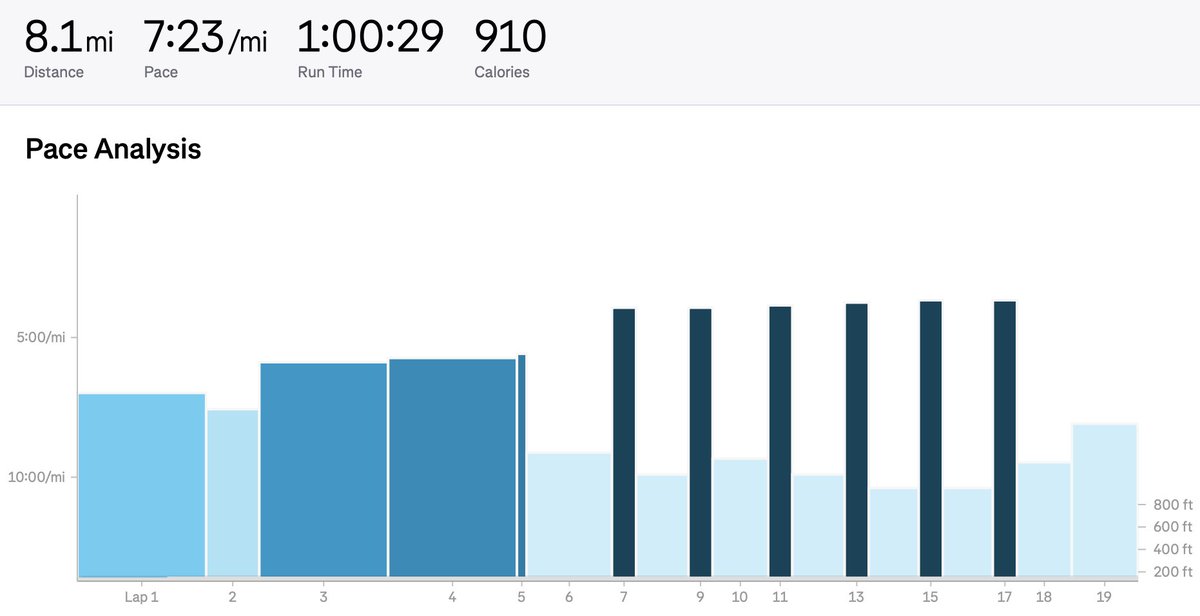
Some generous downhills in there but fun race. Goal is to get in the 4:20s on the track by end of summer.
3
11
1,867
Sean Langan, PhD retweeted

May 27
I love it when people overcomplicate physiology. It makes my job easier. I agree…what a mess.
May 26

This is a bit of a mess: journals.physiology.org/doi/…
4
2
28
10,173
Sean Langan, PhD retweeted

May 23
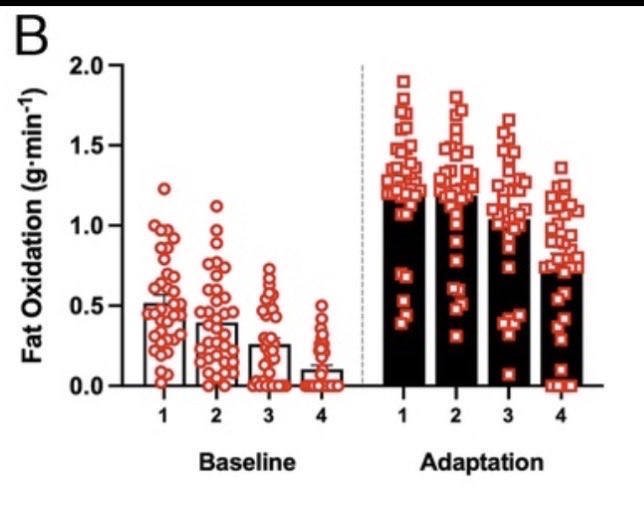
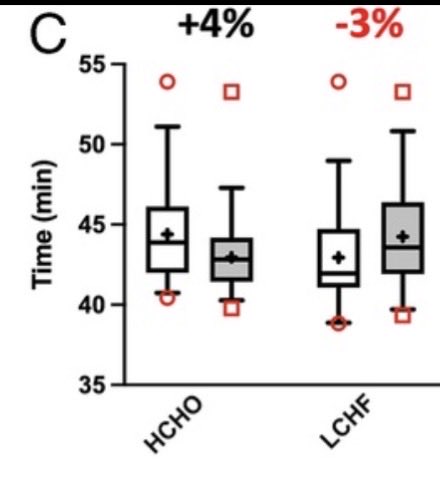
These aren’t the highest rates of fat oxidation ever measured in a human - elite racewalkers who adapted to a keto diet for 6 days or 3.5 weeks showed higher rates - some at 2 g/min. But they raced at a slower speed when asked to perform in a real life race. You can’t outrun the stoichiometry of fuel production. Carbs produce more ATP per litre of oxygen than fat.
May 21

A study put elite athletes who burned almost no carbs on a treadmill. They recorded the highest fat-burning rate ever measured in a human.
The FASTER study. 2016. Published in Metabolism. Twenty of the best ultra-endurance athletes on earth. Ultramarathoners. Ironman triathletes. The kind of people whose careers depend on knowing exactly what fuel works.
They were split into two groups.
Ten ate the standard high-carb athlete diet. The diet every sports nutritionist still pushes. Eat the carbs. Load the carbs. You cannot perform without the carbs.
Ten had been low-carb and keto-adapted for an average of twenty months. Same elite level. Same competitions. No carbs.
Both groups ran three hours on a treadmill. Researchers measured exactly what fuel each body was burning, breath by breath.
Here is what they found.
The keto group burned fat at 2.3 times the rate of the carb group. Peak fat oxidation hit 1.5 grams per minute.
The textbooks said the human body maxes out near 0.7 grams per minute. The keto athletes doubled the supposed limit.
The highest fat-burning rate ever measured in a human, full stop.
Then the part that should have ended the carb-loading dogma forever.
The fear was that without carbs they would run out of muscle glycogen mid-race. They did not. Their glycogen use during the run and their refill afterward matched the carb athletes exactly.
They were running on their own fat at elite intensity. With glycogen behaving identically.
The body was never carb-dependent.
It was carb-trained.
You can train it differently.
Almost a decade later, every endurance handbook still tells athletes to load up on carbs. The data has been sitting there the whole time.
5
35
185
37,250
May 23
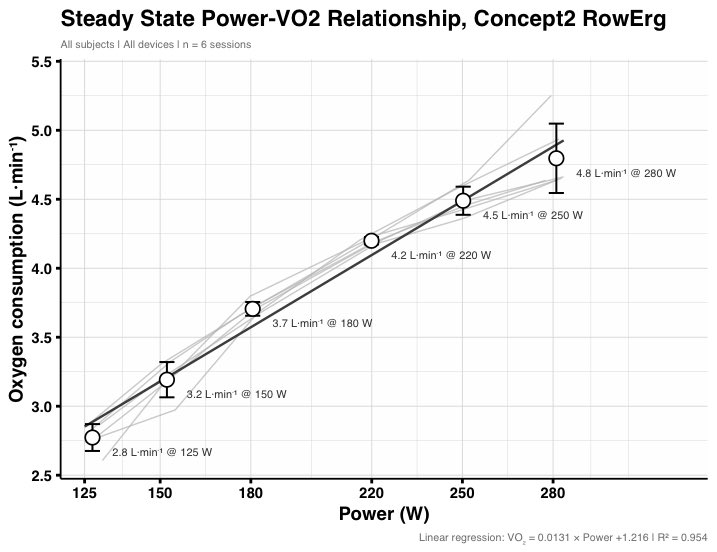
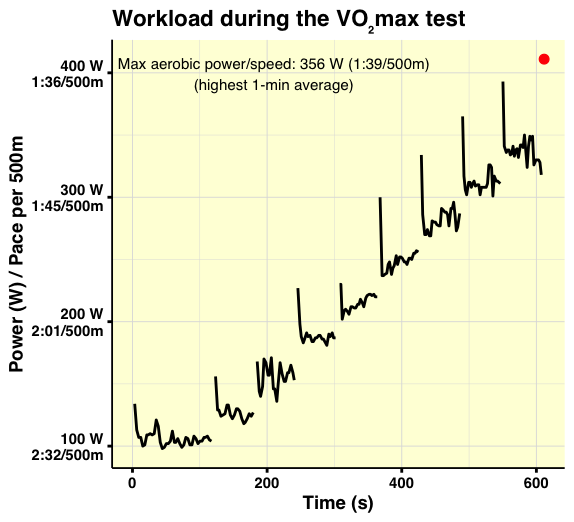
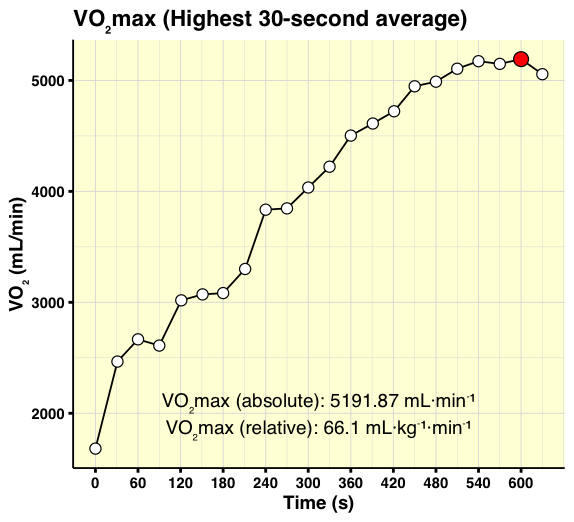
One perk of my current job is usually having a COSMED K5 on hand. With a bike and rower at home I’m collecting a ton of data on myself to determine biological variability of VO2 and technical error of our devices. Excited to build this out more over the next few weeks.
4
470

May 6
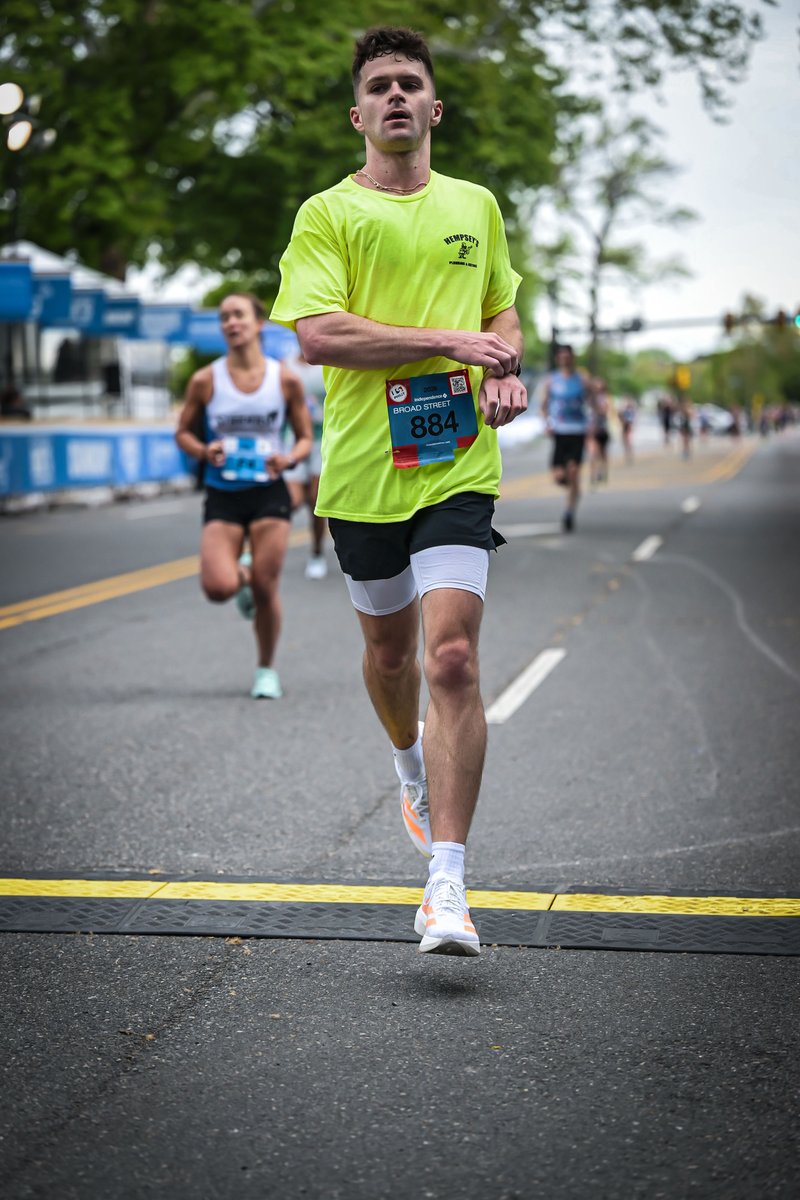
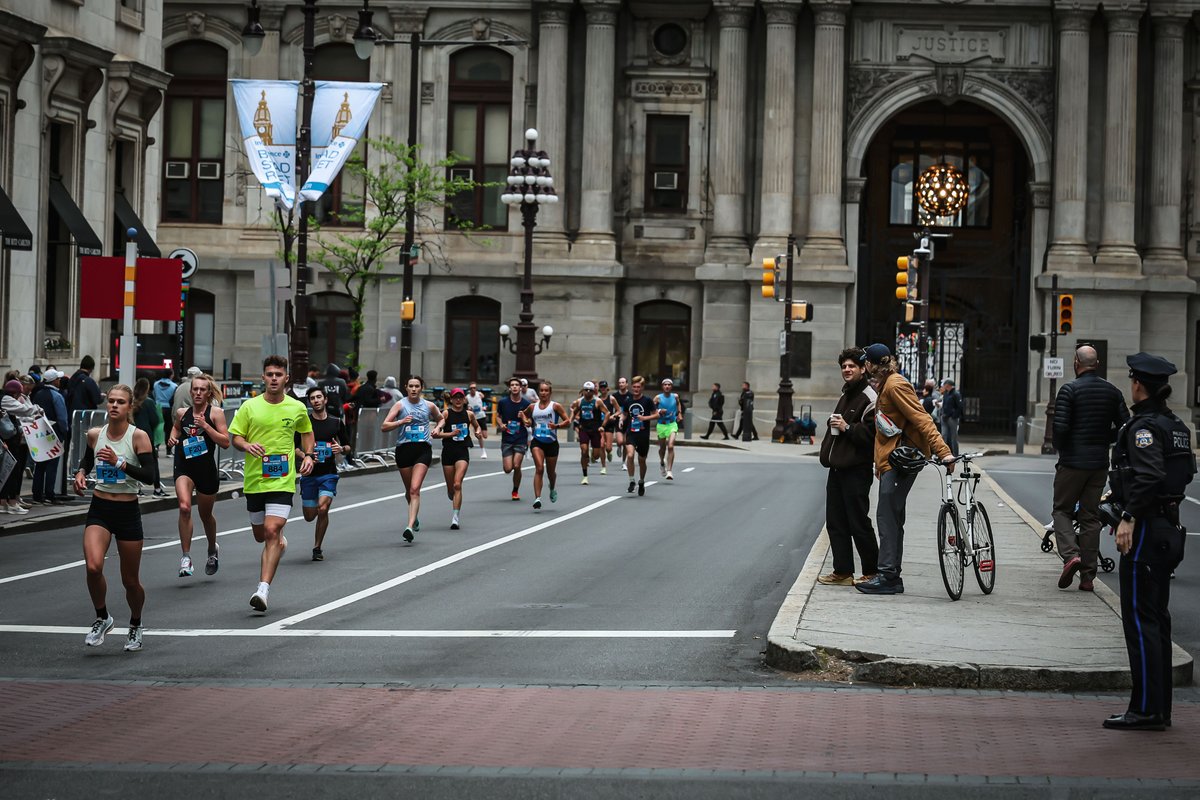
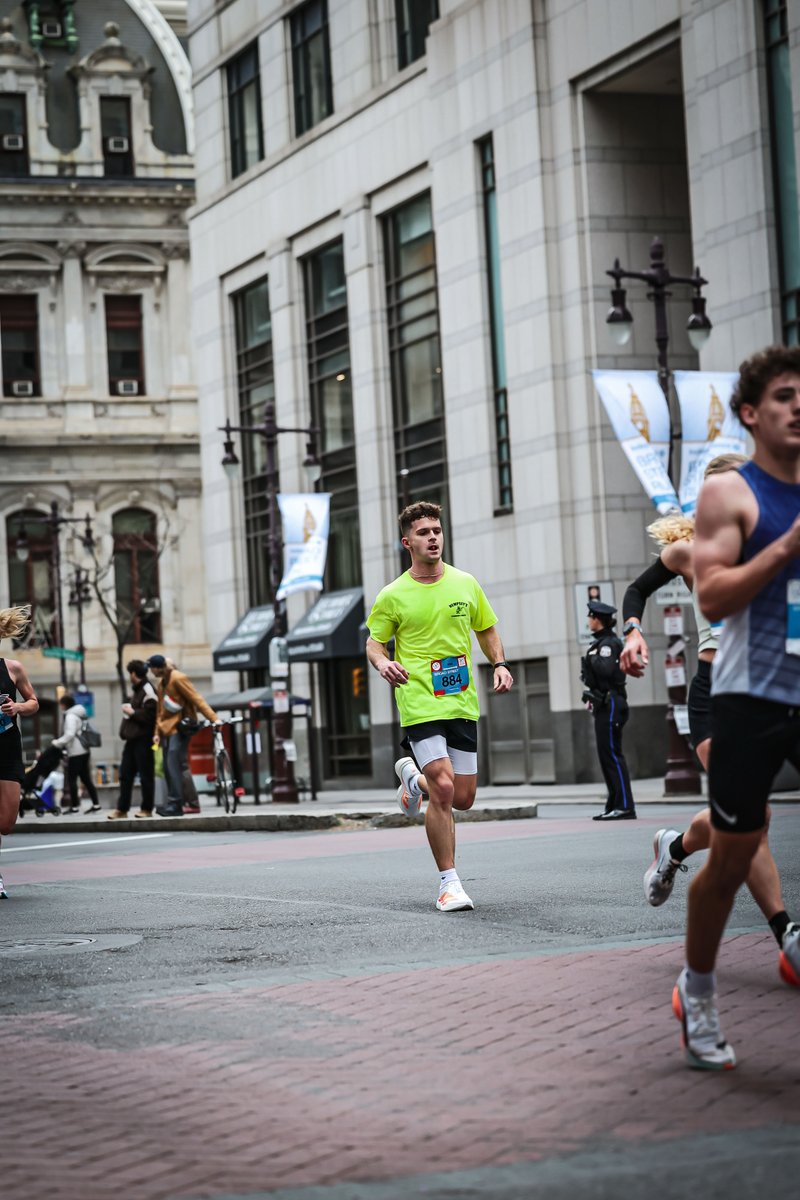
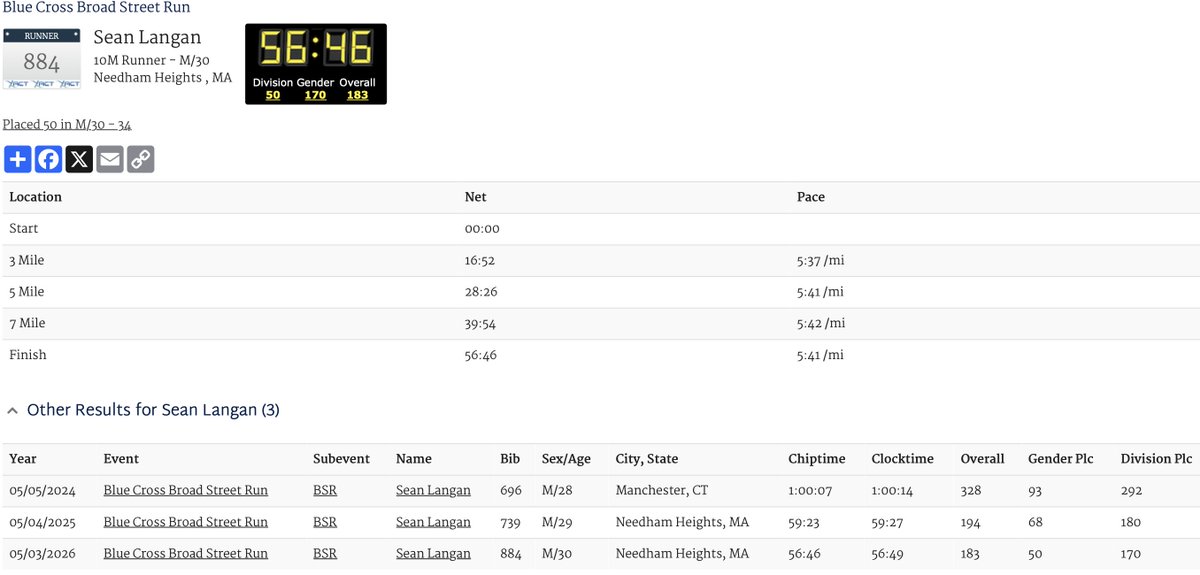
Love this race! Big improvement from last year with still some room to improve. Not that I'm running to win anything, but it's crazy that running nearly 3 min faster than last year only bumped me up 10 places. Now shifting focus to the mile/5k for the spring and summer.
1
55
Mar 23
I have historically worn cheap running shoes until the last year or so. Since I haven't been through the gamut of all the high profile kicks, take this with a grain of salt, but the Adidas evo SL has to arguably be the best shoe on the market. Especially the newer woven version.
126
Jan 29
Intervals are always going to be hard, but by adding some variability in the power output within each interval, you may to be able to get more bang for your buck. Read more at the link below.
substack.com/@seanlangan/not…
1
2
74
11 Dec 2025
Cool study on mitochondrial calcium and aging in skeletal muscle. I suspect research on novel polyphenol compounds is only going to keep growing in the next few years. cell.com/cell-metabolism/ful…
63
30 Nov 2025
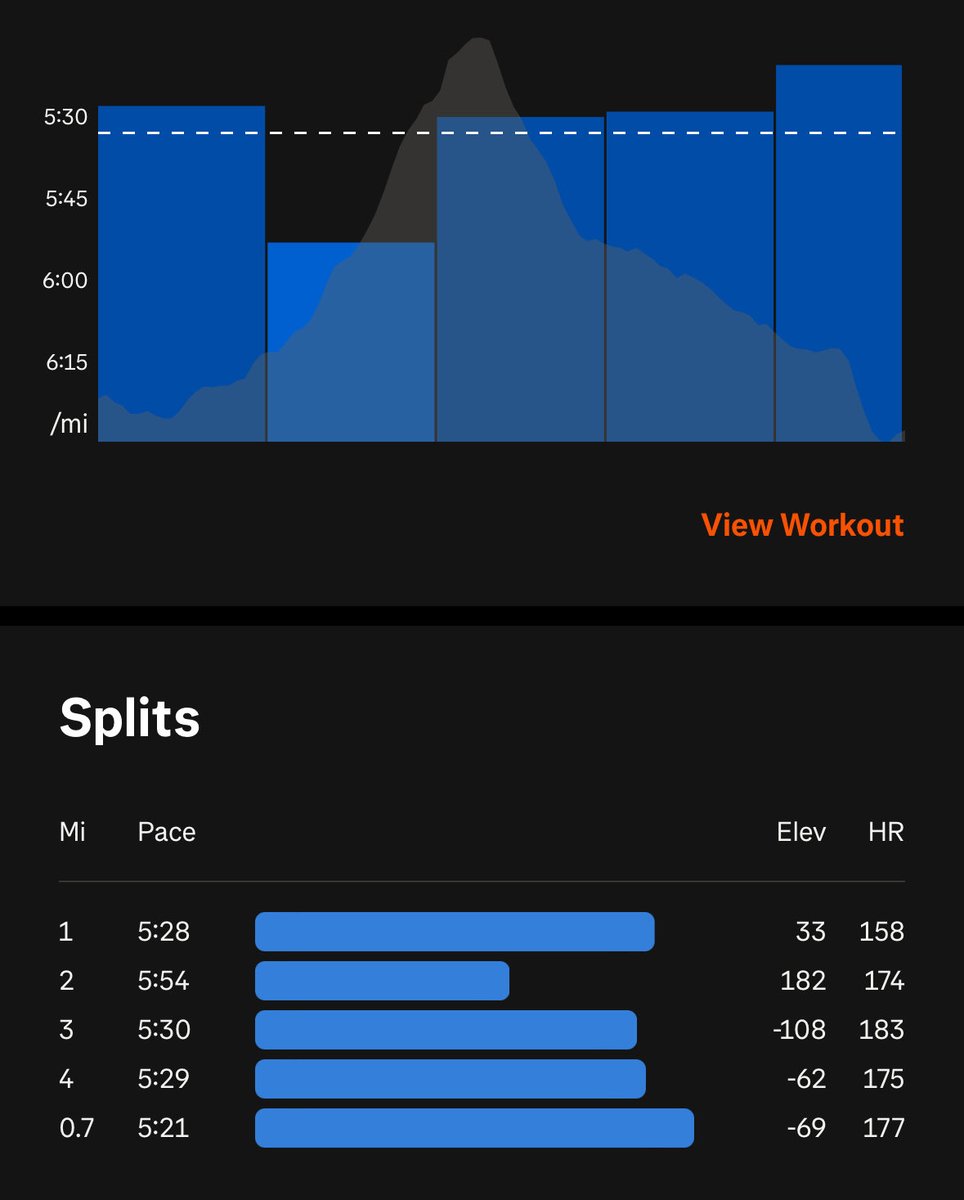
Favorite road race. 2nd mile is always a kick in the teeth. Think I’m still capitalizing on the newbie gains. 2min faster than 2023. Next goalpost <26min.
1
89
Sean Langan, PhD retweeted

27 Nov 2025
well - try to ingest 120 grams of CHO (with ½ glucose and ½ fructose) and see what happens (just resting)
3
1
16
8,632
Sean Langan, PhD retweeted

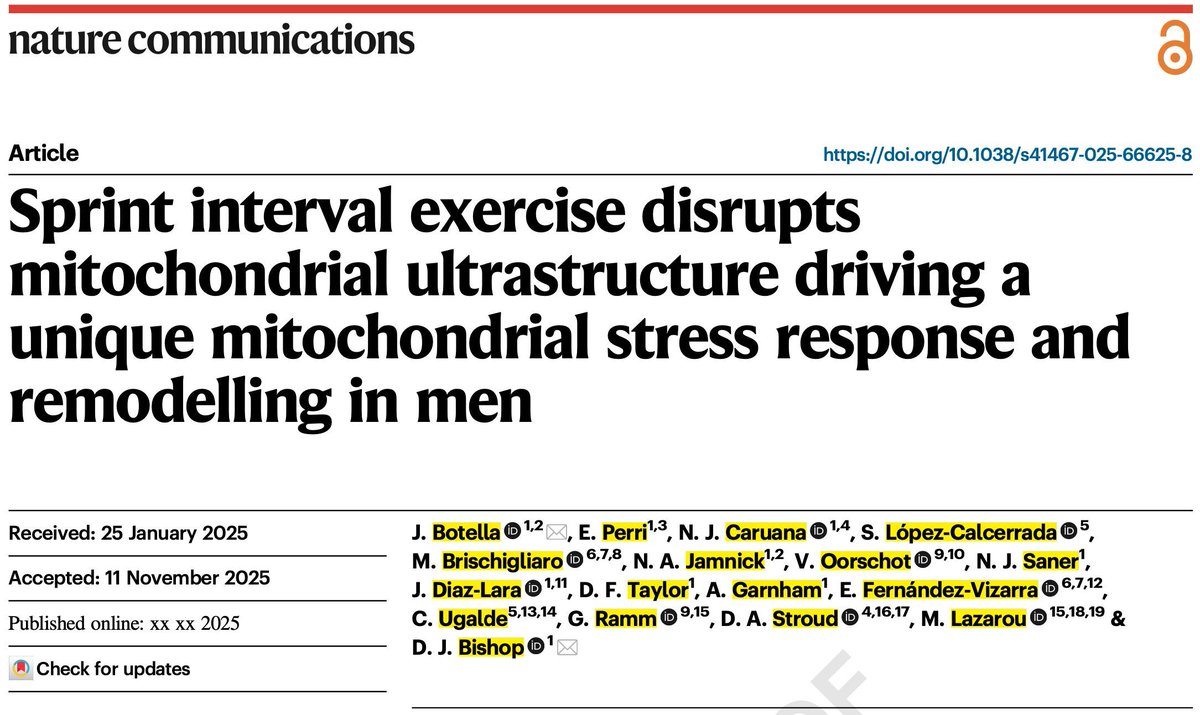
Our latest work: "Sprint interval exercise disrupts mitochondrial ultrastructure, driving a unique mitochondrial stress response and remodelling in men" has been accepted in Nature Communications and will soon be online 😊
10
29
197
11,710
Sean Langan, PhD retweeted

26 Nov 2025
This might surprise you about blood testing.
One reason it has gotten so much cheaper is that many companies have shifted towards using prediction equations.
So those 40, 80, or 120 biomarkers "you're paying to get tested" ....are not actually being measured.
This ranges from awful to awesome.
E.g., Free testosterone is rarely directly measured. Been like that for decades. Cool. The issue is not all blood testing facilities use the same equation (there are multiple validated ones) - so you might be 'going up' or 'going down' simply because of switching providers.
Futhermore, if you ever get direct free test measured, it will likely differ greatly from your predicted values; confusing the crud out of you.
Again, nothing new here.
What has changed is the expansion to numerous other markers, based heavily (if not entirely) on the company's own algorithm. i.e., NOT on externally validated equations.
This becomes a huge issue because:
1. Customers are being deceived (overtly and covertly)
2. The prediction equation can be hugely erroneous, especially if you are outside of the reference population the company used to build it (which we don't know because they haven't externally validated it yet).
Obviously, I have a major COI in this space, so interpret that however you will, but people should know this is happening and can make whatever decision with that information they choose.
Happy Wednesday!
69
93
1,241
249,906
14 Nov 2025
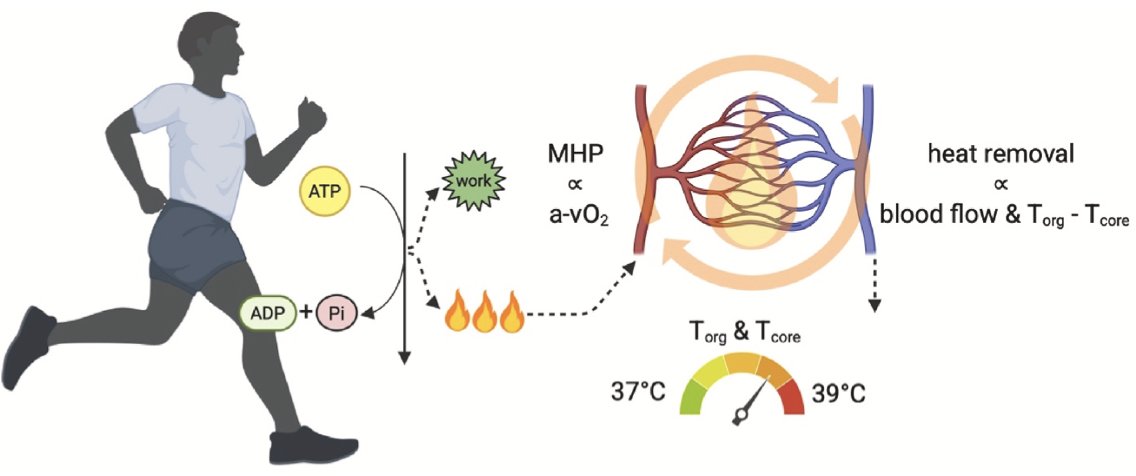
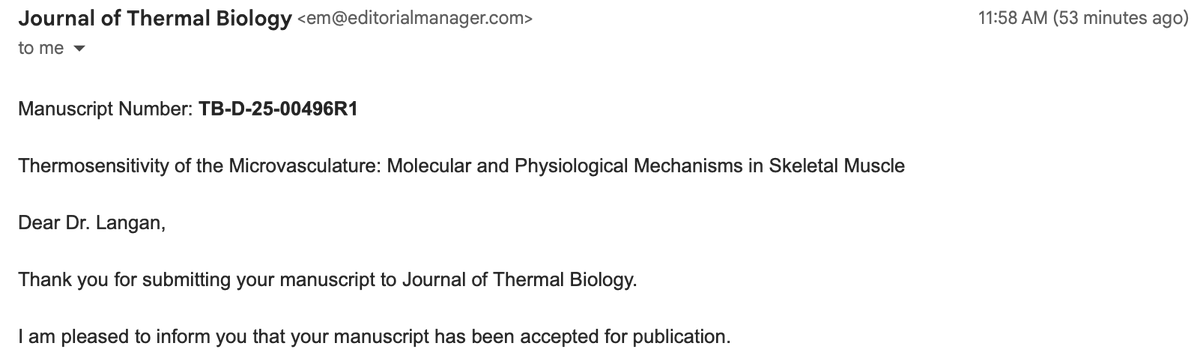
New review article published on the effects of heat on the skeletal muscle microvasculature
authors.elsevier.com/a/1m67O…
1
53
Sean Langan, PhD retweeted

10 Nov 2025
Congrats to Sean P. Langan et. al, for the #APSselect paper "Hypoxia-induced impairments in fasting glucose are associated with acute mountain sickness severity during four days of residence at 4,300 m" in @AJPRegu @spl5_ @TeamUSARIEM
ow.ly/hCNP50XpsoT

1
233
Sean Langan, PhD retweeted

7 Nov 2025
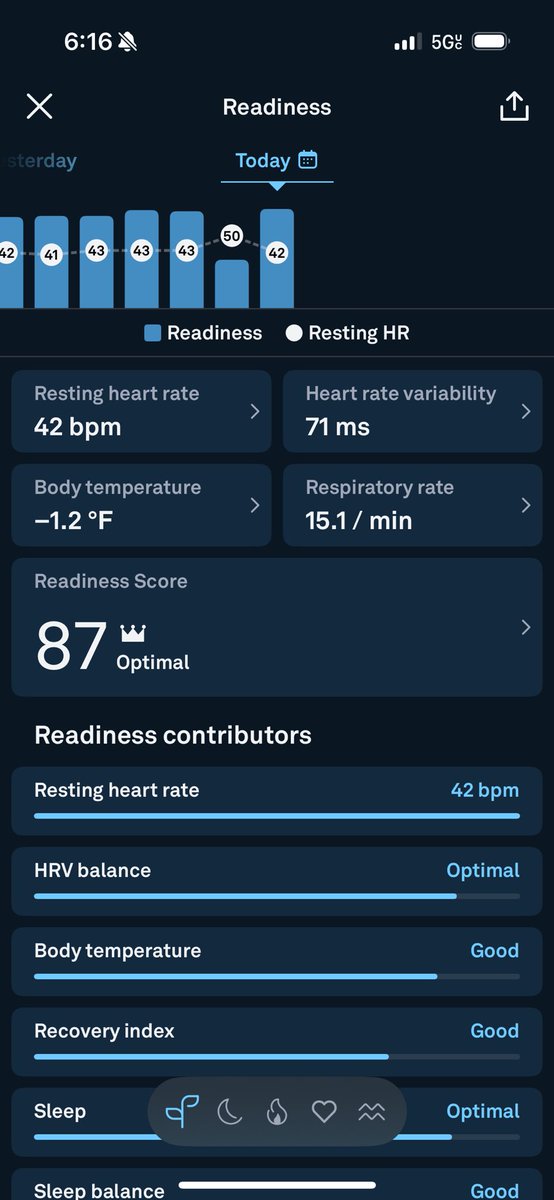
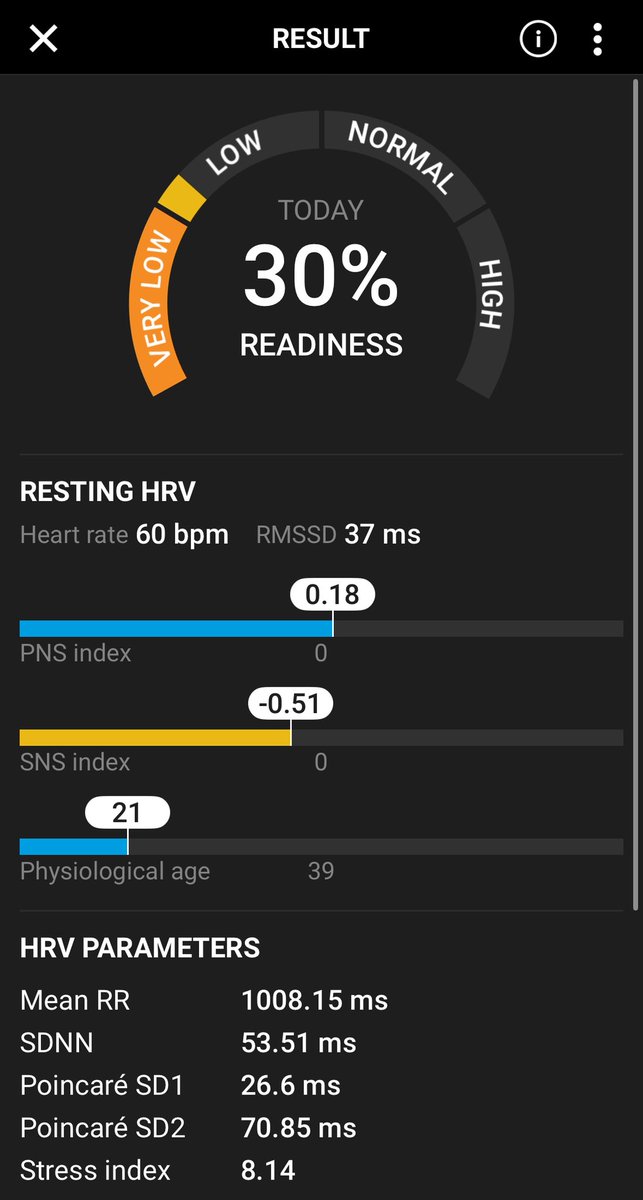
Consistent with all previous cases, my sleep parameters show full recovery after illness before my standing values. I’m not expressing confusion, I’m highlighting greater sensitivity of standing HRV.
2
1
9
1,424
Sean Langan, PhD retweeted

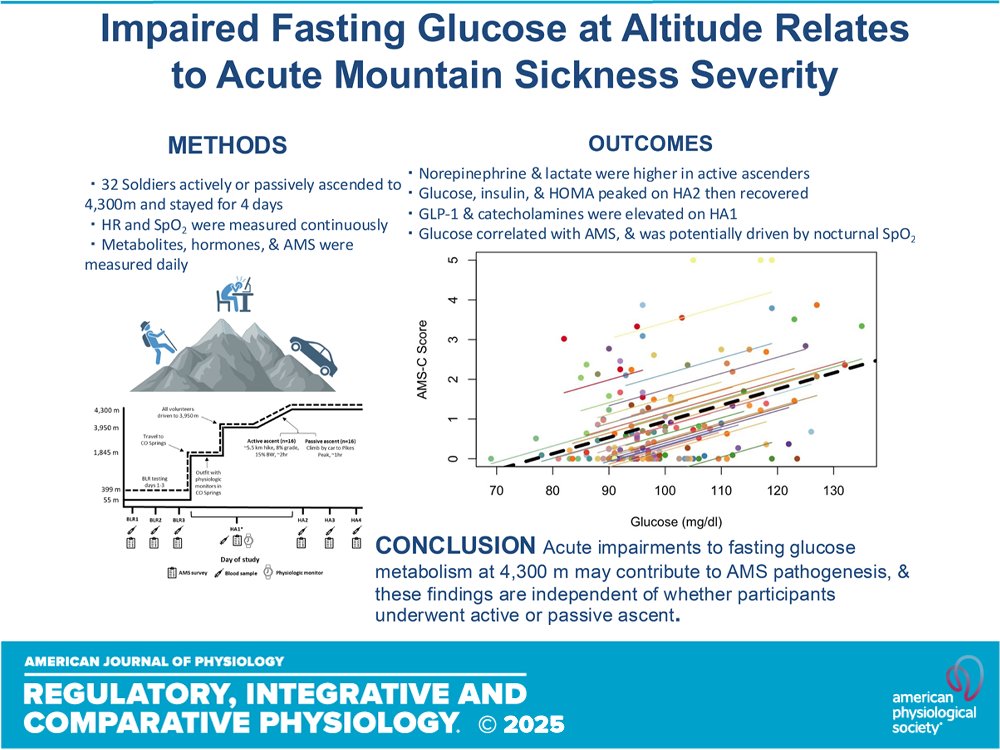
Before your next mountain weekend, check out this #ResearchArticle from Langan @spl5_ et al: Hypoxia-induced impairments in fasting glucose are associated with acute mountain sickness severity during 4 days of residence at 4,300 m
ow.ly/TECe50XmUux
1
108