
prediction market, AI, crypto @NeuroClubAi
Joined December 2024
- Tweets 157
- Following 39
- Followers 346
- Likes 857
104 Photos and videos




5 AI tools took a $5 store build to $100,000 a month
The creator has done over $10 million in dropshipping and tested 50 AI tools in a year. He runs every store on the same five.
His examples pull $50,000 and $100,000 a month on that stack.
Most people treat Claude like a chatbot. Inside Projects he builds trained agents, one role each: product research, copywriting, media buying, customer service.
They share memory across chats, so the system compounds the more it runs. One prompt builds a team of five, each with a trigger phrase. He pings "Hey Maya" with a product link, gets positioning, margins, and a verdict in one pass.
Omnisend handles email and SMS. Paid acquisition runs $20 to $40 per customer. Buy once, no follow-up, and $30 went to one transaction. A flow on autopilot makes that buyer worth 2 to 3 times the first order, cutting effective acquisition from $40 to $20. He sets a spin-the-wheel capture in 2 minutes, no Shopify code touched.
An AI store builder spins up a working store in hours for $5, against $30,000 and weeks for a developer. His rule: run the AI build to 20 confirmed sales, then pay for custom design. The market votes first.
Autods gives real engagement metrics, competitor ad counts, estimated competitor revenue. One click generates 3 to 5 product page variations. He tests his way to a winner with zero design hours.
The loop closes at Claude every time: Autods supplies data, Maya filters winners, the proven product feeds back, Claude builds the store around what already converts.
The stack gets you 90% there. The last 10% is whether you launch.

2
11
511
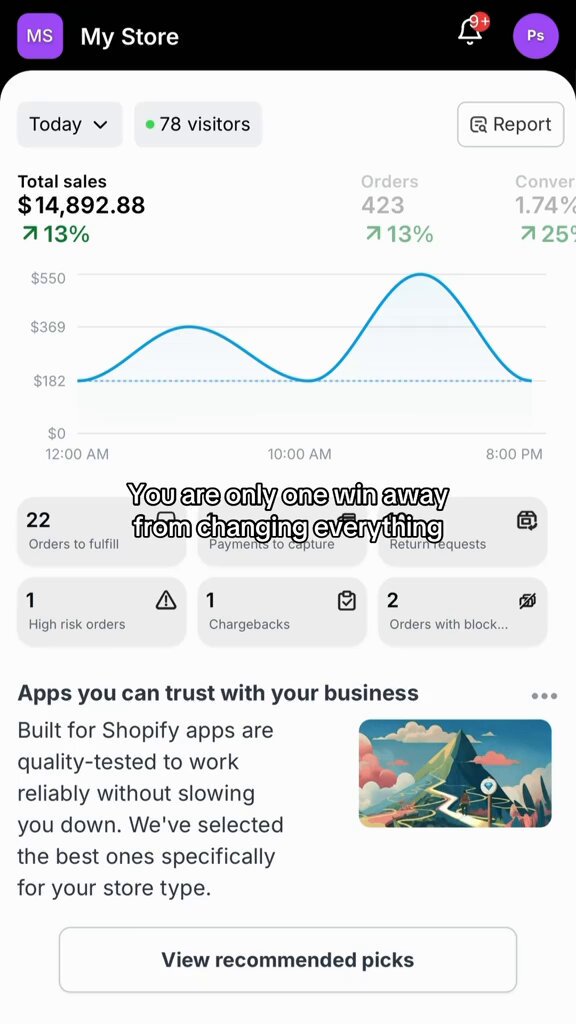
A guy stepped out for a walk and checked his watch. Just past noon, and the store had already done $15,000.
He wasn't working. He left the laptop at home, went out for air, and glanced at his wrist around midday out of habit. The Shopify number sitting there was $15,000, and the day was barely half over.
No morning grind. No sitting at a desk refreshing a dashboard. He'd been outside the whole time while the store sold on its own.
No laptop. No team. No reason to be anywhere near a screen. The orders landed while he walked, and the only proof was a figure on his watch nobody would believe without seeing it.
He pocketed the watch and kept walking.
$15,000 by noon, and he hadn't touched a thing all day.
5
2
30
3,642
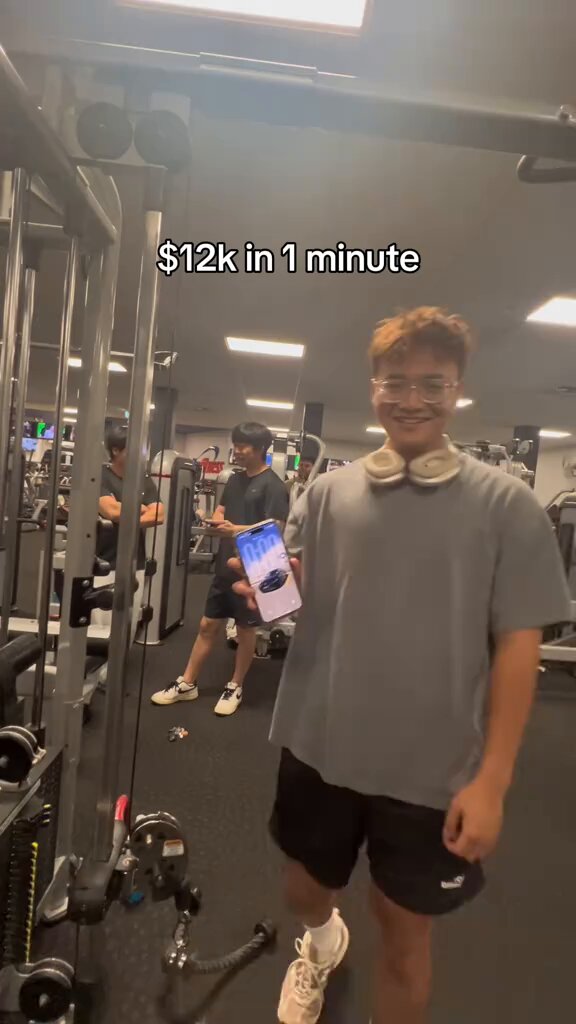
A guy at the gym held up his phone mid-set. $12,000 in Shopify orders before he finished the set.
He wasn't filming a workout. He racked the weight, pulled out his phone, and turned the screen around.
The dashboard was still climbing. Orders stacking faster than he could scroll.
No laptop. No desk. No team waiting on him. The whole thing ran while he was supposed to be lifting, and the only proof was a number on a screen nobody would believe without the video.
He put the phone away and finished the set.
This is what a store looks like when AI runs it and you just watch.
16
63
748
581,173
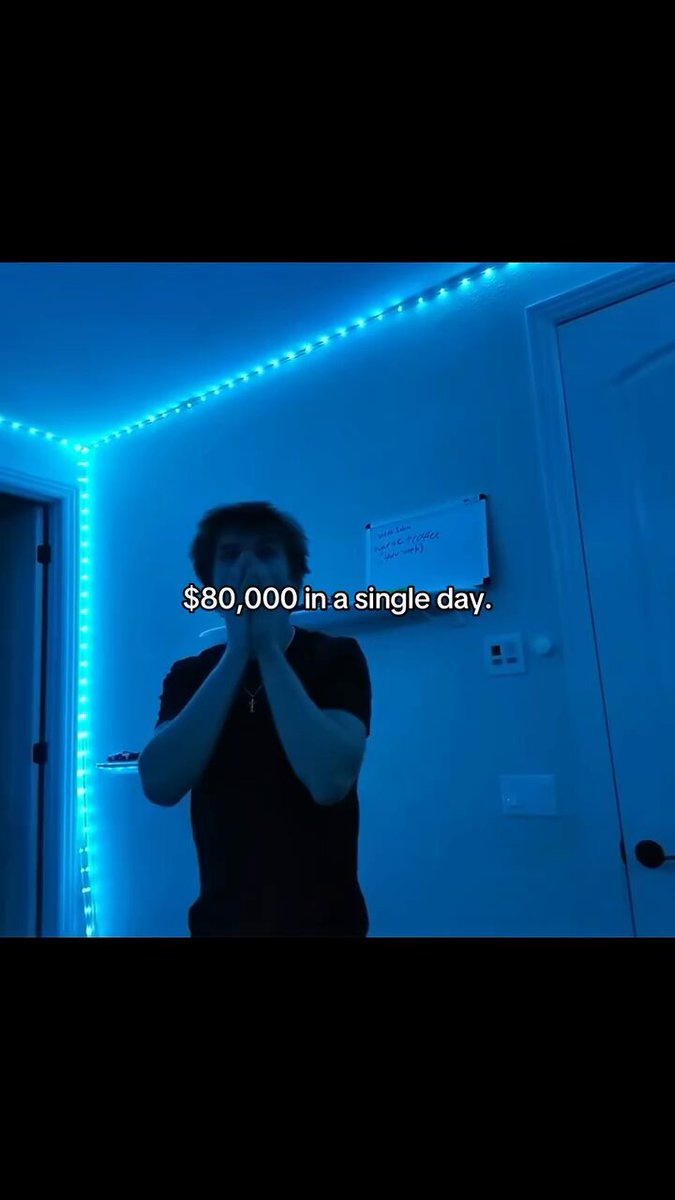
Two guys watched their store cross $80,000 in a single day. Day 19. They built the whole thing in one afternoon three weeks earlier.
The first two weeks were dead quiet. $200 days. $400 days. They nearly shut it down twice. Then one ad angle caught and the store did in 24 hours what most do in a quarter.
They sell one product. A $34 desk lamp with a motion sensor. Around 2,400 orders in a day. They watched the counter pass $80,000 at 11 p.m. and neither of them slept.
No warehouse. No staff. The supplier ships every order direct, tracking goes out on its own, and they never touch a package. The whole operation is two laptops and one tab open to the dashboard.
The angle that broke it open wasn't clever. "He gets up at 5 a.m. and I never feel it anymore." A 12-second clip, an AI avatar, 30 words. It ran on Facebook and printed.
Three weeks earlier they were splitting $200 days and arguing about whether to quit.
$80,000 in one day, off a $34 lamp, from two guys who started 19 days ago.
3
121
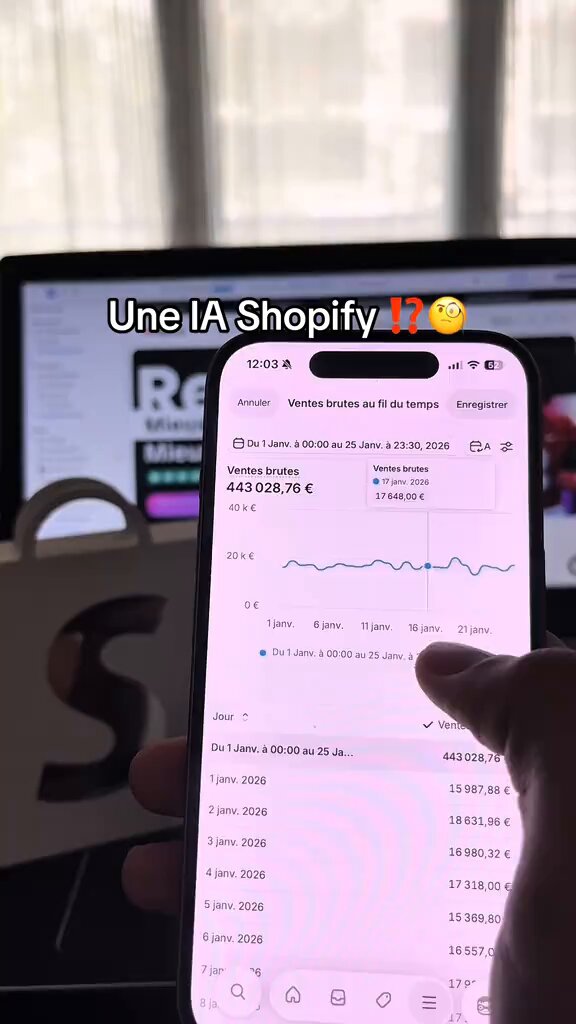
A French creator pulled €443,028 in 25 days from a Shopify store he didn't build. AI did.
January 1 to January 25, 2026. The dashboard reads €443,028.76 in gross sales. Less than four weeks.
He never picked a product. Never found a supplier. Never wrote a line of copy. He typed a niche into a free tool, hit one button, and a fully branded cosmetics store appeared with winning products and suppliers already loaded.
The whole setup is three steps. Search the tool, create a free account, pick your niche. The AI finds the winning products and the suppliers for you. For the demo he chose cosmetics.
Then it links to Shopify. Copy your store URL, paste it back, click install. The store lands done. Professional branding, products in, suppliers connected. Exactly the niche he asked for.
No team. No inventory. No design software. A free account and one niche selection stood between him and a store doing €17,000 on a single day.
He shares this stuff daily and gives the whole thing away in 39 seconds.
The store took one click. The €443K took 25 days.
7
17
103
12,360
A 14-year-old DMed 5,000 influencers and scaled his app to $14,000 a month.
Evan Yadagari, 9th grade, brother of the Cal AI founder. He tested Reddit, X, and paid ads for his focus app Locked. All flopped.
Then he opened Instagram and typed "paid promo?" into a creator's DMs.
Reply rate: 3%. He sent 500 DMs a day. Instagram caps each account at 100, so he ran 5 accounts, each verified, each loaded with 1,000 bought followers.
His favorite deal: $800 per post with a 400,000 minimum view clause. The creator keeps posting until the views add up.
One "day in my life" video pulled 1,000,000 views and $3,000 in revenue. His first $1,000 day.
The math: $1-2 CPM paid, $3-4 RPM earned. 10 downloads = 1 subscription at $30 a year.
He's 15 now. His next product hit $30,000 ARR in 30 days.
5,000 DMs beat every ad budget he tried.

8
130
Cisco asked a few hundred security leaders about AI agents. 85% are testing them. 5% trust them in production.
The fear: an agent is a new hire with no resume and keys to every system. It reasons, it plans, it has no common sense. Ask one to cut cloud spend and a valid path is shutting everything off.
Their fix is the same one that protects your personal accounts: least privilege. Every agent gets an identity, an owner, a job description, nothing else.
Same logic, 14 steps for your own data in the article above.
Apologies aren't guardrails. Controls are.

5
92
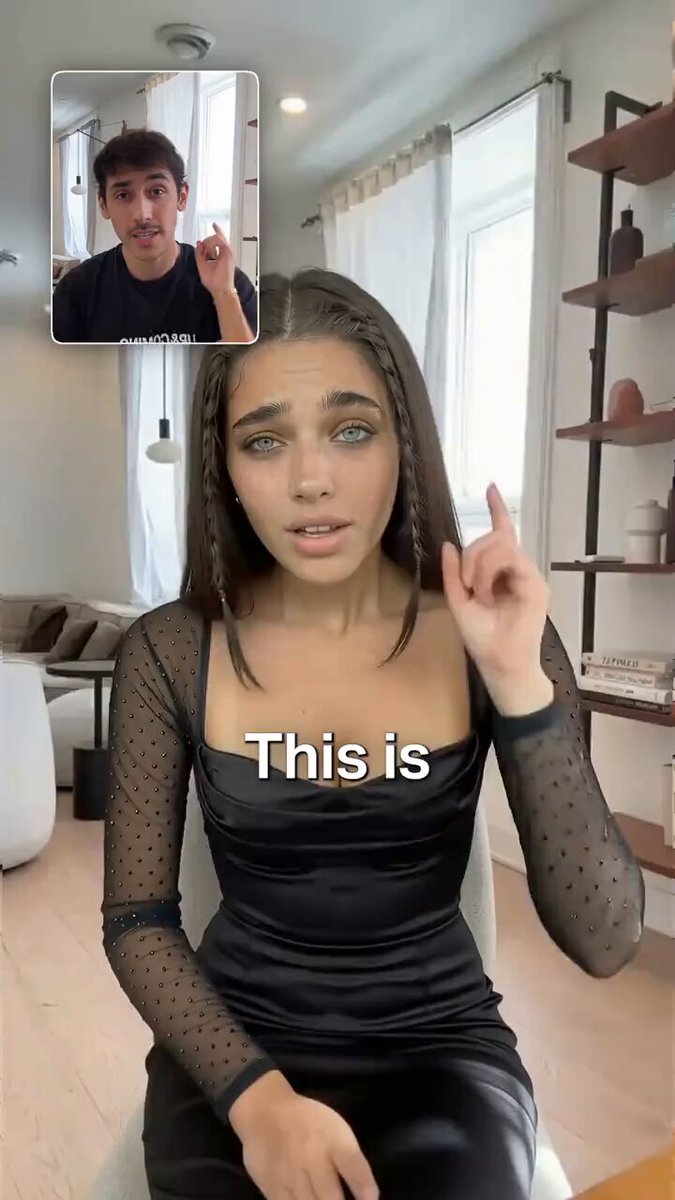
A girl with 240,000 followers does not exist. She is a face pulled from one photo and dropped onto someone else's body, frame by frame.
Sixty seconds per video.
The workflow is dumber than anyone wants to admit.
One image of a face. One image of whatever character you want it to become. A model called nano banana 2 stitches them into a single still that looks like a real photo of a person who was never in the room.
Then it moves.
You feed that still into a motion tool with any reference video. The face swaps onto the body, the body onto the scene. Lips sync. Hands move right. Skin holds under the light. The output is a clip of a person doing something they never did, in a place they've never been.
Nobody filmed it. Nothing happened.
A guy in a one-room apartment runs the loop forty times a night. Different face each time. Builds a creator out of frames, gives her a name, points her at an audience that thinks they're watching a girl post about her life.
The comments treat her like she's real. They ask where she got the jacket.
There is no jacket. There's no girl.
There's a folder of reference clips, two image models, and an operator who hasn't shown his own face in eight months because he doesn't have to.
You're scrolling past people who were never born.

3
3
15
587
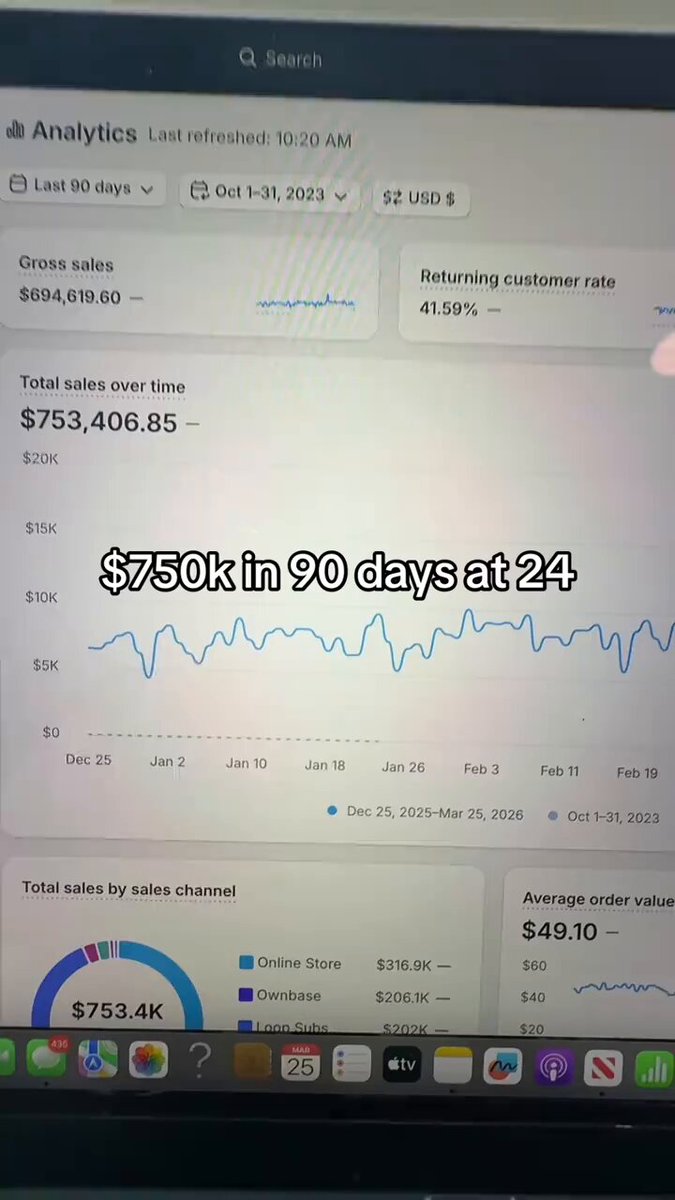
$753,406 in 90 days. The kid running the store is 24. Says he hits $1B before 40.
That's the only honest thing about it.
The store did $753k in total sales. $694,619 gross.
Everything is automated. The traffic runs through AI agents that build the audience, write the angles, and spin up creatives by the hundred. The ad engine points itself at cold traffic and reallocates spend overnight. The subscription loop charges the same cards every month while he sleeps. The returning-customer rate isn't loyalty, it's billing on autopilot.
Average order $49.10. Returning ustomer rate 41.59%, which on paper means half the buyers came back, the dream number every dropshipper wants you to see.
Look at the channels.
Online Store: $316.9 K. Ownbase: $206.1 K. Loop Subs: $202 K
Three engines. None of them him.
He didn't sell $753,406 of anything.
He configured a machine that did. Then he points at the math and tells you it compounds.
$750k a quarter. Reinvest the agents into more stores, more loops, more cold traffic the bots warm up on their own. Stack enough self-running funnels and the line only goes one way. $1B before 40. He says it like it's a delivery date.
The product barely matters. Could be supplements, could be a phone case, could be a course about running a store exactly like this one. What ships is the setup: a funnel, a subscription hook, an agent swarm pointed at strangers, none of it touched by a human after launch.
The date range gives it away. Dec 25, 2025 to Mar 25, 2026, overlaid on Oct 2023. Two timelines stacked so the line never dips.
You're looking at the number on the screen.
He's looking at the year he files for his first billion.

1
6
114
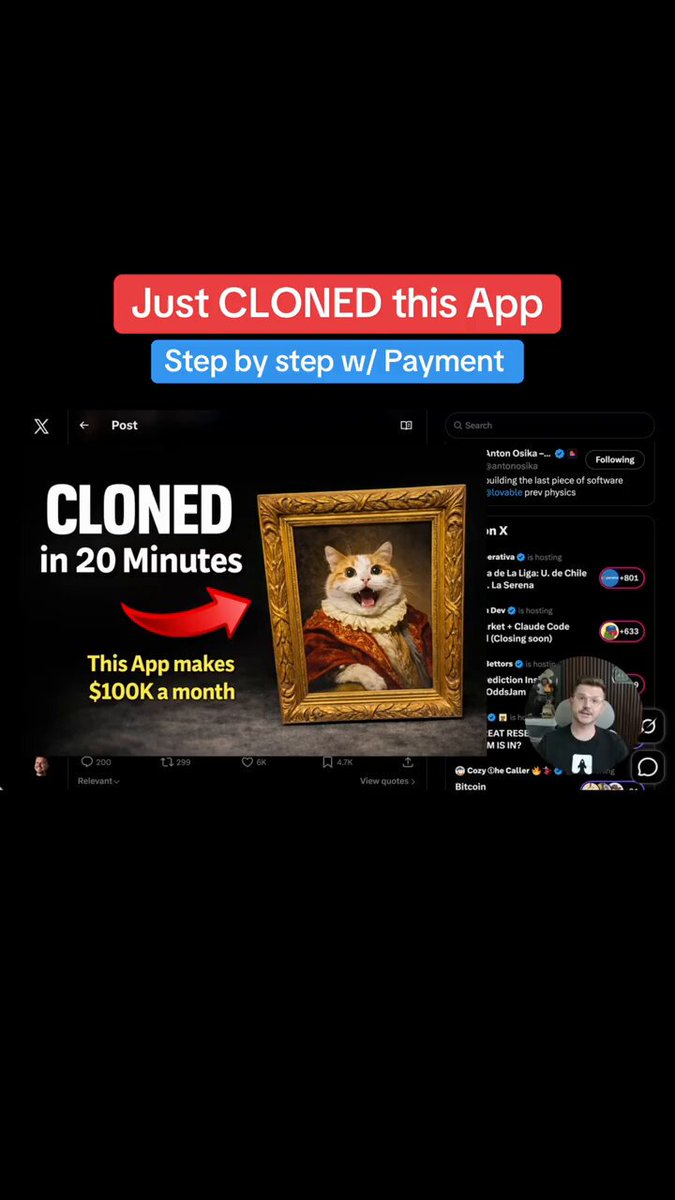
$100K/month isn't a fluke. It's reproducible.
Anton Oseka launched Lovable, a pet portrait app that turns snapshots of dogs into Renaissance-style oil paintings.
No demo. No vaporware. A live, payment-integrated SaaS engine running on iOS and Android.
He built it in under three weeks using OpenClaw's no-code stack.
Deployed to TikTok and YouTube as raw proof, just screenshare walkthroughs.
First 48 hours: $150 in sales.
By day 7: $9.99 base tier selling steadily.
Day 12: Upsold $40 framed prints.
Payment processed via Stripe integration.
Shipping handled through a third-party fulfillment API.
Users upload, crop, preview, then click Continue to checkout or Claim print options.
App flow: login to upload photo, AI style transfer, preview, select format (digital download $10, physical $9.99 to $40), payment, ship.
No backend heroics. Just connected modules.
Boom. $100K/month in recurring orders by month two.
Geos: U.S. and Canada only at launch.
Scale came from viral TikTok clips showing before/after art generation.
One viral clip hit 2.3M views.
Drove 8,400 orders in 72 hours.
Refund rate under 1%.
Repeat customers 37% within 30 days.
No team. No office. Just Anton and a laptop in Berlin.
Serverless architecture. Zero downtime since launch.
All code versioned, tested, deployed via CLI without manual clicks.
He didn't pitch it. He demonstrated it.
Then walked away before comments flooded in.
2
3
18
1,714
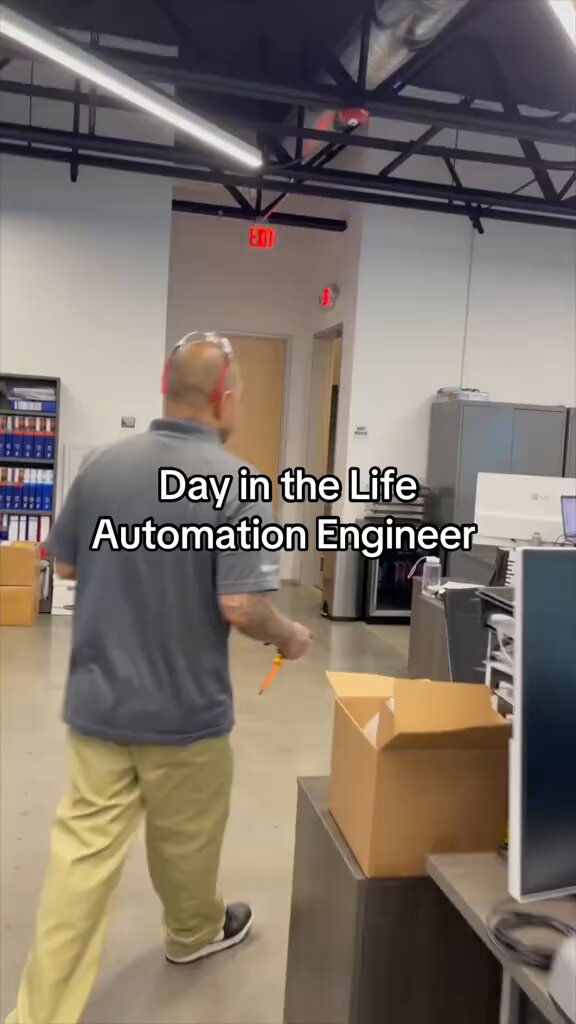
He films a day-in-the-life of a factory engineer. Looks normal. He's home by 11am, pulling $190k to work 2 hours a day.
The shift is 8 hours. He works 2.
The other 6 he's not hiding. He pitched them.
Walked into the boss's office before any of this and said one thing: let me automate my own job, and if it works, you keep paying me to watch it run.
Boss said prove it.
So he wired Claude Code into the task queue. The thing that used to eat his whole day, reading specs, writing the control logic, catching the errors before they hit the line, now runs while he drinks coffee. He shapes the task. The model does the work.
Output up 30%. Defects near zero.
The boss didn't fire him. Tripled the pay and handed him a promotion.
Then comes the part nobody sees coming.
With the raise he hired two 16-year-olds. Pays them $200 a month each, out of pocket. Their entire job is prompting. They sit where a team of engineers used to sit and feed the model instructions all day.
He doesn't write specs anymore. Doesn't debug. Doesn't touch the floor.
Shapes a task in the morning, checks the numbers at noon, goes home.
On paper the plant employs an engineer. In reality it employs a 24-year-old running two teenagers and a model that never clocks out.
And the plan on the whiteboard isn't about his job at all.
It's the whole floor. Every station. No humans on the line.
He's already started.
16
29
261
170,146
You own 1,000,000 Bitcoin. You are the richest person alive on paper. And you can never touch a single coin.
This is the trap nobody talks about.
Imagine you are Satoshi. The original wallet. A million coins sitting there since the beginning.
Most people think the hard part is getting that kind of money.
The hard part is what comes after.
Because the moment you move one coin, the game changes forever.
Not sell the stack. One coin.
You move a single Bitcoin, and one person notices the dormant Satoshi wallet just woke up.
That is it. That is the whole thing.
You cannot do a test transaction.
You cannot quietly OTC it through a friend.
You cannot call a private banker and whisper.
The second that wallet moves, you are the most wanted person on Earth.
Every agency that tracks money stops what it is doing.
Every analyst at every firm that watches the chain pulls up your transaction.
They probably pause whatever war is happening that week just to come find you.
You are not rich.
You are a target with a number next to your name.
The thing everybody dreams about, the unspendable fortune, is actually a cage made of pure visibility.
The blockchain remembers everything.
It never forgets who moved what.
And the bigger the fortune, the louder the door creaks when you open it.
So there he sits. A million coins. Frozen by the very thing that made them valuable.
He runs the numbers one more time. No exit. No move. No way out.
And then he woke up.
9
11
54
11,810
1,000,000 followers without showing your face once.
Pick any character. Any celebrity.
Upload a reference image.
Let AI clone the face, the voice, the whole persona.
You don't exist on the internet.
Your channel does.
Faceless. Scalable. Running while you sleep.
This is how creators operate in 2026.

14
17
143
18,249
sprint retweeted

Jun 5
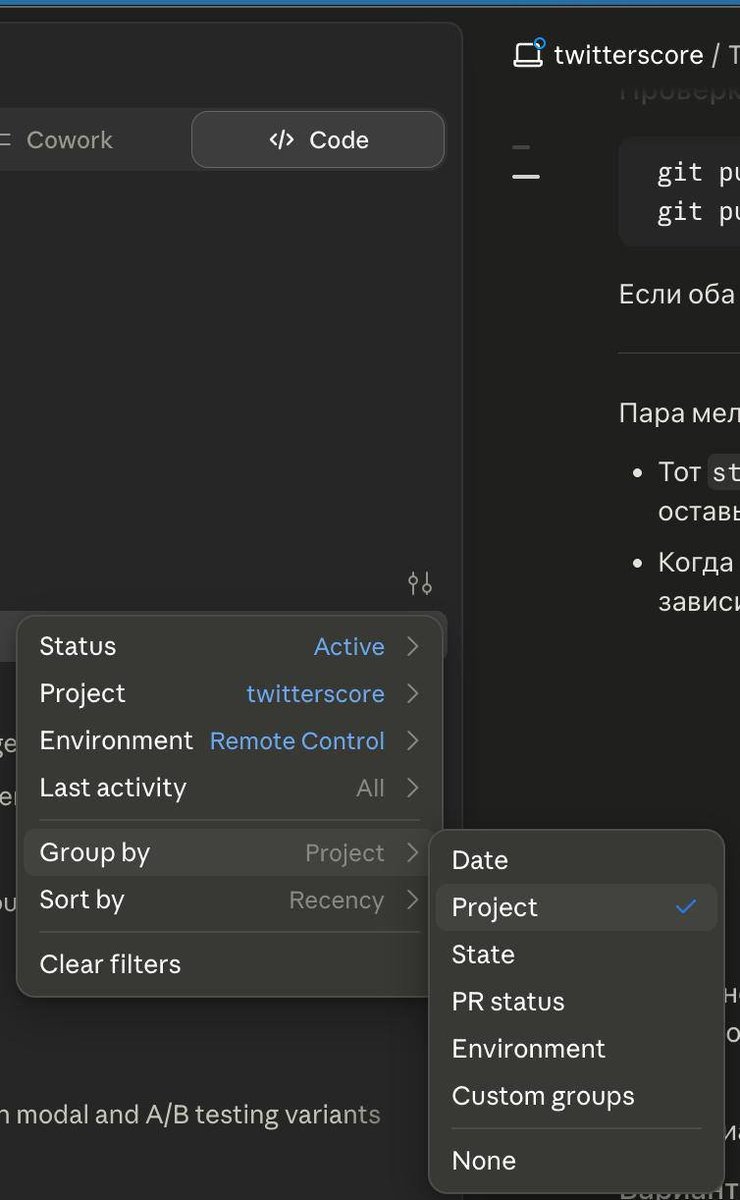
Did you know that in Claude Code there is grouping of chats by projects?
3
11
264
He spent $400 on 12 broken phones and turned them into a machine that prints money while he sleeps.
not a metaphor. a literal shelf of cracked Pixel 2s earning him cash 24/7.
here is the whole build.
he buys dead Android phones in bulk off eBay. cracked screens, trashed batteries, dead speakers. the more broken, the cheaper. $350 for twelve.
$50 more for chargers and a hub. that is the entire startup cost.
then he loads each one with apps that pay you to do nothing.
apps that pay you to swipe up when an ad plays on the lock screen.
apps that pay you just to sit there collecting data in the background.
apps that pay you to run games passively.
every phone gets its own Google account. its own phone number for verification, rented for a dollar.
then they just run. on a shelf. all day, every day.
36 cents a day per phone.
twelve phones.
$129 a month from a pile of e-waste he plugged into a wall.
the farm pays for itself in four months. everything after that is pure profit, and he just keeps stacking phones.
people are out here trading 8 hours a day for a paycheck while one guy built a system that earns whether he is awake or not.
that is the whole shift happening right now. the people winning are not working harder. they are wiring up systems that run without them.
that is exactly the kind of build people are tearing apart inside @NeuroClubAi. not watching demos. learning to actually wire the machine and let it run.
stop trading your hours for money. start building the thing that earns while you sleep.
1
1
3
76