Social Philatelist
Joined January 2013
- Tweets 1,280
- Following 28
- Followers 2,556
- Likes 37,347
858 Photos and videos
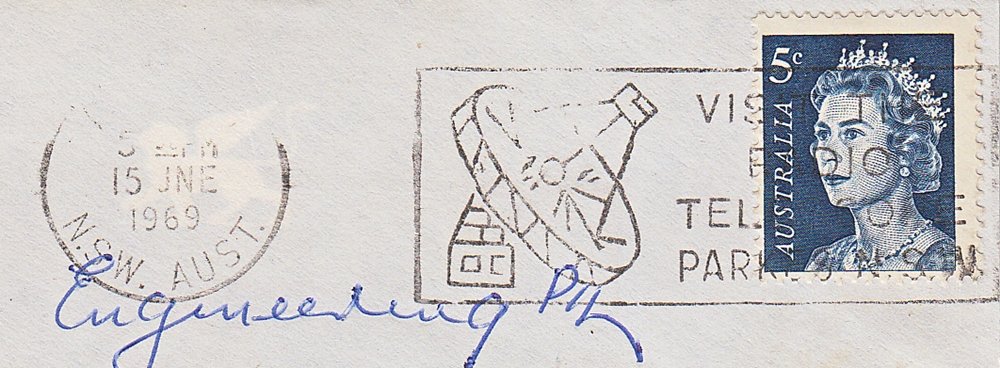



Built in 1961 at CSIRO’s Parkes Observatory in New South Wales, the 64-metre dish became a landmark of Australian radio astronomy. It helped receive Apollo 11’s Moon landing signal in July 1969 and later made major discoveries in pulsars and deep-space research.
#philately
2
15
134
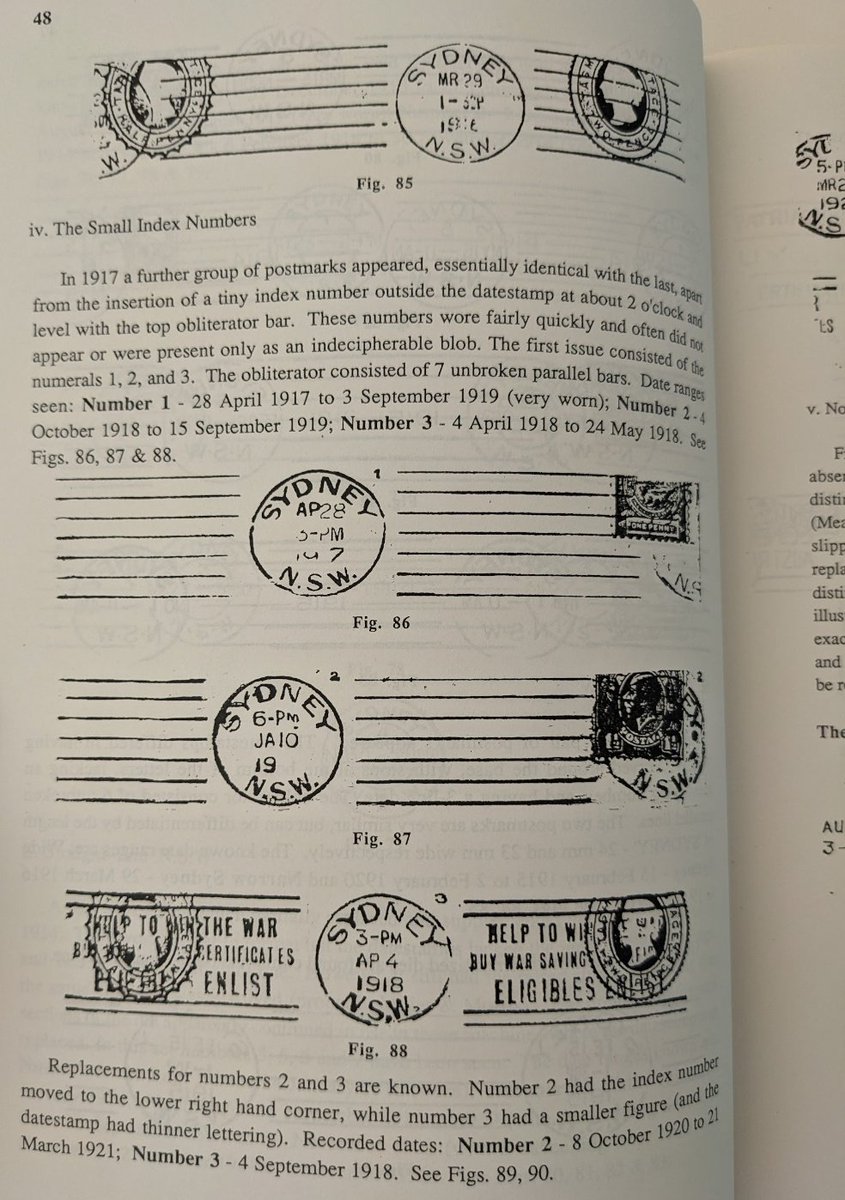
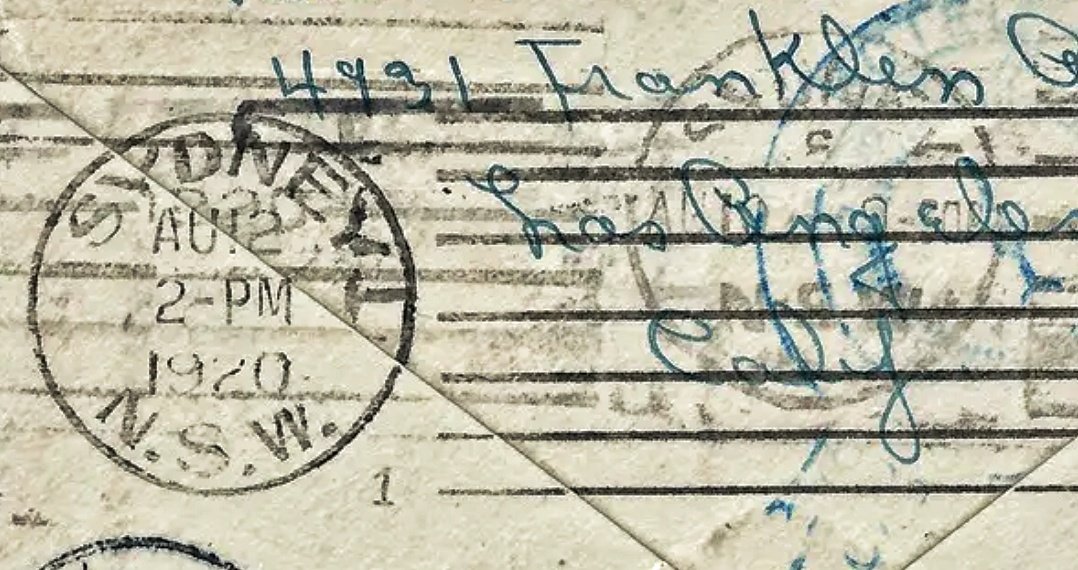
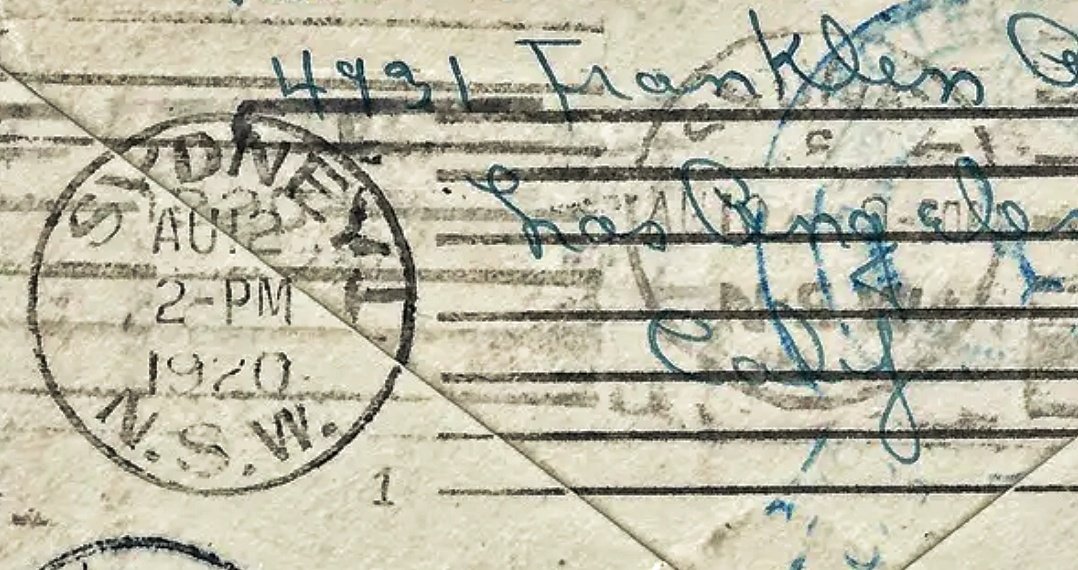
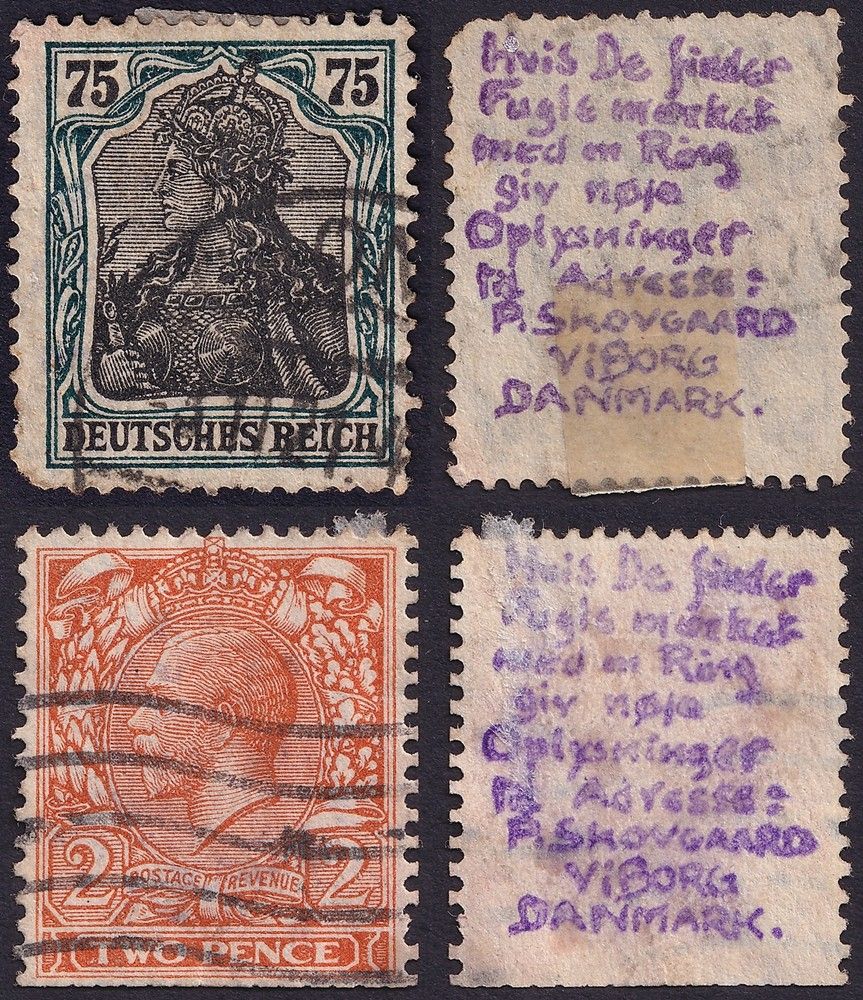
1/3) Fascinating postmarks. The fainter, with the straight-line NSW, was introduced in 1914. This is index number 6, with 7 obliteration lines. The literature notes examples up to 1919, after which examples from Sep-Nov 1921 had 3 lines removed. This sits in the gap!
#philately
1
12
116
2/3) The second cancel is the curved NSW variety with an unrecorded index number 1 at lower right. Introduced in 1917, the index number was at top right, but wore fast. Replacements were ordered, known for 2 & 3 only, with number 2 only moved to lower right (Oct 1920-Mar 1921)!
1
9
58
Seen for sale...
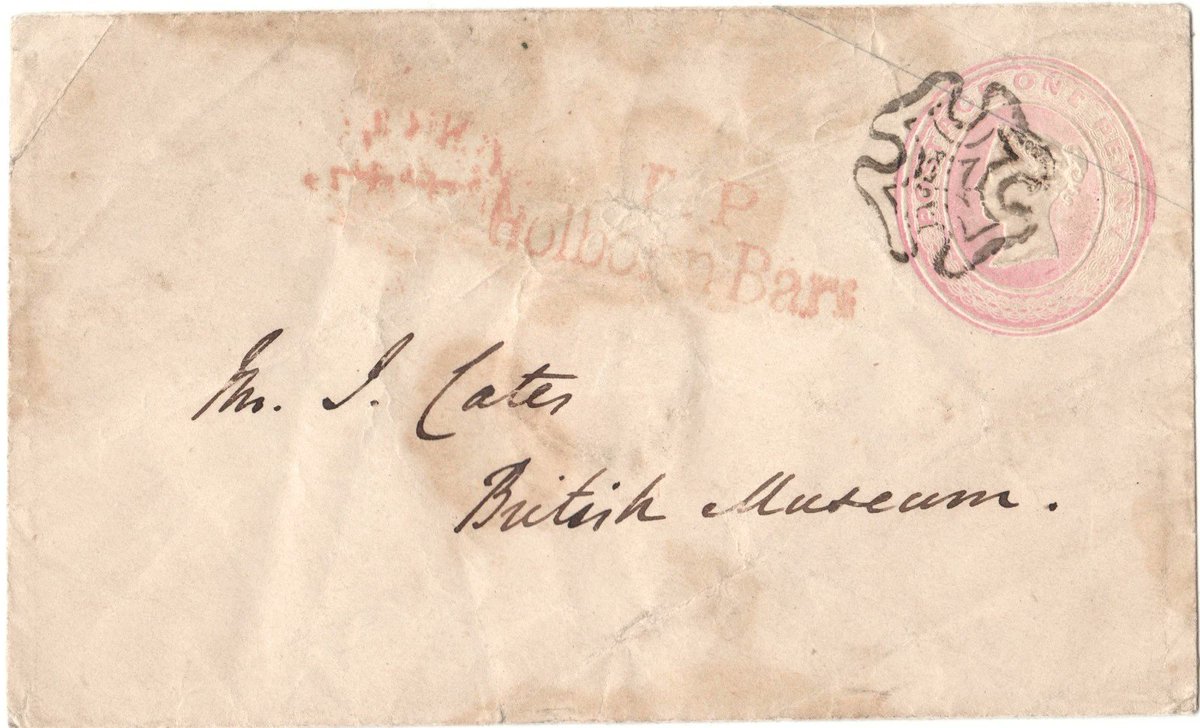
1842 1d QV cover to J. Cater, British Museum. This was John Cater, appointed Clerk of the Reading Room (a new title) in 1827, holding the post until his death in 1855. He was a former boxer, athletic, & looked "very much like an old English clergyman."
#philately
11
139
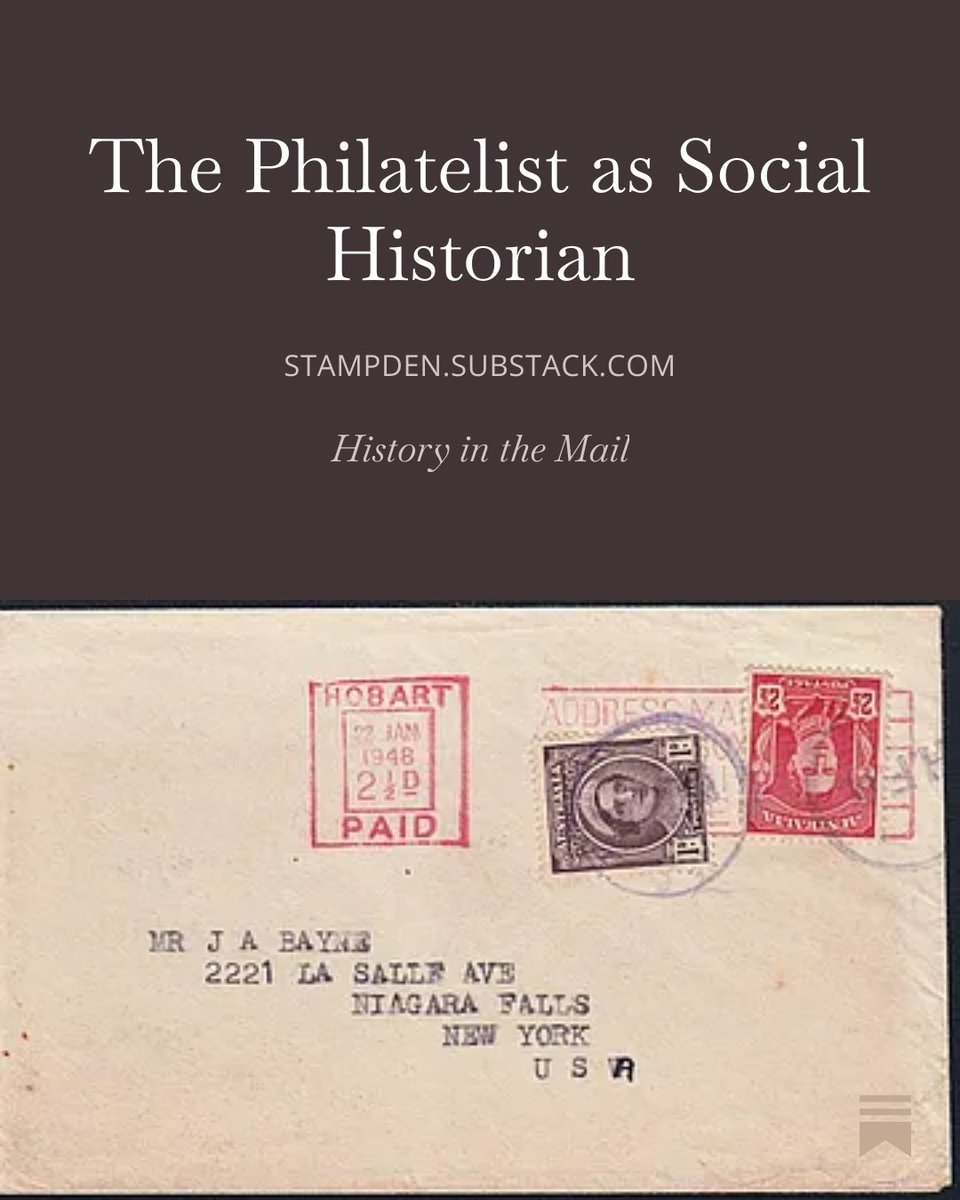
Over the last week I've gained 12 new subscribers, based on a restack of my article "The Philatelist as Social Historian," the updated 5th anniversary edition of my article that appeared in the American Philatelist. Thrilled new people are finding it.
tinyurl.com/y8w667nn
1
15
498
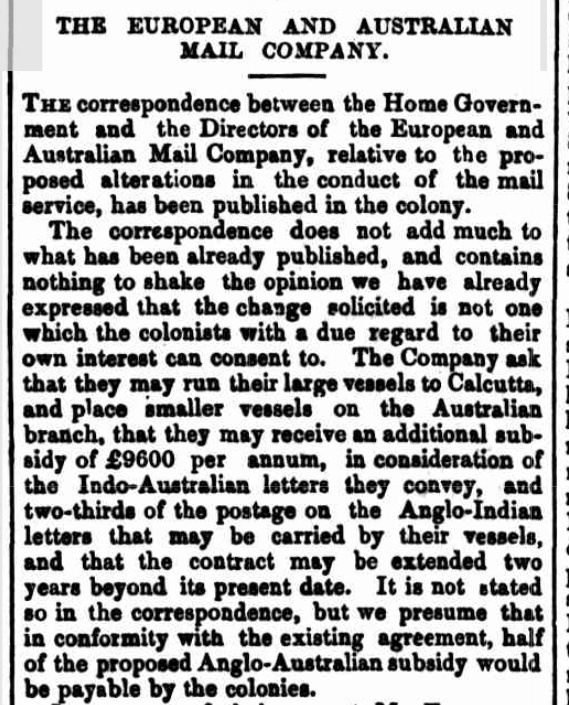
1/3) As noted in our last installment, in 1857, the Britain-Australia mail route operated to one of the world's most demanding schedules. The European & Australian Royal Mail Company was contracted to carry the mails from London to Melbourne in just 55 days.
#philately

1/3) Continuing the story of the European & Australian Royal Mail Company (E&A)... By May 1857, its directors had concluded that the service as contracted was financially and technologically "impossible."
#philately
2
7
253
2/3) The penalties for not meeting the schedule were brutal. Late departures incurred fines of £100 per day, while late arrivals faced escalating deductions. Any voyage arriving more than 16 days late forfeited the entire subsidy of £7,708 6s 8d attached to that single run.
1
5
54
3/3) Plagued by breakdowns and delays, in April 1858, the company was wound up. The vessels were placed under the management of the Royal Mail Steam Packet Company under more reasonable terms, until 1859 when P&O secured the permanent contract.
More: tinyurl.com/5anafew7
5
49
1/3) Continuing the story of the European & Australian Royal Mail Company (E&A)... By May 1857, its directors had concluded that the service as contracted was financially and technologically "impossible."
#philately
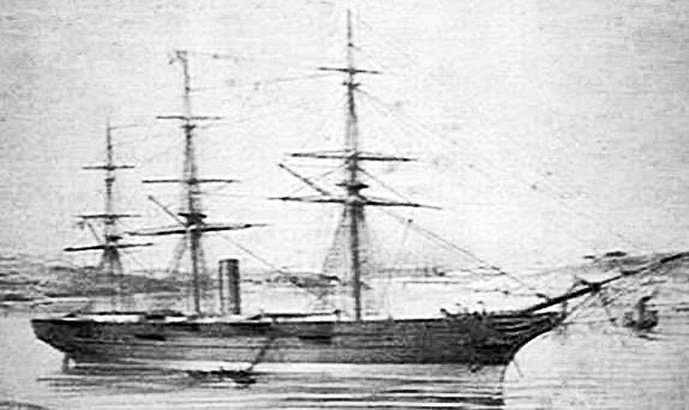
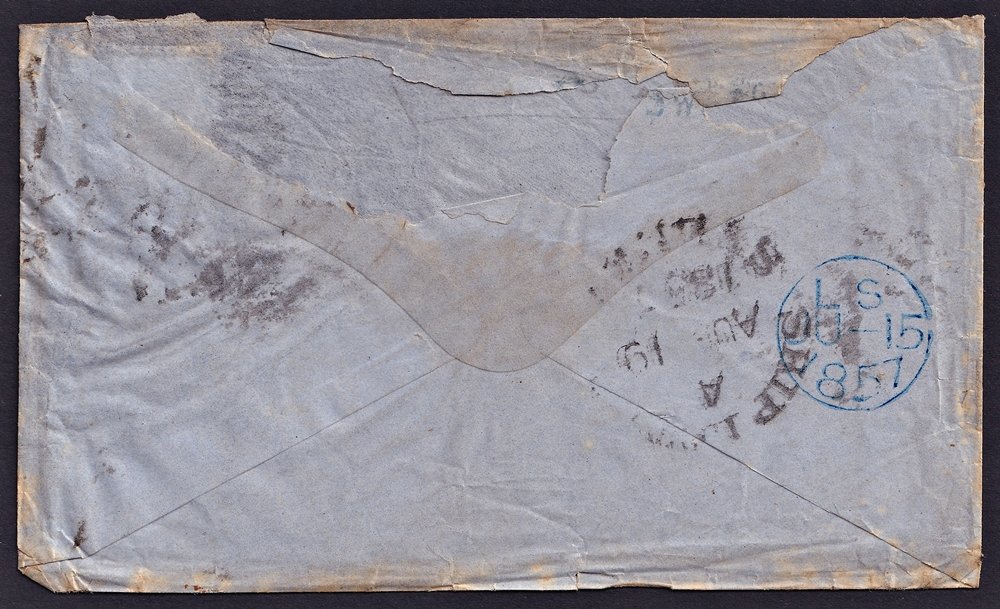
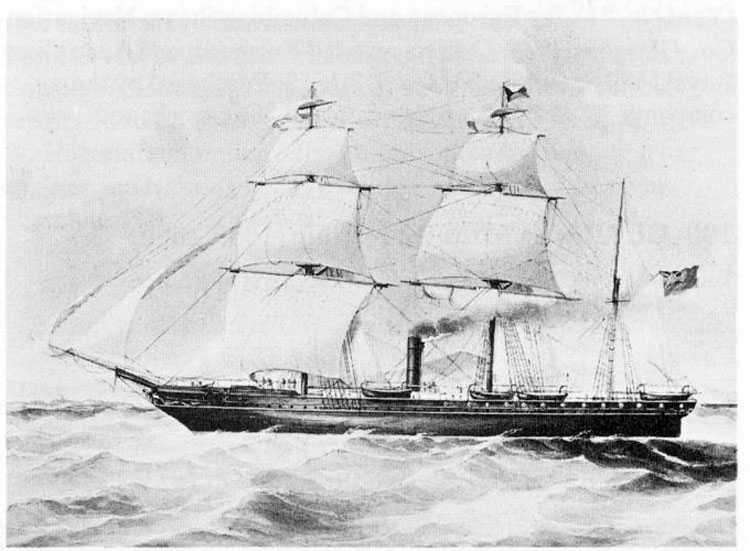
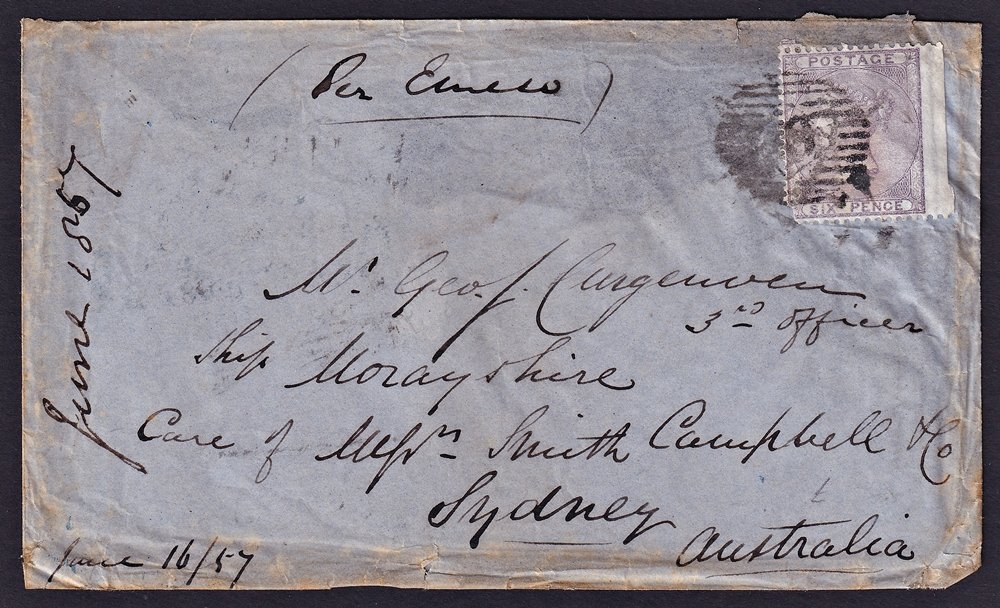
1/3) This cover to George Curgenven travelled during a crisis for the European & Australian Royal Mail Company. In 1857, its steamer Oneida suffered a catastrophic breakdown just 400 miles west of Australia, disrupting the entire Sydney-Suez mail service.
#philately
1
10
406
3/3) Although the Admiralty was broadly supportive, the Australian colonies funded half the subsidy and their approval was essential. Victoria dissented. E&A therefore remained trapped by mounting penalties and losses, and was wound up in Apr 1858.
More: tinyurl.com/5anafew7
5
42
1/3) This cover to George Curgenven travelled during a crisis for the European & Australian Royal Mail Company. In 1857, its steamer Oneida suffered a catastrophic breakdown just 400 miles west of Australia, disrupting the entire Sydney-Suez mail service.
#philately
2
15
307
3/3) Emeu's voyage changed the mail arrangements completely. Instead of moving through the normal relay of ships and overland transfers, all correspondence and newspapers were consolidated into a single dispatch. One ship now carried the network.
More: tinyurl.com/5anafew7
8
61
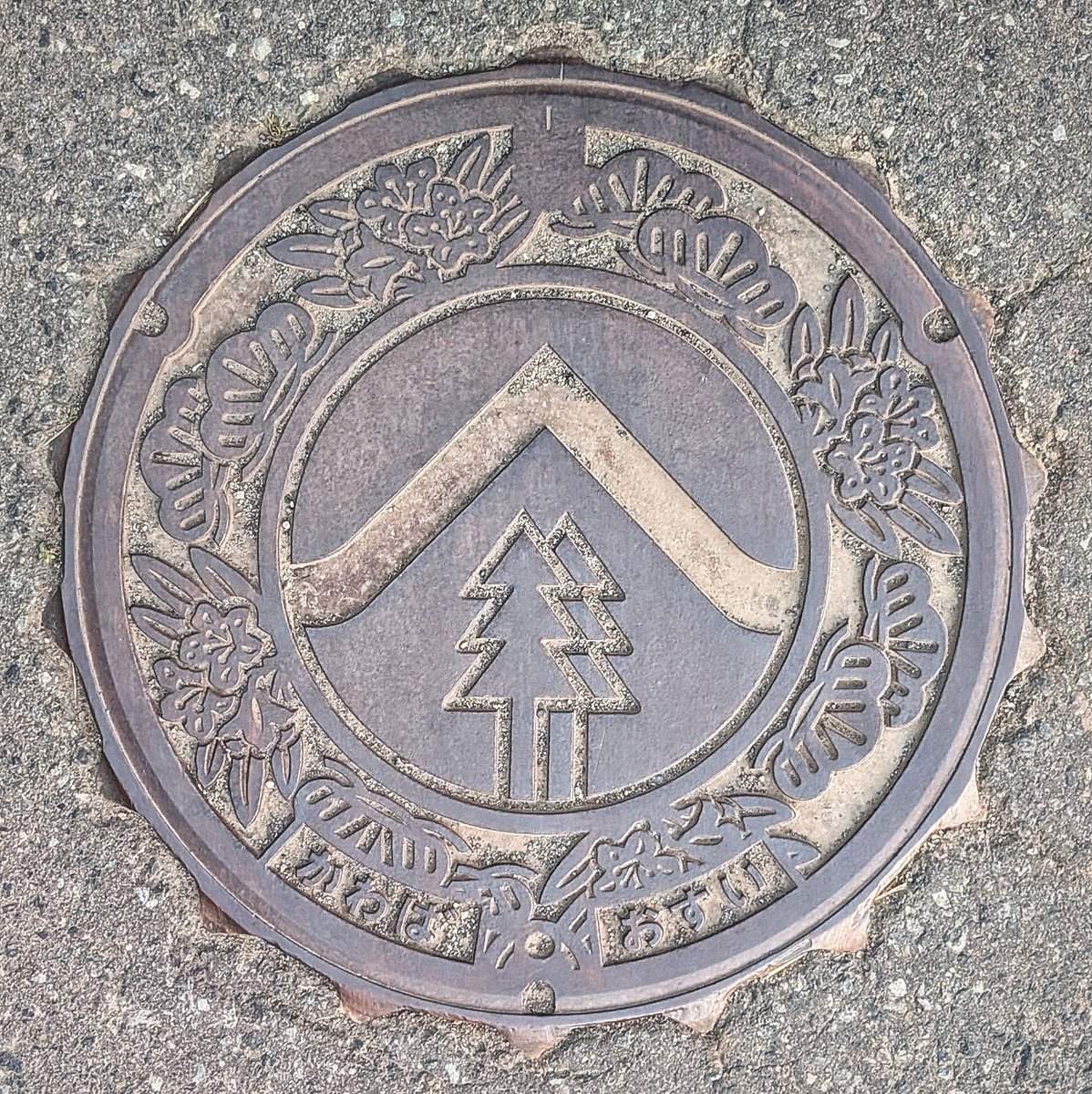
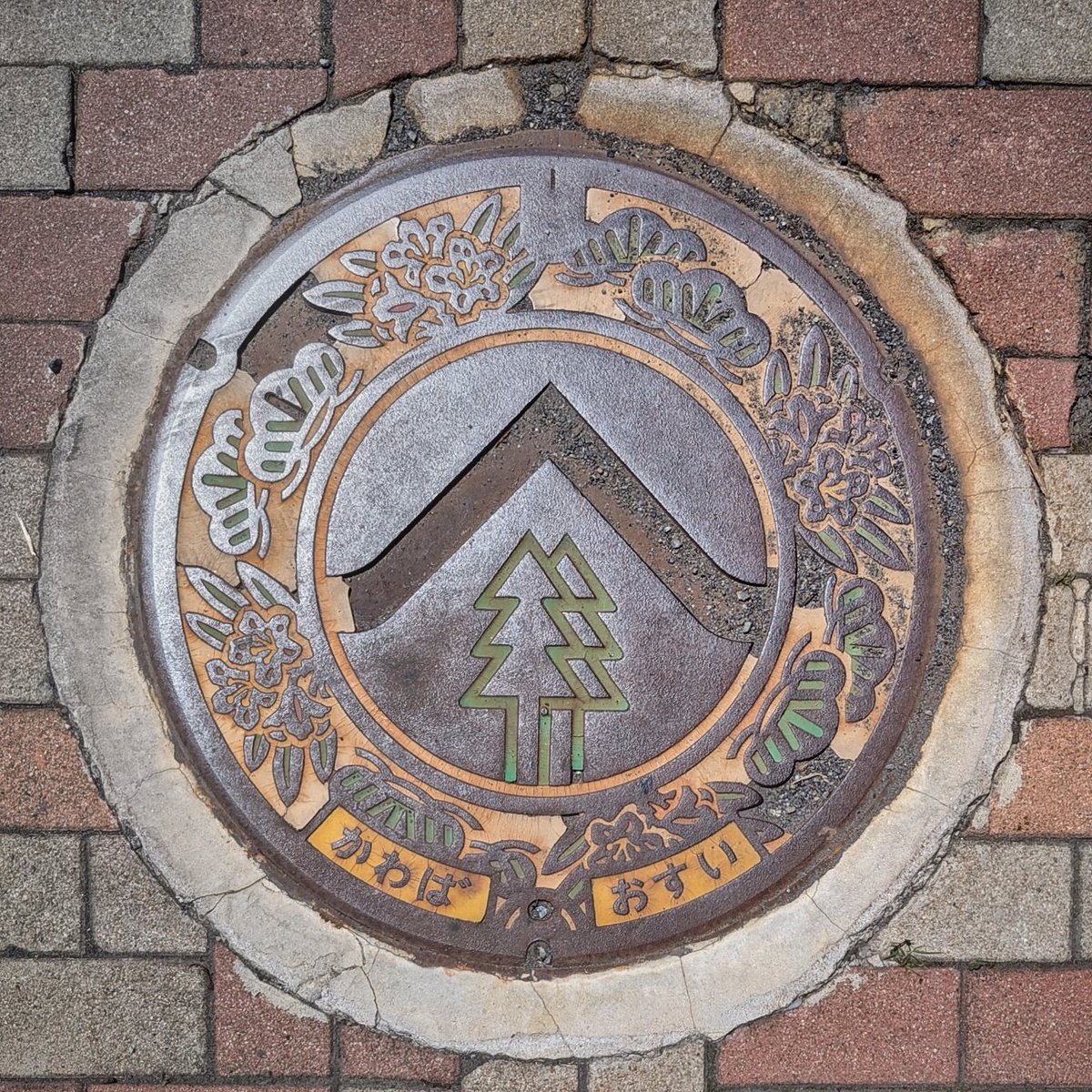
From Kawaba in Gunma Prefecture, this #manhole cover depicts the village tree, the Japanese white pine, and the village flower, the rhododendron. At its centre is a stylised representation of Mount Hotaka, the mountain that dominates the local landscape.
#manholecoverMonday
11
100
1/3) So, what are the stats on my most recent social philately article? To be honest, at 12,000 words in length, I didn't expect a lot of engagement 😂, but there have been a gratifying number of people who have returned up to 5 times to (presumably) read all the way through.
1
6
84
2/3) 72% of the readers are already email subscribers, and 13% come from the host platform. The balance arrives through social media and direct links. Only 3 people downloaded the PDF version (now removed). In all there have been 160 views, but that includes all return readers.
1
6
71