
theoretical physics
Joined November 2023
- Tweets 5,428
- Following 1,107
- Followers 3,264
- Likes 20,294
225 Photos and videos







21h
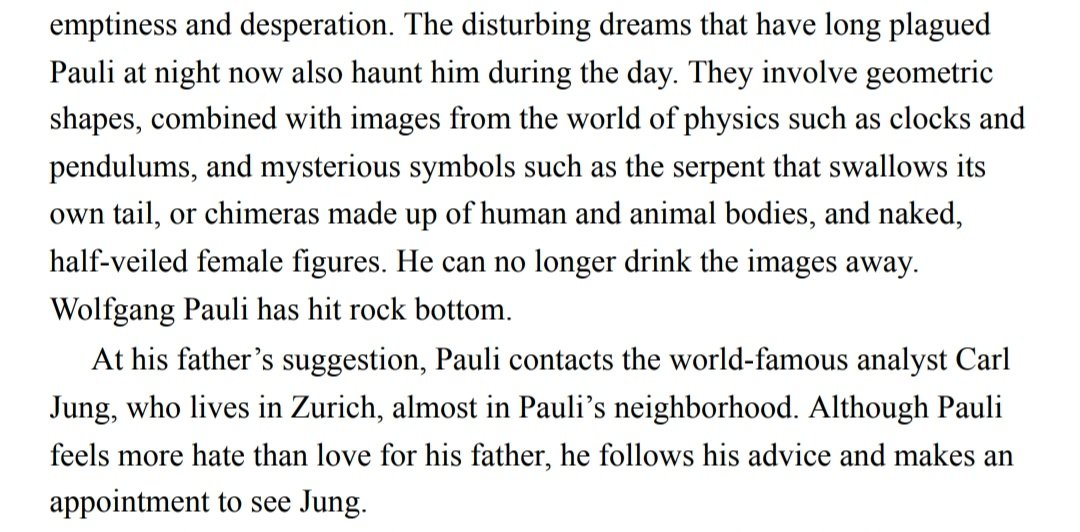
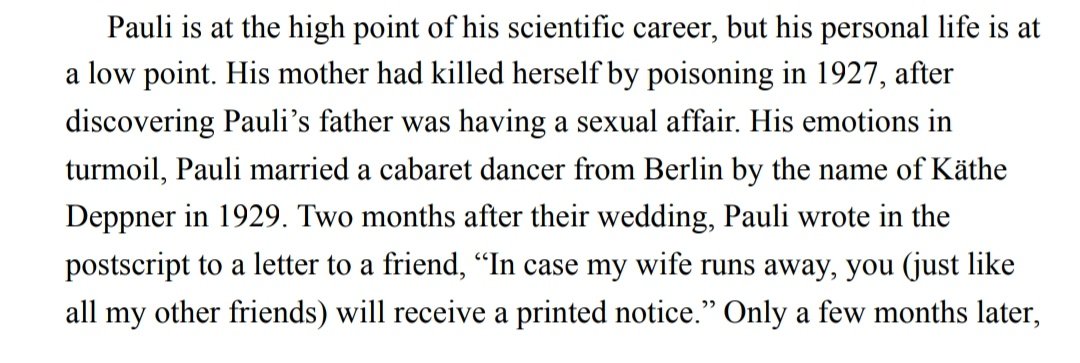
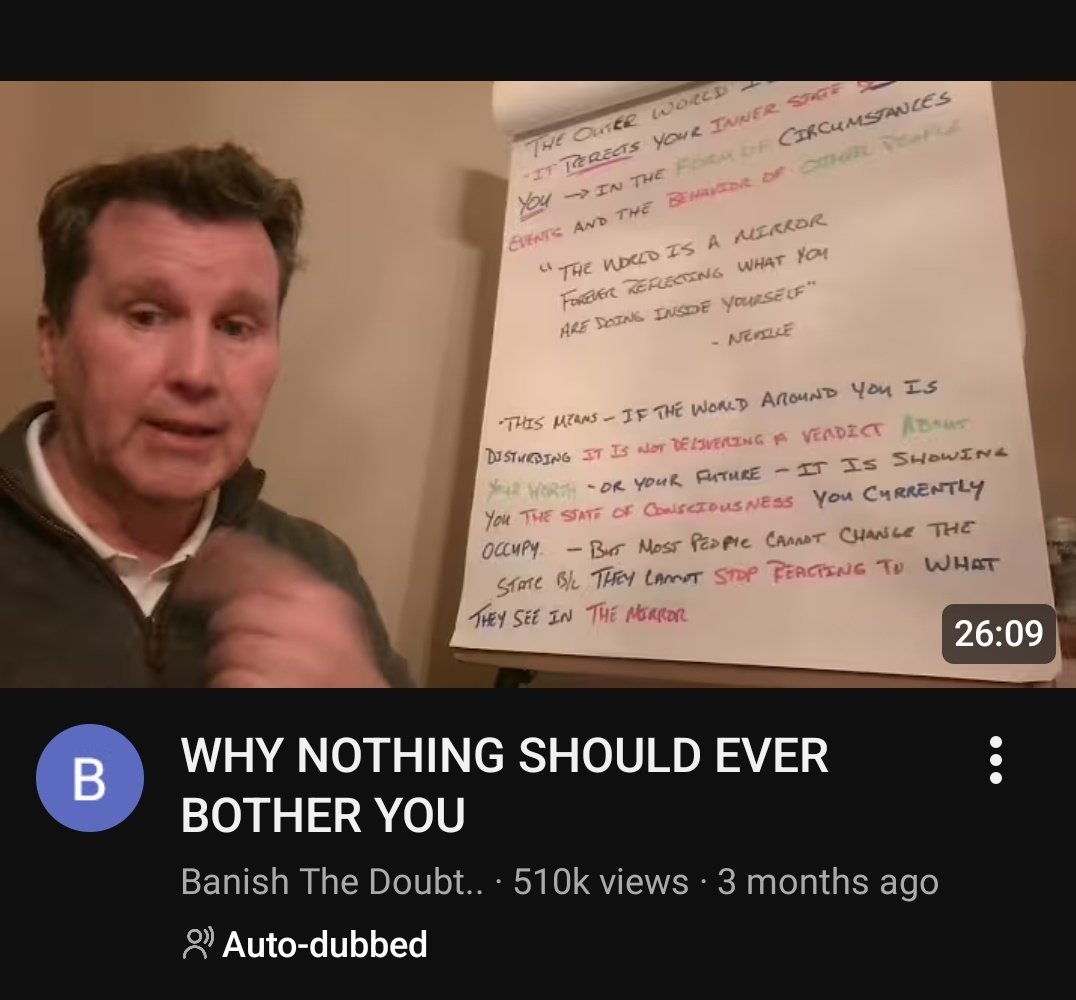
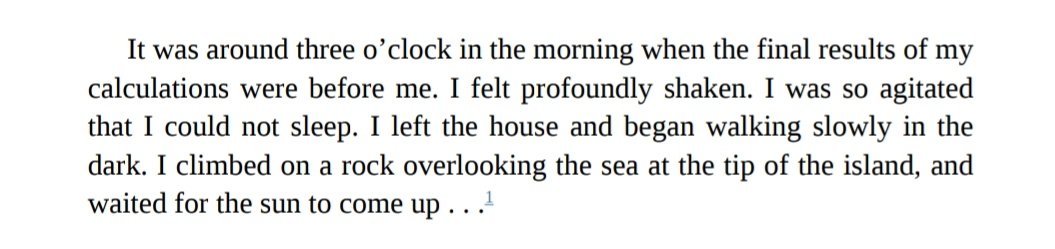
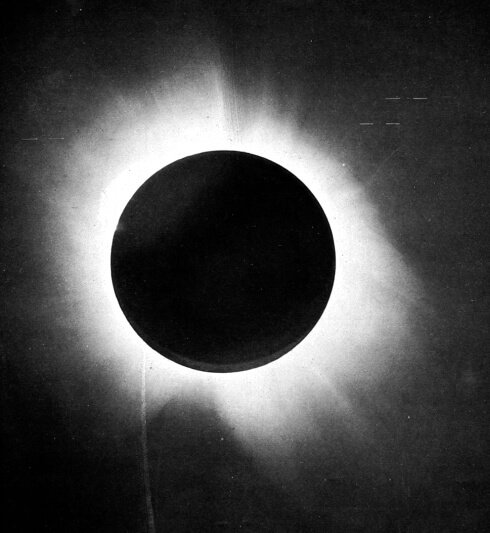
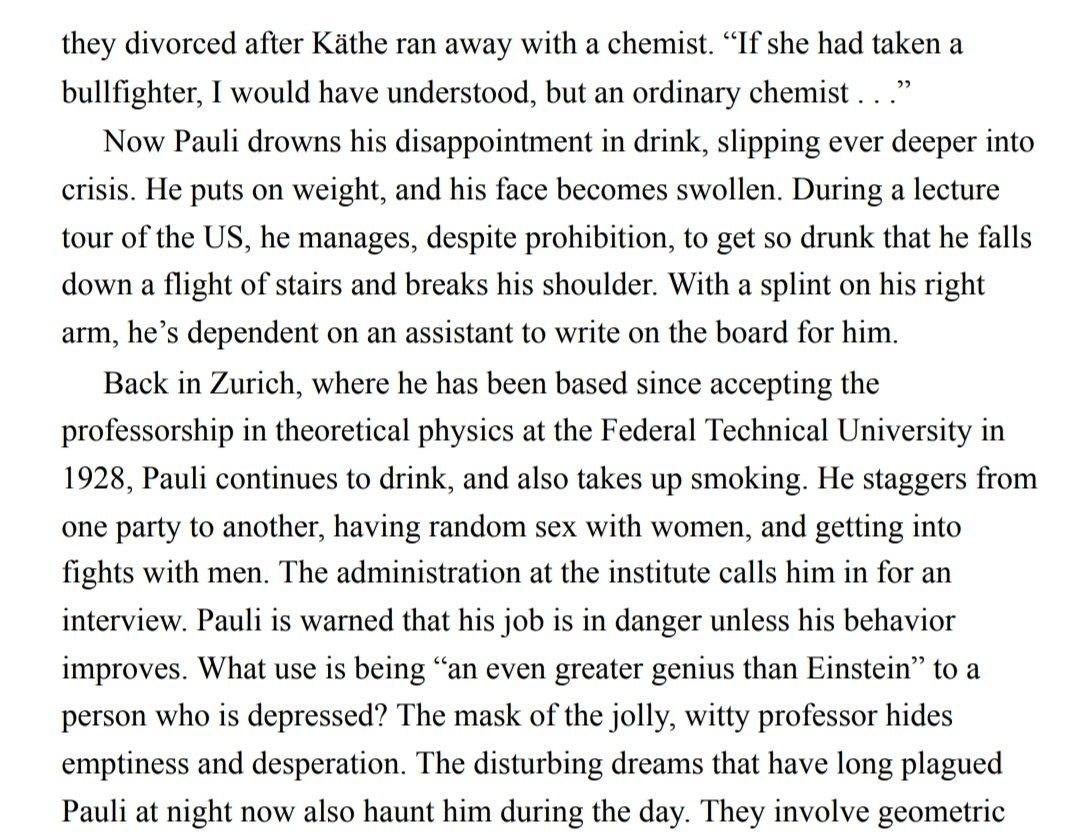
Wolfgang Pauli, the great physicist, had his personal life completely wrecked at a high time of his career.
20
61
744
68,063
Superb thread!
4 Apr 2023

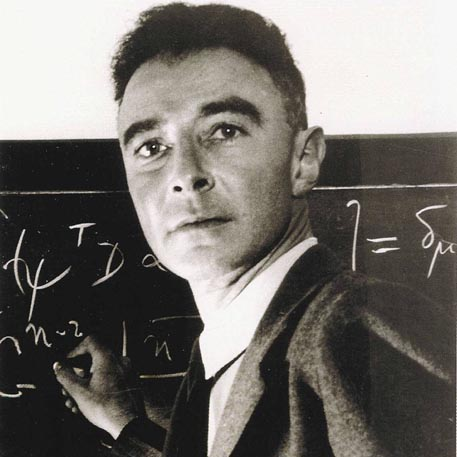
1/n: Often people's biggest contribution is something they aren't actually known for the most. For instance, Oppenheimer's biggest contribution was to create the American school of modern theoretical physics. Many of today's leading physicists are his academic grandchildren.
10
1,551
Jun 13
A very iconic interview of AKR, more people should watch this and know of him and his works.
youtu.be/TH14omes5Ts?si=SzPH…
1
4
20
1,039
Jun 13
For those interested: here's a minicourse on black hole superradiance!
youtube.com/playlist?list=PL…
Jun 12

In General Relativity, gravity is not a force in the traditional sense. A freely falling object follows the straightest possible path through curved spacetime, known as a geodesic. The Earth orbiting the Sun is perhaps the most familiar example: it is not being "pulled" around its orbit by a force, but rather moving along a geodesic in the warped geometry created by the Sun.
However, this picture is only true upto an approximation. Realistic astrophysical compact objects are not featureless point particles. Many of them have spin. The fastest known spinning neutron star rotates at the rate of 716 times per second, and black holes can approach the ultimate relativistic speed limit set by GR. A spinning body interacts with spacetime curvature through what is known as spin-curvature coupling. This effect is described by the Mathisson-Papapetrou-Dixon equations (check inspirehep.net/literature/93… and references therein), which show that rapidly rotating compact objects do not follow exact geodesics. Instead, their spin couples to the background metric, and that in turn produces tiny but deviations from free-fall motion.
Spin does something even more remarkable. According to Einstein's theory, mass does not only curve spacetime, it can also drag it around as it rotates. This phenomenon is called frame dragging. The stronger the rotation, the stronger the dragging effect. Around our own planet this effect is extraordinarily small but measurable. The Gravity Probe B mission confirmed its existence in 2011 by observing the slow precession of gyroscopes orbiting our planet (arxiv.org/abs/1105.3456). Around black holes, however, frame dragging becomes one of the dominant features of the spacetime itself.
The rotating black hole solution discovered by Roy Kerr in 1963 revealed a startling consequence of frame dragging (link.aps.org/doi/10.1103/Phy…). Close to the event horizon exists a region known as the ergosphere, where spacetime is dragged so violently that nothing, not even light, can remain stationary with respect to distant observers. Every object inside the ergosphere is compelled to co-rotate with the black hole.
This region opens the door to one of the most fascinating energy extraction mechanisms: Black Hole Superradiance. The basic idea is quite simple. Imagine throwing a wave toward a rotating black hole. Under the right conditions, the wave scatters back with more energy than it originally carried. The extra energy is not created from nothing but extracted directly from the black hole's rotational energy. The black hole slows down ever so slightly, while the outgoing wave emerges amplified.
A useful analogy is a ball bouncing off a rotating carousel. If the ball strikes the carousel in the correct way, it can steal some of the carousel's rotational energy and rebound faster than before. Superradiance is the relativistic wave analogue of this process. For a wave of frequency ω and azimuthal number m, amplification occurs whenever the condition
ω < mΩ_h
is satisfied, where Ω_h is the angular velocity of the black hole horizon. In this regime, the wave taps into the rotational reservoir of the black hole and returns with greater amplitude.
The existence of an event horizon is crucial. The horizon acts as a dissipative surface, absorbing part of the incoming radiation while allowing the amplification process to occur. This connection between dissipation and amplification was first recognized by Yakov Zel'dovich in the early 1970s (inspirehep.net/literature/30…), even before the modern theory of black-hole superradiance was fully developed. Later work by Press, Teukolsky (inspirehep.net/literature/86…), and many others established superradiance as a fundamental prediction of rotating black hole spacetimes.
By itself, superradiant scattering is relatively modest. But nature itself provides a way to transform it into a genuine instability. Suppose an ultralight bosonic particle exists in the Universe, something like an axion, an axion-like particle, or a dark photon (doi.org/10.1007/s10714-025-0…). Such particles are predicted in many extensions of the Standard Model and are among the leading candidates for dark matter. Because they possess a tiny mass, the gravitational field of a black hole can trap them in bound states, much like electrons occupy orbitals around an atomic nucleus.
The result is often called the "gravitational atom" in the literature. The black hole plays the role of the nucleus, while the bosonic field occupies hydrogen-like energy levels around it. Whenever one of these bound states satisfies the superradiant condition, the population of particles in that state grows exponentially. Instead of a single amplified wave escaping to infinity, the field repeatedly extracts rotational energy from the black hole and becomes trapped again. The process feeds on itself. The black hole spins down while an enormous bosonic cloud develops around it.
This possibility has transformed black holes into particle detectors. If ultralight bosons exist, rapidly rotating black holes should not remain rapidly rotating for long. Superradiance would continuously extract their angular momentum. Consequently, certain regions of the black hole mass-spin diagram should be depleted of highly spinning objects. Observationally, these "gaps" become a powerful probe of new physics. The mere existence of rapidly spinning black holes can exclude entire ranges of particle masses, this would easily provide constraints that often surpass those achievable in terrestrial laboratories.
Even more exciting is the gravitational-wave signature of these bosonic clouds. As the cloud evolves, it emits nearly monochromatic gravitational radiation over extremely long timescales. Unlike the short bursts observed from black-hole mergers, these signals are continuous, persisting for months, years, or even longer. Future gravitational-wave observatories such as LIGO/Virgo/KAGRA, LISA, and next-generation detectors such as the Einstein Telescope and the Cosmic explorer may be capable of detecting these signals directly. A single detection could simultaneously reveal a new particle and demonstrate a fundamentally new aspect of black hole physics.
Black hole superradiance thus occupies a central position at the interface of GR, particle physics, and cosmology. The phenomenon arises from the interaction between rotating spacetime geometry and bosonic fields and allows energy and angular momentum to be extracted from a Kerr black holes under appropriate conditions. When the amplified radiation is confined, superradiance can trigger instabilities whose growth rates depend sensitively on the properties of the underlying field. Superradiance is intimately connected to several other branches of physics and might even provide a holographic description of spontaneous symmetry breaking and superfluidity through the gauge-gravity duality.
1
1
28
2,302
Akshat retweeted

Jun 13
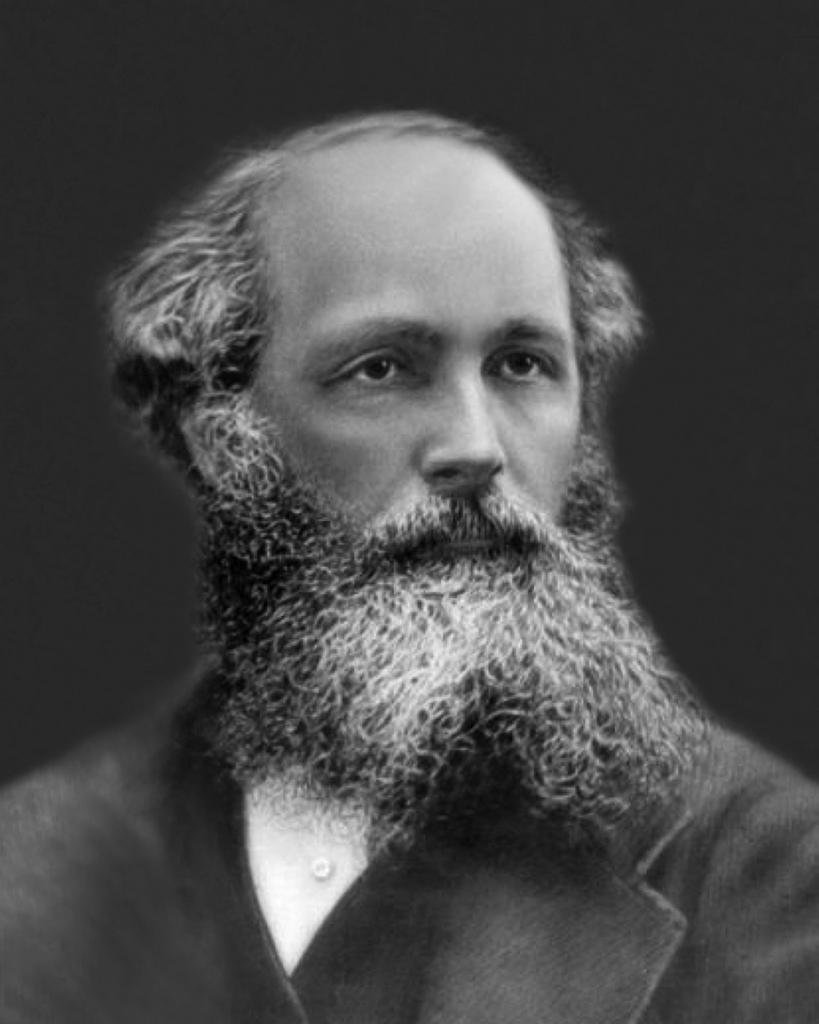
Physicist James Clerk Maxwell who unified electricity and magnetism among many other major achievements, was born #OTD 1831. Richard Feynman's quote captures his supreme importance for physics and for the world as a whole.
“The American Civil War will pale into provincial insignificance compared to the other major event of the decade, which is Maxwell’s discovery of the laws of electromagnetism.”
6
15
57
2,913
Akshat retweeted
Jun 12
In General Relativity, gravity is not a force in the traditional sense. A freely falling object follows the straightest possible path through curved spacetime, known as a geodesic. The Earth orbiting the Sun is perhaps the most familiar example: it is not being "pulled" around its orbit by a force, but rather moving along a geodesic in the warped geometry created by the Sun.
However, this picture is only true upto an approximation. Realistic astrophysical compact objects are not featureless point particles. Many of them have spin. The fastest known spinning neutron star rotates at the rate of 716 times per second, and black holes can approach the ultimate relativistic speed limit set by GR. A spinning body interacts with spacetime curvature through what is known as spin-curvature coupling. This effect is described by the Mathisson-Papapetrou-Dixon equations (check inspirehep.net/literature/93… and references therein), which show that rapidly rotating compact objects do not follow exact geodesics. Instead, their spin couples to the background metric, and that in turn produces tiny but deviations from free-fall motion.
Spin does something even more remarkable. According to Einstein's theory, mass does not only curve spacetime, it can also drag it around as it rotates. This phenomenon is called frame dragging. The stronger the rotation, the stronger the dragging effect. Around our own planet this effect is extraordinarily small but measurable. The Gravity Probe B mission confirmed its existence in 2011 by observing the slow precession of gyroscopes orbiting our planet (arxiv.org/abs/1105.3456). Around black holes, however, frame dragging becomes one of the dominant features of the spacetime itself.
The rotating black hole solution discovered by Roy Kerr in 1963 revealed a startling consequence of frame dragging (link.aps.org/doi/10.1103/Phy…). Close to the event horizon exists a region known as the ergosphere, where spacetime is dragged so violently that nothing, not even light, can remain stationary with respect to distant observers. Every object inside the ergosphere is compelled to co-rotate with the black hole.
This region opens the door to one of the most fascinating energy extraction mechanisms: Black Hole Superradiance. The basic idea is quite simple. Imagine throwing a wave toward a rotating black hole. Under the right conditions, the wave scatters back with more energy than it originally carried. The extra energy is not created from nothing but extracted directly from the black hole's rotational energy. The black hole slows down ever so slightly, while the outgoing wave emerges amplified.
A useful analogy is a ball bouncing off a rotating carousel. If the ball strikes the carousel in the correct way, it can steal some of the carousel's rotational energy and rebound faster than before. Superradiance is the relativistic wave analogue of this process. For a wave of frequency ω and azimuthal number m, amplification occurs whenever the condition
ω < mΩ_h
is satisfied, where Ω_h is the angular velocity of the black hole horizon. In this regime, the wave taps into the rotational reservoir of the black hole and returns with greater amplitude.
The existence of an event horizon is crucial. The horizon acts as a dissipative surface, absorbing part of the incoming radiation while allowing the amplification process to occur. This connection between dissipation and amplification was first recognized by Yakov Zel'dovich in the early 1970s (inspirehep.net/literature/30…), even before the modern theory of black-hole superradiance was fully developed. Later work by Press, Teukolsky (inspirehep.net/literature/86…), and many others established superradiance as a fundamental prediction of rotating black hole spacetimes.
By itself, superradiant scattering is relatively modest. But nature itself provides a way to transform it into a genuine instability. Suppose an ultralight bosonic particle exists in the Universe, something like an axion, an axion-like particle, or a dark photon (doi.org/10.1007/s10714-025-0…). Such particles are predicted in many extensions of the Standard Model and are among the leading candidates for dark matter. Because they possess a tiny mass, the gravitational field of a black hole can trap them in bound states, much like electrons occupy orbitals around an atomic nucleus.
The result is often called the "gravitational atom" in the literature. The black hole plays the role of the nucleus, while the bosonic field occupies hydrogen-like energy levels around it. Whenever one of these bound states satisfies the superradiant condition, the population of particles in that state grows exponentially. Instead of a single amplified wave escaping to infinity, the field repeatedly extracts rotational energy from the black hole and becomes trapped again. The process feeds on itself. The black hole spins down while an enormous bosonic cloud develops around it.
This possibility has transformed black holes into particle detectors. If ultralight bosons exist, rapidly rotating black holes should not remain rapidly rotating for long. Superradiance would continuously extract their angular momentum. Consequently, certain regions of the black hole mass-spin diagram should be depleted of highly spinning objects. Observationally, these "gaps" become a powerful probe of new physics. The mere existence of rapidly spinning black holes can exclude entire ranges of particle masses, this would easily provide constraints that often surpass those achievable in terrestrial laboratories.
Even more exciting is the gravitational-wave signature of these bosonic clouds. As the cloud evolves, it emits nearly monochromatic gravitational radiation over extremely long timescales. Unlike the short bursts observed from black-hole mergers, these signals are continuous, persisting for months, years, or even longer. Future gravitational-wave observatories such as LIGO/Virgo/KAGRA, LISA, and next-generation detectors such as the Einstein Telescope and the Cosmic explorer may be capable of detecting these signals directly. A single detection could simultaneously reveal a new particle and demonstrate a fundamentally new aspect of black hole physics.
Black hole superradiance thus occupies a central position at the interface of GR, particle physics, and cosmology. The phenomenon arises from the interaction between rotating spacetime geometry and bosonic fields and allows energy and angular momentum to be extracted from a Kerr black holes under appropriate conditions. When the amplified radiation is confined, superradiance can trigger instabilities whose growth rates depend sensitively on the properties of the underlying field. Superradiance is intimately connected to several other branches of physics and might even provide a holographic description of spontaneous symmetry breaking and superfluidity through the gauge-gravity duality.
7
12
64
6,977
Jun 13
They didn't even spare their employees damn
Jun 13

The US government, citing national security authorities, has issued an export control directive to suspend all access to Fable 5 and Mythos 5 by any foreign national, whether inside or outside the United States, including foreign national Anthropic employees.
The net effect of this order is that we must abruptly disable Fable 5 and Mythos 5 for all our customers to ensure compliance.
Access to all other Claude models is not affected.
We apologize for this disruption to our customers. We believe this is a misunderstanding and are working to restore access as soon as possible.
Read our full statement: anthropic.com/news/fable-myt…
10
446
Akshat retweeted

Jun 12
Friend's mom in ICU – final-stage Type 2 Diabetes kidney failure
Daily cost ~₹54K: Room ₹25K | Ventilator ₹6K | Dialysis ₹5K | Labs ₹8K | Injections ₹10K | Dr ₹2.5K | PPE ₹4K
₹25L already paid, still short
Any amount RT helps
UPI: deepanshu14589@okicici

7
147
142
13,783
Akshat retweeted
Jun 12
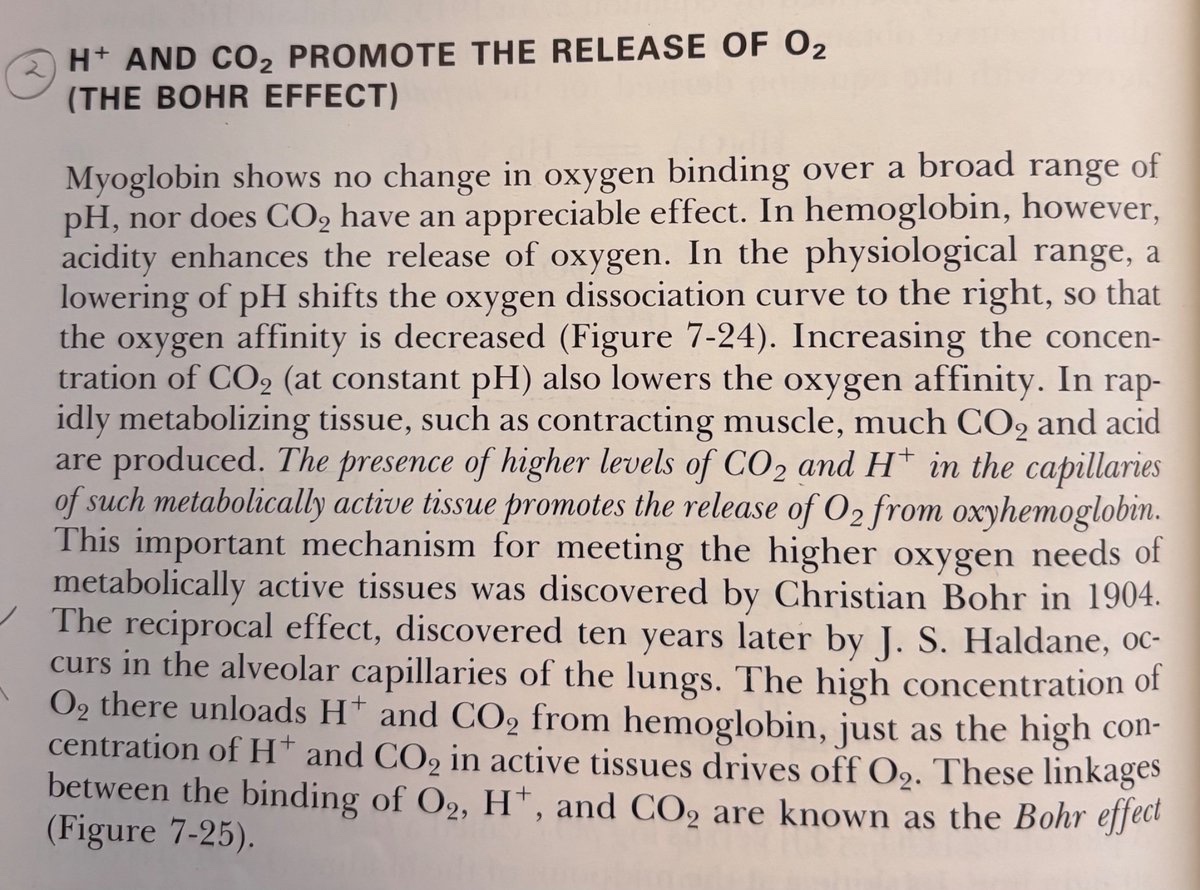
Christian Bohr was so overshadowed by the accomplishments of his son that we tend to forget that he discovered one of the most important effects in physiology - how actively exercising muscles and tissues meet their increasing oxygen demand.
3
14
58
3,087
Jun 12
I think many people in their 20s need to realise that it is never too late to start from scratch. The excessive overthinking we do before beginning something new, whether it’s learning a new skill or diving into a new field of research, would be far better directed toward taking the action and showing up everyday.
Once you do that, you’ll begin to see actual results within a surprisingly short span of time.
5
5
67
1,681
Jun 11
How is this stuff getting published 😭

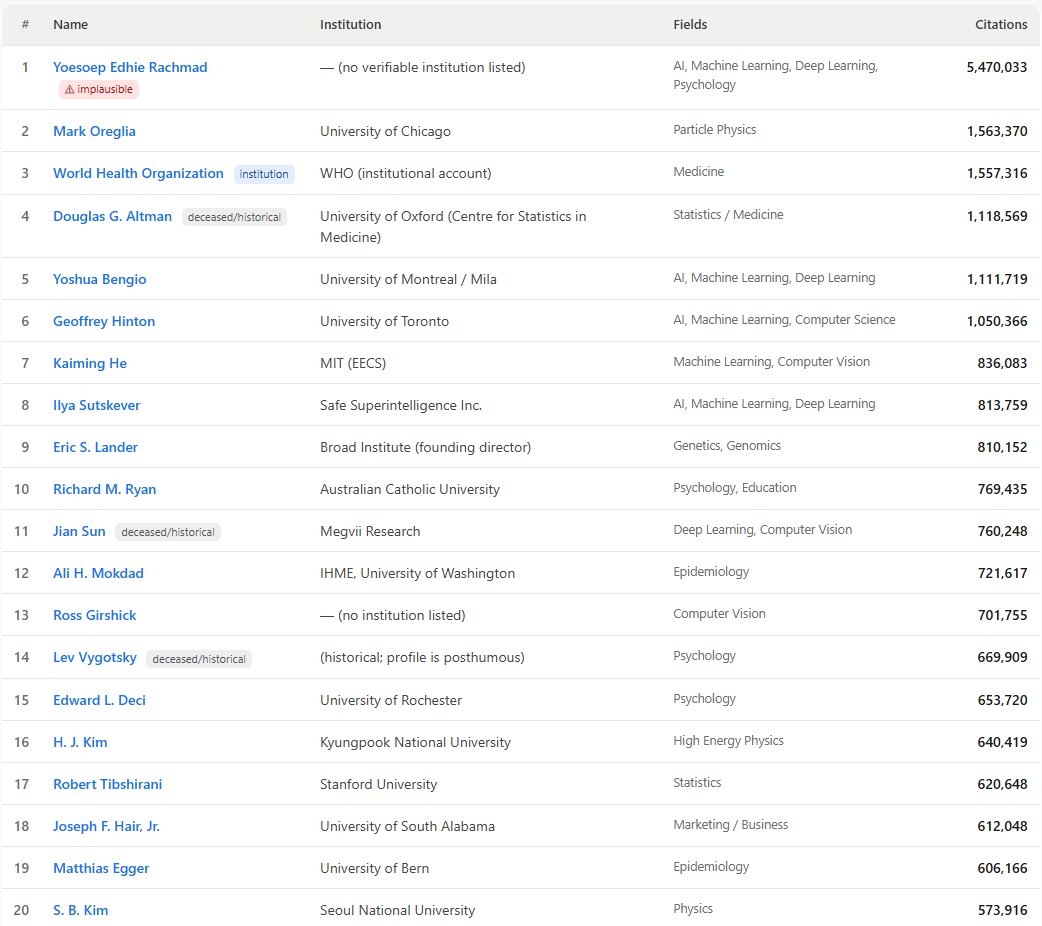
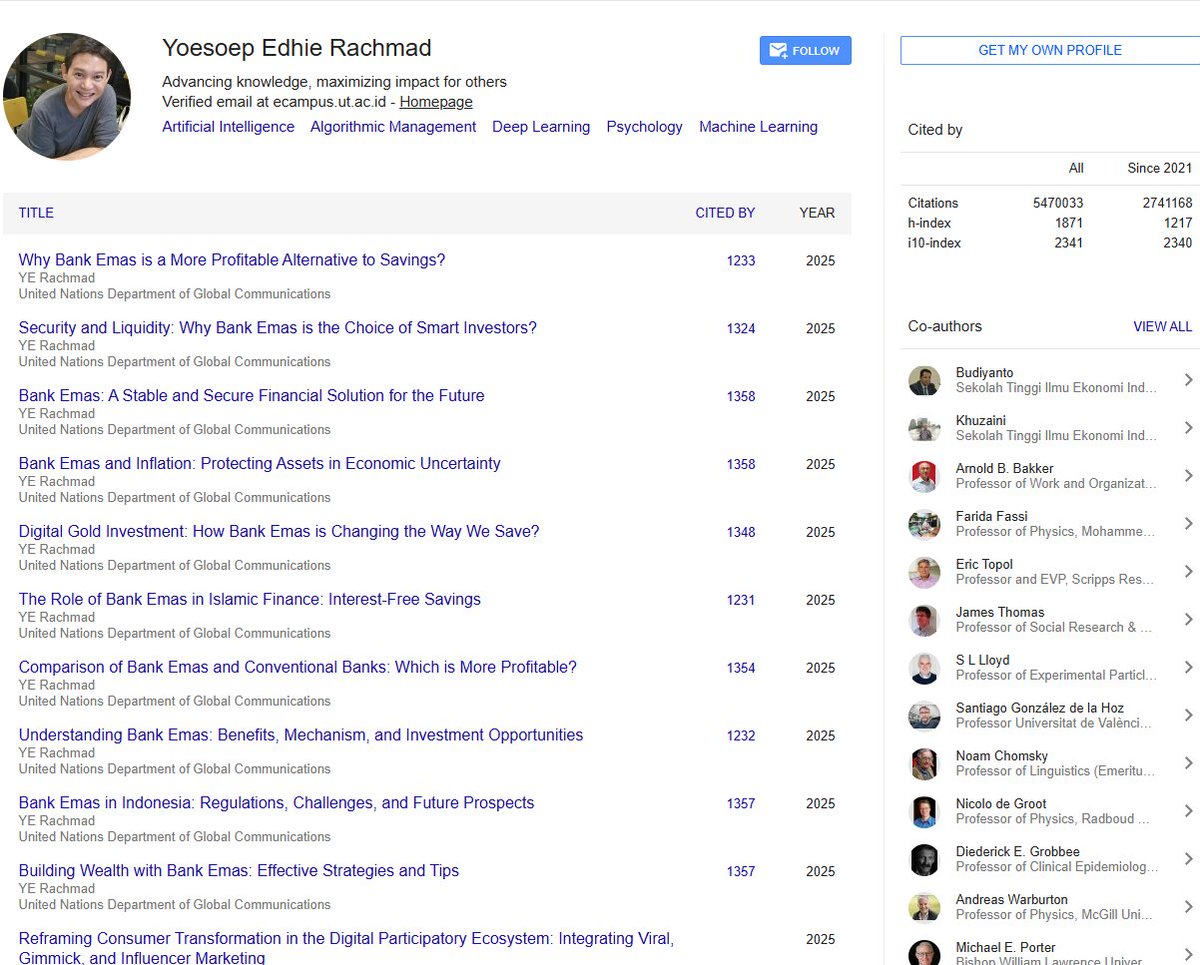
Who is the greatest scientist of all time (in terms of Google Scholar citations)? Is it Einstein? Or Bengio or Hinton?
No.
It is a humble servant of knowledge, Mr. Rachmad of Indonesia, who has had a rather productive publishing period after the launch of ChatGPT
2
10
1,394
Jun 11
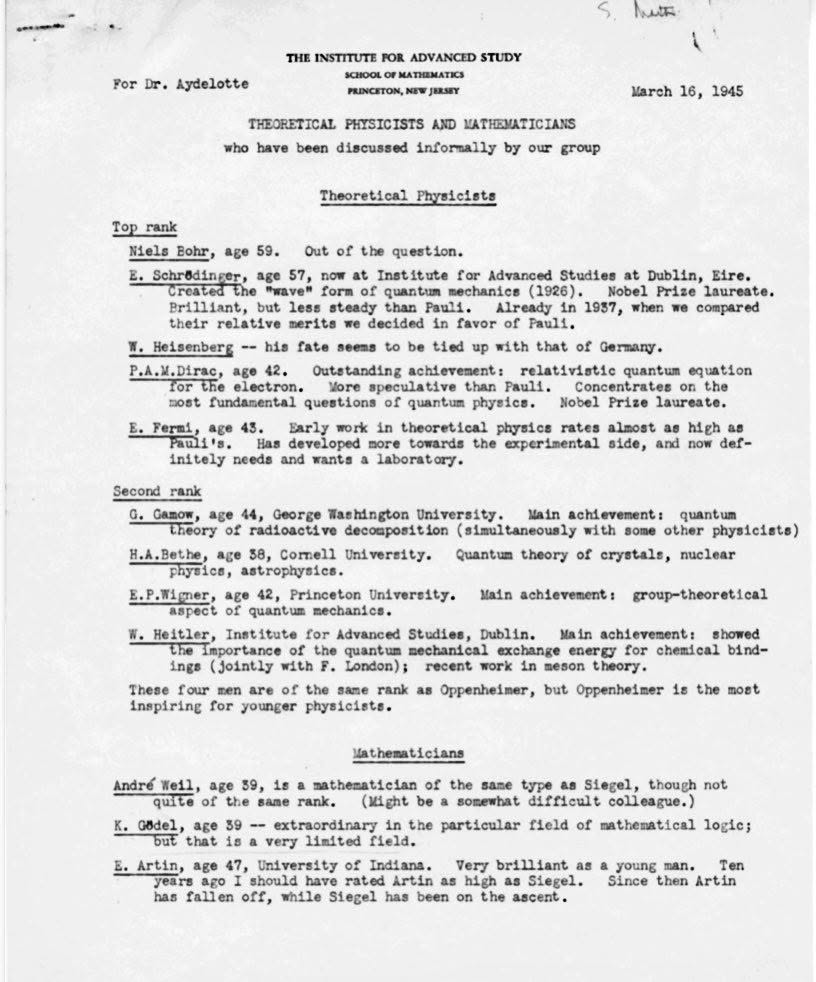
Niels Bohr — “Out of the question.” Bohr aurafarmed like nobody else.
Jun 10
The ultimate faculty recruitment list: Hermann Weyl recommending physicists and mathematicians for the IAS in 1945. The competition is so stiff that Eugene Wigner and Hans Bethe are considered second-tier.
1
1
27
1,374
Jun 10
me gaslighting myself after I end up doing something embarrassing
2
1
20
569
Jun 10
I miss the time when I would spend hours browsing through the bookstores at college street in kolkata. It is also where I found my treasured Landau Lifshitz volumes. This place has certainly gifted many people, especially students from every kind of academic background, with so many wonderful, high quality books
1
23
627
Jun 9
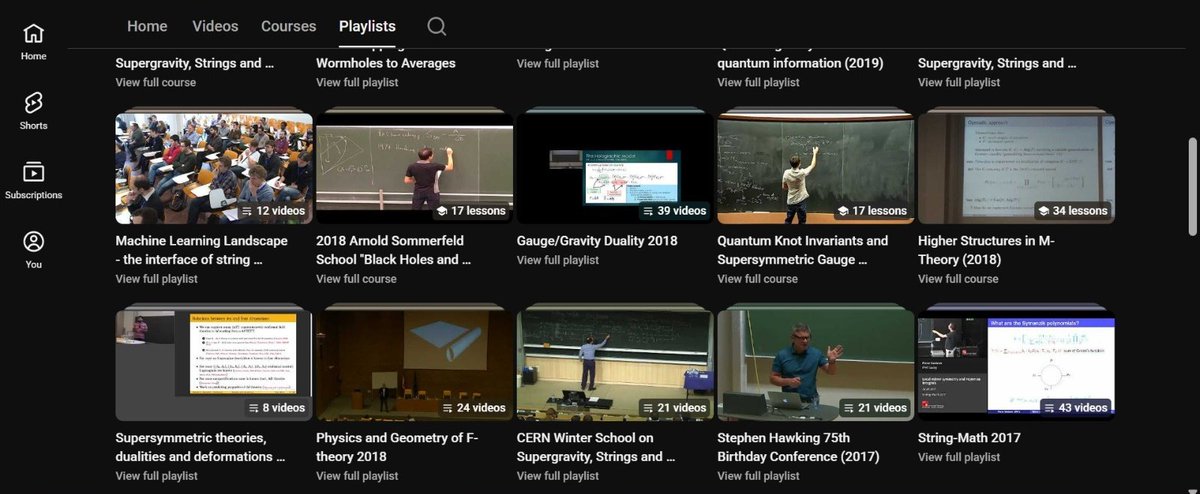
I had no idea that there was a full-fledged string theory course by Polyakov on YT, severely underrated playlist.
youtube.com/playlist?list=PL…
4
26
171
10,823
Jun 9
Beautifully put
Jun 9
“When evening comes, I return to my home, and I go into my study; and on the threshhold, I take off my everyday clothes, which are covered in mud and mire,and I put on regal and curial robes; and dressed in a more appropriate manner I enter into the ancient courts of ancient men and am welcomed by them kindly, and there I taste the food that alone is mine, and for which I was born; and there I am not ashamed to speak to them, to ask them the reasons for their actions; and they, in their humanity, answer me; and for four hours I feel no boredom,I dismiss every affliction, I no longer fear poverty nor do I tremble at the thought of death; I become completely part of them.” - Machiavelli
4
573