
Joined February 2021
- Tweets 379
- Following 1
- Followers 569
- Likes 511
92 Photos and videos


Pinned Tweet

Hello and welcome!
We’re giving the most ambitious founders in Fintech, Crypto, AgTech, EdTech, and more a platform to share their product or startup with the world and connect with users, partners, and investors.
You have a powerful story; we have the platform. Location-agnostic—whether you’re building in Lagos, Nairobi, Cape Town, London, or anywhere else.
How to get featured:
1. Have a great product/startup
2. Film your story (ensure it meets quality standards—see our page for examples)
3. If your story inspires us, we share it with the world.
in60 was created to help you win users, partners, and investors. We’re waiting for you 🫴🏻
20
13
87
17,460
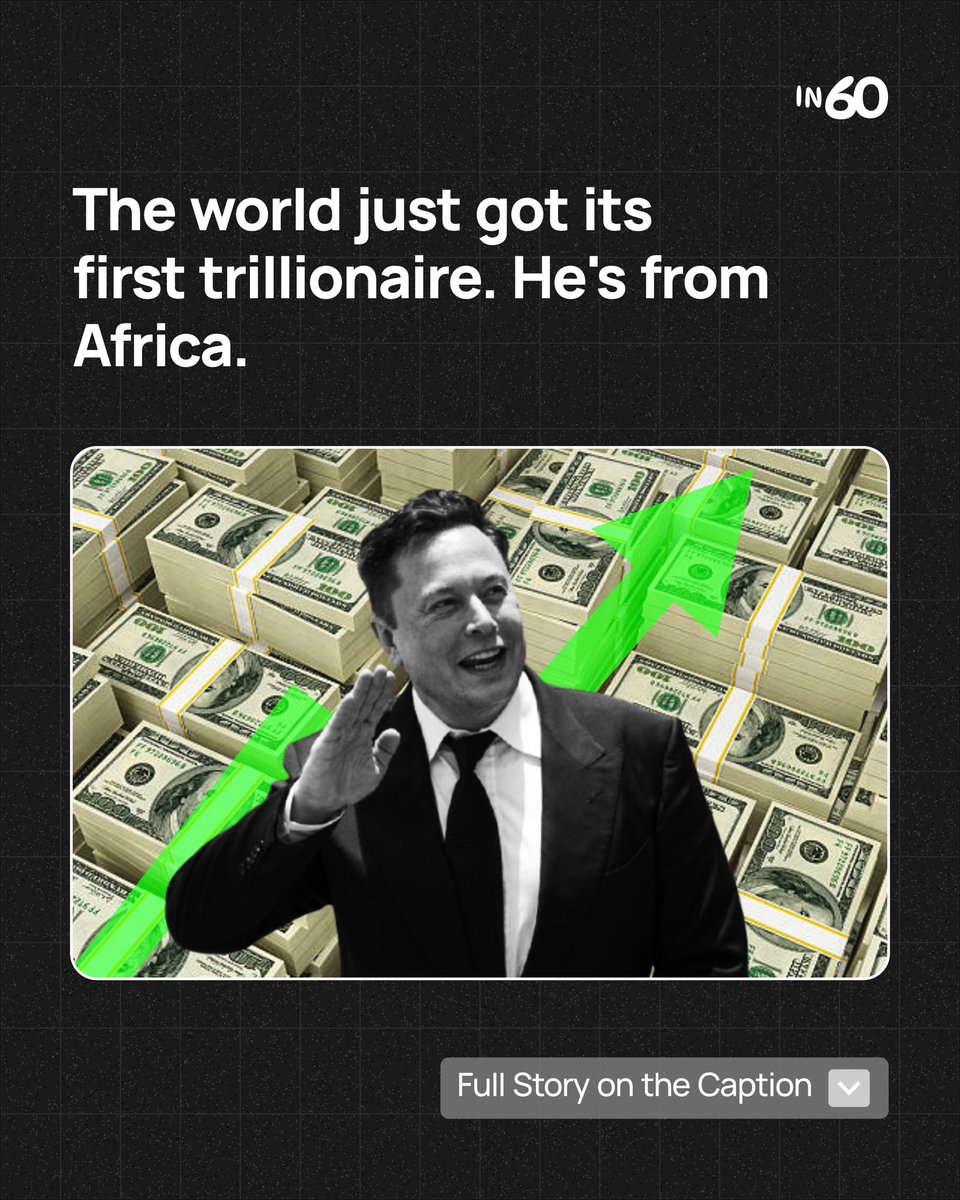
Elon Musk is officially worth $1.1 trillion.
SpaceX just raised $75 billion in what is now the largest IPO in financial history.
Musk owns a stake worth roughly $866 billion in that company alone. Add Tesla, xAI, Neuralink, The Boring Company, and X, and the man born in Pretoria, South Africa, has crossed a number no human being has ever crossed before.
One trillion dollars.
1
2
104
The "Muskonomy", what market watchers now call the network of companies built around one man, is now valued at levels that, as one analyst put it, throw every traditional valuation methodology out the window.
SpaceX alone is targeting a market cap between $1.5 and $2 trillion. Jamie Dimon, the JPMorgan CEO who spent years fighting Musk in court, recently called him "the Edison of our time" and "our Einstein."
2
1
53
The man who left South Africa built rockets, bought Twitter for $44 billion, and inserted himself into American politics, which is now the most valuable individual in the history of human civilization.
Born in Pretoria. It's worth more than most countries.
Make of that what you will.
13
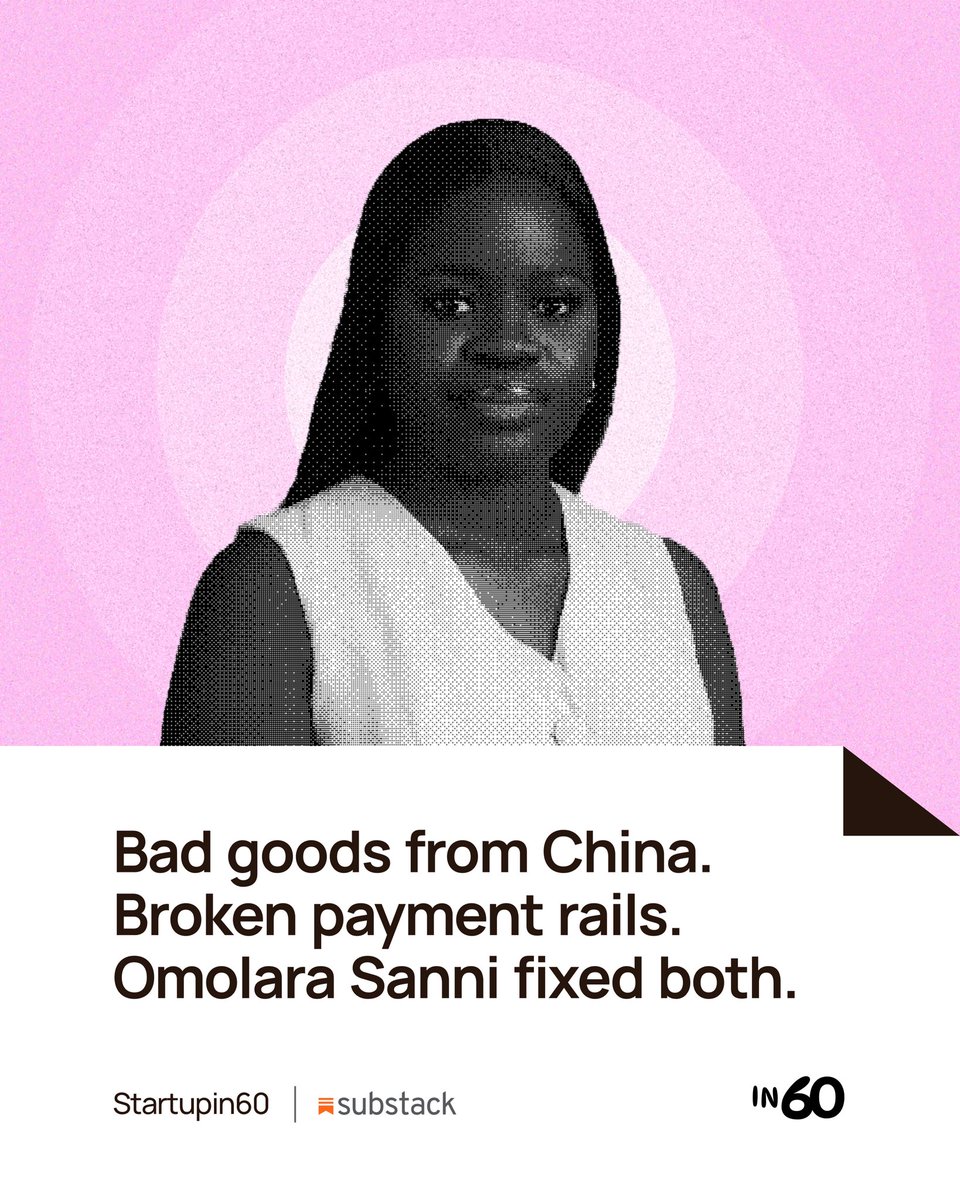
“I’ve never had to fight to be taken seriously as a woman. What I’ve experienced is being underestimated. Mostly before I even speak. But when I eventually do, they can’t help but take me seriously.”
That’s Omolara Sanni and her company Midddleman is exactly that sentence in product form.
Full story: startupin60.substack.com/p/1…
1
4
15
601
The numbers that made people stop underestimating her: over $1.6 million in transactions processed, over 12,500 registered users, named a Top AI Startup by Google for Startups in 2025, backed by the Lagos Angel Network, and she walked into the Female Founders and Funders Year 3 Demo Day and walked out with the ₦5 million first prize.
1
34
The China-Africa trade corridor moves over $300 billion a year and most Nigerian business owners on that corridor are navigating it alone with wrong goods, lost money, and no recourse and Midddleman is building the infrastructure to change that one verified supplier and one secured payment at a time.
Full story on the newsletter
🔗 startupin60.substack.com/p/1…
17
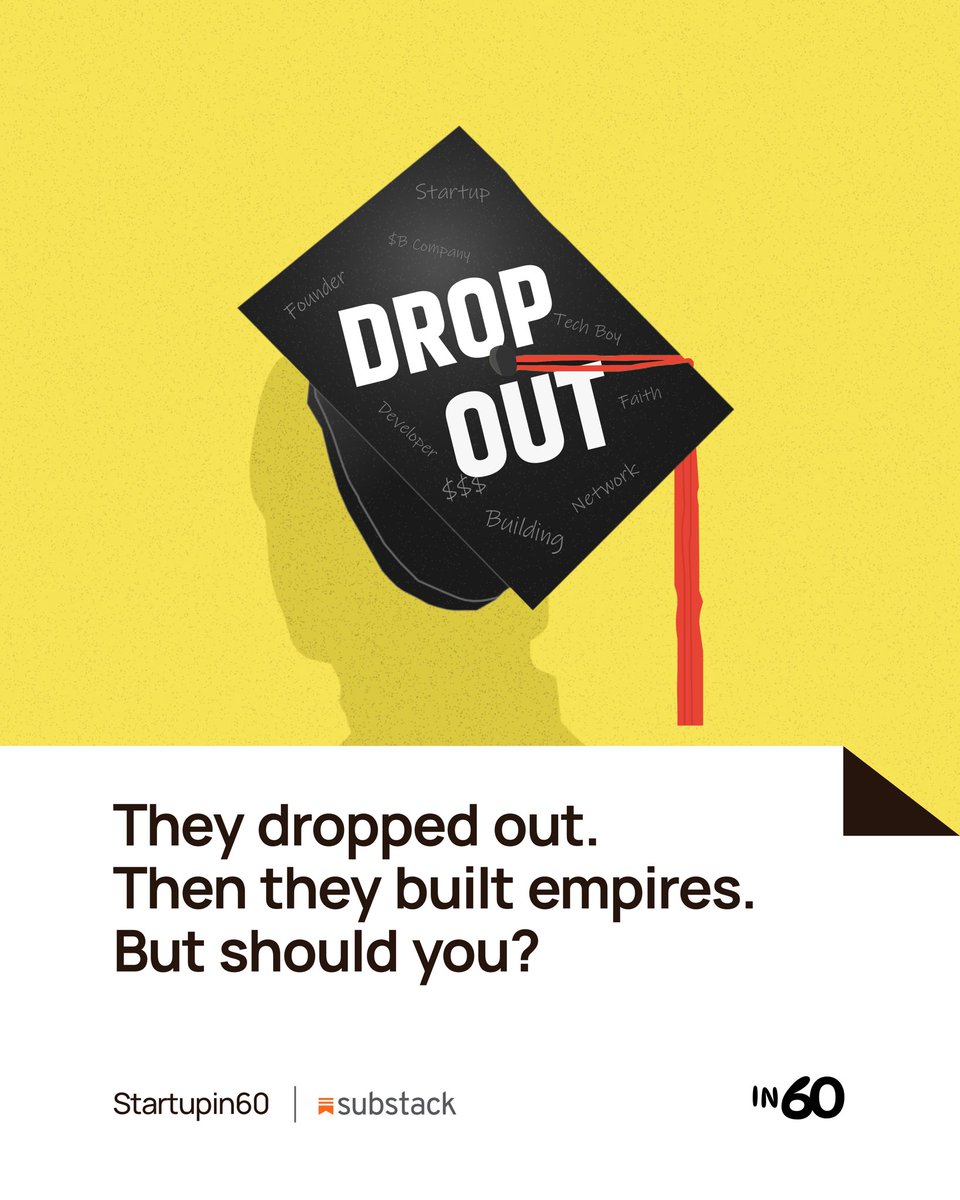
They chose building over a certificate. Here is what happened after…
#in60
3
13
592
in60 | Technology and Startups retweeted

Jun 10
If I can only keep one, it better be doing more than one thing 💙
Choose wisely! Choose XARA!

If you could only use one African app for the rest of your life what would it be?
I’ll go first, Cowrywise.
1
3
12
596
If you could only use one African app for the rest of your life what would it be?
I’ll go first, Cowrywise.
7
1
9
1,019

in60 | Technology and Startups retweeted

The secret of successful products is to solve problems in ways users would love
1
2
283

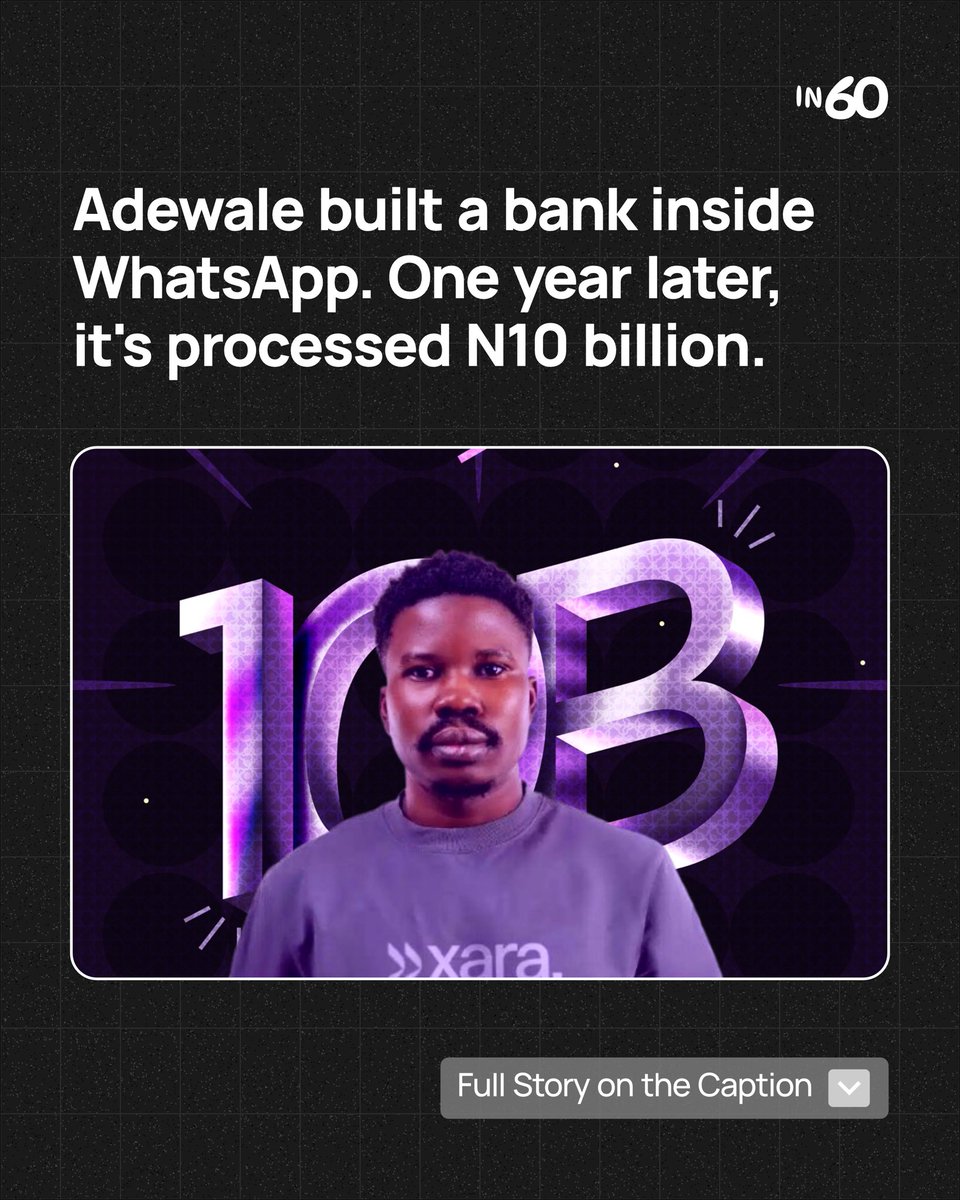
One year ago, Sulaiman Adewale launched @usexara_ai , and nobody really knew what to make of it.
A bank. Inside WhatsApp. No app, no interface, no stress, just type what you want and it happens. Send money. Pay a bill. Check your balance. Like texting, but your money moves.
The idea didn't come from a pitch deck or an accelerator. It came from frustration. @__adewale has an eye defect. Screens with tiny text, complicated menus, multiple taps just to send ₦2,000, it was too much.
So, he built the simplest version of banking he could imagine and put it where every Nigerian already is. WhatsApp. The app your grandma uses. The app the market woman uses. The app that runs on the cheapest phone, on the weakest network, in the most remote area. That WhatsApp.
The first two weeks? ₦120 million processed. He kept building. By day 100, 22,000 people were using it. He kept building. By the time 2026 opened, Xara had crossed ₦5 billion in transactions, and people were already writing them off as a one-hit wonder. Then they hit ₦10 billion. Then 50,000 users.
In between, Xara partnered with Solana to bring USDC and USDT transactions into the chat. They rebuilt the product twice. They launched Xara for Business. They linked up with Rubies Bank. And somewhere along the way, the product went viral enough to land @__adewale an offer from xAI, Elon Musk's artificial intelligence company.
One engineer. One personal problem. One chat window. ₦10 billion.
The lesson isn't about fintech. It's about what happens when someone builds for a real problem they actually live with every day.
Xara didn't disrupt anything. It just went where the people already were and made things easier.
That's it. That's the whole strategy.
3
13
39
9,283
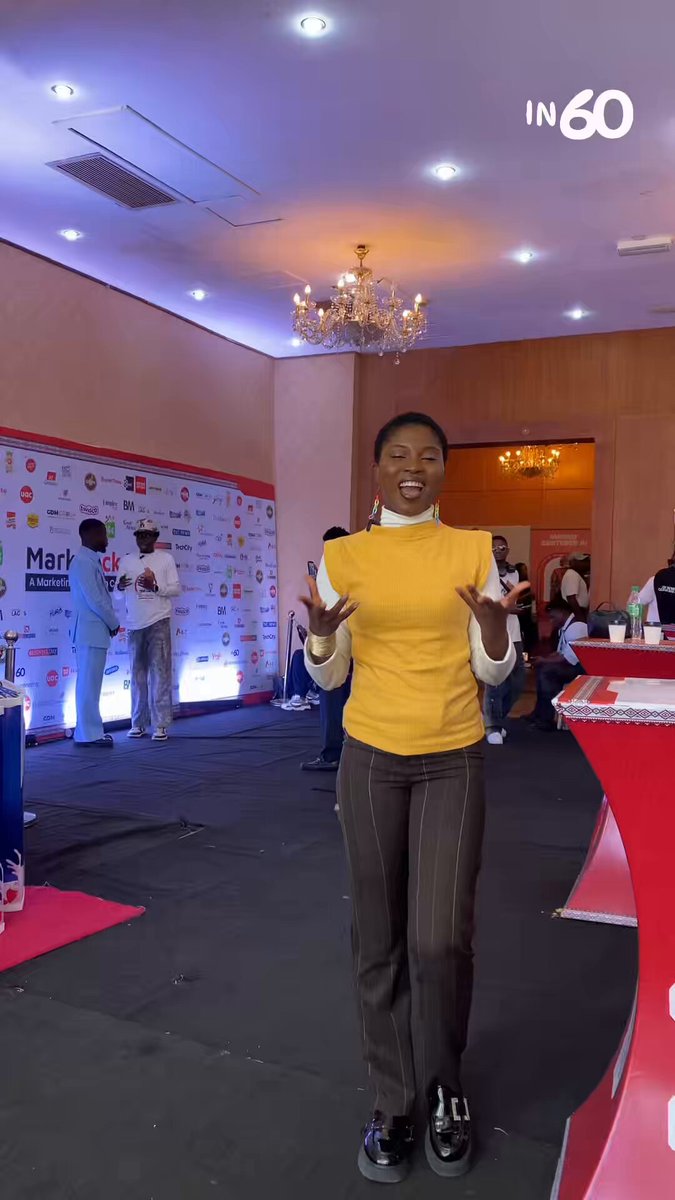
The stage was set and the speakers delivered.
@themarkhack 5.0 was the kind of event that reminds you why conversations about AI, marketing, and human experience actually matter.
in60 was there as media partners and here is what it looked like.
1
128
Tweet 1
This is not a “drop out of school” piece and it is not permission to tell your parents you’re leaving OAU on Monday. It is a honest look at seven African founders who made a calculated bet and what actually happened after.
Full story: startupin60.substack.com/p/c…
1
1
4
136
The one thing every person on this list has in common is not that they dropped out and it is that they replaced school with something harder because Seun spent years grinding open source code, Yele spent a full year teaching himself development from scratch, and Ashish was making weekly trips to Dubai at 15 to import computer parts with a $5,000 loan.
Only 2% of Africa’s unicorn and growth-stage founders are dropouts and 90% have at least one degree and that is not an argument against dropping out and it is an argument for being honest about the odds.
1
1
43
The question was never whether to drop out and it is what exactly you are dropping out for and whether that thing is demanding more from you than your degree was because if the answer is yes maybe the ceiling isn’t the classroom.
Full story on the newsletter.
Link: startupin60.substack.com/p/c…
1
35