Vancouver 🌄 | RN 😷 | Emergency 🏥 | Après-ski Specialist 🍺
Joined March 2020
- Tweets 71
- Following 186
- Followers 21
- Likes 255
3 Photos and videos
Steff McLean retweeted

15 Jan 2025
The terrifying beauty of the Ocean. A thread
⚠️Thread NOT suitable for sensitive people

2,037
25,659
277,902
76,385,886
Steff McLean retweeted

21 Mar 2024
Teaching science is fun
Heart blood circulation
[📹 _saturnales_]
91
3,852
22,794
6,017,118

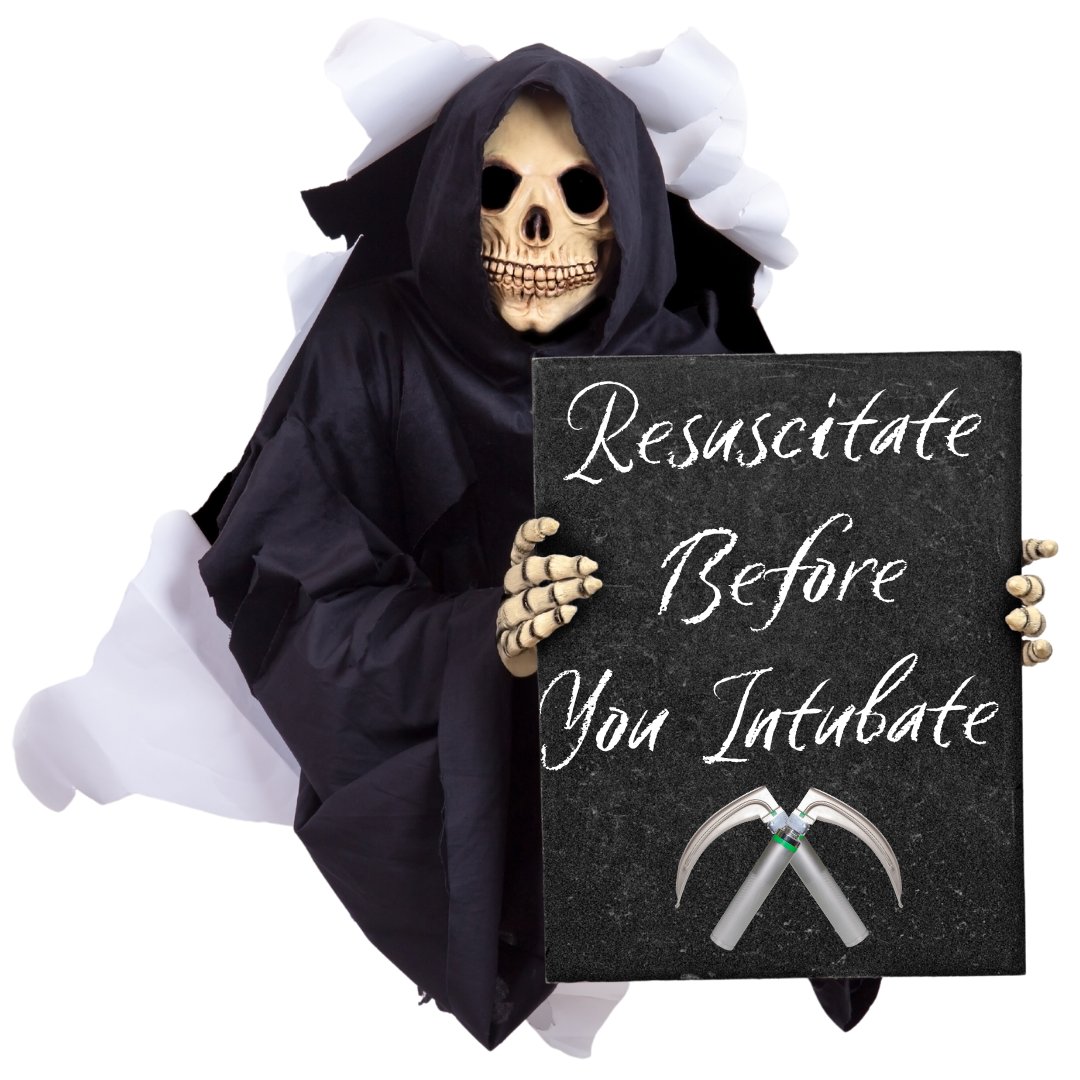
Resuscitate Before You Intubate!!!
Remember, our patients in critical condition may often deteriorate following intubation. Ever wondered why? It's usually because they're not adequately resuscitated before the procedure. This tends to happen predominantly with patients needing emergency intubations, as these individuals are often in precarious hemodynamic states and might be volume depleted.
Let's dive a little deeper into the physiology. Ordinarily, our respiratory process operates under negative pressure - when the diaphragm descends, it lessens intrathoracic pressure and draws air into the lungs. Intubation switches this to a positive pressure system where air is forcibly delivered into the lungs by a ventilator. In patients with low intravascular volume, this increase in intrathoracic pressure may precipitate hemodynamic instability. This situation is further exacerbated by sedatives and paralysis, which hinder the body's ability to adapt to these sudden changes.
It's essential to note, though, that this deterioration is seldom abrupt and can often be anticipated.
Whenever possible, which is the majority of cases, always aim to resuscitate before intubation. But be aware, indiscriminate fluid administration is not the answer. A timely bedside echo can ascertain their volume status and assess their right ventricular condition - key information before intubation. Also, remember to use the Shock Index, calculated as heart rate/SBP. A value ≥ 0.9 may indicate the need for further resuscitation.
Emergency intubation, a common Pre-Hospital, ER and ICU procedure, although aimed at supporting the patient, brings about substantial changes to normal cardiopulmonary physiology. This could be detrimental for critically ill patients, unless the necessary precautions are taken during the peri-intubation period.
During positive pressure ventilation, normal cardiopulmonary interactions are disturbed due to the increase in intrathoracic pressure, leading to decreased preload and increased RV afterload.
Patients in need of emergent intubation often come with compromised hemodynamics, maintained mainly by increased sympathetic activity and elevated endogenous catecholamine levels. In addition, their illness often leads to hypovolemia due to decreased intake and increased losses. Sedatives used during rapid sequence intubation can further compromise the sympathetic response.
Failure to address hypovolemia and reduced sympathetic activity can lead to post-intubation hypotension and, in severe cases, cardiac arrest. Hence, thorough planning and preparation are more crucial than the intubation itself. Secure resuscitative access before intubation, preferably using two US-guided 18G IVs. Then, consider using point-of-care echo, especially in patients with SBP < 90 or a Shock Index > 0.9.
These patients may benefit from volume resuscitation using pressure-bagged fluids and low-dose vasopressors to raise BP. Push-dose epinephrine can be useful in situations where adequate pre-intubation resuscitation is not possible, or the sympathetic drive is so high that removing it may cause severe decompensation.
The mantra remains - "Resuscitate before you intubate."
12
375
1,037
211,154
Steff McLean retweeted

24 Dec 2022
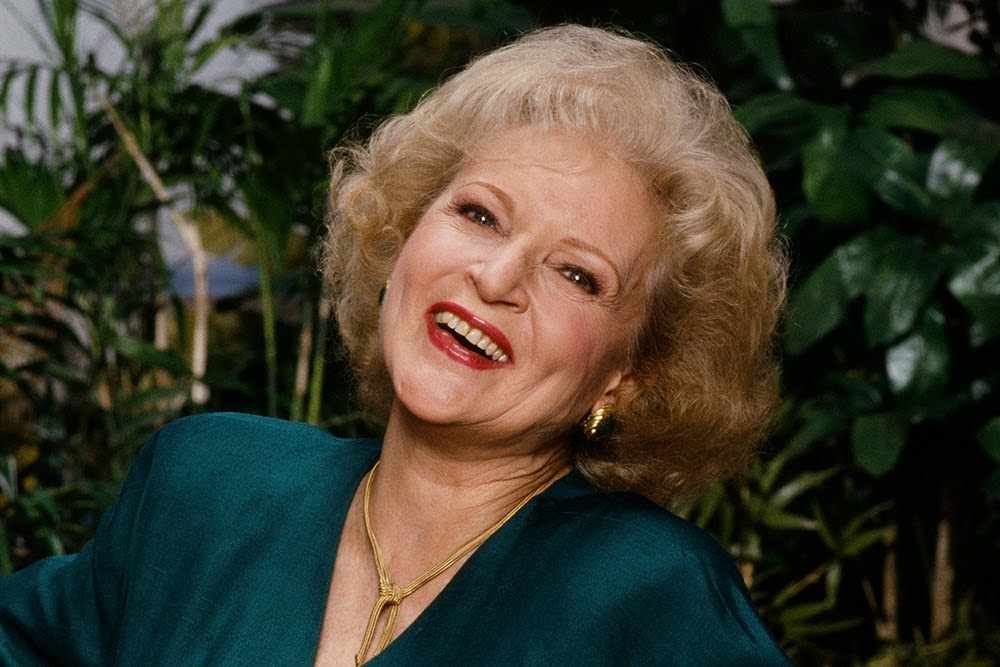
May all your Christmases

19
364
3,065
211,083


Steff McLean retweeted

28 Jul 2022
Nurses are hugely underpaid for the work they are expected to do. We need to fix this. It’s crushing us not having enough nurses. If nurses can’t afford to live here they aren’t going to work here.
27
46
345
Steff McLean retweeted

3 Jul 2022
Welcome to the stomach
867
43,943
207,263
Steff McLean retweeted

24 Jun 2022
fuck you roberts.
fuck you thomas.
fuck you alito.
fuck you kavanaugh.
fuck you gorsuch.
fuck you coney barrett.
22,740
21,089
127,738

1 Jun 2022
I get mad imposter syndrome when I see my name in the “Instructor/Faculty” section of an APA title page. Anybody else? 😅
#NewInstructor #NewFaculty #NursingEducation
1
Steff McLean retweeted

28 May 2022
Burnout is not a mental illness.
Burnout is a chronic occupational psychological injury.
Burnout therefore is a workplace safety issue.
Unless we consider burnout an issue of workplace safety, we will never move from individual resilience focus to workplace solutions.
73
1,033
4,471
Steff McLean retweeted

1 Mar 2022
He’s going places. 😂😎🕺🔥
3,186
64,055
393,974
24 Feb 2022
“People respond to leadership when their purpose is made clear, their talents are used, their efforts are recognized, their accomplishments are rewarded, and their leader cares”
2
Steff McLean retweeted

11 Feb 2022
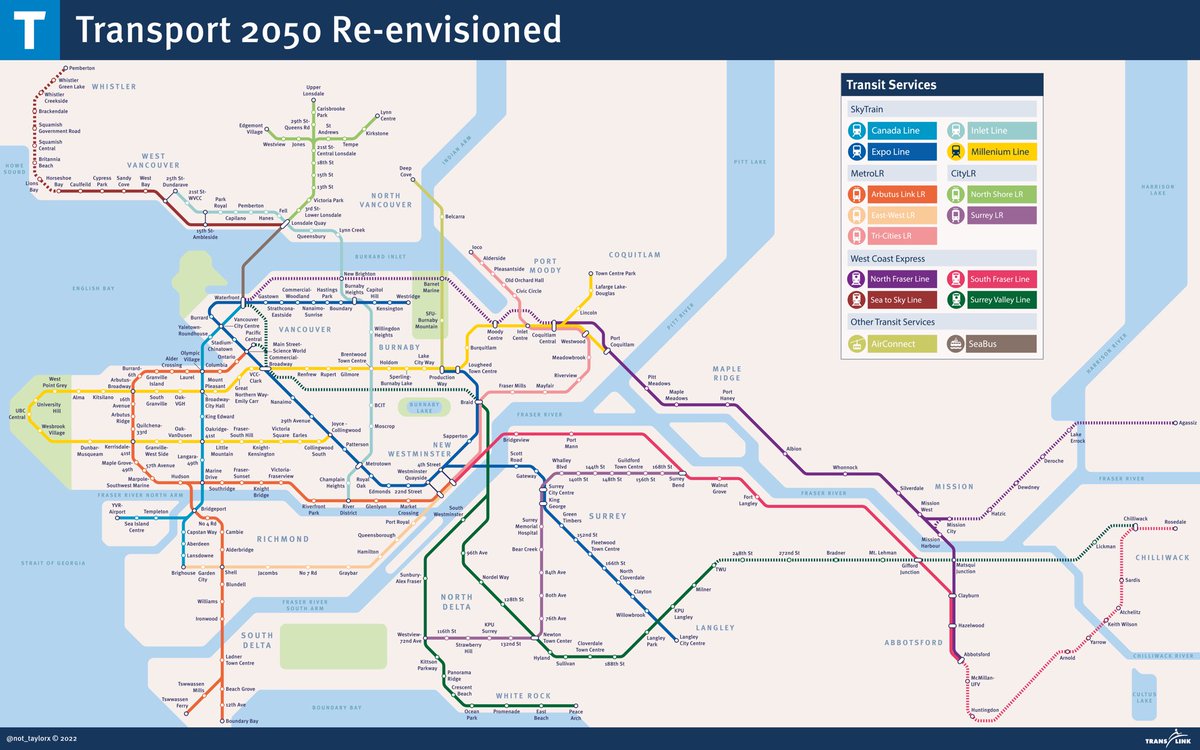
What do you envision for Vancouver for #Transport2050? I think @TransLink can go much farther and ambitious than their current plans. That’s why I came up with #Transport2050Reenvisioned. So we can connect more people, faster. Thank you @j_mcelroy for publishing!
23
23
142
Steff McLean retweeted

2 Feb 2022
As a Canadian, I stand for our freedom of speech, for our right to protest peacefully and respectfully. The only way to eradicate all forms of hate in our society is to not passively stand by when it happens. 🇨🇦
1,497
2,859
11,261
Steff McLean retweeted

16 Jan 2022
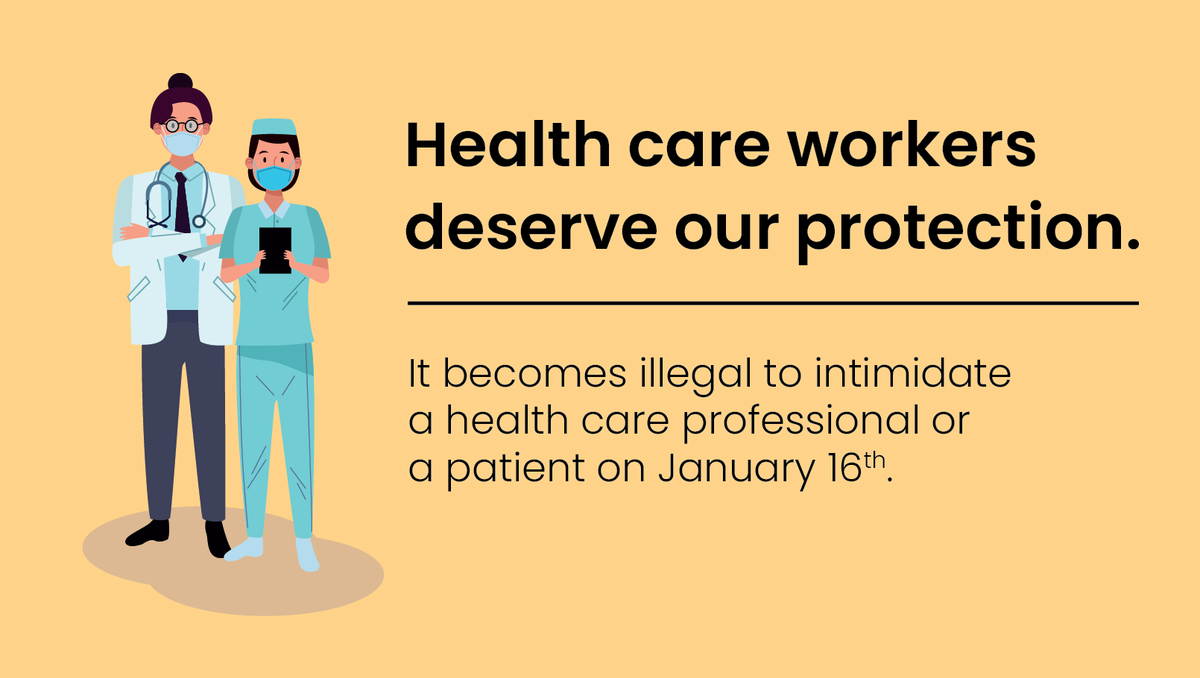
As of today,
It is illegal to intimidate doctors
It is illegal to intimidate nurses
It is illegal to intimidate patients,
It is illegal to obstruct them from providing care or receiving it.
This law was passed unanimously in the House of Commons, and it comes into force today.
1,581
2,805
10,710