I can't believe I am still here, either.
Joined June 2008
- Tweets 22,537
- Following 7,784
- Followers 7,079
- Likes 754,686
3,544 Photos and videos












Stephanie Stebbins retweeted

Jun 12
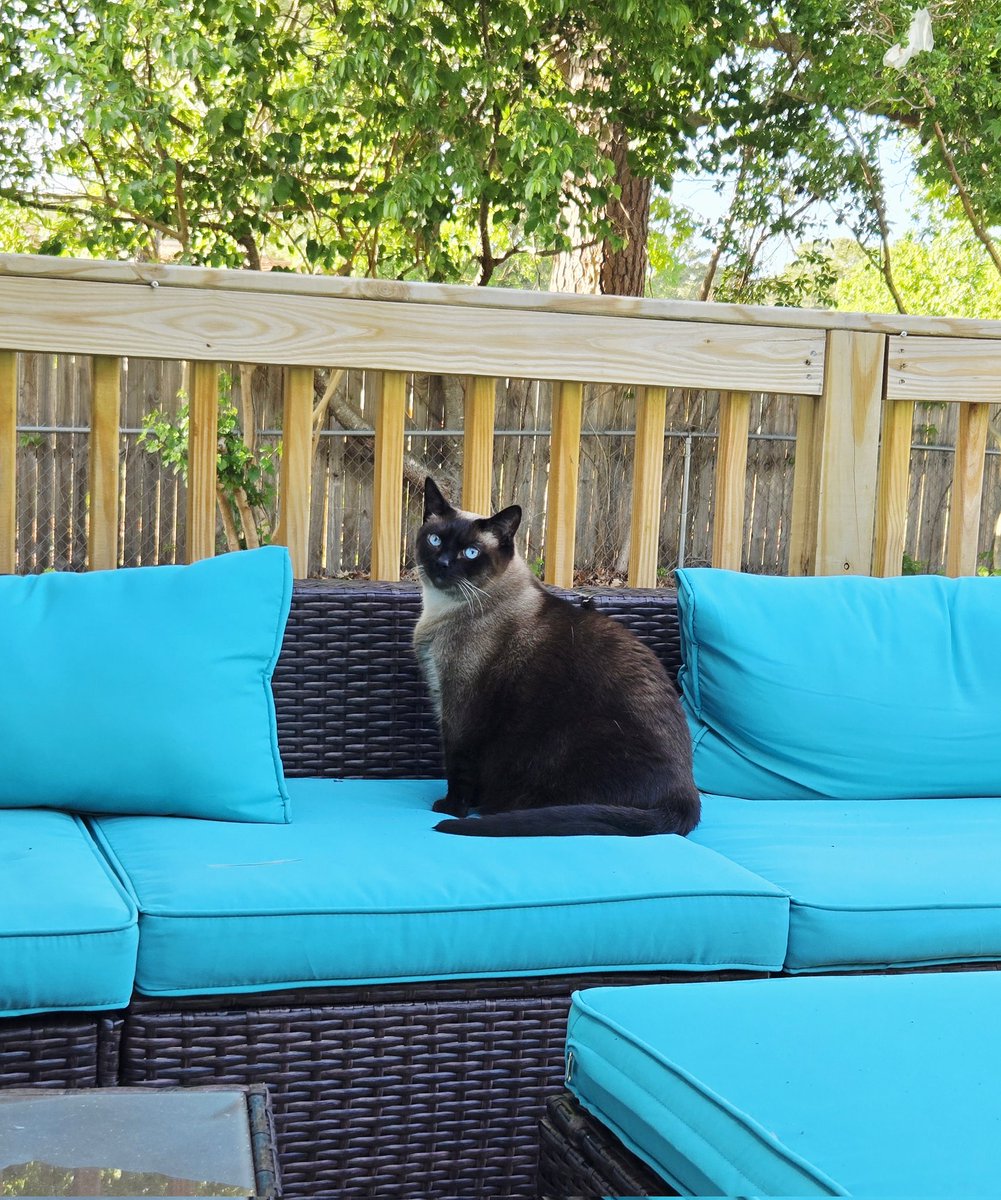
Black Eye and the Crow
2
3
46
753
Stephanie Stebbins retweeted

Jun 11
"My name is Bambi. You killed my Mother. Prepare to die"
82
145
1,421
42,299
Stephanie Stebbins retweeted

Jun 11
Mfers will literally get drunk on MILK at noon on a Wednesday instead of passing a state budget

1
5
51
3,613
Stephanie Stebbins retweeted

Jun 11
The future of communication: Science Wonder Stories, October 1929. Cover by Frank R. Paul.

5
23
117
4,990
Stephanie Stebbins retweeted

Jun 11
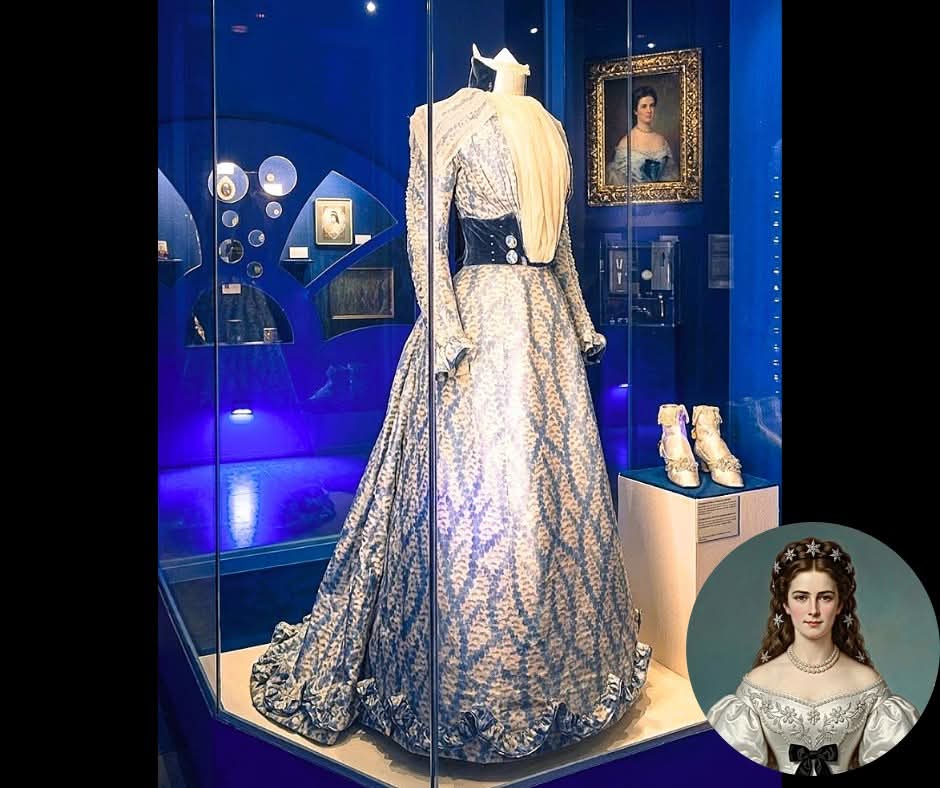
She loved the sea so deeply that even her clothes seemed to carry its memory, as if fabric could hold waves.
Empress Elisabeth of Austria, widely known as “Sisi,” was famously restless, spending much of her life traveling across Europe and the Mediterranean. The sea, in particular, became one of her greatest comforts. It represented escape, movement, and freedom from the rigid expectations of court life in Vienna. In her personal world, surrounded by strict protocol and imperial duties, the ocean symbolized something far more personal: space to breathe.
Among the preserved items from her estate is a delicate summer dress, once kept at Seisenegg Castle, home of the Risenfels family. The garment is light and finely crafted, its flowing pattern subtly evoking the rhythm of water. Observers often note how its design seems almost intentional, as though waves themselves were woven into the fabric. Whether coincidence or artistic inspiration, the effect aligns closely with Sisi’s lifelong fascination with the sea and travel.
The dress forms part of a larger collection of Empress Elisabeth’s personal clothing and belongings that survived after her death in 1898. These items offer a rare glimpse into her private world, far removed from official portraits and imperial ceremony. Preserved with care for generations, they reflect not only fashion of the period but also the personality of a woman who often felt confined by her position as Empress.
Today, this original garment is displayed at the Sisi Museum in Vienna, alongside a pair of silk ankle boots. Together, they help reconstruct the quiet, personal side of Elisabeth’s life—one defined not only by imperial duty and tragedy, but also by elegance, movement, and a deep emotional connection to nature and the sea.
In these fragile fabrics, history feels unexpectedly intimate, as if the Empress herself had left behind not just clothing, but a trace of the places she longed to escape to most.
© Historical Stories
#archaeohistories
6
32
284
9,947
Stephanie Stebbins retweeted

They came with promises of transformation: thousands of jobs, surging salaries and a foothold in the booming electric vehicle market. But more than 18 months later, the company hasn’t broken ground on a single site.
floodlightnews.org/a-startup…
2
3
148

Jun 11
Can't. Gotta go beat the green fractal fuck out of myself then write it down on paper and call it poetry.
3
70
Stephanie Stebbins retweeted

Jun 11
“Turning the other cheek to Big Tech was about as good a strategy as trying to appease Donald Trump”
Branko Brkic on news organisations needing to rise up against the theft of their work by AI

ALT At last, the fool’s bargain that the media struck with AI may be over. Illustration of a laptop with glitchy letters flying around it, on a yellow backgroun
1
17
33
3,167


Stephanie Stebbins retweeted

Jun 8
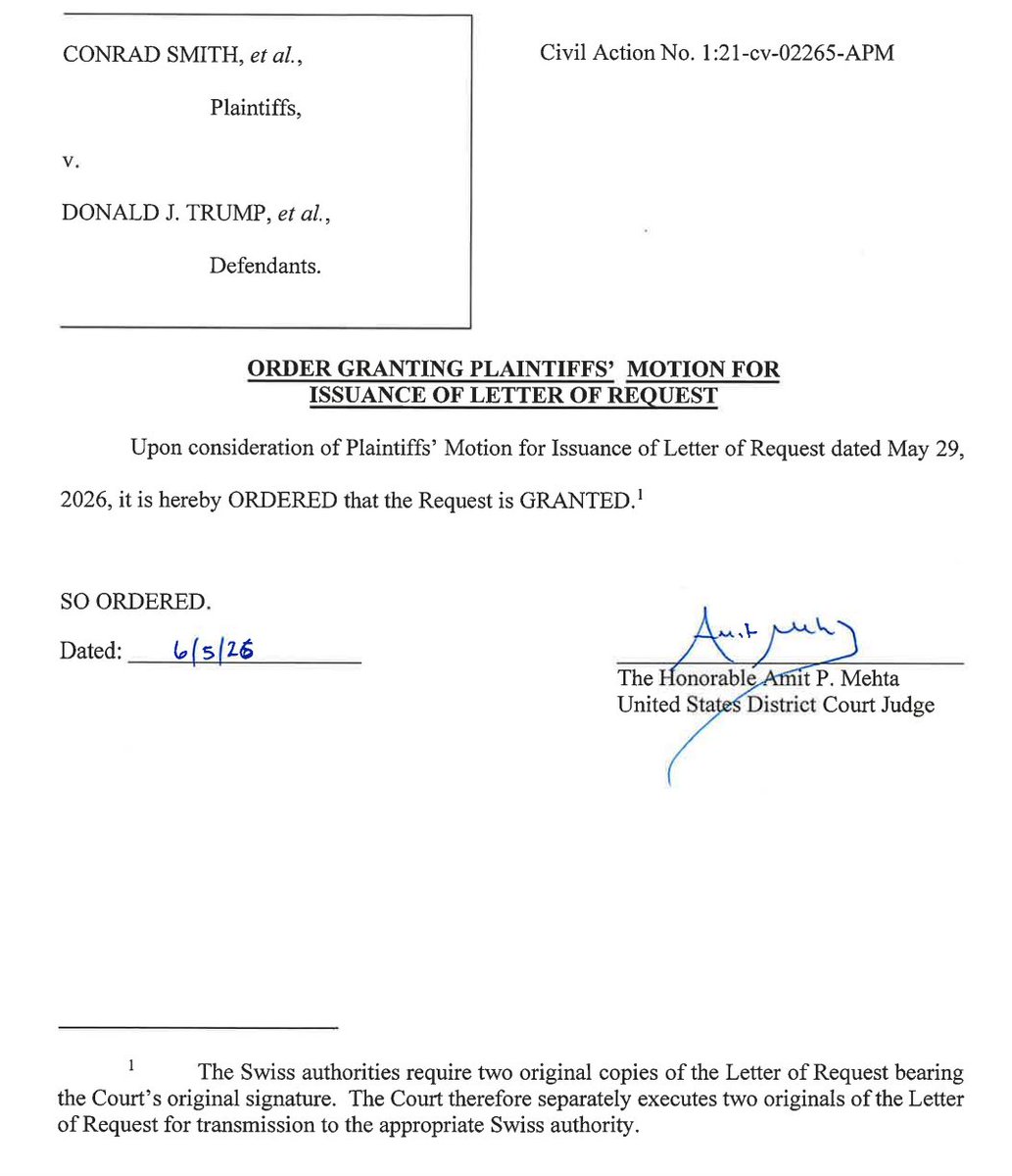
Judge Mehta has approved an effort by the police officers suing Trump and other J6 defendants to petition the Swiss government for help accessing non-content data from Roger Stone's ProtonMail account.
82
1,409
3,620
88,413
Stephanie Stebbins retweeted

Jun 8
Today in History: June 8, dystopian novel ‘1984’ is first published: dailypress.com/2026/06/08/to…
1
3
226
Stephanie Stebbins retweeted

I love that all the non-journalists who spoke on stages for years about how to fix legacy media have taken it over and are now failing at heretofore unseen levels.
Jun 7

Bezos ordered WaPo’s opinion section to champion “personal liberties and free markets”
His handpicked editor’s new podcast is instead focused on Covid revisionism, anti-trans debates, and downplaying AI skepticism, while struggling to find an audience
status.news/p/washington-pos…
4
94
736
77,321
Stephanie Stebbins retweeted

In partnership with @dailyyonder, The Milk House is happy to announce that entries for the 2026 Best in Rural Writing Contest are now open!
Deadline: September 1st
Judge: Will Weaver
Accepting fiction and nonfiction. More details can be found at: themilkhouse.org/contest.

5
5
164




Stephanie Stebbins retweeted

Jun 6
moody men r so funny like girl what is ur problem now
40
1,729
13,799
254,098