
Survivor*MarineCorpVet*SingleMom
Joined April 2025
- Tweets 207
- Following 5,380
- Followers 3,426
- Likes 202
25 Photos and videos





Apr 28
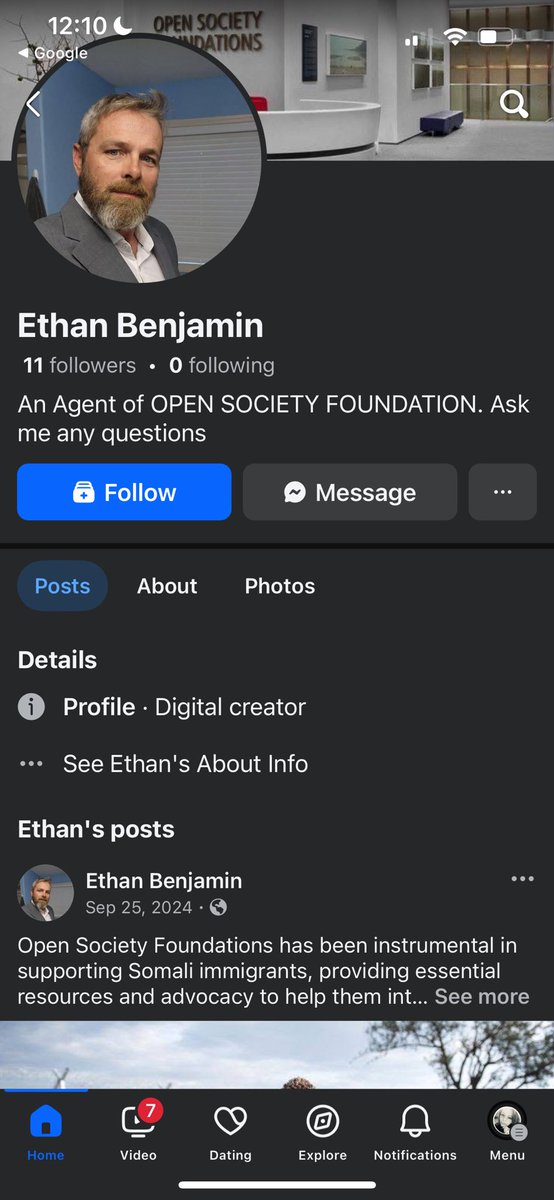
If you posted “you are evil and mean” for mocking Ericka Kirk when she walked out crying from the event the other day…
How do you feel now that secret service verified she is a liar? How much more do you need to prove to you are supporting a LIAR and MANIPULATING human.
3
55
Feb 19
Toni and I shared active addiction.
By the grace of God, we both have taken advantage of our second chance and doing all we can to ensure we don't go back.
She reached out to the world to ask for help.
Anyone who has been in recovery, knows the period of time where you struggle to have a car to get to work, you need work to get a place to live, you need a place to live to find work, you need work for a car. The cycle is vicious.
Please take a moment to read if you are one who supports individuals making a great future in spite of drugs and alcohol consuming the past.
gofund.me/91fe10e2d
1
107
Feb 8
My reading.
1. The Defiance of Man. Verses 1–3
The psalm opens with the "nations raging" and rulers plotting against the Lord and His Anointed. It depicts a world in active rebellion, viewing God’s moral law as "chains" or "shackles" they wish to throw off. It captures the perennial human desire for total autonomy.
2. The Derision of God. Verses 4–6
The perspective shifts abruptly from the noisy earth to the silent heavens. God’s reaction to human insurrection isn't panic—it is laughter. This isn't a cruel laugh, but a "derisive" one that highlights the absurdity of finite creatures challenging the Infinite. God simply speaks His decree: "I have set my King on Zion."
3. The Decree of the Son. Verses 7–9
The focus moves to the King himself. He recounts the Father’s promise: "You are my Son; today I have begotten you." In a New Testament context (Acts 13:33, Hebrews 1:5), this is interpreted as the resurrection and exaltation of Jesus Christ. The Son is promised the nations as His inheritance and the authority to judge those who persist in rebellion.
4. The Call to Wisdom. Verses 10–12
The psalm concludes with a gracious warning. Rulers and judges are urged to be wise: "Serve the Lord with fear" and "Kiss the Son." To "kiss the Son" is an act of fealty and submission. The psalm ends with a beatitude—a promise of blessing for all who take refuge in Him.
4
110
Feb 1
I am breaking thru my fear a little bit at a time.
The Marine Corp was easy compared to jumping back into the world in recovery and publishing books. I am proud of any progress I make at this point.
It has to be done. My life depends on it.
I am working on my website; work in progress.
I DO have my bookstore ready to host the book I have written and plan to write.
The first one is available!!
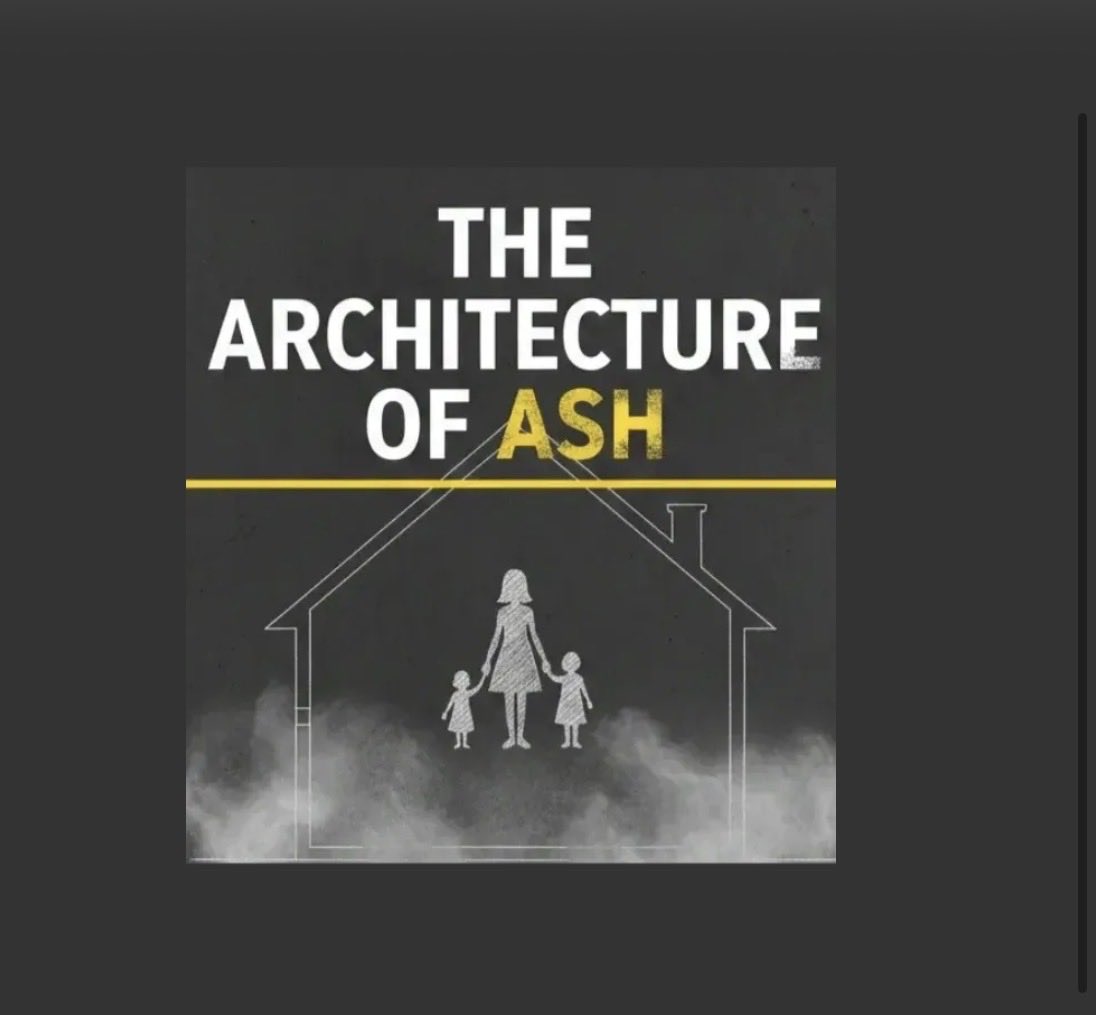
The Architecture of Ash
Please go take a look and read the summary. It was the first book I wrote I 2017 in treatment.
If you know someone incarcerated, maybe you print parts for them.
1
62
Rae B. retweeted

Jan 8
13
13
23
5,293
Rae B. retweeted
8 Nov 2025
13
10
23
6,824
10 Oct 2025
🔥🔥🔥🔥 I have a feeling this post won’t be published for long- if you have children with access to the internet, please share. At minimum, please have the courage to watch.
They Turned Him Against Our Church': Mom Reveals Shocking Change AI Cha... youtu.be/r1b9kUpghXE?si=eYTe… via @YouTube
Please post your thoughts- I, personally, feel lonely in this concern. It’s not something you can bring up easily. More importantly, my first thought was “this won’t be my kids” but the truth is NOTHING discriminates. Please consider watching and just be aware.
I love AI. I think it can be done for good if we use it for… but using it for good also means knowing how it can be used in ways.
1
4
588
6 Oct 2025
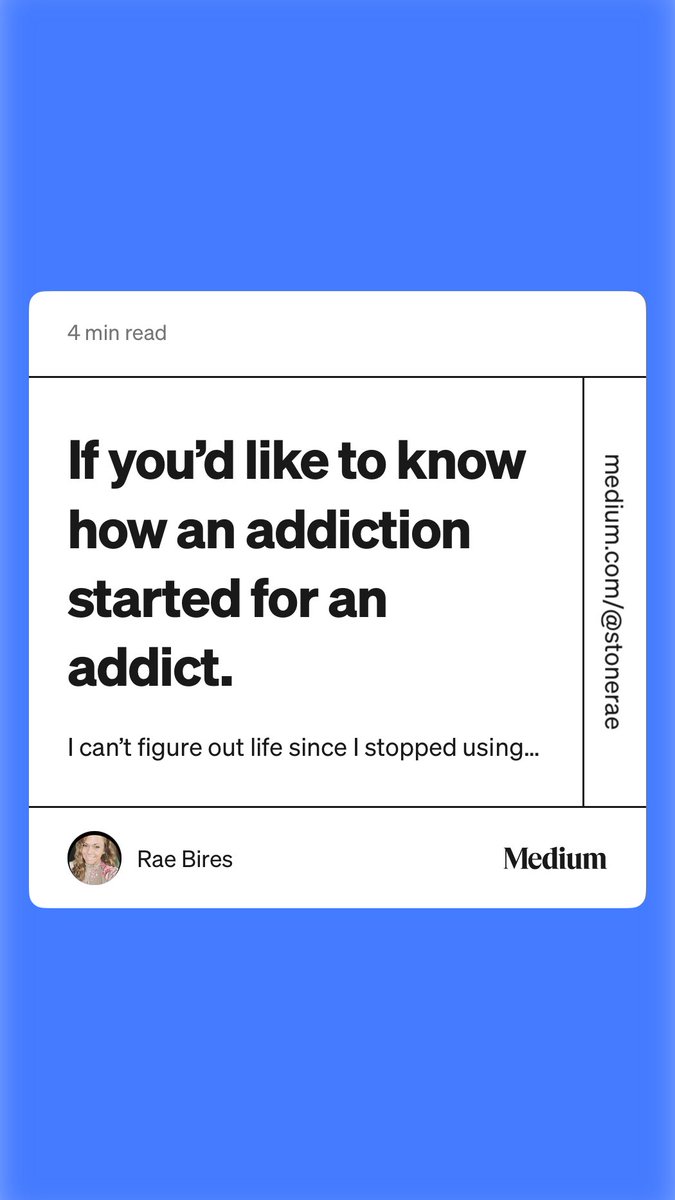
“If you’d like to know how an addiction started for an addict.” by Rae Bires medium.com/@stonerae/if-youd…
3
13
599
5 Oct 2025
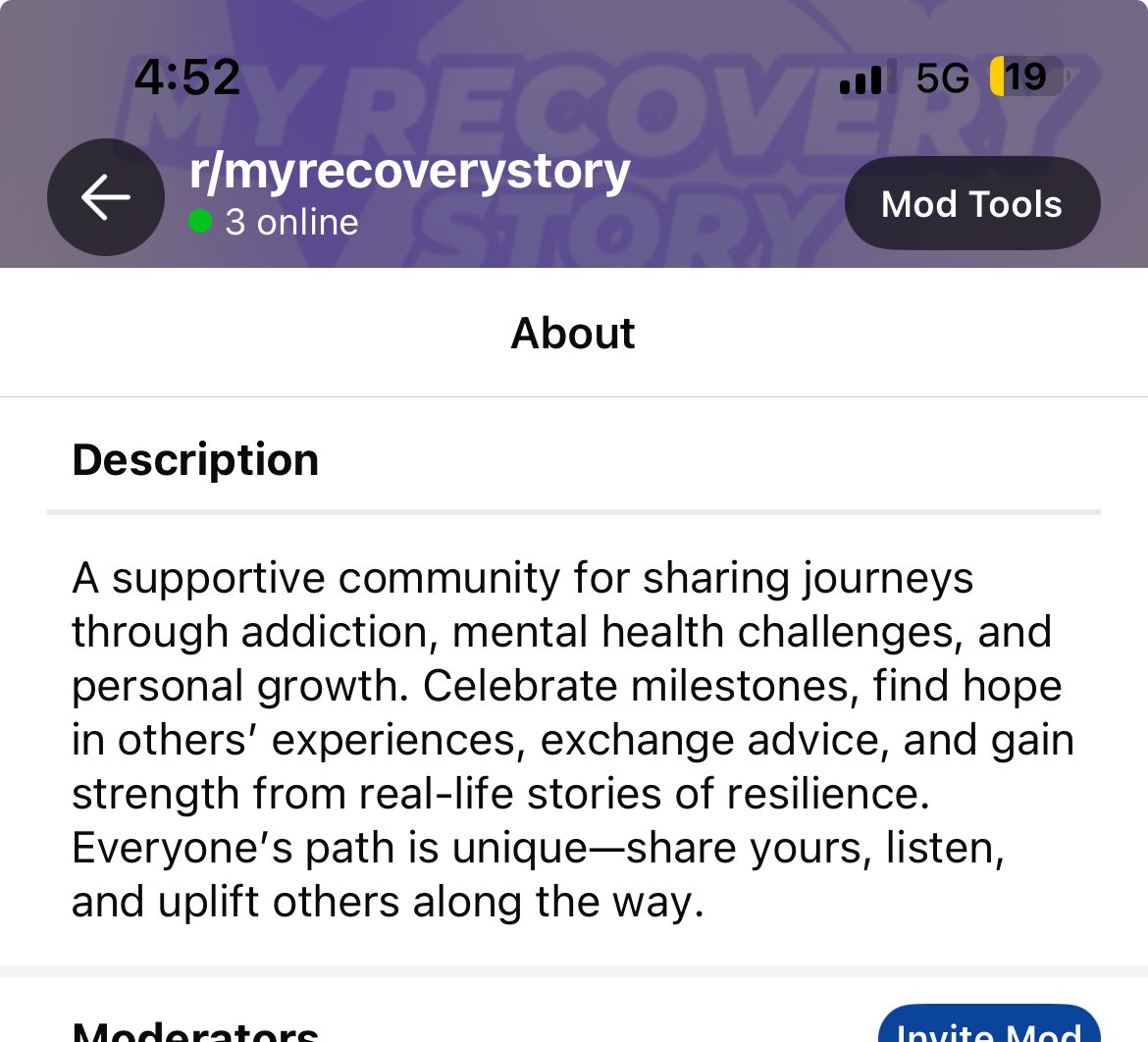
If anyone is on Reddit and has a recovery story they would like to share- please do! These stories are extremely important to others who need to know it’s possible.
1
1
22
1,022
5 Oct 2025
“🌅 The Day I Finally Stopped Waiting to Feel “Ready”” by Rae Bires medium.com/@stonerae/the-day…
11
503
2 Oct 2025
“Learning to Breathe Again: Facing Change in Recovery” by Ms.Pass Or Profit medium.com/@stonerae/learnin…
21
597
1 Oct 2025
“I Asked ChatGPT for 100 Passive Income Ideas — Now I’m Testing Every Single One” by Ms.Pass Or Profit medium.com/@stonerae/i-asked…
1
15
364
28 Apr 2025
“Read this: I can’t imagine life without you.” by Stone Rae medium.com/@stonerae/read-th…
1
2
14
886
27 Apr 2025
1
1
5
531