
STOP! Micro Waste is an environmental organisation to raise awareness about (micro)plastic pollution and implement solutions to stop their release into nature.
Joined August 2019
- Tweets 31
- Following 221
- Followers 81
- Likes 56
23 Photos and videos
STOP! Micro Waste retweeted

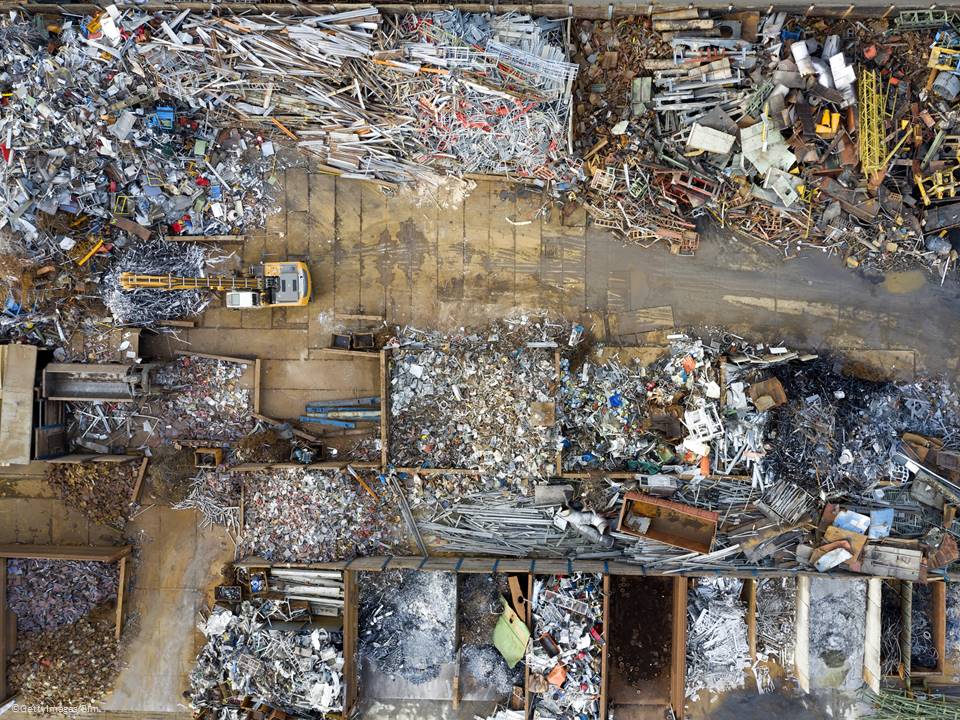
Have your say about EU waste exports @anjakrieger @Giuseppe_Suaria @plastik_umwelt @oceanegger @CorinaPeter2 @StefanoAliani @RemoteLongitude @aneguet77 @martiwag @ErikvanSebille @wichm_d @tho_fischer @lillyspickup @MicroplasticLab
@JambeckResearch @SabinePahl @SarahSchonbauer
11 May 2020

🆕 Public consultation: Revision of 🇪🇺 rules on waste shipments 🚛
How can we boost recycling & #CircularEconomy ♻️
while protecting human health & environment?
#EUHaveYourSay until 30/07/2020 (soon available in all languages)
ec.europa.eu/info/law/better…
#WasteToResource #EUGreenDeal
10
7

9 Mar 2020
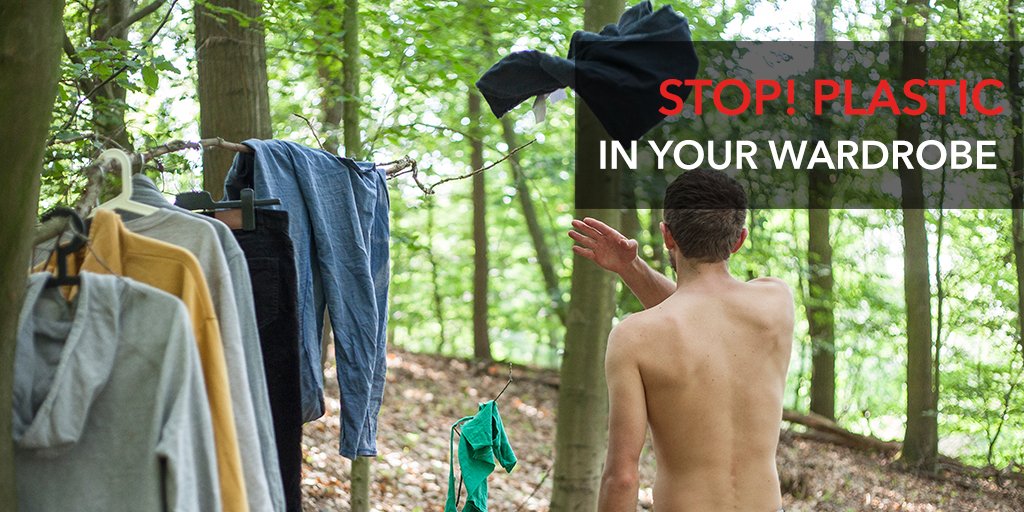
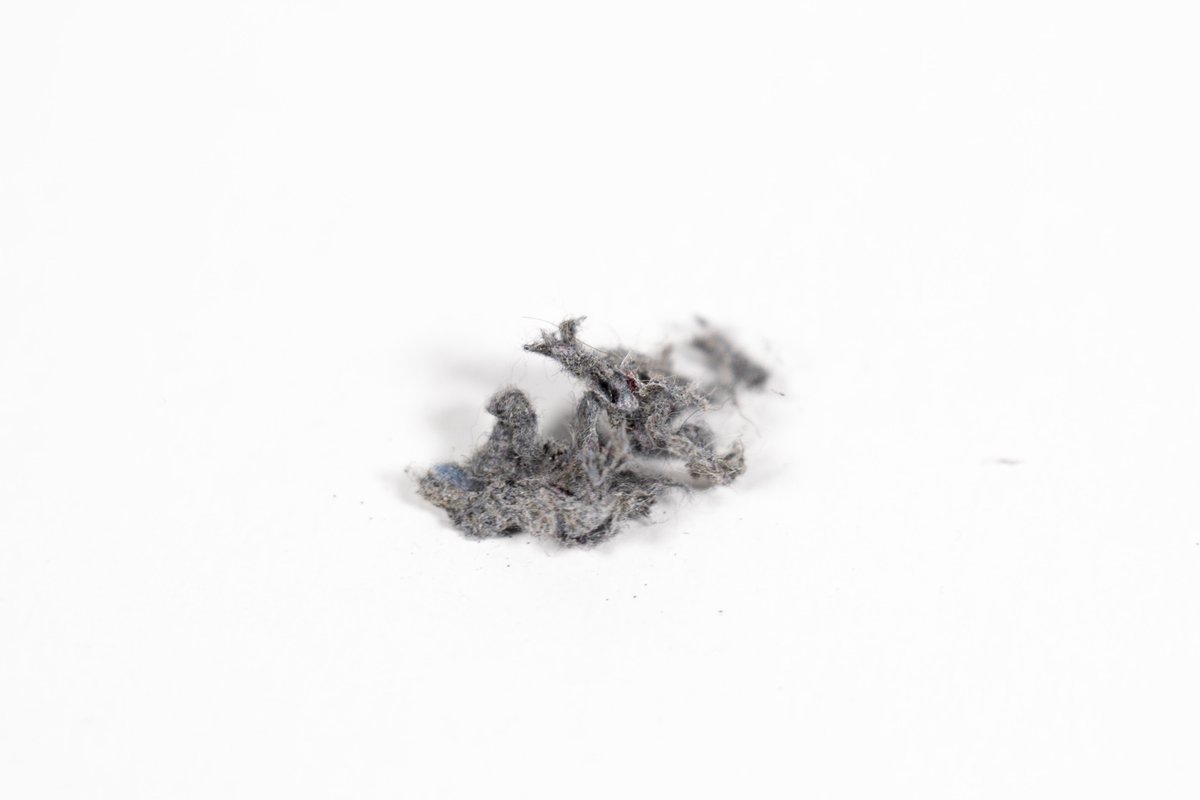
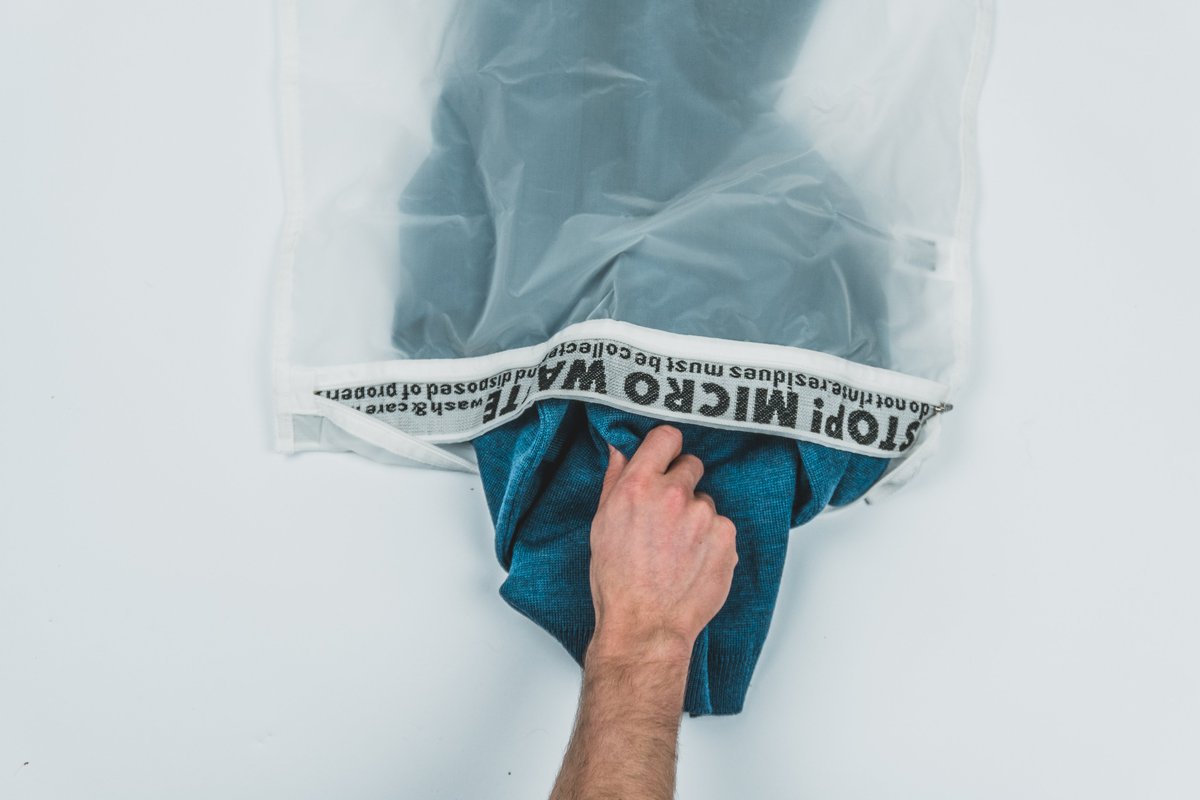
Synthetic textiles are the main source of primary #microplastics in the environment. Skip synthetic clothing and change your laundry habits to minimize the release of #microfibers.
biotaxa.org/Zootaxa/article/…
2
6 Mar 2020
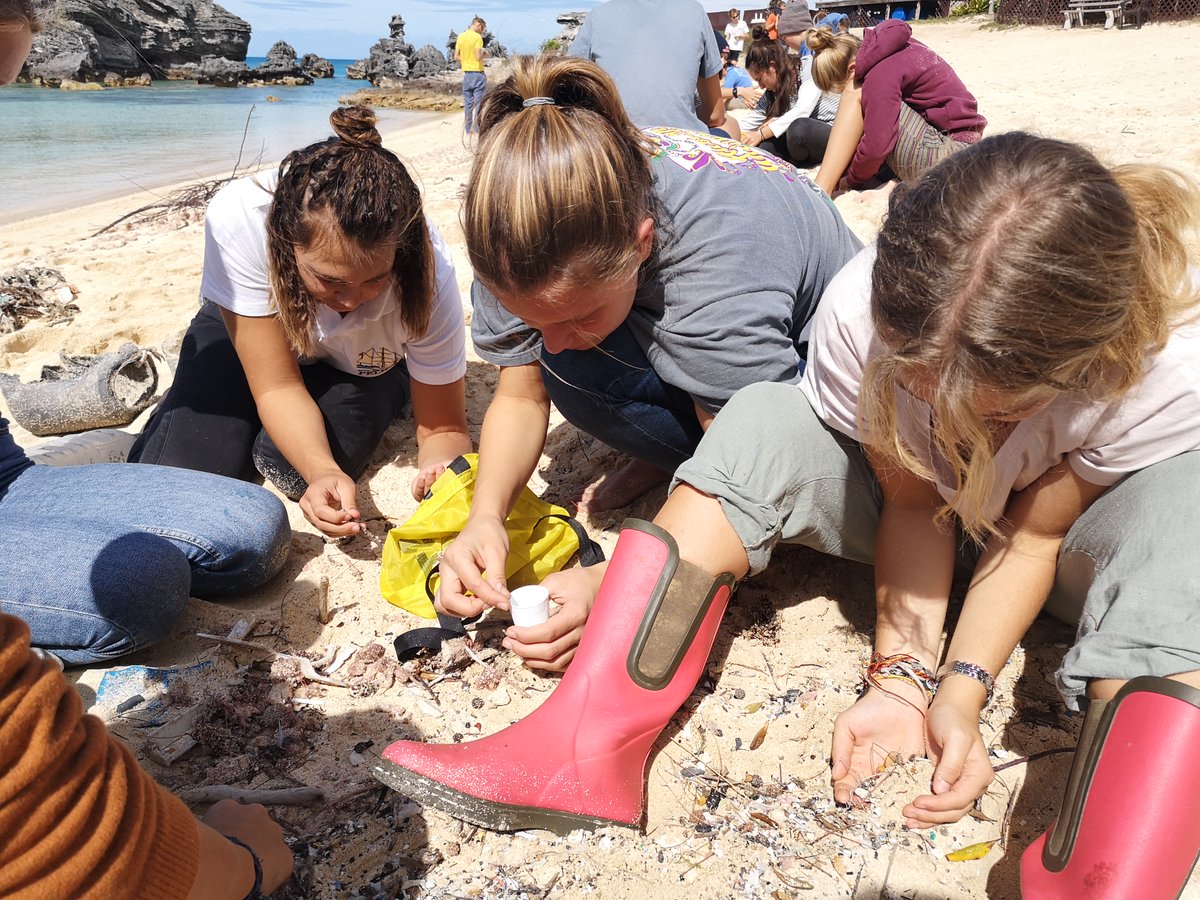
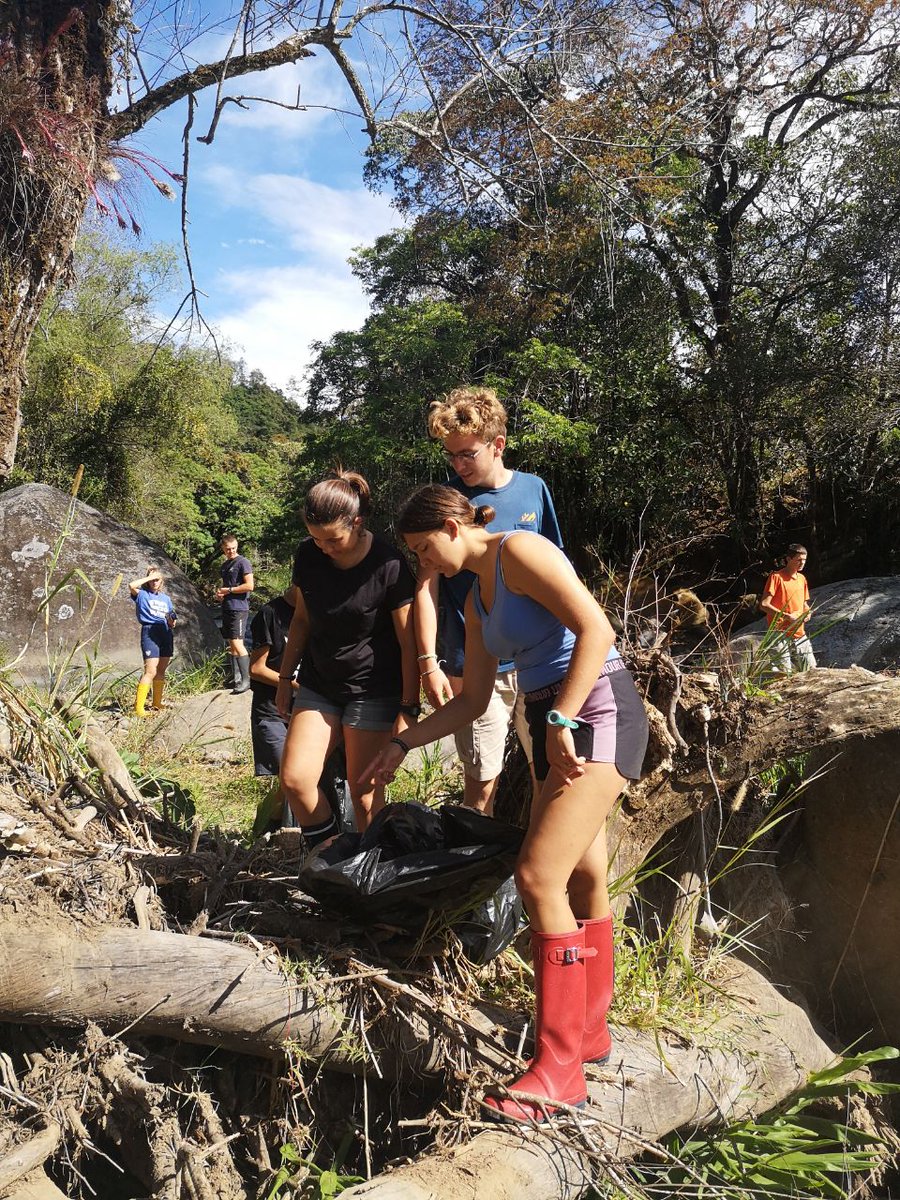
Leave nothing but footprints, but pick up some trash. The students at @oceancollege are cleaning up beaches and rivers along their travels through Central America and the Caribbean. The students collected large plastics and microplastics. Great efforts for positive change!
1
26 Feb 2020
Oliver explains our point of view and technical facts about recycling of so-called 'Ocean Plastic' on Germany’s main newscast 'heute journal‘: 'Clothing and shoes made from marine litter may look like part of the solution, but they are actually part of the problem‘. #oceanplastic
1
1
1
26 Feb 2020
1
1
12 Feb 2020
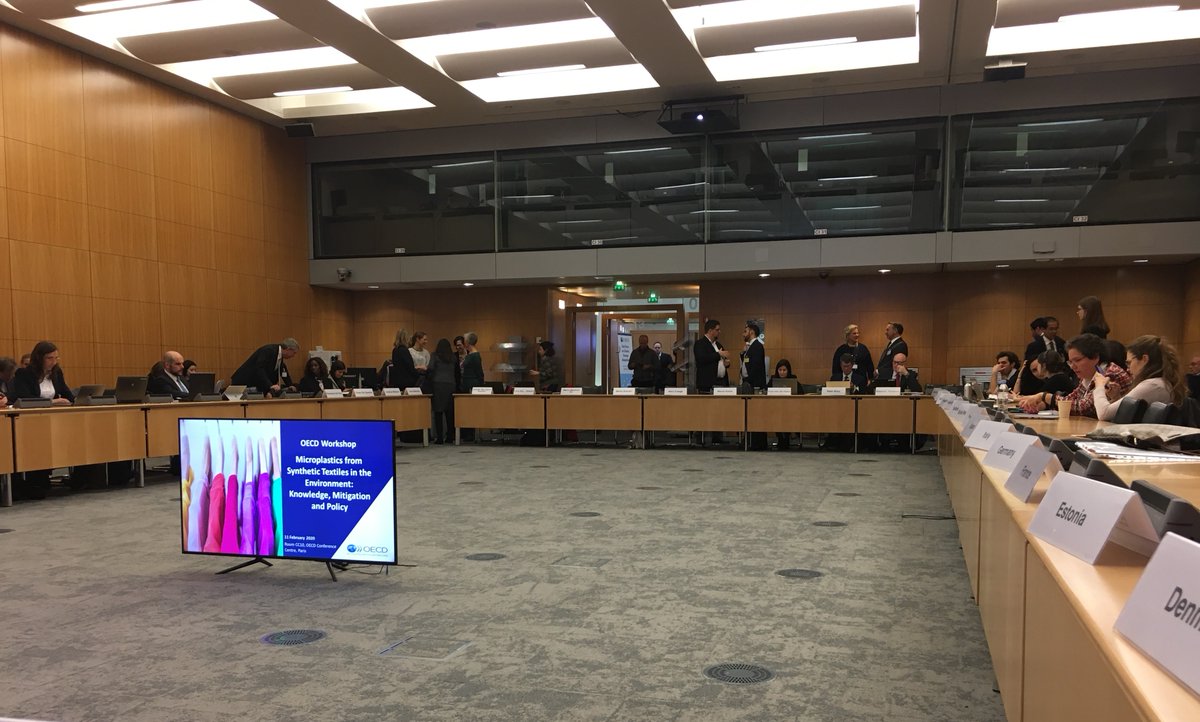
Yesterday we were at the @OECD_ENV to discuss solutions and policies to prevent #microfiber pollution. With 35% textiles are a major source of #microplastic in our oceans. It needs joint efforts from industry, legislators and consumers to stop #microfibers from entering nature.
3
22 Jan 2020
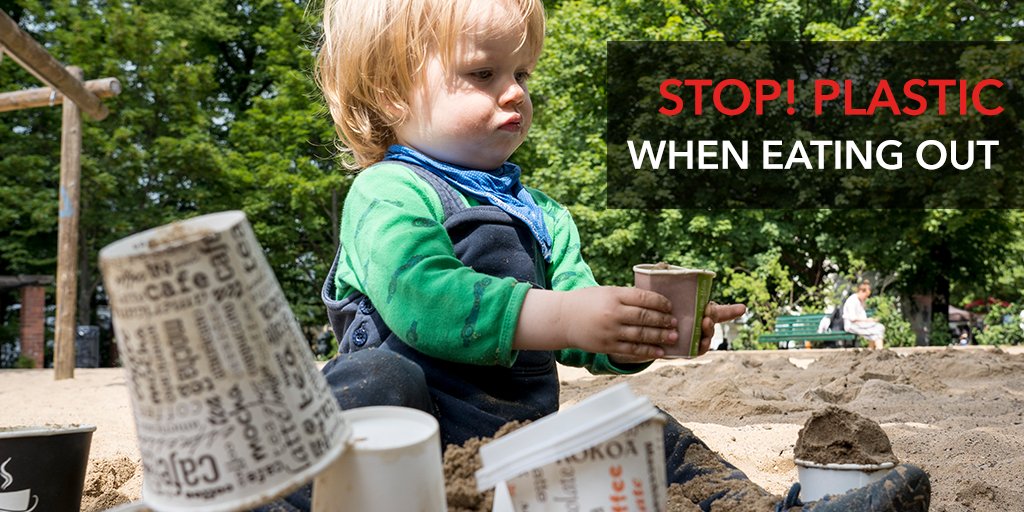
Fast-Food and takeaway #packaging leads to a gigantic amount of #waste. A cardboard coffee or water cup always contains a #plastic coating. Only one in ten cups is actually #recycled. #Packaging made of #bioplastics is no alternative in any way. #stopplasticguide
2
8 Jan 2020
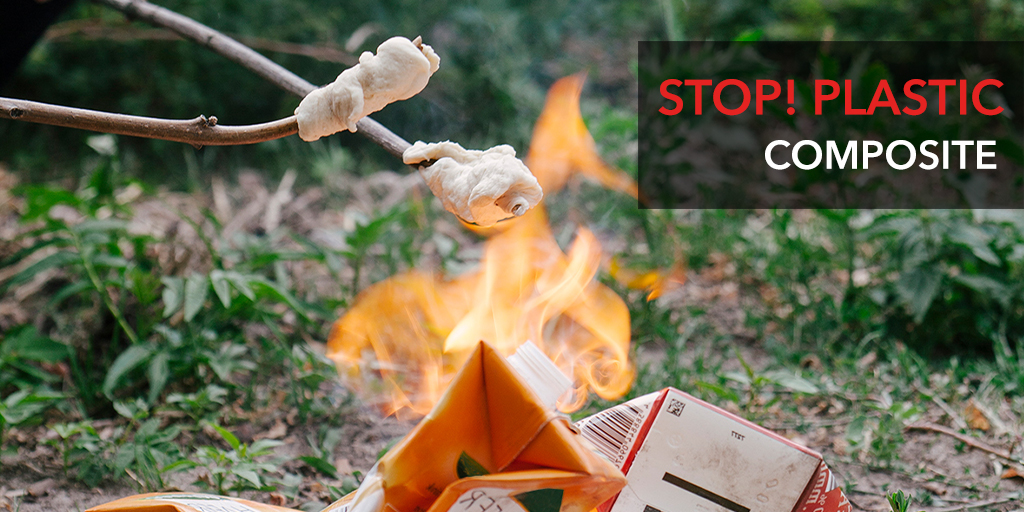
#Composite materials consist of at least two different materials. These are fully interconnected, difficult to #recycle and not always detectable immediately. Prefer #packaging made of pure materials and buy milk, juices and water in #returnable or #reusable bottles.
1
5
19 Dec 2019
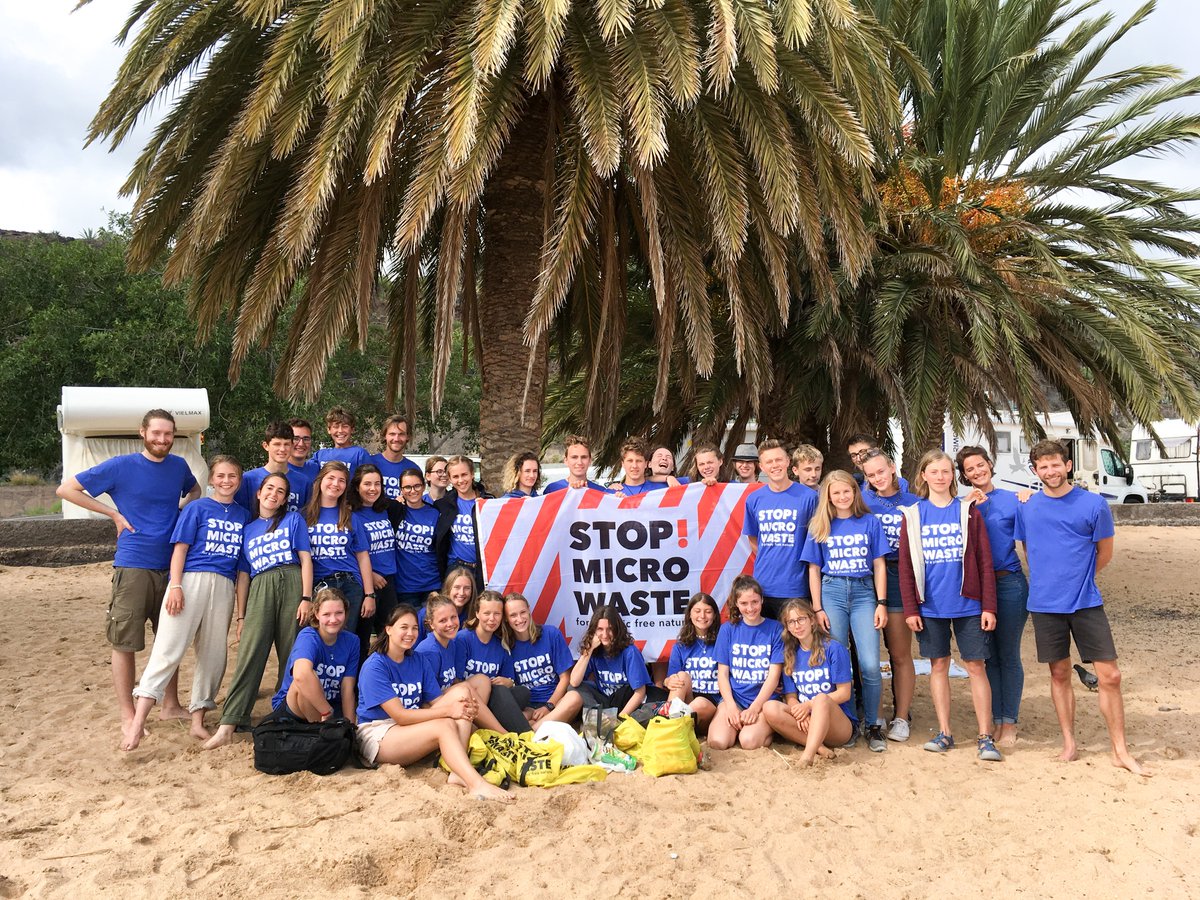
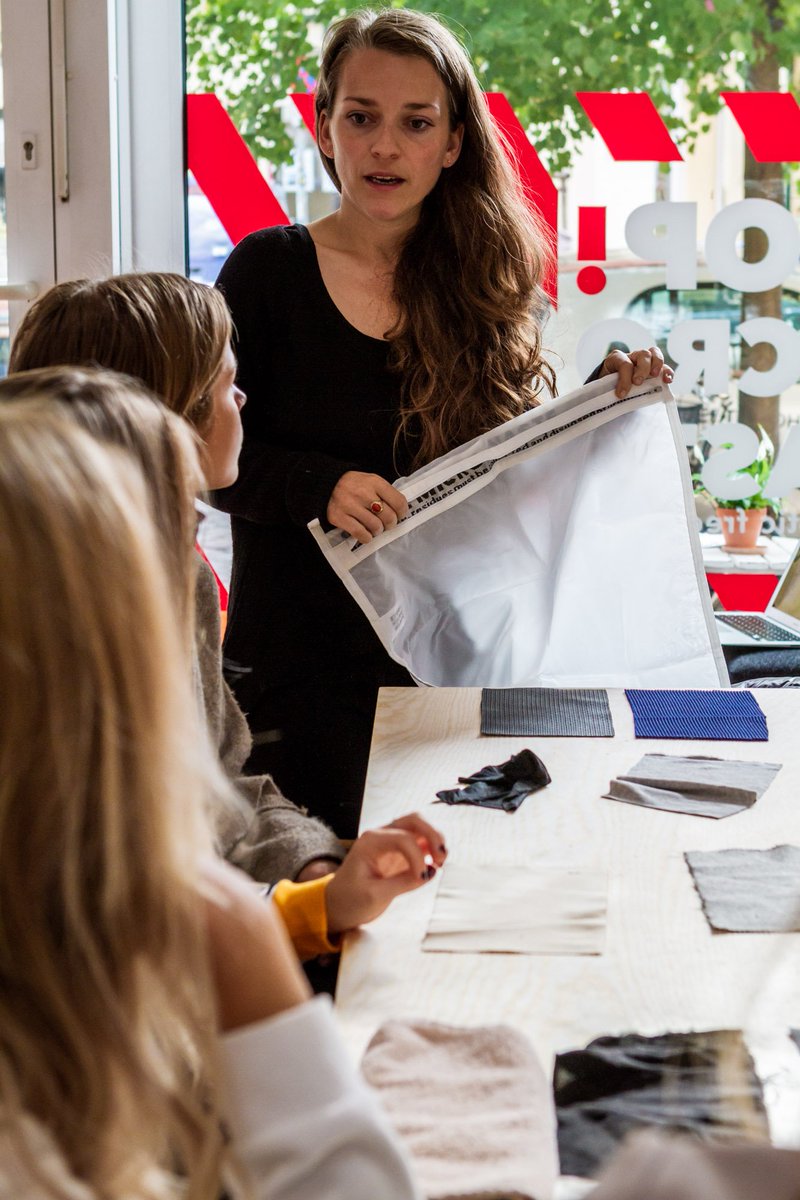
Our STOP! Plastic Academy did a workshop with 32 students of Ocean College . After a #beachcleanup, they learnt about the effects of #microplastics on the #environment, how synthetic textiles contribute to the problem, and how we can prevent (micro)plastics from entering nature.
2
5
10 Dec 2019
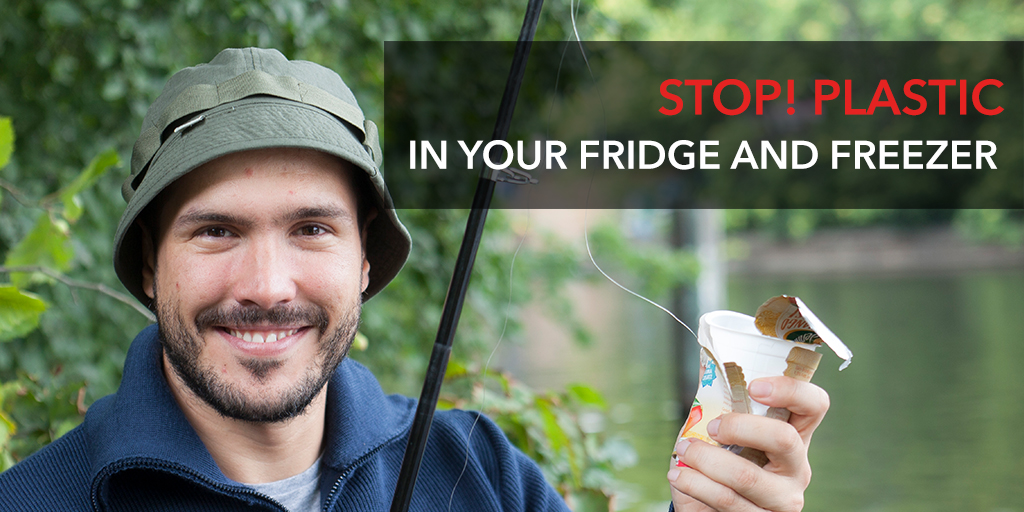
Before #plastic products or packaging are thrown away, they should be separated into their individual components as far as possible: cups, lids, paper banderoles. High-quality #recycling becomes more likely if preparatory work is done at home. #stopmicrowaste #microplastics
1
1
2 Dec 2019
Textiles made of synthetic fibers such as polyester, nylon, acrylic or elastane all lose small #plastic fibers when worn and washed. These are thus released into the #environment. Clothing made of recycled PET bottles or fishing nets does not solve this problem. #stopmicrowaste
1
2
28 Nov 2019
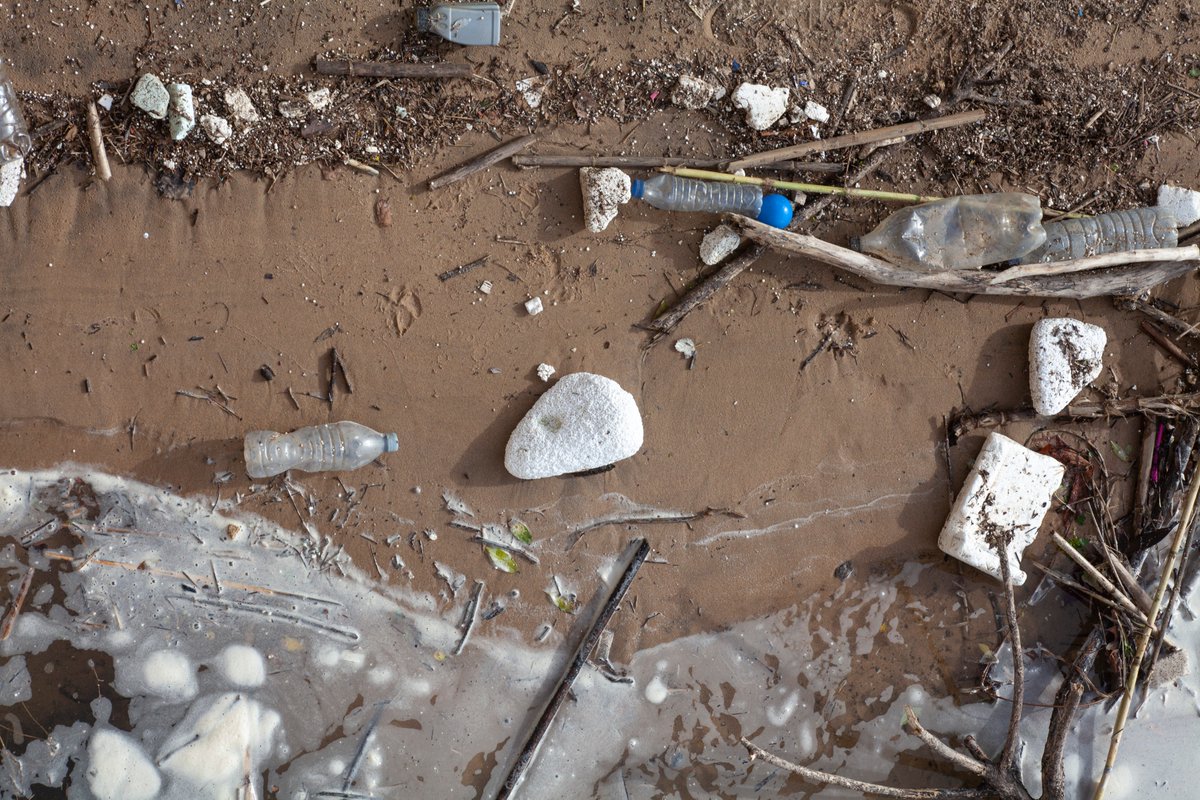
Increased consumption of single-use bottles and small-sized packages will lead to more plastics in the #environment due to mismanagement or exporting of #waste. Over time this plastic will fragment to #microplastic. Prevent #plastics from entering nature! #stopmicroplastic
1
28 Nov 2019
According to a new report by the German Environment Agency @Umweltbundesamt the use of packaging in Germany has reached an all-time high with 226.5kg per person in 2017. Plastic packaging in particular has doubled in comparison to 1995. #savetheocean #nosingleuseplastic
25 Nov 2019
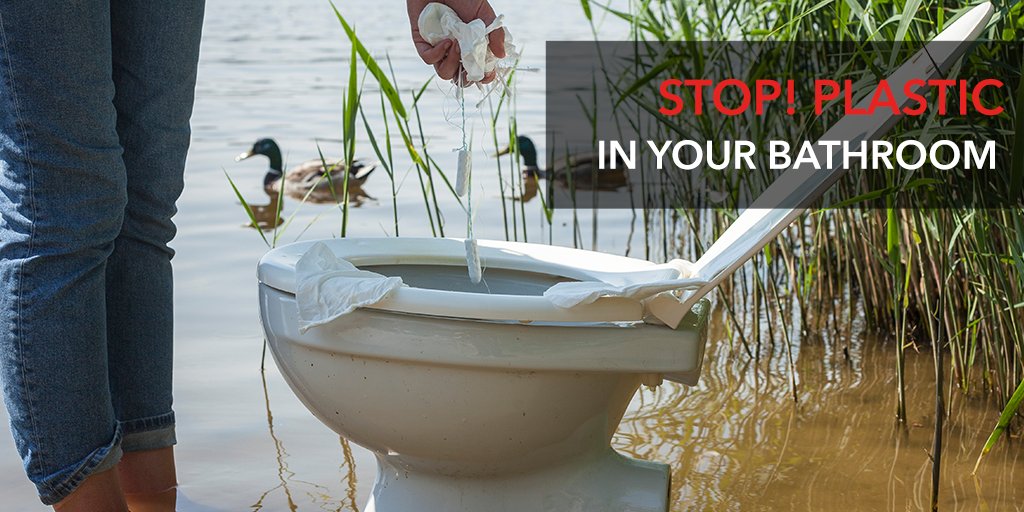
Single-use products such as wet-wipes, tampons, dental floss, and cotton swabs should never be thrown into the toilet. These products are made of plastic and often contain synthetic coatings.
Find out what you can do: stopmicrowaste.com/en/stop-p…
#singleuseplastic #stopmicrowaste
1
20 Nov 2019
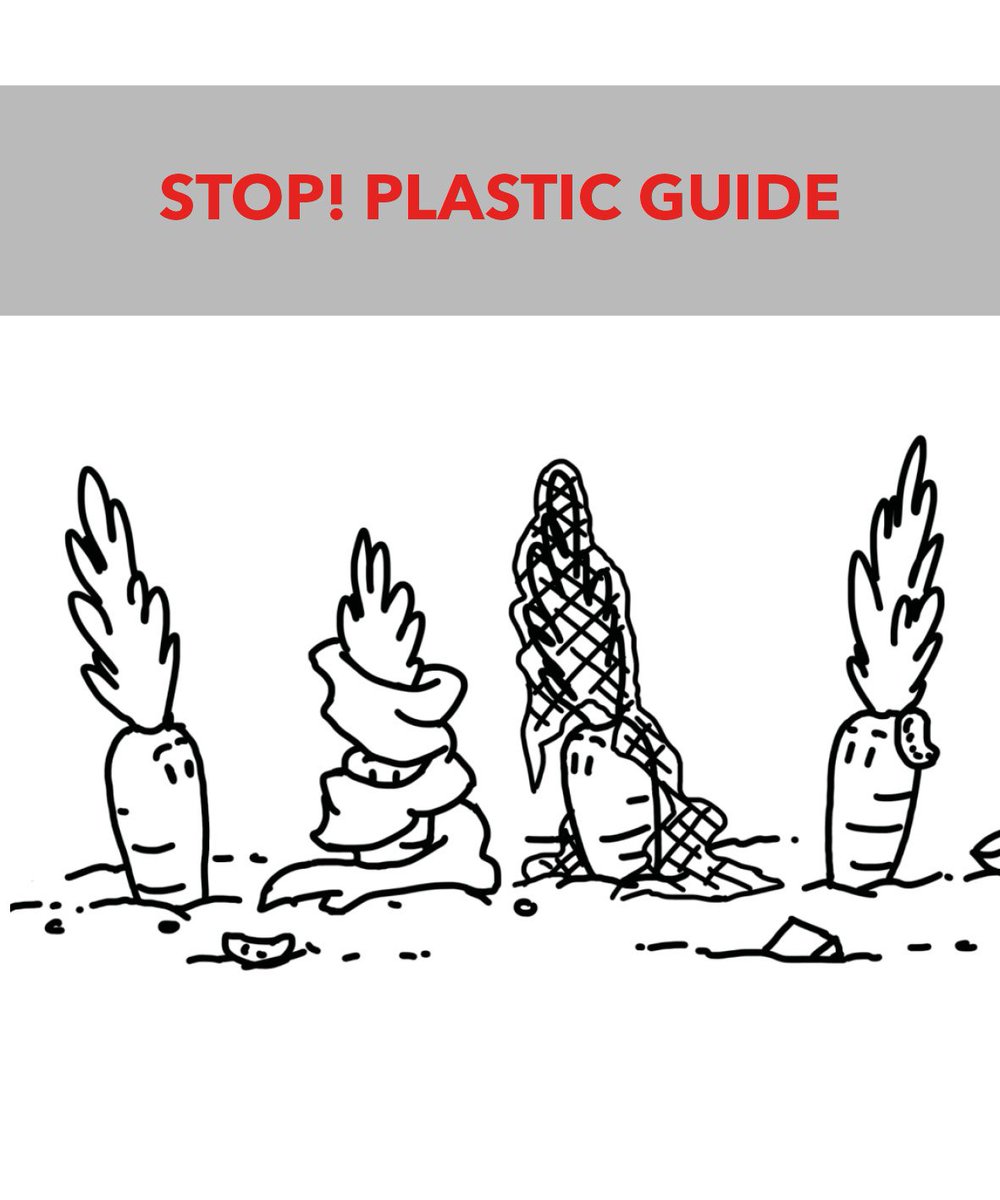
STOP! PLASTIC GUIDE
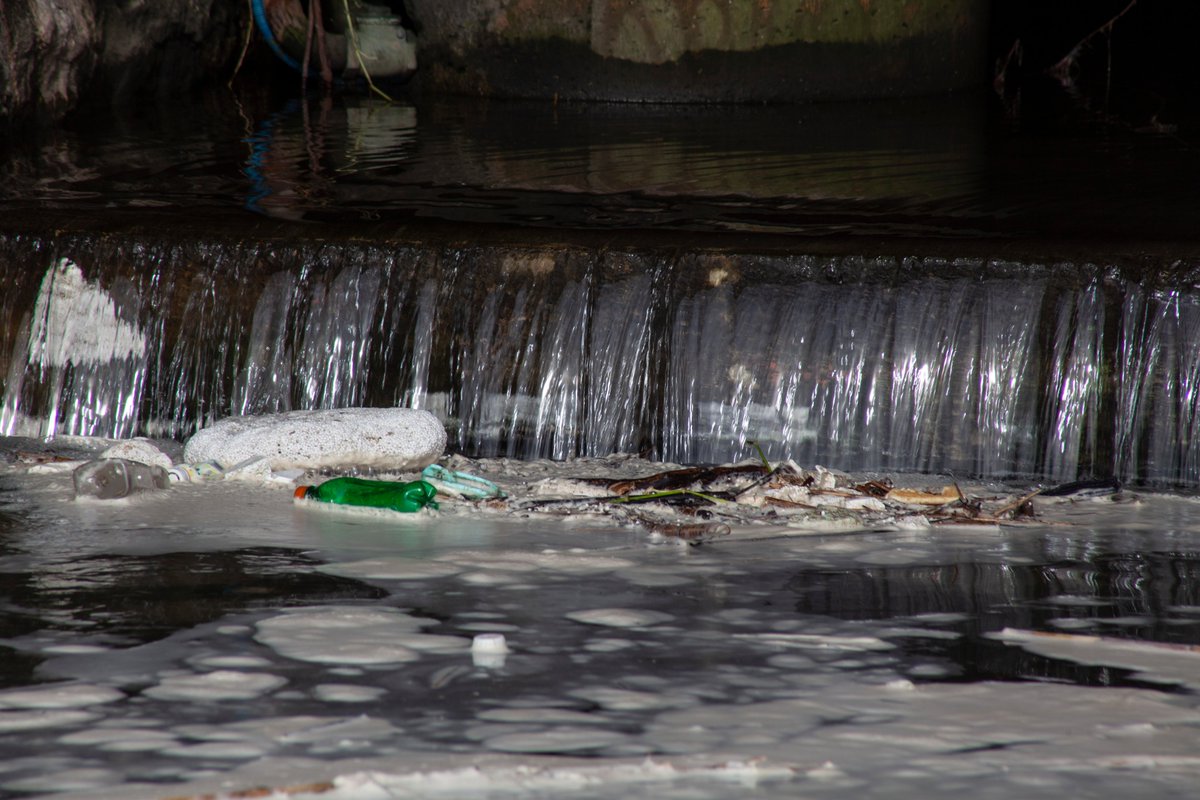
#Plastic is released into nature through mismanagement of waste streams and incorrect disposal. We need to fundamentally rethink our approach to #plastics and completely replace unnecessary single-use plastic.
stopmicrowaste.com/en/stop-p…
#StopPlasticPollution
1
28 Oct 2019
#microplastics not only affect marine environments but may also harm our soils. New research by @FU_Berlin suggests that microplastics increase the evaporation of water from soil. This may have negative effects on plant growth. Use less plastic to protect soils and waters!
2
3
23 Oct 2019
70 % of all fibers are of synthetic origin. Once in the environment, these fibers are fragmented, increase their surface and accumulate pervasive bacteria and pollutants.
#stopmicrowaste #microplastics #plasticpollution
1
3
1 Oct 2019
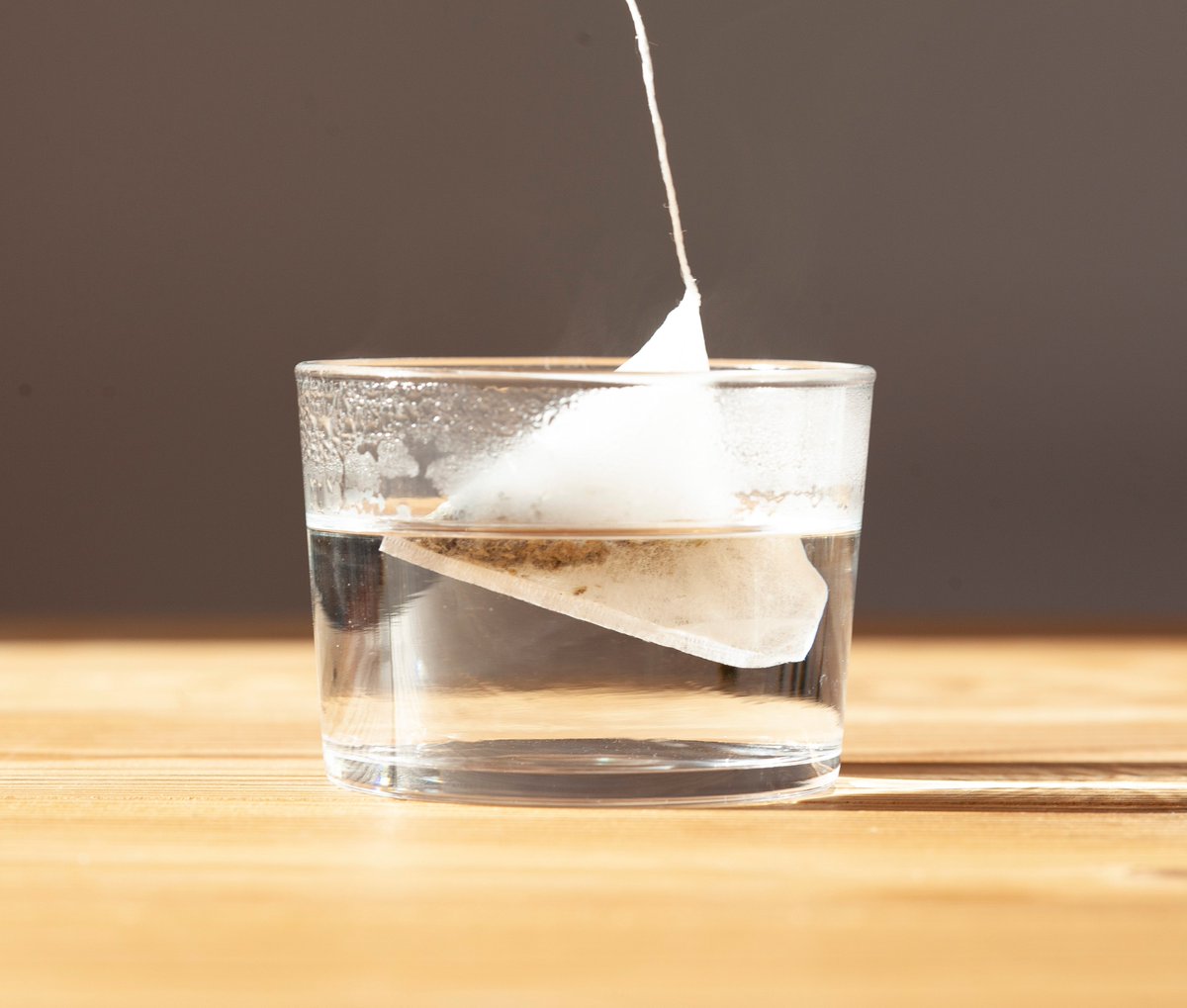
Had a cup of tea already? According to new research plastic teabags shed lots of microparticles into each and every cup of tea. Switch to loose tea for your morning cuppa without plastics!
#stopmicrowaste #microplastic #SayNoToPlastic #reduceplastic #plasticpollution
1
2
20 Sep 2019
Plastic contributes to the climate crisis. In 2019 production of virgin plastic will have emitted carbon dioxide equivalent to the emissions of 189 coal fired power plants.
To start with: stop using single-use plastics today!
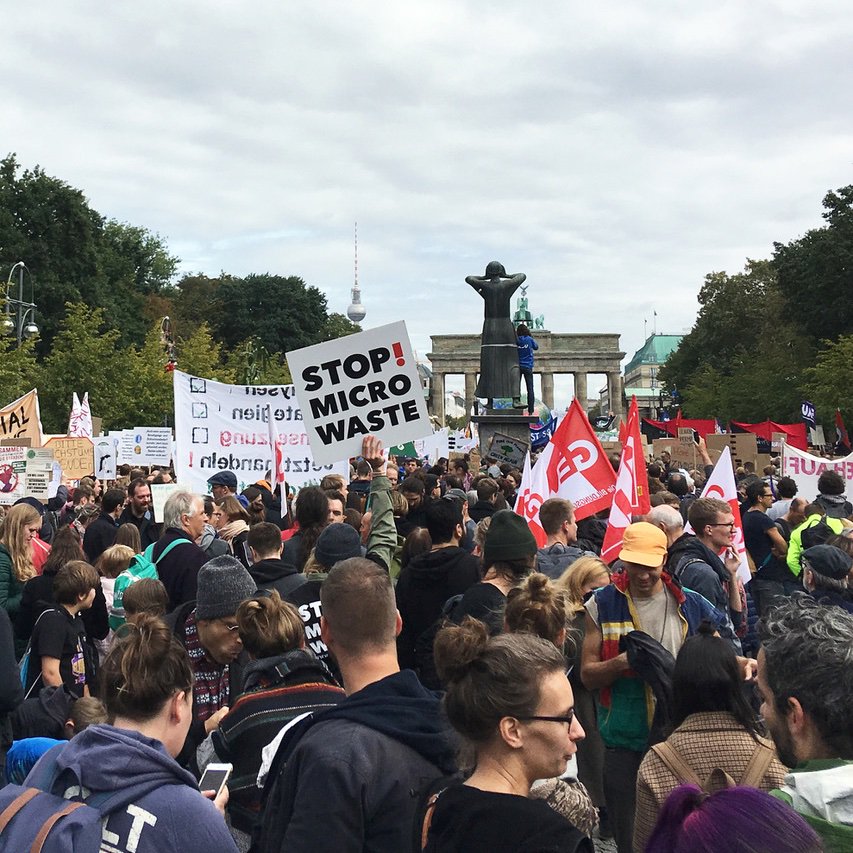
#stopmicrowaste #globalclimatestrike