
Joined November 2022
- Tweets 1,291
- Following 517
- Followers 809
- Likes 20,952
109 Photos and videos


May 24
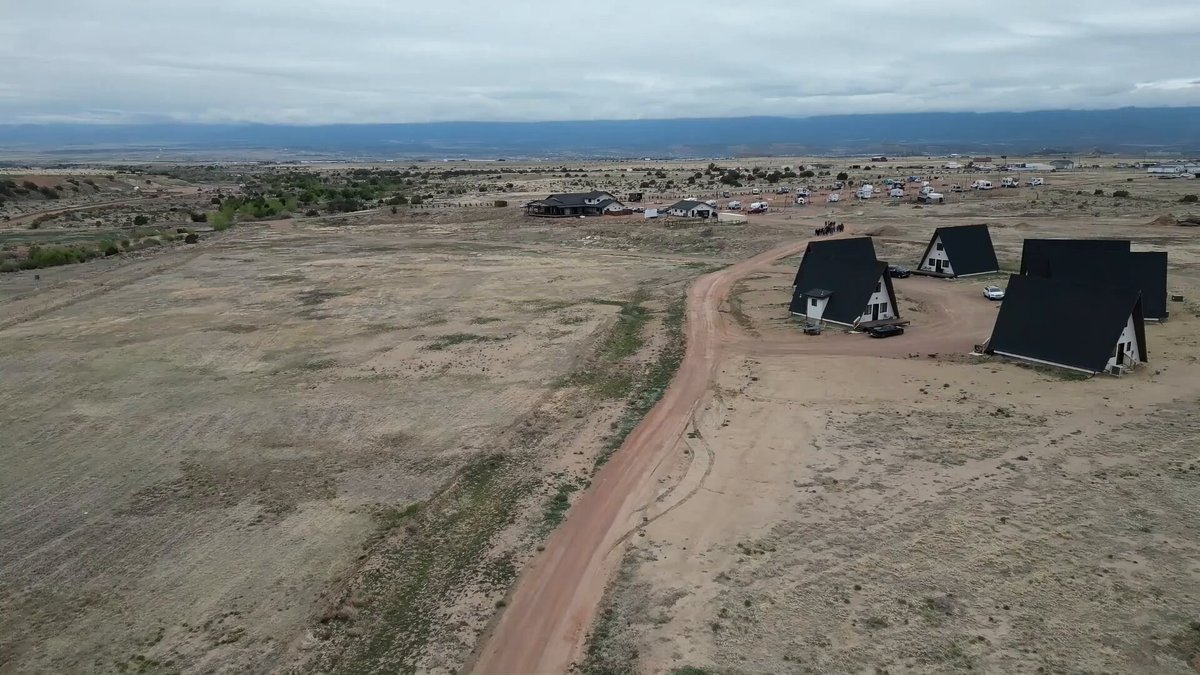
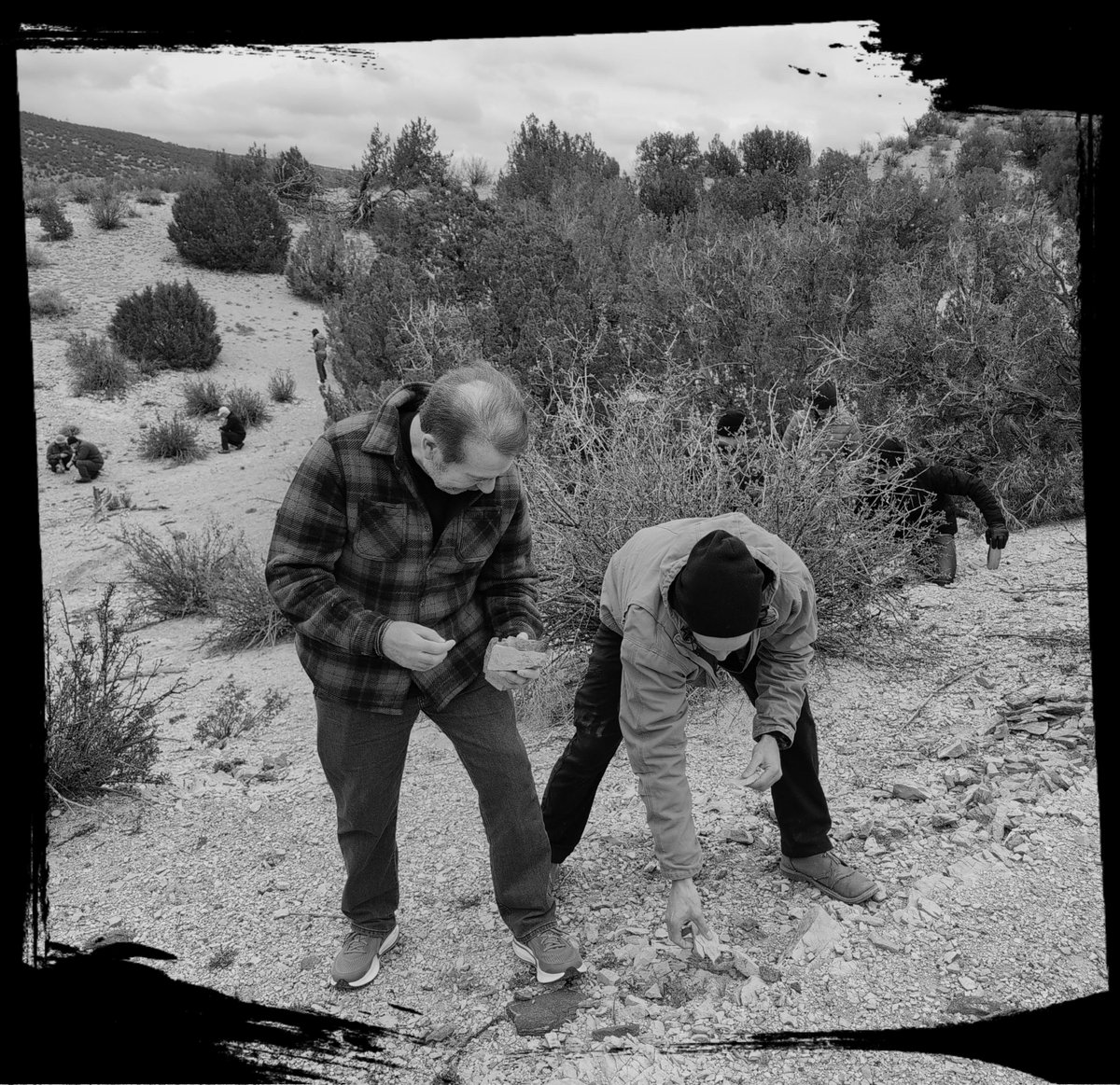
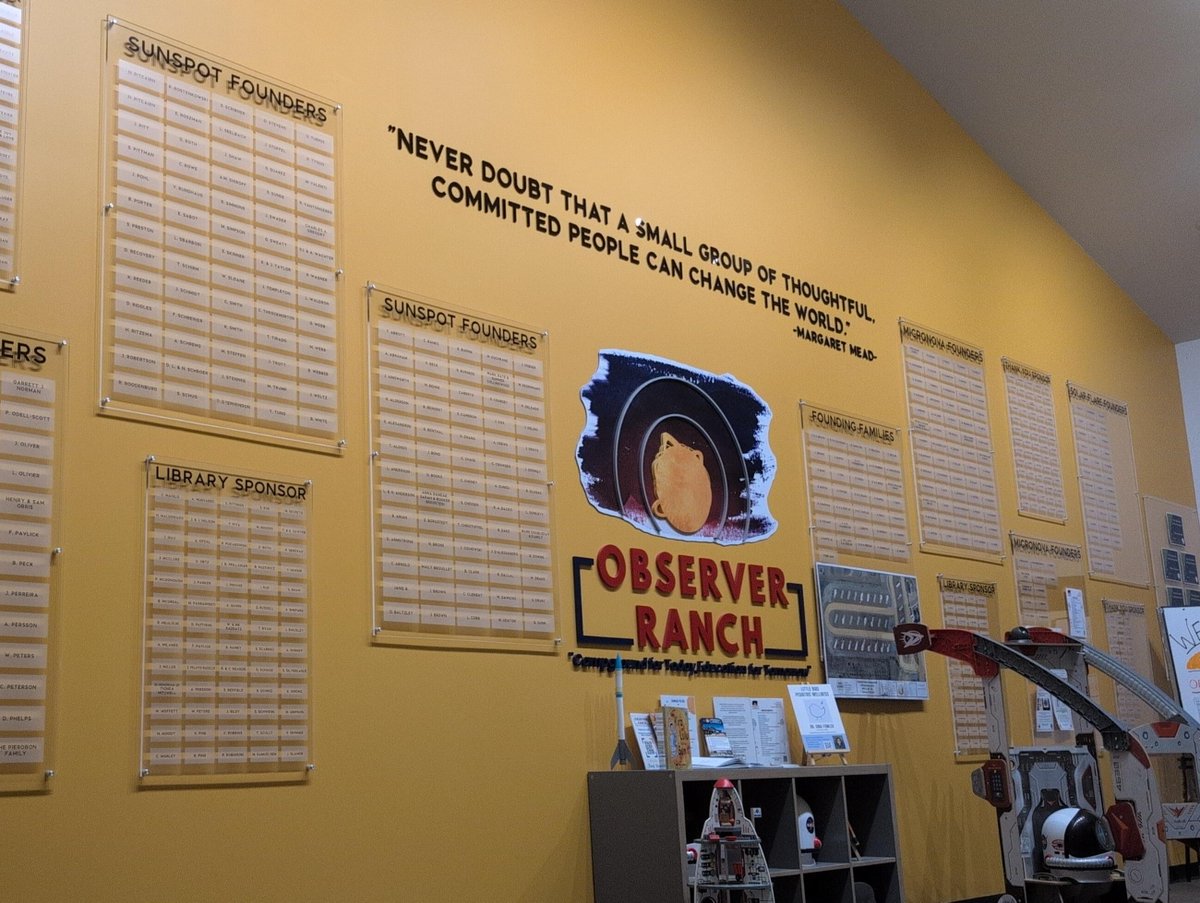
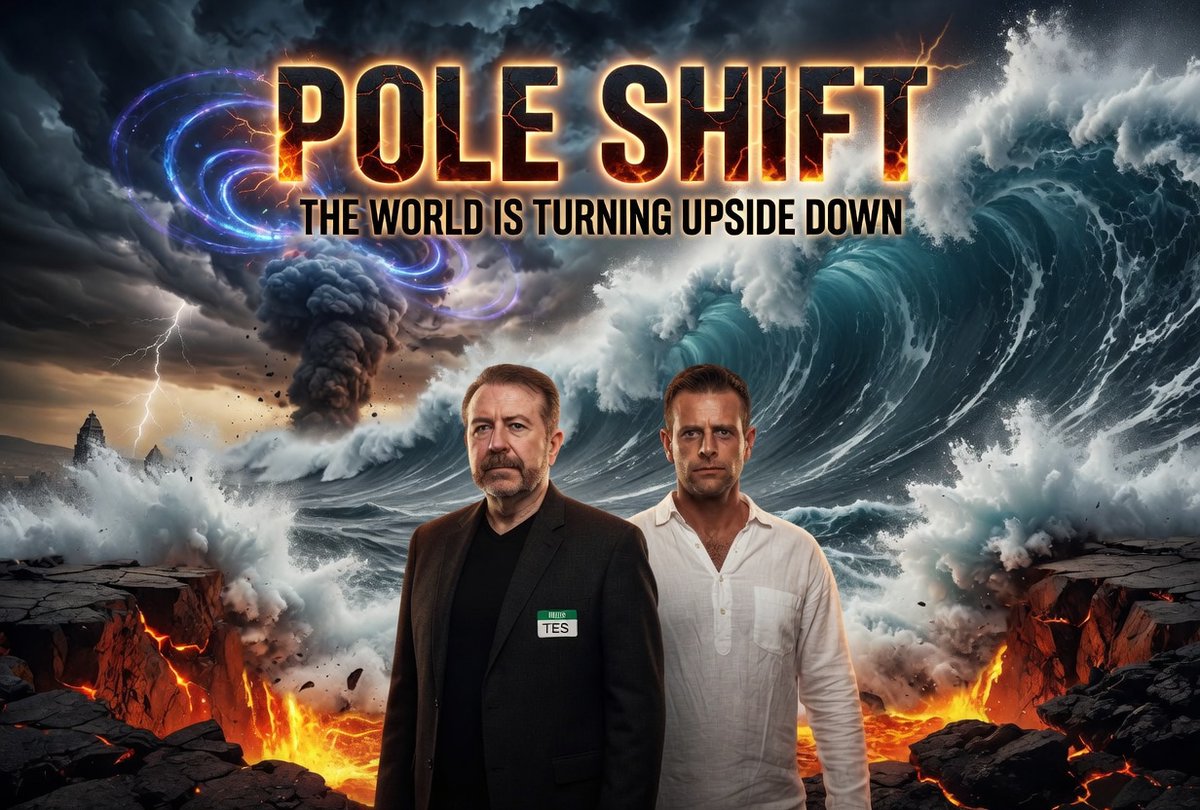
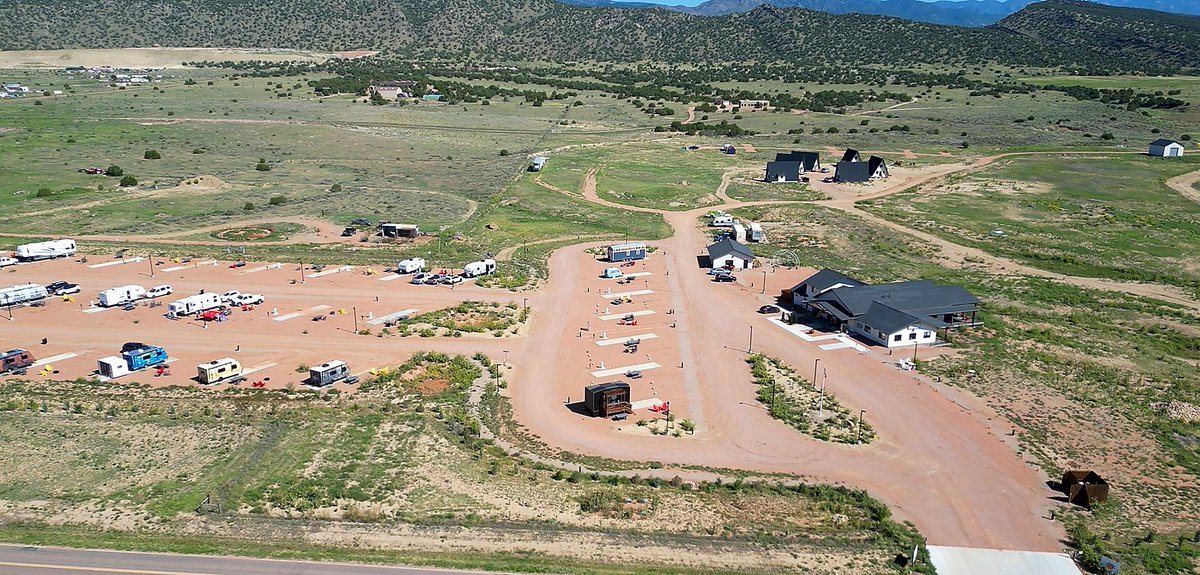
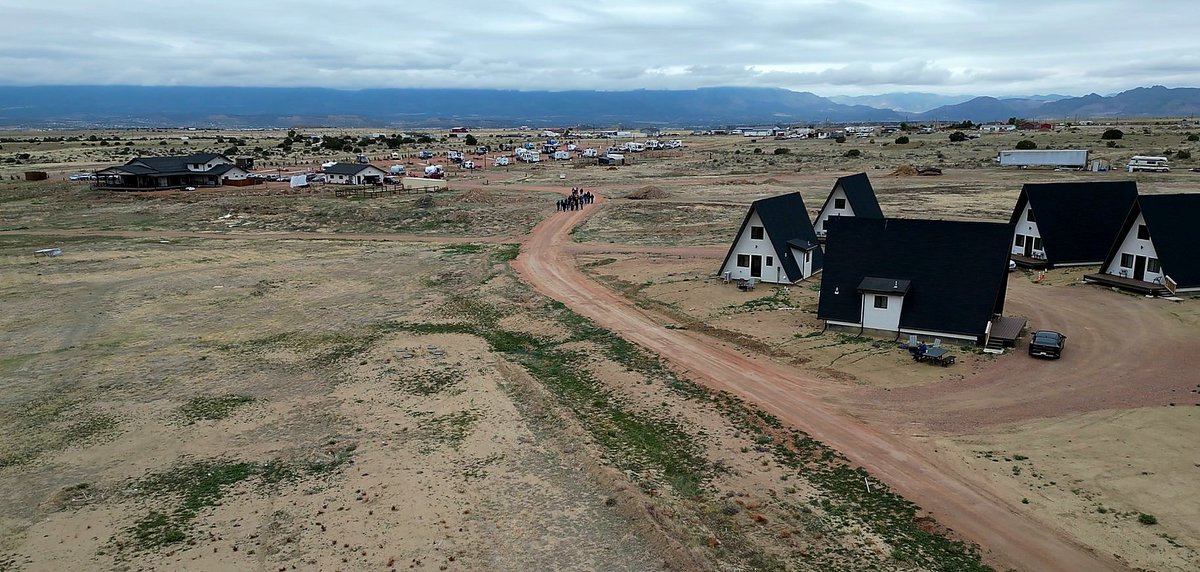
A random side quest during the Pole Shift Conference was an 8am fossil hunt in the sandstone outcropping at the back of Observer Ranch. I took Ben's pre-stream pump up song, and cut potentially the most hype fossil hunting walkout video of all time...
🔊🔥🔊🔥
@DGr8Awakening @deberelli @SunWeatherMan @EthicalSkeptic all make appearances.
May 24

Davidson, I'll trade you access to the Pole Shift Conference speaker videos for some of this 🔥
SOUND: ON 🔊🔊
1
12
555
May 22
Pole Shift Conference: Observations from the Field - #3
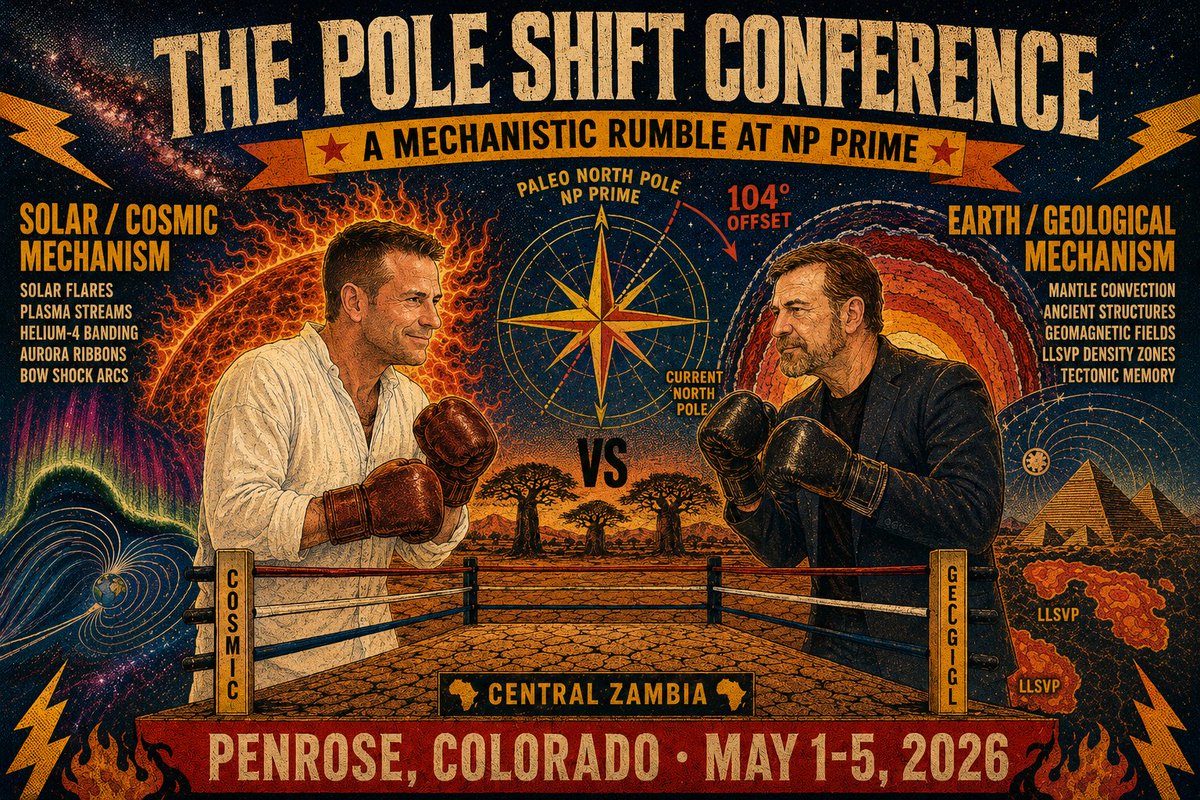
In the lead up to the Pole Shift conference, the framing on X was pure theater. Penrose Colorado would be the long awaited proving grounds for a scientific cage match between the two most prominent catastrophism theorists in a generation. Two models, two heretics, one stage, one weekend and by Monday morning, an emergent victor.
The truth, as is so often the case with serious work, was considerably more involved. It required both men to wrestle with evidence brought by their opponent that cannot easily be ignored. Owing to the caliber of intellectual inquiry on display, neither participant, would be accused of employing the academy's favorite tactic, the one built around willful ignorance of the inconvenient.
Bear with me, because to land the third observation I need to walk through both models in enough mechanistic detail that the gear deploys successfully.
* This entire thread was written based on statements made and arguments furthered during each mans relevant presentation. It is obviously nowhere near the complete picture for either perspective, but I have attempted to remain concise and gracious to both. If anything is inaccurate, my hastily taken notes looked like hieroglyphs by the end, I apologize and will gladly correct.
** This is the third thread in a series examining the first Pole Shift Conference, a five day gathering held in Penrose, Colorado this May, headlined by Ben Davidson (@SunWeatherMan) and Roger Cunningham (@EthicalSkeptic). Thread one, on the speakers themselves, here: x.com/stratdepth/status/2053… Thread two, on the attendees, here: x.com/stratdepth/status/2054….
May 14
For years now a particular fascination of mine has been in studying the character traits that compel an individual to take an interest in catastrophism. While I wasn't alive for its heyday in the 1950s or 60s, and can't really speak to the nature of the people who bought first editions of Worlds in Collision, I have spent an inordinate amount of time seeking out the most fervent adherents of modern catastrophism and have noted similar world views, personalities and attitudes across geographies:
** This is the second thread in a series examining the first Pole Shift Conference, a five-day gathering held in Penrose, Colorado this May, headlined by Ben Davidson (@SunWeatherMan) and Roger Cunningham (@EthicalSkeptic ). Thread one, on the speakers themselves, here: x.com/stratdepth/status/2053…
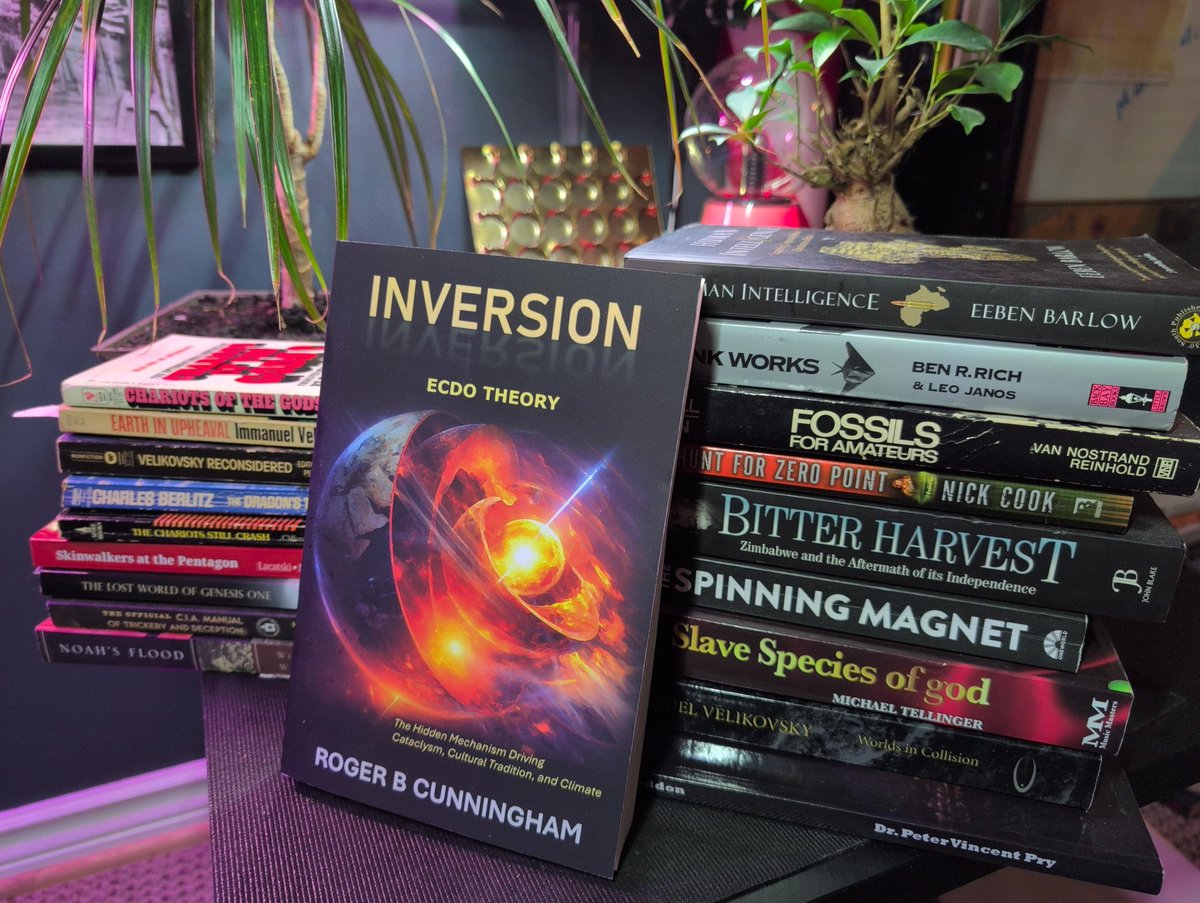
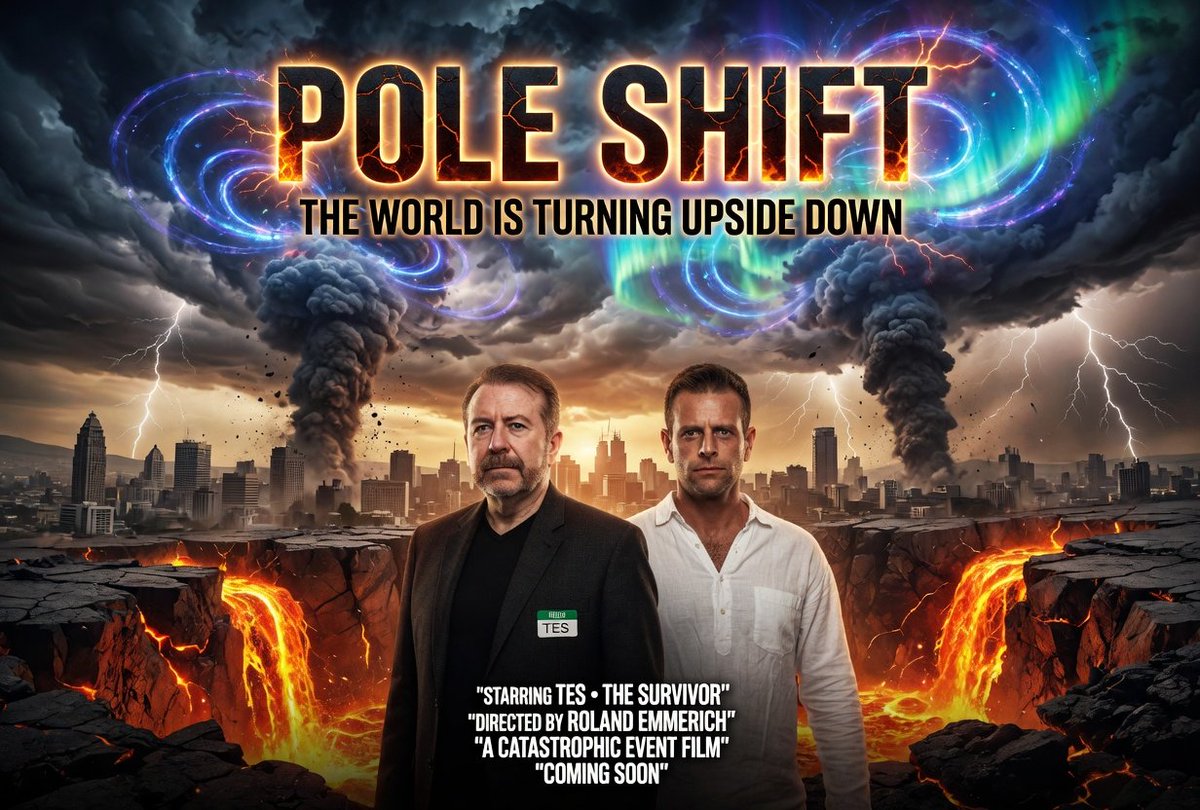
ALT ECDO Theory - the tinder that lit the fire
7
17
106
10,131
May 22
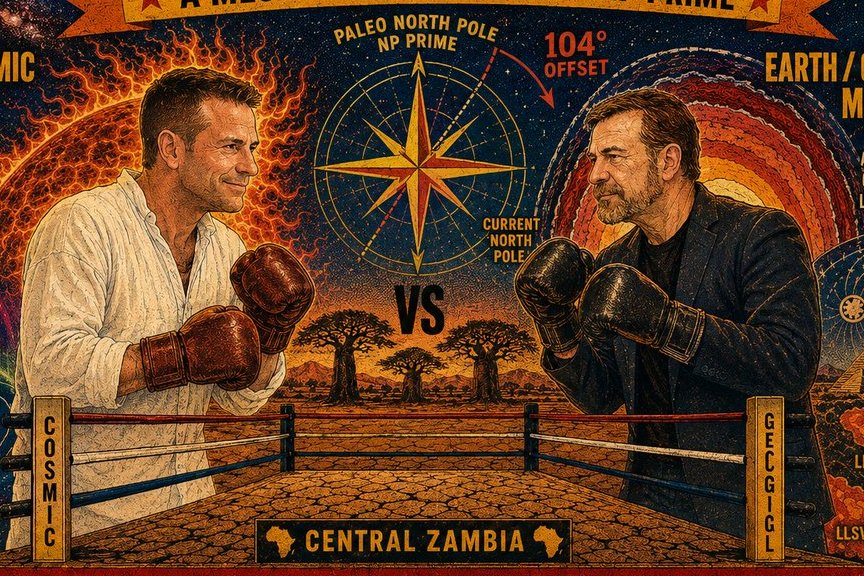
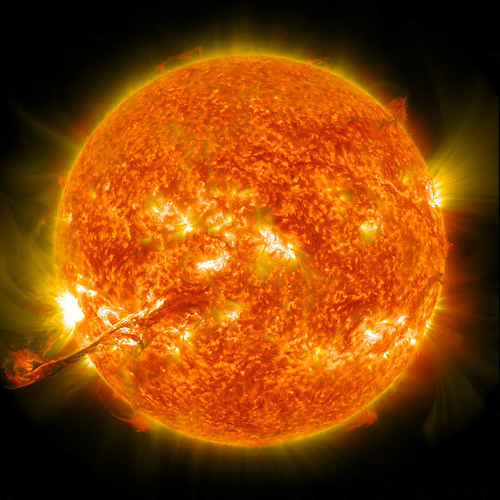
Roger's ECDO, by contrast, doesn't require the Sun to do anything dramatic at all. His mechanism is fundamentally internal. Earth is currently rotating around its geographic poles, but the actual mass distribution of the planet, the LLSVPs sitting beneath Africa and the Pacific, would, under the moments of mass of a gyroscopic body, prefer to rotate around a different axis, roughly 104 degrees off from where we currently spin.
The only thing holding us in the current orientation is the geomagnetic field, which couples the inner core to the mantle and creates what Roger calls “geomagnetic priority.” Weaken the field enough and the constraint releases. The mantle, now free, snaps to its preferred gyroscopic equilibrium around the core. Conservation of angular momentum does the rest. No external trigger required. The energy was latent in the planet’s own mass distribution the entire time.
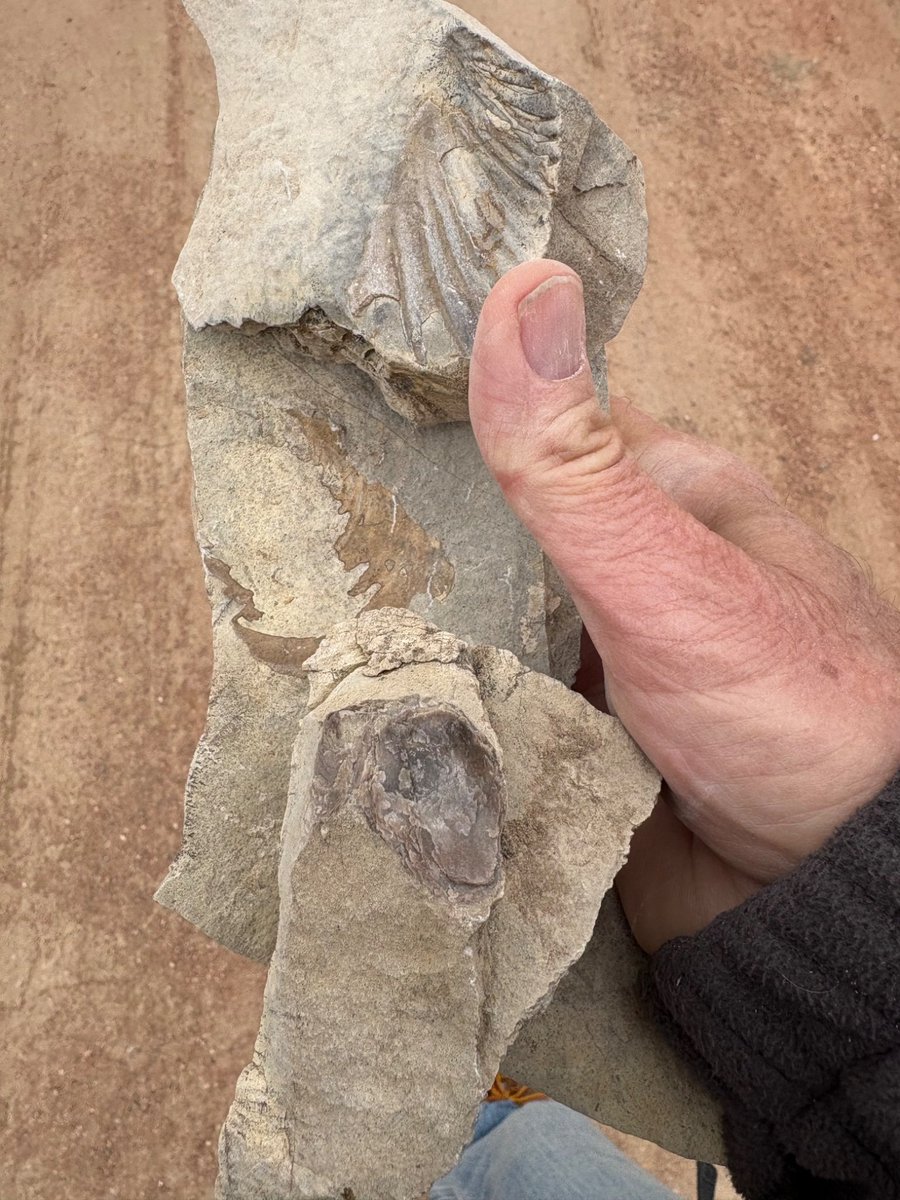
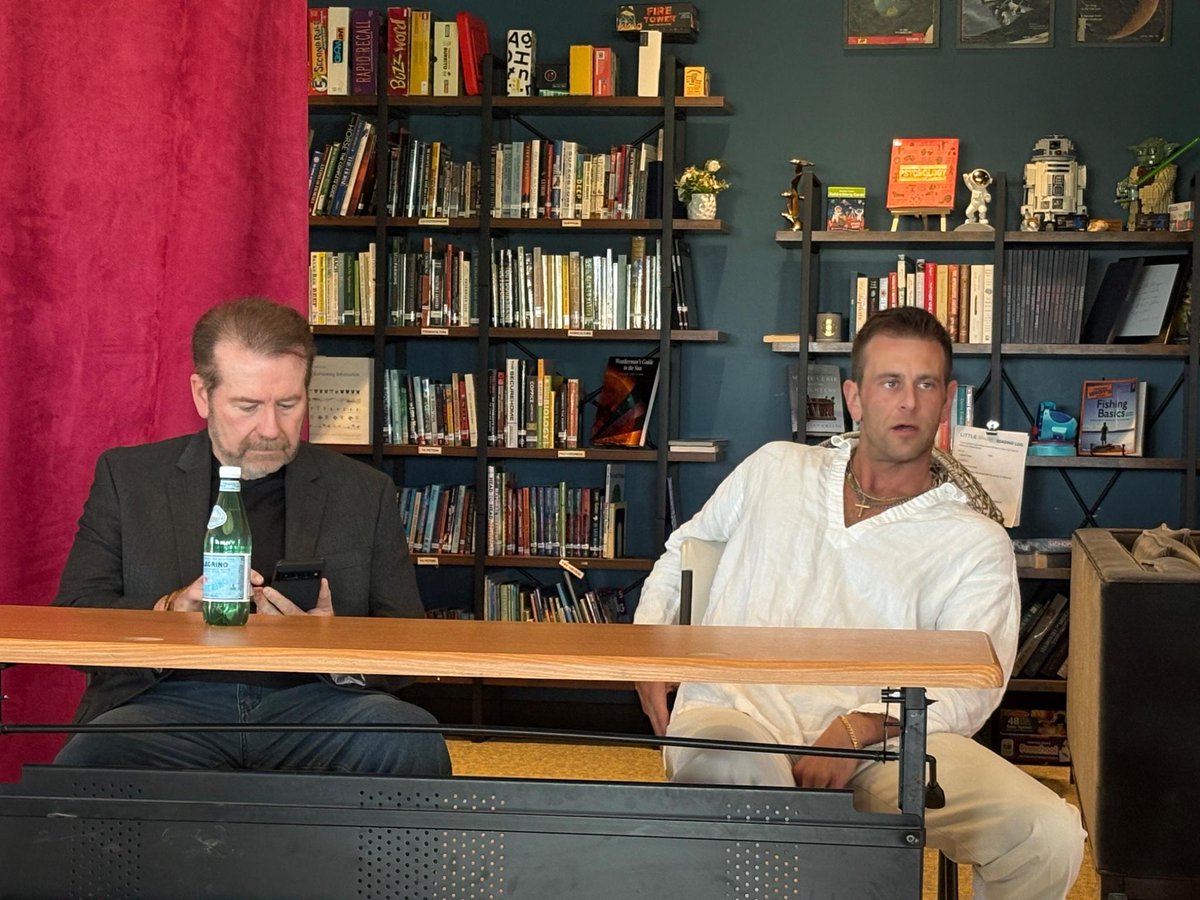
ALT Roger Cunningham and the author examine an outcropping of Harding Sandstone, a shale bed of local fame for its well-preserved early vertebrate fossils (primitive fish plates like Astraspis and Eriptychius some of the oldest known at the time they were described in the 1890s), situated at the outer reach of Observer Ranch. Neither individual knew anything substantial about fossil hunting. Neither individual was successful in locating one.
3
3
30
807
May 22
If you can't see the image caption, this picture potentially makes zero sense: "Roger Cunningham and the author examine an outcropping of Harding Sandstone, a shale bed of local fame for its well-preserved early vertebrate fossils (primitive fish plates like Astraspis and Eriptychius some of the oldest known at the time they were described in the 1890s), situated at the outer reach of Observer Ranch. Neither individual knew anything substantial about fossil hunting. Neither individual was successful in locating one."
1
124
May 22
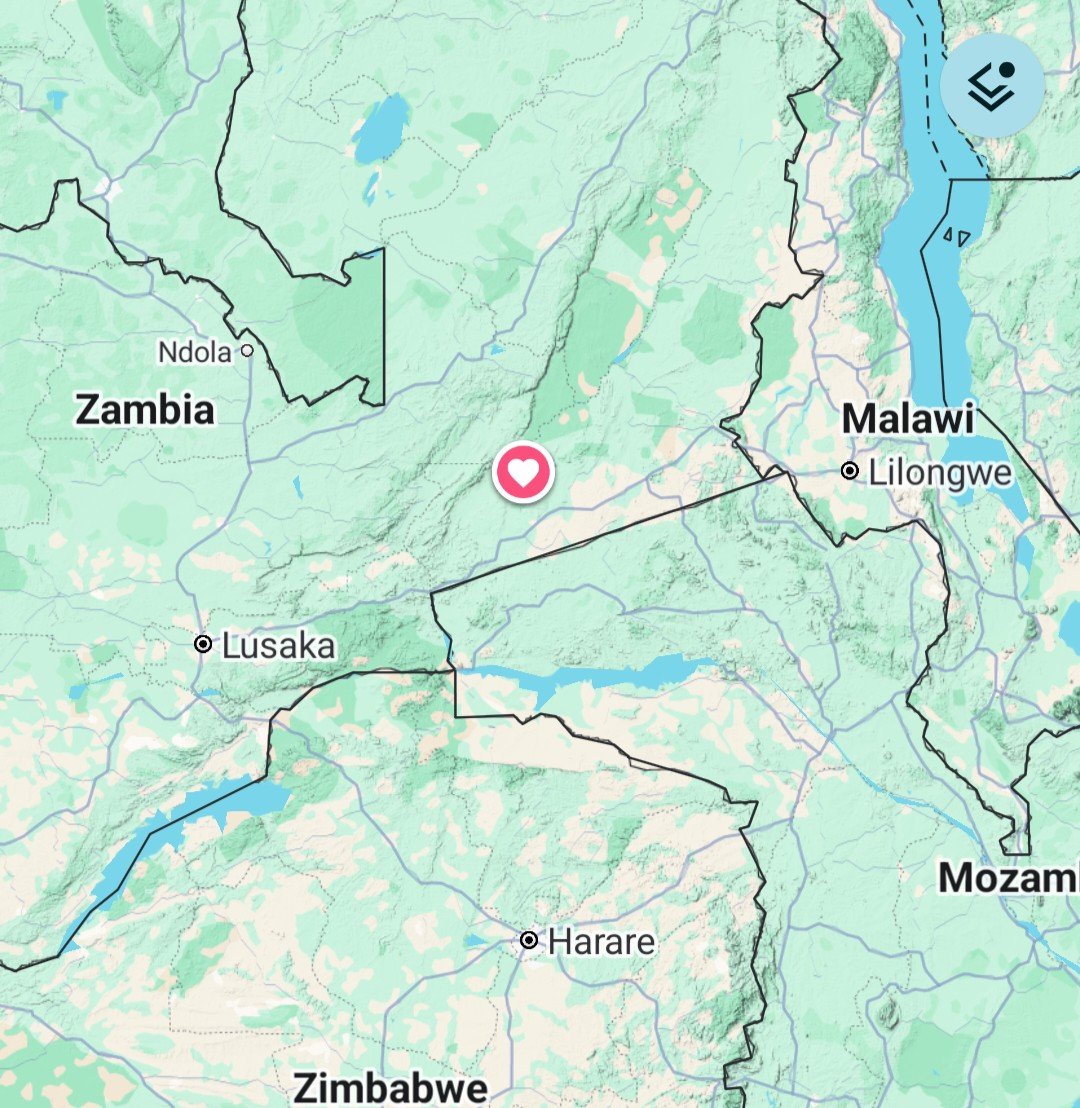
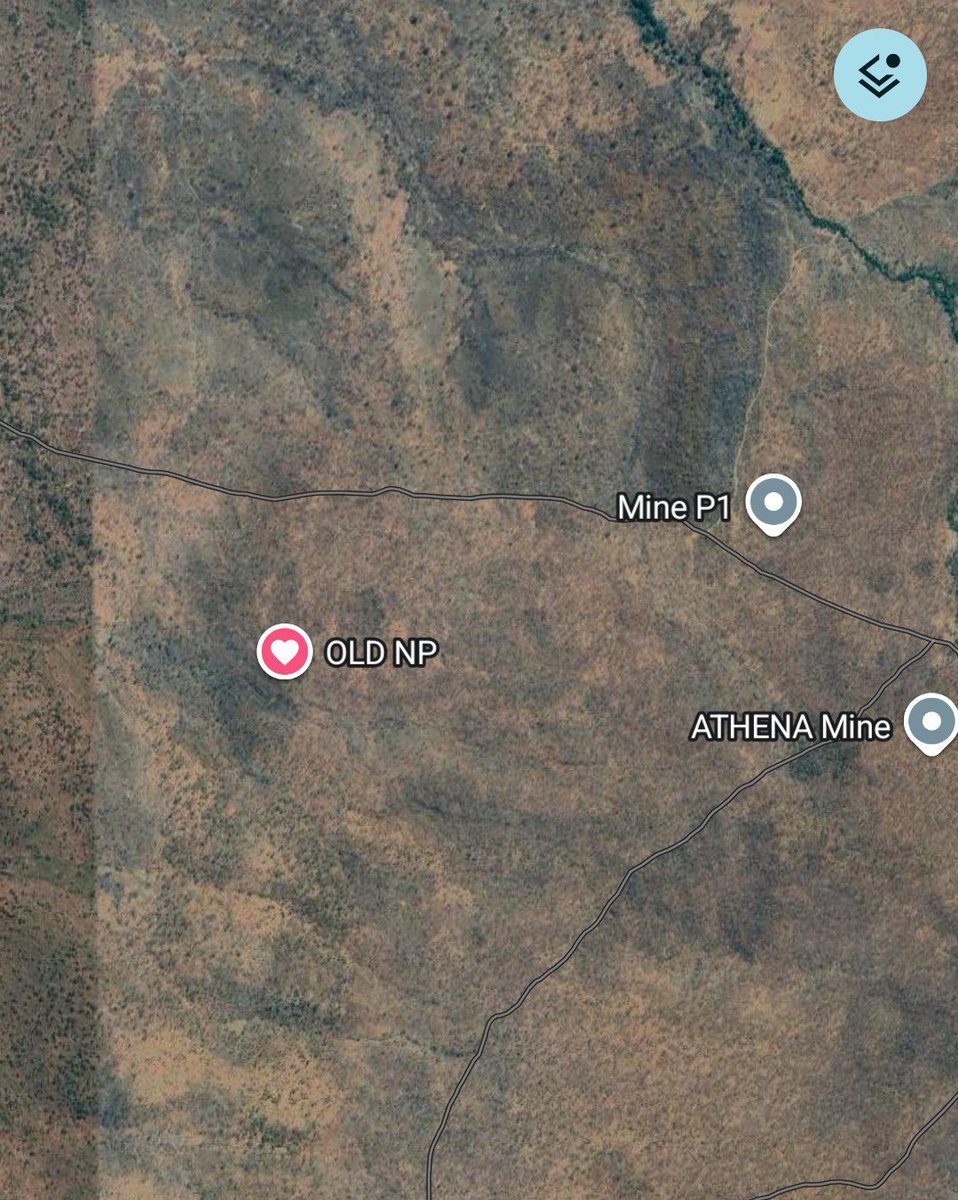
Totally unrelated, but with Starlink, an off road vehicle and some mild discomfort, we could actually live stream a boxing match and/or debate between Ben and Roger at the literal NP'. We can tell Ben it's the African ascetics bodybuilding championship to bait him in. Just outside of Changwe, not far from potentially defunct Chinese mining operations. ECDO expeditions 🔥
1
8
338
May 22
These differences are not trivial, and several of them, the cosmological-framework dispute in particular, are likely to remain genuinely live for some time to come. But the meta-question, whether the two models were fundamentally at odds with one another, was answered cleanly by Saturday morning's Q&A. An audience member, working through the apparent contradiction, asked Roger whether the micronova and ECDO weren't ultimately in conflict. Roger answered, almost casually, that they were not, that in fact a sufficiently large helium-4 eruption disrupting the Sun's alpha and phi scalar field could be exactly the trigger that collapses Earth's magnetic shield far enough for ECDO to fire, and that this was already accommodated within the theory. Ben, watching from the back of the room, where I had observed him taking copious notes, did not appear surprised. The two men had spent twenty years building what, on the surface, appear to be rival mechanisms, but they walked onto the same ranch and discovered that potentially, they had been describing different rows of the same ledger.
1
1
20
619
May 22
Which brings me to my third observation: the deepest disagreements in science are almost never about whether something happens, they are about which link in the causal chain you choose to call 'the cause,' and once you accept this, an enormous amount of public scientific theater is revealed for what it actually is. Roger spent twenty-five years working backward from the geological and archaeological record toward the mechanism that could have produced it. Ben spent over a decade working forward from the cosmic environment toward the consequences it should produce. They met somewhere in the middle of the planet, at the boundary between the core and the mantle, and discovered the awkward truth that their mechanisms didn't compete, they handed off. The micronova provides the impulse. ECDO provides the response. The crust unlocks because the field collapses, the field collapses because the Sun spat ash that disrupted it, and the Sun spat ash because helium-4 doesn't fuse on the path to lithium-6. Each man owns one segment of a single causal hydraulic line, and neither could have built the other's segment, because the disciplines required to construct each end have been kept ruthlessly separate by an academy that genuinely seems to believe geology stops at the lithosphere and astrophysics stops at the magnetopause. If our scientific institutions were structured to allow plasma physicists and systems engineers to be in the same room without one of them needing first to file for danger pay, we'd have arrived at a synthesis like this in 1995. Instead we got it outside Penrose, Colorado at a mid-range wedding venue and a luxury RV park in the opening days of May 2026, courtesy of two men who asked the questions and followed the evidence wherever it led, asking only that truth be the final arbiter and accepting whatever reputational cost their determination imposed.
"I did not know. I went and looked. Everything else was vanity." Axiom #22. TES.
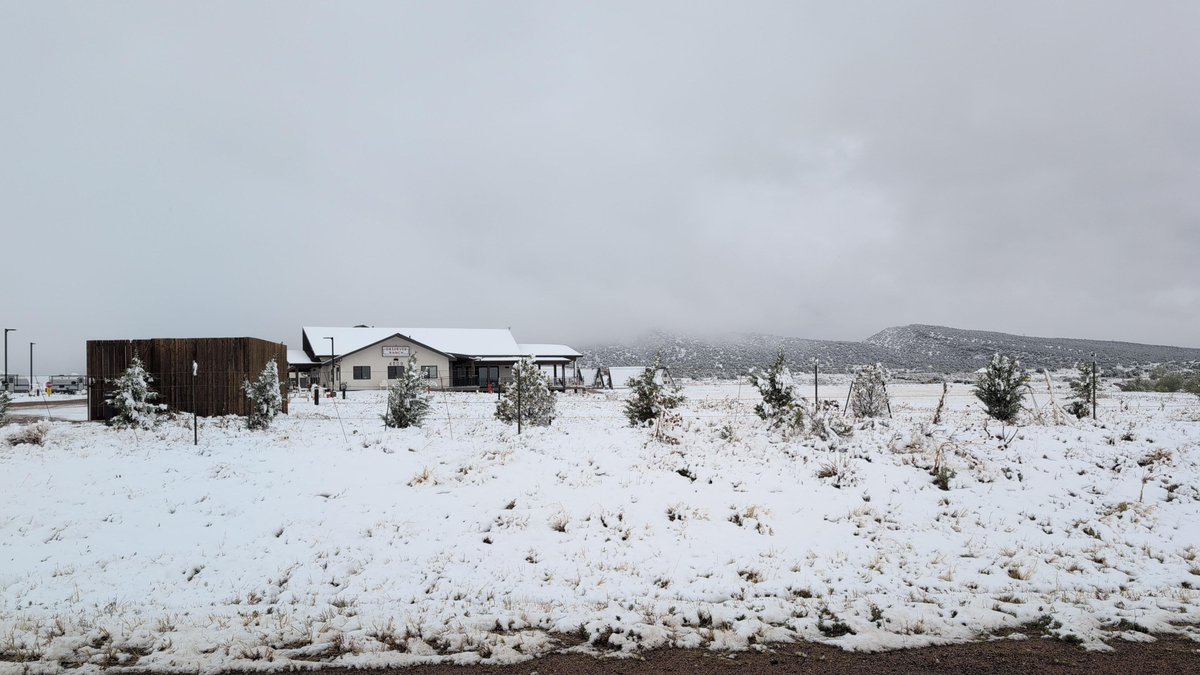
ALT Even got a nice dusting of snow on the final day of the conference. Especially fun when you're sleeping in a tent in the back lot, with a half-mile infill to the bathrooms.
4
1
30
584
May 20
The contemporary academy mistakes its comfort for competence. It can model black holes, dark matter and multiverses without flinching, yet trembles at the idea that sky and sea once conspired against our ancestors in living memory. Myths are not failed science, despite the ridicule imbued upon them by the academy, they are the compression algorithm of a civilization that lost its instruments but kept its soul. The true test of any intellect is whether it can bear the weight of evidence that refuses to stay in its assigned seat.

4
6
29
1,866
strategicdepth retweeted

May 15
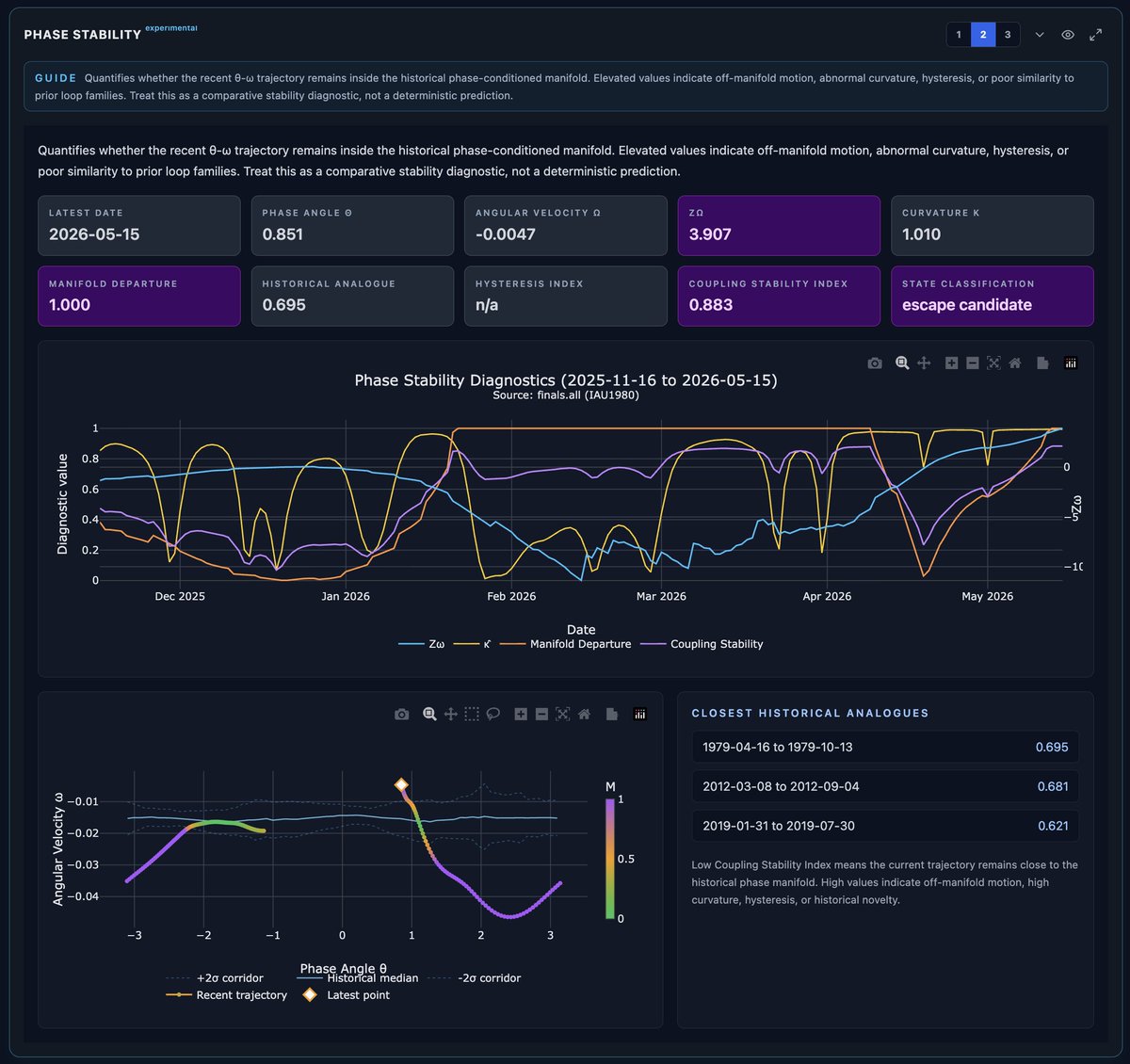
May 15th polar-motion update: DRIFT’s phase-stability diagnostics continue tracking residual polar-motion migration away from the historical manifold. Manifold departure (M) remains saturated (1.0 - expected), but the trajectory is gradually becoming less noisy (positive). The coupling stability index (C) has been improving slowly but steadily (0.890 to 0.883), and trajectory curvature (K) has similarly been relaxing (1.40 to 1.01). This increasingly resembles a coherent transition onto an alternative trajectory. The identified analogue families (1979, 2012, and 2019) present in the 54-year IERS record are scoring higher daily, meaning that the present is gradually resembling past departures more closely over time (positive). Rotation continues to follow an historically unusual, yet increasingly coherent journey. For newcomers: "DRIFT is a live monitoring platform for Earth’s polar motion, the gradual movement of the planet’s rotation axis relative to its surface. Rather than attributing this motion to assumed causes, DRIFT determines the geometric structure that the data itself necessitates. This results in a constraint-first perspective of a system that is surprisingly organised."
DRIFT (1.6.3): drift.nobulart.com
GitHub repo: github.com/nobulart/drift
Docker Hub: hub.docker.com/r/sunbear73/d…
5
9
64
2,958
May 14
For years now a particular fascination of mine has been in studying the character traits that compel an individual to take an interest in catastrophism. While I wasn't alive for its heyday in the 1950s or 60s, and can't really speak to the nature of the people who bought first editions of Worlds in Collision, I have spent an inordinate amount of time seeking out the most fervent adherents of modern catastrophism and have noted similar world views, personalities and attitudes across geographies:
** This is the second thread in a series examining the first Pole Shift Conference, a five-day gathering held in Penrose, Colorado this May, headlined by Ben Davidson (@SunWeatherMan) and Roger Cunningham (@EthicalSkeptic ). Thread one, on the speakers themselves, here: x.com/stratdepth/status/2053…
ALT ECDO Theory - the tinder that lit the fire
May 11
I arrived home and spent the weekend gathering my thoughts and ruminating after having attended the Pole Shift Conference, headlined by Ben Davidson (@SunWeatherMan) and Roger Cunningham (@EthicalSkeptic), in Penrose, Colorado. While the full breadth of what took place is impossible to adequately summarize in text, over the next few days I will outline my topline observations, from what up until this point, was the largest conference of it’s kind, ever.
7
17
75
9,347
May 14
This is one area in particular that I think is beginning to bear fruit, from the tree that is this sort of decentralized catastrophism research syndicate that has emerged online. Numerous approaches to modelling the physics involved, using a variety of tools, choreographed by brilliant minds and generous helpings of autism and nicotine, have resulted in some "pretty good ideas" about location. Those will be ideas we explore in another post, but suffice to say, when discussing and seeing these efforts by fellow attendees and observing the rigor, dedication and intellectual humility on display, one can only conclude that this is the most data-driven cult of all time.
2
1
19
783
May 14
Which brings me to my second observation: if you genuinely want to know whether you're looking at a cult, watch the affect, not the content. Cults run hot. The emotional register inside them oscillates between manic certainty and tearful crisis, often within the same hour, in deliberate service of keeping members destabilized and dependent on the hierarchy. The room in Penrose ran almost comically cool. People discussed inundation depths over breakfast in roughly the same tone they discussed the coffee. There were no tears, no ecstatic conversions, no whispered fears in the parking lot, no preacher cadence from the stage and no altar call at the end of the weekend. What there was, instead, was an emotional baseline one almost never encounters in modern public life outside of military planning sessions and old farming families: people who have looked directly at the worst case, taken its measure, and gone back to working through next week's logistics. The contrast with the affect of mainstream institutional discourse, which has spent the last two decades cultivating performative panic about climate while quietly making no preparations of any kind, is genuinely disorienting the first time one realizes it. The people who have actually priced in civilizational disruption on an incomprehensible scale are calm, some even excited. For them this is not the apocalypse, it's the final boss of engineering challenges. The people quickest to label these ideas as pseudoscientific, those who have not given them even a moment of consideration, are the same people who, not so long ago, were lining up to inject themselves with liability-free pharmaceutical cocktails to manifest a few weeks of statistically insignificant benefit. Whatever else this community is, its emotional center of gravity sits closer to a Mennonite barn-raising than to anything Jim Jones or David Koresh ever managed to assemble. While none of them fit into easily definable boxes, everyone I met in Colorado demonstrated the exact opposite of the traits one would expect to see from the members of a cult: highly skeptical, suspicious of received wisdom, intellectually humble and comfortable sitting with uncertainty. If that's a death cult, somebody should tell the members. From where I sat, they all appeared to be having a perfectly nice weekend discussing oceanic temperature surveys, solar radiation, and geometric alignments, and not once did I see a pitcher of Kool-Aid being passed around.
5
8
34
967
May 11
I arrived home and spent the weekend gathering my thoughts and ruminating after having attended the Pole Shift Conference, headlined by Ben Davidson (@SunWeatherMan) and Roger Cunningham (@EthicalSkeptic), in Penrose, Colorado. While the full breadth of what took place is impossible to adequately summarize in text, over the next few days I will outline my topline observations, from what up until this point, was the largest conference of it’s kind, ever.
6
17
117
10,737
May 11
Which brings me to my first observation: contrarianism, properly understood, is not a posture but a method, and Penrose was a master class in the difference. Cunningham’s entire intellectual project rests on a single deceptively simple discipline, the question that anchors his entire philosophical project: 'if I were wrong, would I even know it?” Davidson, for his part, has spent the better part of a decade absorbing professional ridicule and being branded the leader of a death cult for the unforgivable sin of taking the geological and mythological record at face value. By Roger’s own public admission, he and Ben agree on something on the order of 80-95% of the underlying framework. The disagreements over the weekend, such as they were raised, concerned mechanism, sequencing, and the choreography of disaster, rather than the existence of disaster itself. There was no theatrical posturing, no rhetorical ambushes, no attempt by either man to plant a flag on the other’s territory or preen for a sympathetic crowd. What there was, instead, was something far more endangered in modern discourse, two avowed contrarians, surrounded by a hundred attendees who had crossed oceans to be there, treating ego as a tax not worth paying and truth as the ultimate measure. If the institutions actually charged with this kind of inquiry conducted themselves half as well, none of us would have needed to gather in Colorado in the first place, although that would be a shame, because the state is spectacularly beautiful.
1
9
80
2,572
May 11
@DGr8Awakening I borrowed one of your pictures, I somehow forgot to take one of both Roger and Ben on stage 😂
3
16
832