
Pi is the Future of Digital Currency π 💎💎🚀🚀✨
Joined October 2010
- Tweets 85,783
- Following 1,836
- Followers 8,924
- Likes 86,688
9,927 Photos and videos



Pinned Tweet
🔥 Pi Network is more than a crypto project — it’s a movement shaping the future of digital finance. 🌍⚡ 314159 Future
Millions of Pioneers are building a new global economy together. ⛏️💜
#PiNetwork
5
15
140
5,212
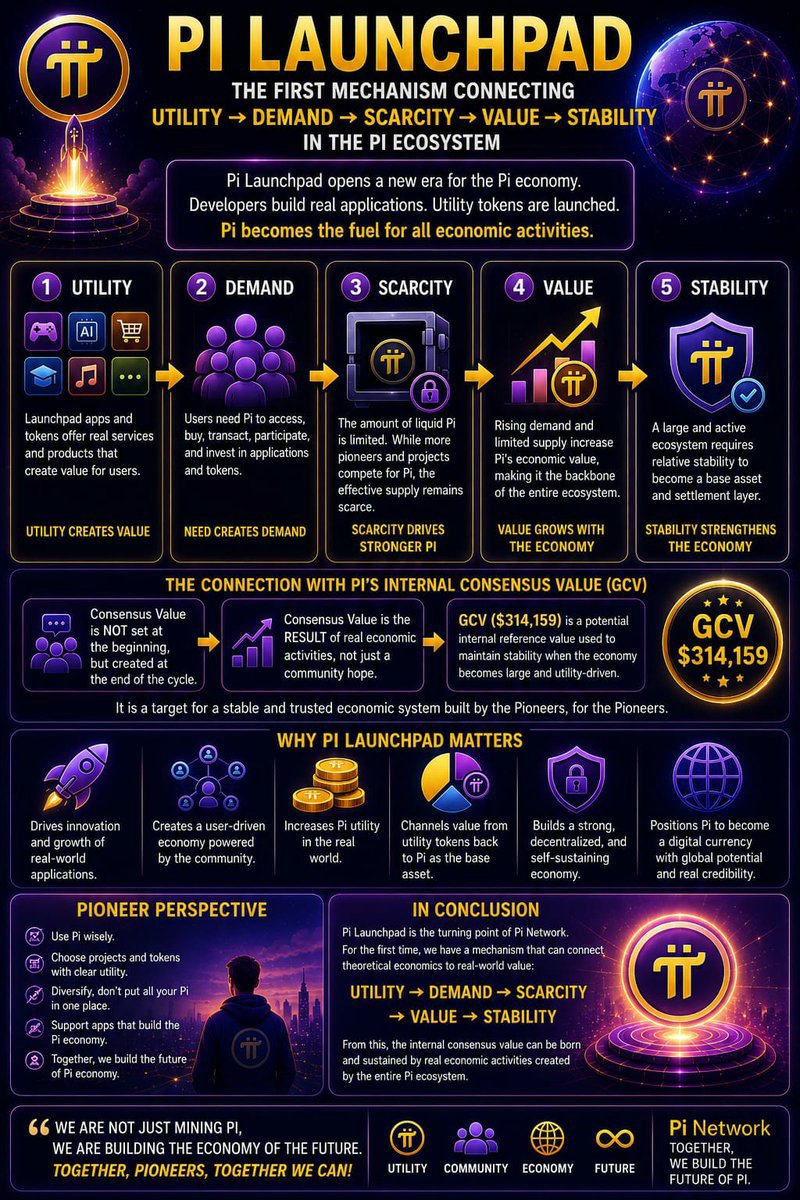
UTILITY → DEMAND → SCARCITY → VALUE → STABILITY ⭕
👉 Real applications create utility.
👉 Utility creates demand.
👉 Demand increases scarcity.
👉 Scarcity drives value.
👉 And a growing economy ultimately requires stability.
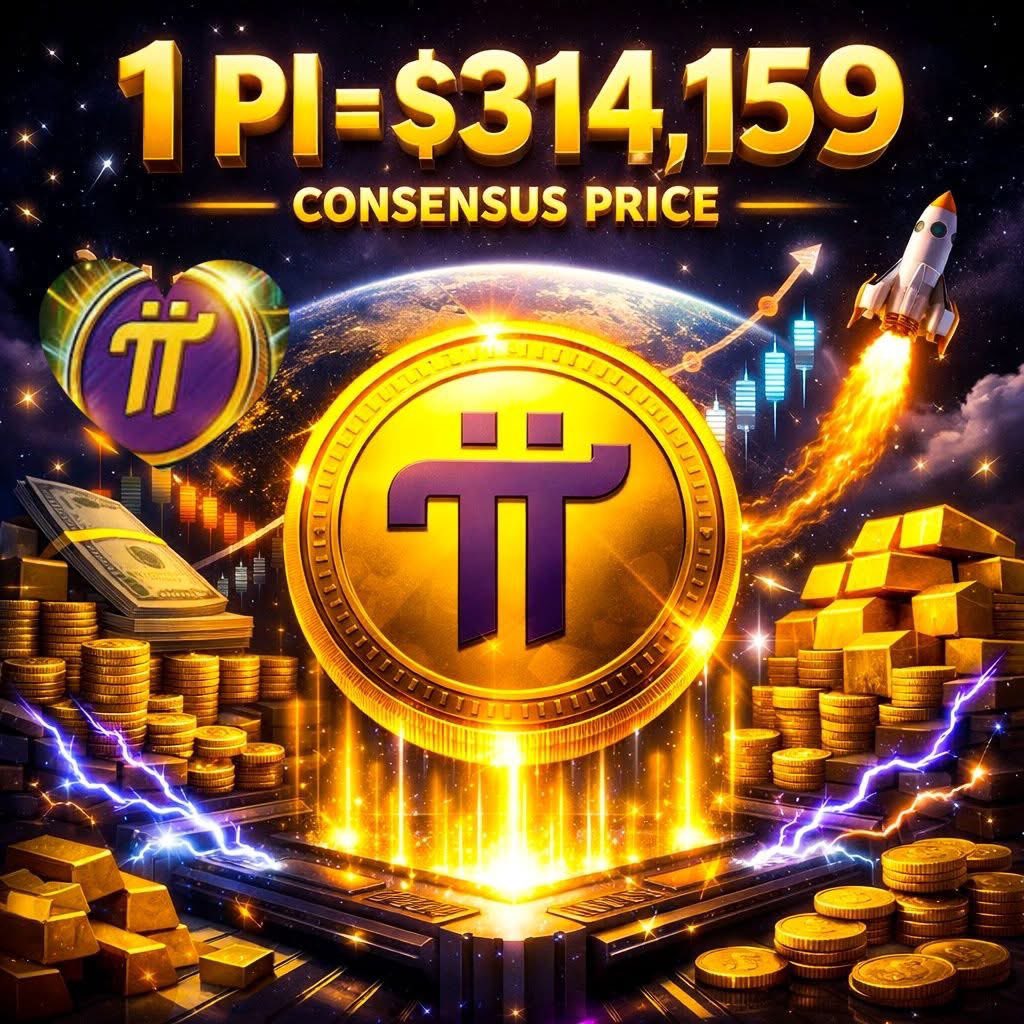
🛡 $314159 🛡
🛡 "Consensus value may no longer be just a community aspiration—it could become the natural outcome of a thriving ecosystem." 🛡
#PiNetwork
1
6
63
1,004
The applications and systems within the ecosystem are built around sustainability and real utility. Their internal assets, which are tied to products and services, are earned through contribution, participation, and usage, and provide benefits such as governance, voting rights, discounts, exclusive access, and more
For example, CIDIScore in the @PlayCiDi ecosystem cannot be purchased, it is earned through participation and engagement within the ecosystem. On the other hand, CidiCoin is a tradable asset available on exchanges. The same concept applies to ZYPs in the @ZyptoApp ecosystem they are not bought but earned through contribution and usage, granting various ecosystem benefits, while the Zypto Token is the asset traded on exchanges
I believe the picture is now clear. These dynamic economic concepts are derived from Pi’s broader ecosystem model, which can contain multiple systems and economies. In short, the internal Pi used within ecosystems is fundamentally different from the Pi traded on exchanges
So don't be surprised if, when DEXs become available in Mainnet within the ecosystem, you discover that the same Pi earned through utility, participation, and contribution cannot simply be bought. Pi that is earned through real usage and contribution is not necessarily the same as Pi acquired through trading
@PiCoreTeam #PiNetwork

4
26
996
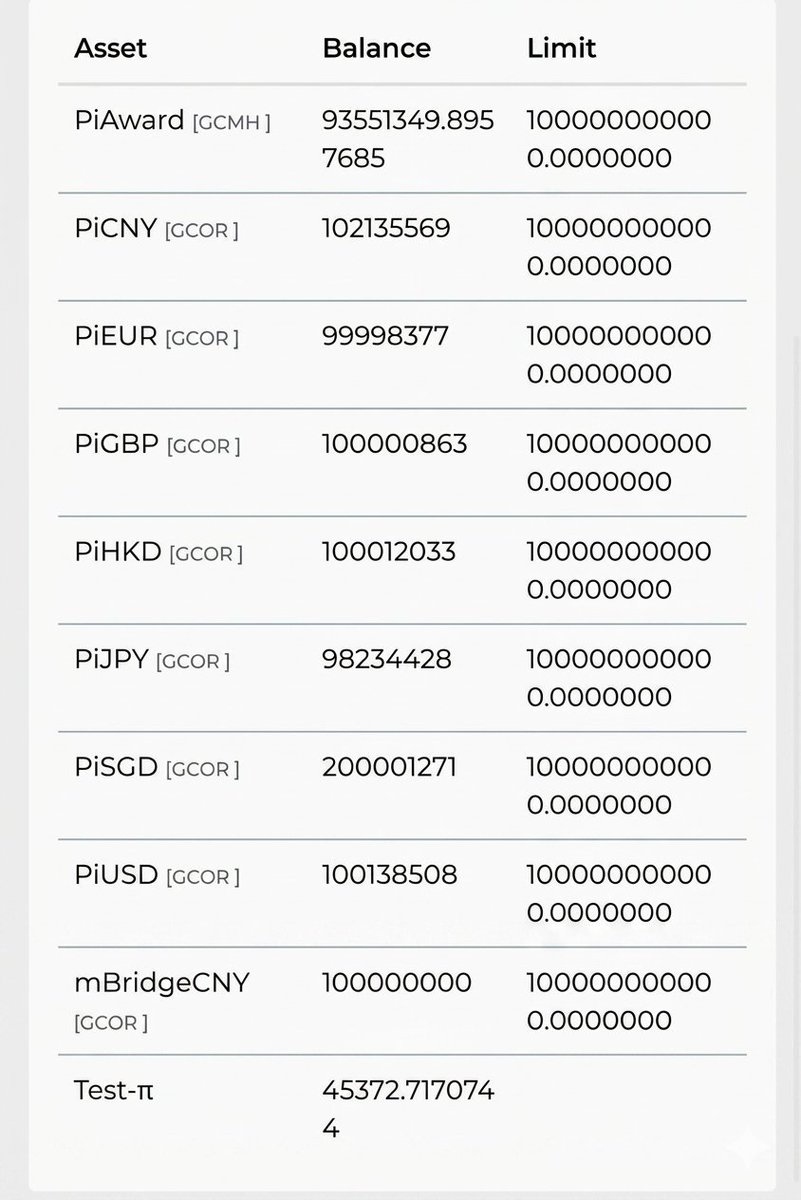
Assets linked to Pi, for example, include things similar to tokenized national currencies existing on the blockchain such as PIUSD, PICNY, PIEUR, PIJPY, PIGBP, and other similar examples. These are assets pegged to the encrypted Pi base asset. You can apply the same concept to stocks, wealth, and other types of assets, and so on
@PiCoreTeam #PiNetwork
12
122
3,258
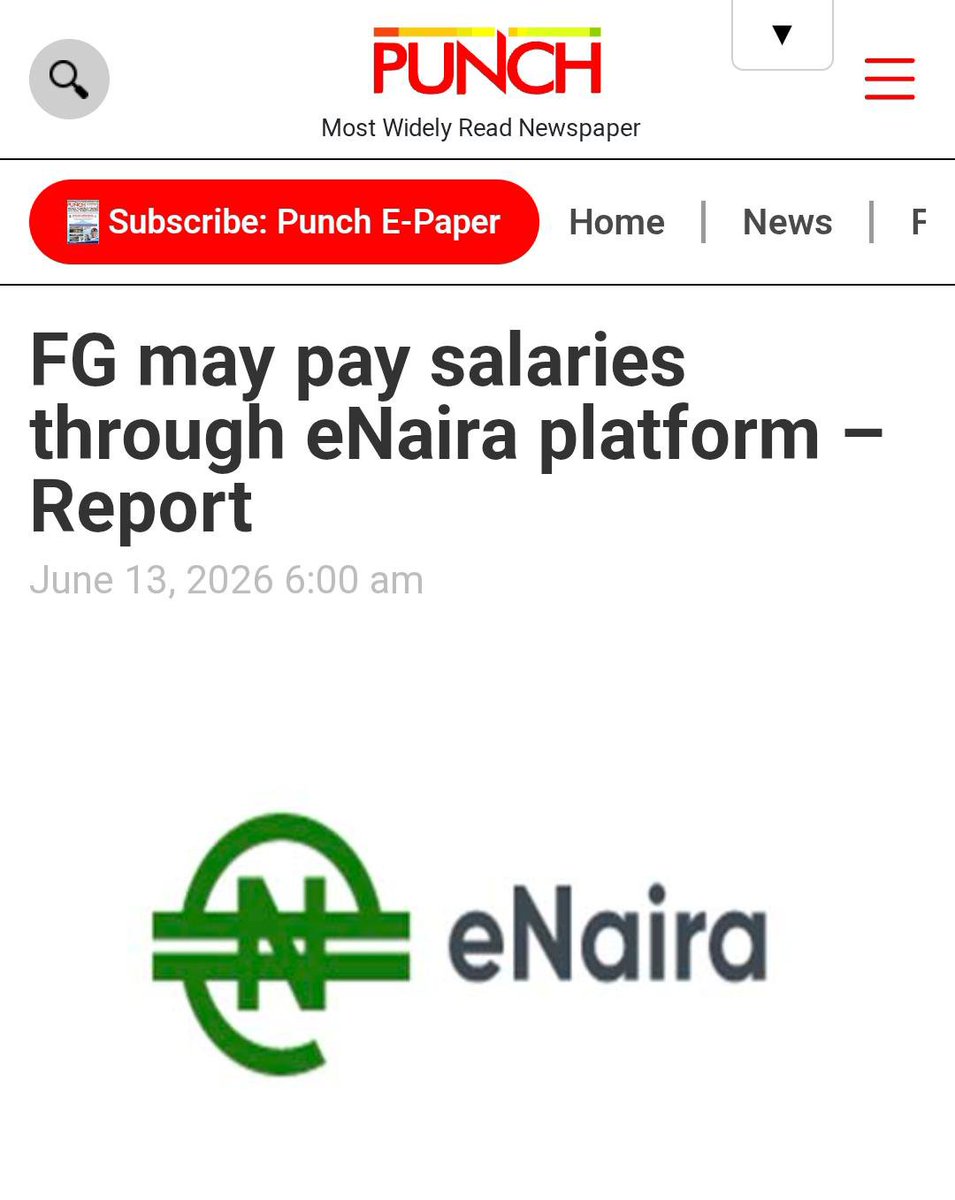
*eNaira for Payday: FG Eyes Digital Salaries to Cut Delays and Waste*
*Sample Scenario: Old vs New Way*
*Old way:* Aisha, a civil servant, waits days for salary. Bank transfers lag, “network issues” happen, and sometimes funds get stuck in IPPIS glitches or funding gaps.
*New way:* FG pays Aisha’s salary straight into her eNaira wallet.
The money lands instantly, works offline via USSD, and can be split or set for specific use. No middleman, no delay.
*Brief Summary*
The Federal Government may start paying salaries, pensions, and social welfare benefits through the eNaira platform.
This is part of the CBN’s Nigeria Payments System Vision 2028, which aims to move the eNaira from pilot to a core national payment rail.
*Launched in Oct 2021 as Africa’s first CBDC*, eNaira was meant to boost financial inclusion and cut transaction costs, but adoption has been low.
The new plan targets government-to-person (G2P) payments and payroll processing as key use cases.
*Key Highlights*
1. *Use case shift*: eNaira to handle public-sector salaries, pensions, conditional cash transfers, and other G2P payments.
2. *Programmable money*: CBN proposes features like time-limits on spending, purpose-specific payments, payment splitting, and sub-wallets.
3. *Adoption push*: Move from pilot to “core payment rail” for government and private transactions.
4. *Offline access*: USSD channel exists for areas without internet, as pushed by CBN and tech firms.
*Beneficiaries and Stakeholder Impact*
*Beneficiaries*: Federal civil servants, pensioners, social welfare recipients, conditional cash transfer beneficiaries, and micro-enterprises.
*FG/CBN*: Faster disbursement, lower transaction costs, better tracking of public funds, and reduced leakages. eNaira’s programmable features can enforce purpose-specific spending.
*Commercial banks*: May lose transaction fees on salary payments, but can integrate as wallet providers.
*Citizens*: Quicker access to pay, less dependence on cash, and inclusion for unbanked via USSD.
*MDAs*: Less admin burden from payment delays and glitches linked to IPPIS funding gaps.
*Facts and Figures*
1. eNaira launched Oct 2021 as Africa’s first CBDC.
2. FG personnel cost rose from N4.34tn in 2022 to N5.51tn proposed for 2024, a 26.96% jump.
3. IPPIS eliminated ∼70,000 ghost workers and saved N220bn .
4. FG spent N177.4bn on wage awards for 1.26m civil servants in 4 months.
5. Nigeria Payments System Vision 2028 is the roadmap driving this shift.
*Recommendations*
1. *Mass sensitization*: CBN and MDAs should educate workers on eNaira wallets, security, and USSD use, like past drives in universities.
2. *Infrastructure fix*: Ensure offline USSD reliability and agent network before rollout to avoid exclusion.
3. *Privacy safeguards*: Define clear rules on “programmable” features to avoid misuse of spending controls.
4. *Phased pilot*: Start with pensions and social transfers before full salary migration to test systems.
*Conclusion*
Paying salaries via eNaira could solve chronic delays and leakages in FG payroll.
It shifts money from bank rails to a direct digital rail, cutting costs and boosting inclusion.
But success depends on trust, infrastructure, and clear policies.
If done right, payday for Aisha and millions of Nigerians becomes instant, transparent, and truly cashless.
12
428
The mechanism for countries, institutions, and entities differs from that of Pioneers in acquiring Pi through mining, running nodes, and contributing to the ecosystem. Countries and institutions can enter the system by linking assets, stocks, natural resources, and other forms of value to the Pi unit through asset-backed smart contracts, allowing these assets to be represented digitally and their value linked to Pi. Examples include Pi-linked digital government bonds, along with many other assets and financial instruments
@PiCoreTeam #PiNetwork
1
3
38
1,076
The biggest dreams are often the ones worth chasing.
Dream bigger.
Work harder.
Ignore the doubters.
The future belongs to the people willing to build it!
#wolibughatti #PiNetwork
#PayWithPi
1
9
74
1,453
Ministry of digital economy.
Crypto regulation in Nigeria is in progress.... If you like don't grab the Opportunity of New money 💰💰 now... Structural Bill of Crypto Currency is getting in place Now..... It's going to be legal Tender around the world 🌍🌎🌍🌎 On Blockchain Technology and all Ministries around the World will Systematically Move on Web 3 Innovation System..... Ire ooooh....
4
39
849
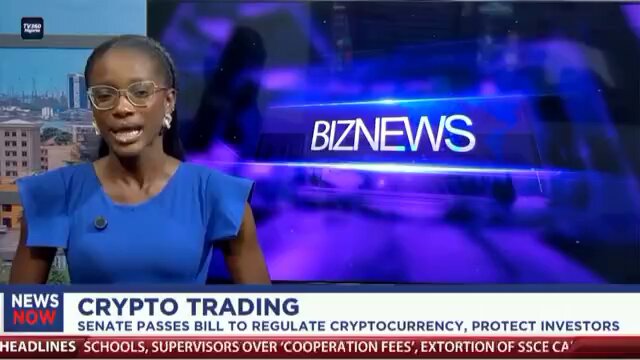
*Nigeria Government To Implement Digital Currency Regulations Bill Soon*
_Nigeria Government is about implementing her digital currency regulatory bill in line with the global digital blockchain banking technology. The entire world government is getting set to implement the new revolution digital currency movement in their respective country. If you are not ready to join the moving train then you will be left behind_
You can not beat them you join them...
2
34
1,616

Jun 13
NEW UPDATES OF FIFA 2026.
ARE YOU GUYS AWARE THAT FOOTBALL HAS CHANGED FROM THE ONES WE ARE USED TO?.
WATCH THIS.
3
325
Jun 12
**Broader Vision:**
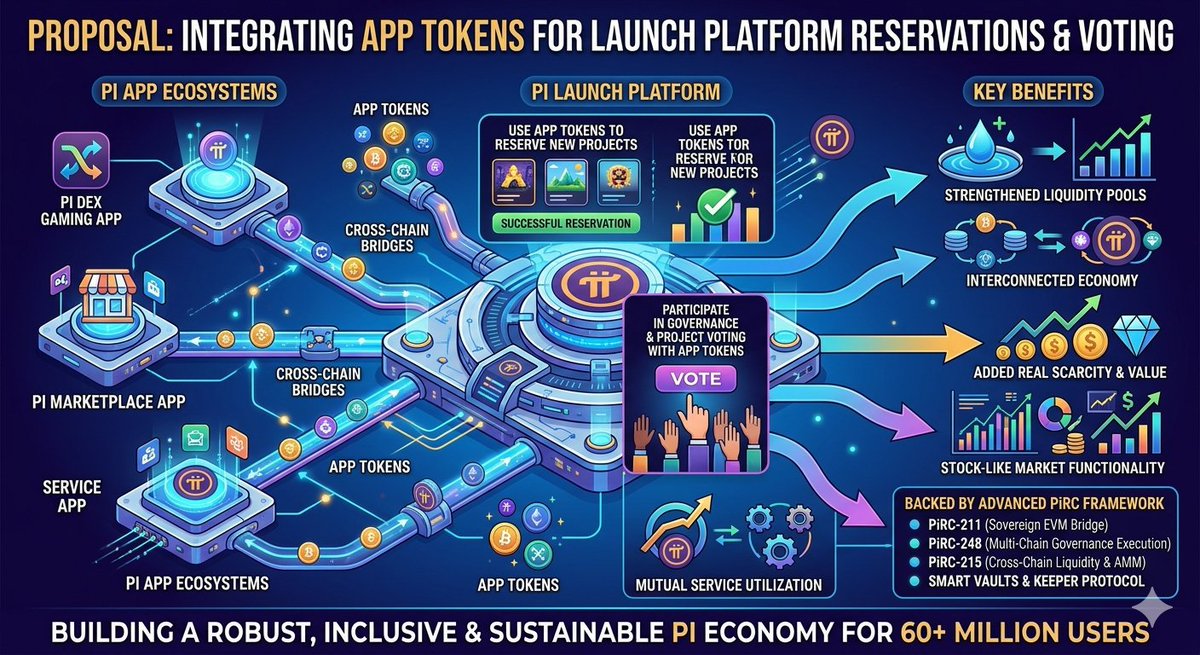
This proposal goes beyond a simple technical improvement. It aims to transform the Pi Network economy into a **highly interconnected and powerful token economy** (Sovereign Omni-Matrix). Instead of applications operating as isolated islands, they would become active participants in a single, cohesive ecosystem. The result: Pi Network would not only have 60 million ready users, but also millions of ready investors capable of strongly supporting projects. This would make it an attractive destination for both small and large companies.
**Enhancement Based on the Advanced PiRC Framework**
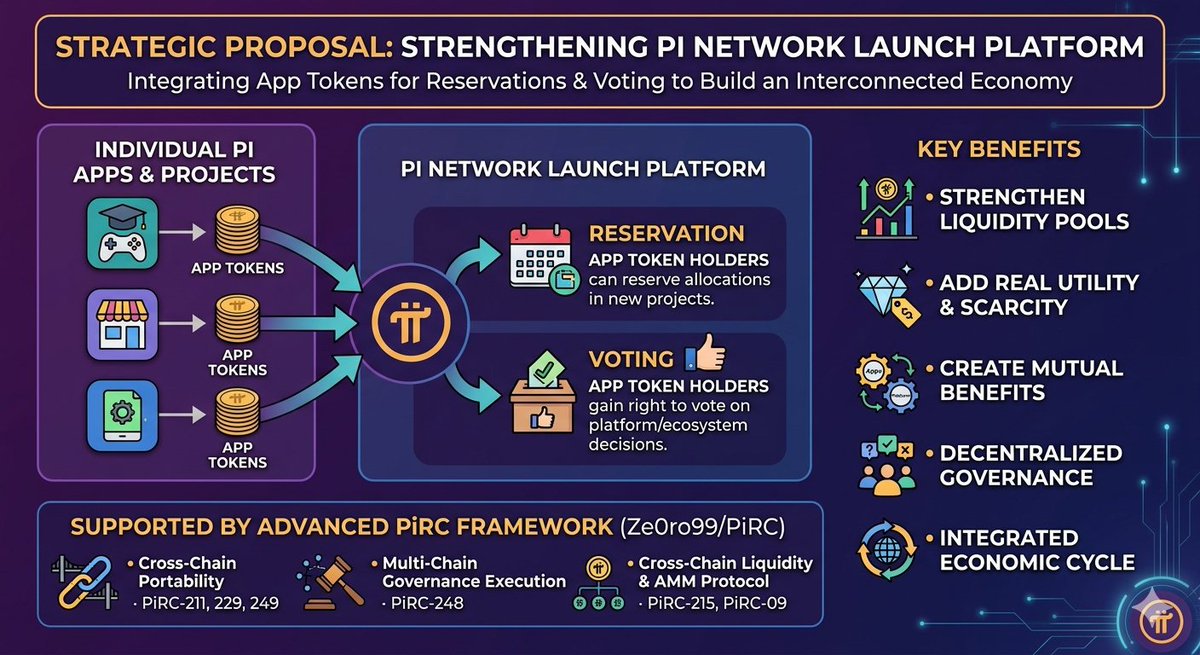
This proposal finds strong technical support and detailed alignment within the **Ze0ro99/PiRC** repository (Pi Requests for Comment), which outlines a comprehensive sovereign decentralized architecture for Pi Network. Key compatible elements include:
- **Cross-Chain Portability** (branch `feat/pirc-05-cross-chain-portability`):
Includes PiRC-211 (Sovereign EVM Bridge and Token Portability Standard), PiRC-229 (Cross-Chain Asset Teleportation), and PiRC-249 (Cross-Chain State Synchronization). These proposals enable seamless and secure use of application tokens within the main Launch Platform for reservations and voting.
- **Multi-Chain Governance Execution** – PiRC-248:
Supports participation of application tokens in voting and collective decision-making across the entire ecosystem, giving token holders a real voice in system development.
- **Cross-Chain Liquidity & AMM Protocol** – PiRC-215, along with PiRC-09:
Provides mechanisms for creating shared and secure liquidity pools, including automated liquidity locking (such as 6-month locks with re-verification) to ensure stability and security.
- **Smart Vaults and Secure Reservations**:
Through smart contracts in `PIRC/contracts/vaults` and the Keeper Protocol (PiRC-260), reservation processes can be executed in a secure, transparent, and automated manner.
These elements also align with Pi’s official vision for ecosystem token design (PiRC1), which emphasizes real utility and deep integration between applications and the core platform.
**Expected Impact if Implemented:**
- Significant increase in user and investor participation.
- New capital inflows to applications for product development.
- Attraction of external companies seeking a stable and integrated environment.
- Transformation of Pi Network into a stronger, more mature economy capable of global competition.
I invite the Pi Core Team and the entire community to discuss and further develop this proposal through comments or by opening an official discussion thread. Together, we can build a stronger, more inclusive, and sustainable Pi ecosystem.
Thank you for your continued support and attention 💪
**#PiNetwork #PiEcosystem #PiLaunchpad #PiRC #LiquidityPools #DecentralizedGovernance #PiApps #PiDEX #Web3 #CryptoEconomy #PiCommunity #PiUtility**
13
103
2,271
Jun 12
No matter how long it takes, just ensure to be prepared before/for the Decentralized Finance (DeFi) era of $Pi.
1
14
149
4,114
Jun 12
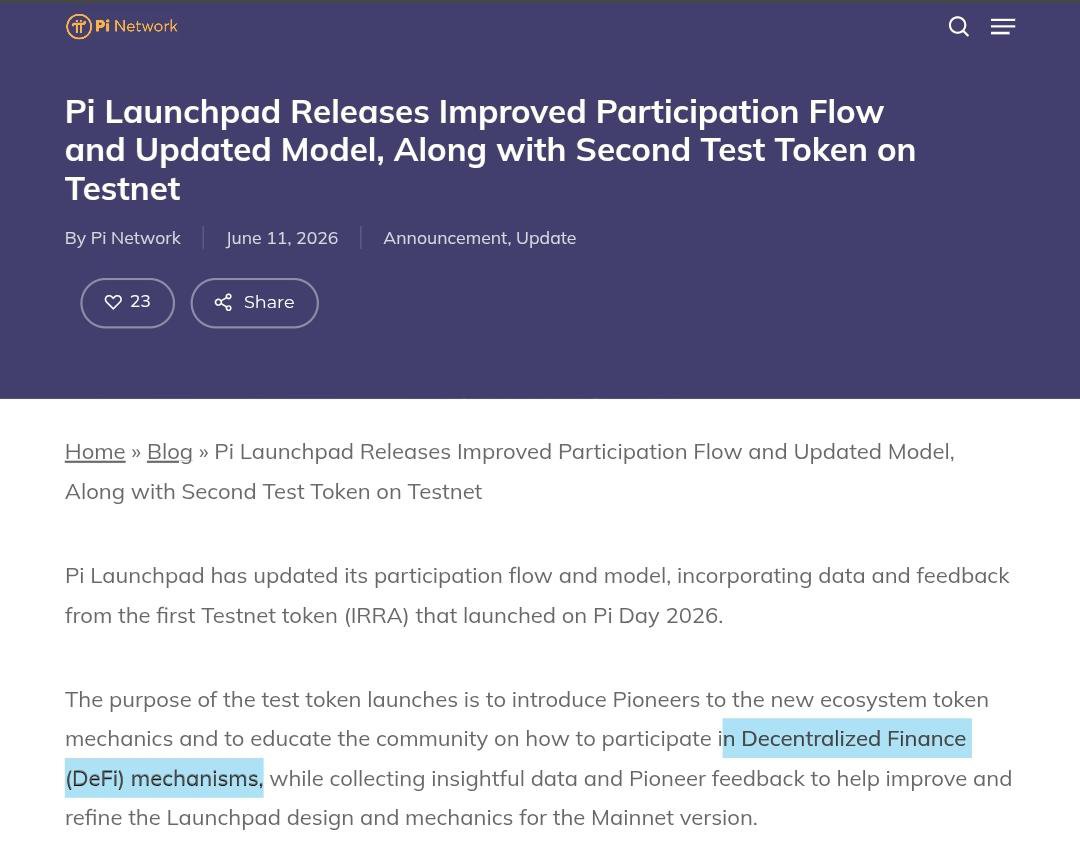
With the release of the SLICE test token on the Pi Launchpad, there will be a short phase dedicated to fully testing the participation and allocation mechanism until June 28. This is to ensure the Pi Launchpad is properly designed and fully developed before being deployed on the mainnet
@PiCoreTeam #PiNetwork
2
65
2,796
Jun 12
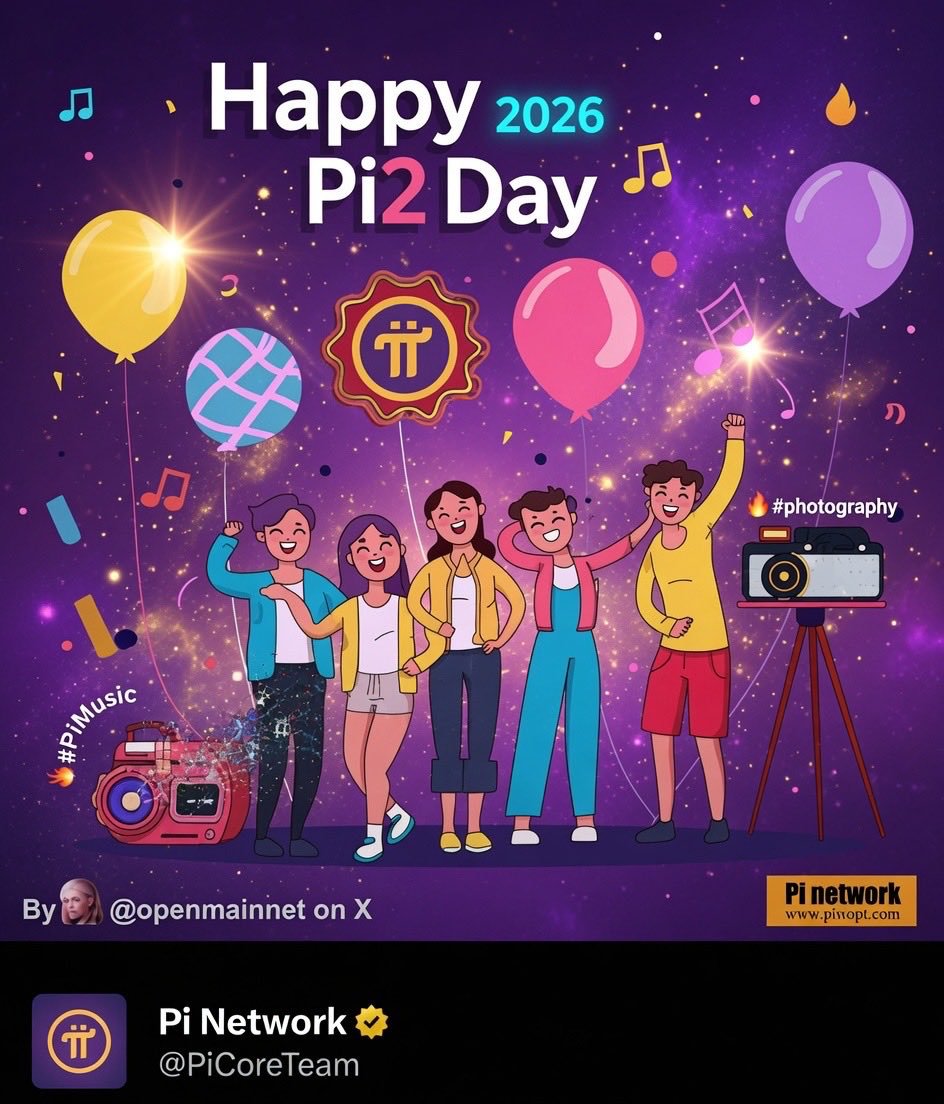
Happy Pi2Day 2026 in advance 🎉🎉
This year’s looking big for Pioneers:
🔥 Pi Social Network upgrade dropping
🔥 Pi Influencer Program kicking off
🔥 More dApps launching in the ecosystem
🔥 More creators bringing eyes to Pi
🔥 $Pi market cap ready to move
We’ve been building. Now it’s time for the world to see it.
What are you most excited for? 👇 #Pi2Day #PiNetwork
8
14
218
4,236
Jun 12
Pi Launchpad is ready for Mainnet phase.
Staking, PiPower, distribution, and listing.
Everything has been successfully tested. This means the system is fully prepared to handle real-world projects.
3
13
141
4,043
Jun 12
**Strategic Proposal to Strengthen the Pi Network Launch Platform: Integrating App Tokens for Reservations and Voting to Build a More Interconnected and Robust Economy** 🚀💎
Hello @picoreteam team 👋
Since the recent update to the Pi Launch Platform was released just a few hours ago ⏳, I would like to present a well-considered strategic proposal aimed at maximizing the value of this important update.
**Core Proposal:**
I propose enabling the **reservation of tokens from other projects and applications** within the Launch Platform, in addition to granting holders of these tokens the right to **participate in voting** on new projects.
For example:
- The owner of an educational gaming application on Pi who has minted their token on **PiDEX Testnet**. Currently, holders can only use this token inside the app. With this proposal, they would be able to use the same token to reserve new projects on the main Launch Platform or vote on ecosystem development decisions.
- The owner of a commercial marketplace or service application on Pi who has issued their token. Token holders would gain the ability to participate in reservations and voting, transforming their token from an internal utility asset into a valuable financial instrument across the entire platform.
This integration would deliver several tangible and multi-dimensional benefits:
- **Strengthening Liquidity Pools**: Allowing app tokens to enter the Launch Platform would inject significant additional liquidity, reducing volatility and increasing price stability.
- **Creating Mutual Benefits**: Applications would gain access to new capital inflows to develop their infrastructure, while the platform benefits from greater participant diversity and an expanded user base.
- **Adding Real Scarcity and Value**: Participation in reservations and voting would increase demand for these tokens, thereby enhancing their market value.
- **Building a Real Stock-Like Market**: Applications could participate in a broader financial ecosystem, where token holders can invest in other projects and vice versa, creating a fully integrated economic cycle.
- **Mutual Service Utilization**: An application offering a specific service could benefit from services provided by other applications through this interconnected system.
🧶🧵🧶🧵🧶🧵
**#PiNetwork #PiEcosystem #PiLaunchpad #PiRC #LiquidityPools #DecentralizedGovernance #PiApps #PiDEX #Web3 #CryptoEconomy #PiCommunity #PiUtility**
7
47
1,248
Jun 12
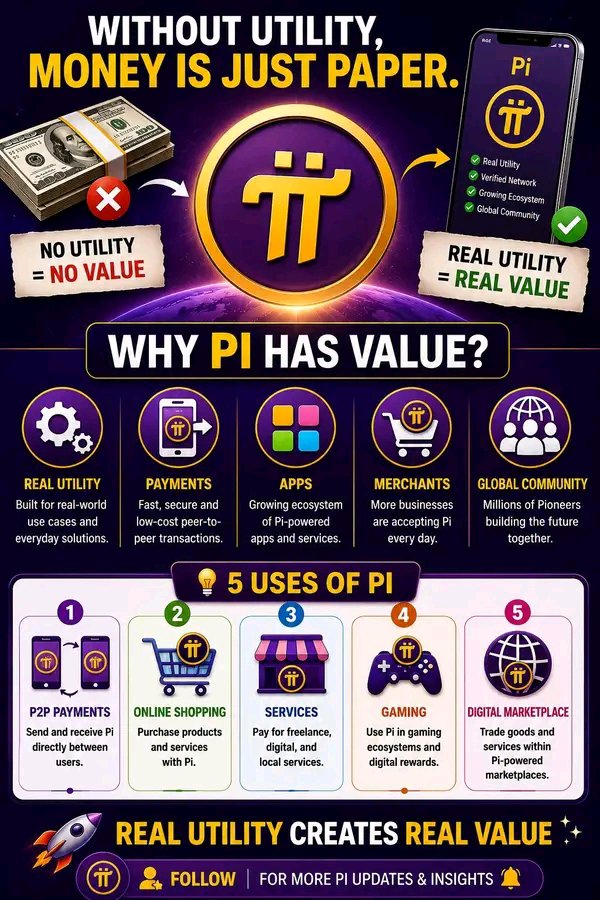
💡 5 USES OF PI
🔄 P2P Payments
Send and receive Pi directly between users.
🛒 Online Shopping
Purchase products and services with Pi.
🏪 Services
Pay for freelance, digital, and local services.
🎮 Gaming
Use Pi in gaming ecosystems and digital rewards.
🌐 Digital Marketplace
Trade goods and services within Pi-powered marketplaces.
Bottom Tagline
🚀 Real Utility Creates Real Value.....
7
45
255
4,245
Jun 12
One day, someone will ask:
“How did you hear about Pi?”
And some of us will smile.
Because we’ll remember the years of tapping.
The skepticism.
The jokes.
The waiting.
The debates.
We’ll remember when most people said it would never amount to anything.

2
11
110
1,678
Jun 12
🚨 #Pioneers
Your Pi is worth more than CeX prices!
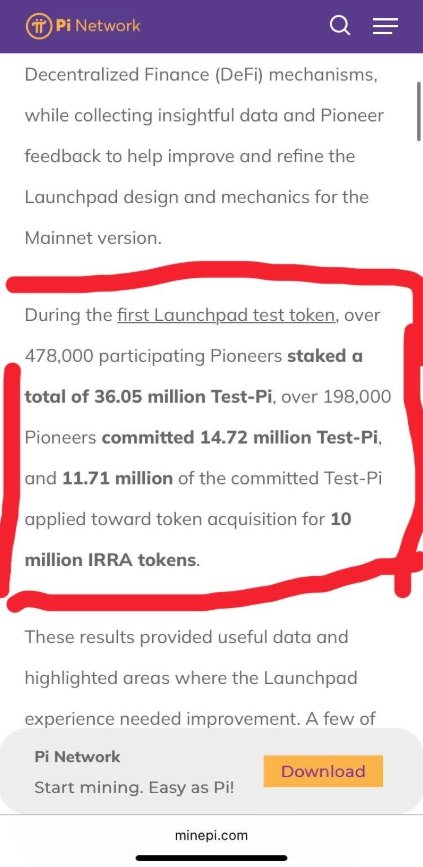
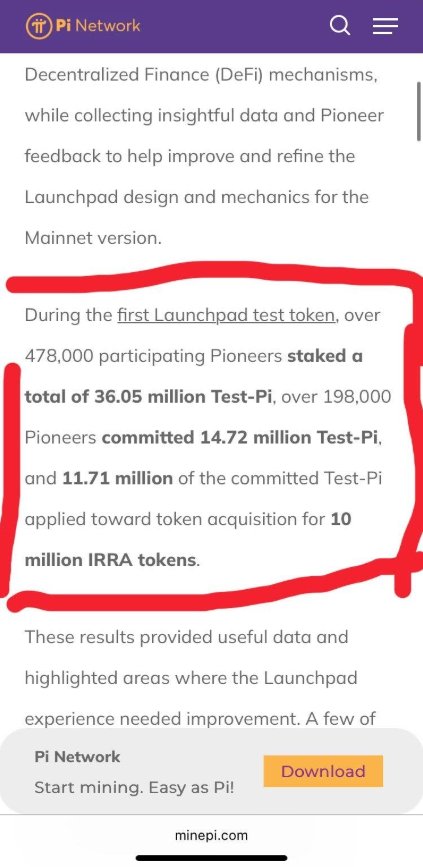
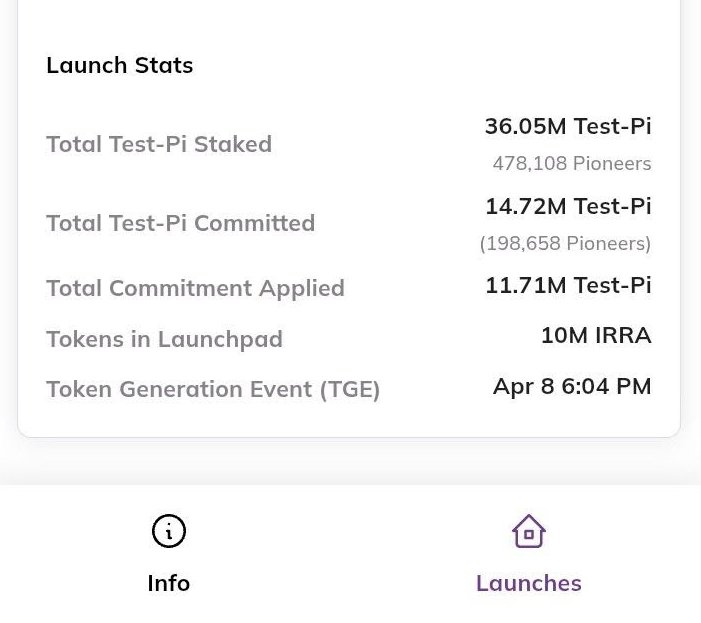
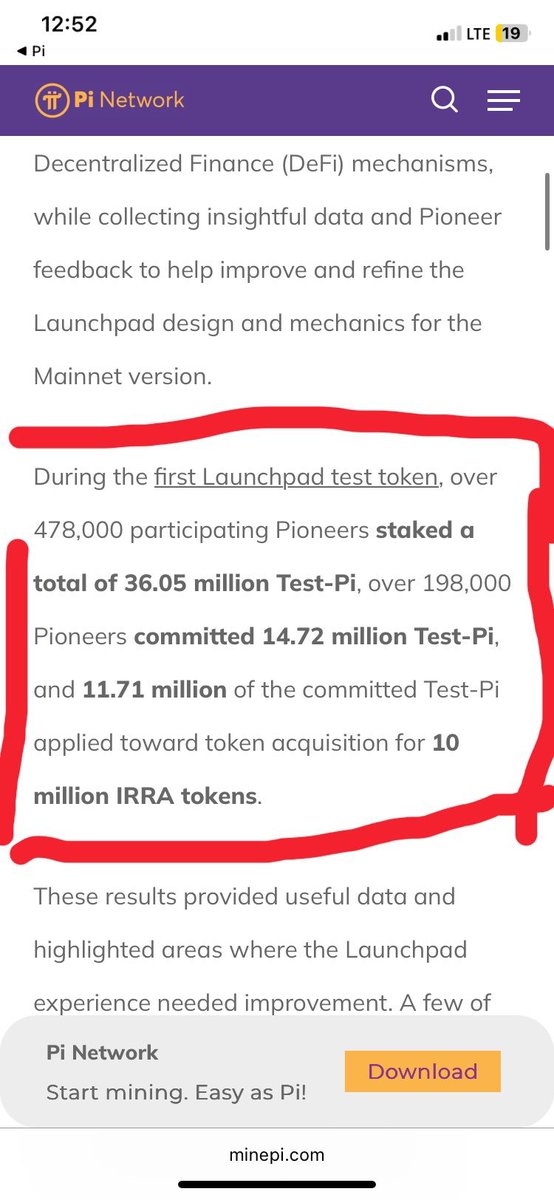
14M $PI is committed to be locked away forever for $IRRA alone.
Now imagine 50 #ecosystem projects doing the same.
Massive supply reduction.
Massive demand potential.
PiNetwork is bigger than all CEX.
#PiNetwork $PI 👀🚀
8
12
150
4,502