
Anti Reservations & Freebies,Merit should be the only Criteria for India ,Part Time Chef,Telanganite @ Delhi-NCR
Joined July 2011
- Tweets 138,830
- Following 2,463
- Followers 3,493
- Likes 39,536
7,319 Photos and videos

KS Sharma retweeted

చివరికి జూబ్లీహిల్స్ అంత ఉండే విశాఖపట్నానికి కూడా మెట్రో కోసం నిధులు ఇచ్చారు కానీ హైదరాబాద్కి మాత్రం ఇవ్వలేదు
- రేవంత్ రెడ్డి
Jun 11

తెలంగాణపై బీజేపీ సవతి తల్లి ప్రేమ
మెట్రో విస్తరణలో హైదరాబాద్కు మొండి చేయి.. గుజరాత్కు పైచేయి
రూ.2,169.04 కోట్ల నిధులతో అహ్మదాబాద్ మెట్రో ఫేజ్ 2(ఏ)కు కేంద్ర కేబినెట్ ఆమోదం
అటు ఏపీకి రూ.2,534 కోట్లతో అమరావతిలో సెంట్రల్ సెక్రటేరియట్ నిర్మాణానికి కూడా ఆమోదం తెలిపిన కేంద్ర కేబినెట్
38
40
303
28,773
KS Sharma retweeted

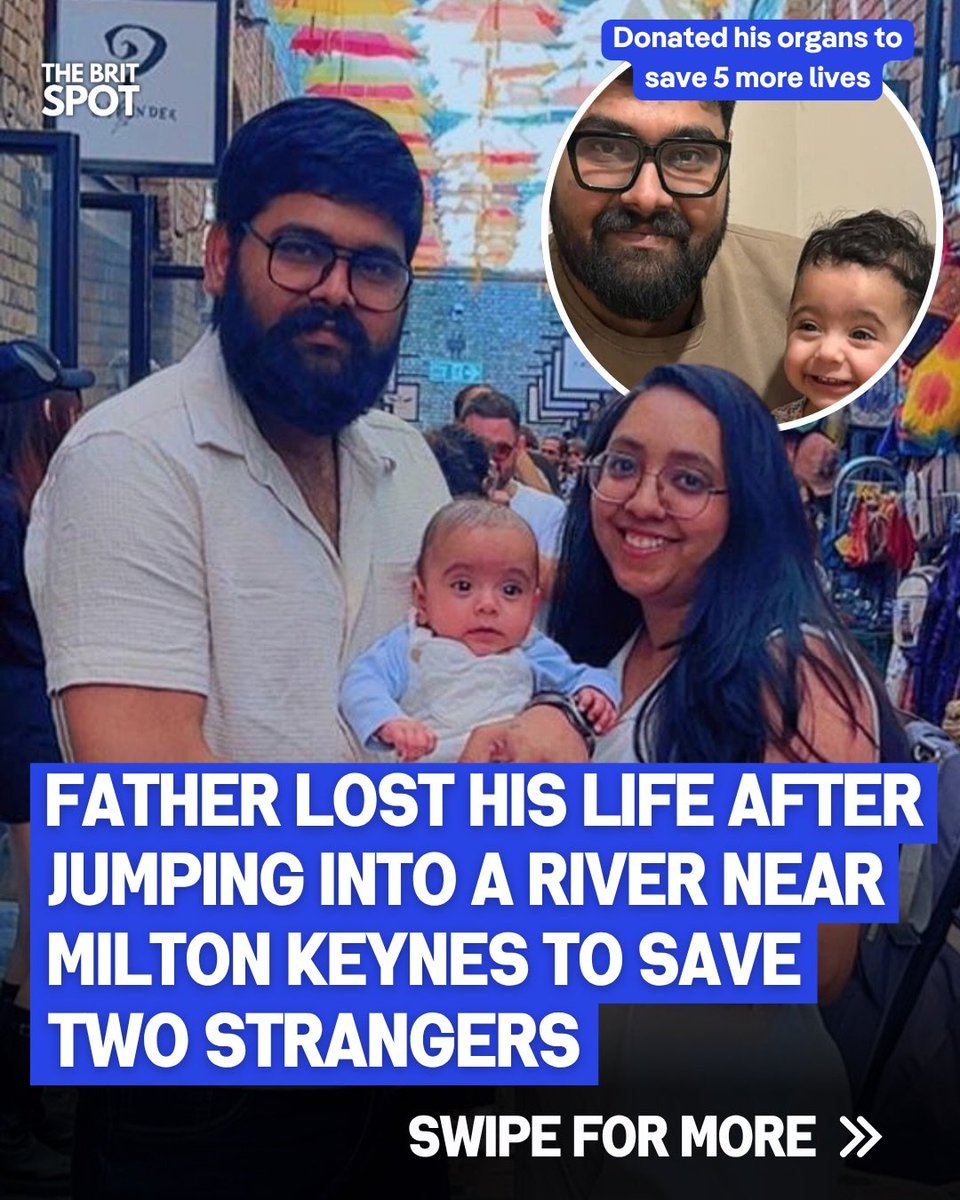
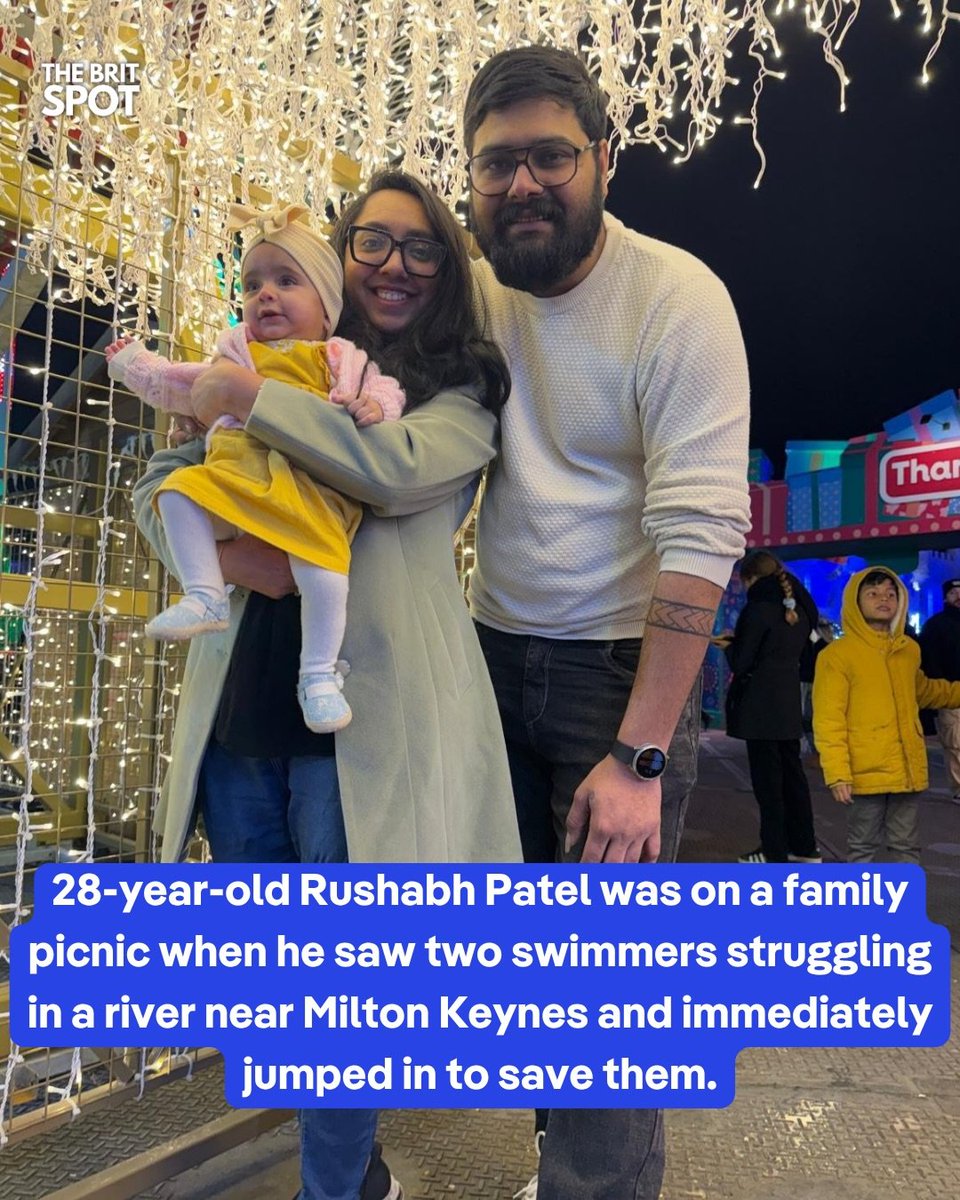
Indian-origin Rushabh Patel gave his life saving two strangers in the UK.
28-year-old Rushabh was enjoying a picnic with his wife Mili and 18-month-old daughter Vrumi when he saw two people struggling in the water near Milton Keynes.
Without hesitation, he jumped in to save them. Rushabh suffered a cardiac arrest during the rescue and tragically passed away days later.
Even in death, he saved 5 more lives through organ donation.
Yet don't expect this story to dominate global headlines. Acts of extraordinary courage by Indians rarely receive the same attention that anti-India narratives do.
22
440
1,193
20,326

KS Sharma retweeted

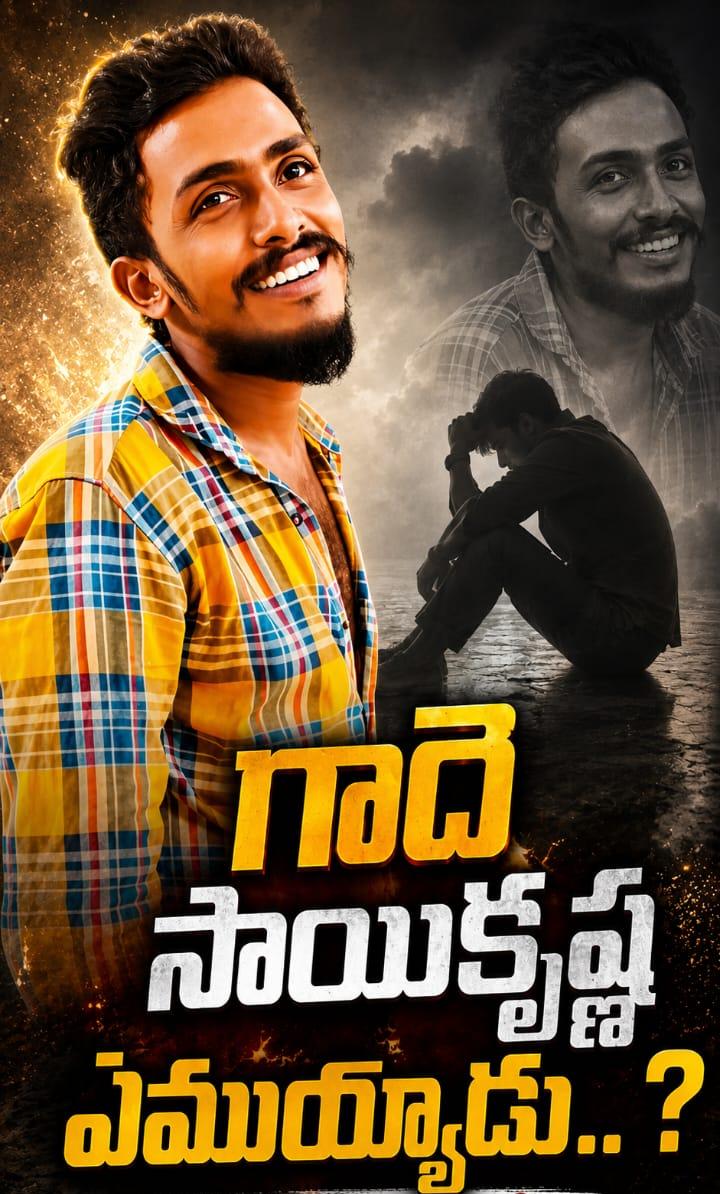
నేడు ఏపీ హైకోర్టులో సాయి కృష్ణ మిస్సింగ్ కేసు
హైకోర్టులో ఏబిఎస్ కార్పస్ వేసిన సాయి కృష్ణ తల్లి
గాదె సాయి కృష్ణను అరెస్ట్ చేసి తీసుకొచ్చిన కృష్ణలంక పోలీసులు
నెలరోజులైనా సమాచారం లేకపోవడంతో బెజవాడ బార్ అసోసియేషన్ని ఆశ్రయించిన సాయి కృష్ణ తల్లి
నా బిడ్డ ఉంటే చూపించండి.. చనిపోతే బాడీని అప్పజెప్పండి.. అంటూ కన్నీటి పర్యంతం..
తన కొడుకు చనిపోయాడని సీఐ నాగరాజు చెప్పినట్లు ఆరోపించిన సాయికృష్ణ తల్లి
తాము అరెస్ట్ చేయలేదంటూ బార్ అసోసియేషన్ చెప్పిన సీఐ నాగరాజు
మార్కాపురం వెళ్లి విచారించిన బార్ అసోసియేషన్ సభ్యులు
సాయికృష్ణని కృష్ణలంక పోలీసులు అరెస్ట్ చేసినట్లు నిర్దారించిన బార్ అసోసియేషన్ సభ్యులు
విజయవాడ కోర్టులో కేసు వేసిన అడ్వకెట్స్.. పోలీస్ స్టేషన్ సీసీ కెమెరా ఫుటేజ్, కాల్ రికార్డులు ఇవ్వాలని పిటిషన్
1
29
74
2,829

> A tourist woman was travelling in India.
> She left her debit card at an ATM.
> She later realised it.
> She called a delivery worker who had previously delivered her parcel.
> He found her debit card and drove 6 hours to return it.
Indian men are the kindest.
24
251
2,068
42,393
KS Sharma retweeted

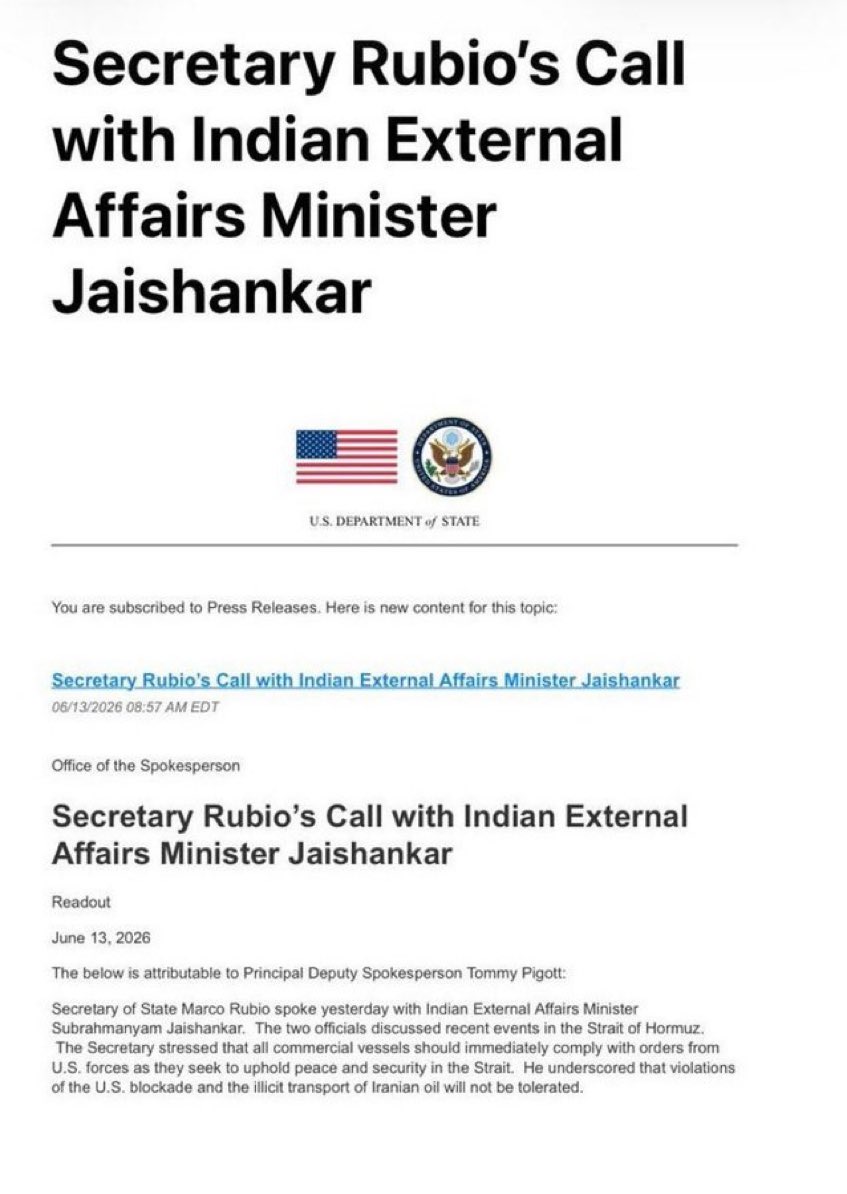
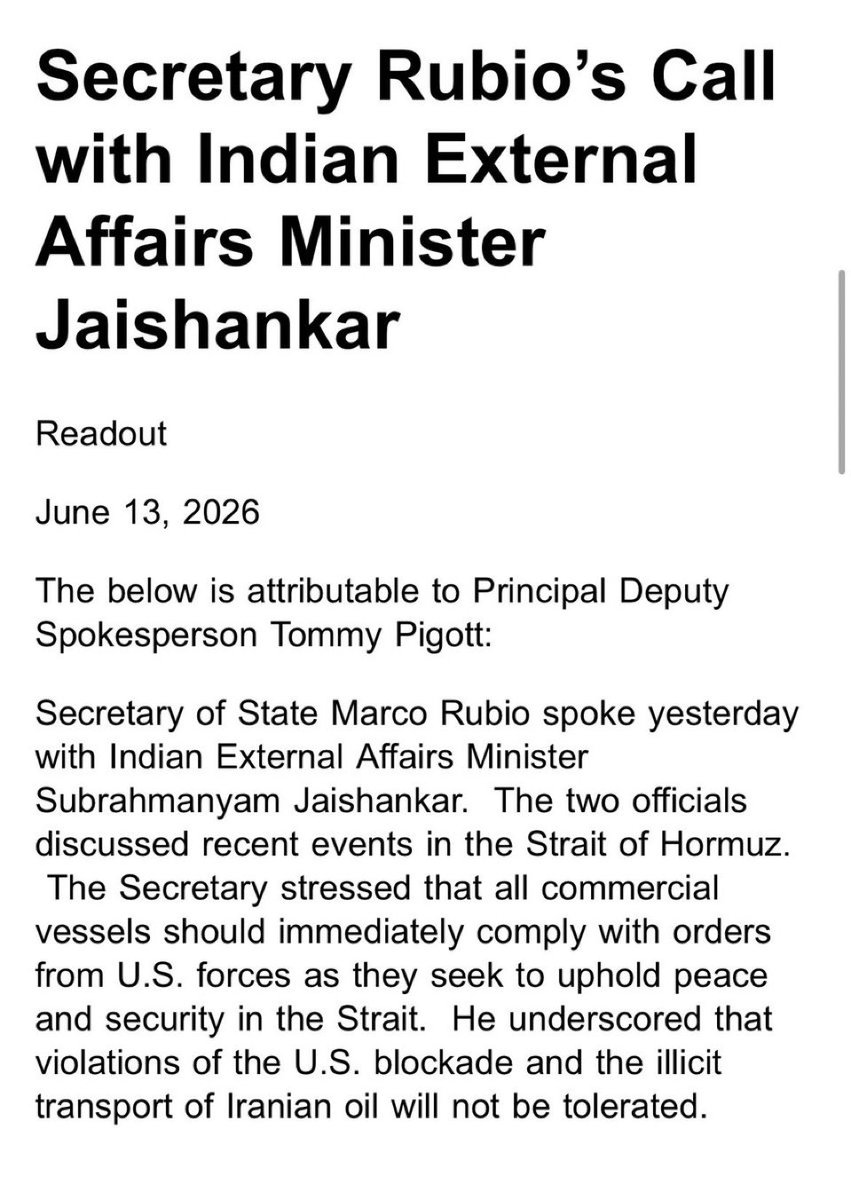
If you read the U.S. Secretary of State Marco Rubio's statement, leaving aside condolences or an apology, there is not a single word about the 3 Indian crew members who were killed during the USA strike on the tanker MT Settebello off Oman. The US hardly seemed to care even after India summoned a representative of the US Embassy and lodged a strong protest.
Similarly, when 4 Indian crew members were killed during Iranian strikes (1 on tanker MKD VYOM and 3 on tanker Skylight), Iran hardly seemed to care. In fact, the Iran Embassy in India was busy seeking donations from Indians.
Even after India summoned the Iranian ambassador and lodged a strong protest when Iran opened fire on two Indian-flagged commercial ships in the Strait of Hormuz despite India having shared transit details in advance and receiving clearance, Iran did not express regret over the incident.
What stands out is that, in both cases, neither side in the conflict appeared particularly concerned by India's protests or diplomatic objections. Both the USA and Iran acted according to their own strategic interests.
The Govt of India cannot afford to remain limited to diplomatic protests every time Indian lives are affected. Strong statements alone do not create leverage. If India wants its concerns to be taken seriously, the Govt must build greater economic, strategic, and technological strength, along with a willingness to impose tangible costs when Indian lives are affected. Otherwise, India's objections will continue to be acknowledged politely but ultimately carry little consequence for the countries involved.
71
478
1,763
40,487
KS Sharma retweeted

India sending America a message during the Devyani Khobragade crisis in 2013:
We are shocked and appalled at the manner in which she has been humiliated by US authorities. We have taken this up forcefully with US govt. This treatment to our diplomats is absolutely unacceptable
34
154
939
44,893
Even before attaining 18 years now a days Hindu girls are unable to control their lust for other religion men,parents should speak to their daughters make them understand these kind of filth will only pain them & ultimately can cause death,marriage with in the same caste is must
1
64
In the Maa Behen movie,
She got pregnant after her husband's death by another man.
That man sneaked into her house at night.
Her daughter didn't even know who her father was.
She is shown as a victim.
And society is blamed for gossiping about her.
Why won't people gossip? If she gets pregnant by an unknown man and a man sneaks into her home at night,
Obviously, people will gossip.
Bollywood wants to normalize all this and teach girls that sleeping around is fine.
And if someone says anything, they are wrong and girls are victims.
Note - Not defending that Paresh Rawal character. He was trash too.

58
217
1,263
49,171
KS Sharma retweeted
Flashback to the time India removed security barricades from the US Embassy to send a message after America strip-searched an Indian diplomat
146
1,148
9,291
786,630
KS Sharma retweeted

Karim Rafik, already married with a 20-year-old son, was posing as "Aditya Patel" on a matrimonial site in Ahmedabad.
He befriended multiple Hindu women by faking an MBA, IT engineer and business owner identity — complete with forged Aadhaar, PAN, DL and GST documents.
Over 8,000 photos and videos of different women recovered from his phone in 20 separate folders.
27
636
1,002
20,406
KS Sharma retweeted

7h
We don't care whether the government wants to push E27, E85, or even E100.
What we do care about is getting the right fuel for the vehicles we own.
Stop forcing E0 and E10-compatible vehicles to run on fuels their engines were never designed to handle.
Consumers are not a testing ground for policy experiments, nor should they be forced to bear the cost of reduced compatibility, performance issues, or long-term engine damage.
Fuel choice should be based on vehicle compatibility, not government mandates.
80
903
2,294
69,549
KS Sharma retweeted

How Nations Earn Respect
Because of power differentials, asymmetry is inherent in international negotiations. The parties are rarely equal in economic or military strength. Yet history shows that the stronger side does not necessarily prevail, whether on the battlefield or at the negotiating table. Outcomes between nations often depend less on material capabilities than on leadership, political will, national resilience, strategy and tactics.
In 1962, China, by launching a surprise war against an unprepared India, inflicted a humiliating defeat on an economically and militarily stronger adversary. More recently, the world’s most powerful military, the United States, has struggled to achieve decisive results against a much weaker Iran.
In 1999, China was no match for American power. Yet after the U.S. bombing of the Chinese Embassy in Belgrade, which killed three Chinese nationals, Washington was compelled to pay $32.5 million in compensation for the damage and for those killed or wounded. The U.S. also issued repeated apologies for the bombing, with President Bill Clinton personally apologizing to help defuse the crisis.
In 1971, defying U.S. military pressure and nuclear blackmail, a relatively weak India helped Bangladesh secure independence in a swift 13-day military campaign that produced the largest number of prisoners of war (POWs) since the end of World War II. The operation succeeded despite President Nixon’s deployment of a nuclear-capable naval task force off the southern tip of India.
In 1998, an economically vulnerable India brushed aside U.S. sanctions threats and conducted a series of underground nuclear tests, declaring itself a nuclear-weapons state. The decision reflected a willingness to bear costs in pursuit of national objectives and ultimately became a defining moment in India's rise and strategic transformation.
In 2026, by contrast, an India widely regarded as a rising power but seemingly lacking comparable political resolve responded fecklessly to the killing of three unarmed Indian merchant mariners by the U.S. Navy, demanding neither an American apology nor compensation for the victims’ families.
These episodes differed in circumstance and scale, but they shared a common lesson: nations earn respect not merely through economic or military power, but through leadership, resolve and a willingness to defend their interests.
Respect is earned, not bestowed. Power alone does not command respect; leadership and resolve do. Without them, even a rising power may find itself unable to defend its interests, uphold its dignity or secure justice for its own citizens.
68
328
970
32,068