
biology computers a leavening of snark | 👨👨👧👧🏳️🌈| cancer genomics 🧬 | ML | biomaterials | startups | @Cal 🐻 @Stanford @UniOfOxford @OxfordNano
Joined April 2009
- Tweets 5,041
- Following 5,949
- Followers 989
- Likes 211,009
356 Photos and videos












Andrew MacBride retweeted

What if AI could invent enzymes that nature hasn’t seen? 👩🔬🧑🔬
Introducing 🪩 DISCO: Diffusion for Sequence-structure CO-design
14 rounds of directed evolution and over a year of wet lab work. That's what it took to engineer an enzyme for selective C(sp³)–H insertion, one of the most challenging transformations in organic chemistry.
DISCO surpasses this with a single plate. No pre-specified catalytic residues, no template, no theozyme, no inverse folding, just joint diffusion over protein sequence and structure.
📝 Blog: disco-design.github.io/
📄 Paper: arxiv.org/abs/2604.05181
💻 Code: github.com/DISCO-design/DISC…
32
244
1,041
277,319
Andrew MacBride retweeted

Yes
Apr 6

do you think retired shuttle astronauts are getting fomo
162
5,547
150,799
2,809,517
Andrew MacBride retweeted

Mar 24
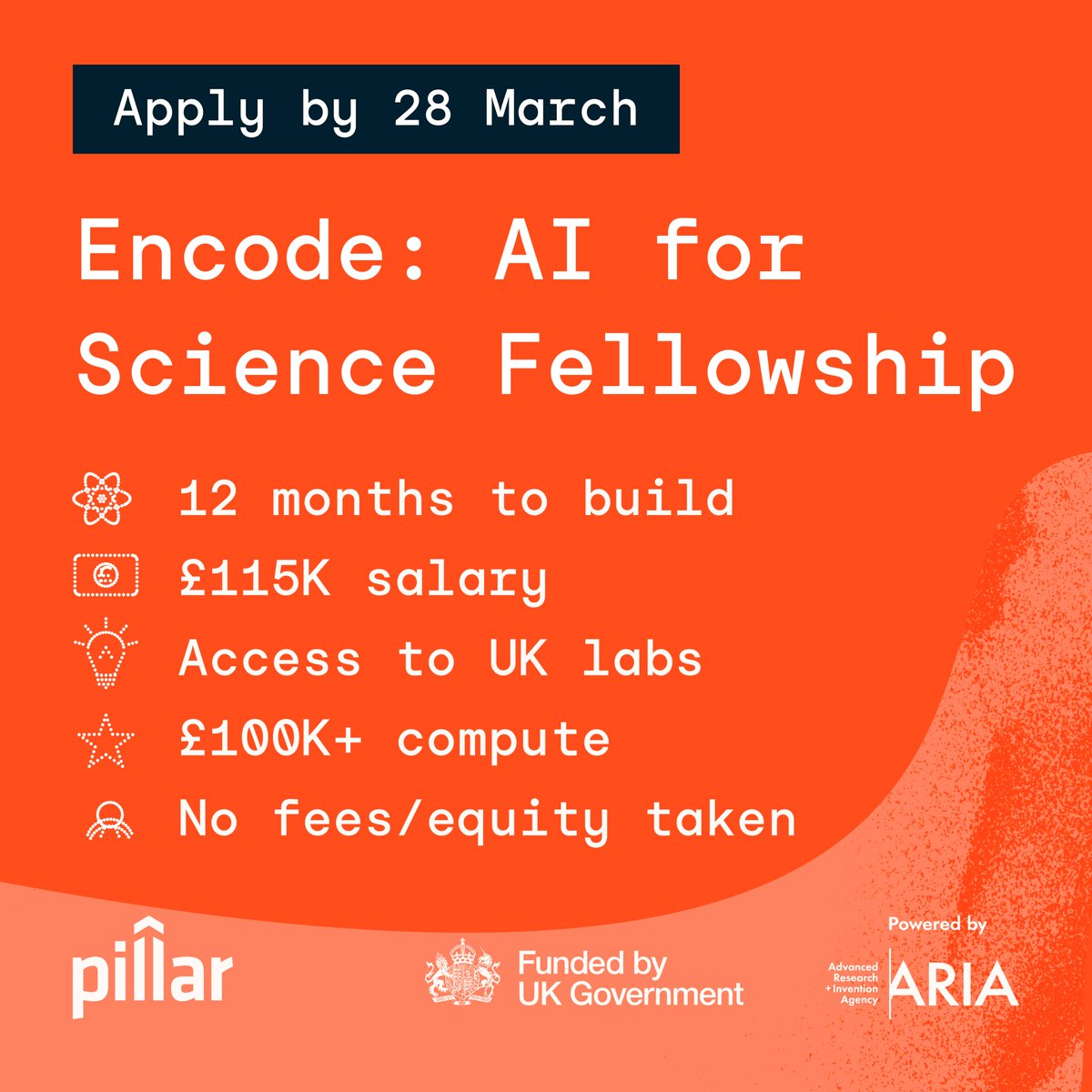
Start a company in AI for Science.
The Encode: AI for Science fellowship offers a year of freedom to build what matters -- salary, 100k GBP of compute, and partnership with the top scientists in the UK.
No equity or fees, it's a fully funded fellowship!
Apply by March 28
28
168
947
152,597
Andrew MacBride retweeted

Mar 24
Software horror: litellm PyPI supply chain attack.
Simple `pip install litellm` was enough to exfiltrate SSH keys, AWS/GCP/Azure creds, Kubernetes configs, git credentials, env vars (all your API keys), shell history, crypto wallets, SSL private keys, CI/CD secrets, database passwords.
LiteLLM itself has 97 million downloads per month which is already terrible, but much worse, the contagion spreads to any project that depends on litellm. For example, if you did `pip install dspy` (which depended on litellm>=1.64.0), you'd also be pwnd. Same for any other large project that depended on litellm.
Afaict the poisoned version was up for only less than ~1 hour. The attack had a bug which led to its discovery - Callum McMahon was using an MCP plugin inside Cursor that pulled in litellm as a transitive dependency. When litellm 1.82.8 installed, their machine ran out of RAM and crashed. So if the attacker didn't vibe code this attack it could have been undetected for many days or weeks.
Supply chain attacks like this are basically the scariest thing imaginable in modern software. Every time you install any depedency you could be pulling in a poisoned package anywhere deep inside its entire depedency tree. This is especially risky with large projects that might have lots and lots of dependencies. The credentials that do get stolen in each attack can then be used to take over more accounts and compromise more packages.
Classical software engineering would have you believe that dependencies are good (we're building pyramids from bricks), but imo this has to be re-evaluated, and it's why I've been so growingly averse to them, preferring to use LLMs to "yoink" functionality when it's simple enough and possible.
Mar 24

LiteLLM HAS BEEN COMPROMISED, DO NOT UPDATE. We just discovered that LiteLLM pypi release 1.82.8. It has been compromised, it contains litellm_init.pth with base64 encoded instructions to send all the credentials it can find to remote server self-replicate. link below
1,352
5,307
27,822
66,582,756
Andrew MacBride retweeted

Mar 20
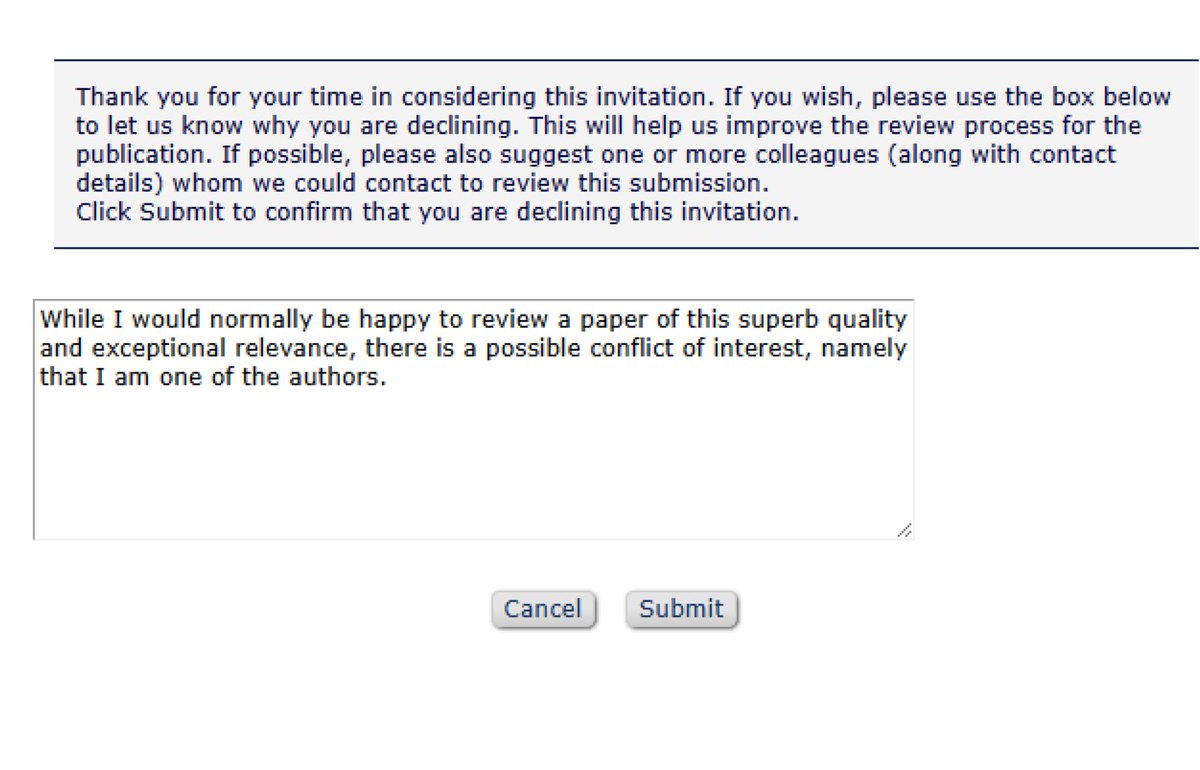
just got invited to peer review a paper I'm one of the authors on
163
686
27,919
418,206
Andrew MacBride retweeted

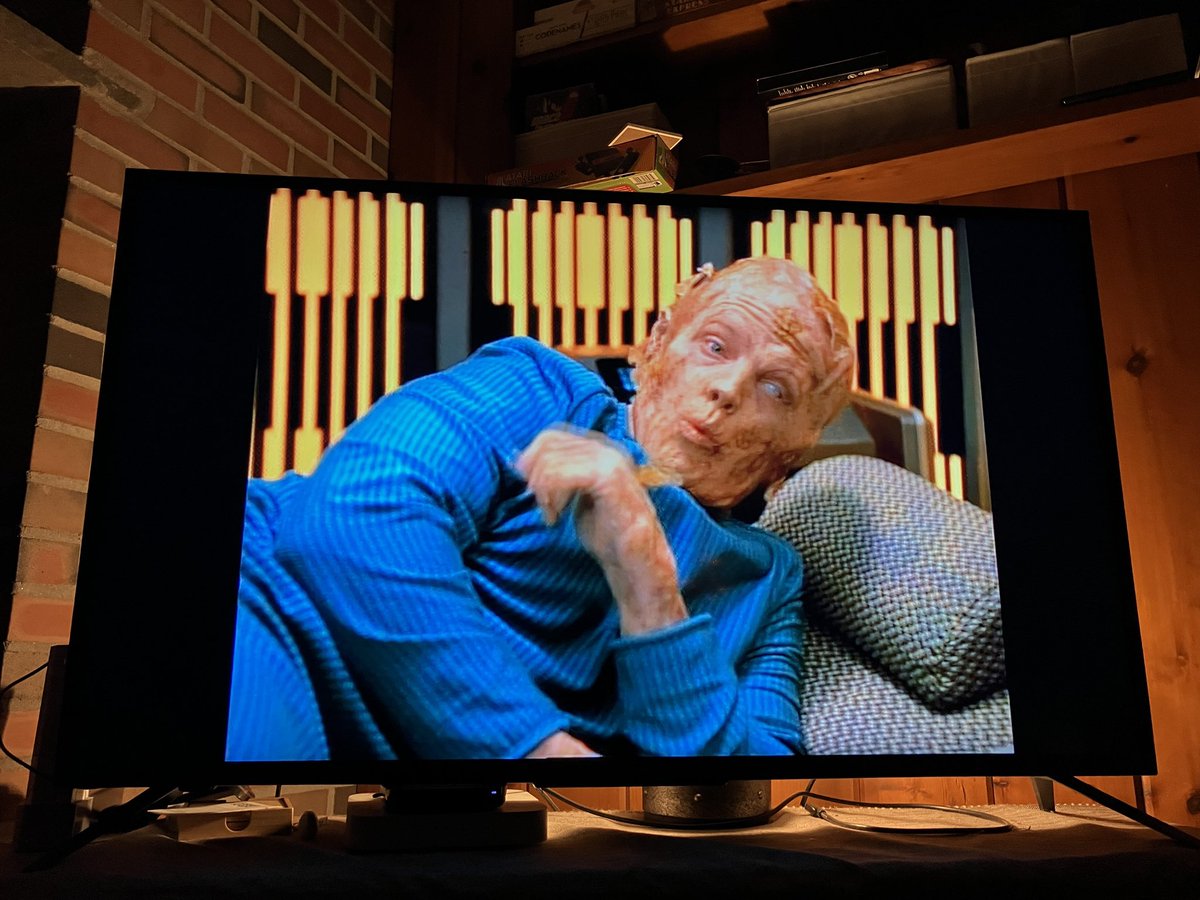
People will be like "I can't believe they made star trek woke" and then you tune into 90s star trek and there's a transgender worm walking across the transgender carpet in the gay communist space station

124
639
5,593
58,194
Andrew MacBride retweeted

Feb 16
Sad news time: after 6 years, this is my last week employed at Nickelodeon.
146
533
15,850
352,072
Andrew MacBride retweeted

Feb 5
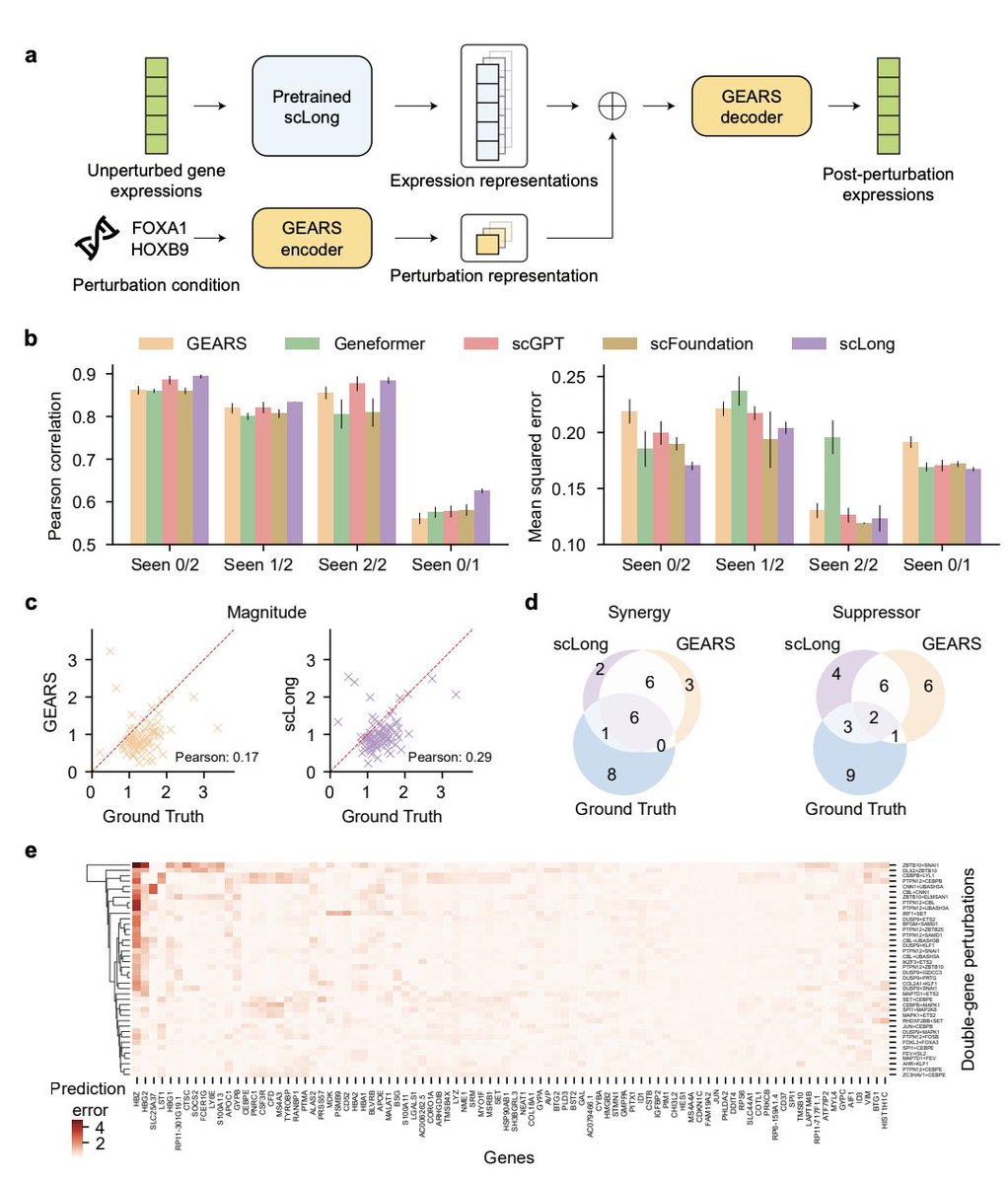
Modeling all 28,000 genes at once: a foundation model for single-cell transcriptomics
Every cell in your body carries the same genome, yet a neuron looks and behaves nothing like a liver cell. The difference lies in which genes are turned on or off—and at what level. Single-cell RNA sequencing (scRNA-seq) lets us measure that expression profile one cell at a time, revealing rare cell populations, gene regulation, and drug response at unprecedented resolution.
Foundation models pretrained on millions of cells have become powerful tools for analyzing these data. But they all share a practical compromise: restricting their attention mechanism to ~2,000 highly expressed genes and discarding the remaining ~26,000. Many of those excluded genes, despite low expression, act as regulatory switches, fine-tuners of signaling pathways, and drivers of context-specific responses like immune activation or drug resistance. Ignoring them means learning an incomplete picture of the cell.
Ding Bai and coauthors address this with scLong, a billion-parameter model pretrained on 48 million cells that performs self-attention across all 27,874 human genes. To make this feasible, they use a dual encoder: a large Performer (42 layers) processes the top 4,096 high-expression genes, while a smaller one (2 layers) handles the remaining ~24,000. Both outputs merge through a full-length encoder capturing cross-group interactions. scLong also integrates Gene Ontology knowledge via a graph convolutional network, embedding each gene with information about its known functions, processes, and cellular localization—context that expression data alone cannot provide.
Results are consistent and broad. In predicting transcriptional responses to genetic perturbations, scLong achieves a Pearson correlation of 0.63 on unseen perturbations, compared to 0.56–0.58 for existing models and GEARS. It outperforms Geneformer, scGPT, and DeepCE on chemical perturbation prediction across all metrics, reaches 0.873 Pearson for cancer drug response, and surpasses both Geneformer and DeepSEM in gene regulatory network inference.
The broader point: in biological foundation models, what you choose to attend to shapes what you can learn. By including low-expression genes and grounding representations in functional knowledge, scLong shows that scaling context—not just parameters—is key to capturing the full complexity of cellular regulation. A principle relevant wherever long-range feature dependencies are biologically meaningful but computationally expensive to model.
Paper: nature.com/articles/s41467-0…
3
38
171
18,129

21 Dec 2025
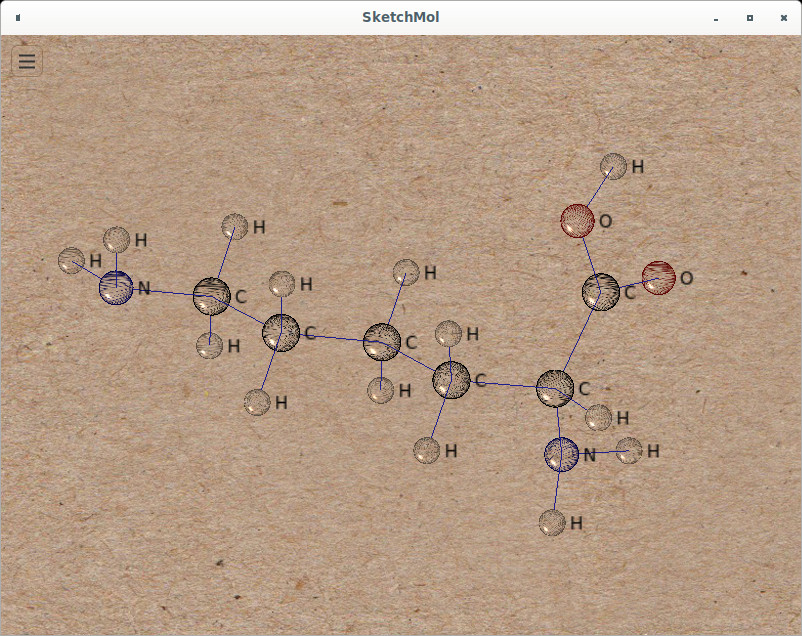
Something a little different for this pre-holiday weekend, as we roll towards the end of the year. I did this as part of my MSc thesis, to add a little variety to my hobby of "staring at molecules." Pen-and-ink molecule viewing/exporting. #compchem #sciencetwitter
ALT OpenGL "pen-and-ink" real-time molecular viewer; lysine rendered with CPK colors on brown paper.
1
1
106
21 Dec 2025
Code is on GitHub (work in progress) at: github.com/amacbride/sketchm…
(Interactive viewer mode as well as the ability to export to PNG or PDF.)
Enjoy! Have a great holiday.
61
Andrew MacBride retweeted

12 Dec 2025
One small step towards solving the "real" protein folding problem! 🤓
12 Dec 2025

As a bonus, here's a video of ProteinEBM folding up the fast-folder NTL9, rendered in stunning 2D by py2Dmol from @sokrypton! We hope models like ProteinEBM can serve as a step toward solving the "real" protein folding problem.
5
37
323
24,512
Andrew MacBride retweeted

9 Dec 2025
Delta fine per cough

14
23
909
41,483
Andrew MacBride retweeted

26 Nov 2025
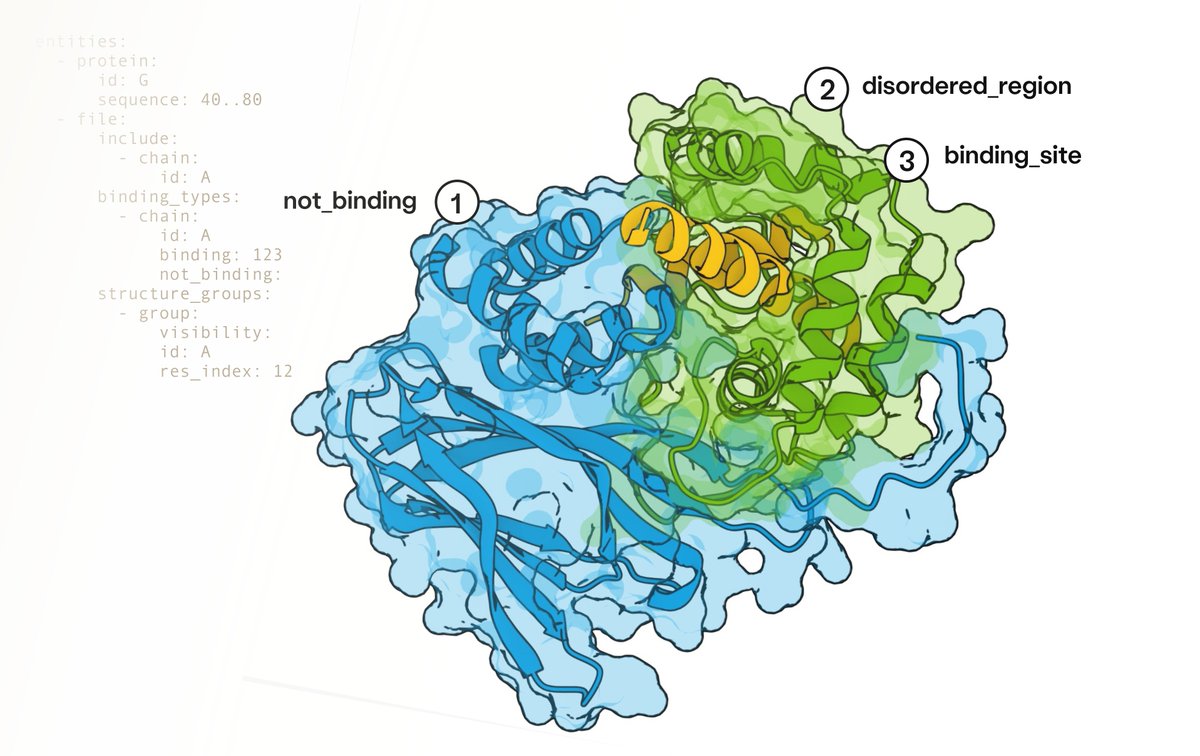
BoltzGen is now also on bioArxiv, including new selectivity results!
biorxiv.org/content/10.1101/…
Addition:
None of our nanobody binders interacts with the off-target control HSA (a highly interactive and abundant protein in human serum)!
1
41
155
35,113
Andrew MacBride retweeted

22 Nov 2025
I do not think you can pursue meaningful research without (1) some grandiose delusion about your abilities (2) a sense of esthetics and harmony to judge ideas still free of experimental confirmation (3) an unreasonable taste for the required tangible work (e.g. programming)
36
138
1,748
189,976

Today we’re thrilled to announce JAM-2 — the first AI model capable of generating drug-quality antibodies straight from the computer, with industry-leading success rates.
> Drug-like affinities: Picomolar to single-digit nanomolar antibody binders for half of 26 targets while testing <45 designs each.
> Unlocking hard targets: Up to 11% success rate for direct on-cell GPCR binders; top antibody hits in the single-digit nanomolar range.
> Unprecedented epitope breadth: JAM-2 routinely designed antibodies that hit 30–70% of user-defined epitopes, now enabling intentional design of biology — not chance discovery.
> Drug-like developability: Over 50% of antibody designs passed core industry developability criteria with zero optimization.
> Massive leverage: A four-person team prosecuted 16 targets in parallel in < 1 month.
JAM-2 is the first de novo antibody design capability ready for front-line use in drug discovery, matching or surpassing traditional discovery approaches.
We’re already deploying JAM-2 with multiple large pharma partners and seeing excellent results.
If you’re interested in partnering on molecule development or accessing JAM-2, contact bd@nabla.bio.
Read more in our whitepaper (link below)
21
109
492
199,781
Andrew MacBride retweeted

19 Nov 2025
the future of biology will be programmed by frontier ai systems and @profluentbio is the leader of this new category
@airstreet is investing for the third time in this remarkable company since our inception round
i’m so proud of what @thisismadani and the team have created to date - multiple firsts, immense ambition, scientific integrity and commercial pull
and it is still day 1!
19 Nov 2025

Today we’re announcing $106M in new funding led by Altimeter Capital and Bezos Expeditions. This brings our total to $150M to scale our frontier AI models which make biology programmable.
Our frontier models have generated functional proteins (Nature Biotech, 2023), created the first CRISPR system designed from scratch (Nature, 2025), and showed clear scaling behavior (NeurIPS spotlight, 2025).
The opportunities ahead are unimaginable. If you’re excited by shaping the future of biology – join us in pushing the science forward.
Forbes: forbes.com/sites/amyfeldman/…
Press Release: businesswire.com/news/home/2…
--
Nature Biotech, 2023: nature.com/articles/s41587-0…
NeurIPS spotlight, 2025: biorxiv.org/content/10.1101/…
Nature, 2025: nature.com/articles/s41586-0…
2
5
72
12,790
Andrew MacBride retweeted

17 Nov 2025
I’m pleased to share that I am joining @NVIDIA Ventures as Portfolio Manager today. After spending the past several years immersed in the world of tech and techbio startups, building products, partnering with founders, and helping scale technologies, this transition feels like a natural evolution.
157
28
1,920
271,901



Andrew MacBride retweeted

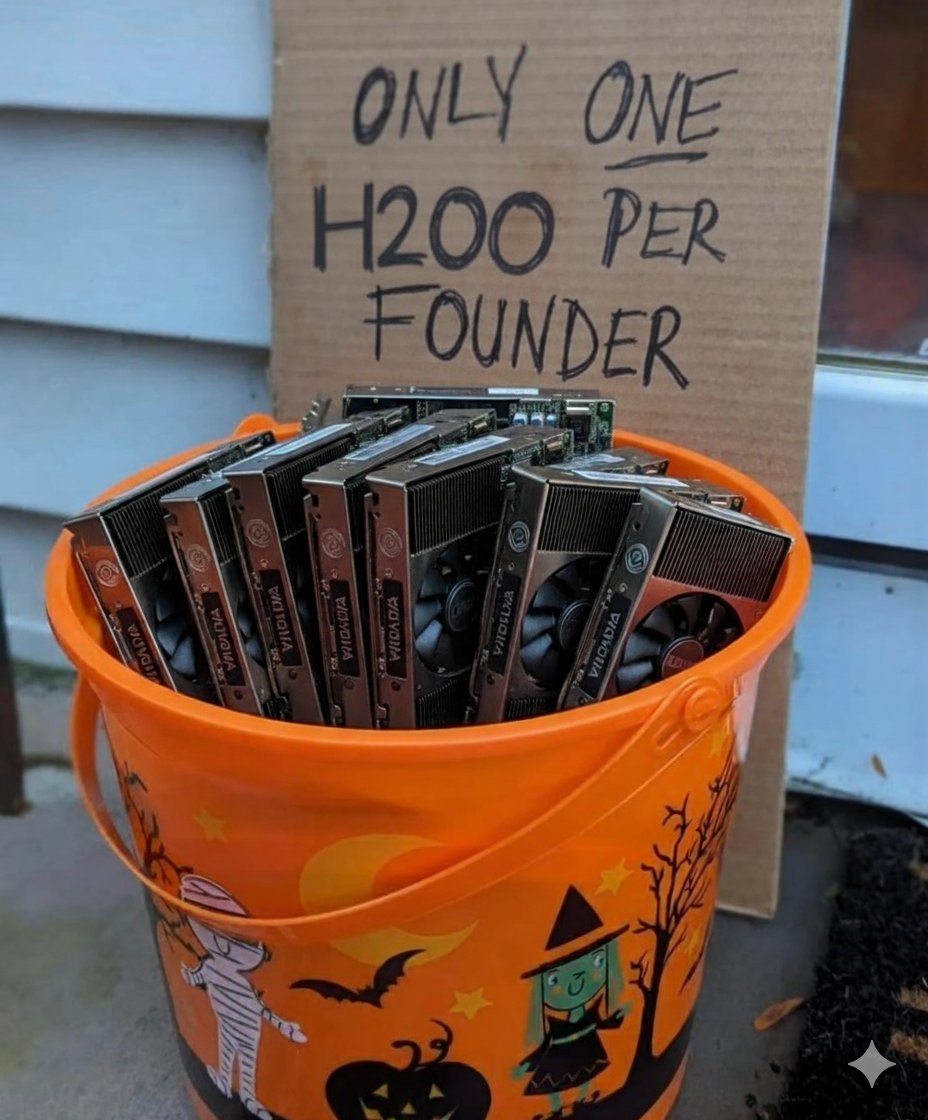
Happy Halloween!

910
30,923
336,553
6,218,427