
Learn Linux step by step🐧→ firststepswithlinux.com, @fswlinux
Joined May 2023
- Tweets 5,180
- Following 15
- Followers 90,177
- Likes 3,038
1,660 Photos and videos






Pinned Tweet

Mar 12
Its out.
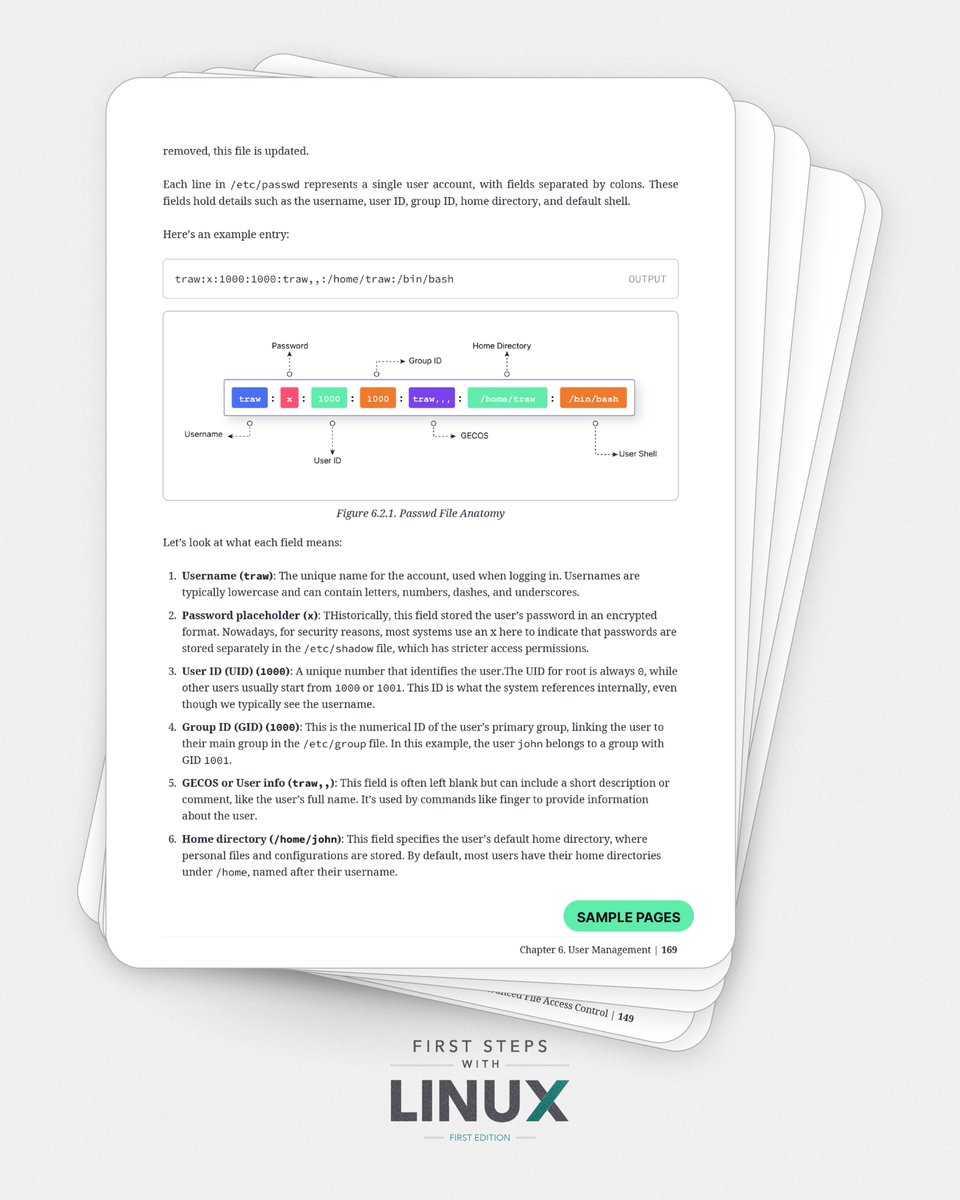
After almost 2 years of writing, First Steps with Linux is finally here.
700 pages covering a wide range of Linux topics.
Linux command line fundamentals, storage, networking, and advanced system administration.
This is probably the most comprehensive Linux book I will ever write.
If you work with Linux, study it, or want to take your skills further, you’ll likely find this book genuinely useful.
🐧📕
Get your copy:
firststepswithlinux.com
35
139
959
86,275
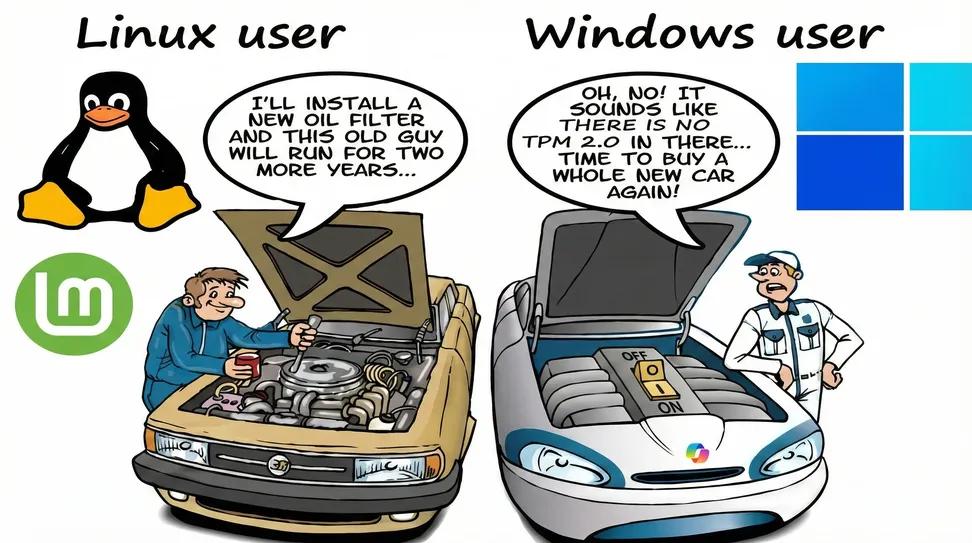
Windows is borrowing so much from Linux that the only thing missing is the Linux kernel.
1
21
892
Windows is borrowing so much from Linux that the only thing missing is the Linux kernel.

At this rate, Windows 12 is going to be a Linux distro.
6
7
45
2,657
18h
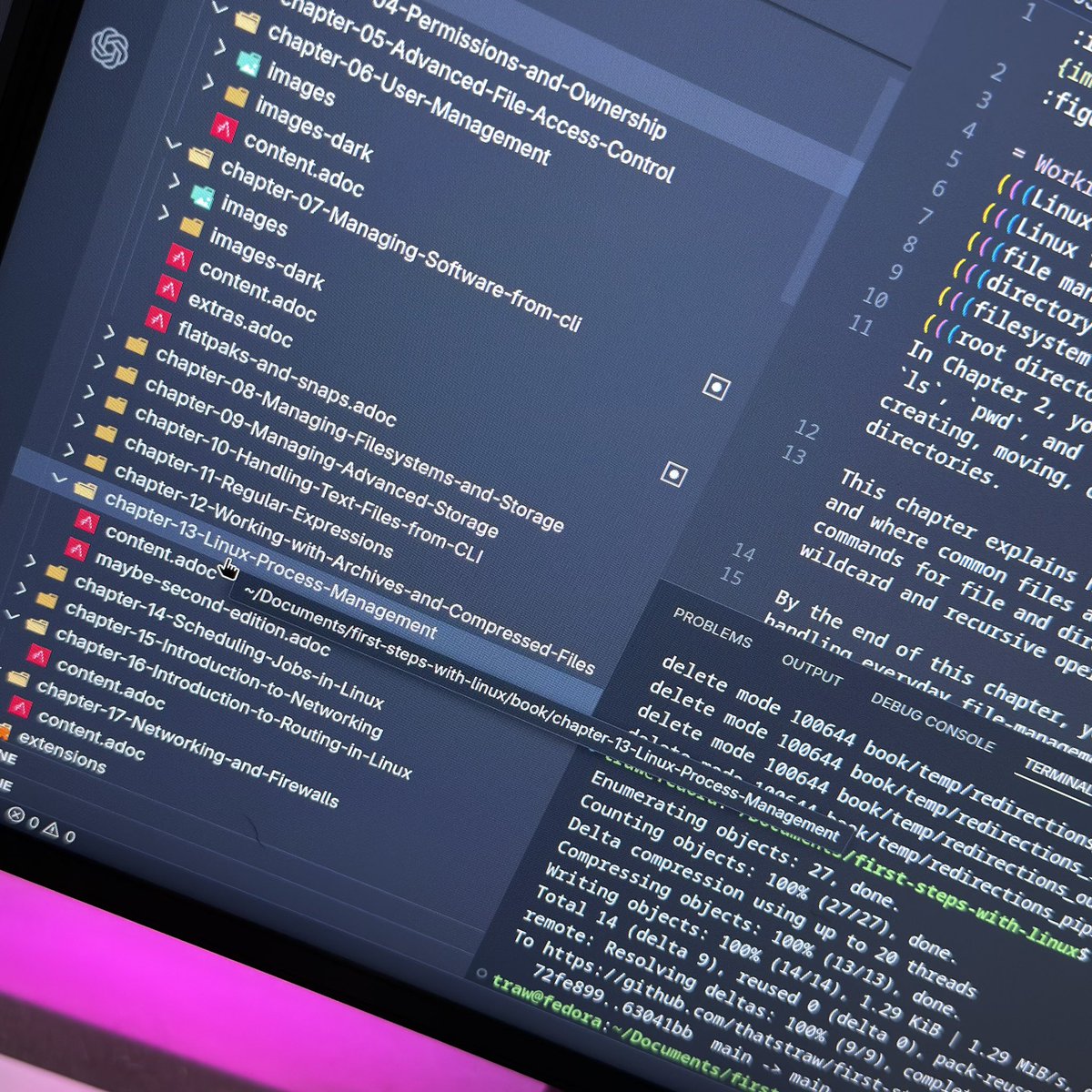
Just finished recreating all the images for the dark edition of First Steps with Linux. It took a while, but it was worth it.
The dark edition is dropping soon. 🐧🌒
1
4
36
2,209
Jun 12
HBD It's FOSS🐧🎂

Here's to 14 years of serving Penguin-related content. 🥂 🐧
Oops, I mean Linux and open source. 🤧

ALT Happy Birthday It's FOSS Turned 14 today June 12, 2012 There are four penguins standing side by side, celebrating the event.
1
7
31
4,042
sysxplore retweeted
Jun 10
Quick Linux tip:
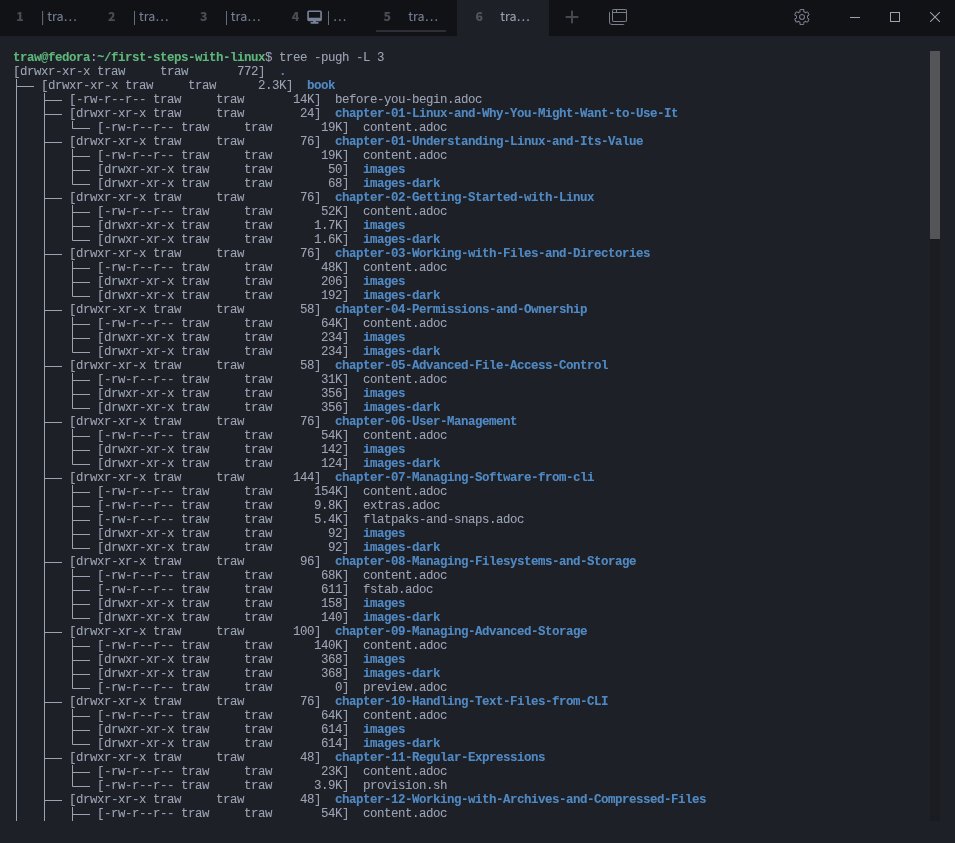
Most people use tree to visualize a directory structure.
What many don't know is that it can also display file permissions, owners, groups, and sizes.
$ tree -pugh -L 3
Here is what each option mean:
-p - file permissions
-u - owner
-g - group
-h - human-readable sizes
-L - limit the depth of the directory tree
This is especially useful when auditing file permissions, troubleshooting access issues, or documenting a project's directory structure.
6
54
417
16,232
Jun 10
Quick Linux tip:
Most people use tree to visualize a directory structure.
What many don't know is that it can also display file permissions, owners, groups, and sizes.
$ tree -pugh -L 3
Here is what each option mean:
-p - file permissions
-u - owner
-g - group
-h - human-readable sizes
-L - limit the depth of the directory tree
This is especially useful when auditing file permissions, troubleshooting access issues, or documenting a project's directory structure.
6
54
417
16,232
Jun 10
P.S. If you’re getting started with Linux and want to learn Linux properly from the ground up, I wrote a comprehensive beginner-friendly book.
700 pages covering Linux from the basics to advanced:
read.sysxplore.com/l/first-s…
1
9
1,496
sysxplore retweeted
Jun 6
A friendly reminder that the world runs on Linux. 🐧
22
68
636
14,841
Jun 9
The future of Linux isn’t fewer commands.
It’s smarter automation.
If you have to do it twice, automate it.
That’s exactly what Agentic Linux – From Commands to AI Agents by Imran Afzal explores.
Learn how AI agents can help automate Linux administration, troubleshooting, and routine workflows👇
🔗packt.link/3q3TC
🐧 🤖 = interesting times
4
16
2,202
sysxplore retweeted

Jun 4
One reason many IT professionals, engineers, and scientists become highly skilled thinkers is that they spend much of their time solving problems. Problem-solving forces you to understand how things work, why they fail, and how to recover when something goes wrong.
There is a difference between someone who can implement a system and someone who can troubleshoot it. The person who troubleshoots often develops a deeper understanding because they are constantly investigating failures, identifying root causes, and exploring different solutions. You can build a system by following documentation, but truly understanding a system comes from diagnosing and fixing its problems.
The same principle applies to life. Every problem you solve adds experience and teaches you new ways of thinking. Over time, you become better at recognizing patterns, adapting to unexpected situations, and making decisions under pressure.
That is why many engineers and scientists are successful problem-solvers beyond their fields. They have spent years facing challenges, breaking them down into smaller pieces, and finding solutions. When something goes wrong, their first instinct is not to panic but to analyze the situation and work through it systematically.
I believe I’ve become smarter because I am constantly solving problems. Every day brings a new challenge, and every challenge teaches me something. The more problems you solve, the more knowledge, experience, and judgment you gain.
5
25
119
7,117
sysxplore retweeted
May 30
How to master Linux?
• Use Linux every day
• Build a home lab
• Create real projects
• Break things and fix them
• Read man pages
• Read Linux books
• Learn networking
• Automate repetitive tasks
• Understand logs and troubleshooting
• Learn Shell Scripting
• Stay curious
Linux is learned through practice, not memorization.
6
49
377
13,135
sysxplore retweeted
Jun 3
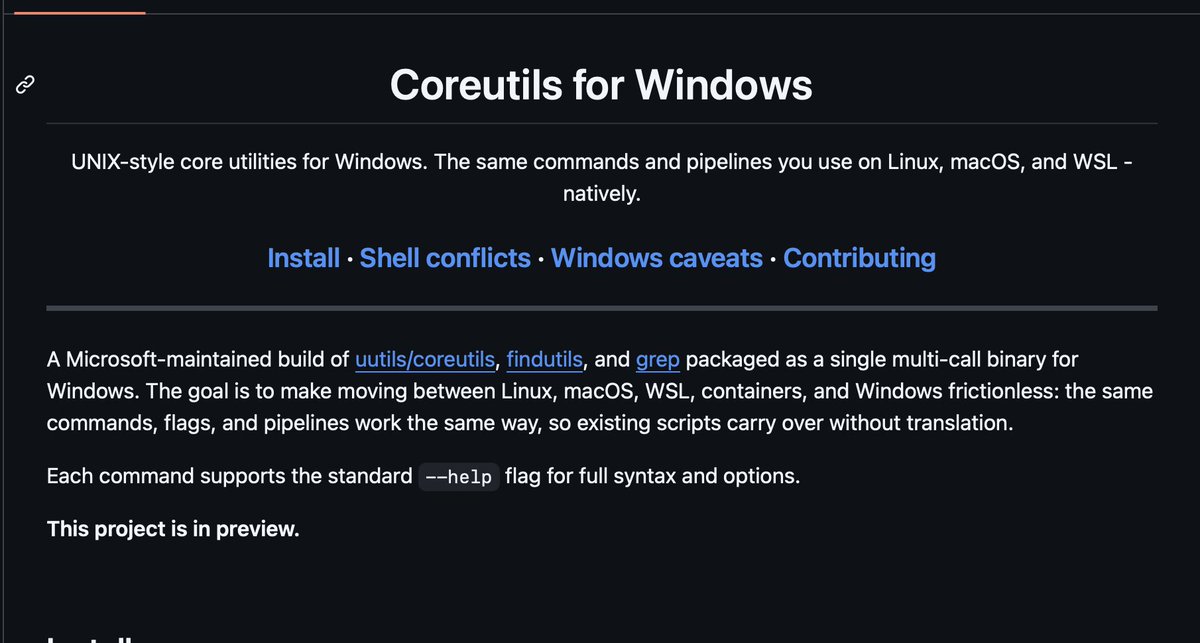
In 2001, Microsoft’s CEO Steve Ballmer referred to Linux as “a cancer that attaches itself in an intellectual property sense to everything it touches.”
Now they’re shipping Linux tools on Windows.
6
19
177
10,442