
a16z Analyst | Former JPL-NASA, CLG, ESPN, Yahoo | Melee Stats Guy | Bus Email: DanielLee912@gmail.com
Joined August 2009
- Tweets 38,643
- Following 2,366
- Followers 32,218
- Likes 17,804
4,654 Photos and videos






19h
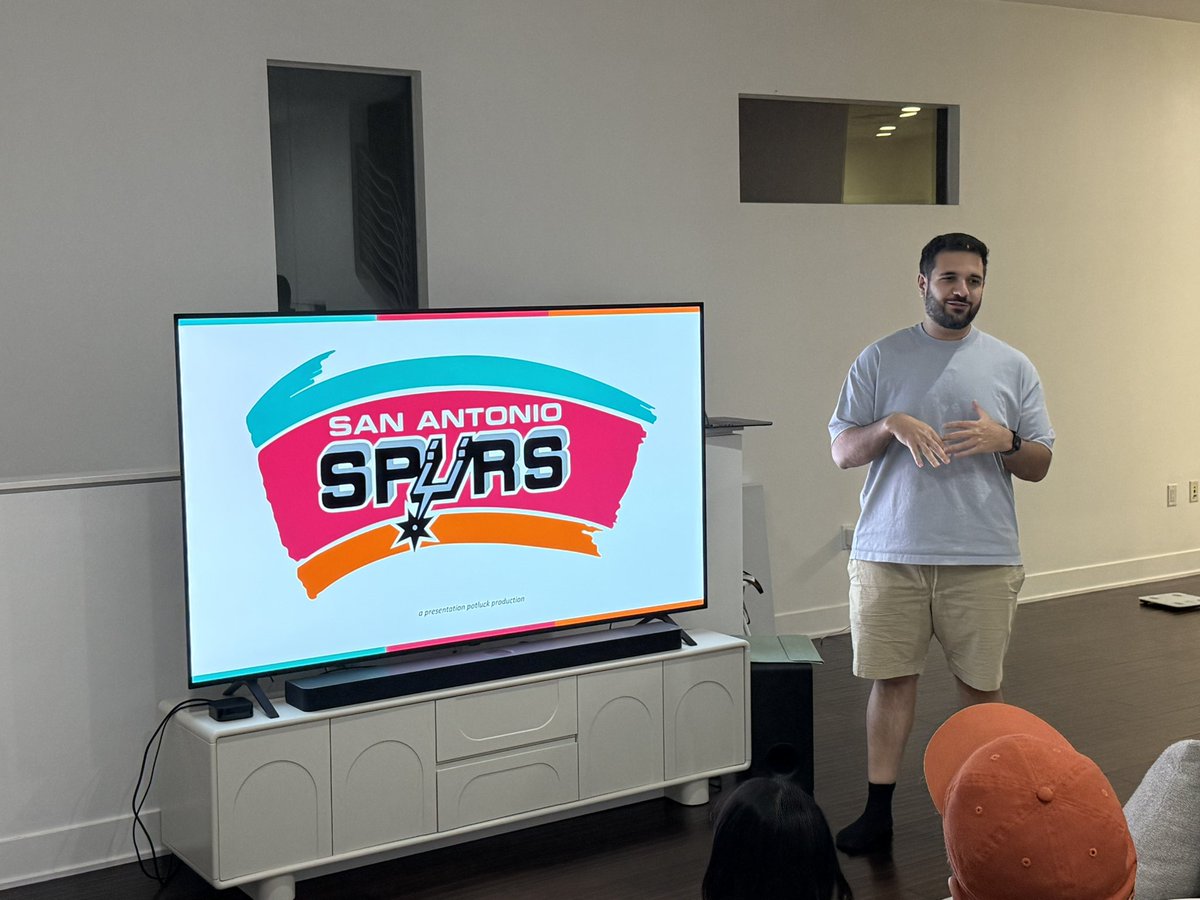
I’ve learned my lesson from game 1,2,4
I will not say the spurs are going to win unless they are up by over 35 points
5
890
Jun 11
Explain today’s NBA finals game in Super Smash Bros Melee for the Nintendo GameCube terms
21
53
10,877
Jun 10
Once Santa Monica 3rd street promenade inevitably has 2 spirit Halloween storefronts, can we call it dead?
1,171
Tafo retweeted

Jun 10
Patent systems are first-to-file. It's produced a quiet two-tier system: well-funded companies file in 48 hours. Everyone else waits weeks.
Today we're announcing @fearn_ai's $5.5M seed to end that gap. 🧵
45
28
203
1,233,612

some of the most interesting innovation has always been at the edges. I did my phd in a highly interdisciplinary field called computational imaging where I worked with generative models to solve real world scientific imaging problems. I worked with domain experts to blend messy data with mathematical rigor.
my biggest takeaway wasn’t really technical. it was that the most interesting problems live between fields and you can’t shortcut your way there. you need to get real depth in both domains.
near the end of my phd, I got really excited about program synthesis despite not having worked on it at all. I found it so deeply satisfying that there were fields of AI where you could guarantee whether or not you were correct (shout outs to @atharva_sehgal who introduced this to me) but most fields of science can’t be confined to strict logic.
that asymmetry is everywhere. AI is sprinting towards math because verification is built in. but in other fields, like in geophysics, biology, law, and medicine, it’s so much harder to tell if a hypothesis is actually correct. being able to quantify this is one of the biggest unlocks
it’s part of why @hanhanhan_kim and i started Fearn, building verifiable programs for IP law. we’re grounded upon the foundation that interesting work is at the edges where rigor hasn’t shown up yet
Jun 10

Patent systems are first-to-file. It's produced a quiet two-tier system: well-funded companies file in 48 hours. Everyone else waits weeks.
Today we're announcing @fearn_ai's $5.5M seed to end that gap. 🧵
6
7
73
427,181
Jun 4
I have a couple of legos I want to sell. Should I go with Bricks and Minifigs?
2
5
2,111
Jun 4
Can you imagine a team where you have Luka and Brunson?
That would be crazy
7
1,133
Jun 3
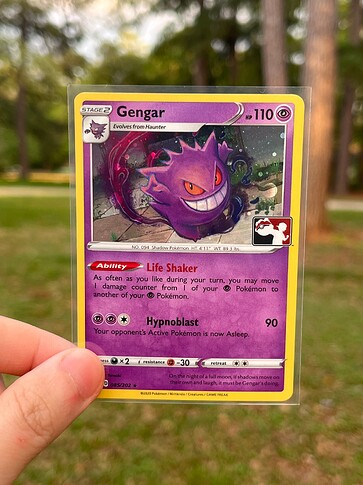
I see shops selling Pokemon at market price which is understandable
But then I see shops selling for 40 percent above market
Pokemon 151 pack is $40 at shops in LA
1
1,249
May 29
PSA stopping value tier makes sense. Though the market still scares me.
$2 Card $28~ PSA fees / shipping --> $70-$80 card, makes sense why people were sending in millions of cards every month
Lots of money coming in from new Apps to buyout cards / inventory / slabs
2
1,659
May 29
Sometimes I’m happy I don’t have to deal with this chatter any more
3
93
21,904
May 28
After getting 1 SIR in 200 prismatic packs. I swore off opening Pokemon packs
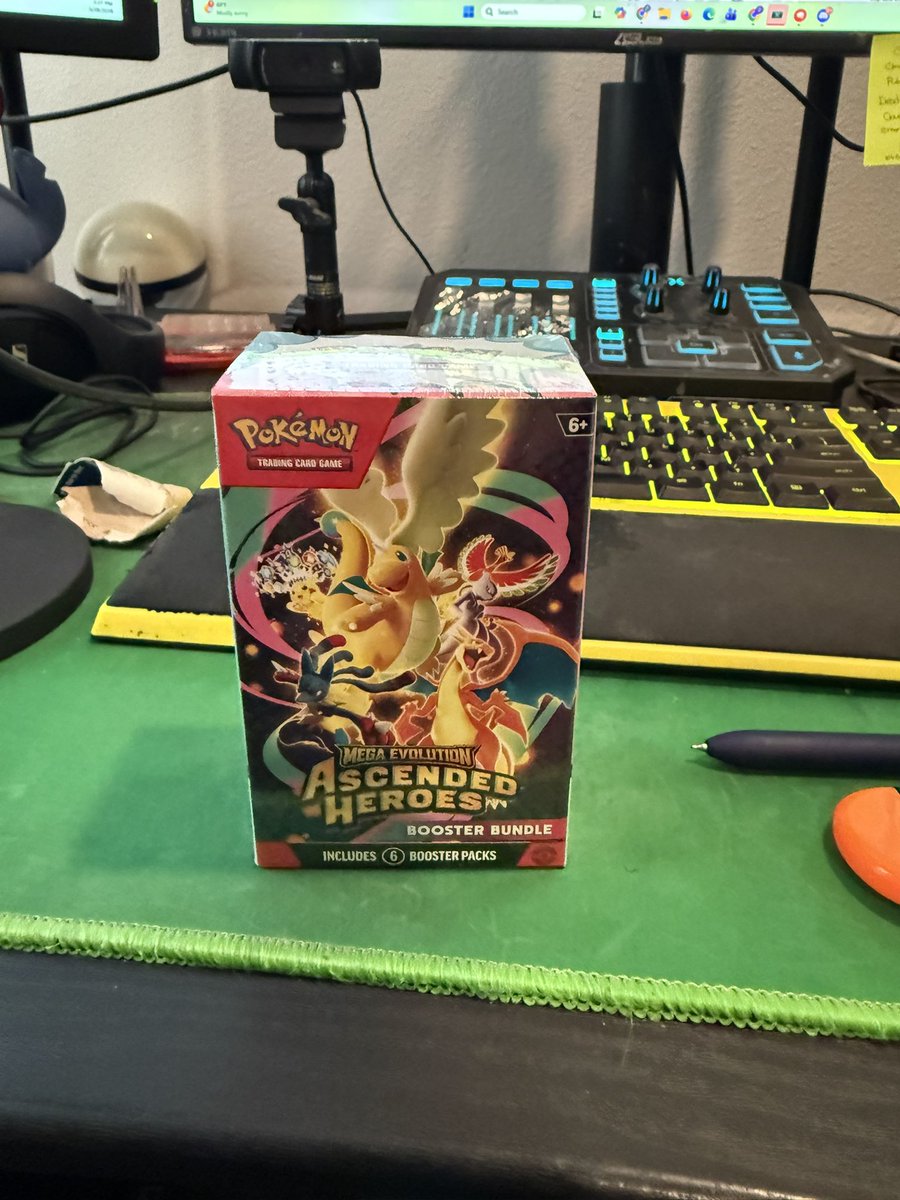
Do I open these?
3
5
1,920
May 25
Now that I have a bit more time, I want to catch up on some games
I enjoyed the SNES Goemon games. How was the N64 version?
2
4
2,641
May 22
Anyway $28 lunches discussion is getting old. Both can be true
1. Spending $25 on a regular basis for Lunch is quite high
2. Even if you went down to $3-5 per lunch, you're still unlikely getting a house
4
28
4,010
Tafo retweeted

May 20
Nobody believes in you, so make them.
Announcing our $7M seed round led by @Slow.
153
124
441
1,638,561