
Joined January 2026
- Tweets 28,874
- Following 4,960
- Followers 22,803
- Likes 75,573
2,093 Photos and videos



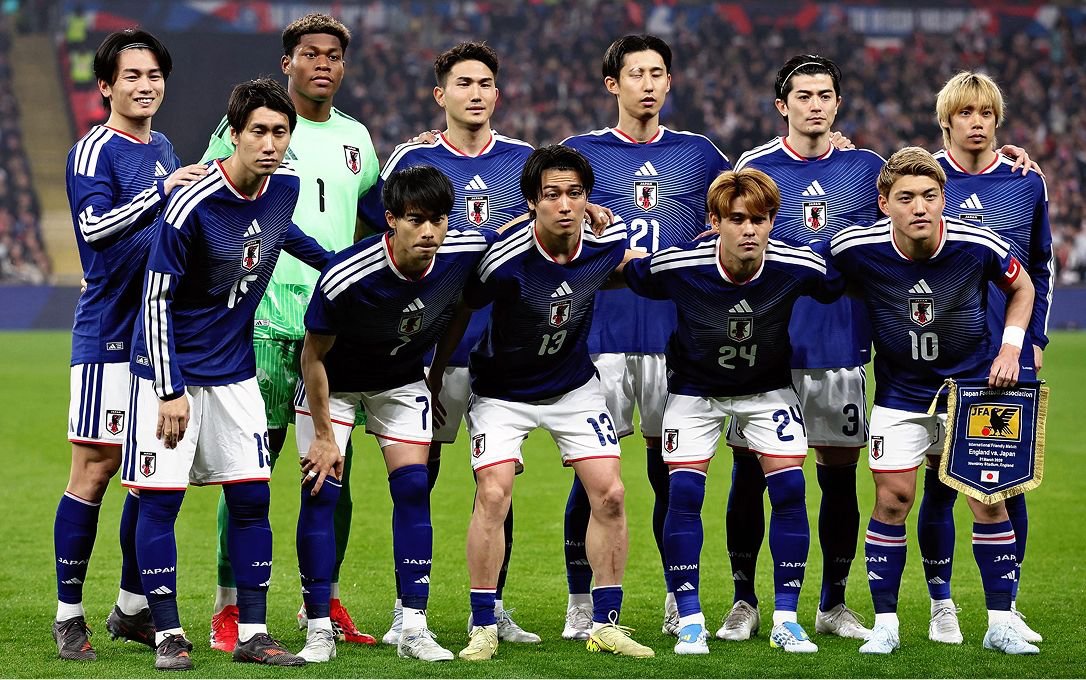


It was an incredible series.
Congratulations, Knicks.
Congratulations, Brunson.
1
22
454
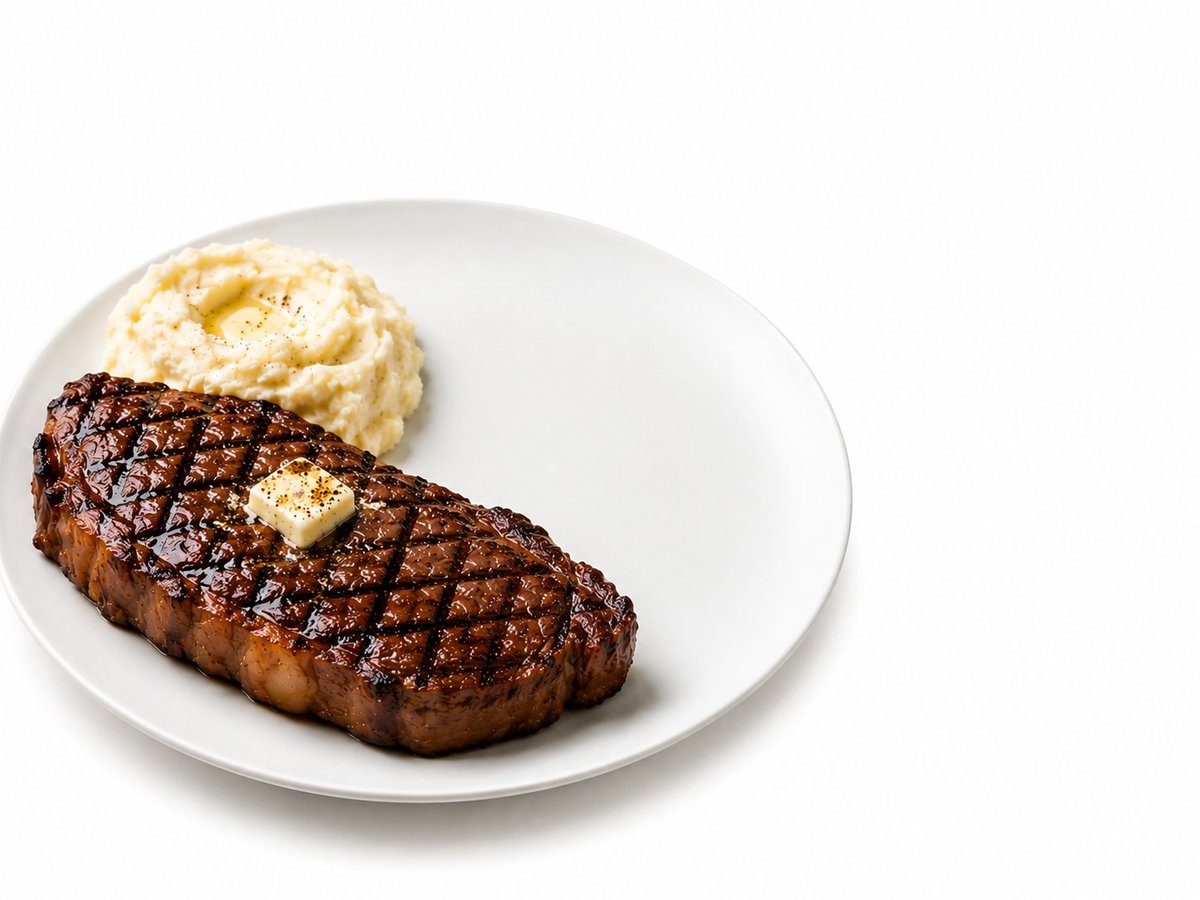
Steak.
Mashed potatoes.
And one empty space on the plate.
So, everyone — what would be the perfect side dish to complete this plate?
96
2
90
2,162
I found this in a Japanese-style English textbook.
At first, I thought it was just a simple math problem.
4 3 = 7
5 6 = 11
Easy.
Then suddenly…
6 9 = 3
My brain left the classroom.
Can you find the hidden rule?
7
14
971
USA. My friend’s house. The door had not fully opened, and love was already charging at me.
A dog.
Running. Jumping. Tail moving at dangerous speed.
I stopped my friend. “Is this an attack?”
He laughed. “He likes you, man.”
LIKES ME. In my land, affection often arrives carefully. A nod. A small smile. Maybe tea. Feelings remove their shoes before entering the room.
Here, affection had paws, speed, and no braking system.
This is not a greeting. This is friendship with impact damage.
The dog reached me with the gravity the moment deserved. And then — I must report this calmly — I was hit by joy.
Paws on my chest. Tongue near my face. Tail destroying the air around us.
My friend warned me. “Don’t worry, he’s friendly.”
Too late. Friendly had already made physical contact. Honor demanded I receive it. A man cannot refuse sincere diplomacy just because it arrives at forty miles per hour.
By the time I sat on the couch, I was a ruined man.
I was not clean. I was not balanced. I had been defeated by welcome.
A love that arrives before permission cannot be understood. It can only be survived.
I know the rule now. I have made my peace with American dogs. When the door opens, brace the soul.
Who am I deceiving. I want him to do it again. I was knocked backward by friendship, and I accept the treaty.
33
78
733
5,697
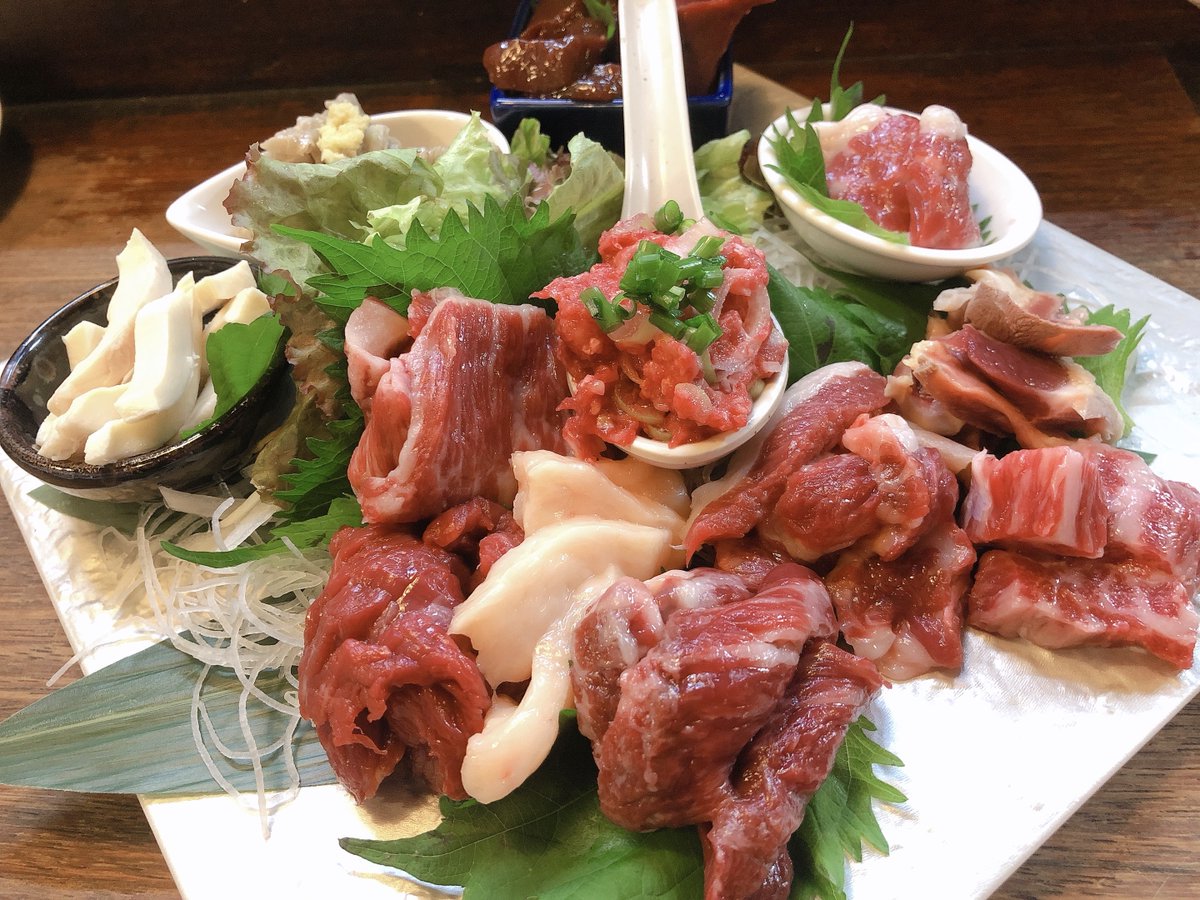
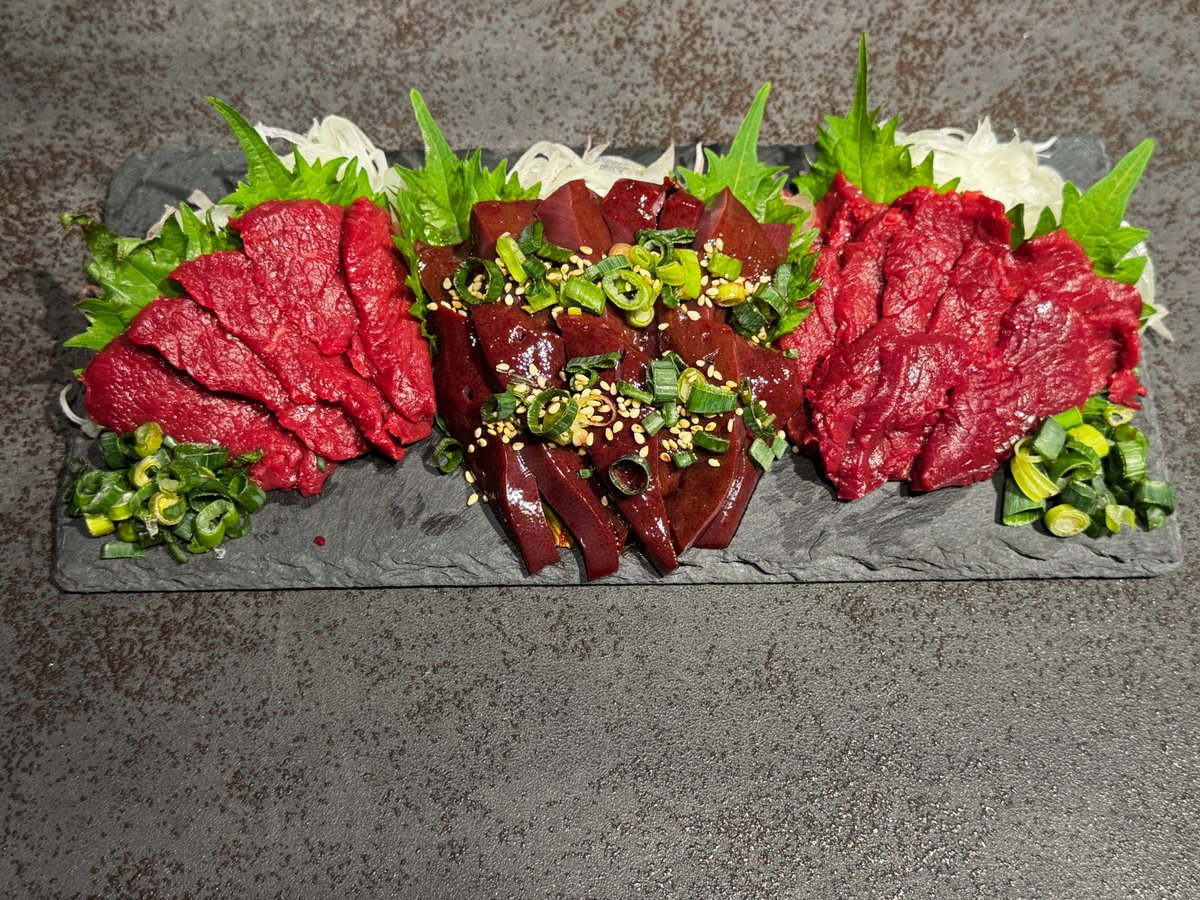
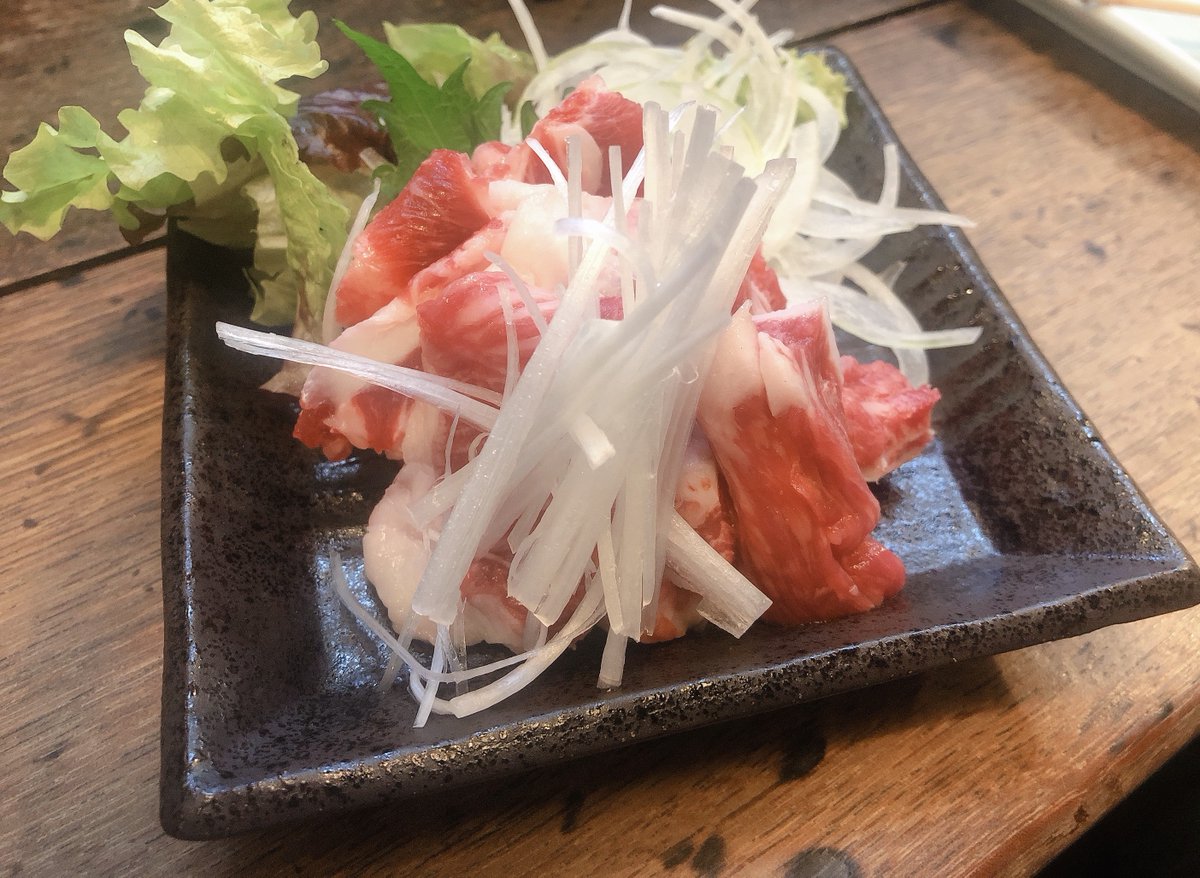
In Japan, there is a traditional dish called basashi.
Basashi means horse sashimi — thinly sliced raw horse meat.
It may surprise some people at first, but in Japan it is known as a regional specialty, especially in places like Kumamoto and Aizu, Fukushima.
Kumamoto-style basashi is often served with sweet soy sauce, ginger, garlic, onions, or scallions. It has a clean taste, a soft texture, and a mild sweetness.
Aizu-style basashi is usually lean red meat. It is commonly eaten with soy sauce and spicy mustard-miso or garlic-miso, giving it a sharper and more local flavor.
Horse meat is also sometimes called sakura niku in Japan, meaning “cherry blossom meat,” because of its beautiful pink-red color.
Basashi is one of the many examples of Japan’s regional food culture.
It is not something every Japanese person eats every day, but in the regions where it is loved, it remains an important local specialty.
18
8
69
1,573
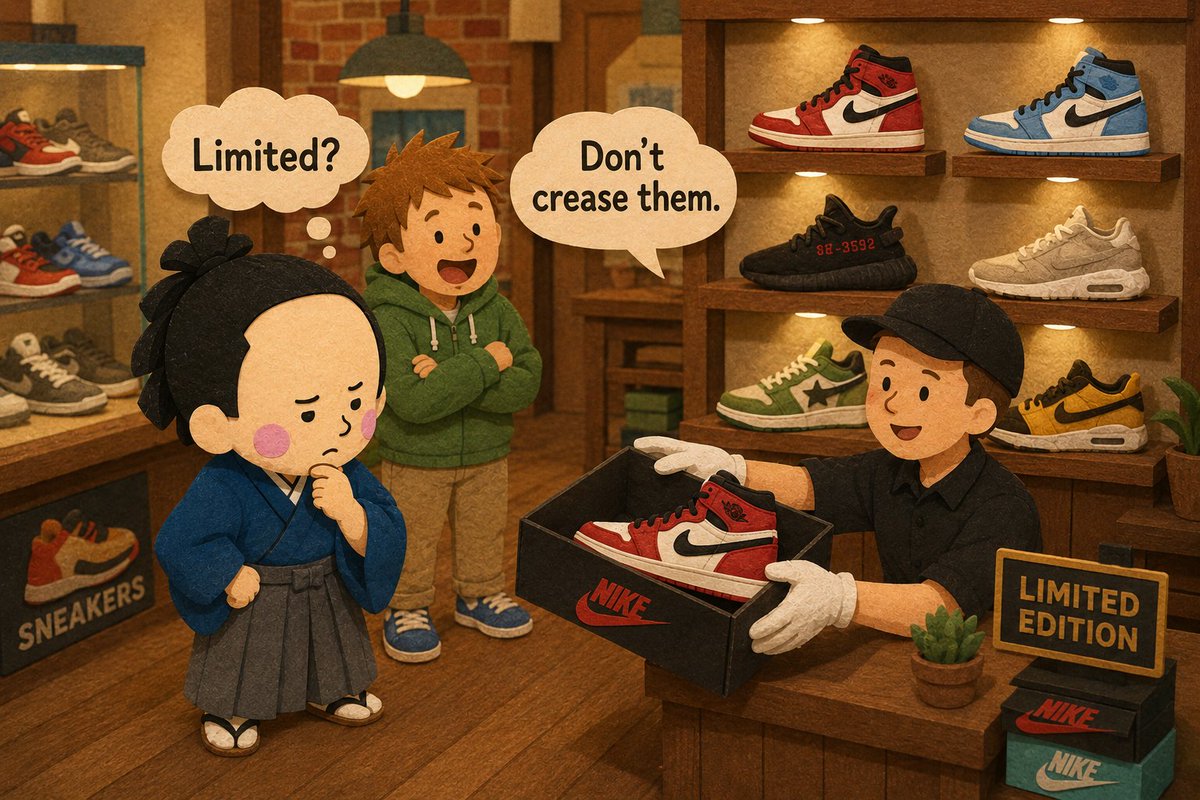
USA. A sneaker shop. I had not yet touched anything, and the shoes were already judging me.
Sneakers. Glass cases. Spotlights. Prices that required emotional preparation.
I stopped my friend. “Why are the shoes displayed like sacred artifacts?”
He laughed. “Some of them are limited, man.”
Limited. In my land, shoes are humble warriors. They touch the ground. They carry you through rain, stations, convenience stores, and regret. They are not usually placed under lights like a legendary sword waiting for a chosen foot.
Here, the shoes had status before I even had courage.
This is not footwear. This is foot armor with a bloodline.
I looked with the gravity the moment deserved. And then — I must report this calmly — a man asked to try one pair on.
The worker brought the box with both hands.
Both hands.
Not casually. Not carelessly. Like he was delivering a treaty.
My friend warned me. “Don’t crease them.”
Too late. I had learned fear. A crease? On shoes? I thought shoes were created to bend. In America, apparently some shoes must experience walking without evidence.
By the time I put one foot inside, I was a ruined man.
I was not walking. I was negotiating with value.
A shoe that cannot be touched casually cannot be understood. It can only be respected from a safe distance.
I know the rule now. I have made my peace with sneaker culture. Some shoes are for walking. Some shoes are for worship.
Who am I deceiving. If I owned them, I would walk like the floor owed me an apology.
14
17
130
2,302
I can’t stop crying.
Now a temple in Hokkaido has burned down.
Seriously, who did this?
I can’t forgive it.
3,736
6,679
32,658
654,710
To everyone who found this post:
What food from your country do foreigners judge before they truly understand it?
Please don’t just scroll past this.
169
7
123
7,376
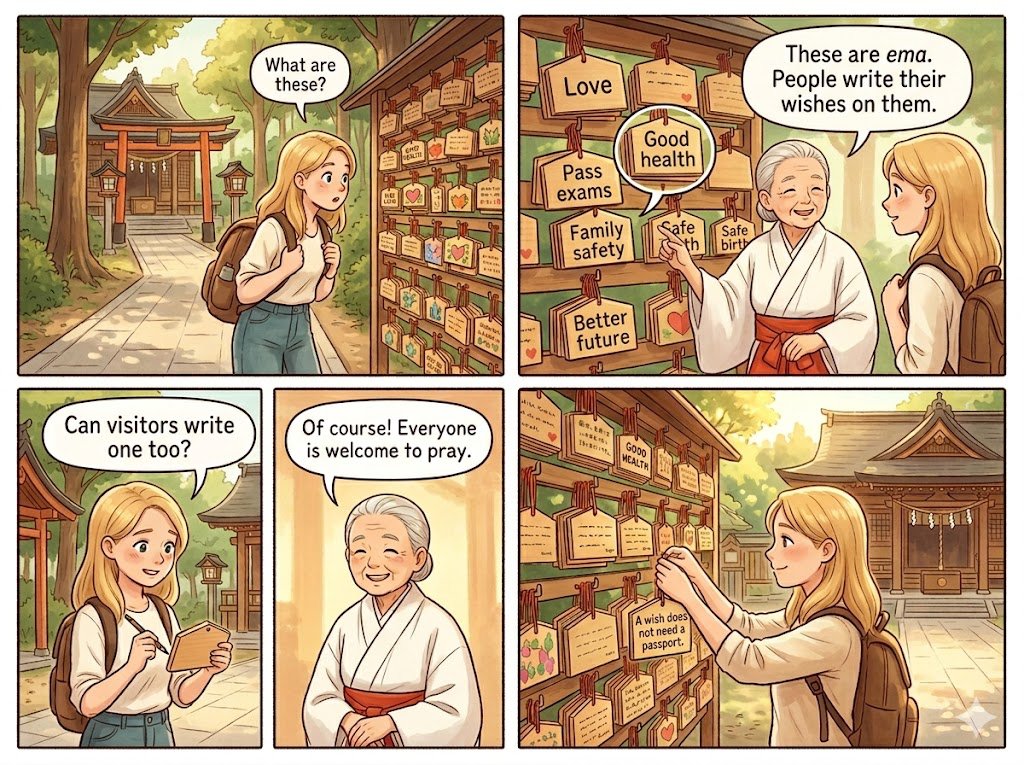
In Japan, when you visit a shrine or temple, you might see hundreds of small wooden plaques hanging together.
They are called ema.
People write their wishes on them and leave them there.
Some are about love.
Some are about exams.
Some are about health, family, safe childbirth, or simply hoping that life gets a little better.
The word ema literally means “picture horse.”
A long time ago, horses were offered to the gods.
But not everyone could offer a real horse, so people began offering wooden plaques with pictures of horses instead.
That tradition slowly became what we see today.
And yes, visitors from other countries can write them too.
You do not have to be Japanese.
You do not have to write perfect Japanese.
You can write in English, or in your own language.
A wish does not need a passport.
That is what I like about ema.
A shrine can look quiet from far away, but when you get closer, you realize it is full of people’s private hopes.
Love.
Fear.
Gratitude.
Desperation.
Tiny dreams people did not want to say out loud.
They left them there, on wood, hoping someone above would listen.
A Japanese shrine is not only a place of silence.
It is a place where human hope is hanging in the open.
5
15
144
2,527
The World Cup has begun.
Before you watch Japan play, look closely at the crest on their shirt.
There is a strange bird with three legs.
That bird is called Yatagarasu.
To many people outside Japan, a crow may feel like a dark symbol.
Something connected to death, fear, or bad luck.
But in Japanese mythology, this crow means something very different.
Yatagarasu is a sacred three-legged crow, known as a messenger of the gods and a guide sent from heaven.
In the old myths, when Emperor Jimmu was traveling toward Yamato, the ancient heartland of Japan, the road became dangerous and uncertain.
That was when Yatagarasu appeared.
It did not come to destroy his enemies.
It did not come as a monster.
It came to show the way.
I think that is what makes Japan’s football crest so interesting.
A lot of countries choose lions, eagles, or dragons because they look strong.
Japan chose a crow.
Not because it looks terrifying.
But because, in our mythology, this crow appears when people are lost and need a path forward.
So when Japan steps onto the World Cup pitch, that emblem is not just decoration.
It is an old Japanese story, still flying on a modern football shirt.
Japan did not choose a lion to say, “Fear us.”
Japan chose a crow to say,
“Follow the path.”
12
15
166
4,489
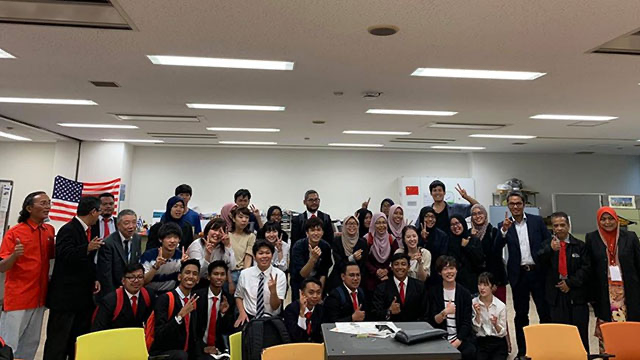
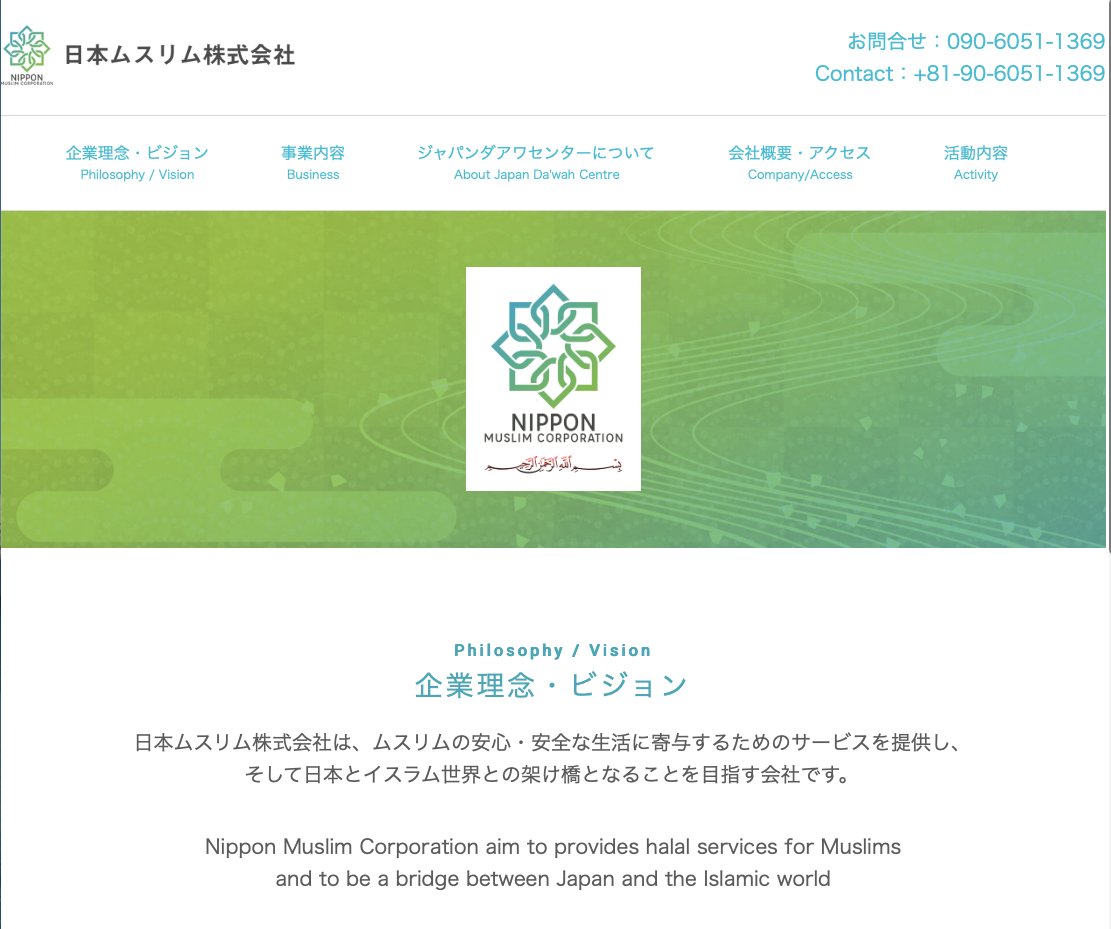
What do you all think about this?
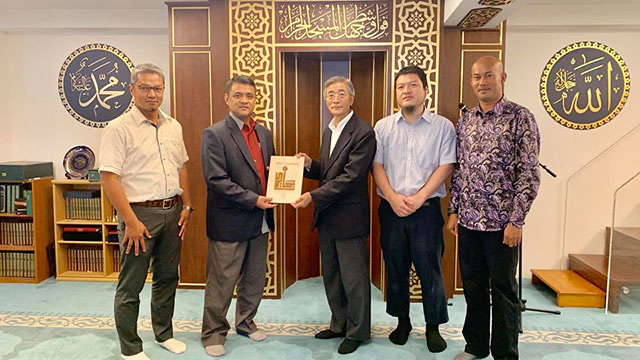
“Japan Muslim Corporation”
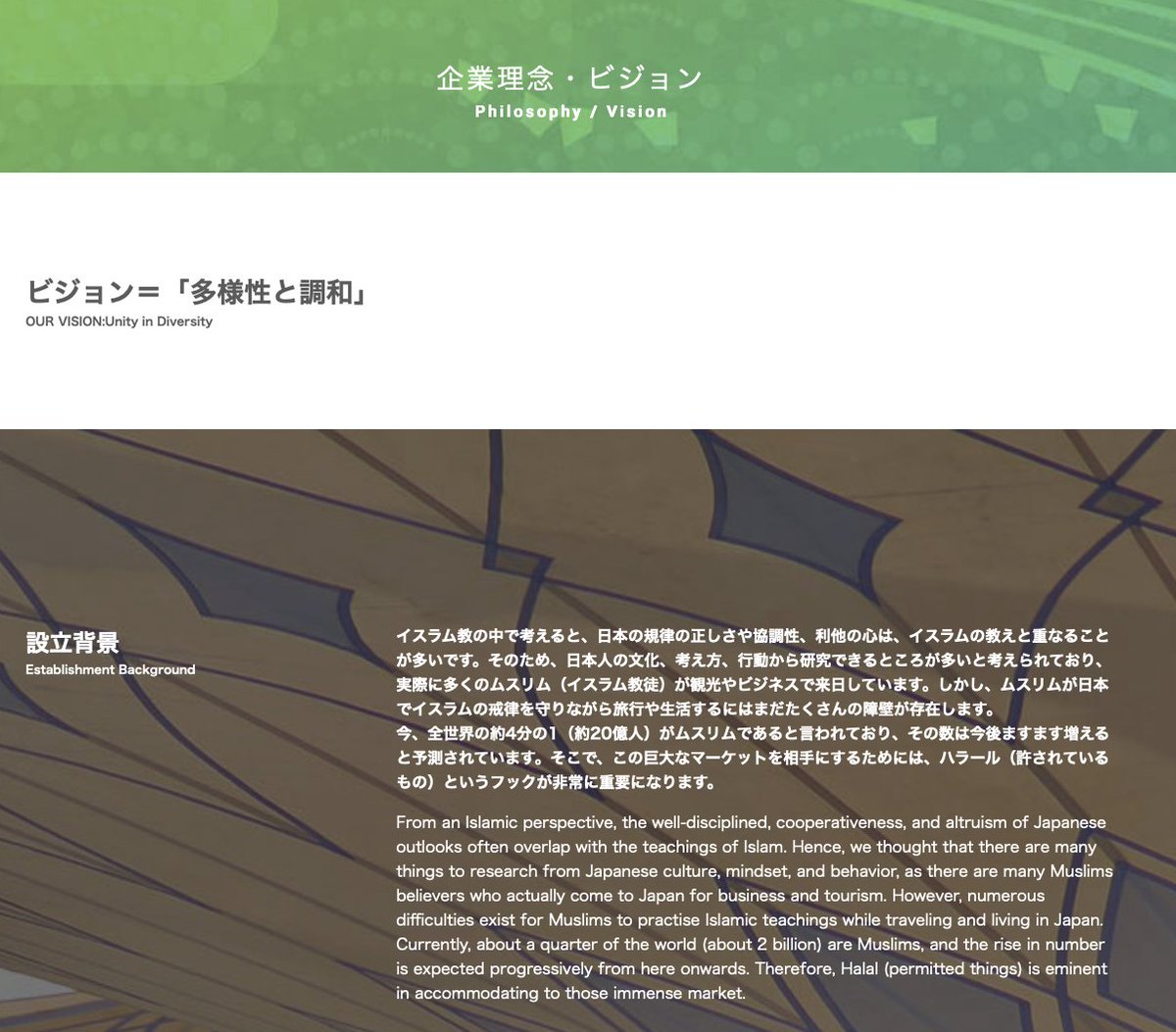
Background for its establishment:
From an Islamic perspective, Japan’s discipline, sense of harmony, and spirit of altruism often overlap with Islamic teachings. Because of this, many believe there is much to learn from Japanese culture, values, and behavior. In fact, many Muslims visit Japan for tourism and business.
However, there are still many barriers for Muslims who want to travel or live in Japan while observing Islamic rules.
Today, around one quarter of the world’s population — roughly 2 billion people — is said to be Muslim, and that number is expected to keep growing. That is why, in order to target this massive market, “halal” is becoming an extremely important hook.
48
13
58
2,933
You just won $10 million.
What is the first thing you do?
113
2
95
4,295
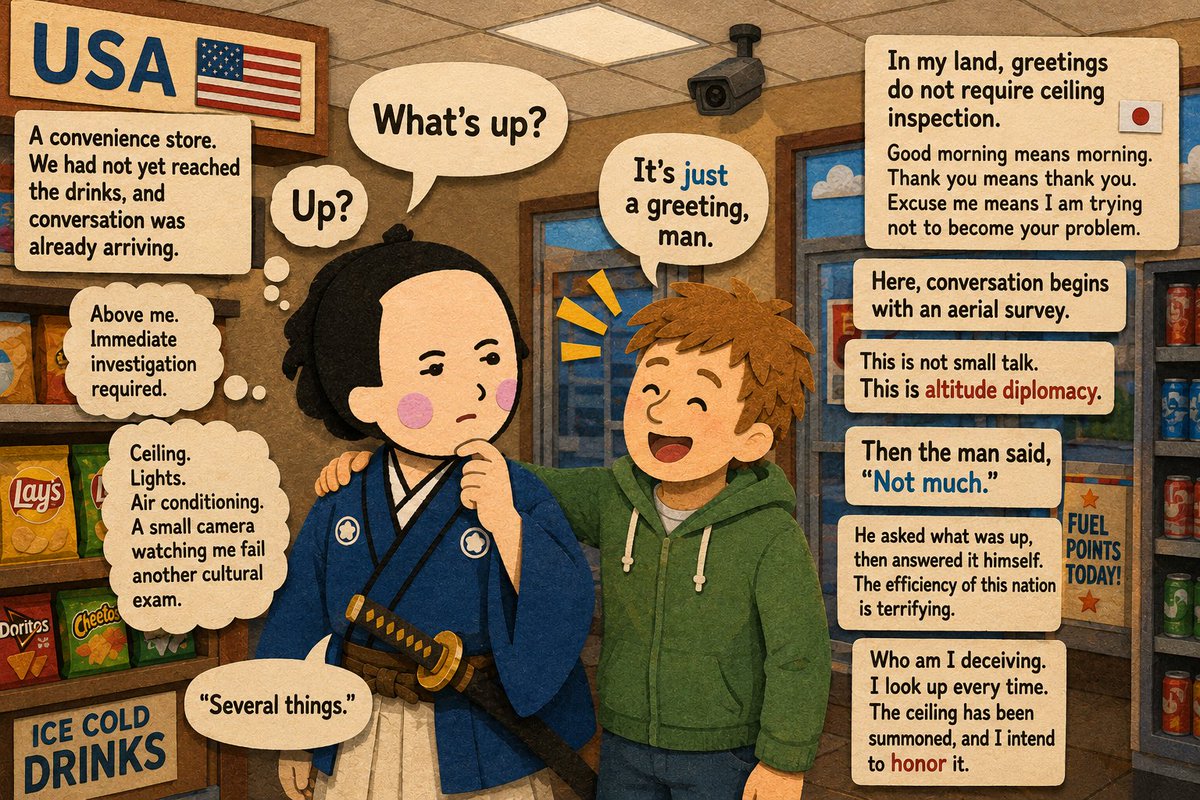
USA. A convenience store. We had not yet reached the drinks, and conversation was already arriving.
“What’s up?”
Unrequested. Casual. Dangerous.
I stopped the man. “Above me?”
He laughed. “It’s just a greeting, man.”
Just a GREETING. In my land, greetings arrive with clear borders. Good morning means morning. Thank you means gratitude. Excuse me means I am trying not to trouble your path. Here, a stranger asks about the condition of the sky before he even knows my name.
This is not small talk. This is a declaration: look up. Report.
I looked with the gravity the moment deserved.
Ceiling. Lights. Air conditioning. A small camera watching me become foreign in real time.
“Several things,” I said.
And then — I must report this calmly — he answered his own question.
“Not much.”
Not much. He requested a vertical survey, then dismissed the findings. The conversational discipline of this nation is beyond anything my ancestors imagined.
My friend warned me. “Don’t actually answer, dude.”
Too late. I had accepted the question. Honor demanded accuracy — an incomplete ceiling report is an insult. By the time we reached the soda machine, I was a ruined man.
I was not relaxed. I was not normal. I had been defeated by a greeting.
A question that arrives before friendship cannot be ignored. It can only be survived.
I know the rule now. I have made my peace with “What’s up?” Just nod. Say “Not much.” Do not look at the ceiling.
Who am I deceiving. I look up every time. The ceiling has been summoned, and I intend to honor it.
15
28
239
3,236
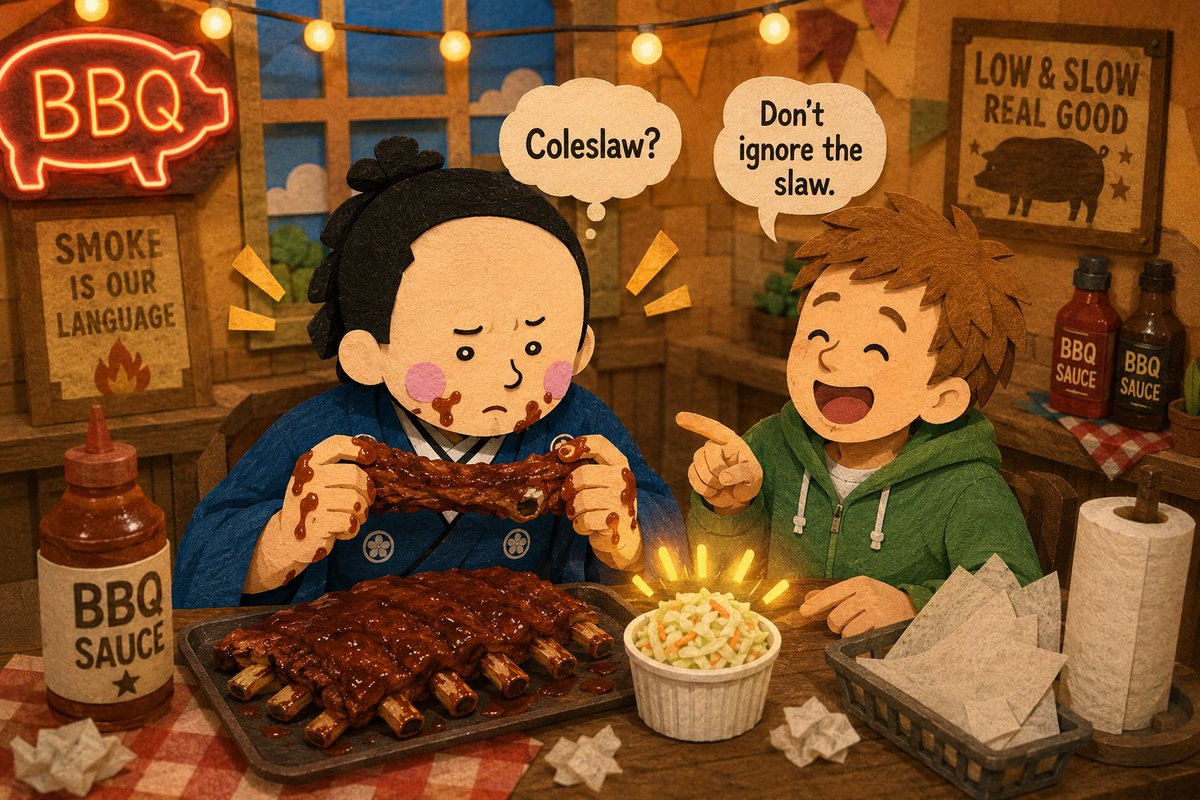
USA. A BBQ restaurant. The ribs had not yet been defeated, and the white cup was already watching me.
Coleslaw. Cold. Quiet. Suspiciously calm.
I stopped my friend. “Why is there a small bowl of snow next to the meat?”
He laughed. “That’s coleslaw, man.”
Coleslaw. In my land, cabbage knows its role. It stays with tonkatsu. It supports fried food with quiet dignity. It does not sit next to a mountain of ribs like a tiny cold monk trying to stop a war.
Here, America placed cabbage beside smoke, sugar, sauce, and meat.
This is not a side dish. This is a peacekeeping force.
I ate the ribs with the gravity the moment deserved. My fingers became evidence. My mouth became a battlefield. The sauce had entered negotiations without permission.
And then — I must report this calmly — I ate the coleslaw.
Cold.
Crunchy.
Calm.
For three seconds, the war stopped.
“See?” my friend said. “It balances it out.”
Balances it out. The ribs were attacking from the front, the sauce was climbing my hands, and this little white cup was holding the line.
My friend warned me. “Don’t ignore the slaw.”
Too late. I had already judged it as decoration. Honor demanded an apology. A man who underestimates cabbage has already lost once.
By the time the plate was empty, I understood.
I was not clean. I was not elegant. But I had survived.
BBQ is not just meat. BBQ is conflict management.
I know the rule now. I have made my peace with coleslaw. When the ribs shout, the cabbage listens.
Who am I deceiving. I came for the meat, but I still remember the little cold monk.
43
216
2,078
61,812
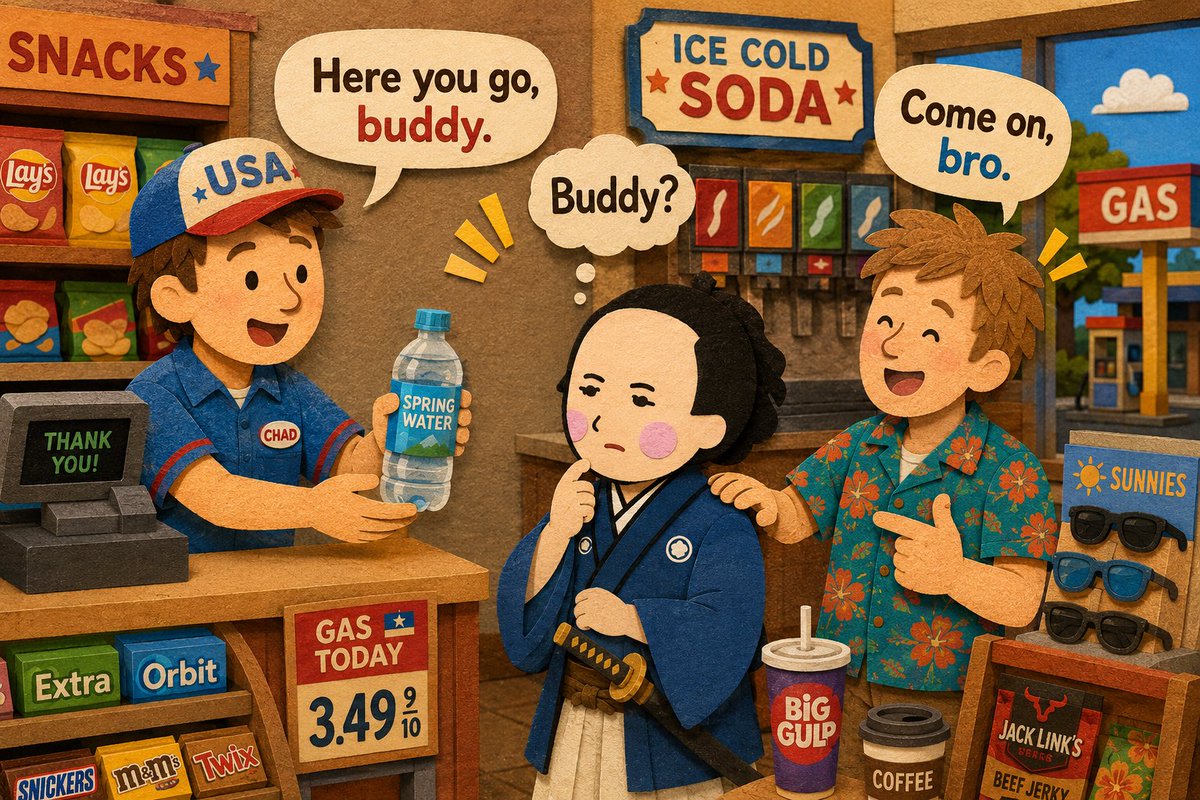
USA. A store.
I bought water.
The cashier said,
“Here you go, buddy.”
Buddy.
I froze.
Buddy is a big word.
In Japan, I need three years, two drinking parties, and one moment where we both pretend not to cry before I call someone buddy.
But this man gave it to me with a plastic bag.
No ceremony.
No contract.
No dramatic music.
Just “buddy.”
Then my friend said,
“Hurry up, bro.”
Bro?
Now I had a brother too?
I came to America with one suitcase and no siblings.
At this rate, I would leave with a family tree that looks like a Costco receipt.
I asked my friend,
“Am I legally American now?”
He said,
“No, dude.”
Dude.
Another title.
I was no longer a man.
I was Buddy-Bro-Dude, son of the Gas Station.
America does not wait for relationships to grow.
It throws friendship at you and says, “Catch.”
133
387
4,164
68,831
A controversy is unfolding in Japan around Mounjaro, influencers, and an online dieting service.
At first glance, it may look like another influencer scandal.
But the reason people are angry goes deeper than one careless comment.
The controversy started on a Japanese YouTube show called LAST CALL, where women compete for a chance to succeed in Japan’s nightlife industry.
For context, a Japanese “cabaret club” is not the same as a Western cabaret. It is a nightlife venue where female hostesses entertain male customers through conversation, drinks, charm, and appearance.
In one episode, a popular hostess and influencer known as Yuipisu reportedly told a contestant:
“You should take Mounjaro.”
That line caused backlash because Mounjaro is not a diet supplement.
It is a prescription drug.
In Japan, Mounjaro, also known as tirzepatide, is approved for type 2 diabetes. Japanese drug information describes it as a medicine to be considered when diet and exercise therapy have not been sufficiently effective as part of diabetes treatment.
The controversy grew when the show’s host, entrepreneur Yuji Mizoguchi, reportedly said he had invested in an online service connected to Mounjaro. Yuipisu was also reported to have appeared as an ambassador for that service.
That is when people started asking uncomfortable questions.
Was this medical advice?
Was it advertising?
Was it entertainment?
Or was a prescription drug being promoted inside a beauty-based competition?
That last question is why the backlash became so strong.
A young woman was being judged in a world where appearance, popularity, and success are closely tied together.
Then a diabetes drug entered the conversation as if it were a shortcut to becoming more attractive.
Even if that was not the intention, that is how it looked.
And in advertising, how something looks matters.
The message many people heard was simple:
If you want to succeed, be thinner.
If you want to be chosen, be thinner.
If you want to be valuable, be thinner.
And if you cannot do it alone, there is a drug for that.
That is why this touched a nerve.
The medicine itself is not the enemy.
For people who medically need it, drugs like Mounjaro can be important.
But when a prescription drug starts to look like beauty content, something has gone wrong.
On social media, medical decisions get flattened into slogans.
A doctor’s explanation is long.
Side effects are complicated.
Medical eligibility is complicated.
But an influencer’s message is short.
“Take this.”
“You’ll lose weight.”
“You’ll change your life.”
“You’ll become more beautiful.”
For someone who has spent years feeling ashamed of their body, that message can feel less like an ad and more like a lifeline.
That is the dangerous part.
This is not only happening in Japan.
Around the world, drugs like Ozempic, Mounjaro, Wegovy, and Zepbound have become part of a larger conversation about weight loss, celebrity culture, beauty standards, healthcare access, and social media pressure.
They are medicines.
But online, they can become symbols.
Status.
Discipline.
Beauty.
Control.
A shortcut to becoming the person society already told you to be.
And once insecurity becomes profitable, someone will always find a way to sell the cure.
First, society tells people their bodies are not good enough.
Then a business appears and says:
“We can fix that.”
That is why people who want to lose weight should not be mocked.
Many are genuinely struggling.
Some have medical reasons.
Some have been bullied.
Some have carried shame for years.
They deserve care, not sales pressure.
The real concern is not that people want to change their bodies.
The concern is the machine around them.
Influencers who can make medical products feel casual.
Businesses that profit from insecurity.
Clinics that blur the line between healthcare and beauty marketing.
Platforms that reward emotional shortcuts over careful information.
The Mounjaro scandal in Japan is not just about Yuipisu, Mizoguchi, one YouTube show, or one drug.
It is about what happens when healthcare becomes content and insecurity becomes a market.
The drug is not the villain.
The patient is not the villain.
The person who wants to lose weight is not the villain.
The problem is a society that makes people insecure, then puts a price tag on that insecurity.
The drug itself is not the scandal.
The real scandal is the world that made the drug look like salvation.
4
10
48
1,763
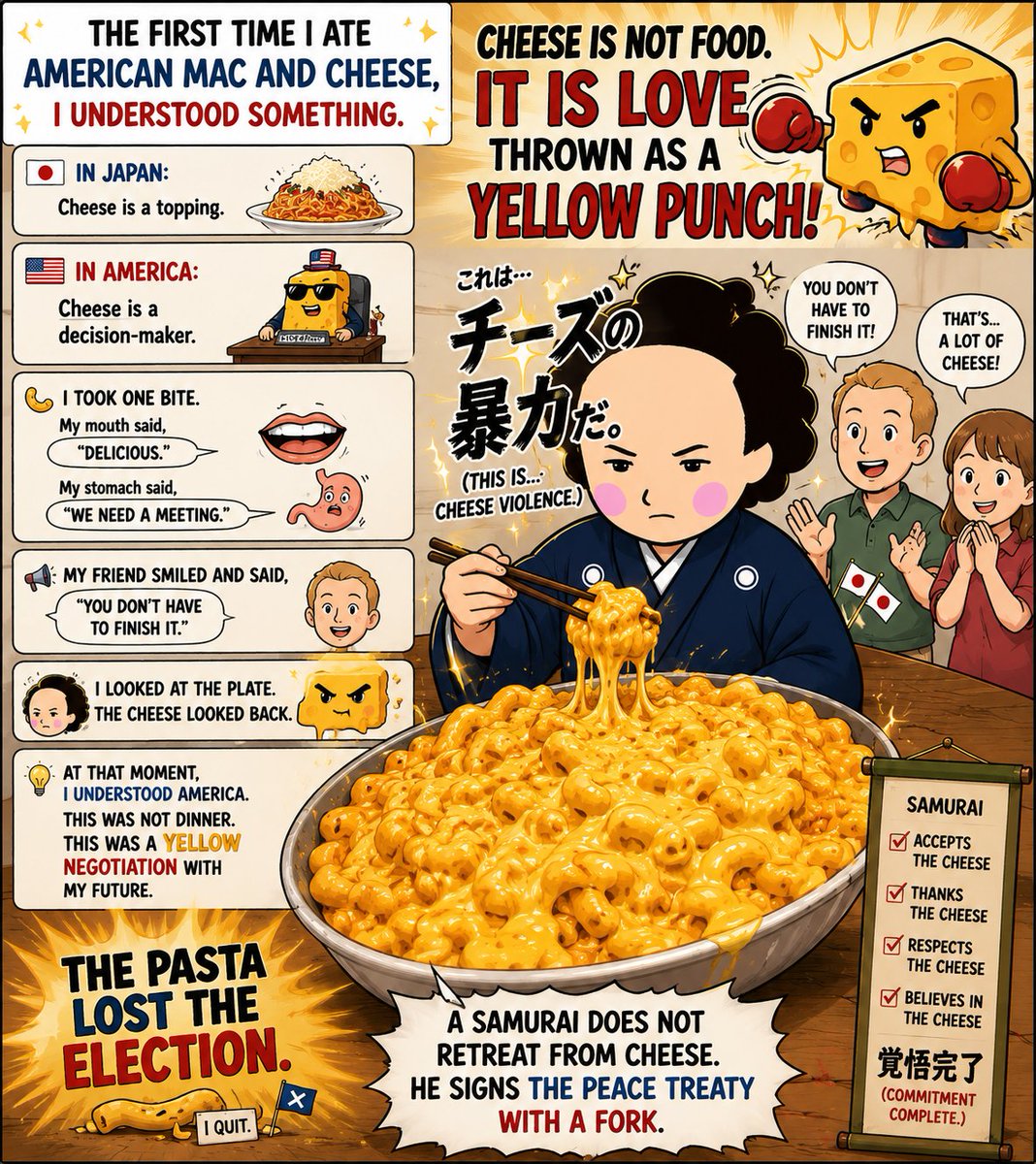
The first time I ate American mac and cheese, I made a mistake.
I thought it was pasta.
No.
It was cheese wearing pasta as a disguise.
In Japan, cheese is a topping.
In America, cheese is a decision-maker.
I took one bite.
My mouth said,
“Delicious.”
My stomach said,
“We need a meeting.”
My friend smiled and said,
“You don’t have to finish it.”
I looked at the plate.
The cheese looked back.
At that moment, I understood America.
This was not dinner.
This was a yellow negotiation with my future.
A samurai does not run from melted cheese.
He signs the peace treaty with a fork.
77
243
2,111
32,900

Jun 13
Perfect explanation.
This guy’s ramen account is absolutely top-tier.
Jun 13

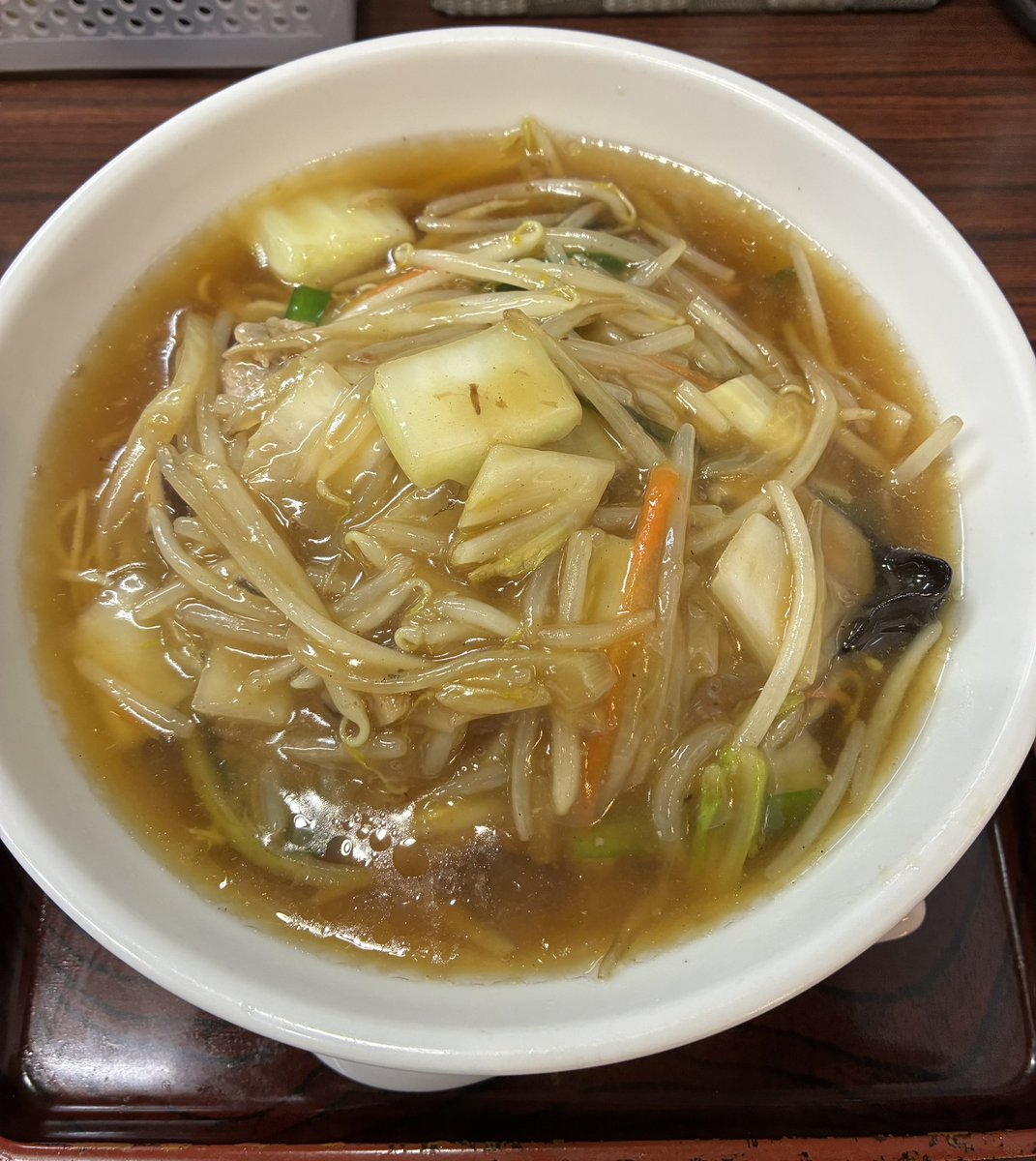
Yokohama’s ultimate comfort noodles: Sanma-men! 🍜✨
Don't worry, there's no fish (Sanma) in here! 😉
"Sanma-men" is a famous soul food from Kanagawa, featuring a piping hot, savory soy sauce broth topped with a thick, glossy gravy of stir-fried crunchy bean sprouts and vegetables.
The thick starchy sauce keeps the soup burning hot until the very last bite—perfect for a comforting meal!
3
27
1,831
Jun 13
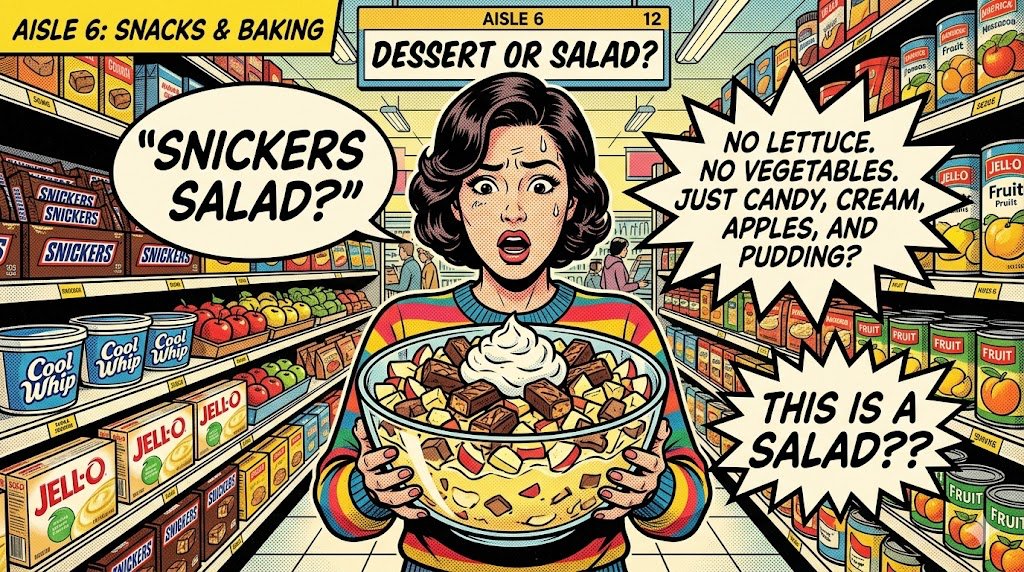
A follower told me about Snickers Salad.
I thought Americans were joking.
They were not.
Snickers bars.
Whipped cream.
Apples.
Pudding.
I looked for the salad.
Nothing.
Only dessert, smiling confidently in a bowl.
In Japan, salad tries to make you healthy.
In America, salad looks at a candy bar and says,
“You belong here too.”
That is not a recipe.
That is a nation.
60
24
214
4,396