
Political Analyst | Parliamentary Correspondent @BDliveSA | Co-host of The Bill Podcast | #TarasTake on Substack | On Air @CapeTalk | Views Are My Own.
Joined December 2024
- Tweets 788
- Following 242
- Followers 1,330
- Likes 637
102 Photos and videos








Pinned Tweet

Apr 10
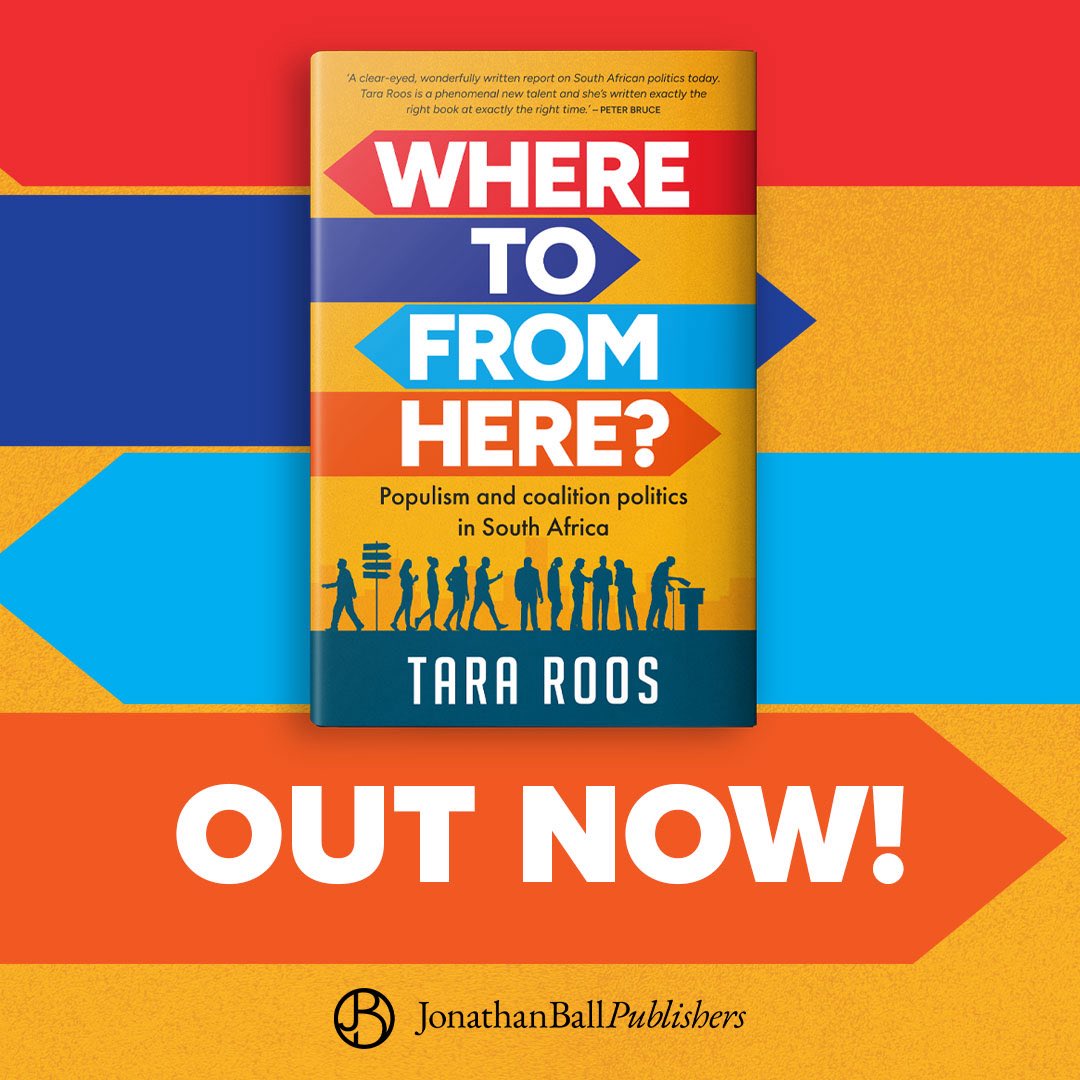
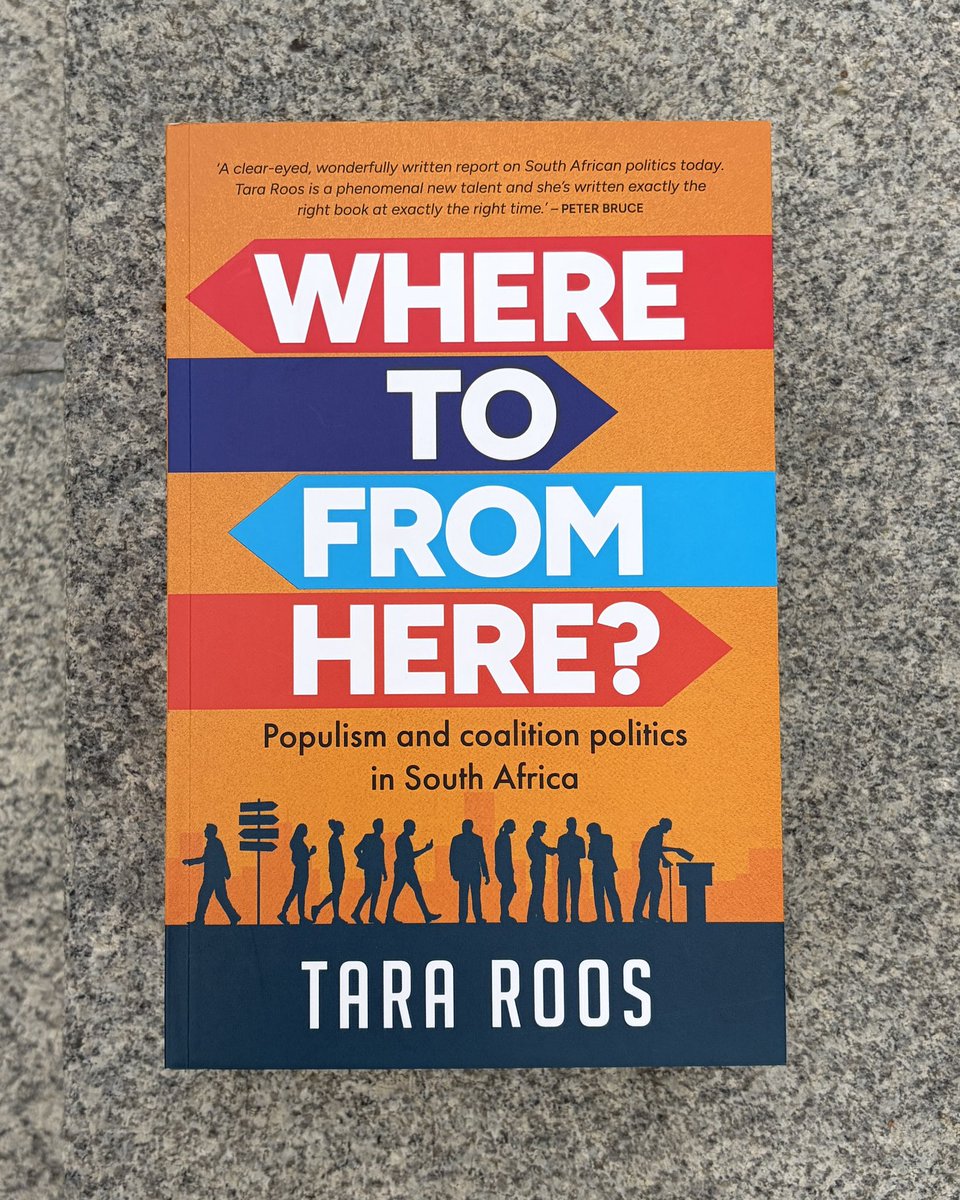
My debut book, Where To From Here, out May 1st.
15
63
218
26,431
Tara Roos retweeted

The replies to this post are proving your point Tara. I’m sorry you are going through this.
1
26
2,522
Jun 12
A few days ago, I tweeted that I think the DA will lose its majority in the City of Cape Town. That opinion has resulted in me receiving thousands of DMs containing rape and death threats from DA members/supporters.
You are welcome to disagree with my opinion. If I am wrong, I am wrong. But threatening me with sexual violence because you disagree with my view is disgusting.
In addition, I have been threatened with having my job as a journalist made “difficult”. I have been told I will not be given comment when I ask for it and that my editors will be contacted and pressured to remove me from stories.
This is a tactic many of my colleagues warned me about. I have told me to avoid talking about the DA altogether because of threats like these.
Twitter is not journalism. My journalistic integrity is measured by the articles I write, not by the opinions I share on social media. A tweet is not a news article. I did not publish a piece of reporting; I expressed an opinion.
In a country where GBV claims the lives of hundreds of women yearly and has been declared a national crisis, it is completely unacceptable that I am receiving rape threats for expressing a political opinion. This is not simply another aspect of my job. While threats and attacks against journalists are sadly common, nobody would be threatening me with rape if I were a man.
I will not be silenced because I expressed a view.
In 2023, I publicly stated that I believed the ANC would lose its majority in 2024. Many people disagreed with me, but I did not receive a single rape threat from ANC members or supporters.
I do not speak about the DA more than any other political party. Analysing political parties is literally my job as a political analyst. What disgusts me is that in a country with constitutional protections for freedom of expression, a young woman can be threatened with rape and violence simply for making a political prediction.
Disagree with me if you want. Argue with me. Tell me I am wrong. But do not threaten my safety because you dislike my opinion.
Jun 8

The DA will lose its majority in the City of Cape Town in the upcoming local government elections.
254
484
1,124
173,315
Jun 9
Nobody is suggesting that the provincial ballot is a substitute for polling, by-election results or turnout modelling. The question is whether a party receiving 55.71% of the vote less than two years before LGE tells us something about its electoral position. Of course it does.
Jun 9

So, worth saying a few things about this tweet from Tara Roos (x.com/tarathinks/status/2064…) as it is deeply problematic for political reporter to misunderstand the relationship between NPEs and LGEs in this way. It is a mistake she has made often, on multiple platforms. NPEs are not a close proxy for LGEs, they are fundamentally different. They are also not our “closest proxies” either. Those would be by-election results (trends more than percentages, with a few exceptions) and market research. Why are they not close? Well, 1. They have fundamentally different turnout levels. The 2021 LGE, for example, saw 11.7m voters vote on the PR ballot. The 2024 NPE saw 16m voters vote on the provincial ballot. That is a difference of 4.3m voters or 27%: two completely different universes. 2. Obviously, people vote for provincial governments, not local governments, on a provincial ballot – your town, city or metro is simply not on the table. 3. The voters roll itself changes, although generally not a profound influence it most definitely is one. It is true, in general terms, there is a proportional “relationship” in terms of trends between NPEs and LGEs, but to describe the one as a close proxy for the other, is like saying a motorbike is a close proxy for a bicycle. It is also just silly. No serious electoral analyst would ever say or use the two ballots in this way. It is an amateur error, that leads to all sorts of wrongheadedness. For example, Roos argues elsewhere, “Statistically speaking, right, the best data set for us to look at, is actually the 2024 national elections, on the provincial ballot, in the city of Joburg. The DA got 353,000 votes. If everyone who voted for the DA provincially in 2024, voted for the DA locally, she [Zille] would only have 24.9%”. This is called a tautology. And nonsense. What Roos is saying is, “if the provincial election was a local election, the DA would have got a provincial result.” That is a nothing observation. In order to say what I think Roos is trying to say, you need to change the turnout: If the DA gets 353,000 votes in JHB on the PR ballot in 2026, and turnout is the same as 2021, the party would then get 38.1%. That is a far more credible interpretation, but even that is of no real help, because lower turnout impacts different parties to different degrees. You can be very precise about all this, and run different turnout models (scenarios), which tell you exactly what percentage a vote total would transform into at which turnout level, it’s a complicated business (see here: inside-politics.org/2026/02/…) but really that is the best you can do. Unless you're using market research, or a nuanced and comprehensive comparative read of by-election results, it’s just pointless. It is deeply disturbing that this is the Business Day’s current parliamentary political reporter. These are profound mistakes, and the sign of someone who does not understand elections, or election data, or how to read the two things.
6
6
21
7,449
Jun 9
My point was the DA received 55.71% of the provincial ballot vote in Cape Town in 2024. That provides a useful benchmark for understanding the party’s current electoral position in the metro.
4
1
11
1,695
Jun 9
Of course LGE results will differ. Turnout will differ. The political environment will differ. Parties will perform differently. The broader point remains unchanged: the DA’s outright majority in COT is under threat.
1
1
5
1,279
Tara Roos retweeted

Jun 9
The comments here merely serve to prove Tara’s point.
2
8
1,000
Jun 9
My opinion is based on attending ratepayer association meetings (been to 32 meetings, speaking to roughly 500 residents) across the city and speaking to residents who once voted DA but now say they will not because of the property-based valuations.

When you say ‘growth of PA and ActionSA’ what data do you base that claim on? Specifically in CPT.
Does the outcomes of bi-elections (in CPT and surrounding municipalities) support that claim? Especially in instances where all 3 those parties were on the ballot.
19
16
65
8,517
Jun 9
The growth claim comes from being on the ground with these politicians and seeing the crowds they attract in traditional DA strongholds.
And yes, by-election results support this.
2
12
1,073
Jun 9
What I find so odd is that I can talk about every other party, but the moment I mention the blue party, the Smurfs have a heart attack.
Jun 9

People are allowed to have hot takes in politics 🤷♂️
21
9
62
4,406
Tara Roos retweeted

Jun 9
People are allowed to have hot takes in politics 🤷♂️
2
1
6
5,403
Tara Roos retweeted
Jun 9
The fragile DA ego meltdown in Cape Town after @tarathinks comments that they'll lose their majority is something to behold, goodness.
10
17
61
6,366
Jun 8
The DA got 55.71% of the provincial ballot vote in 2024 (the closest proxy for LGE performance). With the growth of the PA and ActionSA, combined with increasing dissatisfaction among ratepayers and residents, the DA will lose its current 58% majority in COT. Just my opinion.
Jun 8
The DA will lose its majority in the City of Cape Town in the upcoming local government elections.
62
34
116
50,222
Jun 8
The DA will lose its majority in the City of Cape Town in the upcoming local government elections.
210
133
649
214,323
Tara Roos retweeted

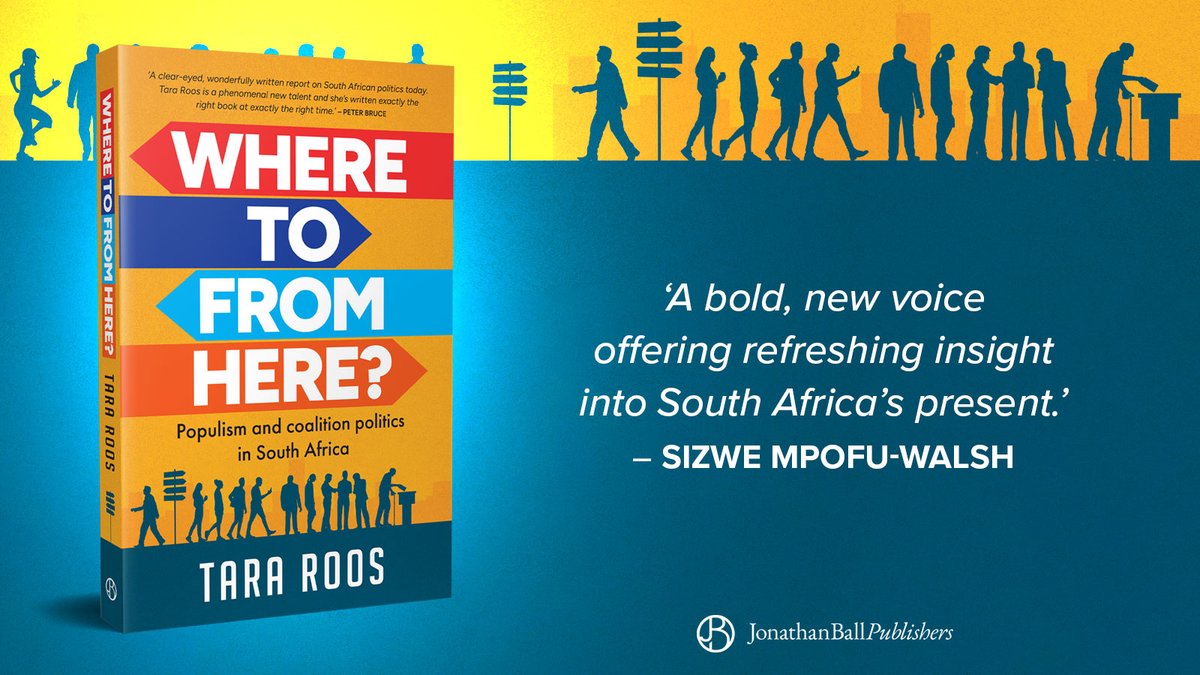
A must-read from one of the leading thinkers of the next generation.
This is an indispensable book for anyone wanting to understand the future of South African politics and the choices that will define it.
For more, follow the link: ow.ly/svsU50YKP2S
1
4
1,193
Tara Roos retweeted

Jun 5
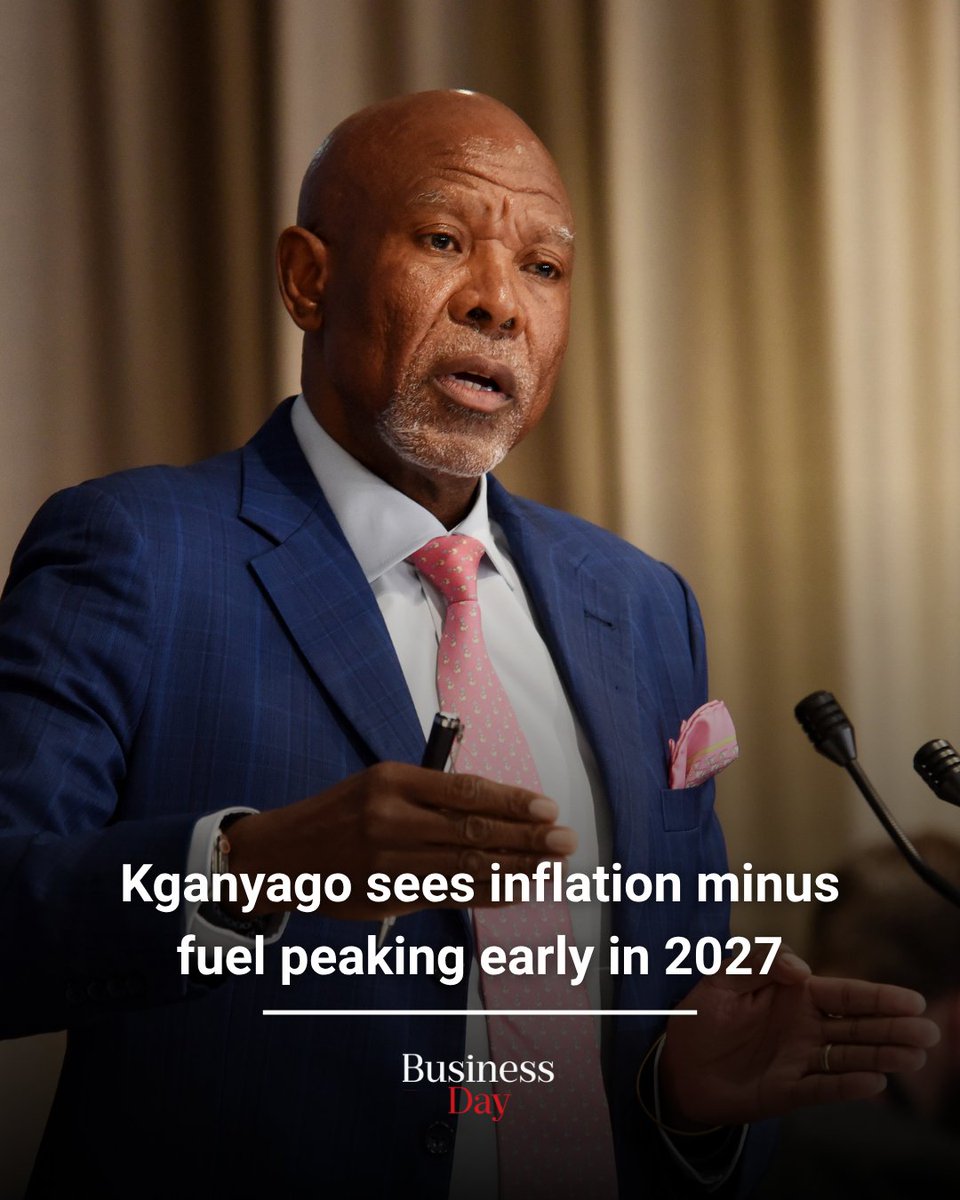
Central bank can’t control shocks, only long-term inflation, governor tells audience at inaugural Tito Mboweni Memorial Lecture.
tinyurl.com/4dznvbnk
2
1
1,169
Jun 3
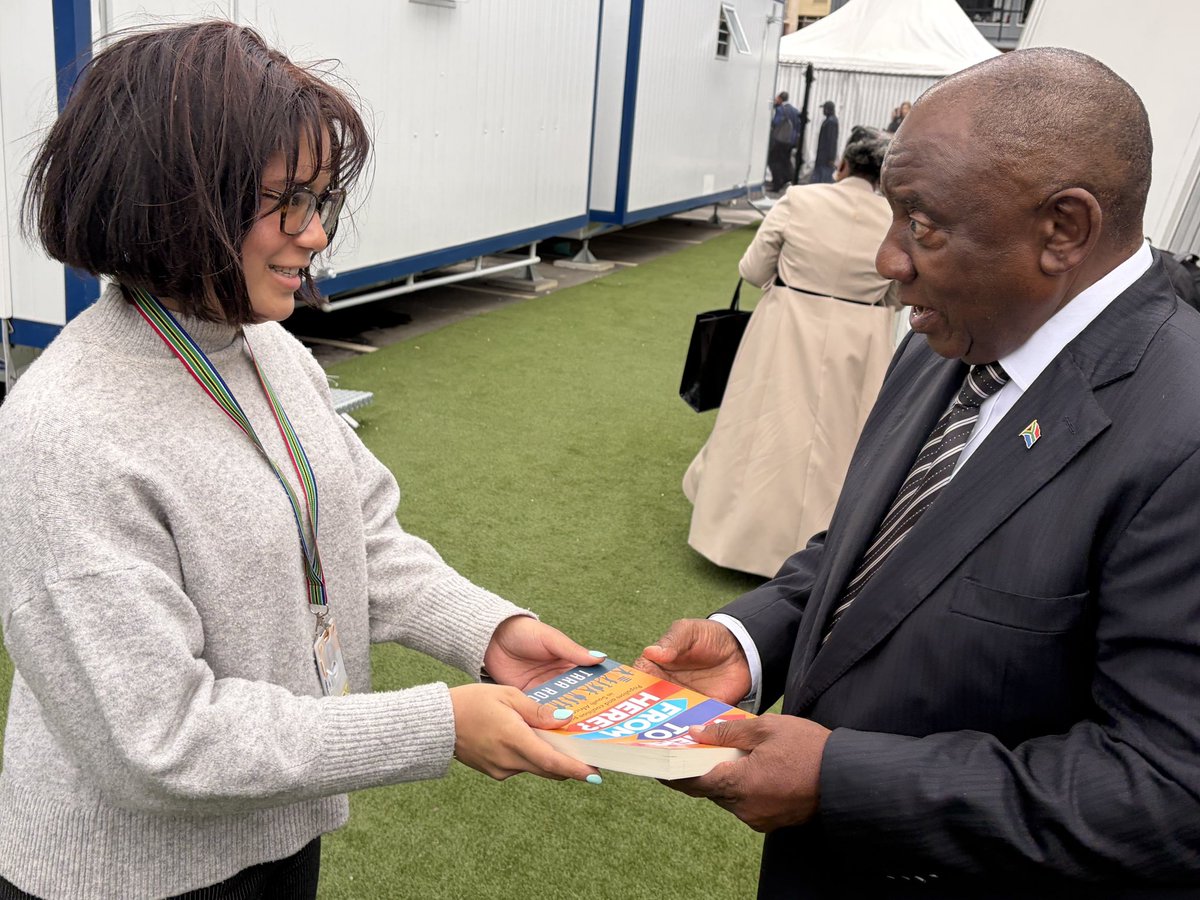
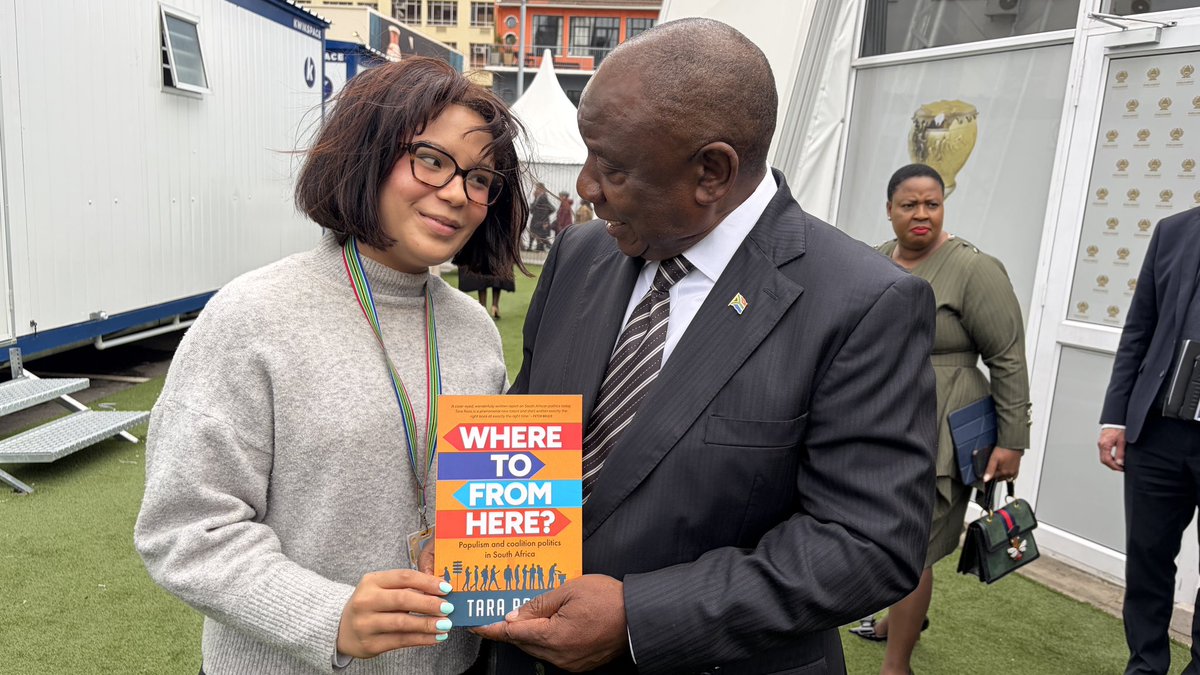
The President has his copy of Where to From Here. Make sure to get yours as well!
#WhereToFromHere
23
62
402
25,933
Jun 3
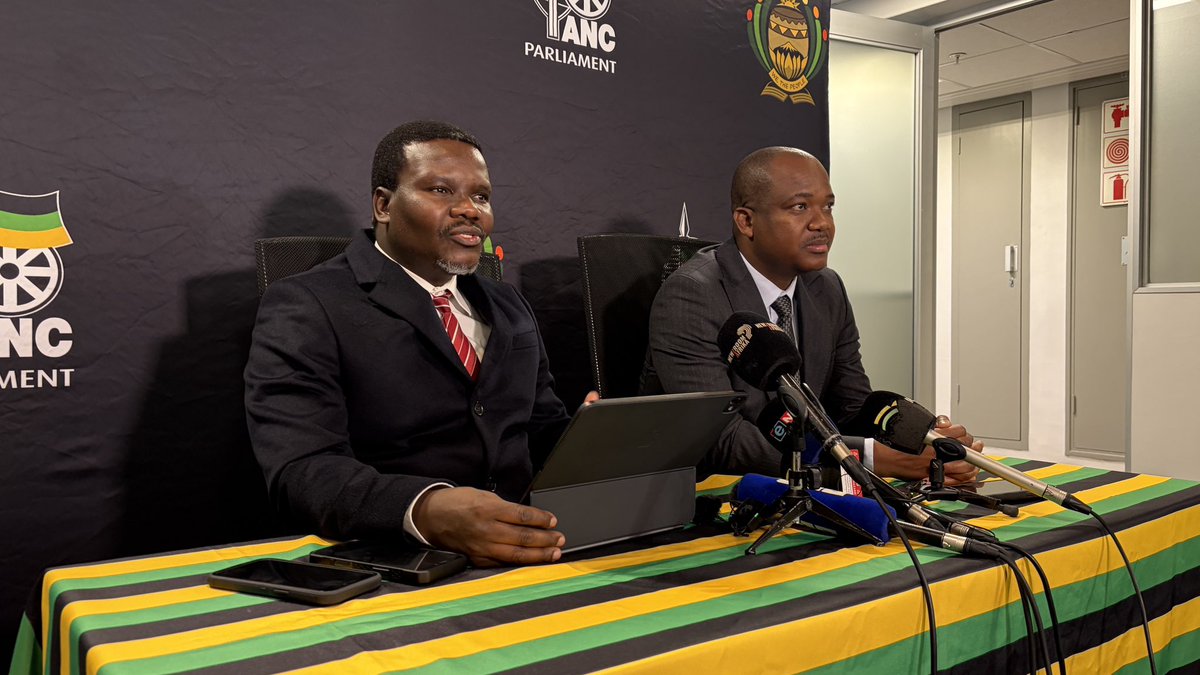
ANC chief whip Mdumiseni Ntuli has dismissed plans by the EFF and MK Party to table a motion of no confidence in President Cyril Ramaphosa, describing the two parties as an “unholy alliance” united only by their opposition to the president.
27
18
94
57,829
Jun 2
I think parties should be more transparent about the cost of running a campaign. There would be less fuss over donations if there were greater transparency. I also do not think we should chastise parties for declaring donations while others act as if they run on hopes and dreams.
5
11
33
3,859
Jun 2
Thank you, @dailymaverick for including my book, Where to From Here, on this must-read list!
dailymaverick.co.za/article/…
1
15
1,014