
The most practical screencasts for developers
Joined July 2009
- Tweets 1,065
- Following 100
- Followers 19,110
- Likes 1,558
44 Photos and videos
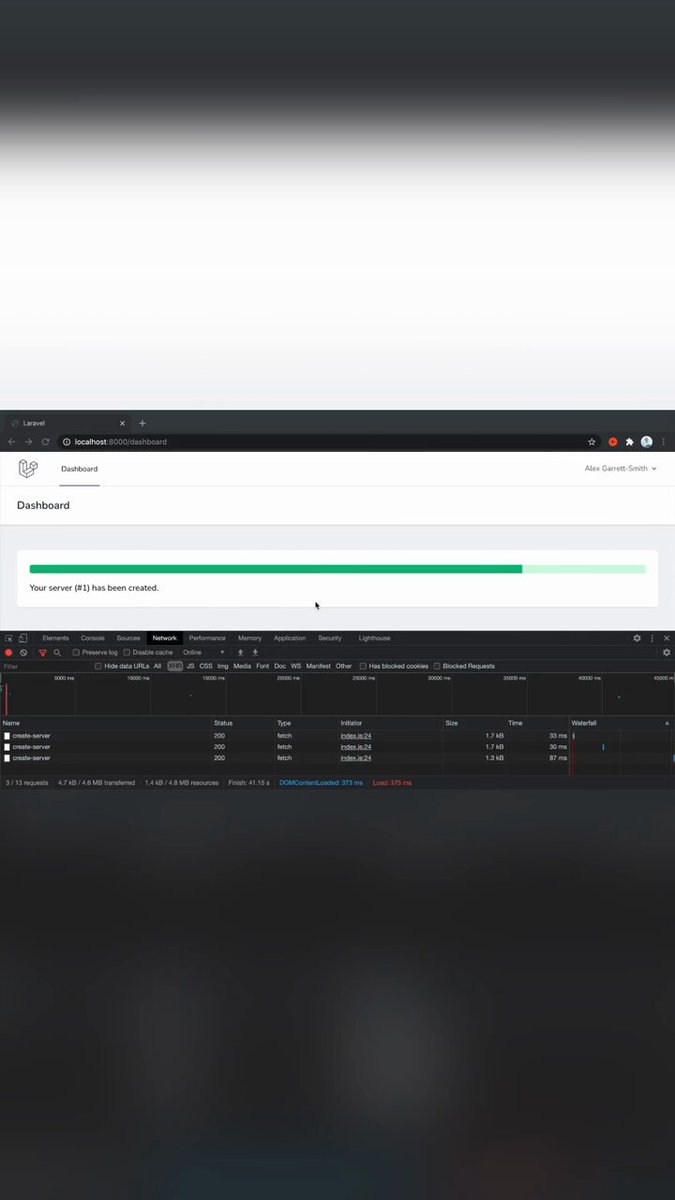
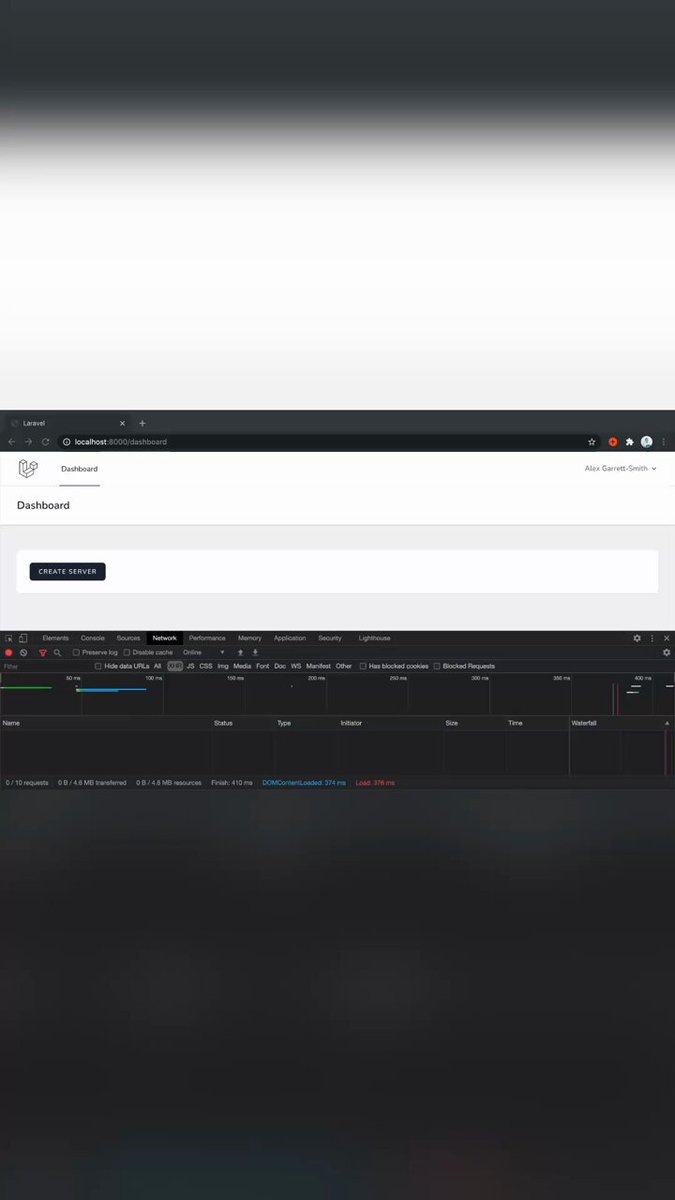
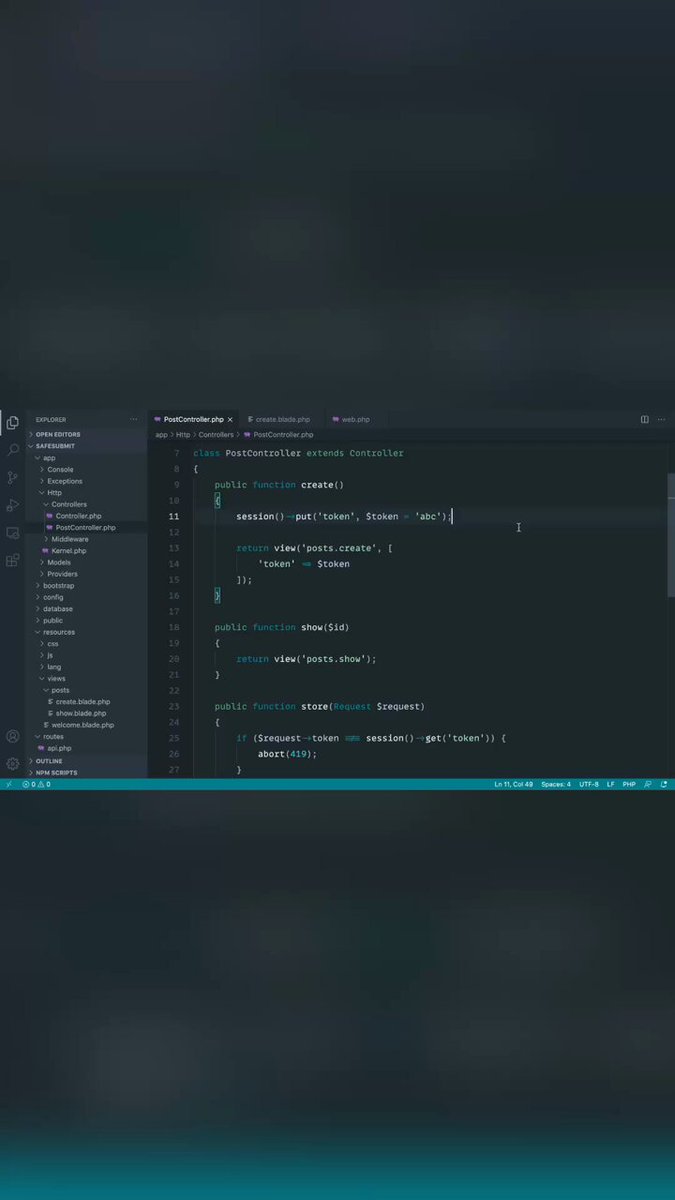
Distinguishing between a user-canceled batch and a failed batch matters. Same cancelled() state, different intent. failedJobs === 0 is how you tell them apart and route cleanup correctly.
160
If you're working in Laravel for the first time, this is worth watching. No assumed knowledge, just practical implementation. codecourse.com/courses/getti…
2
315

Jun 13
A lot of the "vibe coding" discourse skips over what happens when async processes need to be stopped cleanly. That's an architecture problem.
1
297
Jun 12
Canceling a batch in Laravel is one line. Making sure your jobs actually respect that cancellation is the real work.
1
389
Jun 12
This week: canceling a running batch, skipping jobs with middleware, and using the finally callback to tell the difference between cancellation and failure. Episode is up. youtu.be/6aHEJSviWt4
184
Jun 12
How are you handling cleanup when a batch gets canceled mid-run? Curious whether people are leaning on the finally callback, model events, or something else entirely.
278
Jun 11
SkipIfBatchCancelled middleware on each job is the cleaner path. One line per job, no conditional logic scattered through your business code.
2
236
Jun 11
You can check $this->batch()->cancelled() inside a job and return early. It works. But doing that in every job is the kind of repetition that middleware exists to eliminate.
279
Jun 10
Everyone's talking about background AI agents running autonomous tasks. The boring infrastructure problem: what happens when you need to stop one mid-run. Laravel's batch cancellation is a good place to start thinking about this.
199
Jun 10
Bus::findBatch($id) is how you get a handle on a running batch. Worth putting a helper method on your model so you're not scattering that lookup across your codebase.
178
Jun 9
If you're learning Laravel, here's a new episode in the Getting Started with Laravel course. codecourse.com/courses/getti…
What course topic do you want to see next?
1
5
242
Jun 9
New Youtube Video! we're looking at something that comes up the moment you start building anything with job batches in Laravel — what happens when you need to stop mid-run. The episode drops Friday. youtu.be/6aHEJSviWt4
162
Jun 9
The pattern here is simple: interface defines the contract, job implements it, trait reads from it at dispatch, database stores it. Each layer does one thing.
171
Jun 8
At what point does a jobs table become a lightweight audit log? If you're storing state, title, description, and failure reasons — that's getting close. Where do you draw the line?
1
297
Jun 8
On failure, update the current task row with a description pulled from the exception. The infrastructure for this is already there once you have title and description in place — it's just one more column.
180
Jun 7
Job metadata isn't just for display. A failed_reason column on server_tasks lets you capture exception data at failure time and surface it later — without digging through logs.
2
288
Jun 7
Once your job titles are dynamic and stored at dispatch time, reloading the page is trivial. Iterate over server_tasks, output title — done. No front-end mapping, no hardcoded copy.
2
350
Jun 6
Set the server as protected in the constructor. You'll need it for the actual job logic anyway, so you're not adding the parameter purely for metadata — it's doing double duty.
402
Jun 6
This week was about attaching metadata to Laravel jobs so your UI doesn't need to hardcode anything. Title, description, dynamic values from the model — all stored at dispatch time. Full episode: youtu.be/9rrz4MhmXGY
1
253
Jun 5
This week: storing metadata on queued jobs, enforcing a title/description interface, and making job labels dynamic from the model. The full episode is on YouTube: youtu.be/9rrz4MhmXGY
175