Tebtebba is a global indigenous peoples’ organization working for the respect, protection and fulfillment of indigenous peoples' rights and development.
Joined September 2011
- Tweets 3,446
- Following 2,210
- Followers 3,935
- Likes 652
1,448 Photos and videos


#Elatia at SB 64
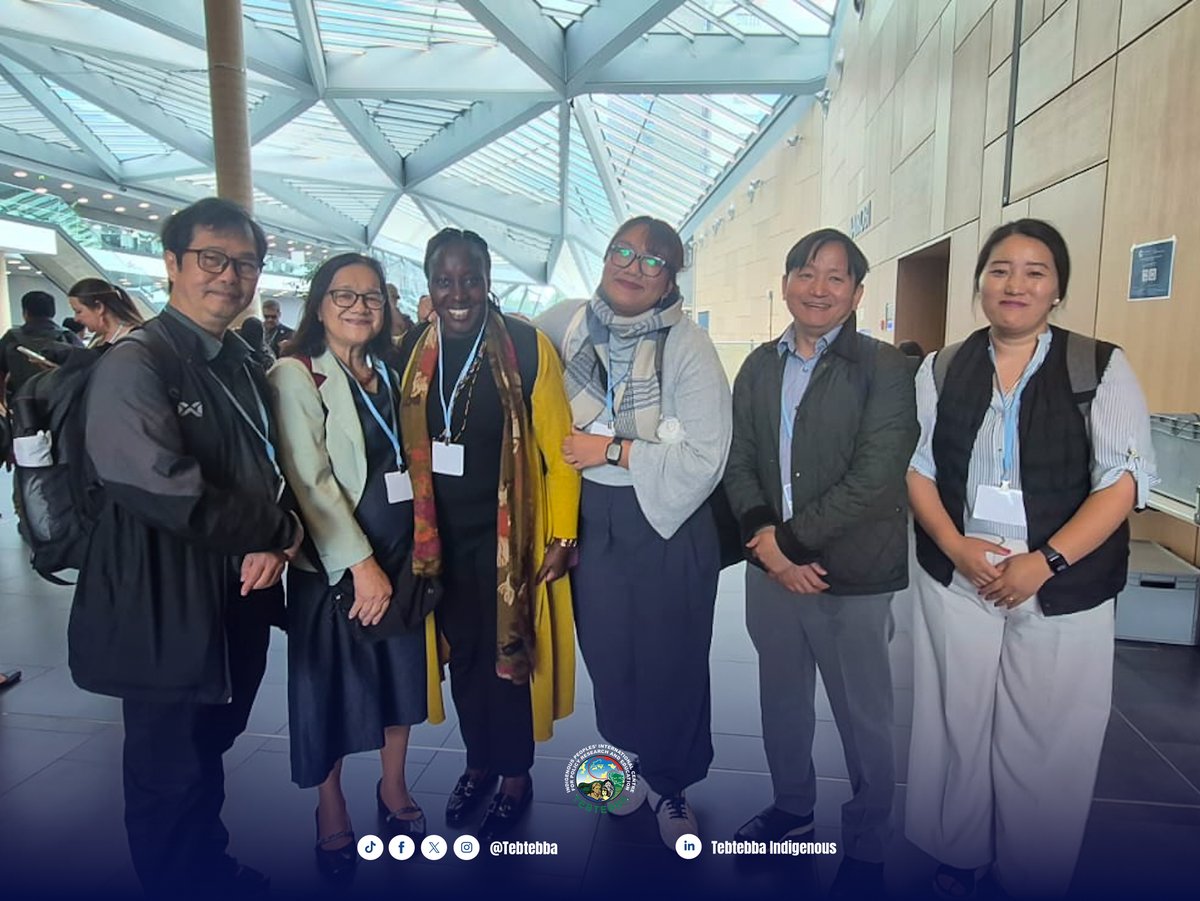
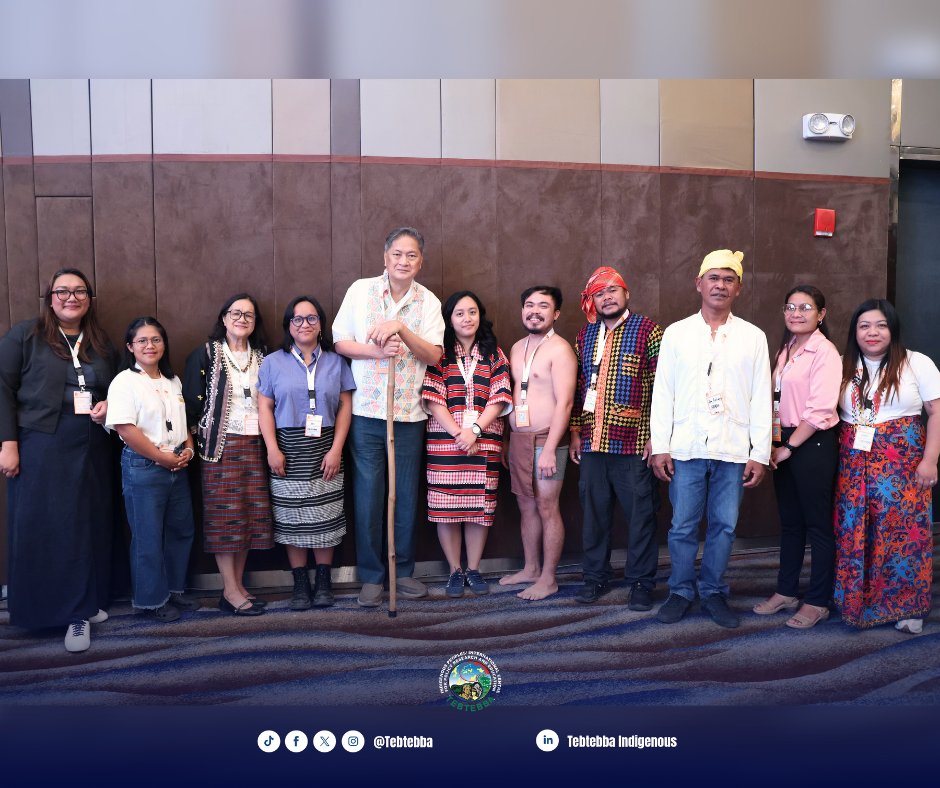
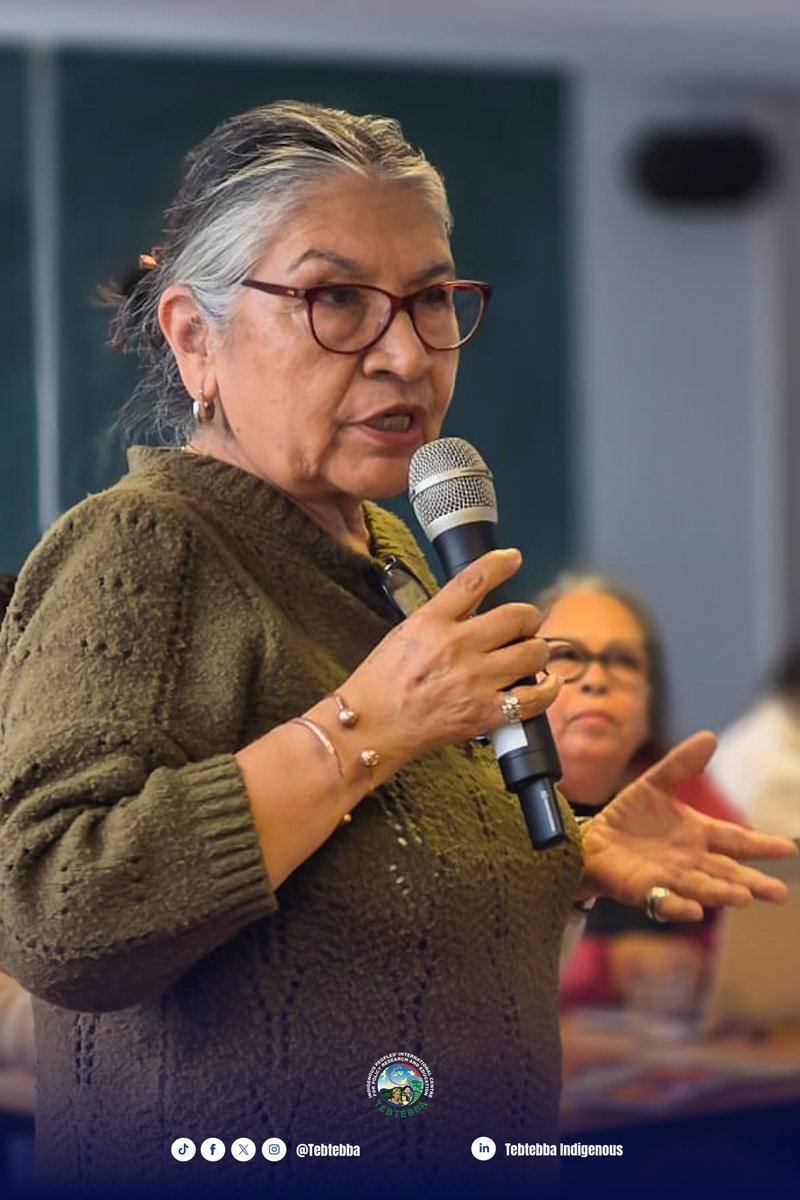
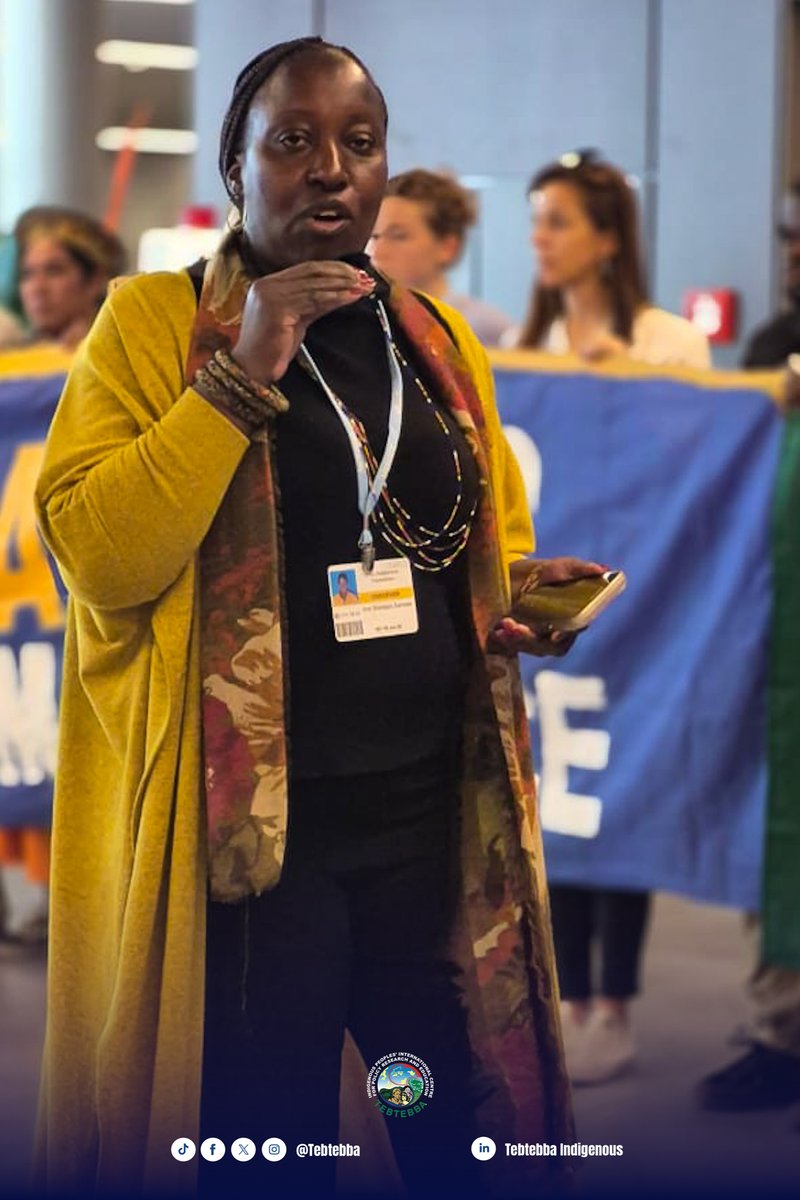
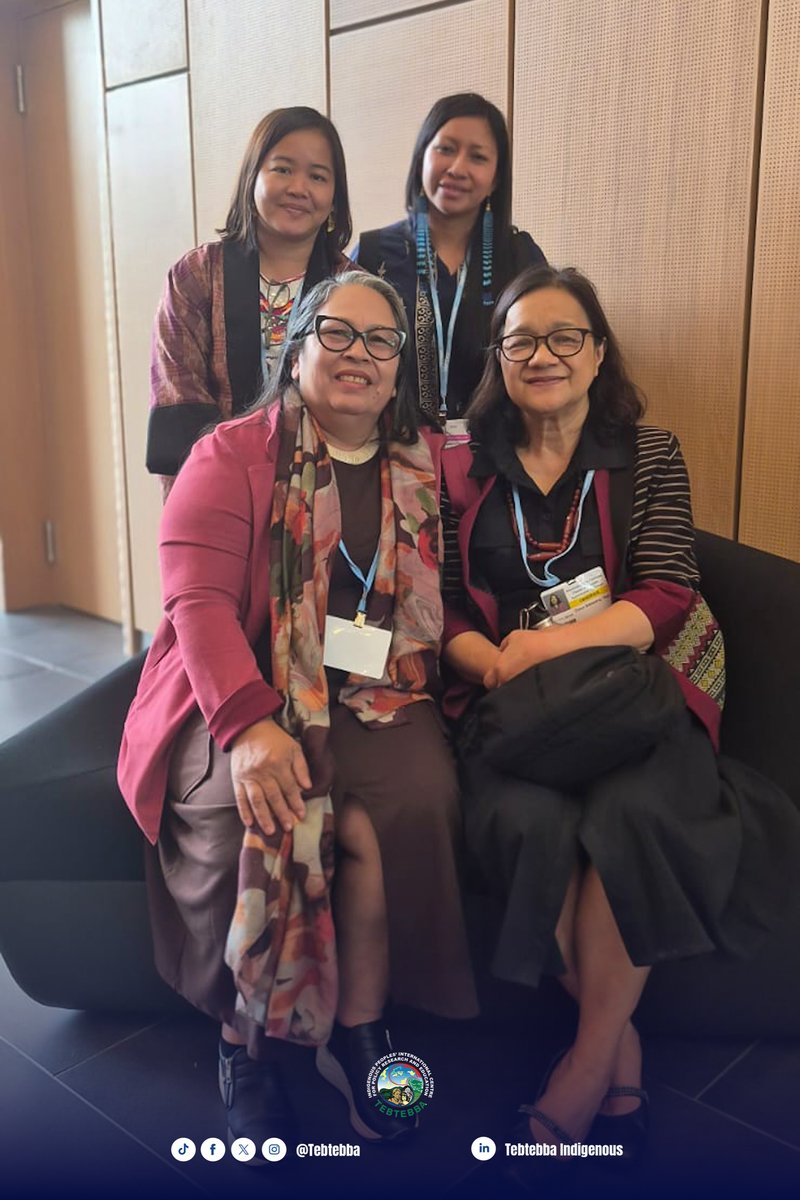
Elatia partners from Centro de Culturas Indígenas el Perú (CHIRAPAQ), Centro para la Autonomía y Desarrollo de los Pueblos Indígenas (Cadpi Nicaragua), Conselho Indigena de Roraima (CIR), Mainyoito Pastoralist Integrated Development Organization (MPIDO) and Tebtebba are currently following negotiations in the ongoing United Nations Framework Convention on Climate Change (UNFCCC) Bonn Climate conference through the Indigenous Peoples' caucus.
The meeting, which started with the Facilitative Working Group session of the Local Communities and #IndigenousPeoples Platform (LCIPP) on June 2, will run until June 18. The Subsidiary Bodies (SB)—the Subsidiary Body for Implementation (SBI) and the Subsidiary Body for Scientific and Technological Advice (SBSTA)—are annual sessions held in Bonn, Germany, where governments and observers discuss, negotiate, and make decisions on climate change. SB 64 refers to the 64th sessions of both SBI and SBSTA, which will feed into the upcoming COP 31 in Antalya, Türkiye later this year.
#WeAreIndigenous
60
World Oceans Day | 8 June 2026
Reimagine: Beyond the World We Know, A New Relationship With Our Ocean
Indigenous Peoples have always been close to nature—forests, mountains, and oceans. They have long served as stewards and guardians of these ecosystems, contributing to the overall health of Mother Earth, not merely as beneficiaries.
For Indigenous communities, oceans, seas, and rivers are not distant bodies of water; they interact together. These waters provide shelter, livelihood, and social and cultural spaces.
In the Philippines, like many other Indigenous coastal communities, the Tagbanua Indigenous Peoples demonstrate through their knowledge systems how ancestral governance and management sustain marine ecosystems.
This #WorldOceansDay, let us strengthen and reimagine our relationship with the oceans. Let us protect them. Let us be their guardians.
#WeAreIndigenous
31
World Environment Day I June 5, 2026
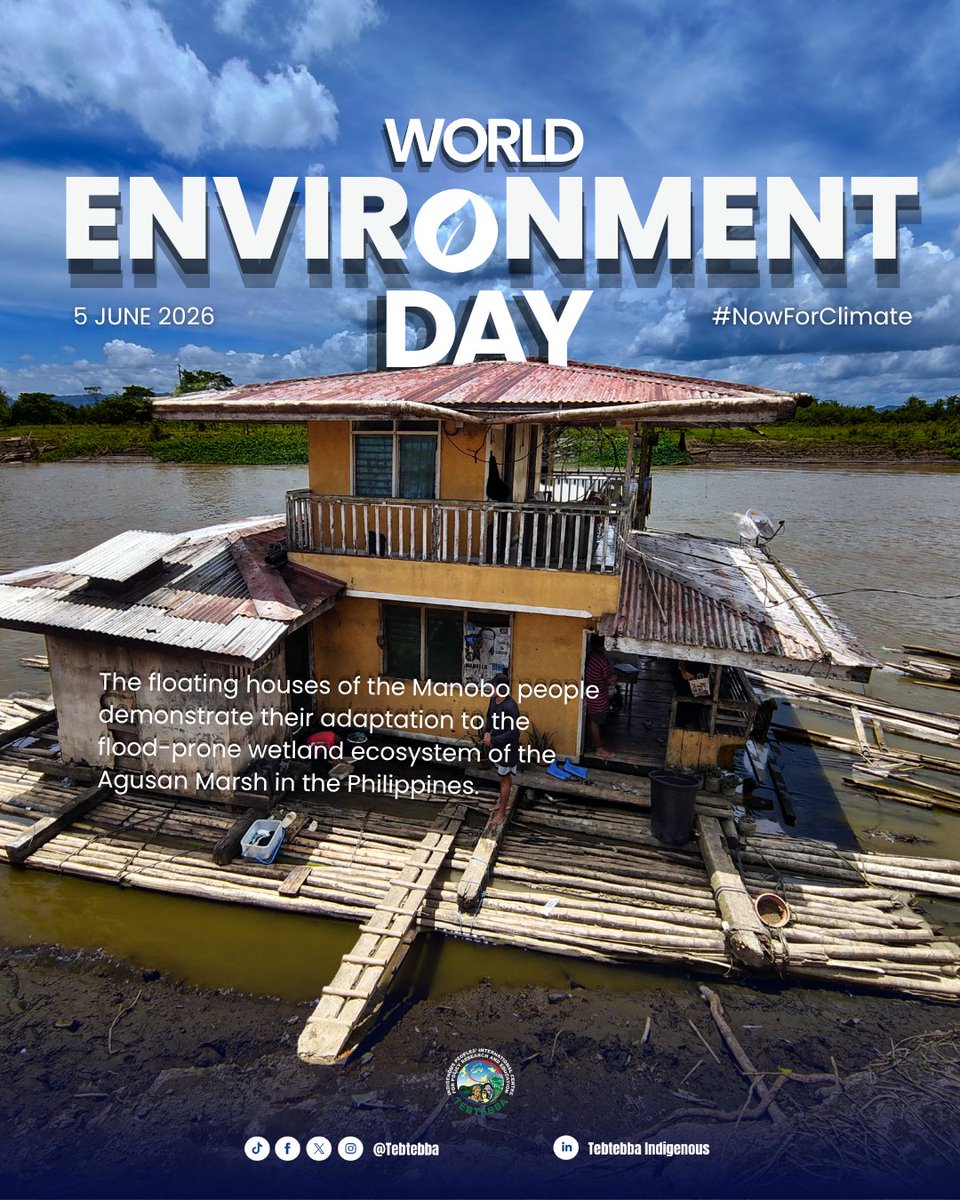
#IndigenousPeoples are demonstrating how Indigenous knowledge, customary governance, and collective action contribute to addressing climate impacts and strengthening community resilience. In the #Philippines, for example, the Teduray and Lambangian have Tulak healing rituals and community-led disaster response, the Manobo have traditional flood adaptation practices, the Balangao have ecological knowledge and the Tagbanua exercise stewardship of forests and almaciga trees within their ancestral lands.
Developed through generations of experience and continuous adaptation to changing environments, #Indigenousknowledge remains relevant to present and future climate challenges. #Climatejustice begins with recognizing and supporting Indigenous Peoples' rights, leadership, knowledge systems, and self-determined solutions.
This #WorldEnvironmentDay, let us recognize and support Indigenous Peoples’ local climate actions and environmental stewardship. Let us also acknowledge that while some practices help combat climate change and its intensifying effects, others are being undermined by a crisis they did not create or contribute to.
#WeAreIndigenous #NowForClimate
1
1
28
International Day for Biological Diversity
"Acting local for global impact"
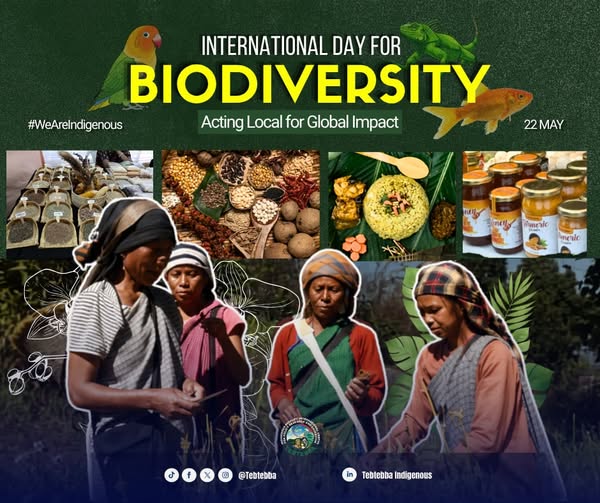
On this #InternationalDayforBiologicalDiversity, we celebrate the power of local action in shaping global impact. #IndigenousPeoples continue to stand at the forefront of biodiversity conservation as stewards of forests, waters, seeds, traditional crops, and knowledge systems that sustain life and ecosystems for generations.
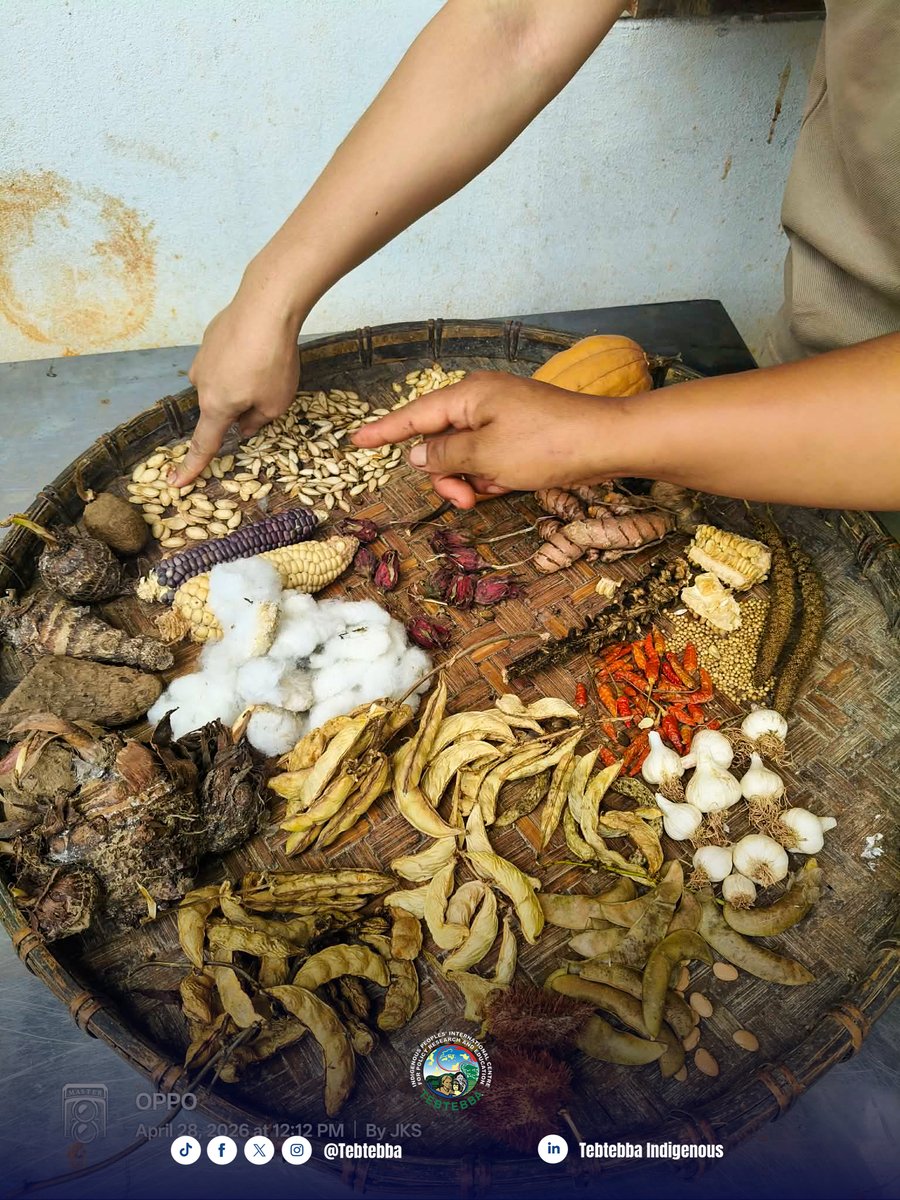
Outcomes from Indigenous Peoples Assistance Facility (#IPAF) Cycle 6 projects in Asia show how Indigenous Peoples’ initiatives strengthen biodiversity through the promotion of traditional crops and wild edibles, conservation of local #agrobiodiversity, and institutionalized community conservation practices. These efforts not only protect ecosystems but also strengthen seasonal food availability, dietary diversity, food sovereignty, and nutritional well-being for healthy and resilient communities.
As we mark this day, we recognize that supporting Indigenous-led initiatives based on #Indigenousknowledge, systems and practices such as seed banks and traditional food systems are essential for #BiodiversityConservation and sustainable use for the global vision of living in harmony with nature.
#WeAreIndigenous #LocalAction #communityledaction #KMGBFImplementation #foodsovereignty #SeedBanks
45
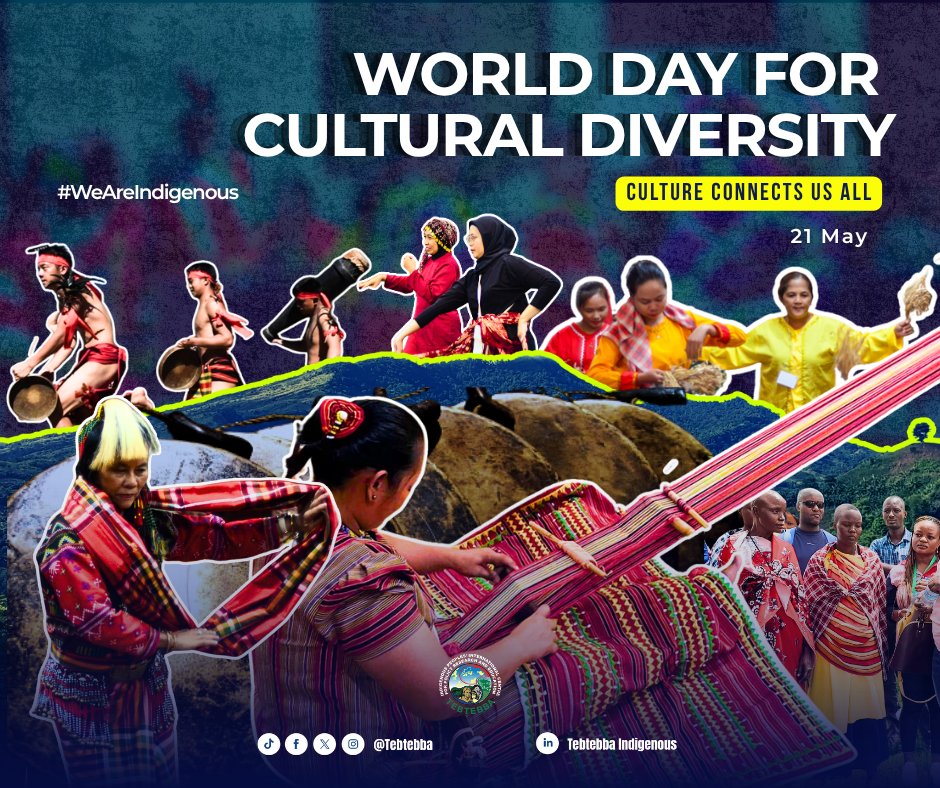
𝗪𝗼𝗿𝗹𝗱 𝗗𝗮𝘆 𝗳𝗼𝗿 𝗖𝘂𝗹𝘁𝘂𝗿𝗮𝗹 𝗗𝗶𝘃𝗲𝗿𝘀𝗶𝘁𝘆 𝗳𝗼𝗿 𝗗𝗶𝗮𝗹𝗼𝗴𝘂𝗲 𝗮𝗻𝗱 𝗗𝗲𝘃𝗲𝗹𝗼𝗽𝗺𝗲𝗻𝘁
“Culture connects us all”
Protecting and promoting cultural diversity—as one of the foundations of peoples’ identities—is inseparable from respect for human dignity and human rights. Cultural heritage includes knowledge systems and practices, objects, cultural sites, linguistic diversity, and spiritual beliefs and practices, all of which embody the richness of humanity.
For #Indigenous Peoples, culture is both an identity and a living expression of language, traditions, and knowledge systems. These practices affirm the importance of safeguarding their lands, territories, and resources. Cultural diversity is a vital pillar for successful intercultural dialogue, fostering peace, inclusion, and sustainable development. One of our initiatives in strengthening it is through training programs for partners, learning exchanges that bring Indigenous Peoples together from around the world, and opportunities to share practices and learn from each other. These efforts build solidarity, amplify Indigenous voices, and ensure that cultural diversity continues to thrive across generations.
On this day, we participate in the celebration by calling for recognition of Indigenous Peoples and their cultures, the promotion of Indigenous Knowledge Systems and Practices, and the upholding of cultural diversity as a pathway to peace and sustainable development.
#WeAreIndigenous #Culture #IndigenousPeoples #CulturalDiversity
1
32
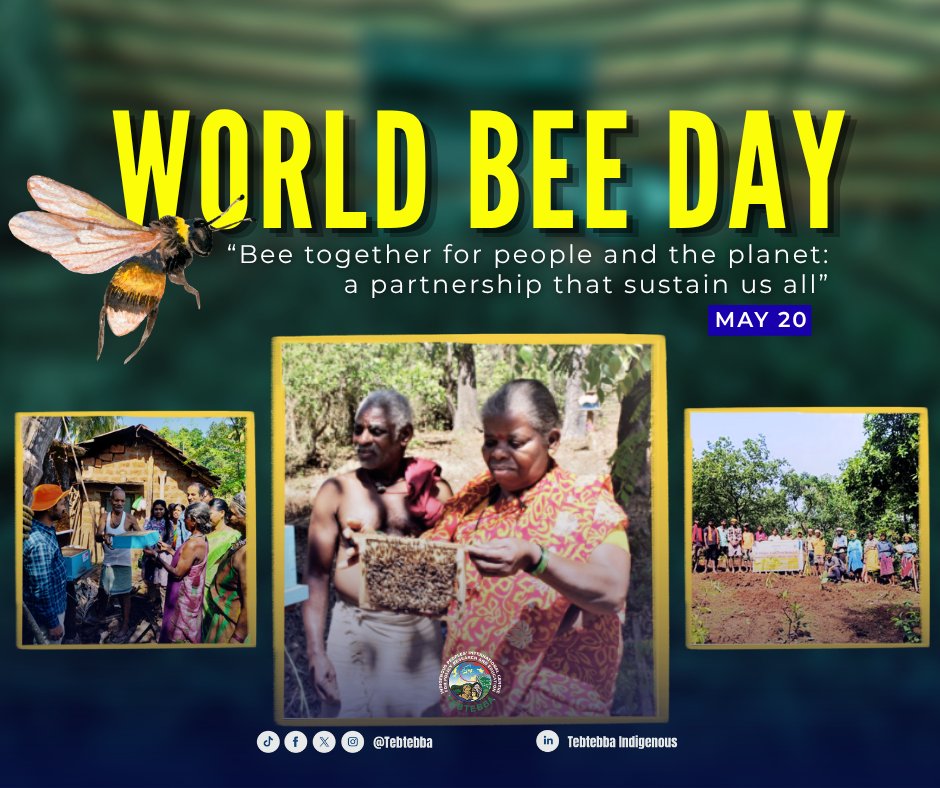
Of Bees, Indigenous Peoples and the Planet : A Partnership that Sustains Us All
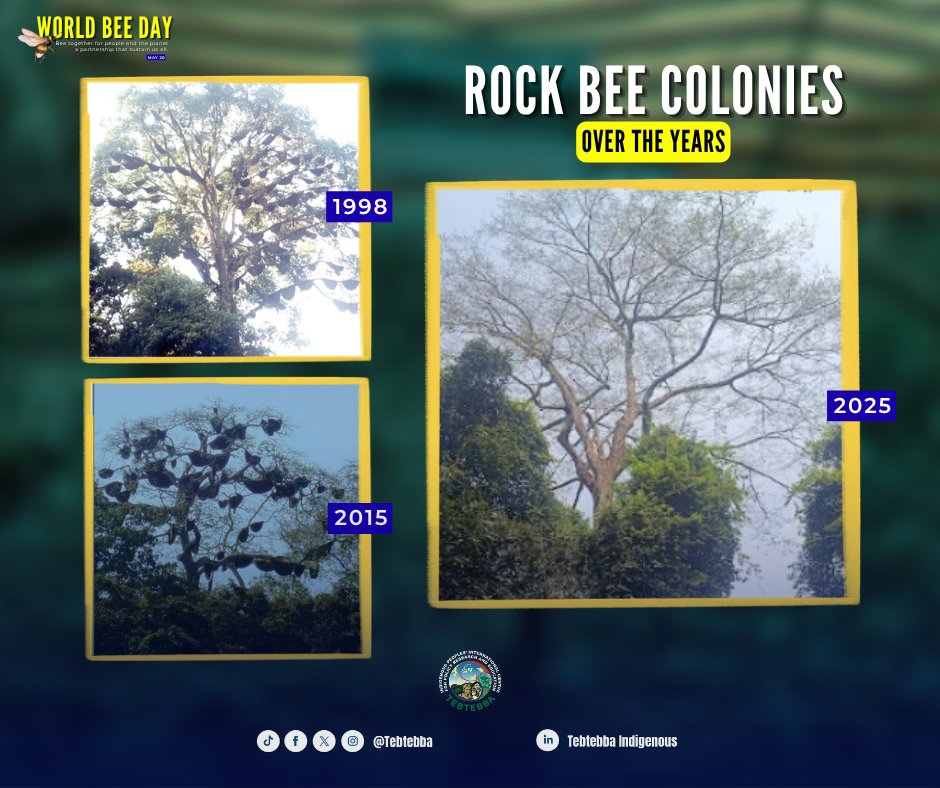
#IndigenousPeoples have long lived in harmony with Mother Nature, including bees – not only for honey with its many uses but as vital partners in sustaining a healthy planet that ensures abundant harvest. Innovating on #traditionalknowledge, Indigenous Peoples are advancing Indigenous food systems and traditional occupations.
One initiative by the Siddi and Khare Vokkaliga communities, in partnership with the Snehakunja Trust (SKT), is the adaption of pro-pollination to build resilience in the ecologically fragile Western Ghats. Nurseries and floral gardens were established to enhance native trees and species of valuable non-timber forest products (NTFPs) such as medicinal plants, spices, fruits, food, gums and resins, and aromatics as vital pollen and nectar sources for pollinators. These have not only strengthened pollination services but more importantly, has resulted in increased agricultural production and additional income for the communities.
In Meghalaya, the Khasi and Karbi communities, through North East Slow Food and Agrobiodiversity Society (NESFAS), have been introducing school children to the significance of bees through interactive discussions, storytelling, and opportunities to observe local beekeeping practices. These activities help children understand the role of bees in agricultural systems and their contribution to diverse and nutritious food supplies.
Agrobiodiversity walks were also conducted to showcase local plants, crops, and habitats that support pollinators. During these walks, participants explored how bees interact with native flora and observed plant species essential for both food production and pollination. This was followed by visits to community forests, where children helped collect young tree saplings from denser forest areas. These native, pollinator-friendly saplings were intended for transplanting in identified ecological restoration sites, supporting habitat recovery and the long-term sustainability of pollinator populations.
These initiatives, supported by the Indigenous Peoples’ Assistance Facility (IPAF), demonstrate the vital role of Indigenous Peoples in sustaining biodiversity and climate-resilient ecosystems while responding to the immediate economic, health, and well-being needs of both people and planet.
Today, we call on everyone to protect pollinators and their habitats. Ensuring sustainable futures entails refraining from further disrupting the ecological balance and transforming development pathways.
Photo Credits: Snehakunja Trust (SKT)
#WeAreIndigenous #BiodiversityConservation #IndigenousKnowledge #WorldBeeDay2026
1
34
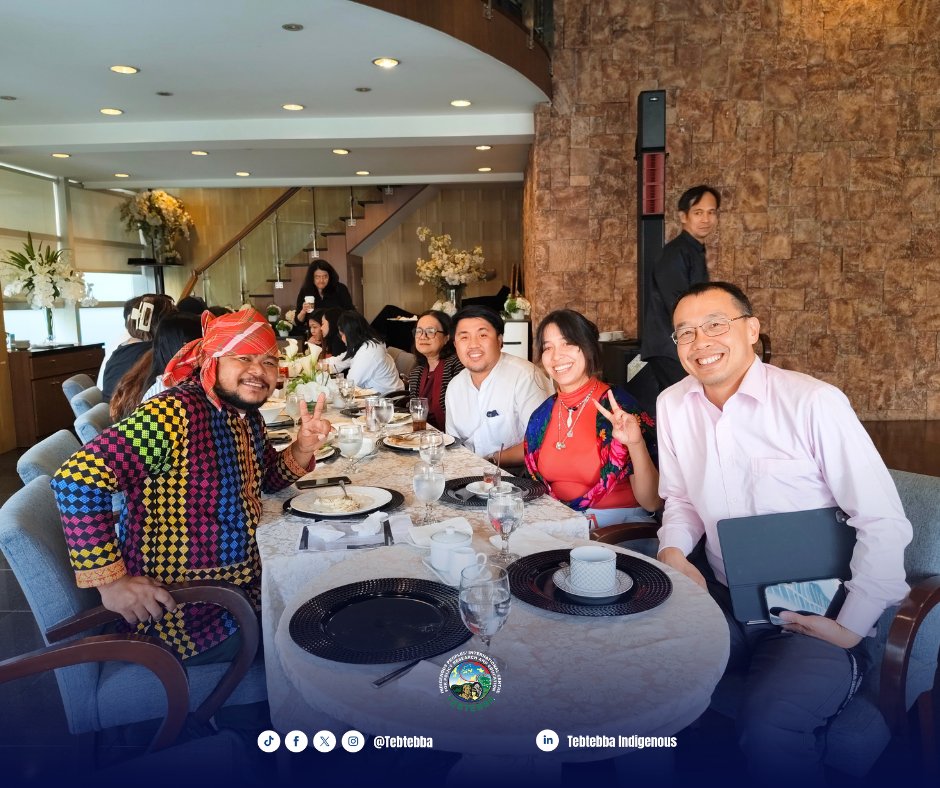
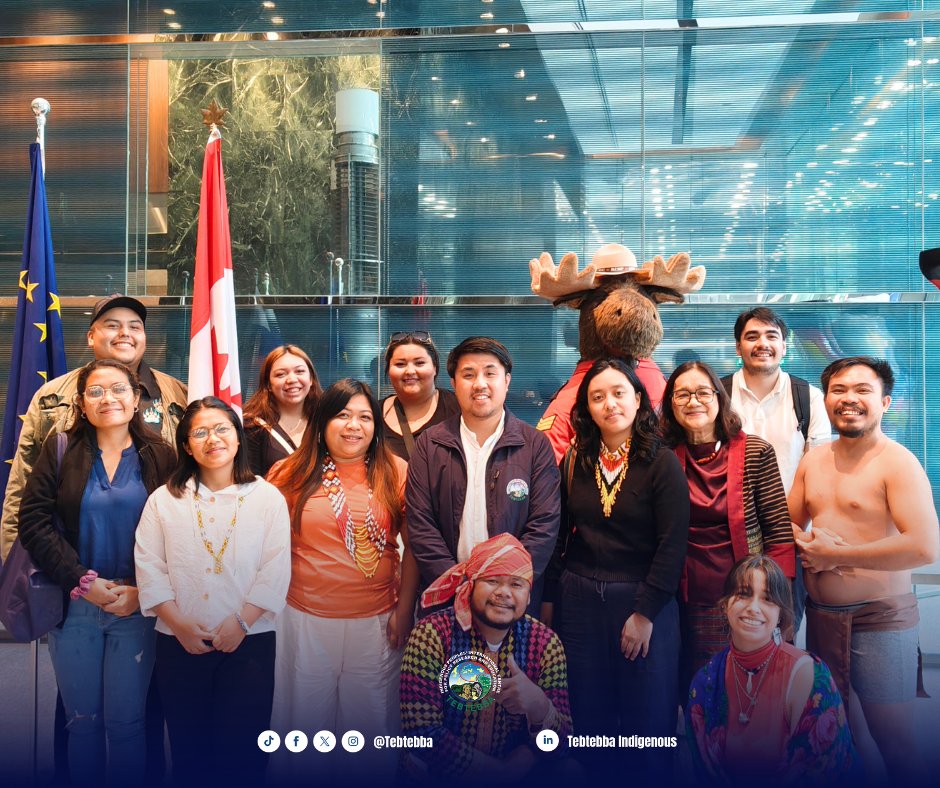
LOOK | Tebtebba and UPAKAT Delegation Learning Exchange and Dialogue
Indigenous youth representatives from First Nations in Canada met with the delegation of Tebtebba Foundation, Inc. and Ugnayang Pambansa para sa Katutubong Kaalaman at Talino, Inc. (UPAKAT), Inc. – a national network of Indigenous communities in the Philippines advocating for the rights of Indigenous Peoples and the revitalization of Indigenous knowledge systems and practices – at the Canadian Embassy for a meaningful learning exchange and dialogue.
The session provided an opportunity for the Indigenous youth representatives to learn about Tebtebba’s work at the local, national, and international levels, as well as UPAKAT’s initiatives and practices in grassroots communities.
In turn, the Tebtebba and UPAKAT delegation gained valuable insights from the experiences and advancements of First Nations in Indigenous Peoples’ governance and socio-economic development.
#WeAreIndigenous
18
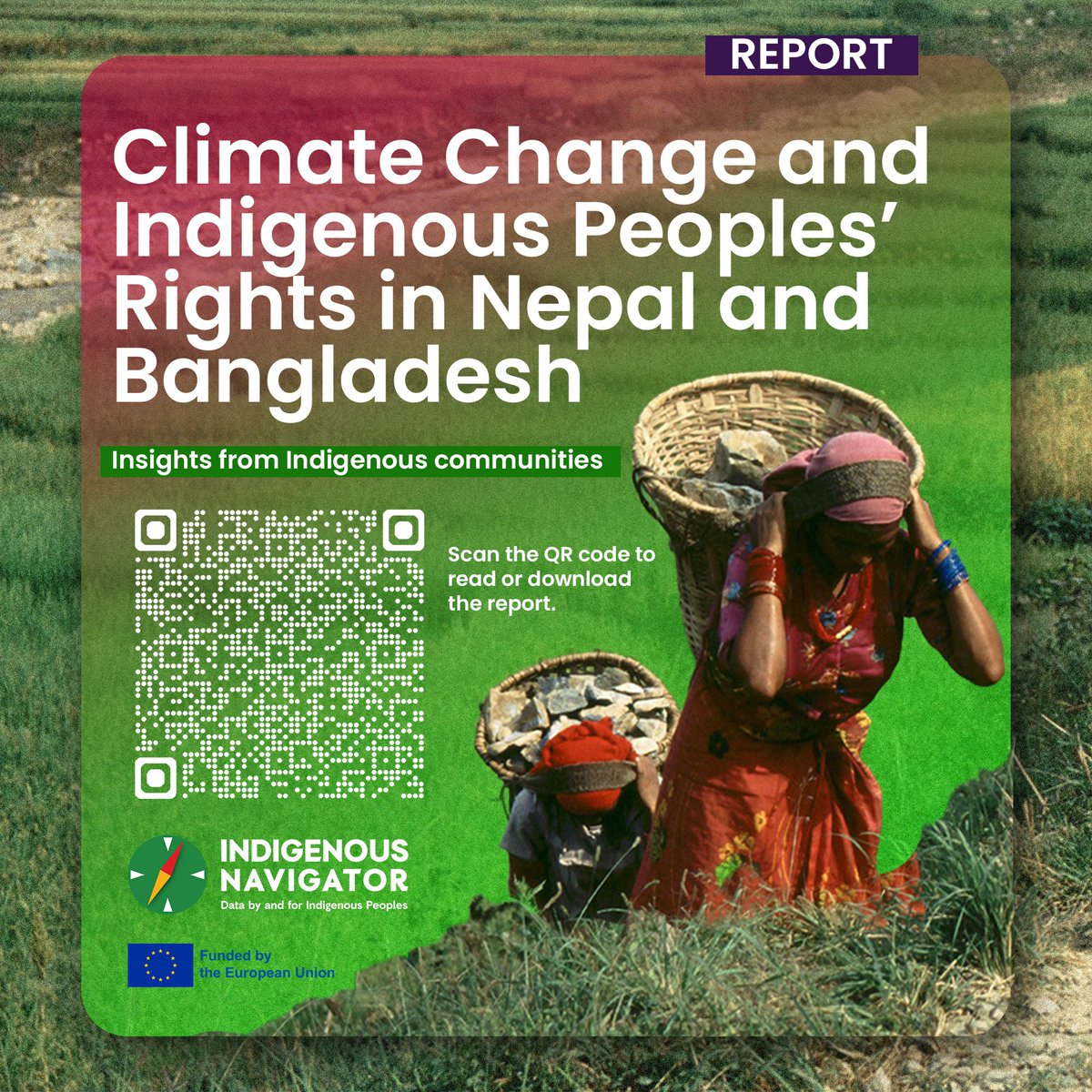
#Read | Indigenous Peoples face the worst impacts of climate change, yet their voices are often left out of national climate plans. This report uses data gathered directly by the Gurung community in Nepal and the Munda community in Bangladesh to show how the climate crisis threatens their lands, livelihoods, and cultural survival. By highlighting critical gaps in current policies, the report shows why Indigenous knowledge and leadership are essential for real climate action.
Scan the QR code below to read or download the full report, or click the link here: indigenousnavigator.org/publ…
#WeAreIndigenous #IndigenousData
34
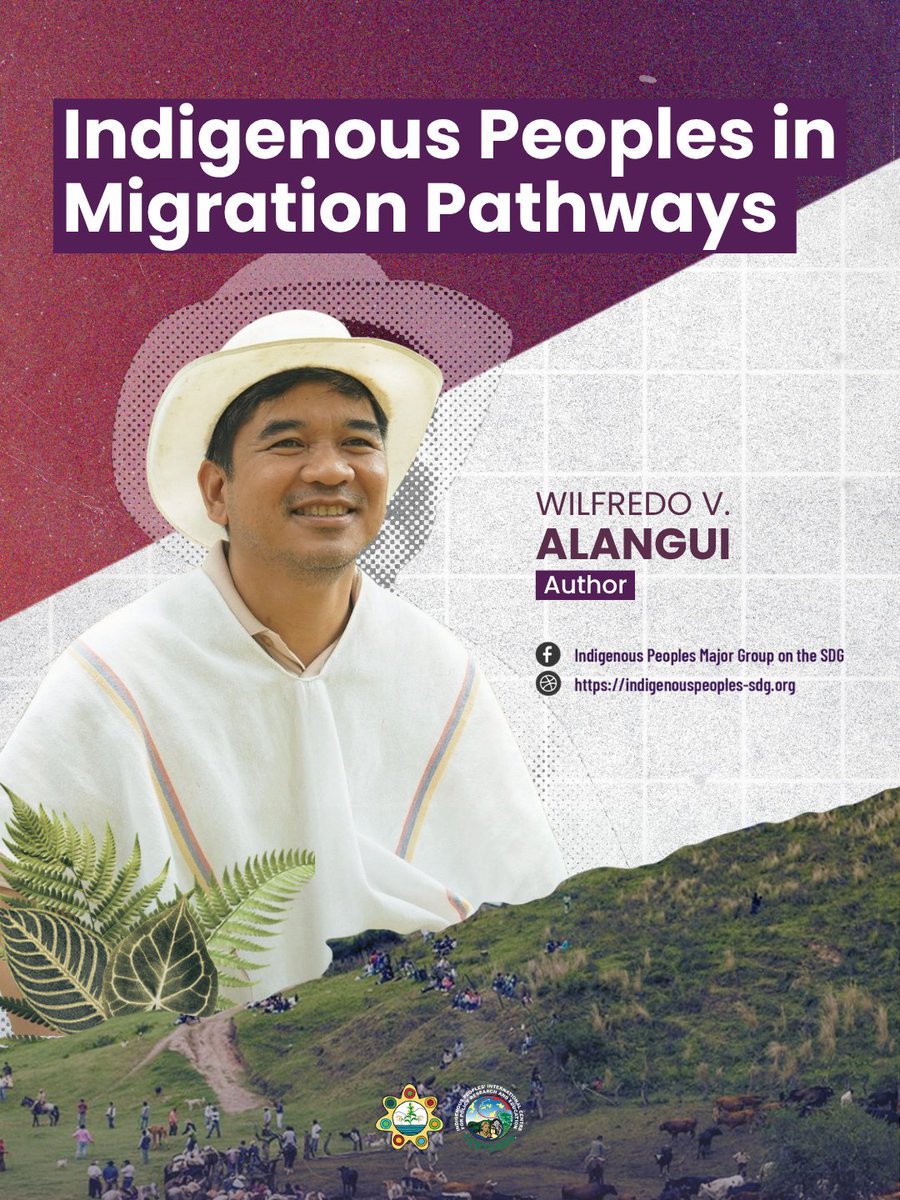
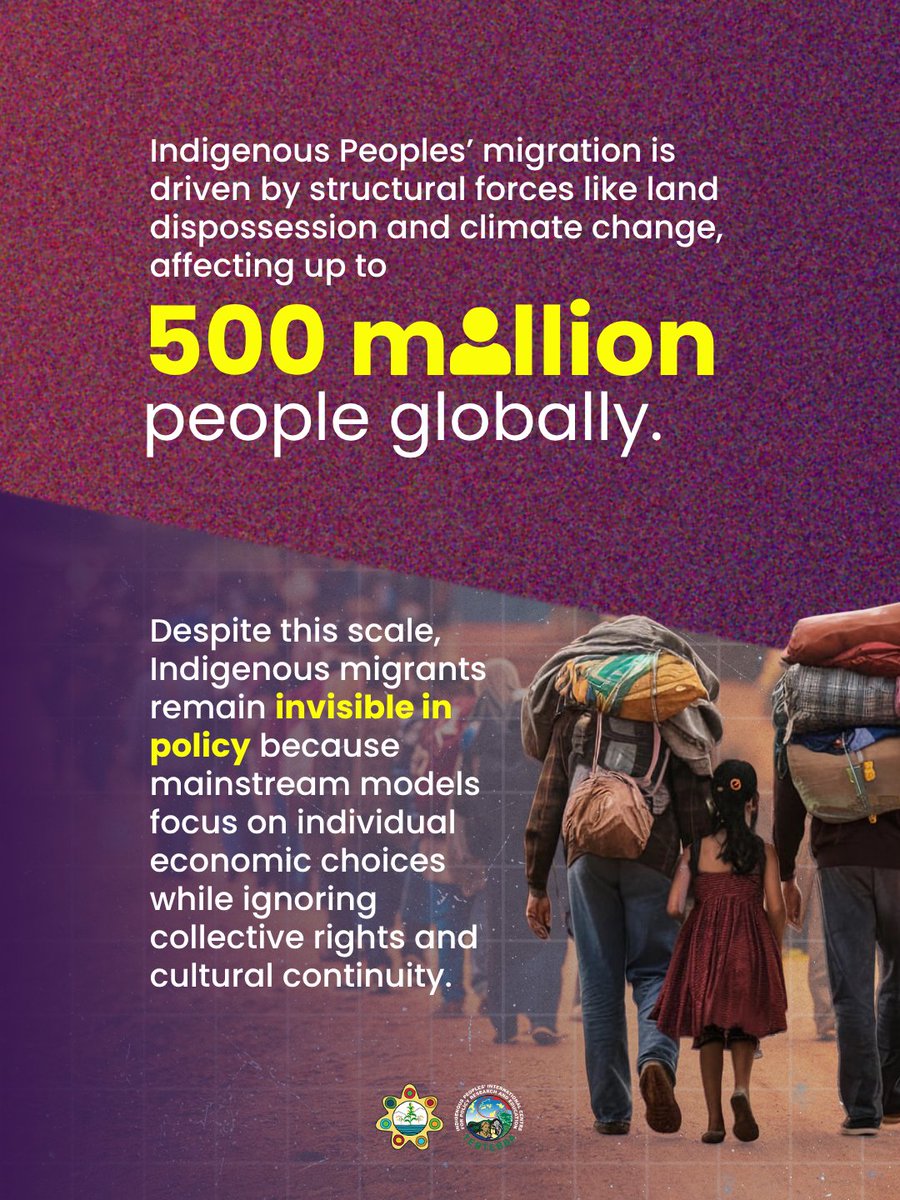
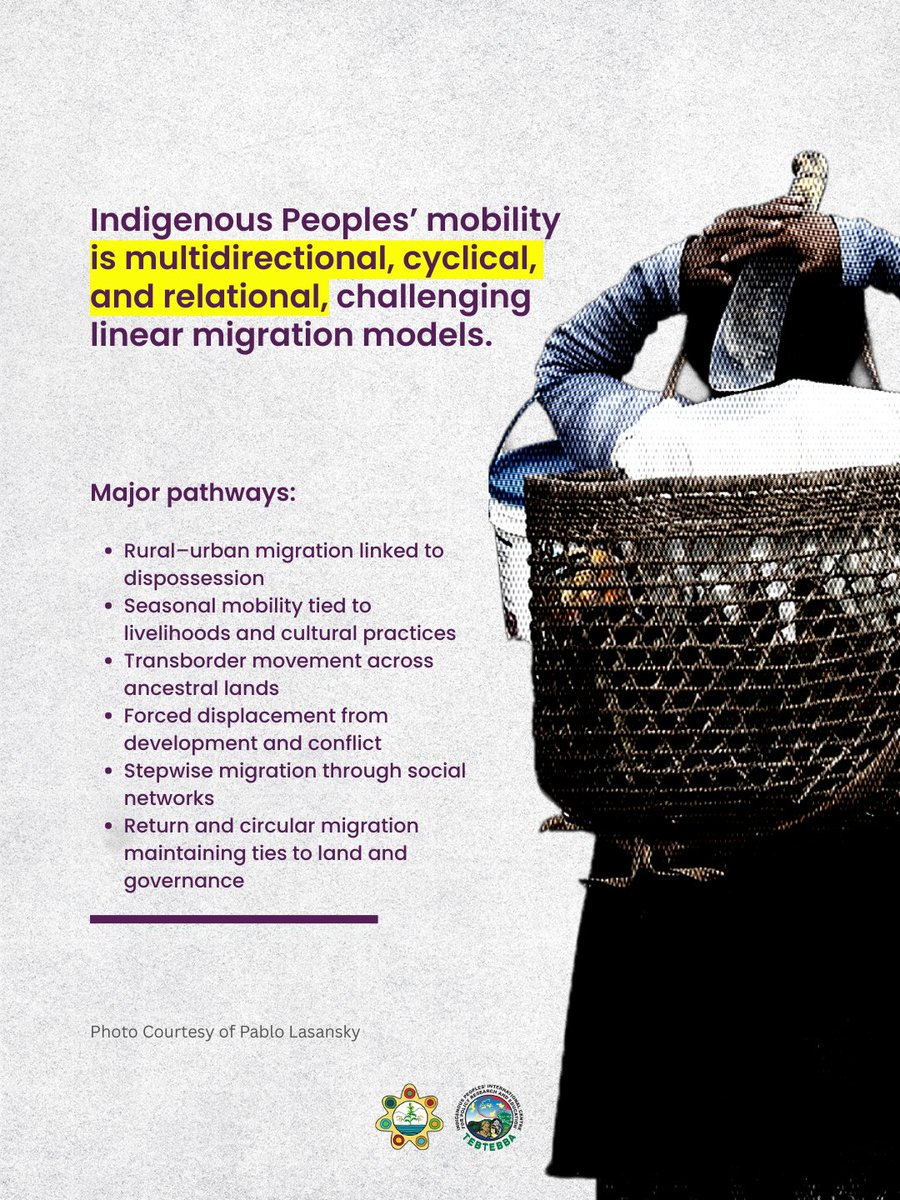
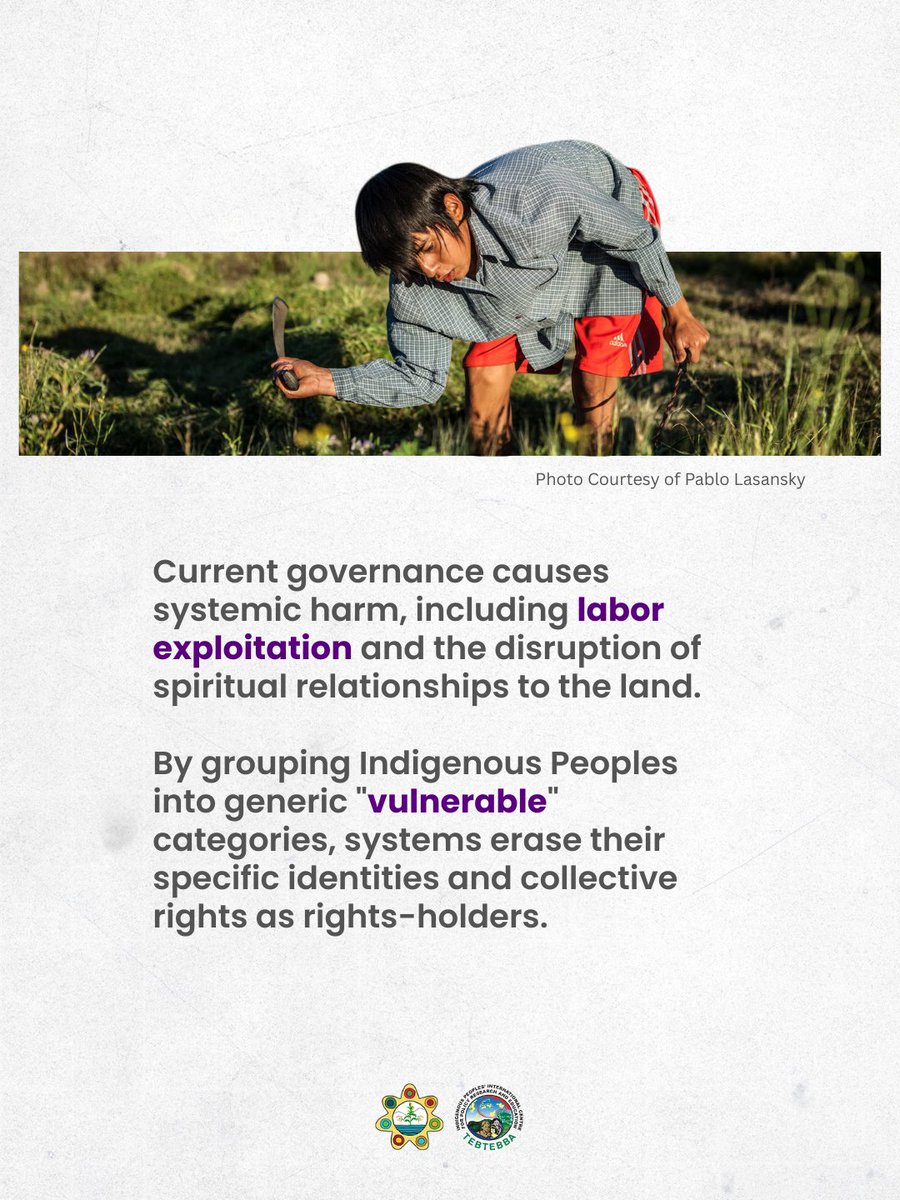
#Read | Indigenous migration isn’t a simple economic choice; it is a reality forced by land dispossession and climate change for up to 500 million people globally. Despite this scale, global policies often treat Indigenous Peoples as invisible or merely "vulnerable," ignoring their collective rights and cultural continuity.
Author: Wilfredo V. Alangui
Swipe through to explore why we must shift from "managing movement" to advancing justice.
Read or download the full Policy Brief here:
indigenouspeoples-sdg.org/in…
#WeAreIndigenous
48
𝗖𝗕𝗔𝟮𝟬 𝗨𝗣𝗗𝗔𝗧𝗘 | 𝗗𝗔𝗬 𝗢𝗡𝗘
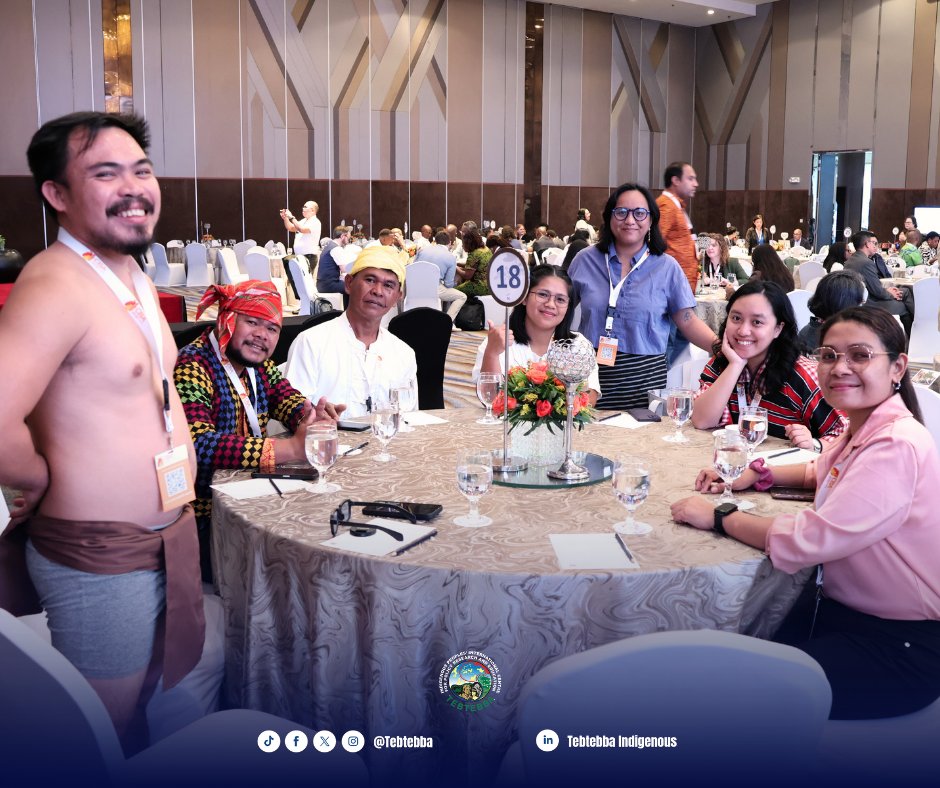
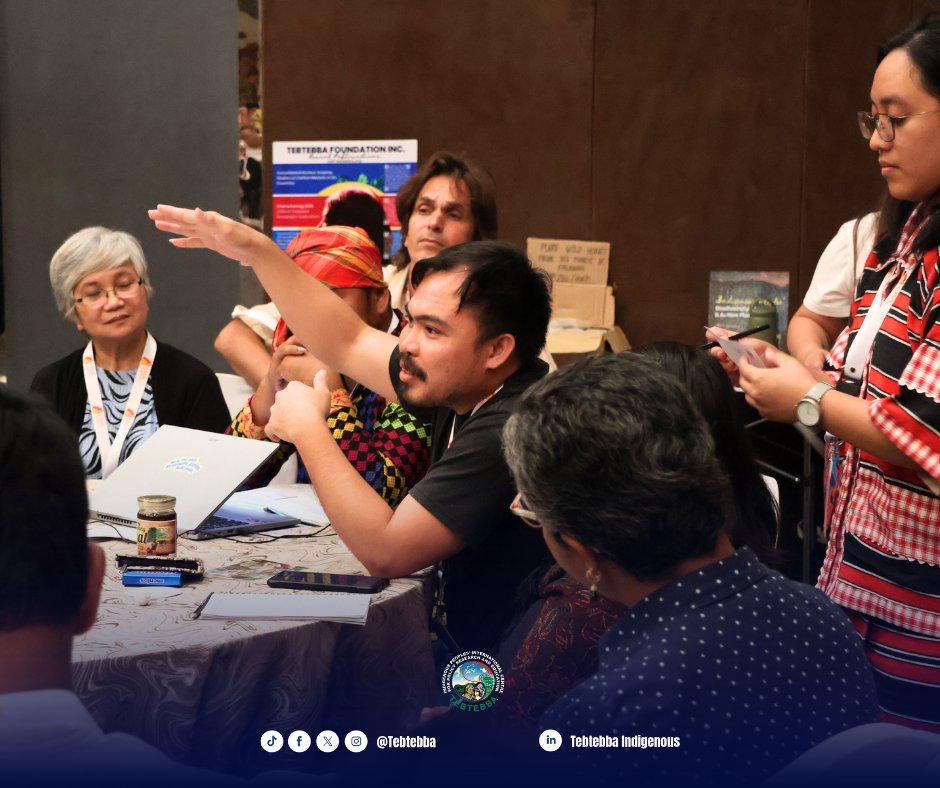
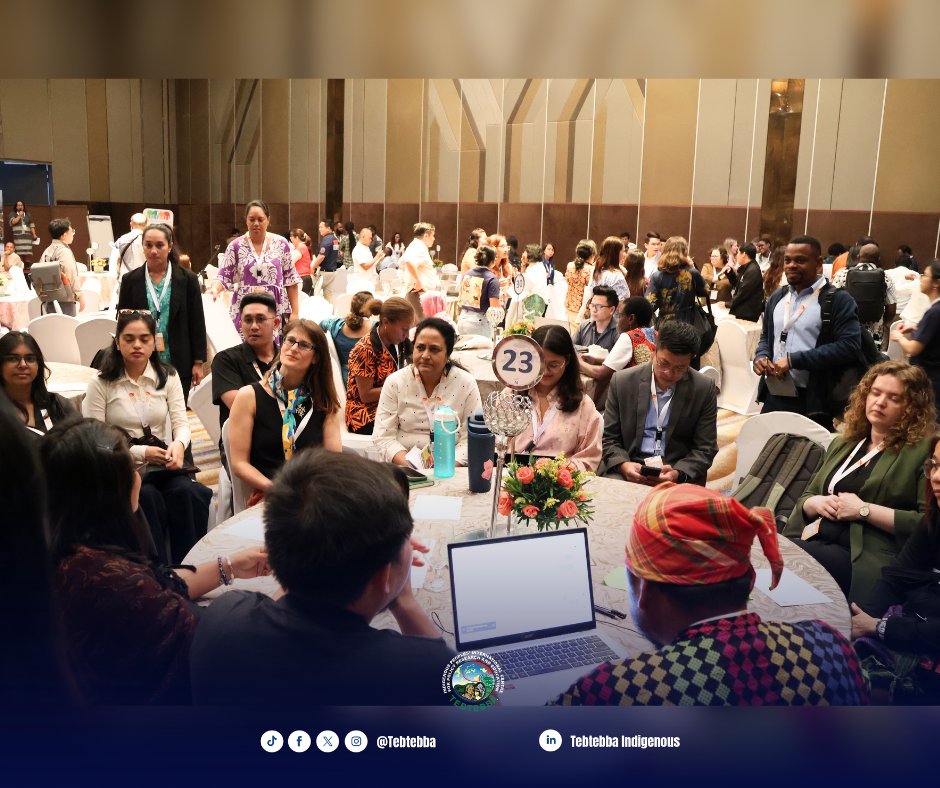
“Community-Based Adaptation is a global imperative for survival in an era of unprecedented climate volatility,” Atty. Romell Antonio O. Cuenca stated in his opening remarks during the 20th anniversary of the Community-Based Adaptation (CBA) Conference held at Novotel, Araneta City, Manila, Philippines. The event convened nearly 400 participants from 67 nationalities living and working across 65 countries.
The CBA conference aims to share the latest developments and best practices in locally led adaptation, including policy, innovation, and theory across sectors, countries, and communities. It also seeks to strengthen networks among practitioners, policymakers, planners, and donors working on locally led adaptation at all levels, while enhancing practitioners' capacity to support the most vulnerable communities affected by #climate change.
Tebtebba Foundation Inc., is co-leading the Knowledge Nexus theme along with Adaptation Research Alliance (ARA).
One of the Knowledge Nexus sessions featured several practitioners, including Tebtebba and Ugnayang Pambansa para sa Katutubong Kaalaman at Talino, Inc. (UPAKAT) delegations, highlighting discussions on #Indigenous knowledge systems and practices, including Indigenous food systems, as part of Indigenous Peoples’ contributions to climate action. Their presentations drew a large volume of participants, showing strong interest in the community-based adaptation practices of Philippine Indigenous communities. The session also examined opportunities for integrating diverse knowledge systems into Intergovernmental Panel on Climate Change (IPCC) processes and reports, including the upcoming Seventh Assessment Report (AR7).
The conference is led by the International Institute for Environment and Development (IIED), in partnership with Manila Observatory and the Philippine Action for Community-Led Shelter Initiatives, Inc. (PACSII). Supported by Adaptation Fund, Asian Development Bank (ADB), Adaptation Research Alliance, Climate Justice Resilience Fund, Climate Resilience Alliance, IDRC-CRDI, Mercy Corps, Ministry of Foreign Affairs of the Netherlands, UK International Development, and Canadian Embassy. With the International Federation of Red Cross and Red Crescent Societies (IFRC), Tebtebba Foundation, Inc., and Philippine Red Cross as contributing partners.
#CBA20 #WeAreIndigenous
37
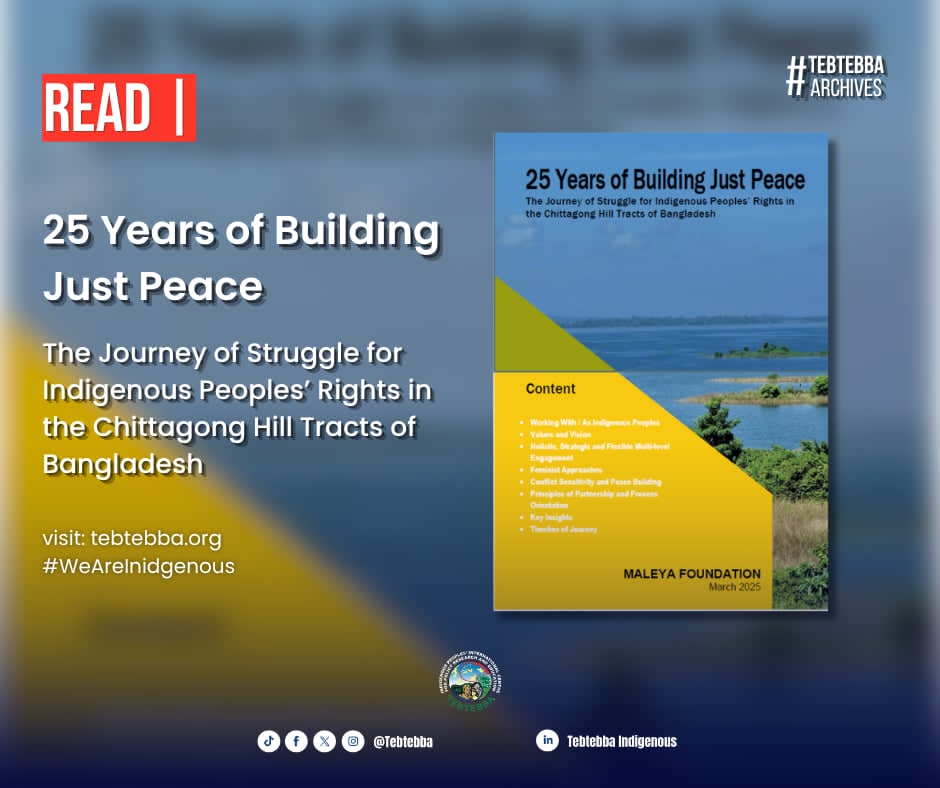
Read | TebtebbaArchives: 25 Years of Building Just Peace
The CHT Accord, signed on 2.12.1997, was meant to end armed violence in the CHT. It was welcomed by #IndigenousPeoples in CHT as an opportunity to claim their rights as Indigenous Peoples and citizens of #Bangladesh. Indigenous civil society leaders came together with NGO donors from Germany. They requested capacity-building and professionalization to the extent of being in a position to access funds for their future activities.
Given the trauma inflicted by the violent conflict, there was fear and mistrust against members and institutions of the mainland community. Therefore, involving experienced Bangladeshi NGOs in leading such a process was impossible. Donors had to think out of the box and go an extra mile in managing challenging funding procedures in order to support the post-Accord activities. Eventually it was decided to work with an international organization. This organization was considered to be neutral and given their focus on Indigenous Peoples worldwide, “like-minded.” This introduced the Maleya Foundation to the international community of Indigenous activists.
Read more: bit.ly/4uta1Ye
visit: tebtebba.org
#WeAreIndigenous
44
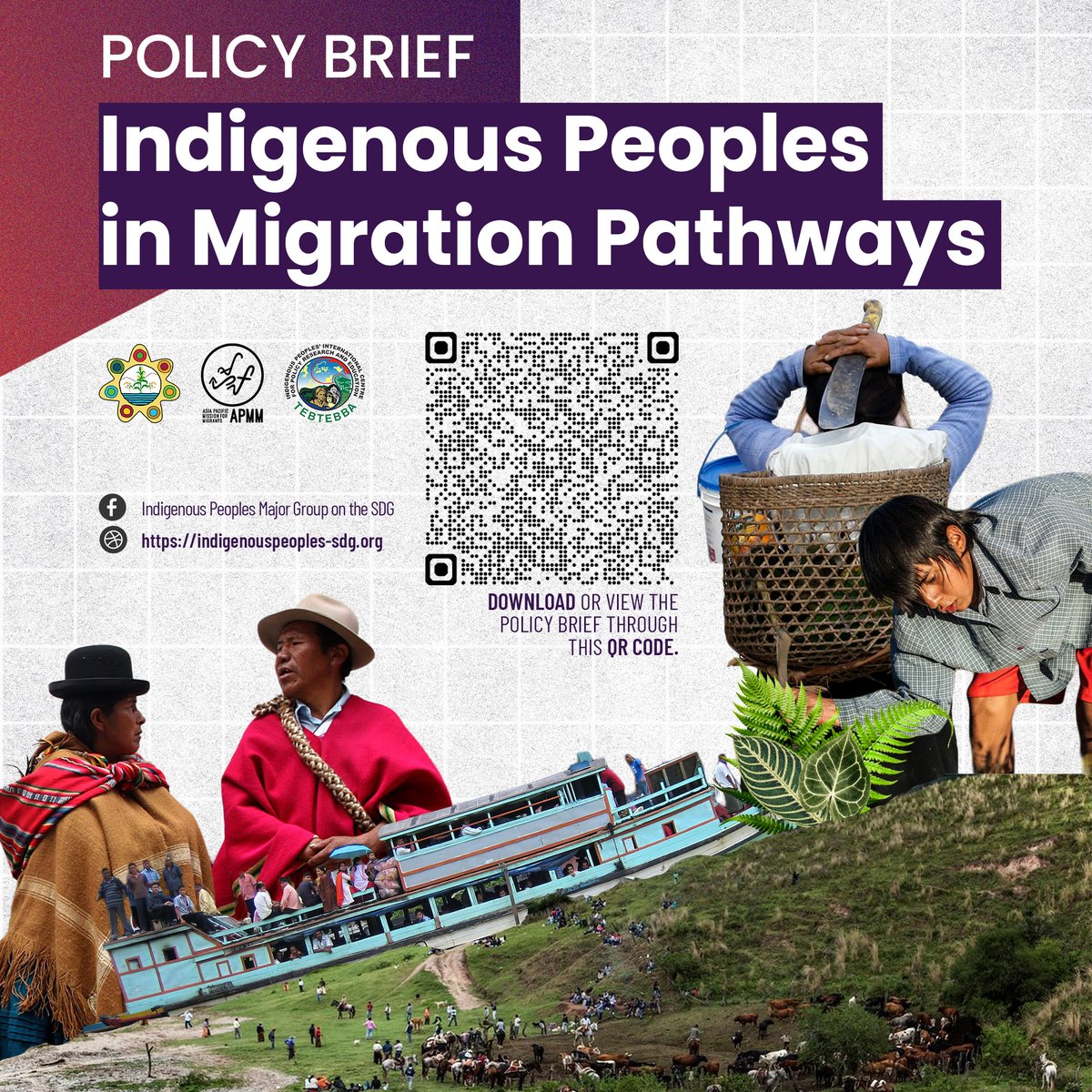
#IMRF | On May 7, 2026, the Policy Brief entitled "Indigenous Peoples in Migration Pathways" was launched online. This launching was a side event of the on-going International Migration Review Forum (IMRF), a UN meeting held every four years to track global progress on migration.
The event aimed to present the key drivers of migration for Indigenous Peoples as well as the policy gaps and recommendations. It brought Indigenous leaders together with governments and international groups to talk about how to protect Indigenous rights in migration laws.
By launching this brief, organizers hope to make Indigenous Peoples’ migration a bigger priority for world leaders. It also helped build stronger partnerships between Indigenous groups and the UN. The ultimate goal is to make sure Indigenous voices are heard and included in global decisions about migration.
The launch was co-organized by the Indigenous Peoples Major Group on Sustainable Development (IPMG), Tebtebba Foundation, Inc., and the Asia-Pacific Mission for Migrants.
View or download the full Policy Brief here:
indigenouspeoples-sdg.org/in…
#WeAreIndigenous
50
𝗪𝗮𝘁𝗰𝗵 | 𝗚𝗖𝗙 𝗮𝗻𝗱 𝗜𝗻𝗱𝗶𝗴𝗲𝗻𝗼𝘂𝘀 𝗣𝗲𝗼𝗽𝗹𝗲𝘀: 𝗙𝘂𝗻𝗱𝗶𝗻𝗴 𝗣𝗿𝗼𝗽𝗼𝘀𝗮𝗹 𝗶𝗻 𝘁𝗵𝗲 𝗚𝗖𝗙.
This explainer video breaks down how funding proposals are developed, reviewed, and approved under the Green Climate Fund—highlighting pathways for Indigenous Peoples to access climate finance and turn community-led solutions into funded action.
Watch the whole video: bit.ly/4w63JPX
visit Tebtebba Youtube Channel: youtube.com/@tebtebba1996
visit Tebtebba Website: tebtebba.org
#GCF #IndigenousPeoples #ClimateFinance #SustainableDevelopment #WeAreIndigenous
29
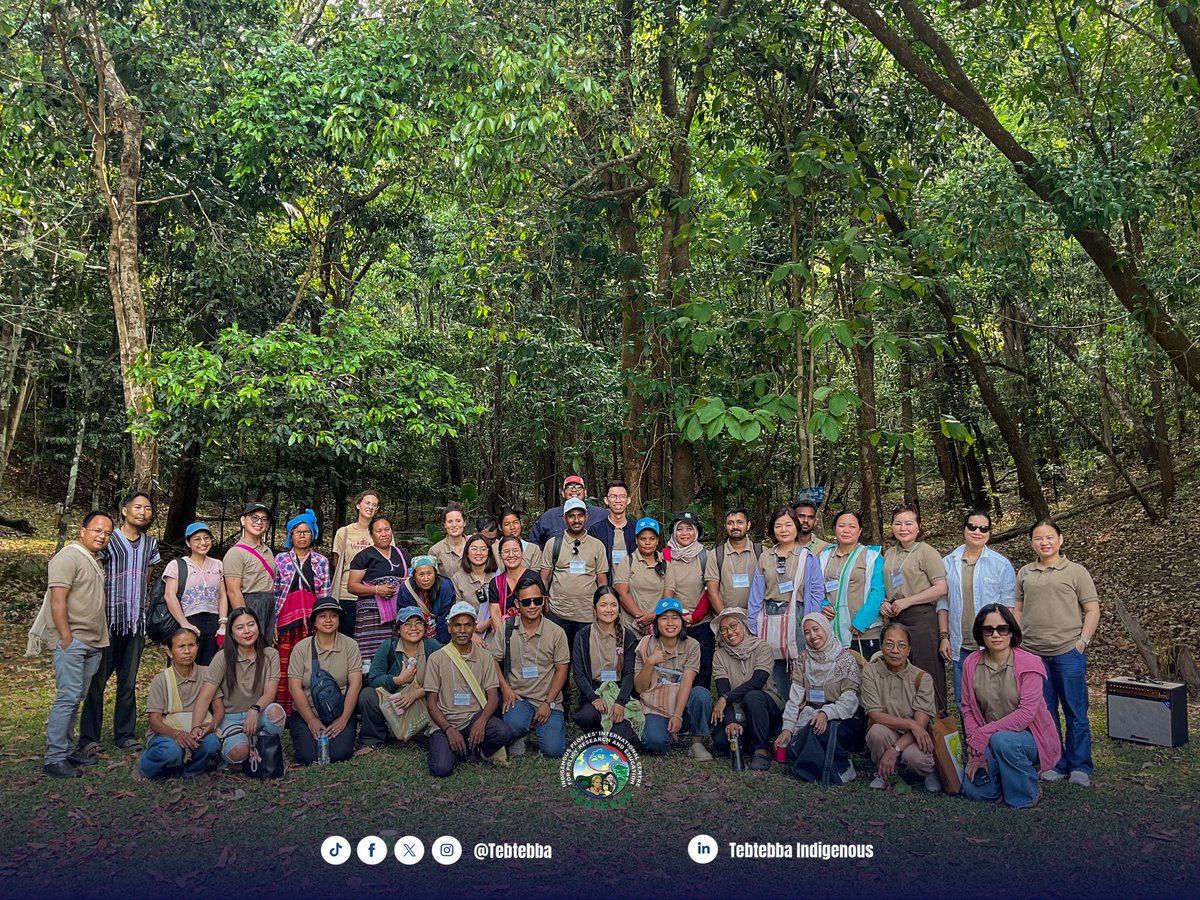
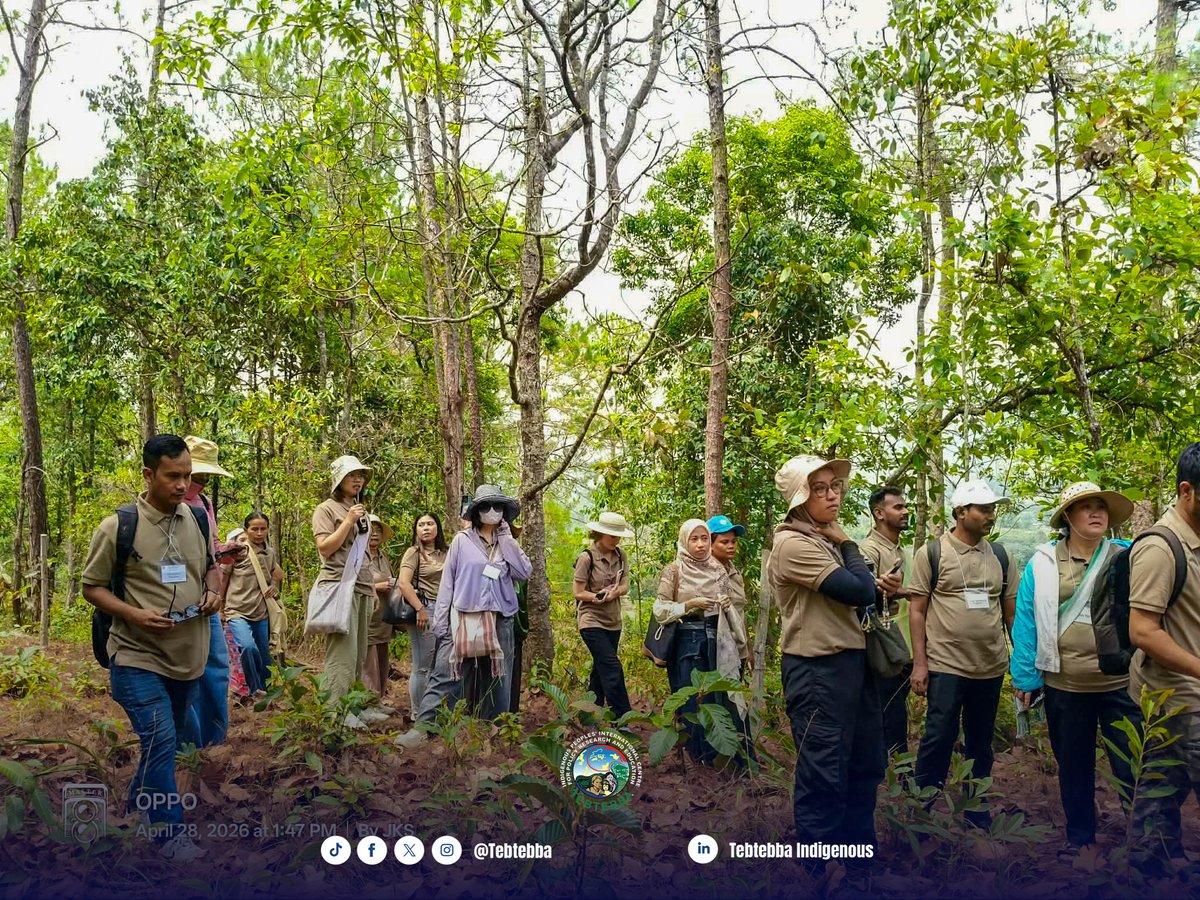
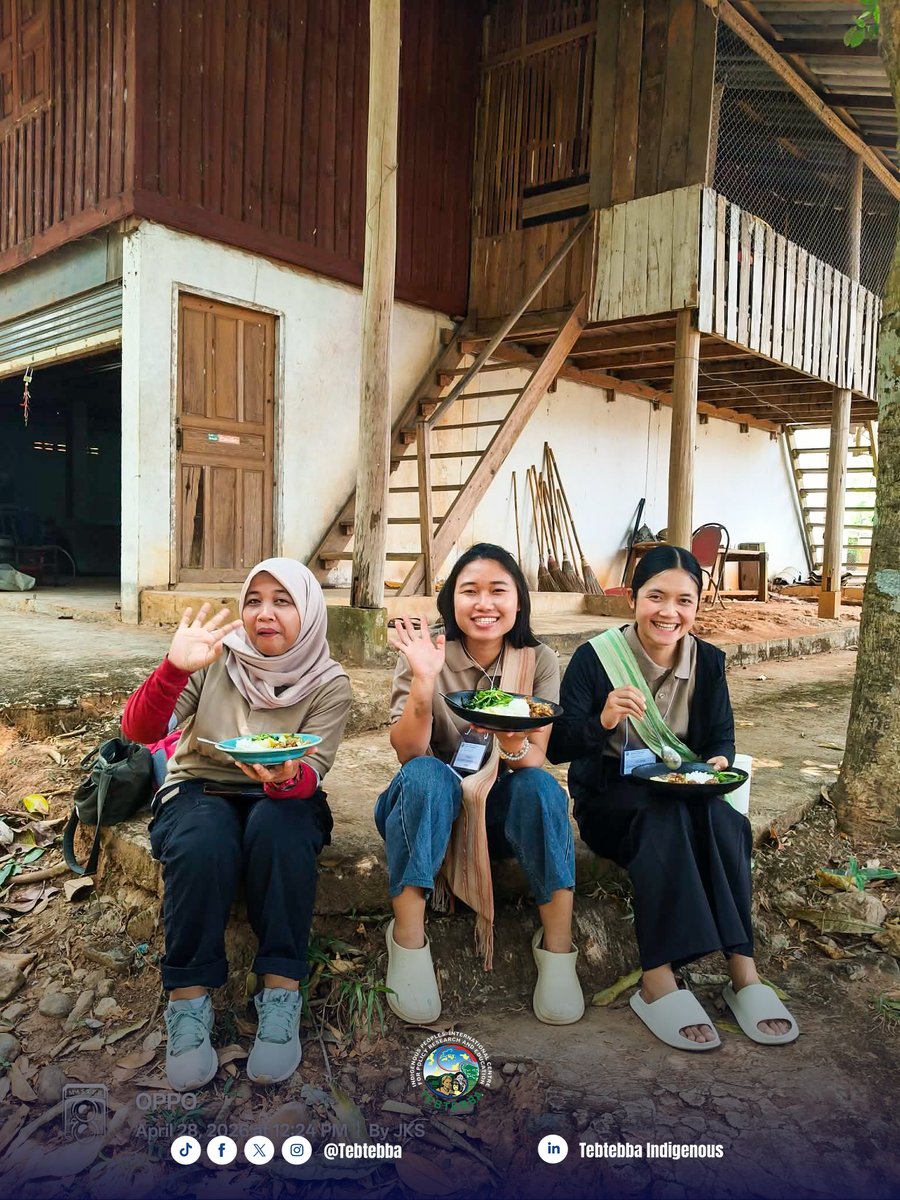
#CommunityVisit: During the IPAF Cycle 6 Learning Exchange in Chiang Mai, at the same time, the other group also visited the Huay Ee Khang community, located in Mae Win Sub-district of Mae Wang District, Chiang Mai Province.
During the visit, partners engaged in the dyeing process by creating their own art and designs, tried making inhalers from medicinal plants found in the forest, and explored two women-managed forests: Keu Neu Mue (hill evergreen forest or Women’s Forest) and the De Paw Thoo forest (Umbilical Forest).
Through these exchanges, partners observed strong collaboration between youth and elders, which enhanced the transmission of knowledge. They also noted the community’s well-documented traditional practices, the use of traditional knowledge to support livelihoods, successful demarcation of territories, the leadership of women, and their enduring commitment to self-determination.
Huay Ee Khang is a Karen (Pgakenyaw) community that pioneered the concept of an Indigenous Women’s Forest. This initiative promotes sustainable forest use while empowering women and safeguarding traditional knowledge. The community is also known for its traditional weaving, seed banking, and Indigenous marketing, alongside teaching natural dyeing processes that connect culture, livelihood, and conservation.
Click to know more about the community: tinyurl.com/2xxjydef
#WeAreIndigenous #IPAF #IndigenousWomen #IndigenousKnowledge #KarenCommunity
36
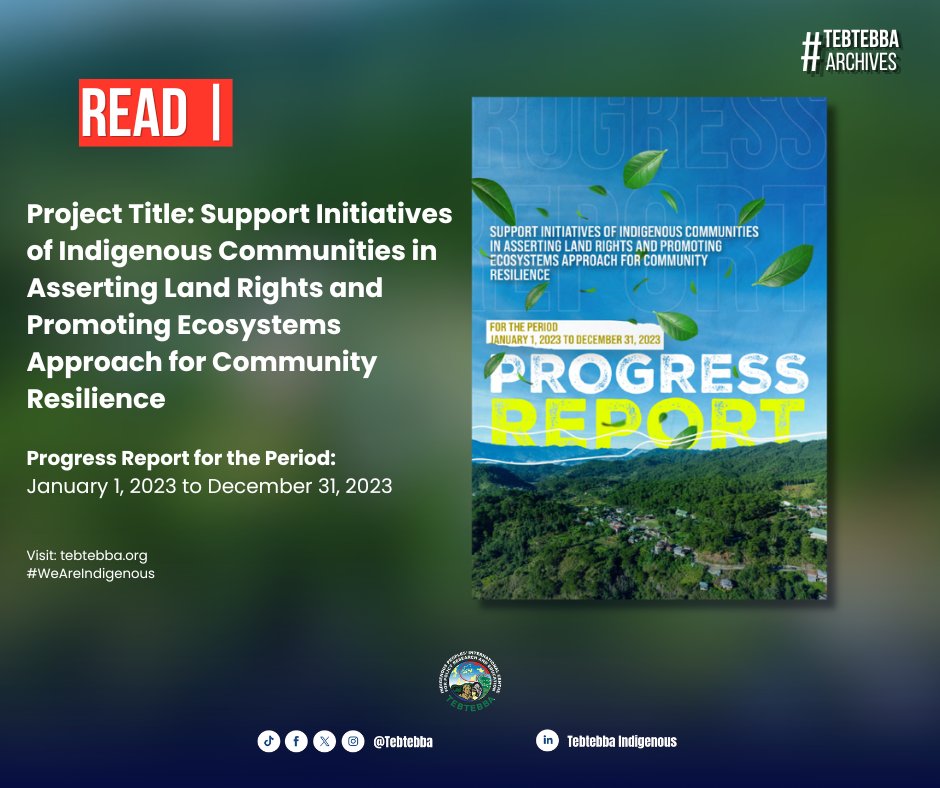
𝐑𝐞𝐚𝐝 | #𝐓𝐞𝐛𝐭𝐞𝐛𝐛𝐚𝐀𝐫𝐜𝐡𝐢𝐯𝐞𝐬: 𝐒𝐮𝐩𝐩𝐨𝐫𝐭 𝐈𝐧𝐢𝐭𝐢𝐚𝐭𝐢𝐯𝐞𝐬 𝐨𝐟 𝐈𝐧𝐝𝐢𝐠𝐞𝐧𝐨𝐮𝐬 𝐂𝐨𝐦𝐦𝐮𝐧𝐢𝐭𝐢𝐞𝐬 𝐢𝐧 𝐀𝐬𝐬𝐞𝐫𝐭𝐢𝐧𝐠 𝐋𝐚𝐧𝐝 𝐑𝐢𝐠𝐡𝐭𝐬 𝐚𝐧𝐝 𝐏𝐫𝐨𝐦𝐨𝐭𝐢𝐧𝐠 𝐄𝐜𝐨𝐬𝐲𝐬𝐭𝐞𝐦𝐬 𝐀𝐩𝐩𝐫𝐨𝐚𝐜𝐡 𝐟𝐨𝐫 𝐂𝐨𝐦𝐦𝐮𝐧𝐢𝐭𝐲 𝐑𝐞𝐬𝐢𝐥𝐢𝐞𝐧𝐜𝐞.
Global efforts to address the climate crisis remain insufficient, with 2023 recorded as the hottest year in history. Intensifying heatwaves, floods, droughts, wildfires, and stronger storms disrupted ecosystems, food systems, and millions of lives—worsening humanitarian crises and leaving basic needs like water, food, and dignity unmet.
As the world marked 75 years of human rights, rising inequalities, conflicts, and climate challenges tested its promise. While global cooperation led to key environmental commitments, the #Philippines faced disasters affecting over 13.7 million people. Despite these challenges, the country showed resilience with steady economic growth driven by manufacturing, remittances, and recovering industries.
Read more: bit.ly/4cWOFve
Visit: tebtebba.org
#WeAreIndigenous
1
1
28
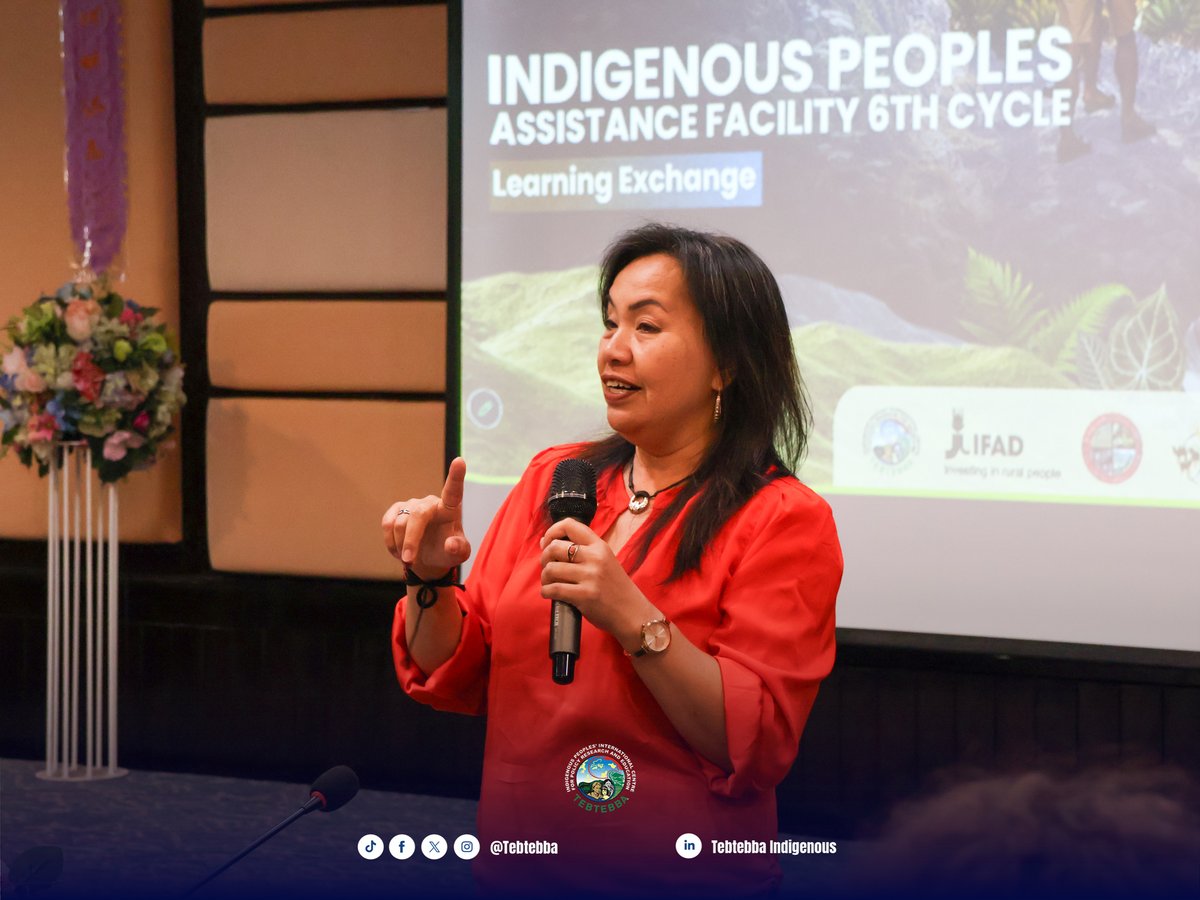
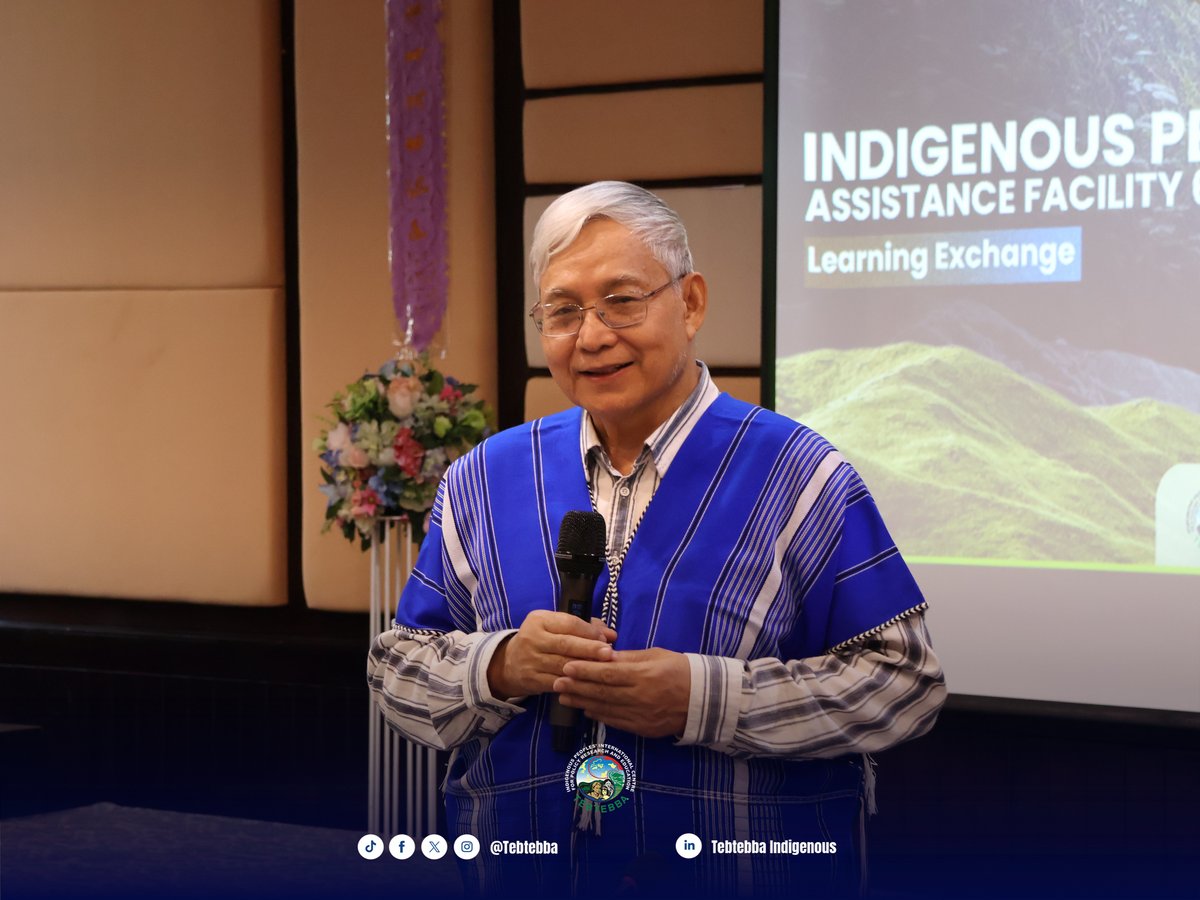
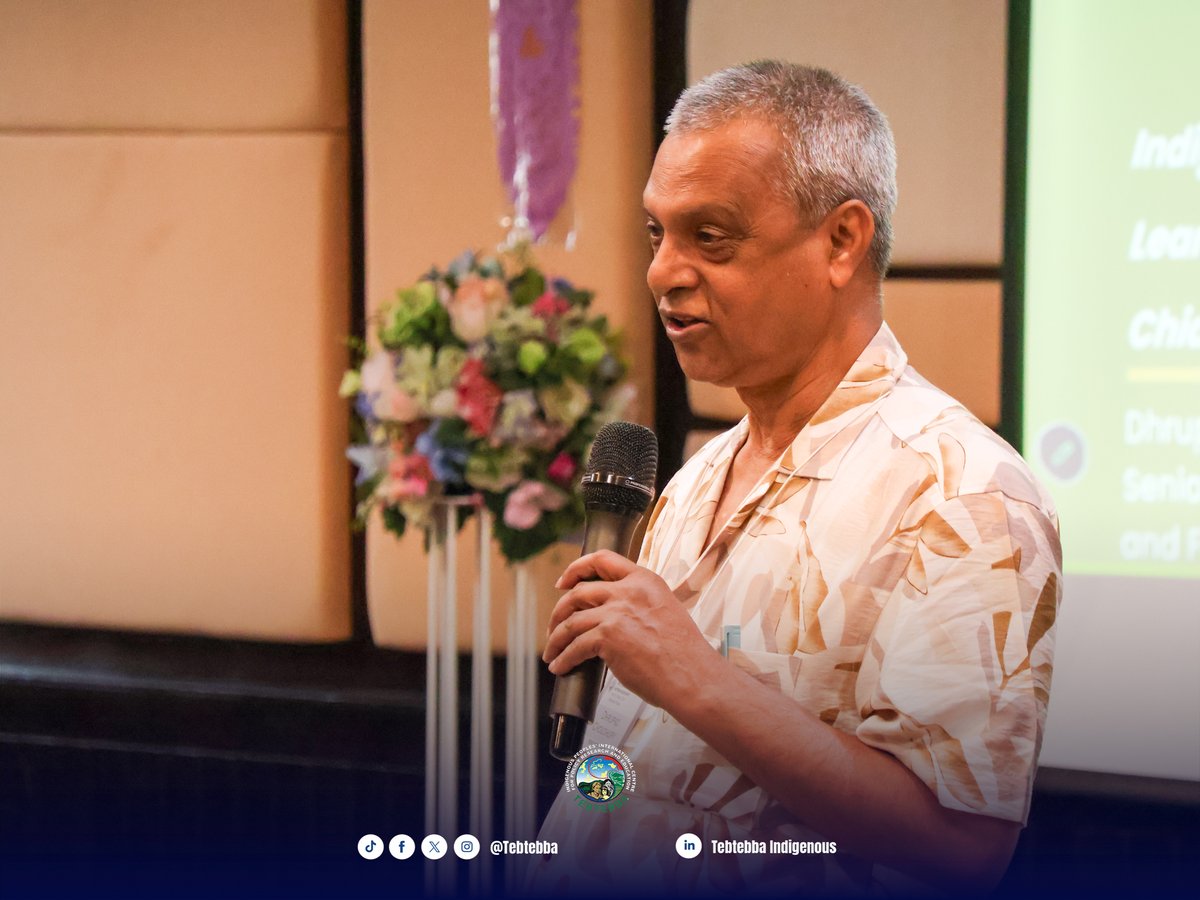
Tebtebba is convening the IPAF Cycle 6 Project Learning Exchange from 27 April to 2 May 2026 in Chiang Mai, Thailand. The gathering is held both physically and virtually, bringing together partners from across the Asia-Pacific region.
Since the launch of the IPAF 6th Cycle in 2024, 17 projects have advanced Indigenous Peoples’ conservation and sustainable management of biodiversity as a pathway to climate change adaptation and resilience. As the projects near completion, this gathering provides a timely opportunity to reflect on progress, share lessons, and strengthen collective efforts to sustain project gains.
The Learning Exchange will create a space for intercultural dialogue among community partners, project implementers, and Indigenous leaders to share outcomes, challenges, and emerging impacts – particularly on women and youth. It also aims to identify ways forward, including strategies to sustain achievements beyond project timelines, ensuring that Indigenous knowledge, rights, and community-driven initiatives remain at the center of climate action and biodiversity conservation.
Grounded in the cycle’s theme, “Advancing Indigenous Peoples’ Conservation and Sustainable Management of Biodiversity for Adaptation and Resilience to Climate Change,” the exchange highlights the critical role of Indigenous Peoples in safeguarding the world’s remaining biodiversity despite facing disproportionate climate impacts. Through their deep connection to lands, territories, and knowledge systems, Indigenous communities continue to offer vital solutions rooted in sustainability, innovation, and resilience.
#IPAF6 #WeAreIndigenous
39
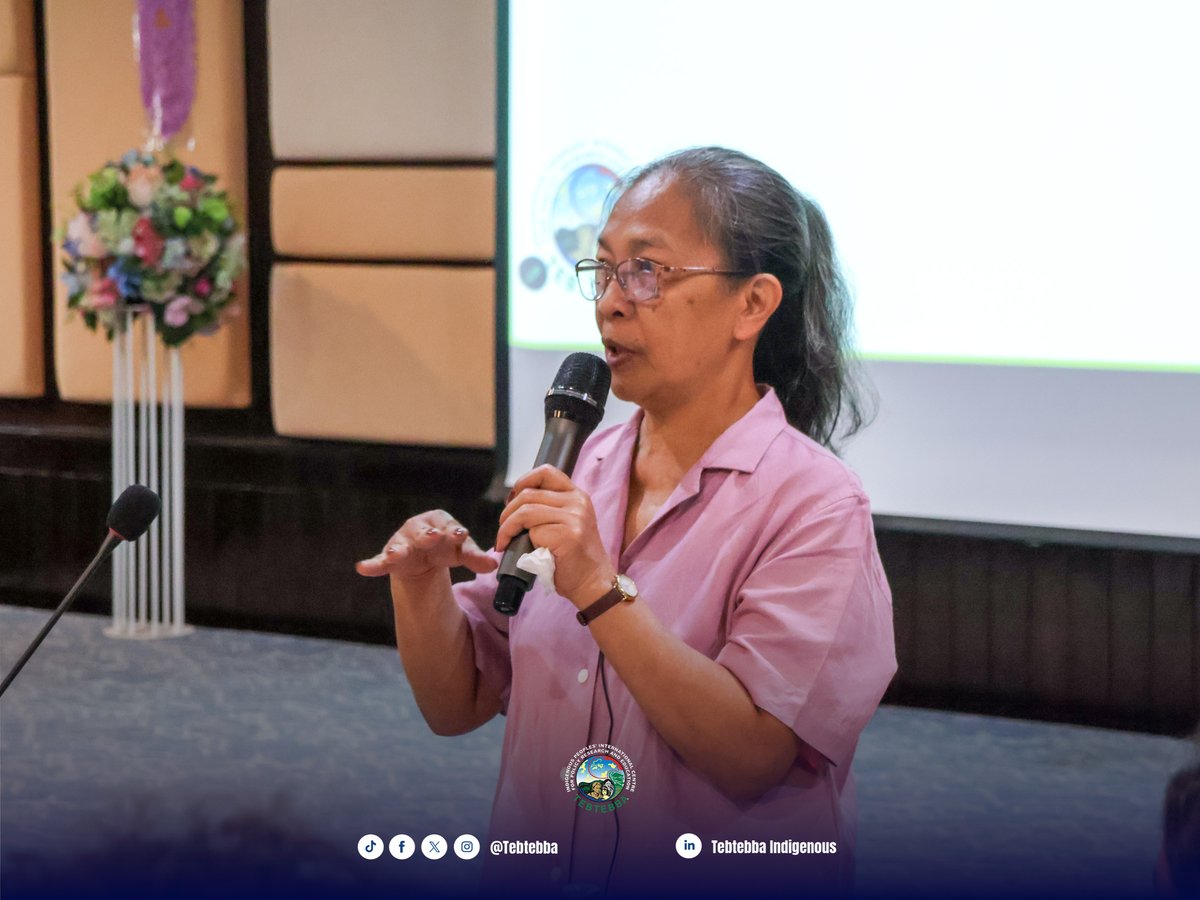
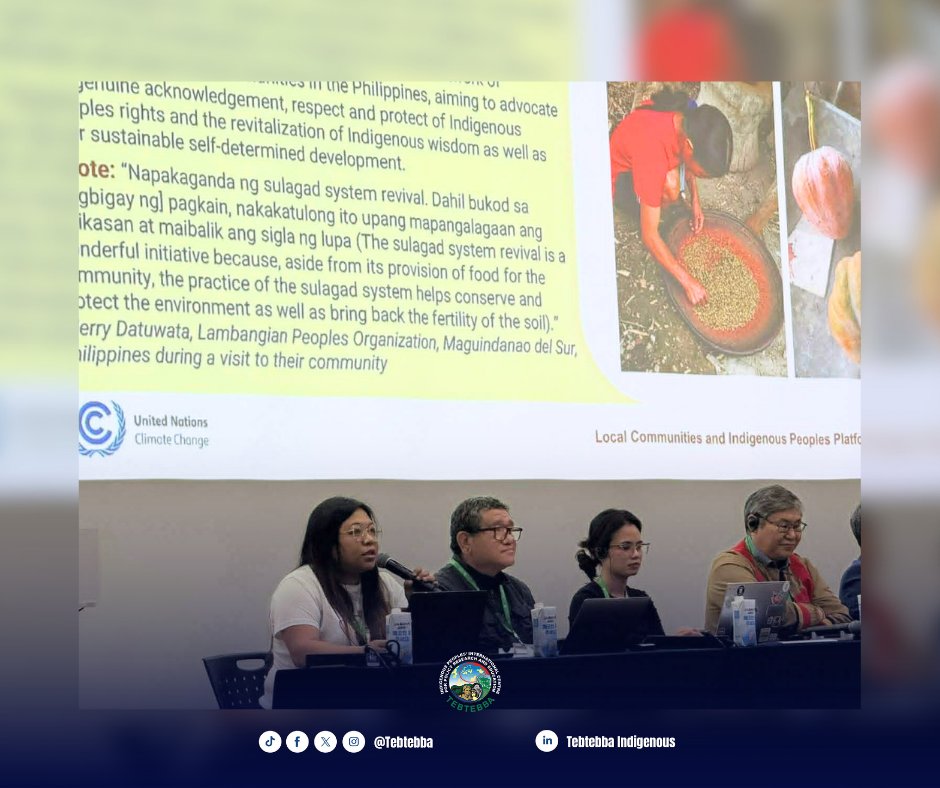
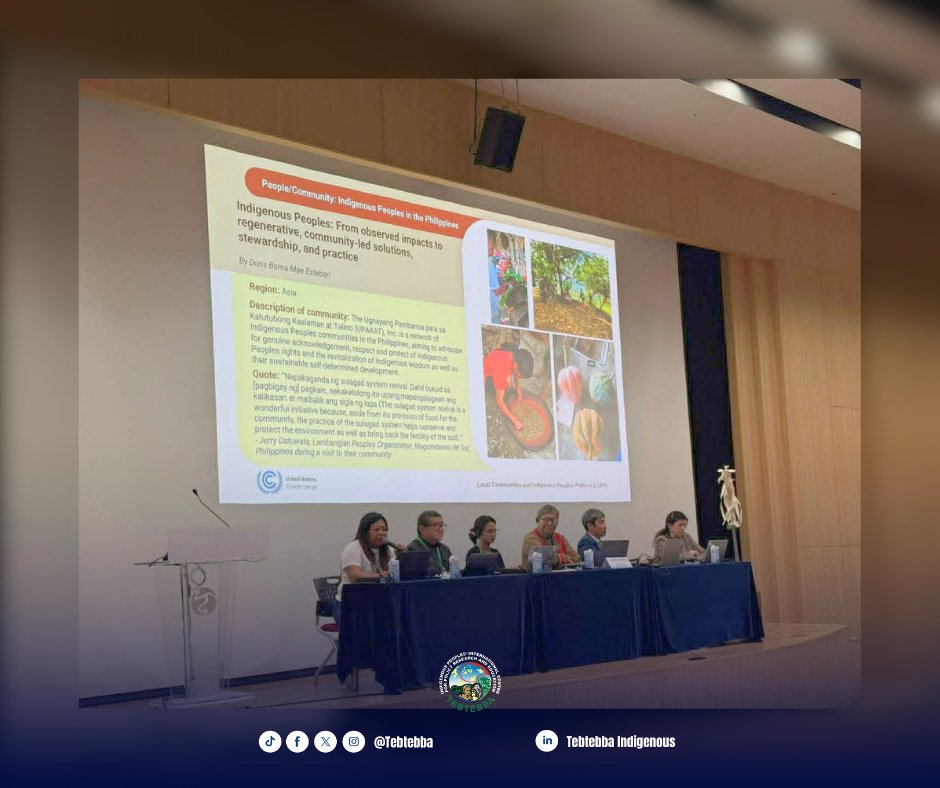
#LOOK | Doris Borna Mae Esteban of Tebtebba participated in the United Nations Framework Convention on Climate Change (#UNFCCC) - Local Communities and Indigenous Peoples Platform (#LCIPP) Bi regional Gathering for Asia, and Central and Eastern Europe, Russian Federation, Central Asia and Transcaucasia in Yeosu, Republic of Korea on 21-24 April 2026.
During the gathering, she presented the different #foodsystems among the Indigenous Peoples of the Philippines, underscoring that the revitalization and revival of these food systems are crucial not only in the preservation of biodiversity and in sustaining food sovereignty but also in the collective effort to combat climate change as these indigenous food systems are in line with the use of organic fertilizers and pesticides, as well as endemic and climate-resilient seeds.
“It is important, however, to ensure the involvement of the youth in the transfer of knowledge about these Indigenous food systems, and also of the women as they are the seed keepers in the community,” she shared.
Find out more about the event: lcipp.unfccc.int
#ClimateChange #WeAreIndigenous
55
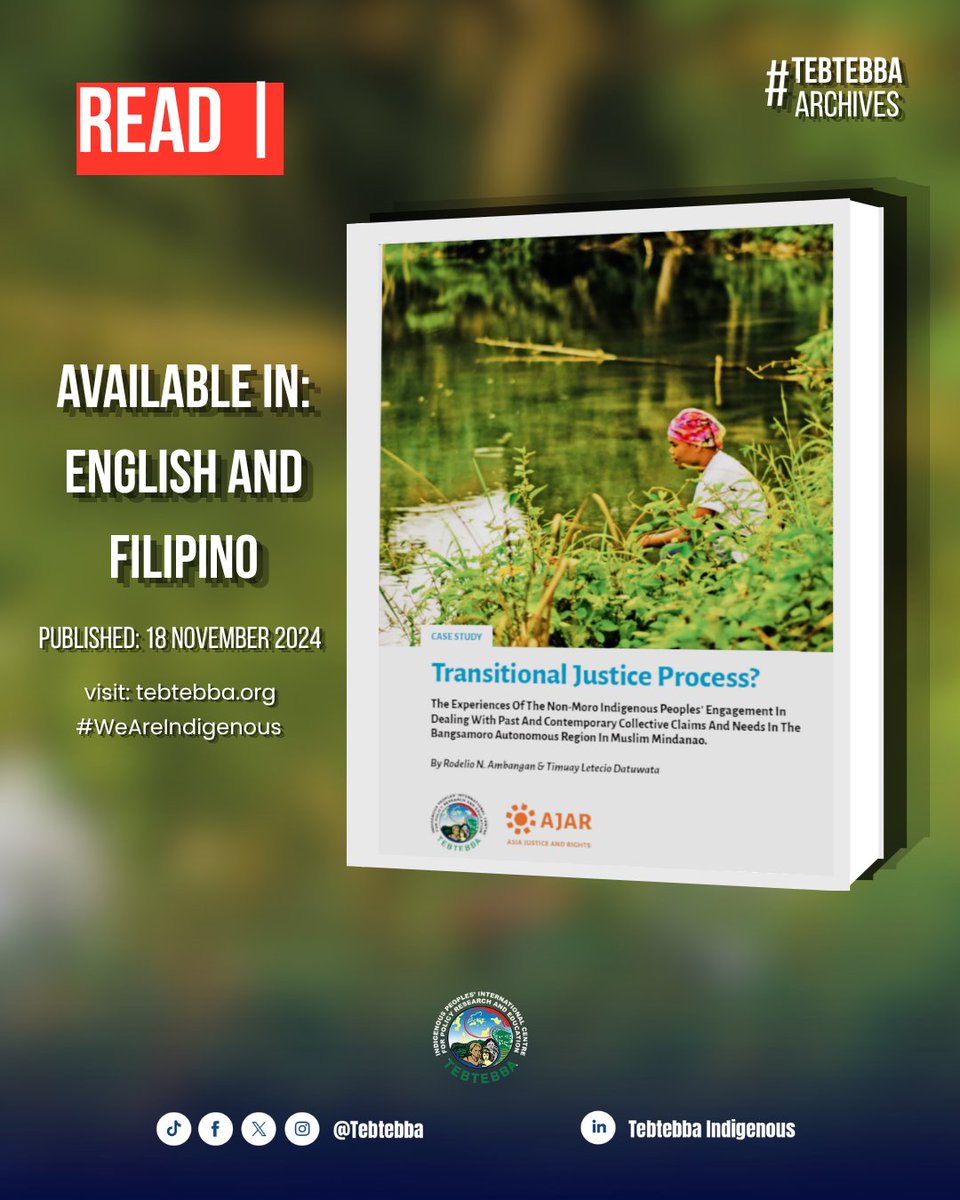
𝐑𝐄𝐀𝐃 | 𝐓𝐞𝐛𝐭𝐞𝐛𝐛𝐚 𝐀𝐫𝐜𝐡𝐢𝐯𝐞𝐬: 𝐓𝐫𝐚𝐧𝐬𝐢𝐭𝐢𝐨𝐧𝐚𝐥 𝐉𝐮𝐬𝐭𝐢𝐜𝐞 𝐏𝐫𝐨𝐜𝐞𝐬𝐬?
The Experiences of the Non-Moro #Indigenous Peoples’ (NMIPs) Engagement in Dealing With Past and Contemporary Collective Claims and Needs in the #Bangsamoro Autonomous Region in Muslim Mindanao.
Transitional #justice is an approach to address systematic and pervasive human rights violations. The Office of the High Commissioner on Human Rights (OHCHR) interprets Transitional Justice as that which “covers the full range of processes and mechanisms associated with a society’s attempt to come to terms with a legacy of large-scale past conflict, repression, violations, and abuses, to ensure accountability, serve justice, and achieve reconciliation.”
In Asia, the peace negotiation between the Government of the #Philippines (GPH) and the Moro Islamic Liberation Front (MILF) has been viewed as a model for transitional justice in Southern Philippines. After decades of holding the peace process, both parties came up with the Bangsamoro Organic Law (BOL) and established the Bangsamoro Autonomous Region in Muslim Mindanao (BARMM) with a transitional government known as the Bangsamoro Transition Authority (BTA).
Click the preferred language below to read more:
English: bit.ly/41O3cUV
Filipino: bit.ly/4txzWhm
Visit tebtebba.org for more resources.
#WeAreIndigenous #HumanRights
38
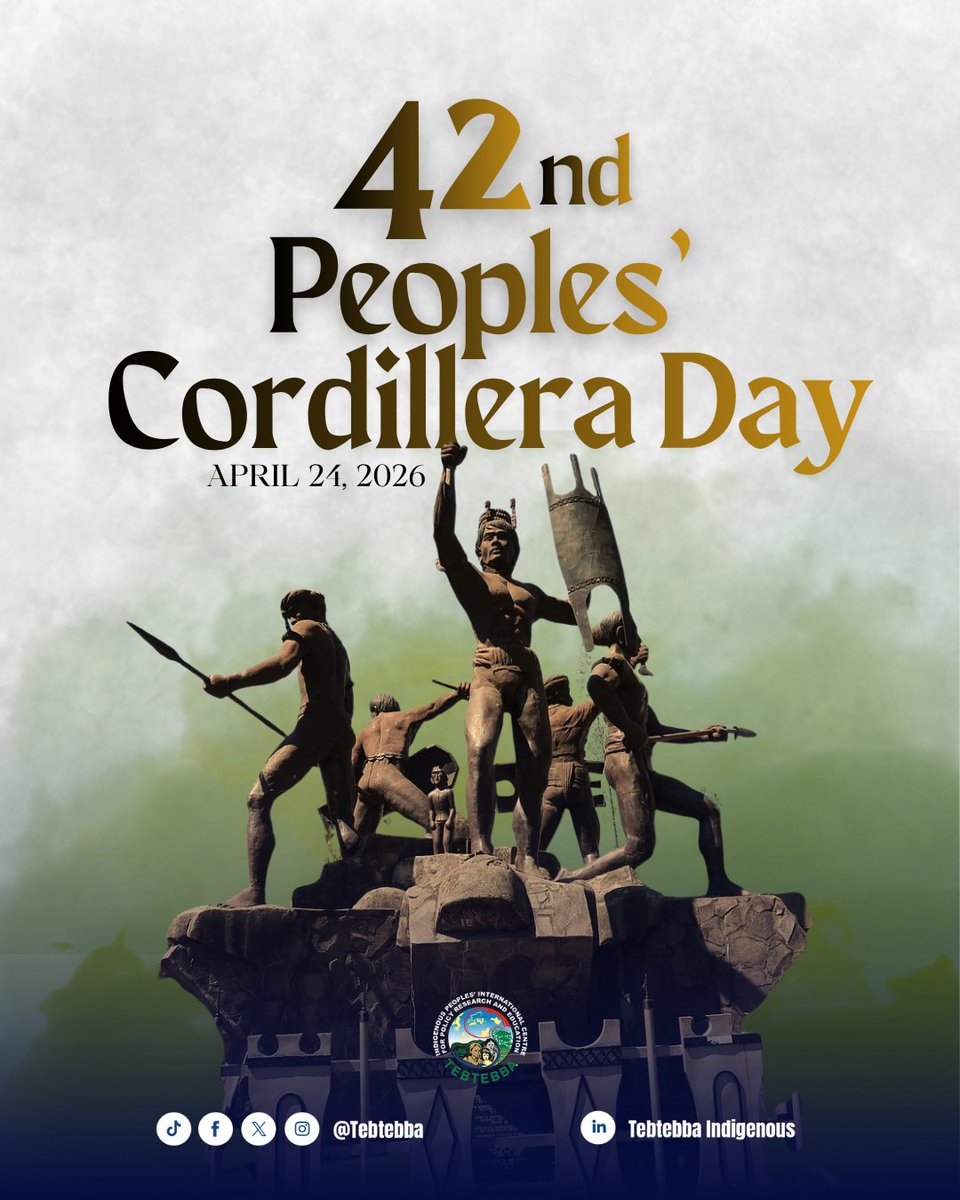
𝑯𝒂𝒑𝒑𝒚 𝑷𝒆𝒐𝒑𝒍𝒆𝒔' 𝑪𝒐𝒓𝒅𝒊𝒍𝒍𝒆𝒓𝒂 𝑫𝒂𝒚!
Today we honor the resilience, wisdom, and courage of the Indigenous Peoples of the Cordillera. Rooted in ancestral lands and traditions, they continue to safeguard biodiversity, uphold cultural heritage, and inspire the fight for self-determination.
“Defending the land, preserving the culture, and protecting the future.”
#WeAreIndigenous #CordilleraDay #IndigenousPeoples
18
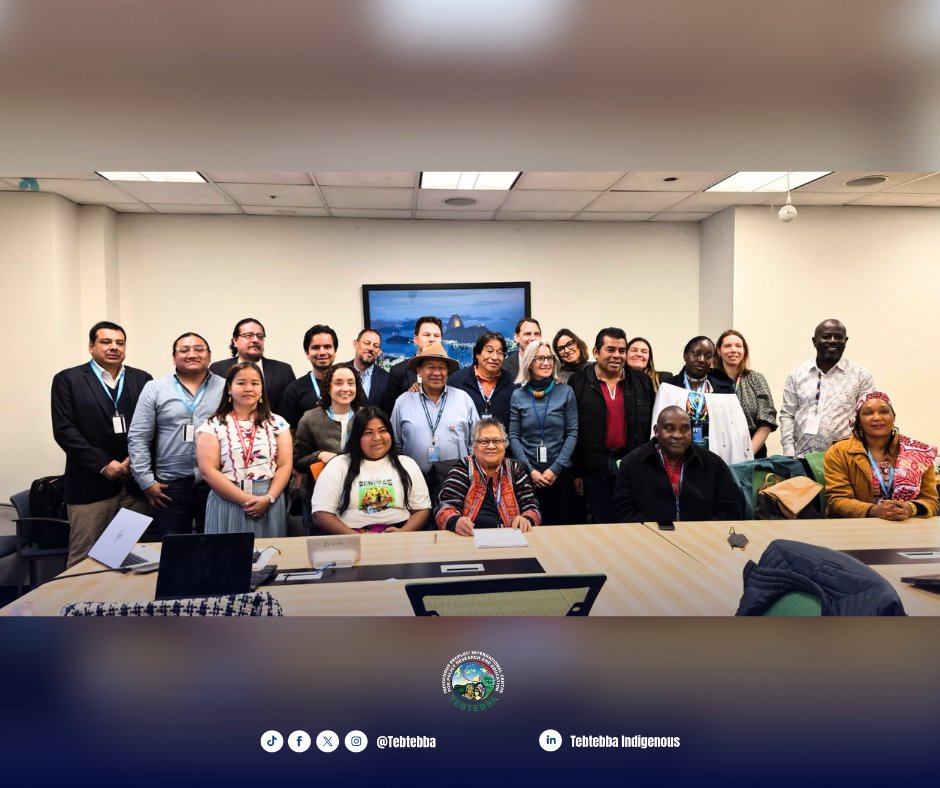
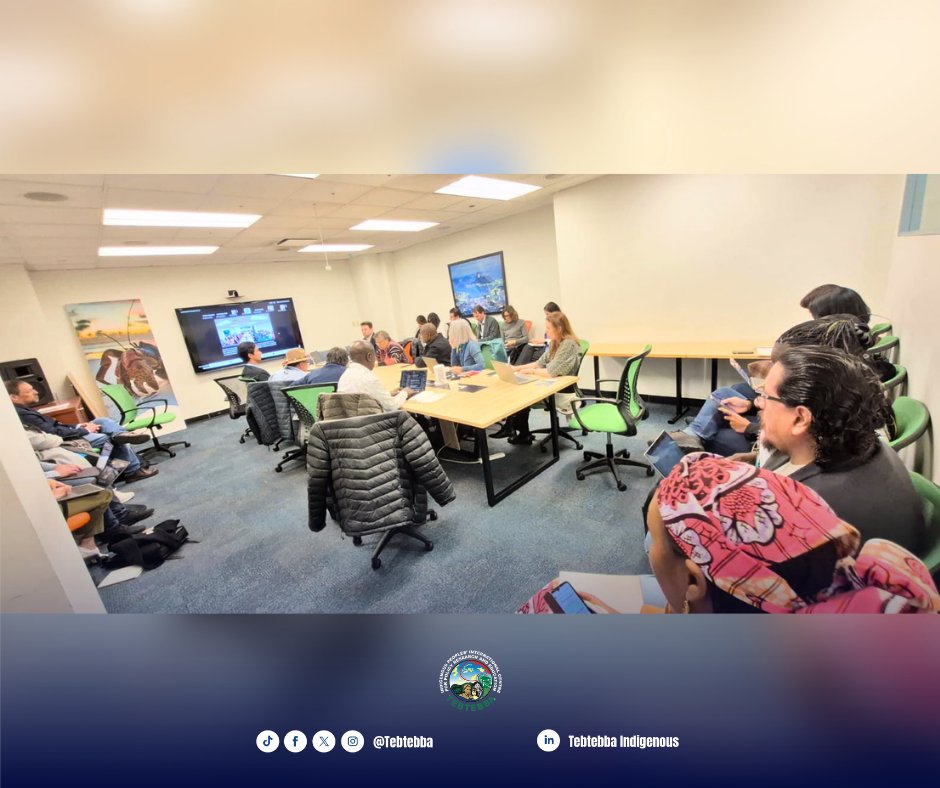
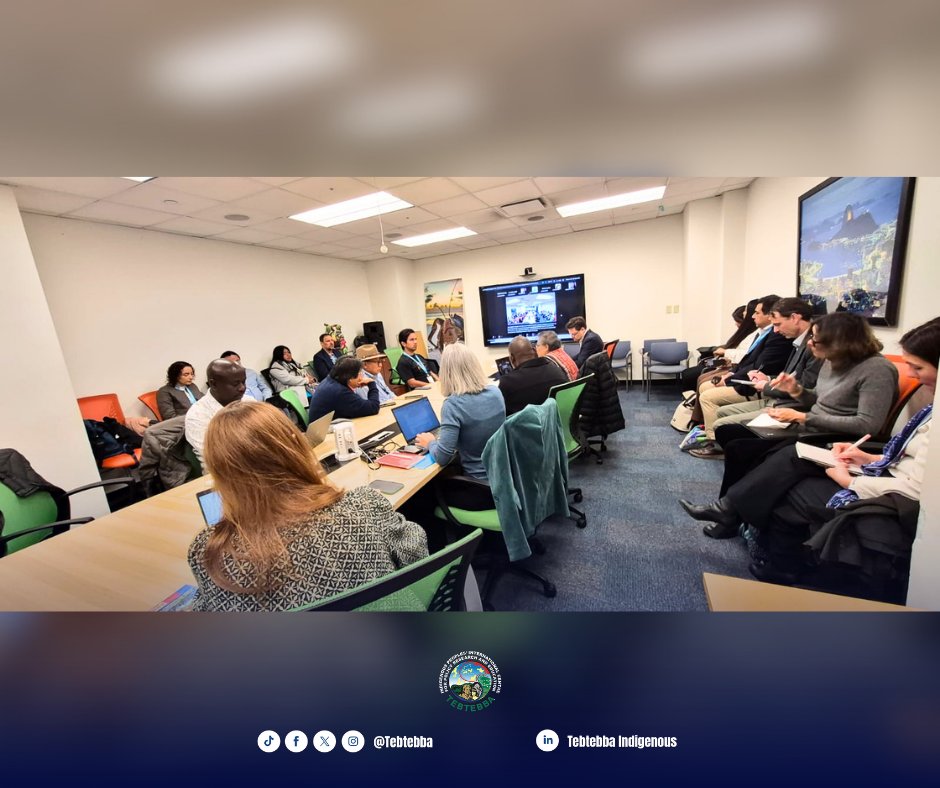
#UNPFII | On April 22, 2026, a hybrid side event on Indigenous Peoples’ access to climate and development finance convened global stakeholders in New York and virtually.
The discussion focused on key challenges and opportunities in climate financing, highlighting the need for more accessible, inclusive, and rights-based approaches. Participants emphasized Indigenous Peoples’ leadership in defining partnerships, strengthening monitoring systems, and managing funds.
Key messages called for clearer roles among intermediaries, stronger accountability, and equitable resource allocation to support self-determined and sustainable development.
#WeAreIndigenous #climatejustice
34