
Joined December 2025
- Tweets 8,698
- Following 31
- Followers 932
- Likes 6,993
129 Photos and videos




Pinned Tweet

Jun 15
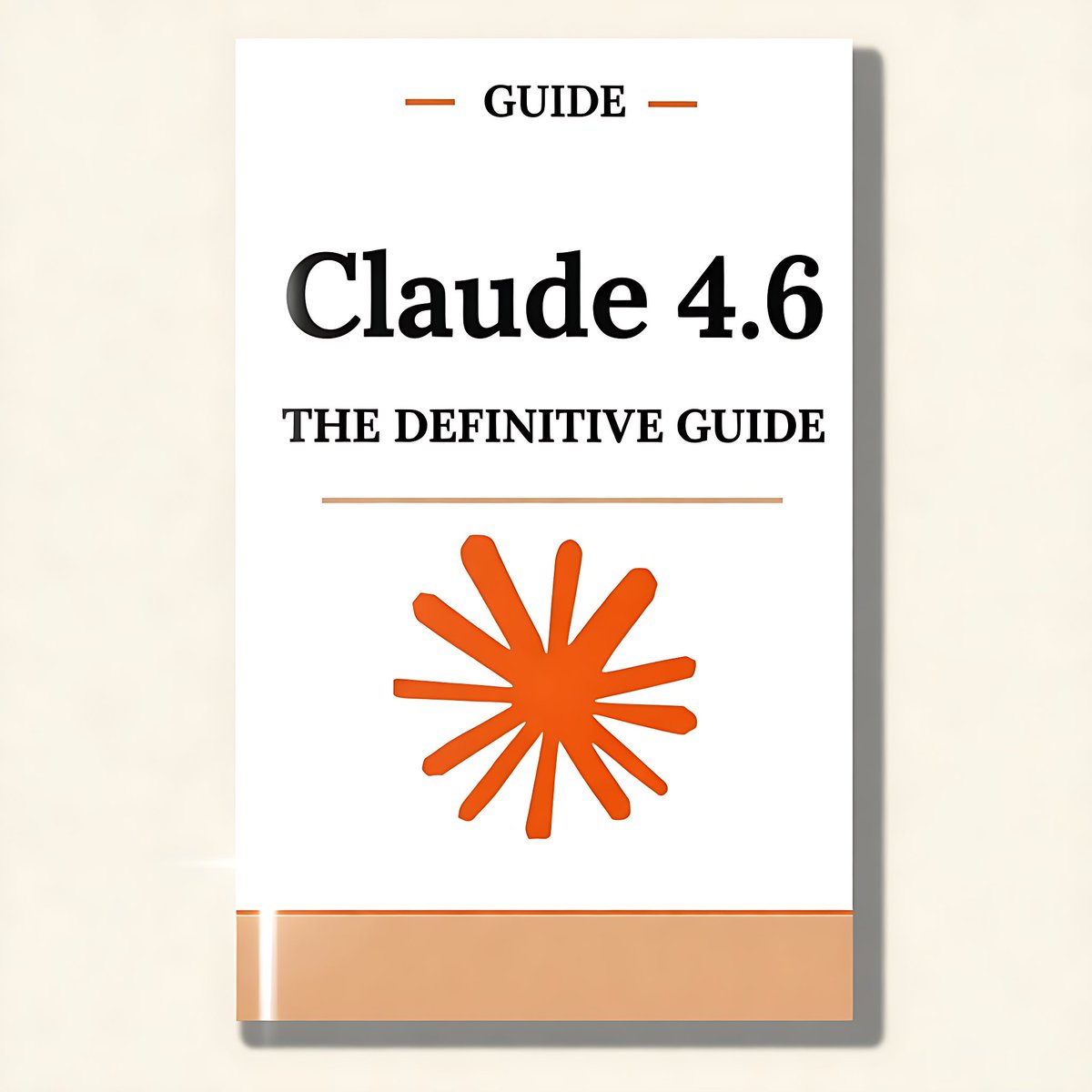
Claude is a money-making machine if you know how to use it. Here's the ultimate guide in English.
Prompts, skills, Claude Code, monetization… it has everything.
FREE for 24 hours only! To get it:
1. Like & Bookmark
2. Comment "4.6"
3. Follow me to receive a DM
44
38
76
848
Atlas Orion retweeted

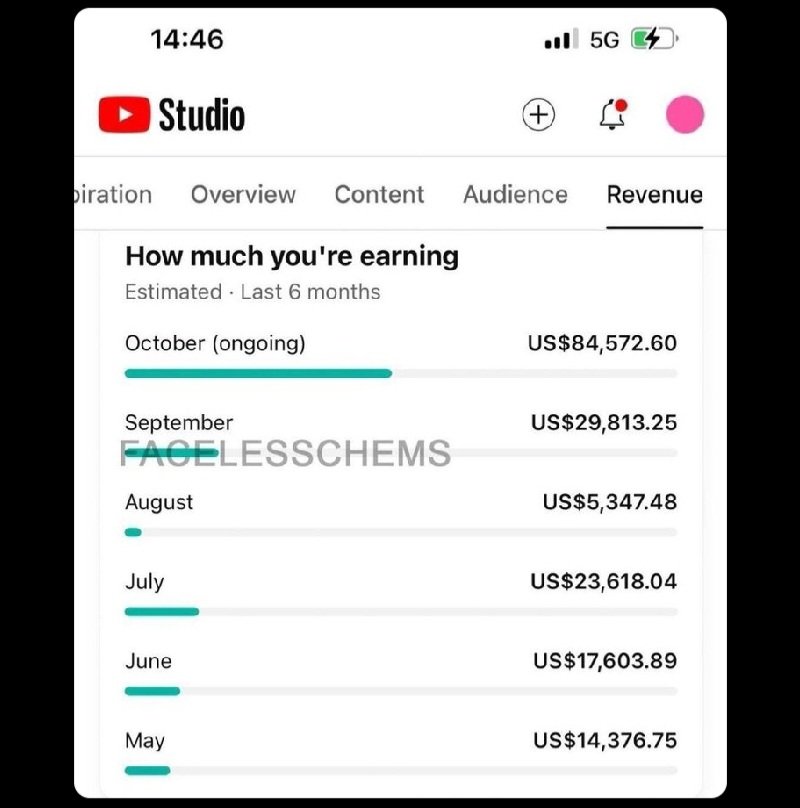
CLAUDE YouTube = $$$$.
No degree. No camera. No editing skills.
Even a 15-year-old can do this.
I'm going to show you exactly how.
12 prompts that print money on YouTube 👇
3
3
7
24
Atlas Orion retweeted

This is bigger than a robot launch. It's a shift in how we think about machines.
When intelligence gets a body, industries begin to evolve in ways we're only starting to imagine.
Curious to see what Eno can do when it leaves the demo stage and enters the real world.

Humanoid robots don't need to look human.
Meet Eno, our first general-purpose robot.
Not a machine pretending to be human, but intelligence given a body.
At Genesis, we’re building a future where robots don’t feel cold or distant, but capable, calm, and ready to help.
Available Q4 this year.
2
3
9
624
Atlas Orion retweeted

17m
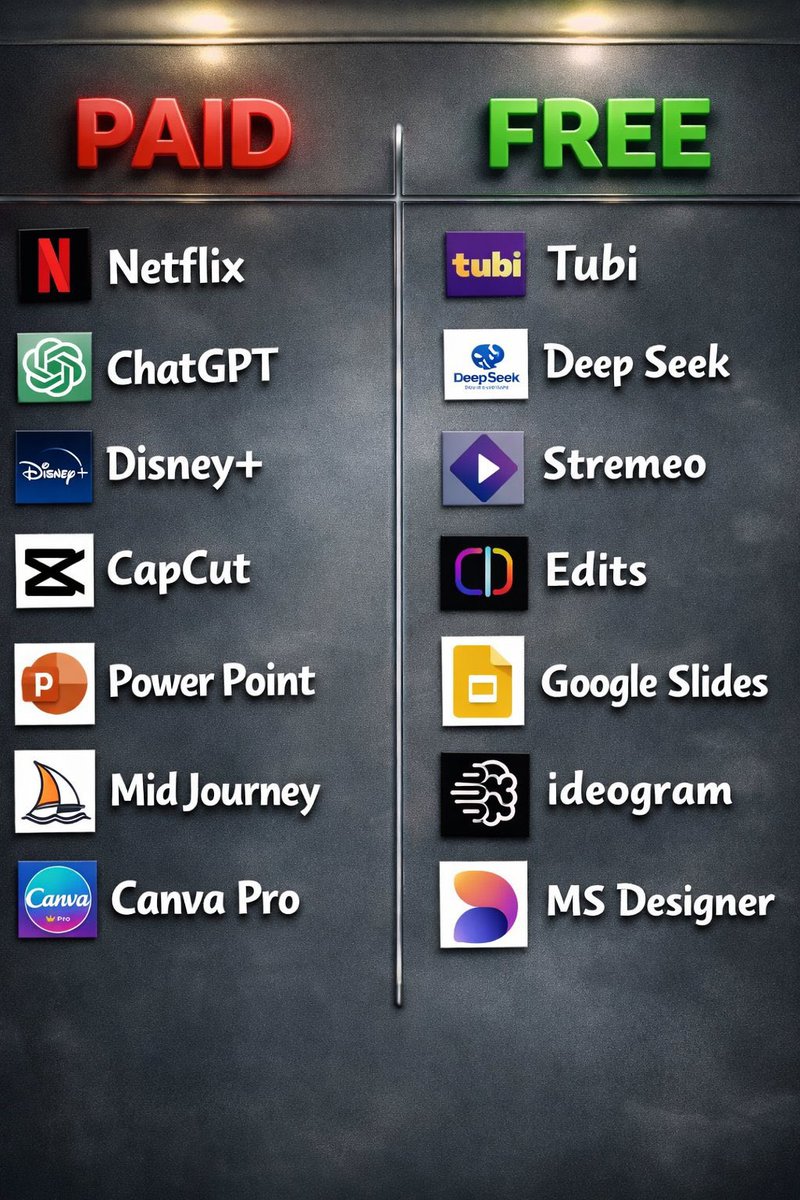
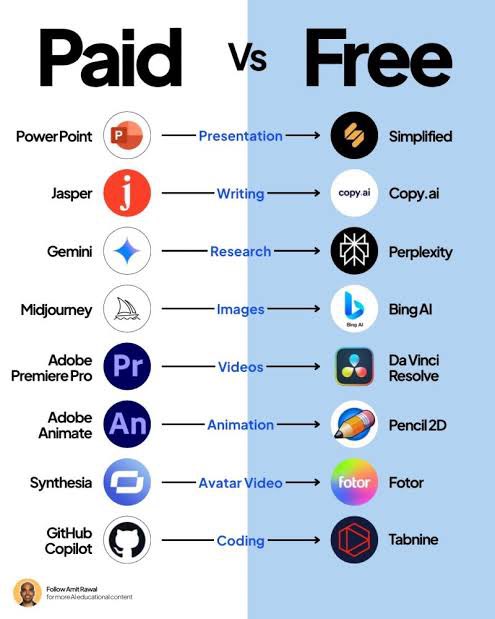
Paid Tools vs Free Alternatives
1. Research
Paid: ChatGPT.com
Free: Deepseek.com
2. Video
Paid: HeyGen.com
Free: AirMore.ai
3. Watermark Removal
Paid: Fotor.com
Free: AirMore.ai
4. Image Generation
Paid: Midjourney.com
Free: Ideogram.ai
5. Presentation Tools
Paid: Beautiful.ai
Free: SlidesAI.io
[Bookmark for later 🔖]
Follow me & DM @abir35627 For more.
4
5
17
Atlas Orion retweeted

AI influencers are getting too realistic…
You see the face.
The expression feels real.
Everything looks human.
But here’s the twist:
It’s completely AI-generated.
Try it here 👉 mega.apob.ai/SakhilKhan
9
17
29
123
Atlas Orion retweeted

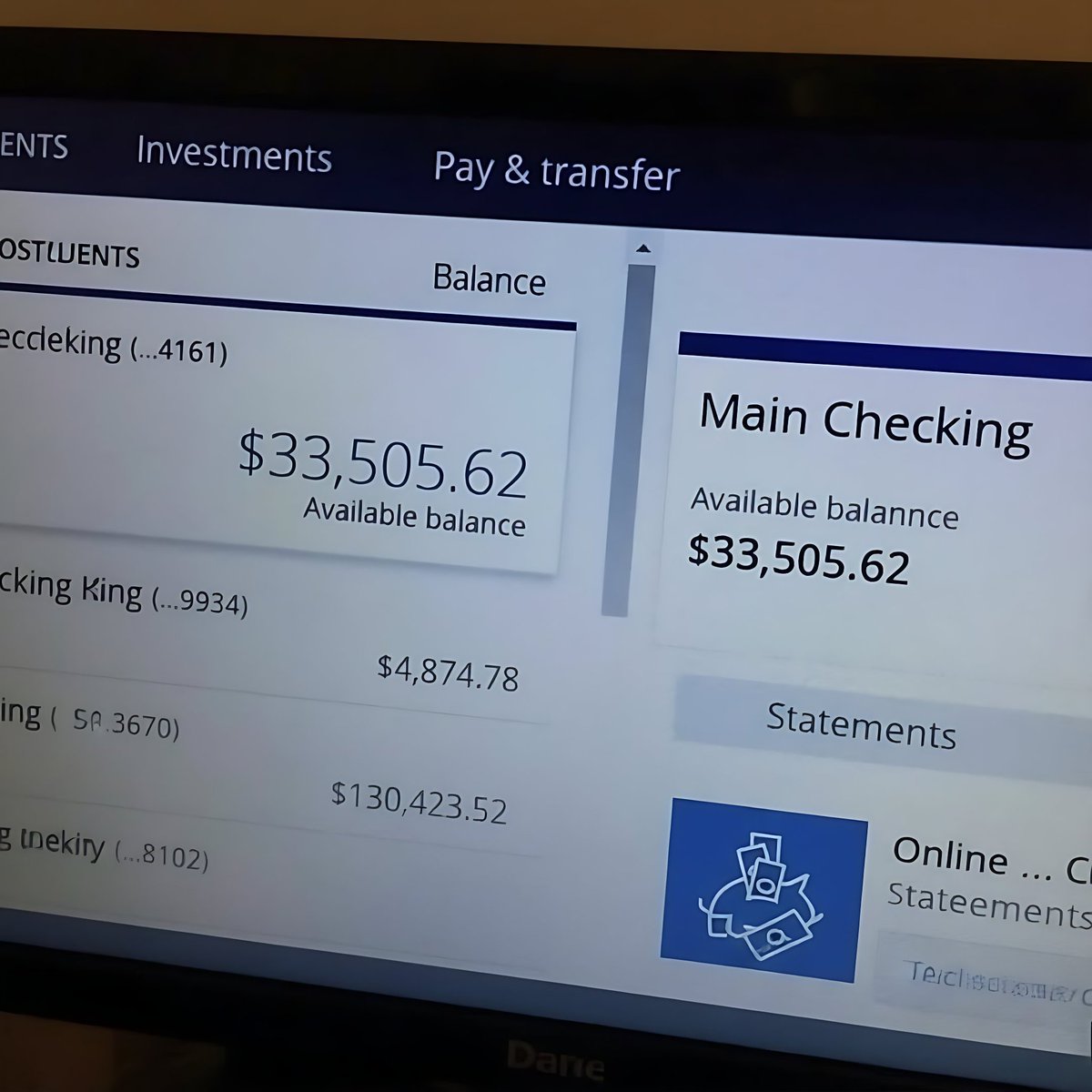
Work from home. No degree required. 💼
I’ve collected 46 sites that pay up to $70/hr for data entry jobs.
All you need is internet access.
The full list is 100% FREE.
To claim it: 💡
1. Like & Retweet
2. Reply "send"
3. Must Follow, So I’ll DM everything you need.
14
13
19
133
Atlas Orion retweeted

45m
I gave Claude 7 prompts.
It built my entire YouTube channel.
I did nothing.

21
22
28
476
Atlas Orion retweeted

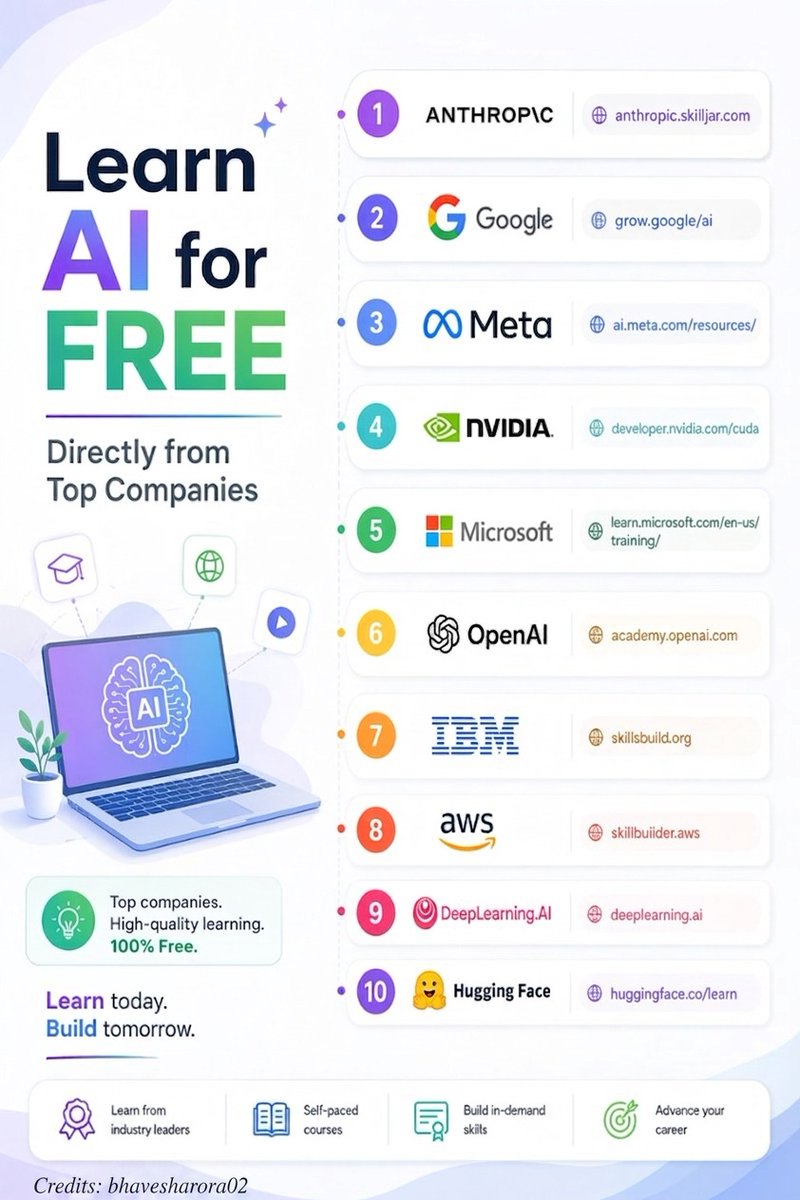
Learn AI for free directly from top companies
𝟭 - 𝗔𝗻𝘁𝗵𝗿𝗼𝗽𝗶𝗰:
anthropic.skilljar.com
𝟮 - 𝗚𝗼𝗼𝗴𝗹𝗲:
grow.google/ai
𝟯 - 𝗠𝗲𝘁𝗮:
ai.meta.com/resources/
𝟰 - 𝗡𝗩𝗜𝗗𝗜𝗔:
developer.nvidia.com/cuda
𝟱 - 𝗠𝗶𝗰𝗿𝗼𝘀𝗼𝗳𝘁:
learn.microsoft.com/en-us/tr…
𝟲 - 𝗢𝗽𝗲𝗻𝗔𝗜:
academy.openai.com
𝟳 - 𝗜𝗕𝗠:
skillsbuild.org
𝟴 - 𝗔𝗪𝗦:
skillbuilder.aws
𝟵 - 𝗗𝗲𝗲𝗽𝗟𝗲𝗮𝗿𝗻𝗶𝗻𝗴𝗔𝗜:
deeplearning.ai
𝟭𝟬 - 𝗛𝘂𝗴𝗴𝗶𝗻𝗴 𝗙𝗮𝗰𝗲:
huggingface.co/learn
❤️ Like
🔁 Retweet
🔖 Bookmark
Follow
@bhavesharora02
more AI Posts
#AI #ArtificialIntelligence #AISkills #AIAgents #RAG #LLM #PromptEngineering
3
12
24
82
Atlas Orion retweeted

38m
THE FIRST QUESTION IN AN INTERVIEW:
"So, tell me a little about yourself."
Don't talk about your hobbies.
Don't repeat your resume.
Say this instead 👇
7
16
23
76
Atlas Orion retweeted

54m
🚨 BREAKING: Claude has a feature called ADHD Executive Function Mode.
You can use it to hack your brain’s dopamine and finish a week’s worth of work in 4 hours.
Here are 7 prompts to access it: 👇
21
43
57
241
Atlas Orion retweeted

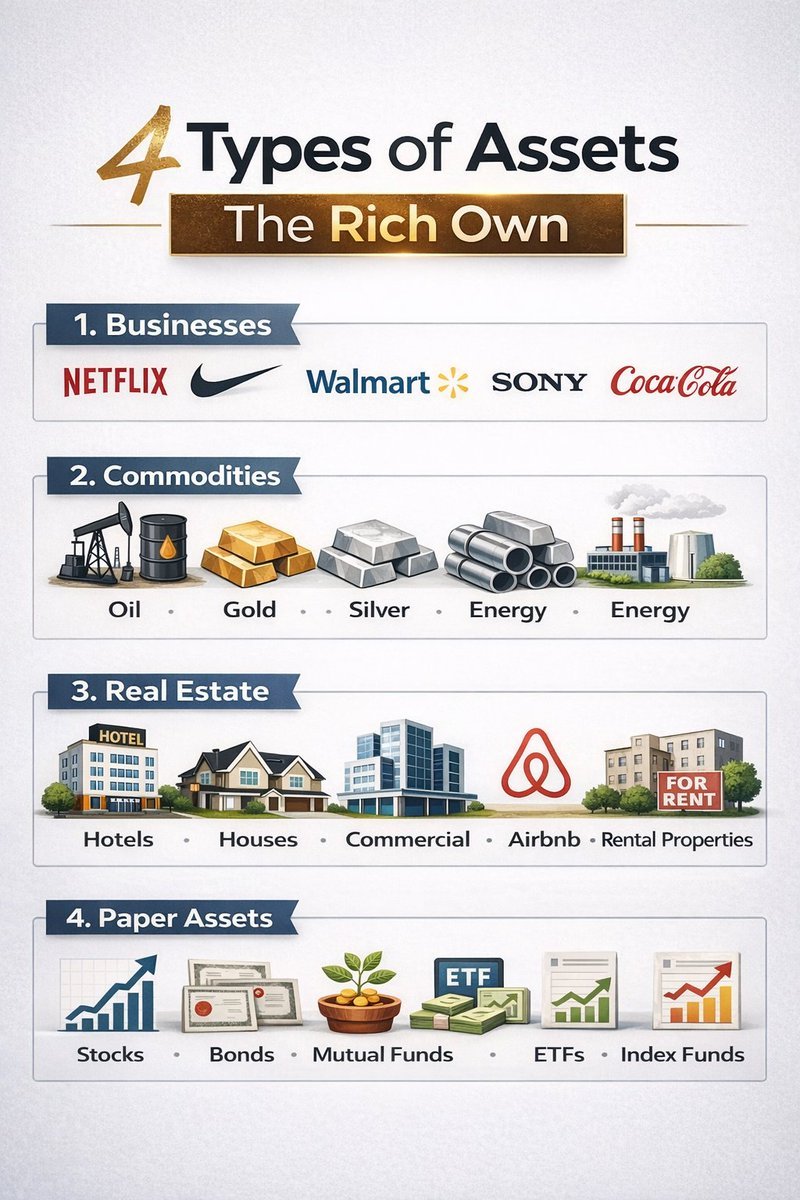
4 𝑇𝑦𝑝𝑒𝑠 𝑜𝑓 𝐴𝑠𝑠𝑒𝑡𝑠 𝑇𝒉𝑒 𝑅𝑖𝑐𝒉 𝑂𝑤𝑛.
1. 𝐵𝑢𝑠𝑖𝑛𝑒𝑠𝑠
2.𝐶𝑜𝑚𝑚𝑜𝑑𝑖𝑡𝑖𝑒𝑠
3. 𝑅𝑒𝑎𝑙 𝐸𝑠𝑡𝑎𝑡𝑒
4.𝑃𝑎𝑝𝑒𝑟 𝐴𝑠𝑠𝑒𝑡𝑠
𝐹𝑜𝑙𝑙𝑜𝑤 𝑚𝑒: ( @ZainAahil30172 )
5
7
11
40
Atlas Orion retweeted

🚨 Anthropic just showed a 27-minute workshop on how to actually do prompts for Claude.
Taught by the people who built it.
Free. No registration. No paywall.
I've seen $300 courses that don't cover what they teach in the first 8 minutes.
Watch it and bookmark it now.

2
10
25
707
Atlas Orion retweeted

Arcads is insane 🤯
550 AI UGC videos/day.
🎥 Realistic creators
⚡ Minutes to launch
💰 ~$5 per ad
📈 Scale instantly
1 script → dozens of ad variations.
RT Comment “ARCADS”
(Follow for DM)

6
14
25
62
Atlas Orion retweeted

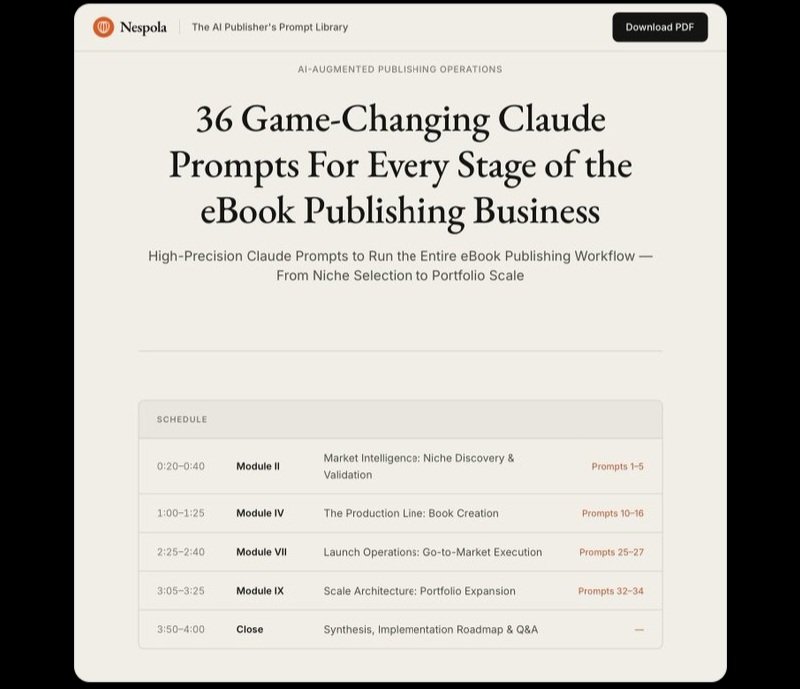
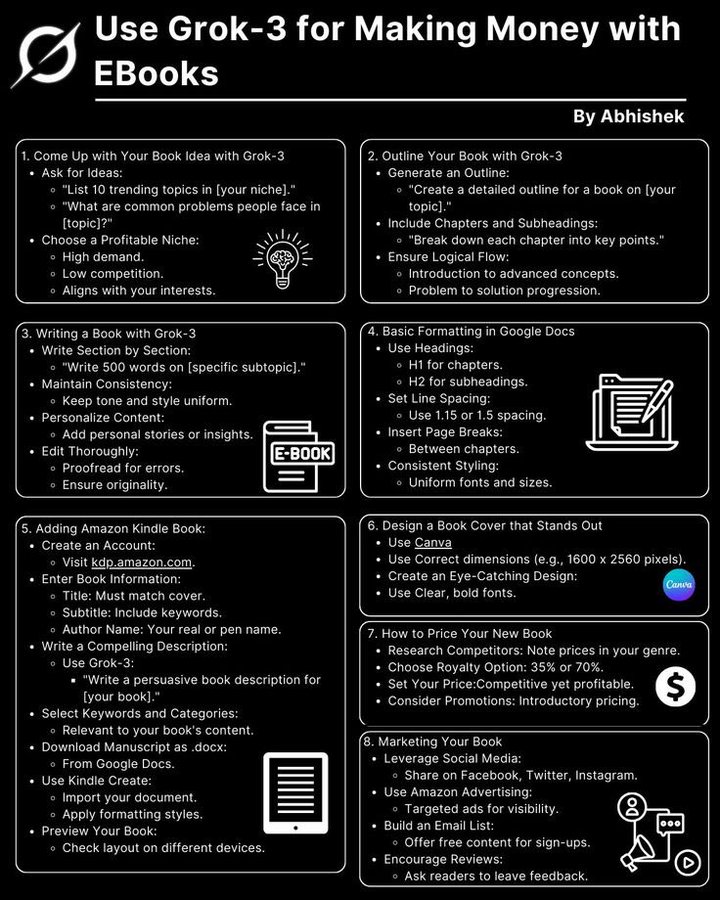
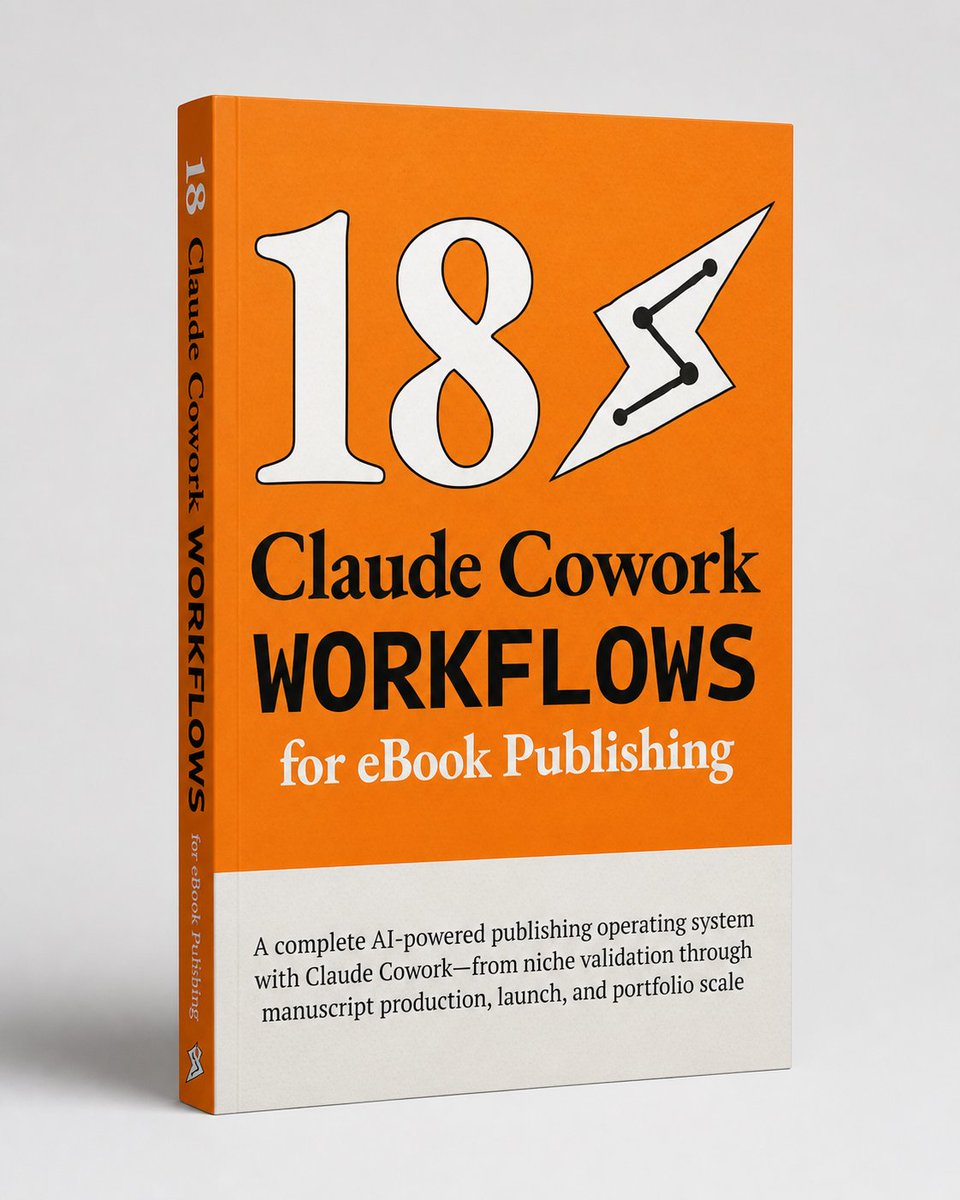
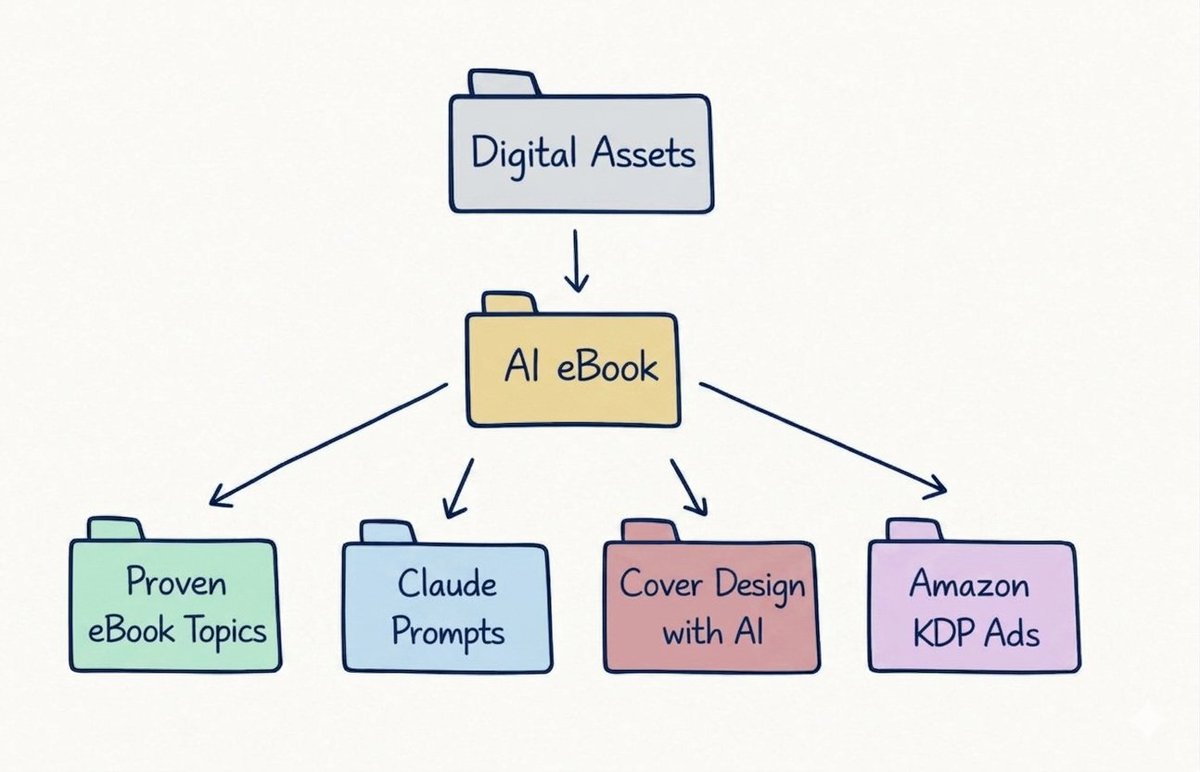
Claude AI Laptop internet connection 1 hour/day = $8,400/month
I'm finally giving away the access to all my eBook publishing strategies.
(my personal AI prompts included)
To get it, just:
1. Like
2. Comment "Guide"
3. Must be following so I can dm you!
7
12
15
86


Atlas Orion retweeted

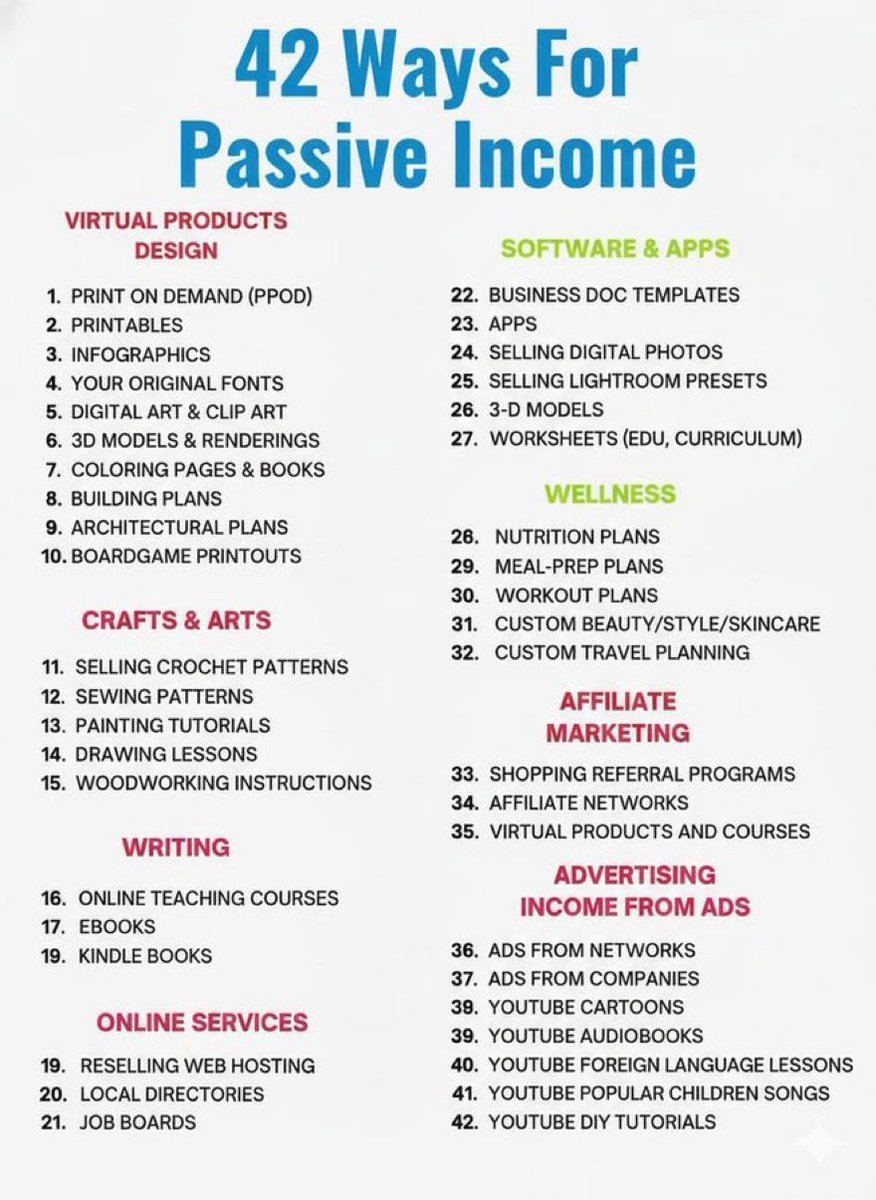
42 Ways For Passive Income.
Follow For More Updates,👇
2
16
23
83
Atlas Orion retweeted

GOODBYE TO ASTROLOGERS.
CHATGPT HAS JUST MADE IT EASY AND FREE.
JUST GIVE IT YOUR DATE OF BIRTH.
NO HOROSCOPES
NO TAROT
COPY THESE 6 PROMPTS AND GET RESULTS THAT WILL BLOW YOUR MIND:
19
40
57
582
Atlas Orion retweeted

🚨 THIS IS HOW APOB AI IS BLURRING REALITY
You stop scrolling. The smile looks genuine. The eyes lock in.
Then you realize—it was never human to begin with.
Try it: 👉 mega.apob.ai/AI-Updates-X`
20
46
50
209
Atlas Orion retweeted

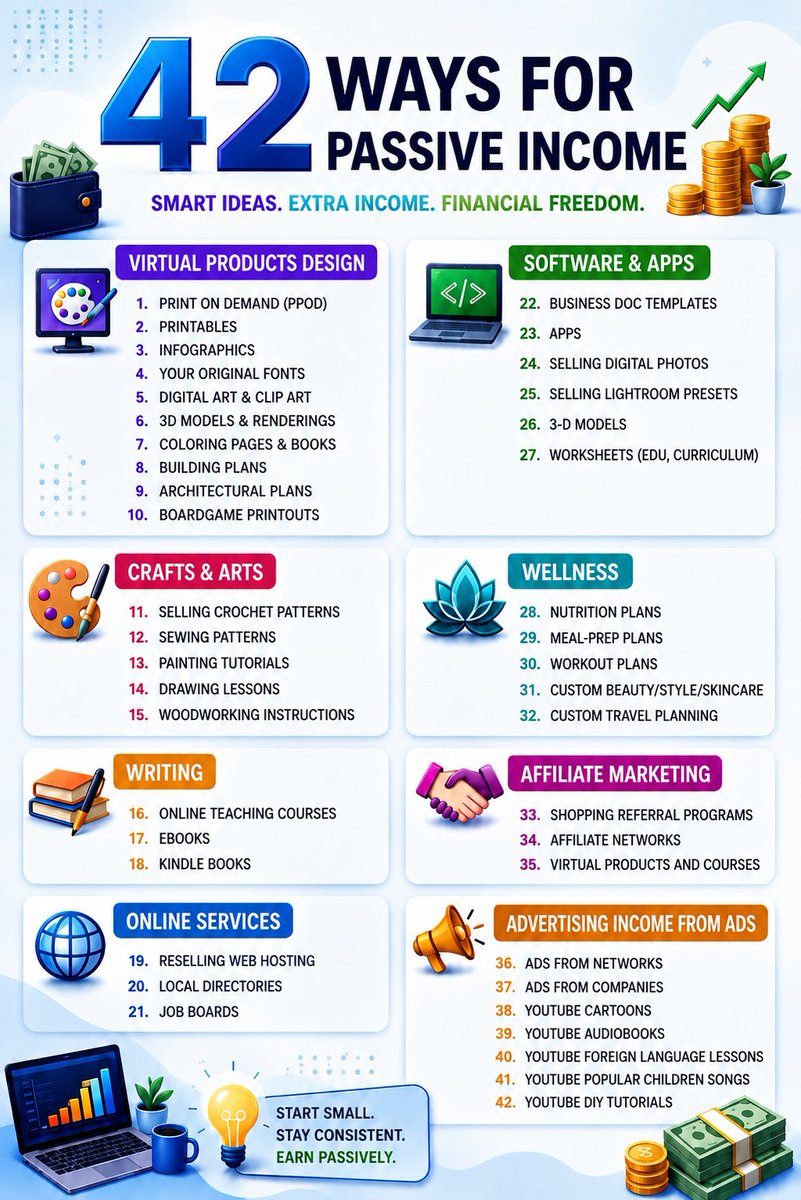
42 Ways For Passive Income Ideas. One Idea Can Change Your Future.
5
16
21
118
Atlas Orion retweeted

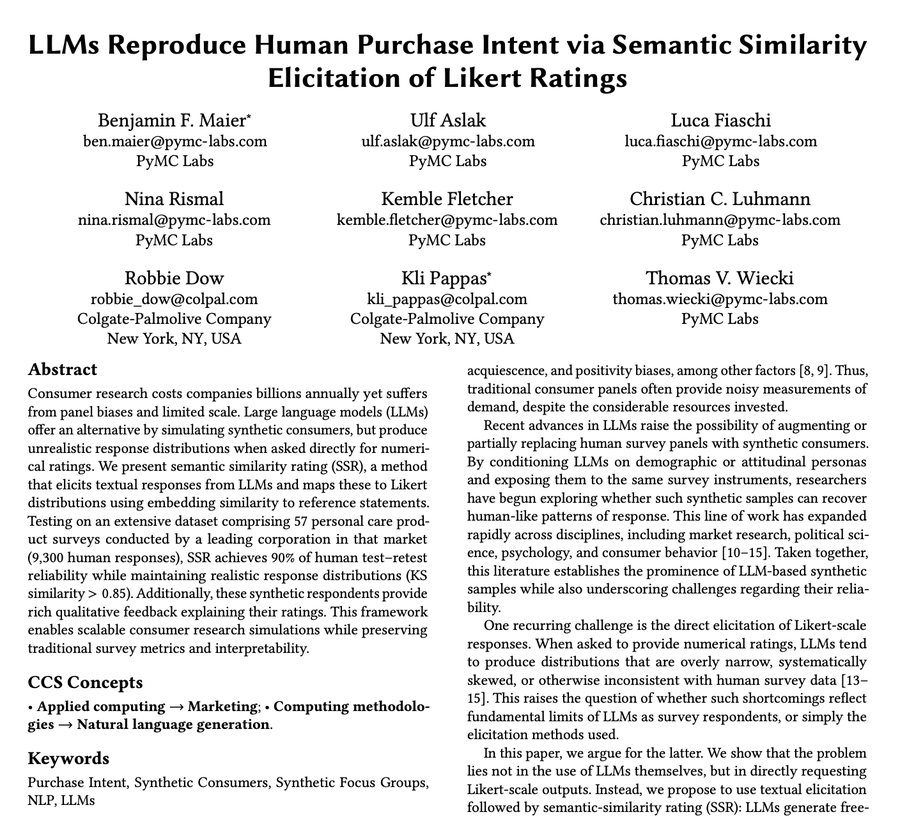
A toothpaste company may have just exposed a massive disruption in the market research industry—and almost nobody is talking about it.
Colgate published research suggesting that large language models can predict real-world purchase intent with nearly 90% accuracy by simulating consumer responses.
That sounds absurd at first.
Traditionally, if you ask an AI to rate a product from 1 to 5, you get generic, middle-of-the-road answers. So the researchers tried something different.
Instead of asking for a score, they asked the AI to roleplay.
The model was given detailed demographic profiles, shown product concepts, and prompted to share its raw, unfiltered reactions as if it were a real consumer.
Then they applied a technique called Semantic Similarity Rating (SSR), which converts those written responses into quantitative scores.
The results were remarkable.
Across 57 corporate surveys and more than 9,300 real human responses, the synthetic consumers closely matched actual purchasing behavior, achieving roughly 90% reliability.
The AI participants mirrored how different age groups and income segments responded to pricing changes. In many cases, they also generated richer and more detailed feedback than human respondents.
If these findings hold up at scale, the implications are enormous.
The traditional market research model depends on recruiting participants, running surveys, and waiting weeks for results.
With AI-generated consumer panels, companies could potentially:
• Simulate thousands of customer interviews overnight
• Test product concepts before launch
• Run pricing experiments across demographic segments instantly
• Generate qualitative feedback at a fraction of the cost
Market research isn't disappearing tomorrow.
But if synthetic consumers can reliably predict real-world behavior, the economics of the industry may have changed forever.
17
12
39
204
Atlas Orion retweeted

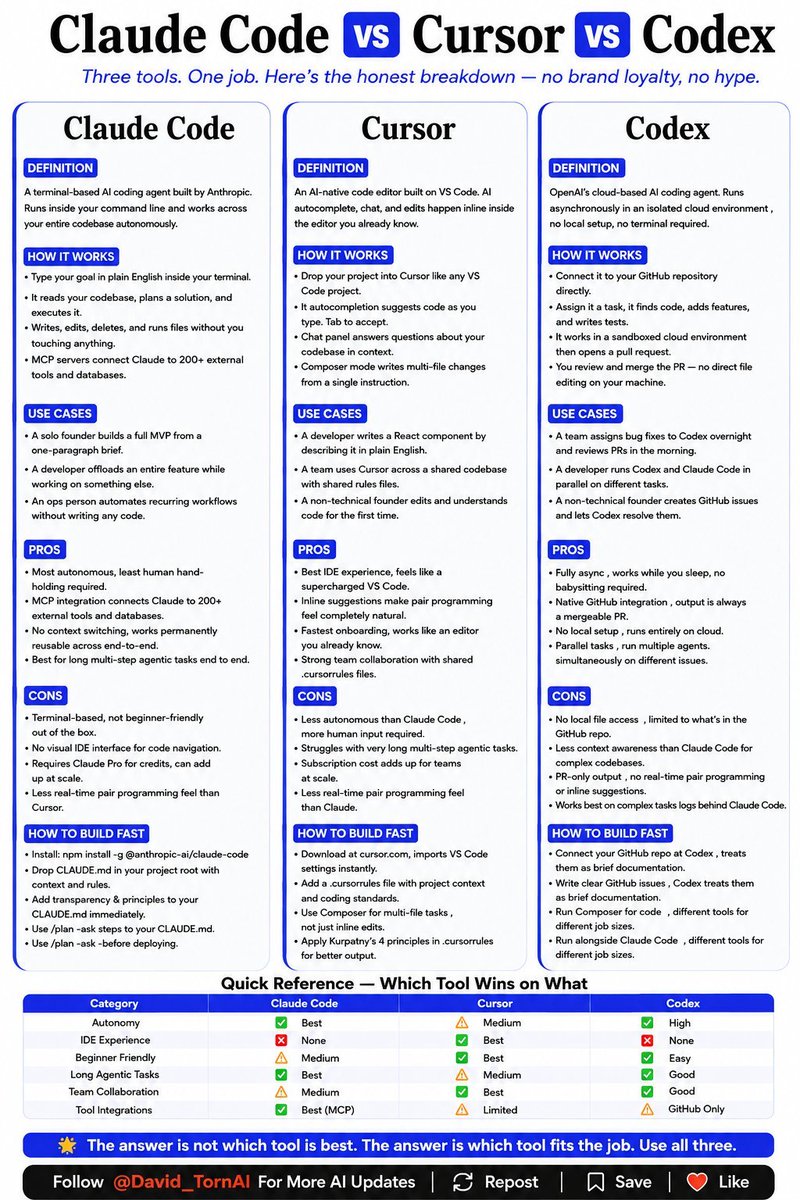
🚨 Claude Code vs Cursor vs Codex?
That's the wrong question.
The real question is:
Which tool fits your workflow right now?
Too many people argue about which AI coding tool is "best."
The truth?
Each one solves a different problem.
Here's the no-hype breakdown 👇
⚡ Claude Code
Built by Anthropic, Claude Code is a terminal-first AI coding agent.
Give it a goal, and it can:
✅ Read your codebase
✅ Create a plan
✅ Write and edit code
✅ Run commands
✅ Execute multi-step tasks autonomously
With MCP, it can connect to hundreds of external tools and services.
Best for: • Solo founders building MVPs fast
• Developers delegating entire features
• Operations teams automating workflows
Pros: Exceptional autonomy and long-running agentic tasks
Cons: Terminal-based and less beginner-friendly
⚡ Cursor
Cursor is an AI-native editor built on top of VS Code.
It feels familiar from the first minute.
You get:
✅ Smart autocomplete
✅ AI chat inside your editor
✅ Multi-file editing with Composer
✅ Context-aware coding assistance
Best for: • Daily software development
• React and frontend workflows
• Teams collaborating in shared codebases
Pros: The best IDE experience available today
Cons: Not ideal for complex, long-running autonomous tasks
⚡ Codex
Codex is OpenAI's cloud-based coding agent.
Instead of working on your machine, it works in the cloud.
You assign a task and it:
✅ Analyzes the repository
✅ Writes code
✅ Runs tests
✅ Opens a pull request
All asynchronously.
Best for: • Overnight bug fixes
• Parallel development tasks
• GitHub-centered workflows
Pros: Fully async with strong GitHub integration
Cons: Less codebase awareness than Claude Code on large projects
🏆 Quick Comparison
Autonomy: Claude Code > Codex > Cursor
IDE Experience: Cursor > Claude Code = Codex
Beginner Friendly: Cursor = Codex > Claude Code
Long Agentic Tasks: Claude Code > Codex > Cursor
Team Collaboration: Cursor > Codex > Claude Code
Integrations: Claude Code (MCP) > Cursor > Codex
The winner isn't Claude Code.
The winner isn't Cursor.
The winner isn't Codex.
The winner is the tool that solves your problem fastest.
Use the right tool for the right job.
That's where the real productivity gains happen.
🔖 Save this for later.
♻️ Repost if you found it useful.
Follow @Alam_coder for more AI insights and workflows.
11
22
31
218