
Startups @ Vermont Center for Emerging Technologies (VCET) and the Vermont Seed Capital Fund..Snowboarder, Surfer and Mountian Biker...
Joined September 2010
- Tweets 3,976
- Following 627
- Followers 1,099
- Likes 8,584
471 Photos and videos






11 Mar 2025
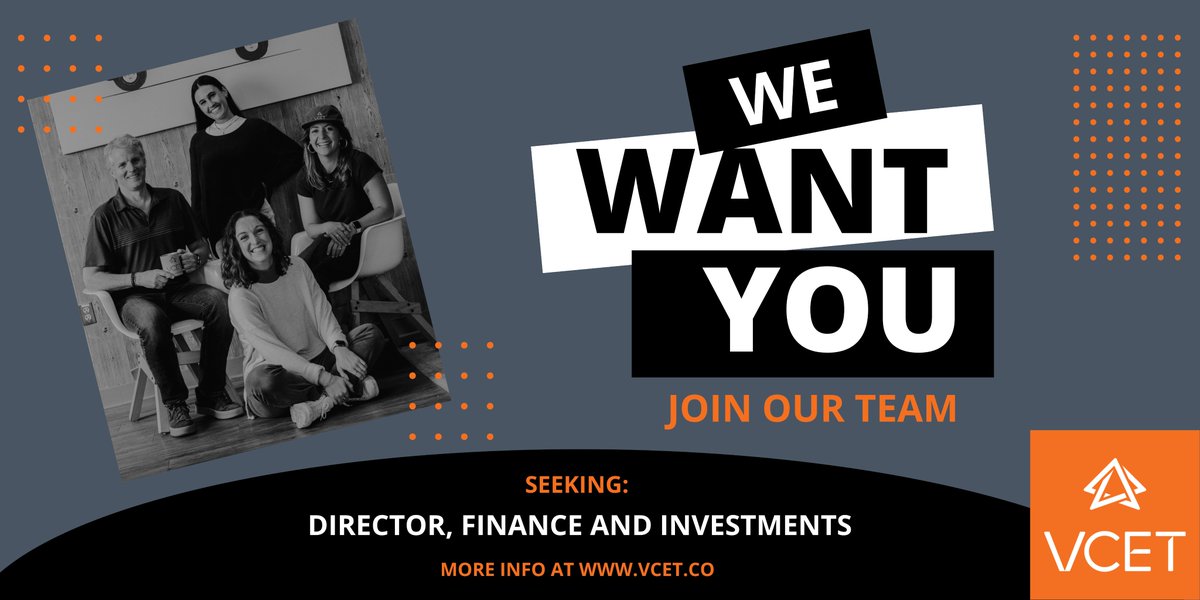
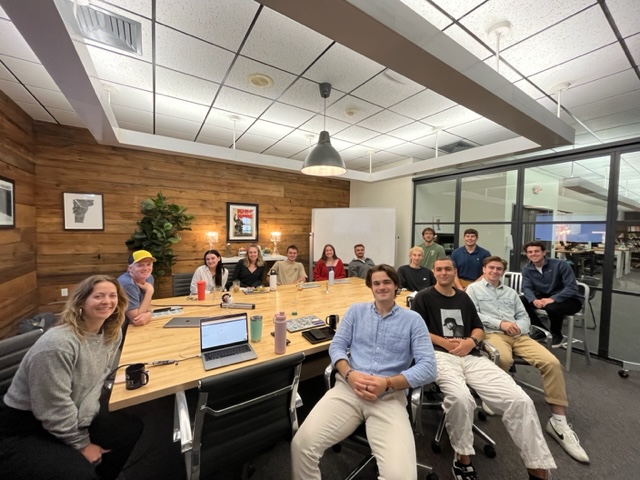
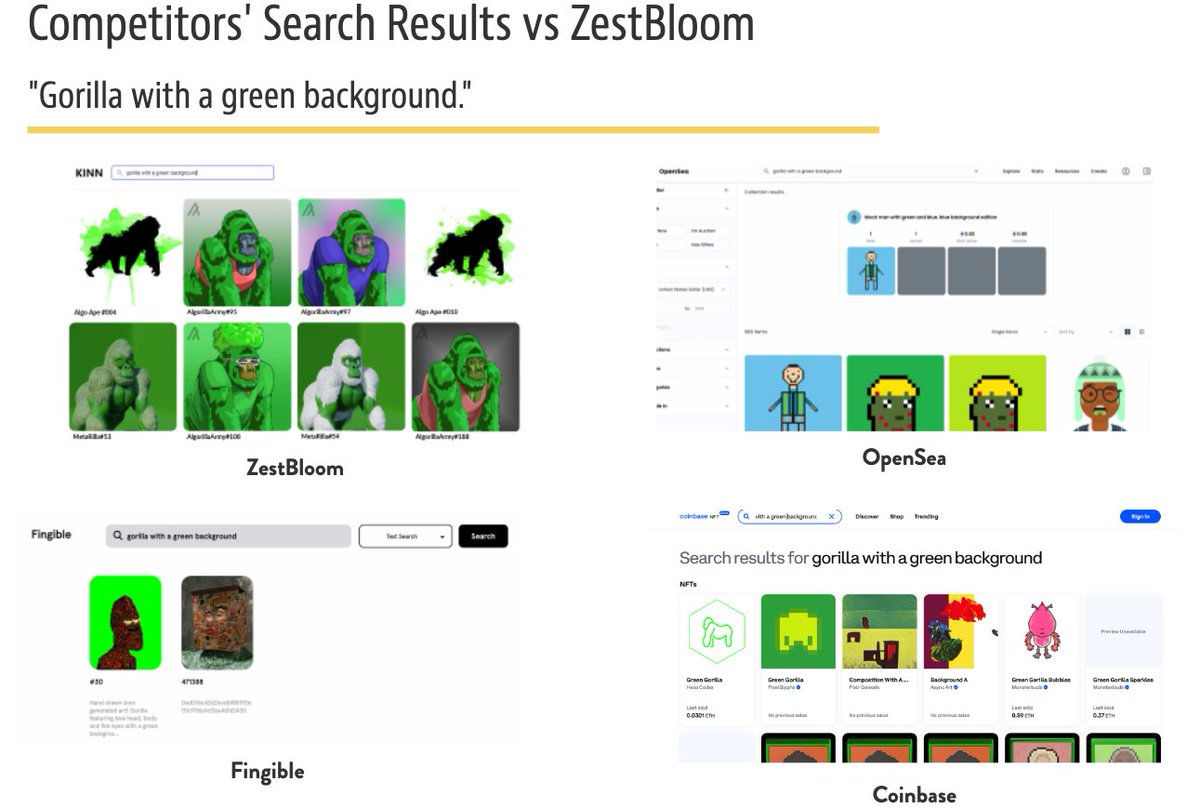
Female Founders: Olympians, March 24 in Burlington, VT...@VCET vermontbiz.com/news/2025/mar…
1
89
David Bradbury retweeted

20 Sep 2024
Martin Sheen ladies and gentlemen
176
1,720
10,315
749,305
David Bradbury retweeted

12 Sep 2024
This is the moment Rock legend Jon Bon Jovi rescues a woman from stepping off the edge of a bridge in Nashville
1,153
7,037
90,364
8,500,834
8 Aug 2024
VC in #Vermont ? Yup, you can work, play, live, and invest as the new Director, Finance and #Venture Investments for @VCET. Check out our impact driven, non-profit funds and startup programs...vcet.co/director-finance-and…
1
185
David Bradbury retweeted

30 Jul 2024
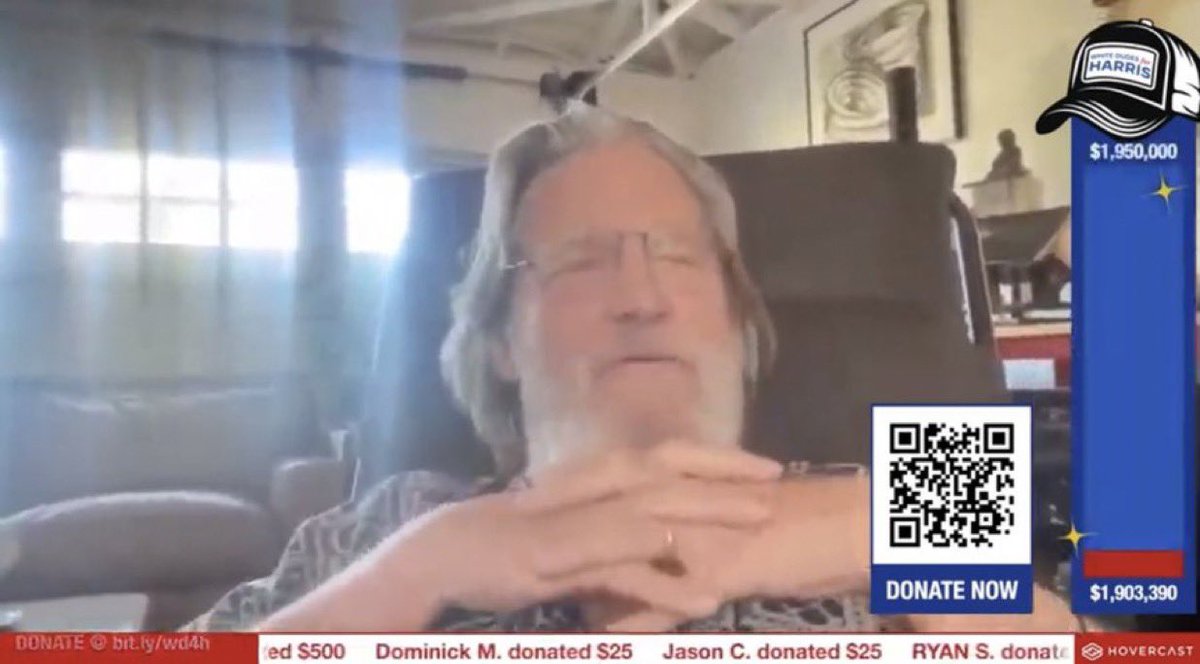
Jeff Bridges: “I’m white, I’m the Dude, and I’m for Harris."
1,594
12,587
124,710
3,726,583

Learn more about our first branded specialty chemical -- BAYSE™ /bās/ -- in the video below.
#FossilFreeFuture
1
1
103
David Bradbury retweeted

21 Jul 2024
BREAKING: This Kamala Harris ad from 2020 still goes hard. Retweet to ensure every American sees it. x.com/AdamJSmithGA/status/18…
819
16,222
40,644
3,152,301
David Bradbury retweeted

11 Jul 2024
Drone footage from Lyndon. Most of downtown is under water, including the famous Miss Lyndonville Diner
9
49
144
66,705
David Bradbury retweeted

11 Jul 2024
Dewey Hill Road in Stowe this morning. 2 weeks ago it was nearly washed out by that rain event...this is much worse! @BenMyNBC5 @wcax @StoweToday @with_hill
12
19
58
10,048
David Bradbury retweeted

9 Jul 2024
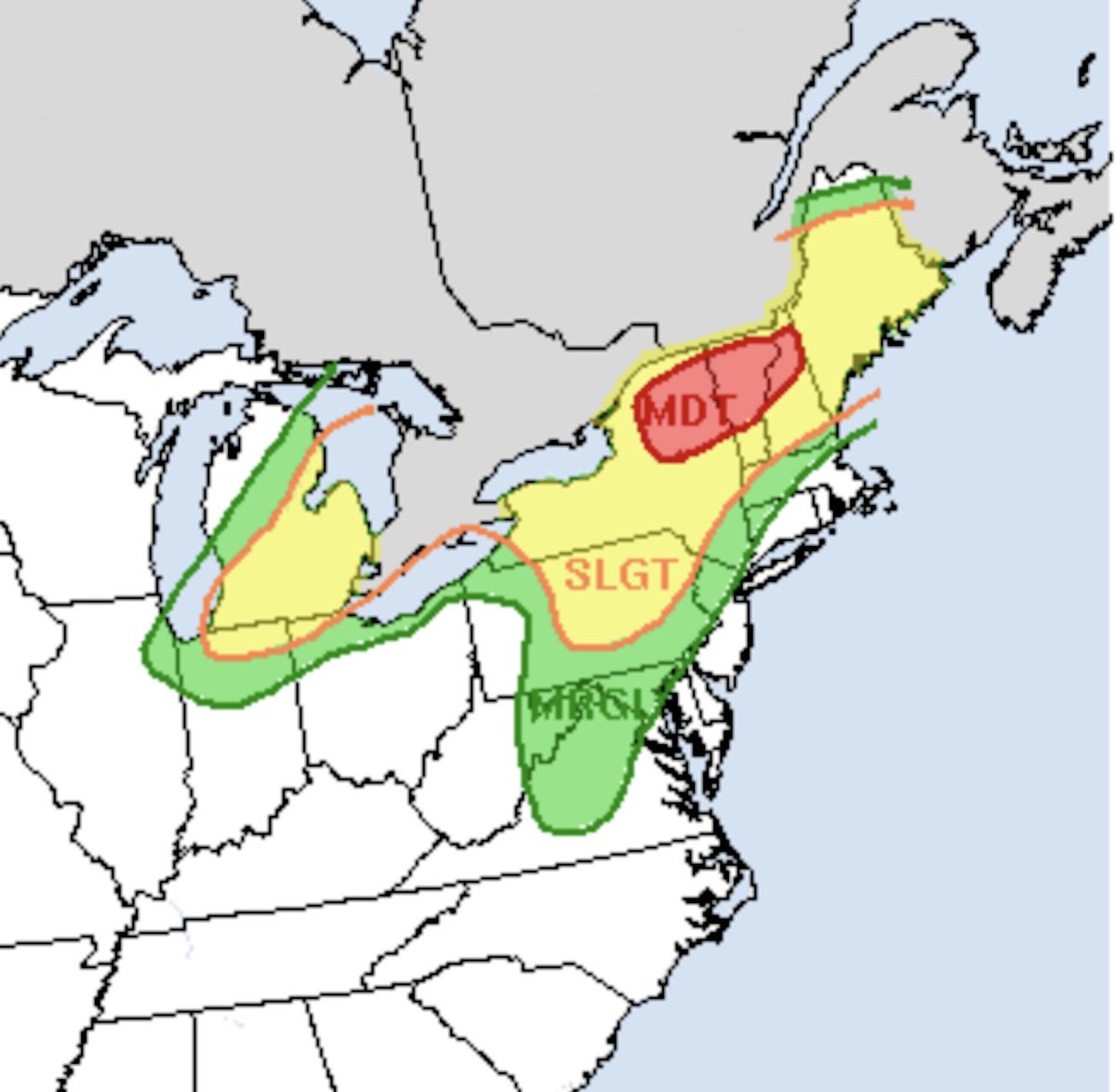
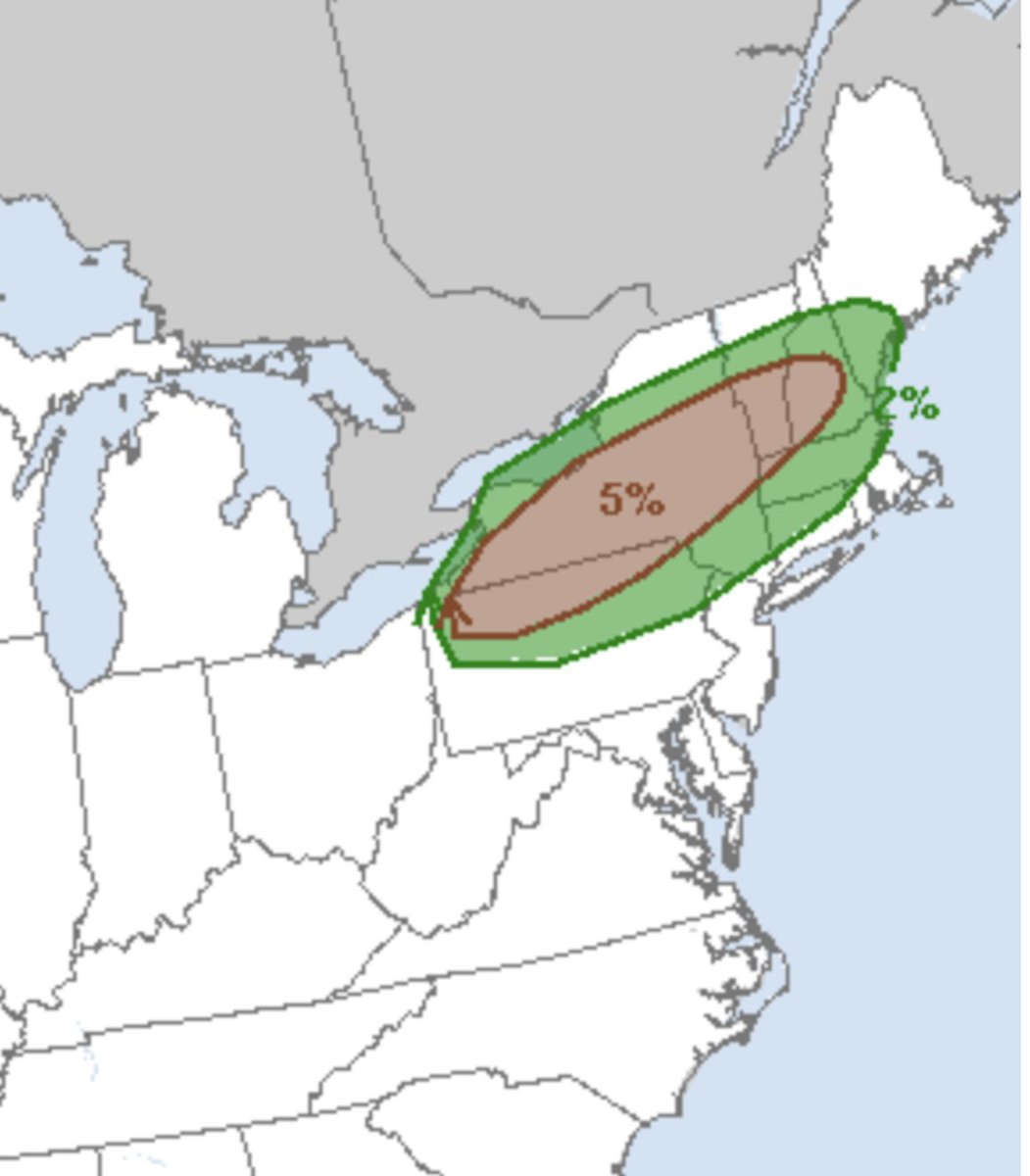
Matt's Weather Rapport: The forecast for #Vermont tomorrow has gotten notably more ominous with flash flooding now likely. Could get really bad in some spots. Severe storms, even tornado also possible. Details: matttsweatherrapport.blogspo… #vtwx #Beryl #ClimateChange
1
5
19
3,181
9 Jul 2024
Simply better for you, us and our planet. Check out @ZymoChem new bio-based, super absorbent polymer announced today. Way to go!

Introducing BAYSE, @ZymoChem 's revolutionary Super Absorbent Polymer, that is bio-based, biodegradable, and foundational to a host of industries including absorbent hygiene.
Learn how we are building a #FossilFreeFuture at
zymochem.com/news/zymochem-u…
ALT ZymoChem unveils the first scalable, bio-based, and biodegradable Super Absorbent Polymer.
1
69
David Bradbury retweeted

22 Jun 2024
Very worth listening to. Like watching a time traveler after the fact. Especially the quote “some people know enough to hurt themselves.”
21 Jun 2024

Today seems like a good day to rewatch this Michael Saylor video from 2012 about Apple stock. 🍎
He also briefly talks about Dell computers. 👀
#Bitcoin
8
6
99
18,394
David Bradbury retweeted

7 Jun 2024
In 2012, Canva founder Melanie Perkins was rejected by investors more than 100 times.
“Most people said they weren’t ready.”
“Each of these rejections hurt a lot.”
She waited 3 more years for an investment.
Canva is now worth more than $25 billion.
33
520
2,741
397,180
22 May 2024
fantastic @epaley .... Two Laws of Startup Physics
21 May 2024

Two Laws Of Startup Physics
Fifteen years into my venture capital career, I’ve come to believe there are two undeniable laws of startup physics:
Capital compounds both positive and negative formulas.
All positive formulas compound at diminishing rates of return.
1/55
2
105
David Bradbury retweeted

14 May 2024
Michael Moritz is a living legend.
Worth the long read for the amount of wisdom being dropped on so many relevant subjects here
HT @shaunmmaguire for sharing
Inside the mind of the best VC investor ever
calcalistech.com/ctechnews/a…
2
9
99
16,624
David Bradbury retweeted

12 May 2024
Whoa! In Switzerland, a mobile overpass bridge is used to carry out road work without stopping traffic👏
1,851
33,536
199,513
48,015,493
David Bradbury retweeted

10 May 2024
"Best little foodie town in New England" - I need to eat out more -- I learned about a couple eateries in my own town that I never knew were here. bostonglobe.com/2024/05/10/l… via @BostonGlobe
1
9
352
David Bradbury retweeted

29 Apr 2024
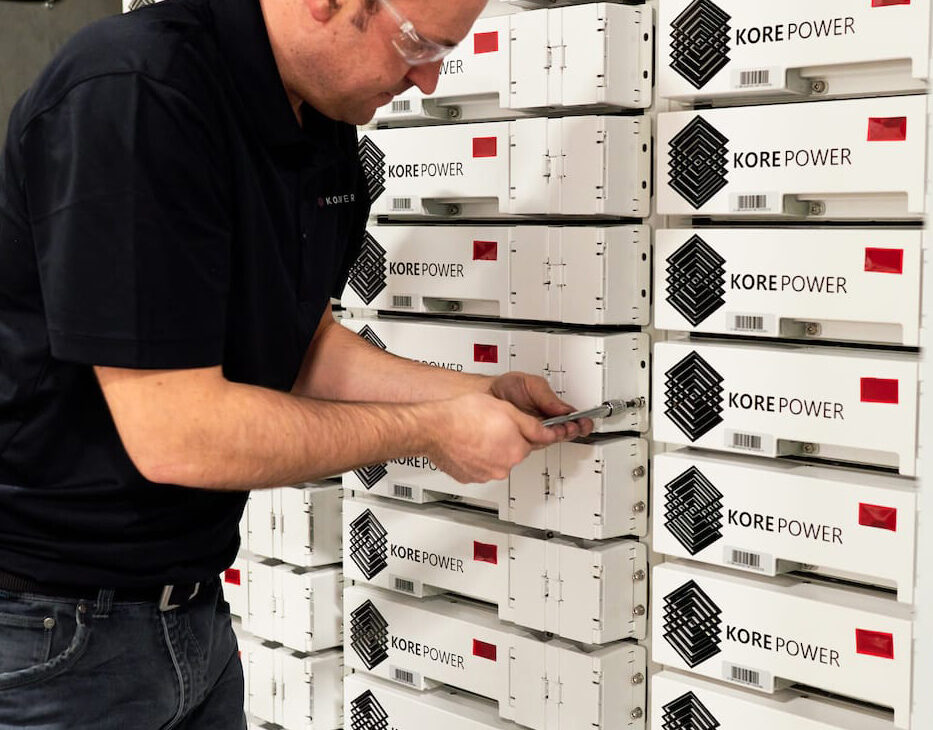
VCET: KORE POWER/COMPANY SPOTLIGHT
vermontbiz.com/news/2024/apr…
2
4
340
David Bradbury retweeted

30 Apr 2024
This hits deep. Such a true statement.
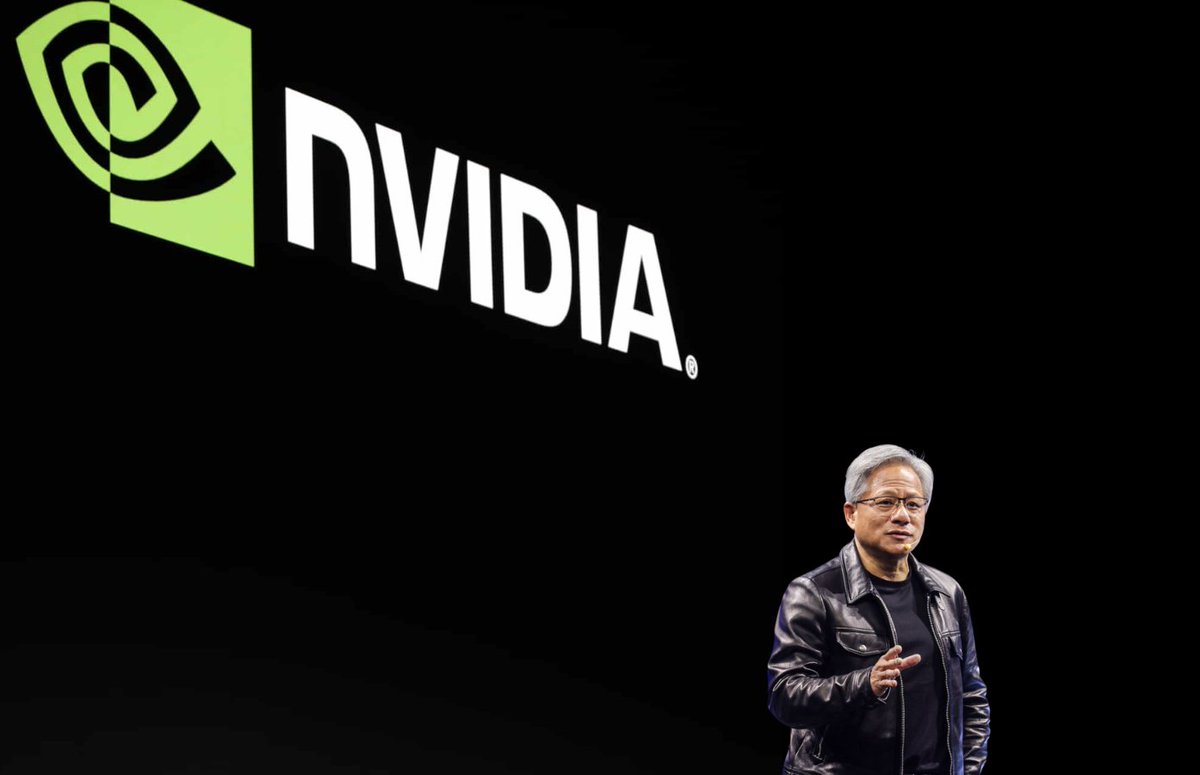
“Greatness is not intelligence. Greatness comes from character.”
— Jensen Huang
29 Apr 2024

In 1993, Jensen Huang pitched a startup idea to his former boss, Wilf Corrigan.
After Jensen's pitch, Wilf said,
“I have no idea what you just said. That was one of the worst pitches I've ever heard.”
Wilf then called the renowned venture capitalist Don Valentine, and said,
“Don, I'm going to send a kid over to you. He's one of the best employees I've ever had. I'm not sure what he's doing, but I think you should give him money.”
As the founder of Sequoia Capital, Valentine had made early investments in companies like Apple, Atari, and Wilf's LSI Logic (which had generated a $150 million return through its 1983 IPO).
So, walking in to pitch to Valentine, Jensen (then 29 years old) was nervous, and therefore, “I did a horrible job with the pitch.”
“Well, that wasn’t very good,” Valentine said. “But Wilf says to give you money, so against my better judgment, I’m going to give you money.”
With funding from Sequoia, Jensen and his co-founders, Curtis Priem and Chris Malachowsky, started Nvidia—initially, a company focused on creating graphics processing units (GPUs) to improve the quality of video game graphics.
Over time, Nvidia's GPUs and other computing technologies would spread beyond gaming to a deep, broad list of industries, including self-driving cars, AI, medical imaging, weather forecasting, and on and on. As a result, Nvidia (at the time of this writing) is the 3rd most valuable company in the world, worth around $2.2 trillion.
Takeaway 1:
Pixar co-founder Ed Catmull talks about how great ideas often fail the “elevator pitch” test—the ability to deliver a compelling description of an idea in 20 or 30 seconds, about the length of a short elevator ride.
“The way to pass the elevator pitch test,” Catmull says, “is to pick an idea that other people are already familiar with. So if you pick something that hasn't been done before, you will fail the elevator pitch test.”
After hearing Jensen's pitch, both Wilf Corrigan and Don Valentine said Jensen's idea sounded terrible. Jensen’s idea repeatedly failed the elevator pitch test, but it went on to birth one of the most valuable companies in the world.
Takeaway 2:
The director Tommy Kail (Hamilton, In The Heights, Freestyle Love Supreme, and more) likes to say of his approach to casting actors, hiring for his production company, and choosing collaborators:
“Humanity over talent ... Humanity is more important to me than talent. If there’s a choice to make, I’ll go humanity over talent, every time.”
Despite being terrible at pitching, because of his humanity, because he had been a good employee, because he had left LSI Logic on good terms, because he had maintained his relationship with his former boss—Jensen got the endorsement then the money that ultimately launched Nvidia.
“The thing I learned from that,” Jensen said, “is your past is more important than your ability to pitch, interview, or anything like that. You can’t run away from your past. So have a good past. Try to have a good past.”
- - -
“Greatness is not intelligence. Greatness comes from character.” — Jensen Huang
Follow @bpoppenheimer for more content like this!
1
1
30
5,799
4 Apr 2024
6
482