Web3 Developer - Building on Ethereum 🩶
Joined August 2024
- Tweets 7,862
- Following 1,785
- Followers 863
- Likes 29,003
317 Photos and videos
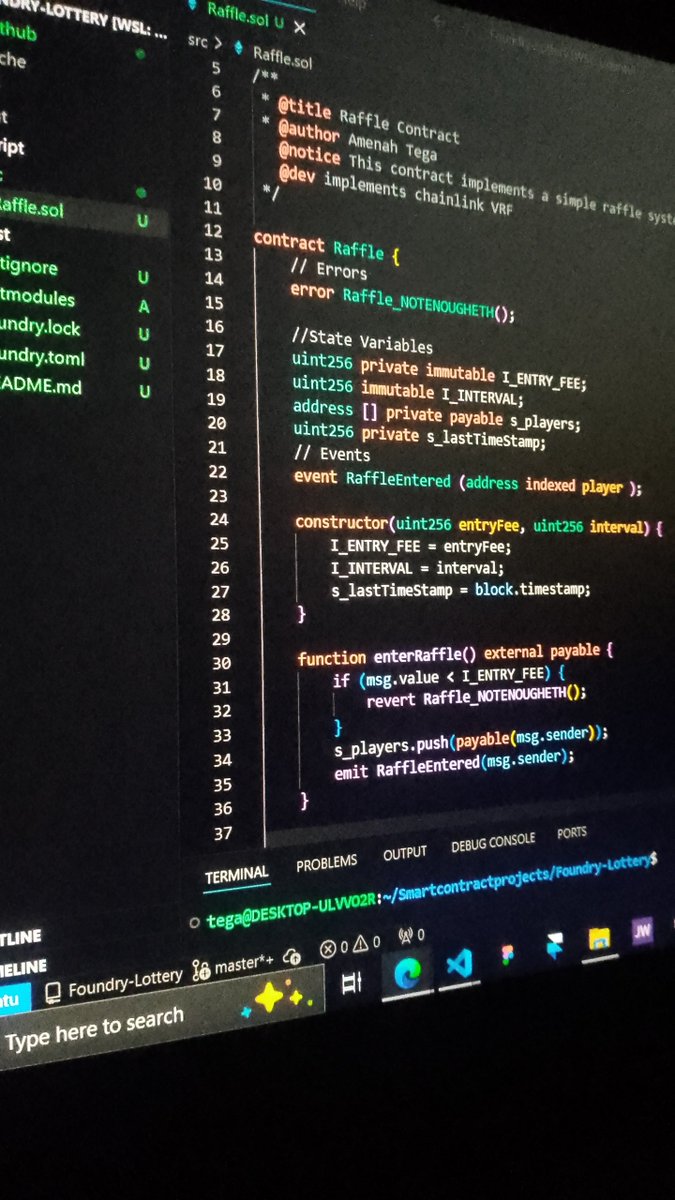
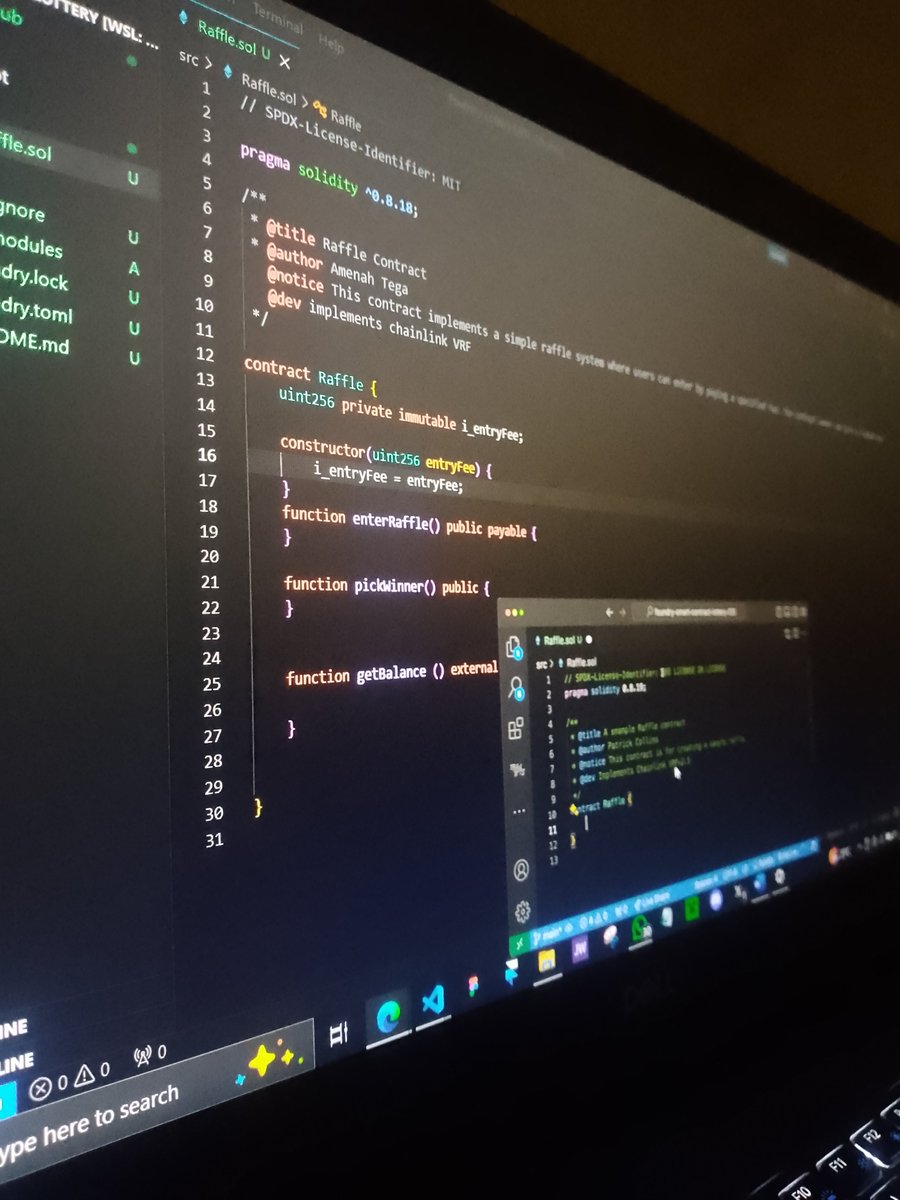
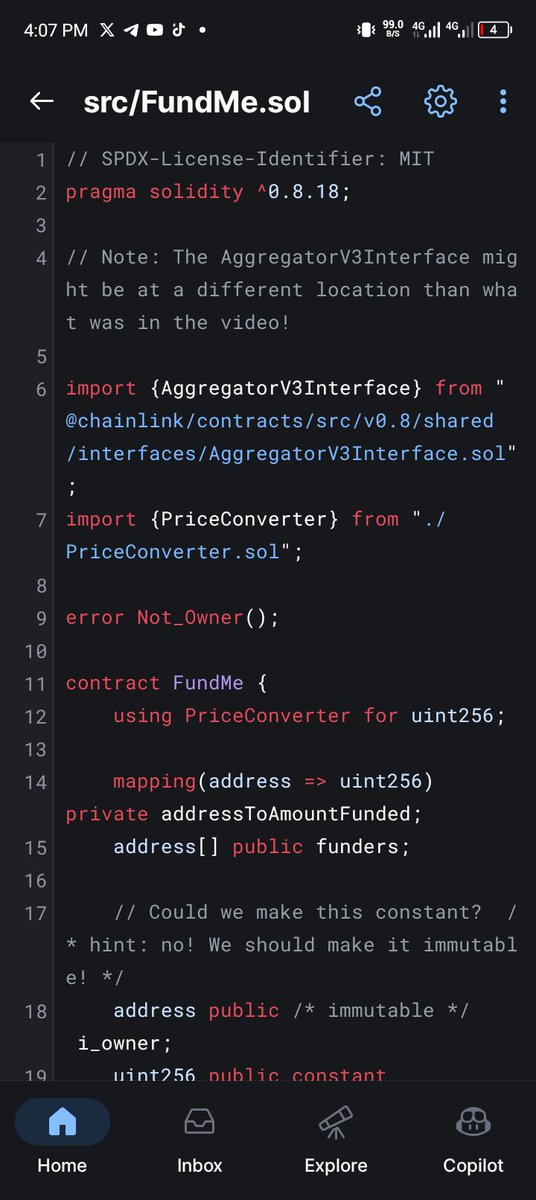

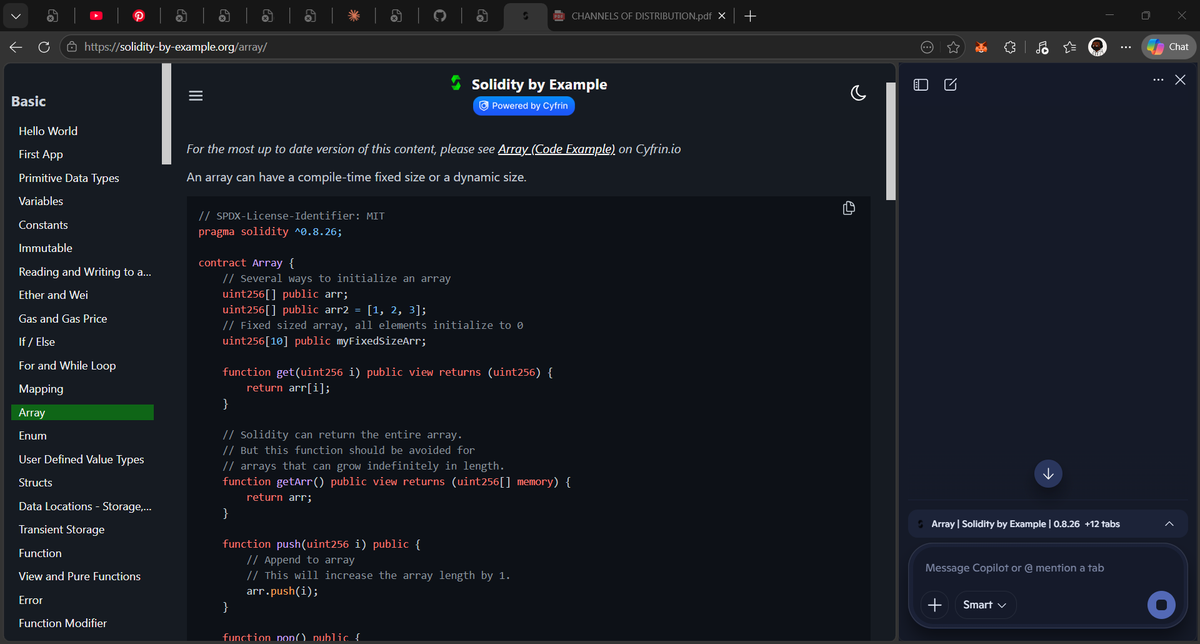



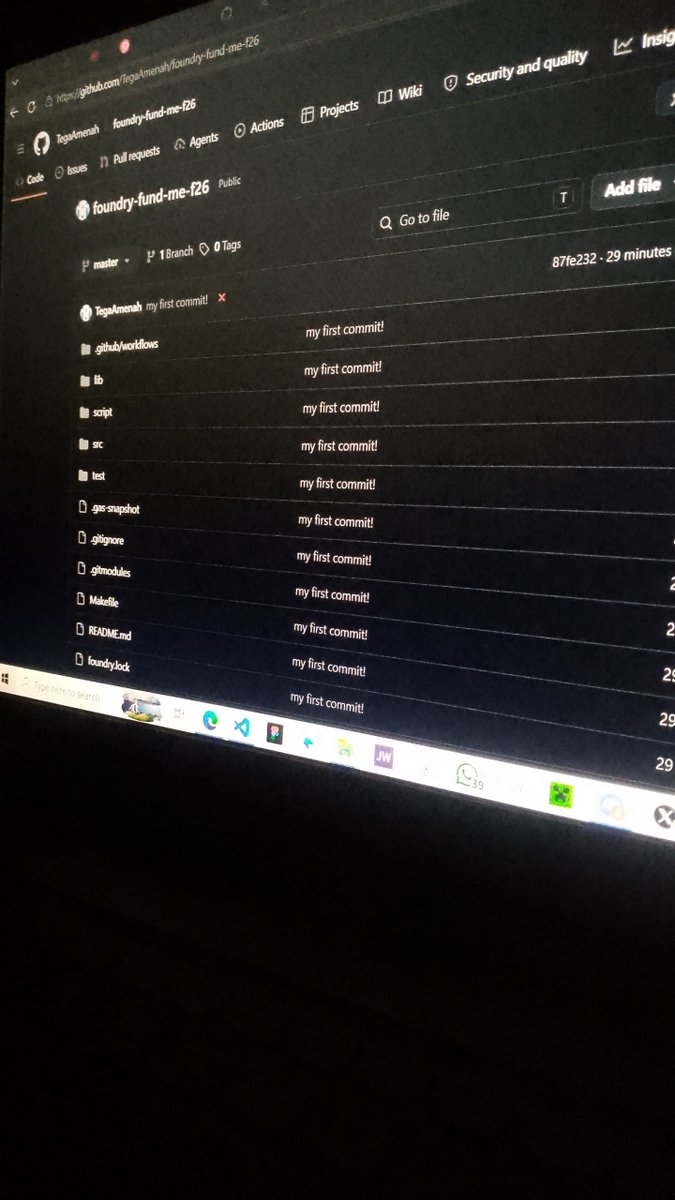
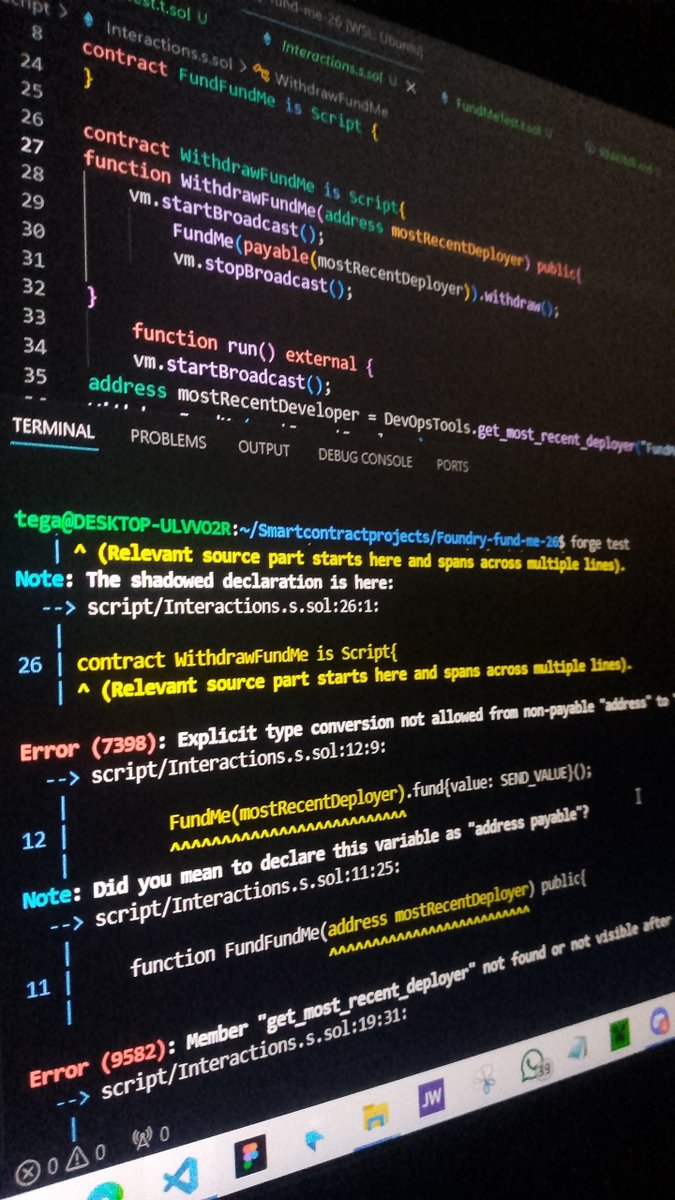




One thing I learnt from this post is that, it's not always about coding. There's are some small concepts that we might not even take to consideration and are very important to know. Bookmarked and added to learning roadmap
Jun 12

As a Smart Contract Engineer, Slap yourself if you cannot clearly explain at least 10 of the following:
1. EVM memory vs storage vs calldata layout
2. Storage slot packing & inheritance slot collisions
3. Transient storage (EIP-1153) use cases
4. delegatecall context preservation & storage layout traps
5. Proxy patterns: Transparent vs UUPS vs Beacon
6. Storage gaps in upgradeable contracts
7. Diamond pattern (EIP-2535) & facet selector clashes
8. Function selector collisions & 4-byte clashing attacks
9. ABI encoding vs encodePacked hash collisions
10. Checks-Effects-Interactions ordering
11. Reentrancy: single-function, cross-function, cross-contract, read-only
12. ERC-777 hooks & callback reentrancy surface
13. Gas griefing via return-bomb / unbounded returndata
14. 63/64 gas forwarding rule (EIP-150)
15. try/catch failure modes & bubbling reverts
16. Custom errors vs require strings gas trade-offs
17. SafeMath obsolescence & 0.8 overflow semantics
18. Unchecked blocks: when they're safe
19. Signed vs unsigned integer pitfalls in arithmetic
20. Fixed-point math & precision loss ordering
21. Front-running & sandwich attack mechanics
22. Commit-reveal schemes & MEV mitigation
23. Flashloan-based price oracle manipulation
24. TWAP oracles & manipulation cost analysis
25. EIP-712 typed structured signing
26. Signature malleability & ecrecover(0) handling
27. Replay protection across chains (chainId binding)
28. Permit (EIP-2612) & gasless approvals
29. Nonce management for meta-transactions
30. Account abstraction (EIP-4337) UserOp lifecycle
31. EIP-7702 set-code-for-EOA implications
32. CREATE vs CREATE2 address derivation
33. Metamorphic contracts & selfdestruct redeployment
34. selfdestruct post-Cancun (EIP-6780) semantics
35. Init-code vs runtime bytecode distinction
36. Immutable vs constant storage mechanics
37. Gas refund mechanics & SSTORE gas accounting (EIP-2929/3529)
38. Access list transactions (EIP-2930)
39. Warm vs cold storage access costs
40. Yul / inline assembly memory safety
41. Free memory pointer (0x40) discipline
42. Scratch space (0x00–0x3f) misuse
43. Bit manipulation & masking for packed structs
44. ERC-20 approve race condition
45. Fee-on-transfer & rebasing token integration breakage
46. ERC-721 safeTransfer reentrancy via onERC721Received
47. ERC-1155 batch transfer accounting
48. ERC-4626 vault inflation / donation attacks
49. First-depositor share-price manipulation
50. Rounding direction (round up vs down) in vault math
51. Pull-over-push payment patterns
52. Block.timestamp manipulation bounds
53. blockhash limitations & on-chain randomness fallacies
54. VRF integration & request-fulfill patterns
55. Merkle proof verification & second-preimage attacks
56. Bitmap-based airdrop claim tracking
57. Multicall & msg.value reuse across calls
58. Delegatecall to untrusted code
59. tx.origin phishing vector
60. Gas-efficient storage clearing for refunds
61. Packed storage write ordering for gas
62. Cross-contract call gas stipend assumptions
63. Forced ETH via selfdestruct breaking invariants
64. Initialization front-running on proxies
65. Signature replay across forks
66. L2 sequencer downtime oracle staleness
67. Optimistic rollup 7-day withdrawal mechanics
68. Blob transactions (EIP-4844) & calldata cost shifts
69. Precompiles (ecrecover, modexp, pairing checks)
70. BLS signature aggregation verification
71. Reentrancy guards vs transient storage locks
And if you only know 10 — kindly return the "Senior Smart Contract Engineer" title.
1
4
251
tega.eth.dev🩶 retweeted

Jun 12
As a Smart Contract Engineer, Slap yourself if you cannot clearly explain at least 10 of the following:
1. EVM memory vs storage vs calldata layout
2. Storage slot packing & inheritance slot collisions
3. Transient storage (EIP-1153) use cases
4. delegatecall context preservation & storage layout traps
5. Proxy patterns: Transparent vs UUPS vs Beacon
6. Storage gaps in upgradeable contracts
7. Diamond pattern (EIP-2535) & facet selector clashes
8. Function selector collisions & 4-byte clashing attacks
9. ABI encoding vs encodePacked hash collisions
10. Checks-Effects-Interactions ordering
11. Reentrancy: single-function, cross-function, cross-contract, read-only
12. ERC-777 hooks & callback reentrancy surface
13. Gas griefing via return-bomb / unbounded returndata
14. 63/64 gas forwarding rule (EIP-150)
15. try/catch failure modes & bubbling reverts
16. Custom errors vs require strings gas trade-offs
17. SafeMath obsolescence & 0.8 overflow semantics
18. Unchecked blocks: when they're safe
19. Signed vs unsigned integer pitfalls in arithmetic
20. Fixed-point math & precision loss ordering
21. Front-running & sandwich attack mechanics
22. Commit-reveal schemes & MEV mitigation
23. Flashloan-based price oracle manipulation
24. TWAP oracles & manipulation cost analysis
25. EIP-712 typed structured signing
26. Signature malleability & ecrecover(0) handling
27. Replay protection across chains (chainId binding)
28. Permit (EIP-2612) & gasless approvals
29. Nonce management for meta-transactions
30. Account abstraction (EIP-4337) UserOp lifecycle
31. EIP-7702 set-code-for-EOA implications
32. CREATE vs CREATE2 address derivation
33. Metamorphic contracts & selfdestruct redeployment
34. selfdestruct post-Cancun (EIP-6780) semantics
35. Init-code vs runtime bytecode distinction
36. Immutable vs constant storage mechanics
37. Gas refund mechanics & SSTORE gas accounting (EIP-2929/3529)
38. Access list transactions (EIP-2930)
39. Warm vs cold storage access costs
40. Yul / inline assembly memory safety
41. Free memory pointer (0x40) discipline
42. Scratch space (0x00–0x3f) misuse
43. Bit manipulation & masking for packed structs
44. ERC-20 approve race condition
45. Fee-on-transfer & rebasing token integration breakage
46. ERC-721 safeTransfer reentrancy via onERC721Received
47. ERC-1155 batch transfer accounting
48. ERC-4626 vault inflation / donation attacks
49. First-depositor share-price manipulation
50. Rounding direction (round up vs down) in vault math
51. Pull-over-push payment patterns
52. Block.timestamp manipulation bounds
53. blockhash limitations & on-chain randomness fallacies
54. VRF integration & request-fulfill patterns
55. Merkle proof verification & second-preimage attacks
56. Bitmap-based airdrop claim tracking
57. Multicall & msg.value reuse across calls
58. Delegatecall to untrusted code
59. tx.origin phishing vector
60. Gas-efficient storage clearing for refunds
61. Packed storage write ordering for gas
62. Cross-contract call gas stipend assumptions
63. Forced ETH via selfdestruct breaking invariants
64. Initialization front-running on proxies
65. Signature replay across forks
66. L2 sequencer downtime oracle staleness
67. Optimistic rollup 7-day withdrawal mechanics
68. Blob transactions (EIP-4844) & calldata cost shifts
69. Precompiles (ecrecover, modexp, pairing checks)
70. BLS signature aggregation verification
71. Reentrancy guards vs transient storage locks
And if you only know 10 — kindly return the "Senior Smart Contract Engineer" title.
Jun 11

As a Backend Developer, Slap yourself if you cannot clearly explain at least 10 of the following:
TCP congestion control algorithms
TLS 1.3 handshake internals
HTTP/2 multiplexing & HPACK
HTTP/3 QUIC packet loss recovery
Connection pooling pitfalls
Zero-downtime deployment strategies
Database transaction isolation levels (serializable vs snapshot)
B-tree vs LSM-tree index internals
Query planner & cost-based optimization
Deadlock detection & prevention
ACID vs BASE trade-offs
Two-phase commit vs Saga pattern
Distributed locking (Redlock pitfalls)
CAP theorem in practice
CRDTs & conflict-free replicated data types
Eventual consistency anti-patterns
Kafka partition rebalancing & exactly-once semantics
RabbitMQ dead-letter queues & message ordering
gRPC streaming flow control
GraphQL resolver batching & N 1 problem
OAuth2 token introspection vs JWT validation
Rate limiting algorithms (token bucket vs leaky bucket)
Circuit breaker bulkhead patterns
Observability: OpenTelemetry tracing propagation
Prometheus metric cardinality explosion
Log aggregation with sampling
Memory-mapped files vs traditional I/O
Garbage collection tuning (G1 vs ZGC)
Thread pools vs virtual threads (Project Loom)
Actor model vs shared-memory concurrency
Message-driven architecture (Akka / Orleans)
CQRS Event Sourcing projections
Outbox pattern for reliable events
Sharding strategies & hot partition avoidance
Read replicas lag monitoring
Database connection pool exhaustion
Prepared statement caching
Index bloat & vacuum strategies
Kubernetes pod disruption budgets
Service mesh traffic shifting
Serverless cold-start mitigation
API gateway throttling & caching layers
Background job queues (Celery / BullMQ) retry semantics
Distributed cache invalidation (cache-aside vs write-through)
Eventual consistency in cache
Idempotency keys in API design
Optimistic locking with version vectors
Paxos / Raft consensus internals
Byzantine fault tolerance basics
Chaos engineering principles
Database failover & split-brain prevention
Microservices observability (distributed tracing)
API contract testing (Pact / Spring Cloud Contract)
Backward-compatible schema evolution
Protobuf vs JSON performance trade-offs
Binary protocol parsing
Zero-copy networking (sendfile)
epoll / kqueue internals
Syscall overhead & context switching
Memory barriers & CPU cache coherence
Lock-free data structures
Bloom filters & HyperLogLog in practice
Consistent hashing for load balancing
Virtual memory & page faults impact
Container runtime security (seccomp, AppArmor)
Sidecar pattern limitations
Service discovery (Consul vs DNS)
Blue-green vs canary deployments
Feature flags with rollout strategies
Data pipeline backpressure handling
Exactly-once processing guarantees
Idempotent consumers in event streams
And if you only know 10 — kindly return the “Senior Backend Developer” title. 😄
13
16
149
14,315

tega.eth.dev🩶 retweeted

Jun 12
The "Ugly Version" Philosophy
Most people wait until something looks perfect before they show it
I used to do the same
Now I try to ship the ugly version as fast as possible
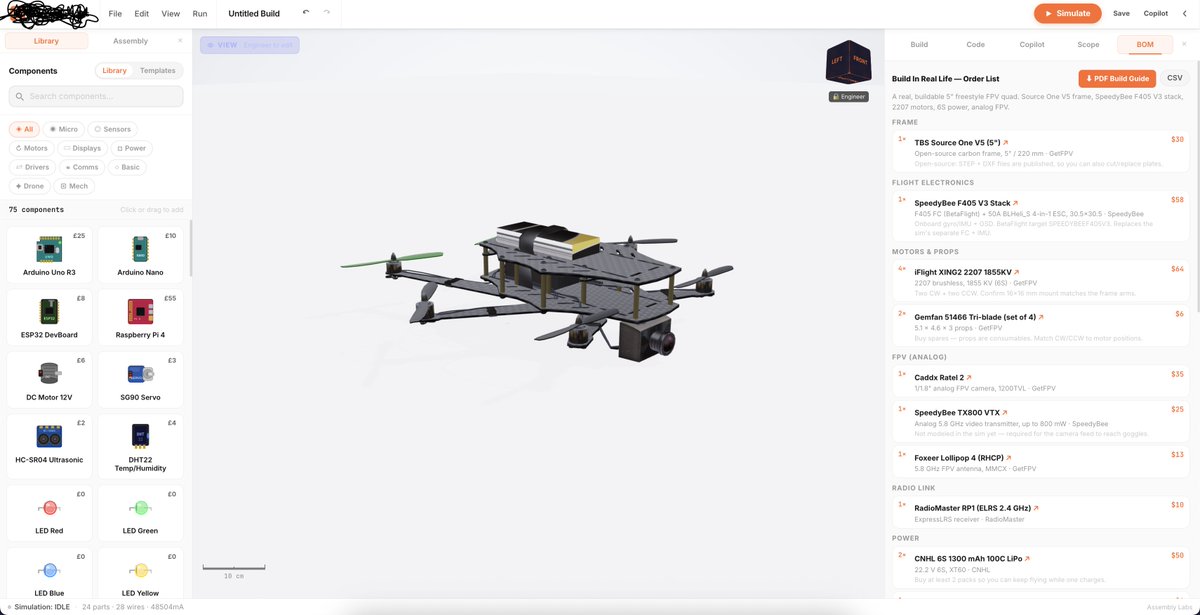
The current version of my robotics simulator is still rough
It’s not live yet, it’s definitely not the best it can be, and I know it needs a lot of work
But I’m building it in public anyway
Because waiting for perfect means it never ships
Ugly versions get feedback and improve
Perfect versions stay in your head forever
If you’re building something right now, what’s stopping you from shipping the ugly first version?
1
1
4
110
tega.eth.dev🩶 retweeted

Jun 12
This is coming from a guy that have earned $3.6m in bug bounties:
"I don't rest until I understand every part of the system. Even if I end up not finding a bug, I want to understand it."
Be CURIOUS guys, don't be a slacker.
If you want real success, you have to be obsessed.
9
14
162
3,005
tega.eth.dev🩶 retweeted

Jun 5
I'm going to be pausing my current project for a bit because a hackathon appeared out of nowhere 😭
But honestly, I'm excited because I'm building one of the coolest things I've worked on yet.
Introducing ARIA.
ARIA is an open marketplace and discovery layer for AI agents.
The idea is simple:
A user comes to ARIA and describes what they need in plain English.
Instead of relying on a single AI model, ARIA understands the request and searches a global registry of specialized AI agents built and published by developers from anywhere in the world. It then routes the task to the most suitable agent (or combination of agents) for the job.
Developers can build virtually any type of agent:
• Creative agents for image, video, audio, and content generation
• Research agents with access to proprietary datasets
• Healthcare agents connected to hospital databases
• Legal agents connected to law firm knowledge bases
• Financial agents with access to specialized market intelligence
• Or entirely new categories that don't exist today
The best part is that developers don't have to build their agents on ARIA.
They can host them anywhere, use any model they want, connect any APIs they want, and use whatever infrastructure they prefer. All they need to do is register their agent on ARIA and integrate a MetaMask-powered payment facilitator so their agent can receive payments whenever it's used.
ARIA's job is discovery, routing, payments, and coordination.
For privacy, ARIA uses @AskVenice as the platform intelligence layer.
When a request comes in, ARIA can analyze it, coordinate with specialized agents, aggregate their responses, and generate the final output using @AskVenice. This means users who care about privacy don't have to worry about their prompts, requests, or data being stored and reused by the platform AI.
If ARIA can't find a suitable agent for a request, the platform AI handles it as a fallback. That request is then logged as unmet demand, creating a real-time signal showing developers exactly which types of agents users are actively looking for but don't yet exist.
This turns user demand into a roadmap for builders.
Using @MetaMaskDev Smart Wallet Kit, agents can be given controlled access to funds, allowing developers to charge per execution while users define spending limits before a task begins.
The long-term vision is simple:
- Anyone can build an agent.
- Anyone can publish an agent.
- Anyone can monetize an agent.
- Anyone can discover and use the best agent for a task.
Not another AI assistant.
A marketplace for intelligence.
I'll be sharing daily build updates as I bring ARIA to life
Jun 3

Building an on-chain crowdfunding app, but not the regular kind. Builders define milestones upfront, and contributors vote to release funds at each stage. No disappearing with the treasury, no blind trust, just transparent execution and accountability. Lets see how the build goes
1
6
206
tega.eth.dev🩶 retweeted

Jun 11
Can't be friends with simps. they will betray you for female validation
357
6,079
27,718
320,626

Jun 11
Didn't write much code but learnt a lot today. Here's what I learnt:
- events, emit, transaction log
- chain link vr
- global variables such as block.timestamp an what it means and when it is used.
So tomorrow will be integrating chain link vrf in my lottery smart contract code.
Jun 11

Let's get into it. Building a lottery smart contract on with @solidity_lang on @CyfrinUpdraft
6
44
Jun 11
Let's get into it. Building a lottery smart contract on with @solidity_lang on @CyfrinUpdraft
3
7
99
Jun 11
It's now a hobby not ideal for a career.
Jun 10

I can’t even advice anyone to get into tech especially product design now. You’re better off learning carpentry or plumbing.
3
311
tega.eth.dev🩶 retweeted

Jun 10
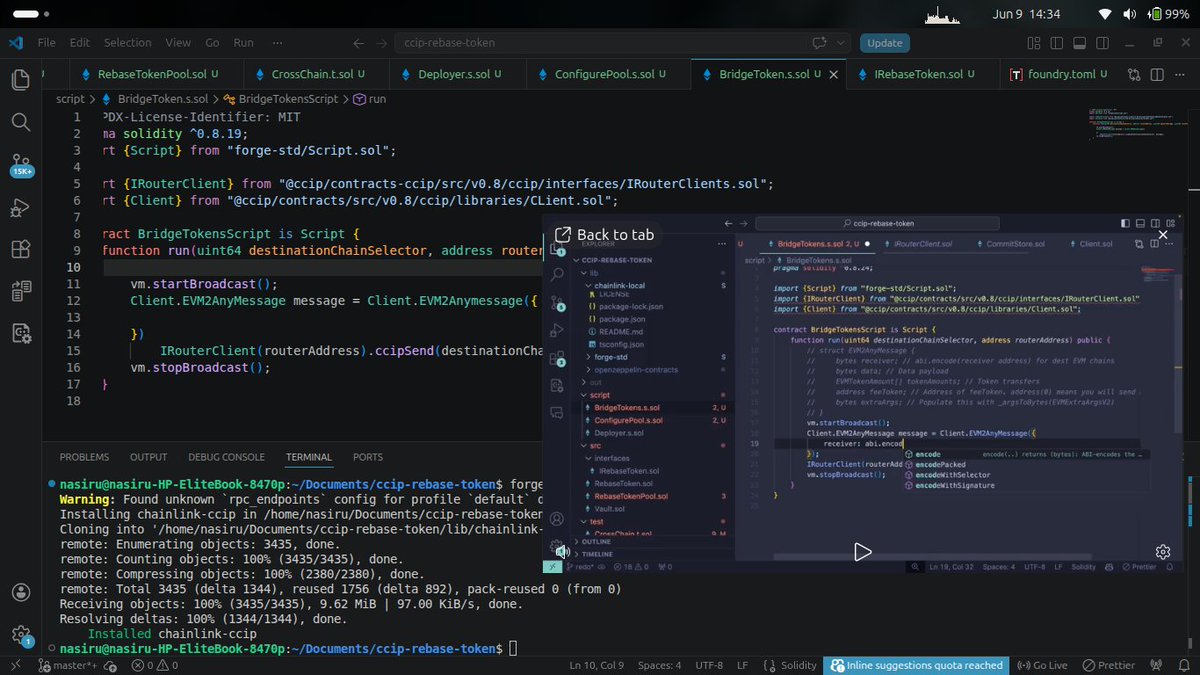
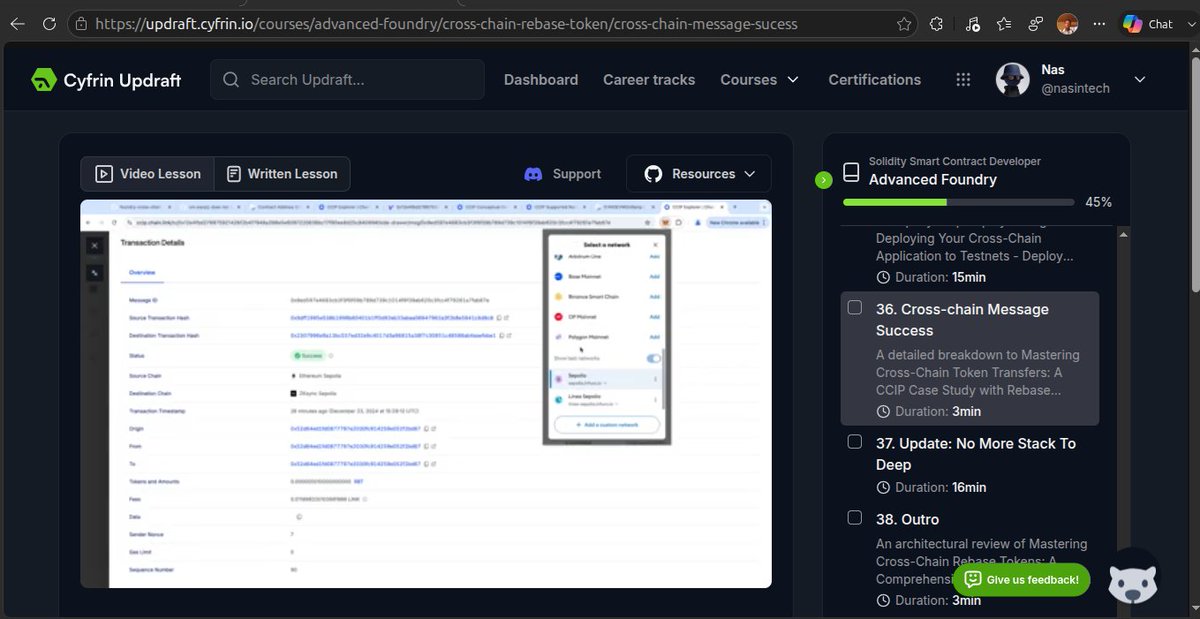
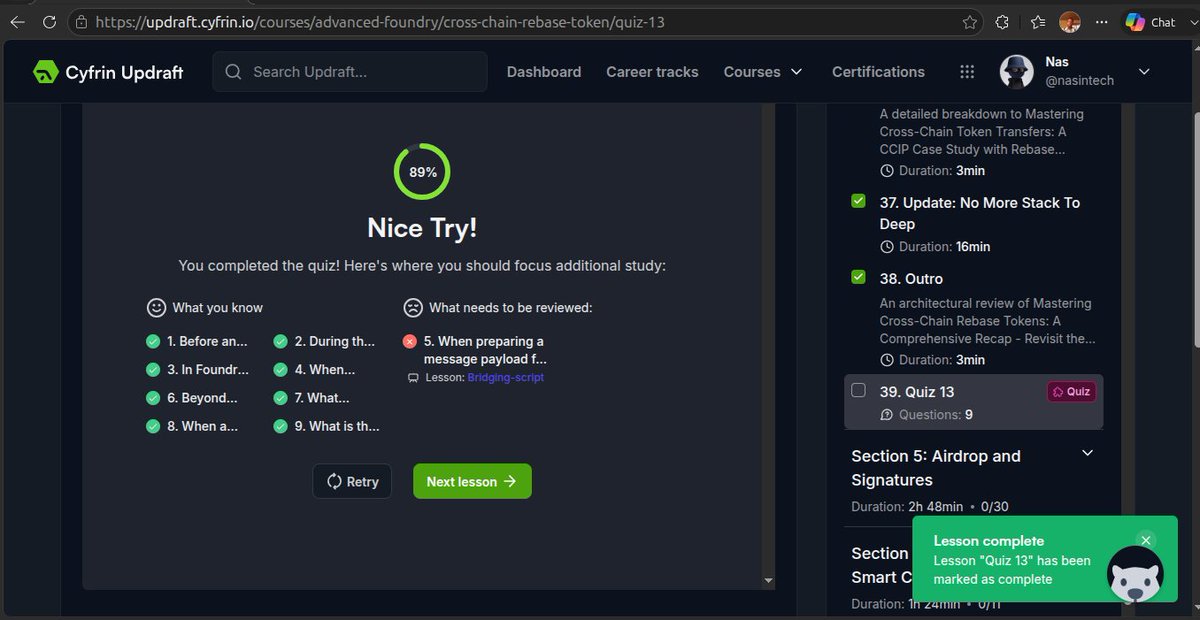
Day 63 of becoming a Smart Contract Developer🔥
Finally wrapped up the CCIP RebaseToken section
✅Vault Deployer script
✅Deployed on zkSync Sepolia testnet
✅Verified on CCIP Explorer
✅Understood the Stack Too Deep error
Next stop → Airdrop & Signature contracts👀
#web3
7
1
29
319
Jun 10
Done with faculty exams 🔥, two more online and we call it a semester, sheeeeesh.
Will start posting content from tomorrow 😘
1st exam today was a success 🔥. Tomorrow next. Wish me luck 😭🤌
2
10
111
tega.eth.dev🩶 retweeted

Jun 10
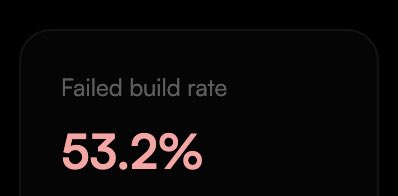
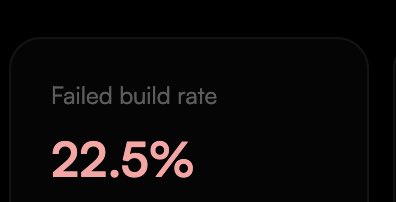
Failed builds went from daily average rate of 53% to 22.5% since the introduction of the new custom build packs🔥
@pxxl_space is cooking.
6
5
67
1,791
tega.eth.dev🩶 retweeted
there’s no startup company that beats @pxxl_space OG image!
prove me wrong.
pxxl.app
7
5
72
3,779