
Concerned with all things technology, science, engineering and data. RPAS (drones), astronomy, radio and electronics.
Joined May 2009
- Tweets 7,125
- Following 4,626
- Followers 757
- Likes 16,577
208 Photos and videos





Matt BB retweeted

16 Dec 2024
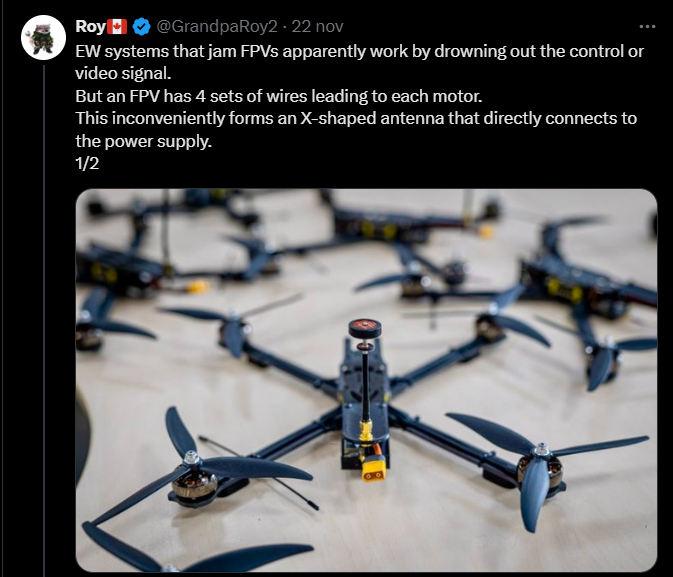
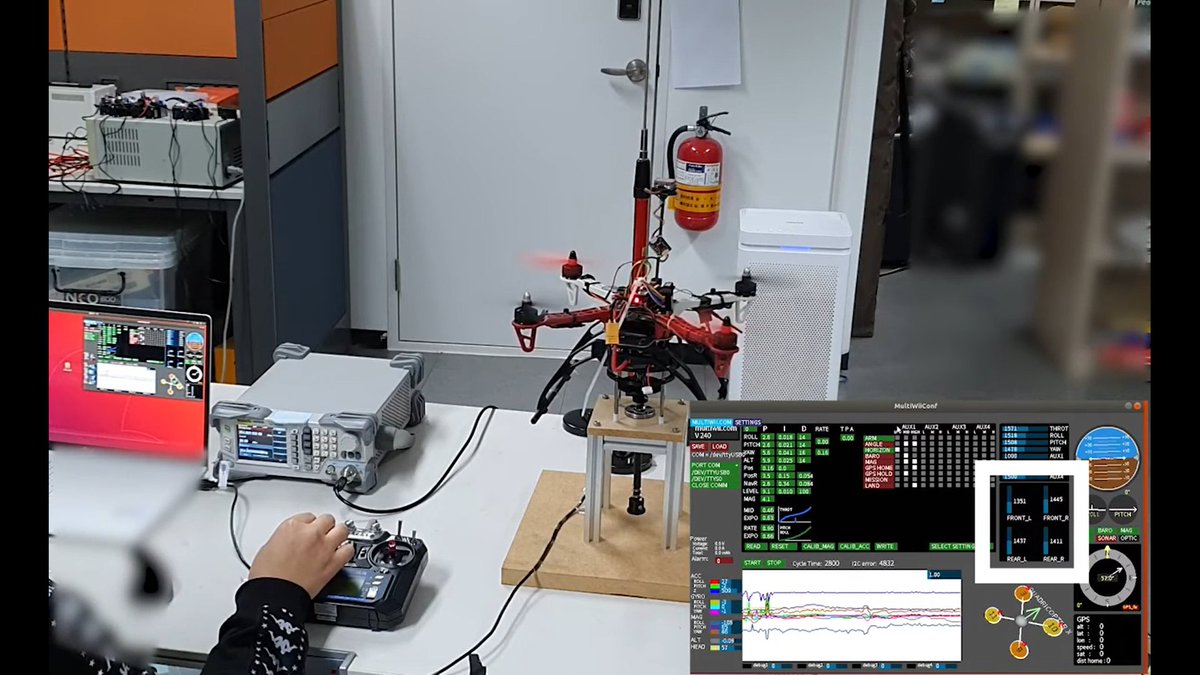
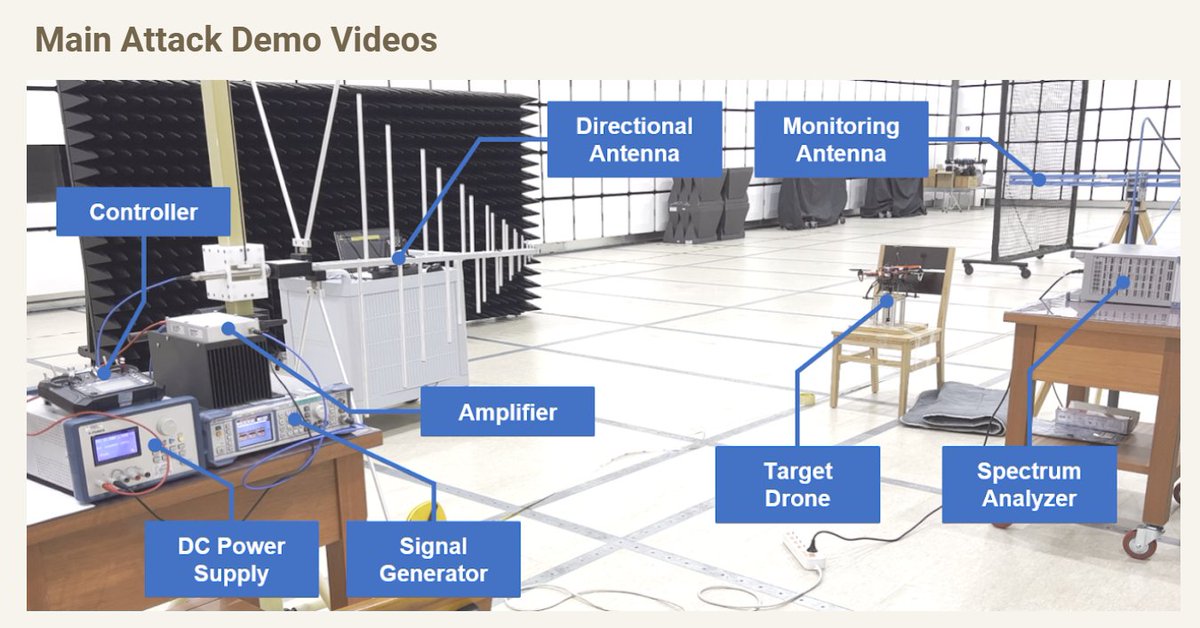
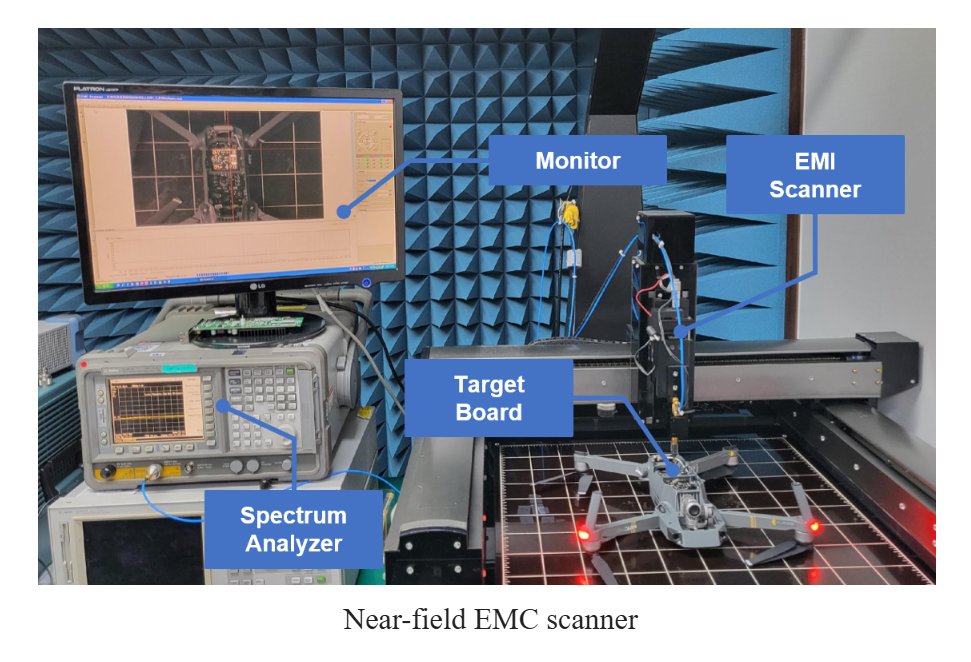
Backdoor coupling frequency EM injection causes irregular motor rotation & motor stop of the drone
sites.google.com/view/paraly…
Em injection experiment On hovering #Drone
youtube.com/watch?v=8okgfRUS…
👇
#Tempest #Eavesdropping
#Jammer #Jamming #Spoofer #Spoofing
#EW #ElectronicWarfare
22 Nov 2024

Has anyone done an EMI scan around those motors?
They are strong RF generators, plus they work in pulses which would allow them to inject a disturbance that would de-pulse them...
3
15
98
8,265
Matt BB retweeted

16 Dec 2024
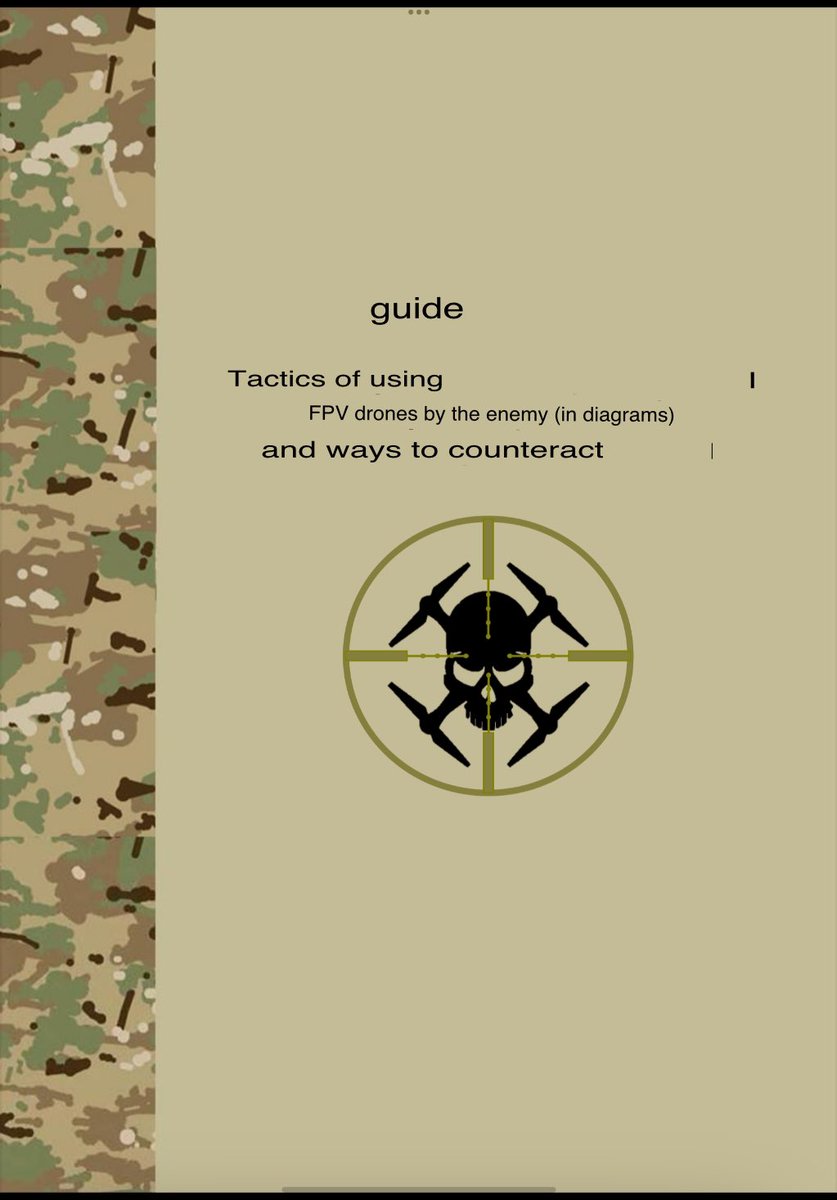
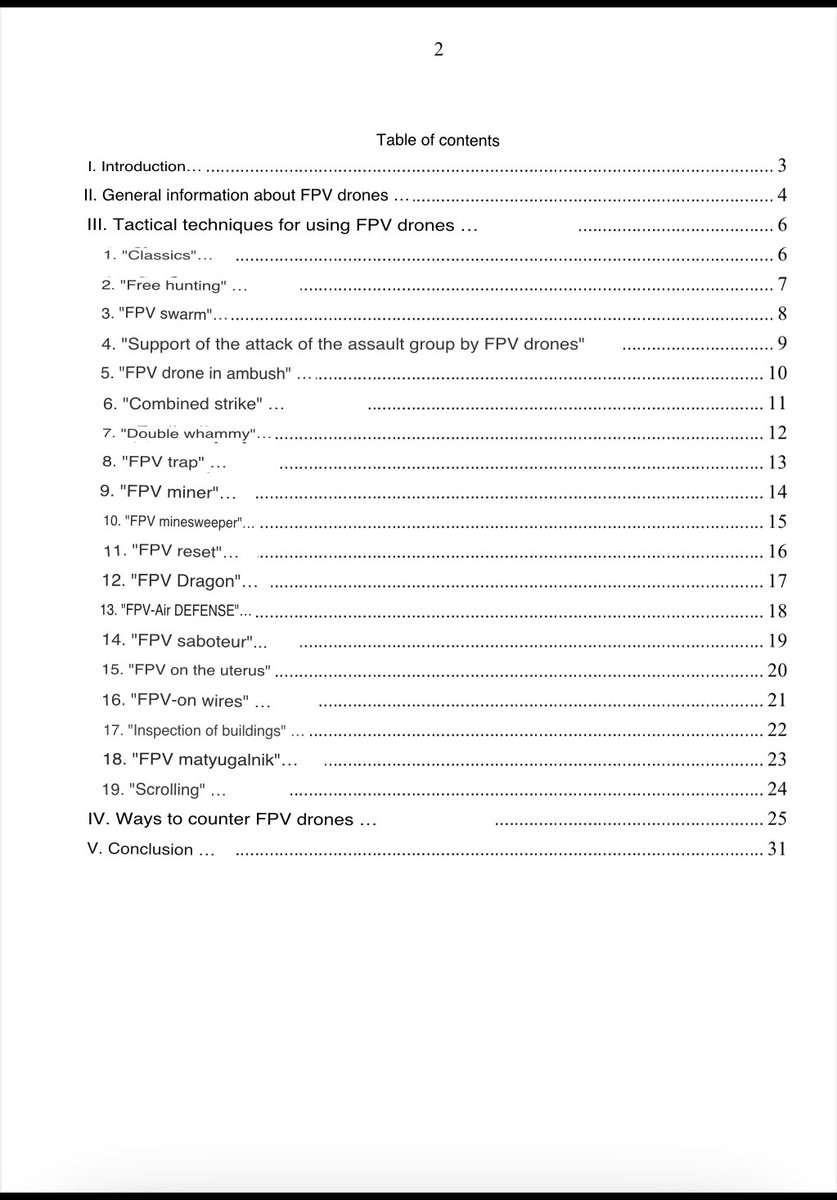
Russia has published a directory of Ukrainian FPV tactics with diagrams, and suggested countermeasures.
The descriptions are basic, but the 19 separate listings are a reminder of how flexible and valuable the FPV system has become.
1/
85
918
6,090
859,614
Matt BB retweeted

26 Nov 2024
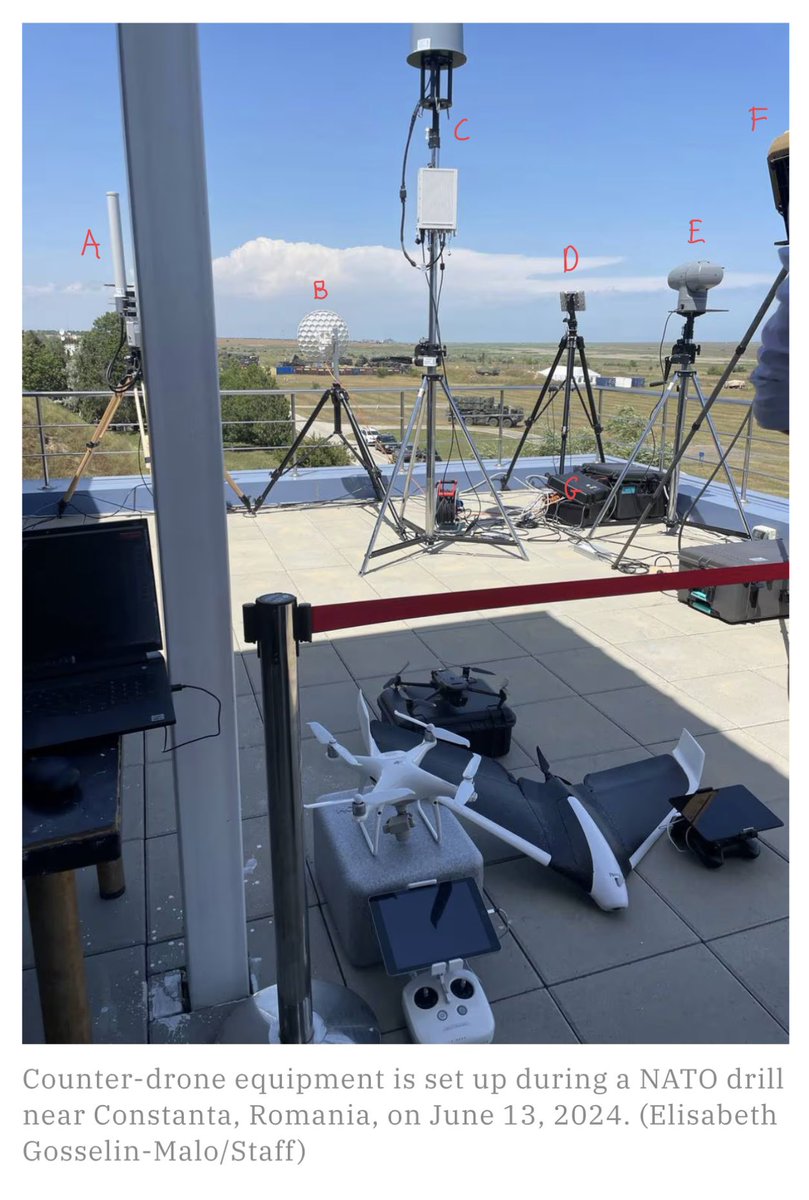
I know people are going out looking for the drones at these bases in the UK. Quick reminder, without lights on they are very hard to spot, especially from a distance. Counter-UAS (C-UAS) systems primarily rely on passive detection of the radio frequency energy the drones emit (if they emit), but the more advanced suites include radars (often in Ku-band) to spot them even if they are operating without emitting.
These active and passive sensors work together to better detect and classify the object. They also allow for critical intelligence to be collected on them. EO/IR systems are also almost always part of the C-UAS suite so that visual ID can be made. They can also help search and detect drones as well. The radar systems have short range and the passive detection systems can also be limited in range, especially if the drone flies low and amongst ground clutter. This makes it hard to track where they are launched and recovered from without physically tracking them in a vehicle.
A bad actor well versed in these basic capabilities would design their drone operations plan to exploit common C-UAS suite limitations.
8
32
239
26,999
Matt BB retweeted
23 Nov 2024
On Holodomor Memorial Day, the terrible famine that started in 1932 is remembered.
The Soviets took away bread from the Ukrainian people, and they starved.
Now the Russians want to take away everything.
1/
23 Nov 2024

My grandfather only started talking about the Holodomor when he was a very old man. Not a word about it before then. Lots of people who lived through it didn't talk about it at all. The fear they felt as children lasted their whole lives.
1
18
64
2,459
Matt BB retweeted

23 Nov 2024
Grim reading. Its hard to disagree with view that due to entirely self inflicted and easily avoided reasons, other than CASD and carriers, the RN is now a barely 2nd tier NATO navy in terms of numbers and increasingly quality. The decline feels terminal.
naval-technology.com/news/is…
105
144
1,072
82,523

Matt BB retweeted

22 Nov 2024
Norway issues tender for C-UAS technology unmannedairspace.info/counte…
1
1
177
RT @sentdefender: Footage from last night’s Russian Ballistic Missile Attack on the City of Dnipro, shows that the Multiple Independently T…
7
2

Matt BB retweeted

21 Nov 2024
A report has been published into a serious incident where a Boeing 737-8200 (EI-HET) undertook a go-around which was followed by level bust and loss of control, London Stansted Airport on 4 December 2023
gov.uk/government/news/aaib-…
#AviationSafety #Aviation
6
5
2,073
Matt BB retweeted

20 Nov 2024
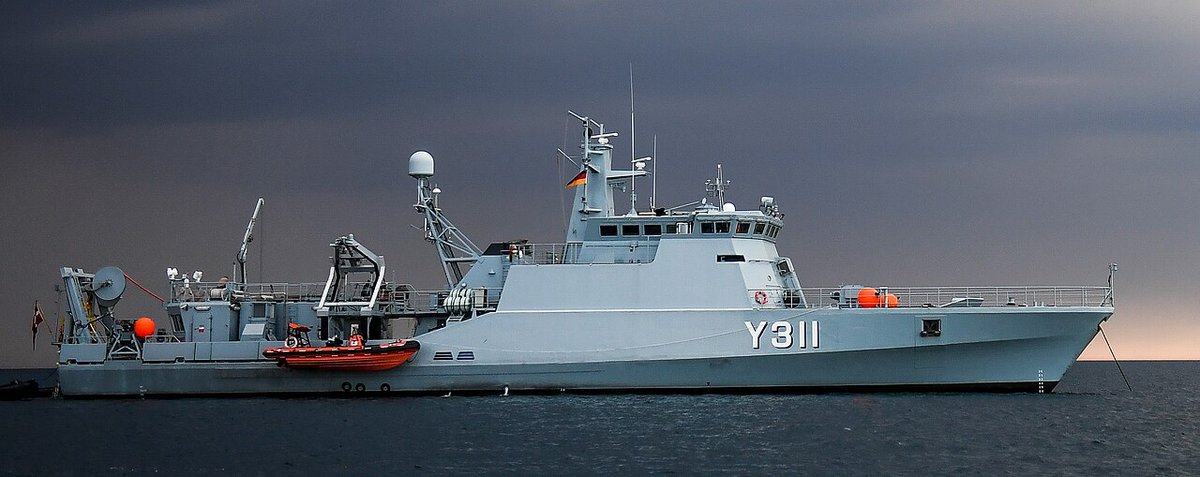
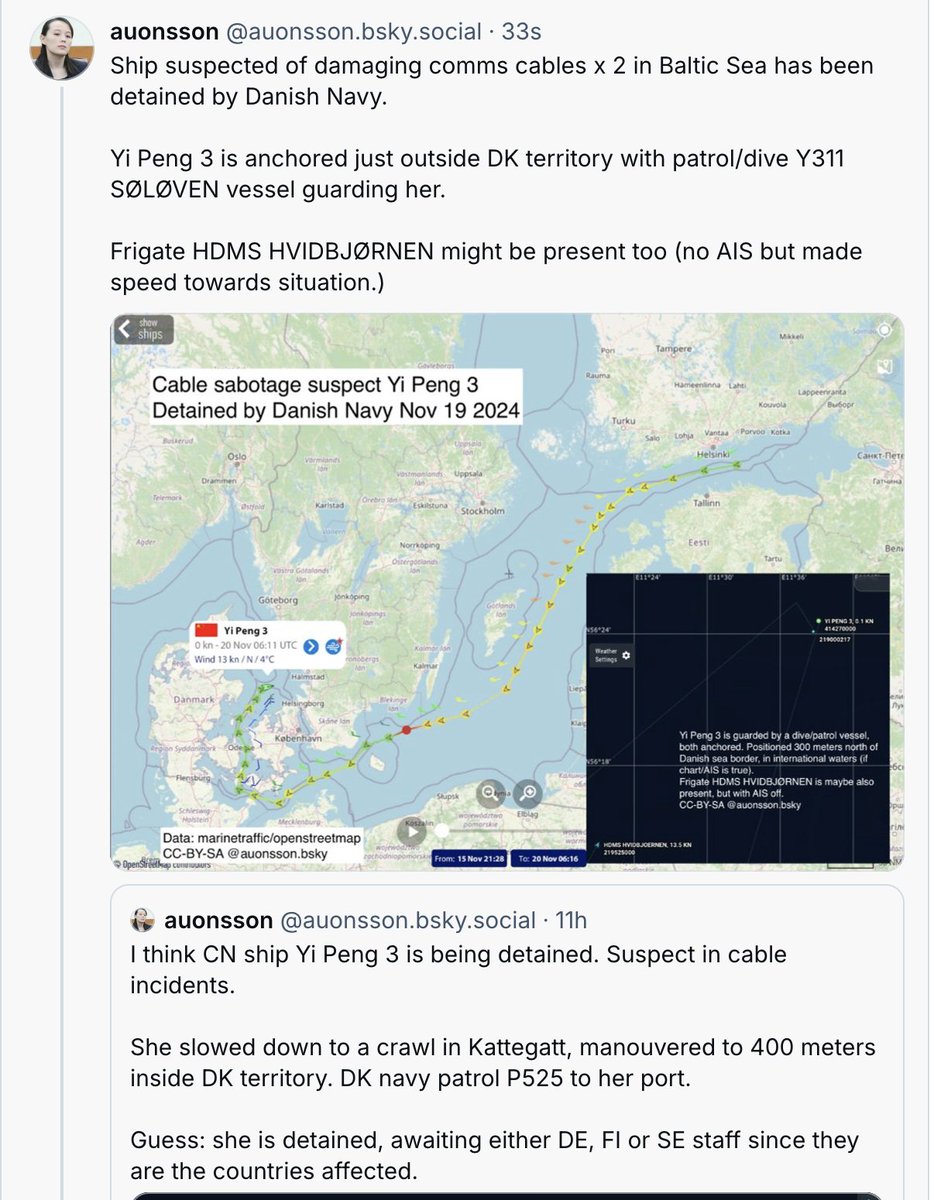
A Danish Navy vessel boarded the Chinese cargo vessel Yi Ping after it was discovered it had destroyed 2 undersea telecom cables in the Baltic Sea.
Denmark exercised the right under Art. X of the Submarine Cables Convention. It's been done only once before, by the USA in 1959
579
7,085
38,553
1,872,706
Matt BB retweeted

19 Nov 2024
⚡️For the first time, the 🇹🇷Turkish Bayraktar TB-3 takes off and lands on the Turkish Navy aircraft carrier TCG ANADOLU.
8
107
1,181
113,516
Matt BB retweeted

19 Nov 2024
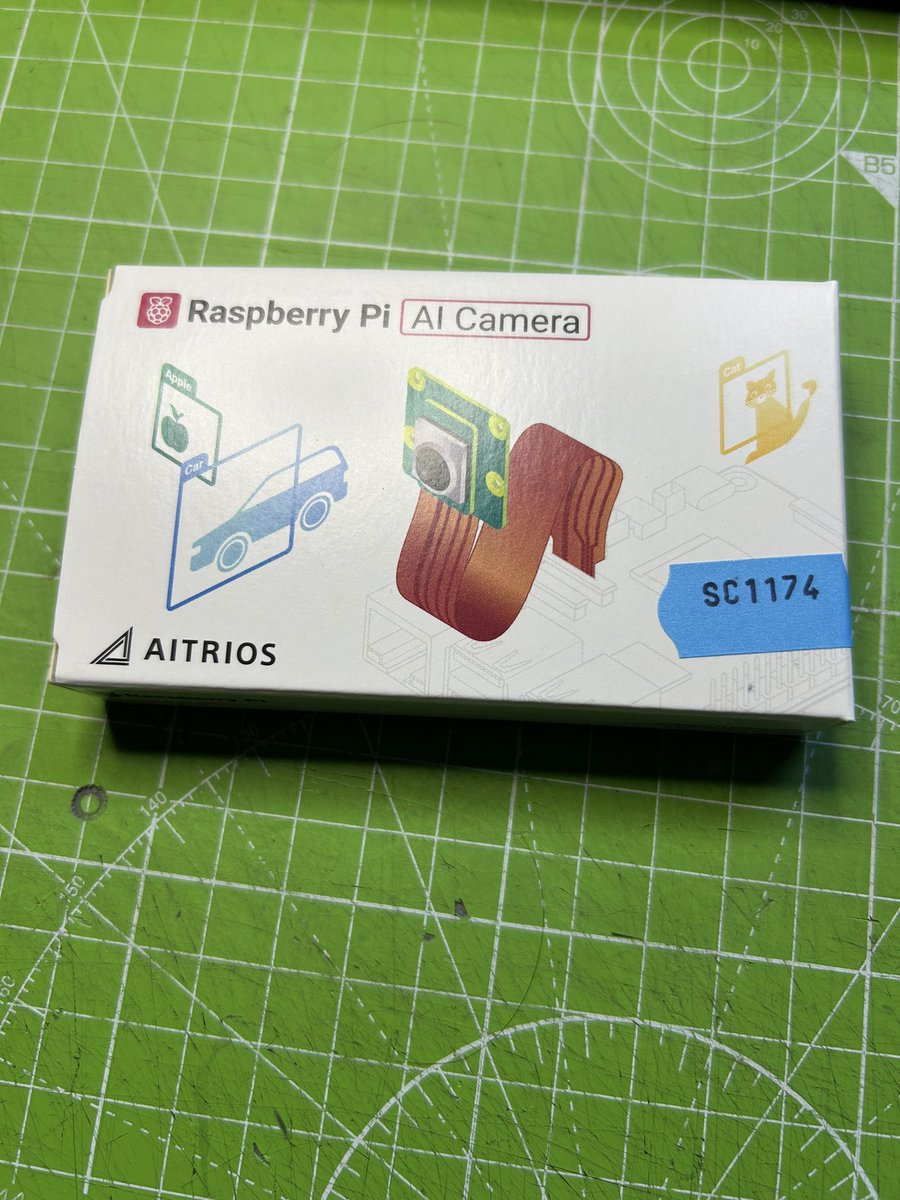
A practical use of #AR: visual explanations of real world objects, demonstrated with @Raspberry_Pi
#AugmentedReality #VirtualReality #AR #VR #MR #MixedReality #ExtendedReality #XR #Tech #Technology
15
62
169
16,837

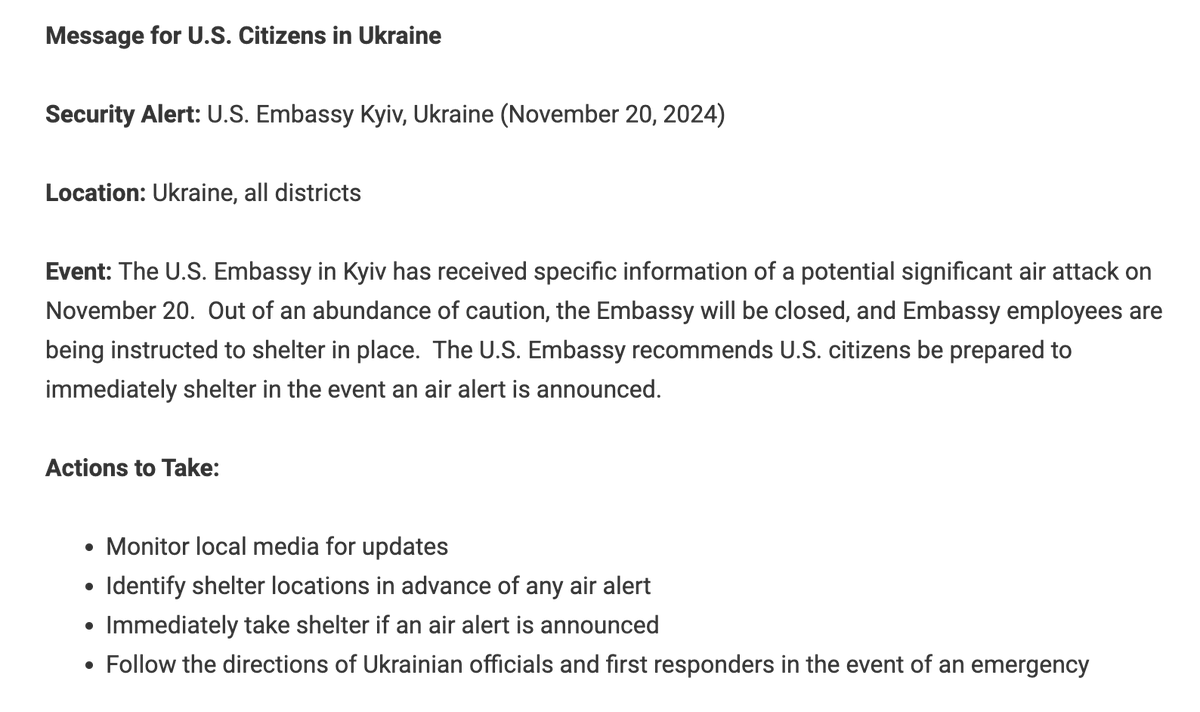
I can't remember seeing such a specific warning before, correct me if i'm wrong, despite air attacks with drones and missiles are happening every day in Ukraine
44
141
880
157,264

Matt BB retweeted

18 Nov 2024
Mach 1.1, 82,500ft.
The team smashed it.
Then we flew again 6 hours later.
31
89
1,504
75,981
Matt BB retweeted

20 Nov 2024
Just discovered PySpecSDR, a Python SDR tool with a scanner function that includes signal classification by analyzing spectral properties (sounds great for WarDragon). Found it after revisiting @rtlsdrblog on Reddit. Check it out: github.com/xqtr/PySpecSDR
7
23
169
7,639

Matt BB retweeted

20 Nov 2024
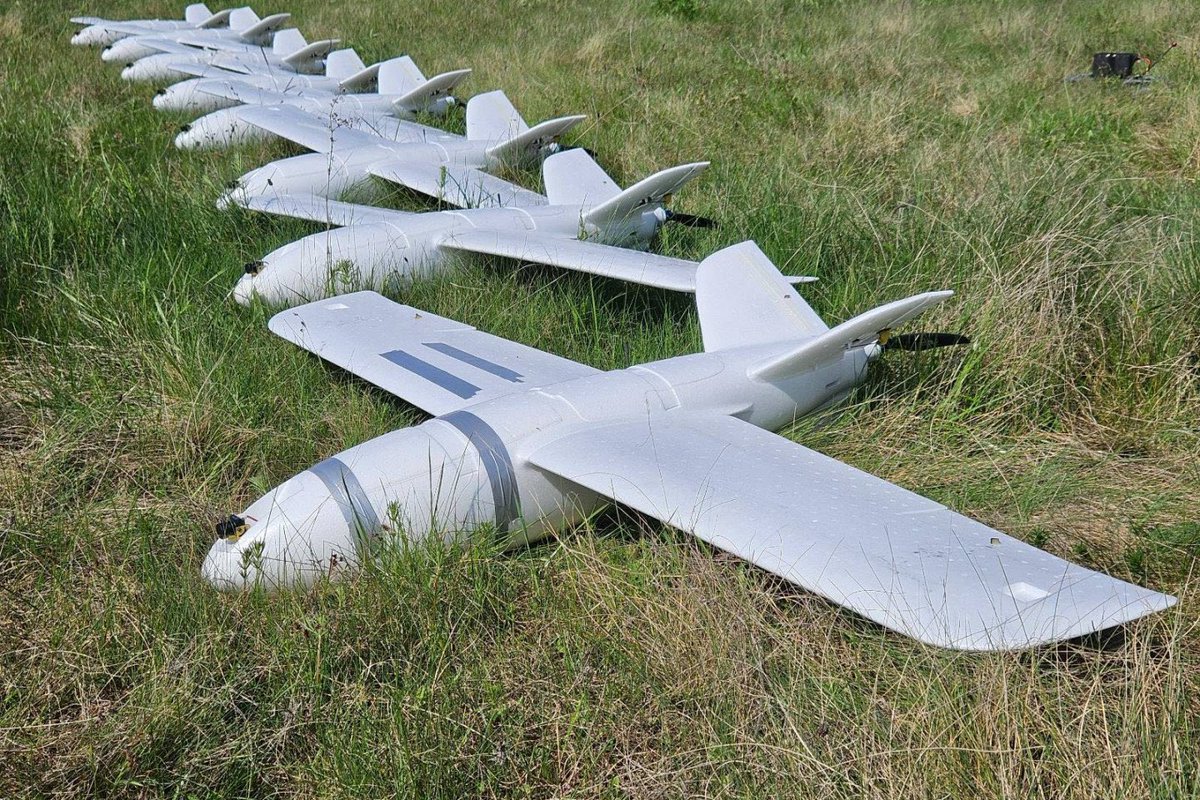
Russian low-cost Lancet alternative
19 Nov 2024

‼️🇷🇺 Les frappes impitoyables de "Molniya"💤💥
Les derniers drones à voilure fixe "Molniya-2" des Forces Sever détruisent des véhicules blindés des Forces armées 🇺🇦 ainsi que des combattants dans la zone frontalière de la région de Koursk 🏴☠️☠️
Ministère 🇷🇺 de la Défense
@mod_russia
2
9
1,940
