Joined May 2010
- Tweets 6,511
- Following 567
- Followers 1,058
- Likes 6,660
435 Photos and videos

Pinned Tweet

6 Oct 2025
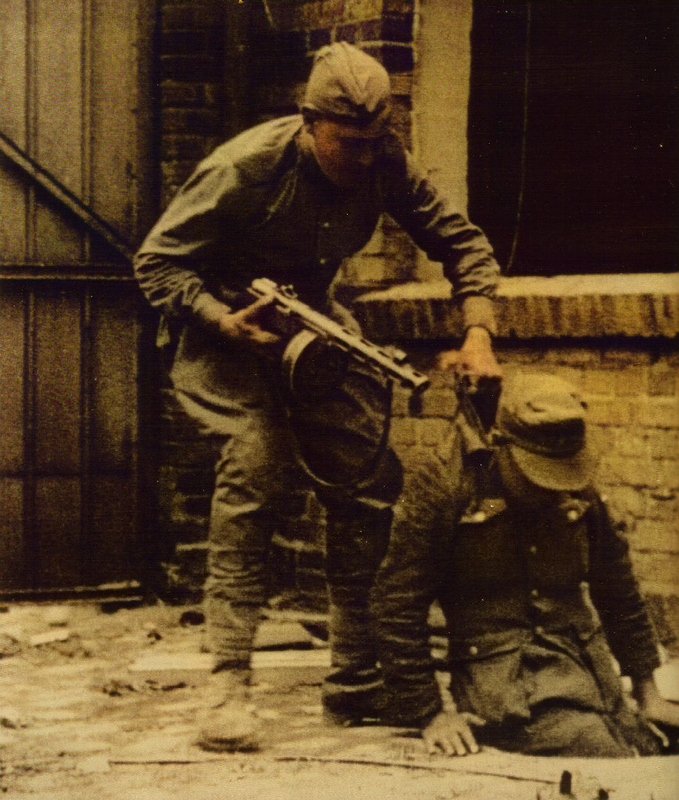
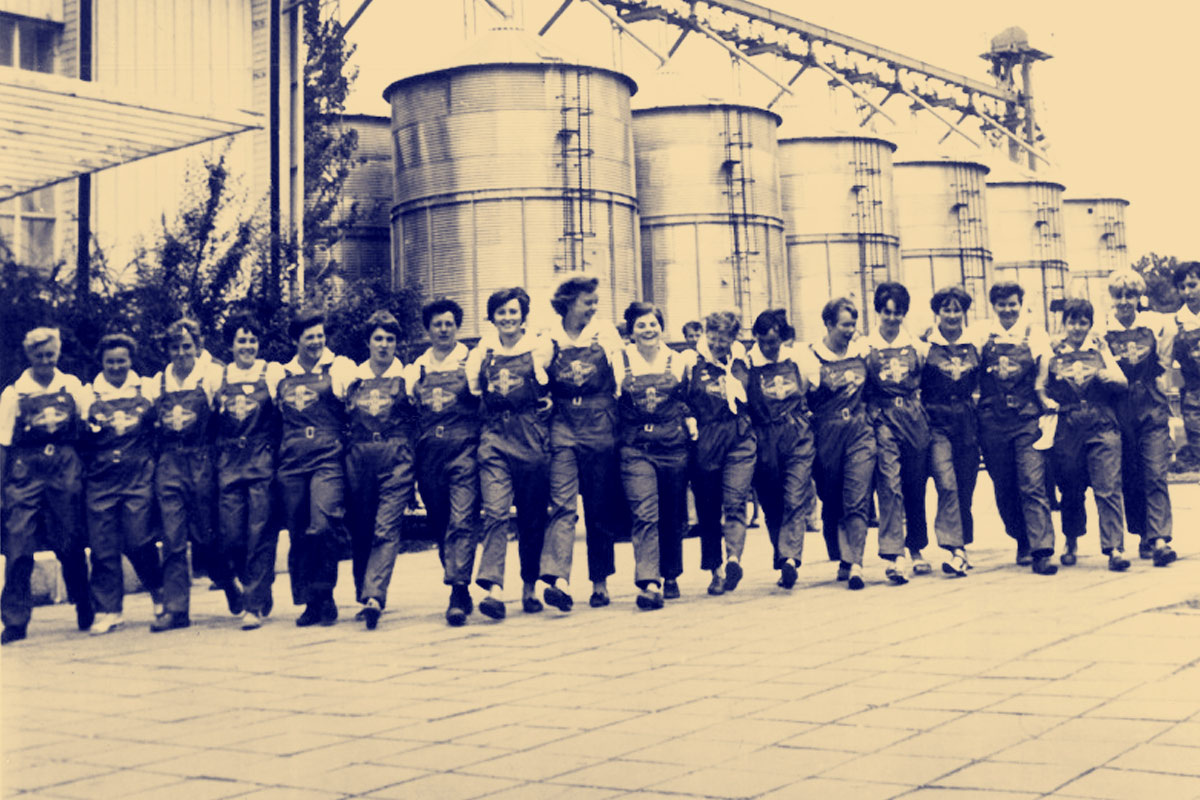
"Ich besitze Waffen und ich schieße nicht vorbei".
Die Firma (DDR), Der Deserteur. #Wehrpflicht
youtu.be/30EiV02SQEY?si=6Cto…
5
3
4
1,007
telegraph retweeted

Jun 11
4
79
337
7,048
telegraph retweeted

Jun 12
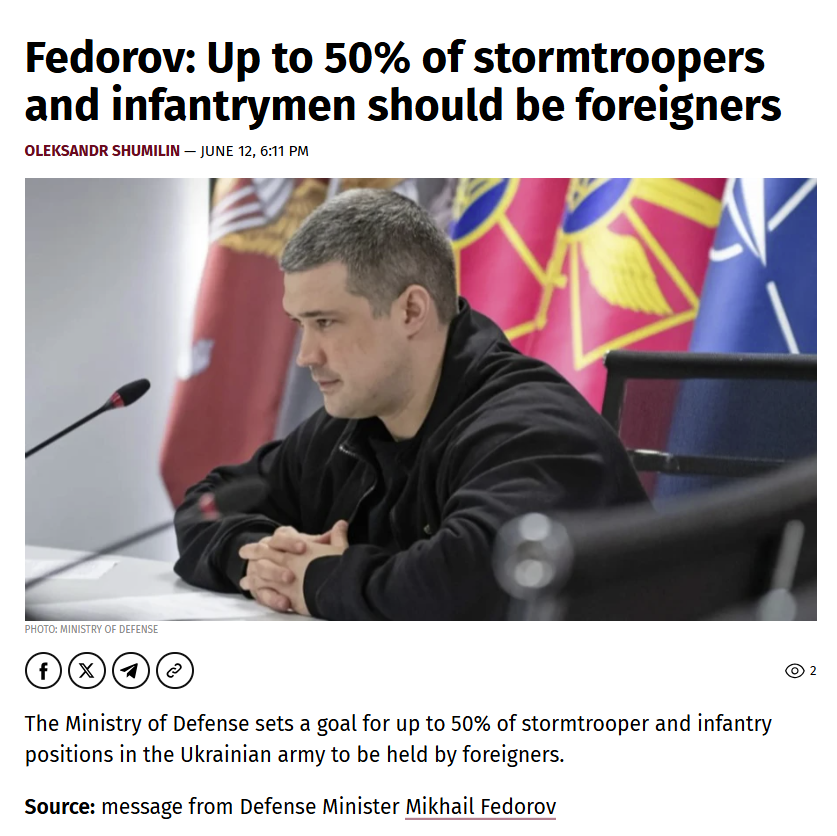
Will self-proclaimed supporters of Ukraine join? "Ministry of Defense sets a goal for up to 50% of stormtrooper and infantry positions in the Ukrainian army to be held by foreigners. "We are opening the market for recruiting foreigners to strengthen combat units and save the lives of Ukrainian military personnel. Our goal is to fill up to 30–50% of stormtrooper and infantry positions with foreigners." Defense Minister of Ukraine Fedorov.
91
131
308
35,742
telegraph retweeted
Jun 12
Proxy war: "Ukraine to ask for $20B to make Russia ‘burn.’ Kyiv wants to raise the money by the NATO Ankara Summit, claiming otherwise Russia may regain the initiative. The $20 billion ask will be made on June 18 at the next meeting of the Ukraine Defense Contact Group, also known as the Ramstein Format, where allies organize financial and military aid for Kyiv."
16
47
102
6,903
telegraph retweeted

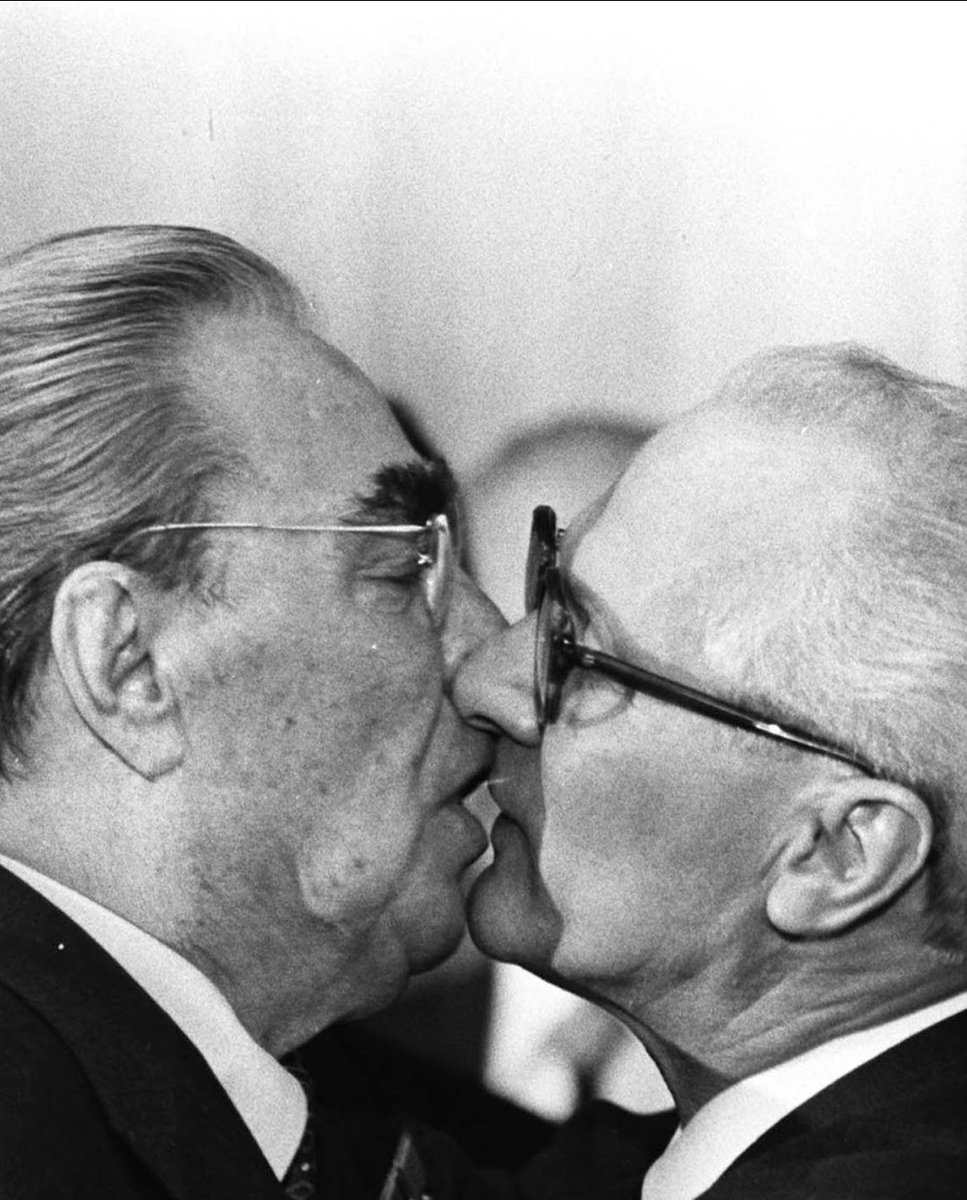
Immer wieder erklären Westdeutsche den Ostdeutschen ihre eigene Biographie. Das gehört zu den wenigen Kolonialwaren, die in Deutschland noch heimisch produziert werden.

Immer wieder behaupten Ossis, die gegen jede Ratio Putin verehren, man hätte ihnen die russische Kultur nicht übergestülpt.
Die haben sie ihnen am 17. 6. 53 nicht nur übergestülpt, sondern eingeprügelt und eingehämmert.
Später, liessen sie sich die Kultur dann zart einhauchen
4
20
281
Jun 10
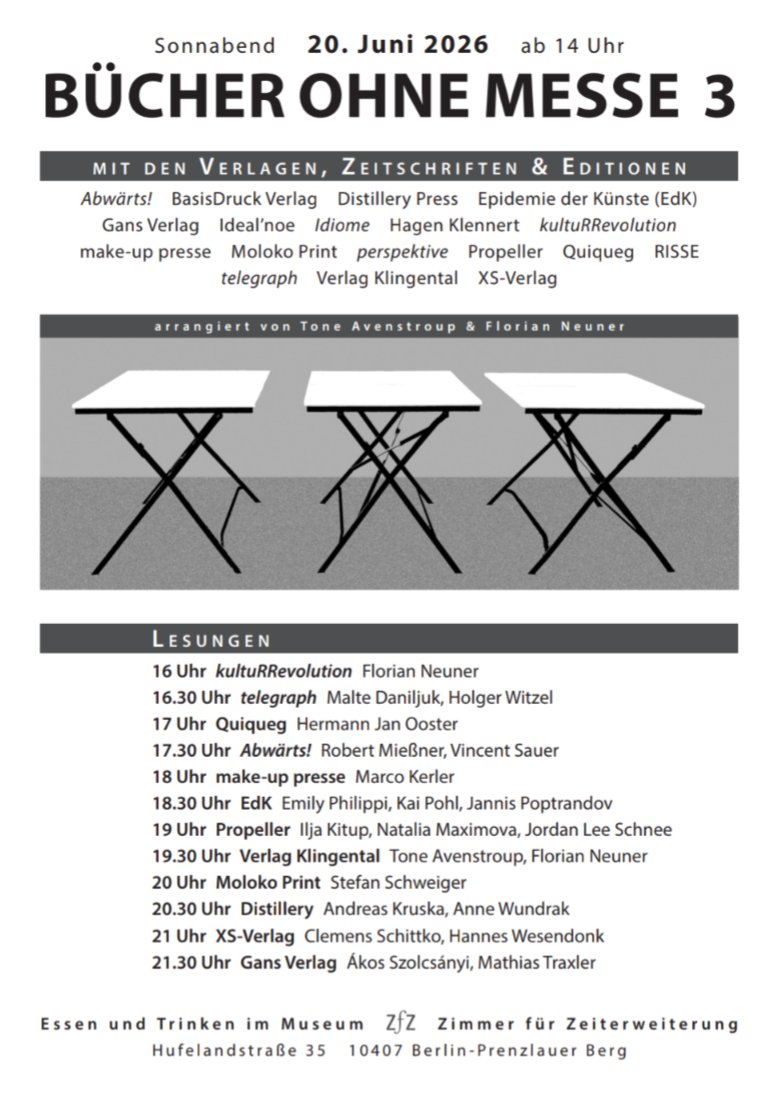
Am Sonnabend den 20.6. findet in Berlin-Prenzlauer Berg wieder die kleine, feine "Bücher ohne Messe" statt. U.a. mit dabei: @tamisdat mit seinem neuen Roman "K. Bevor wir in die Wälder gingen"
2
9
155
telegraph retweeted

Jun 10
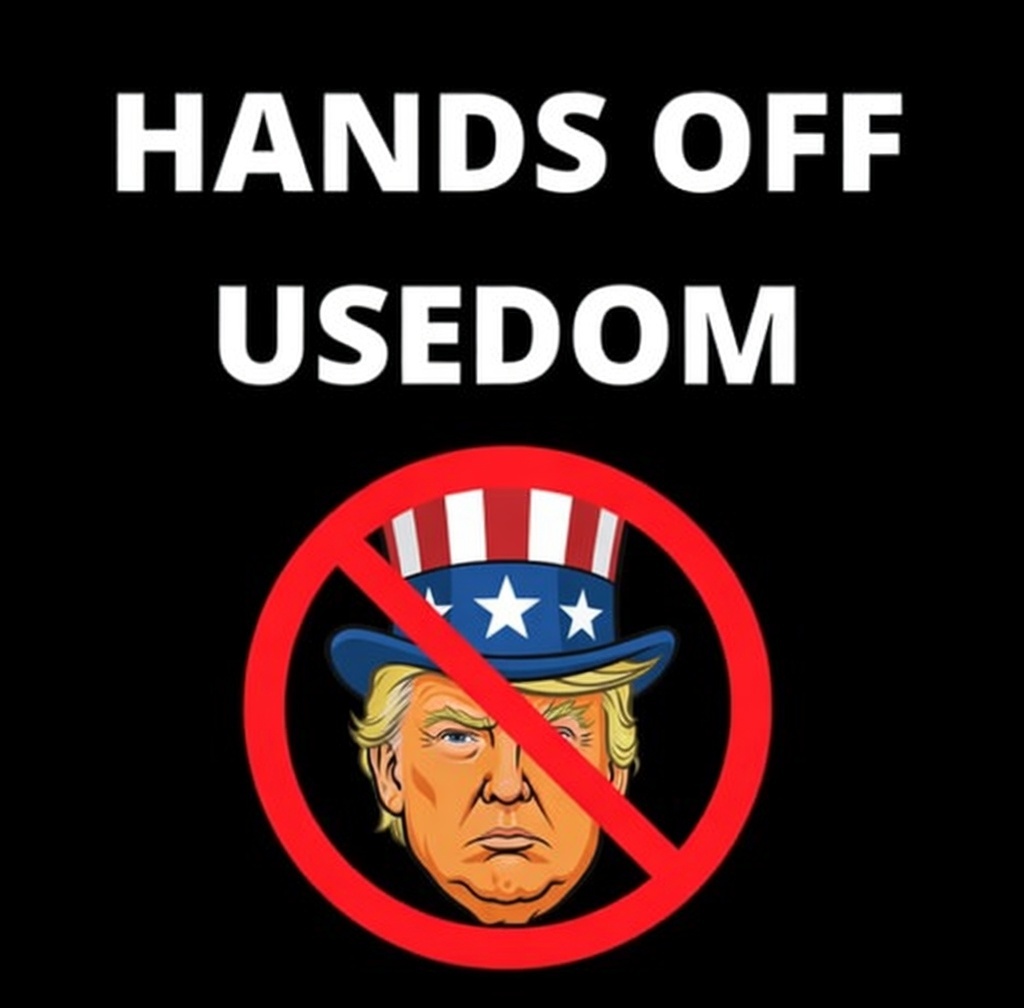
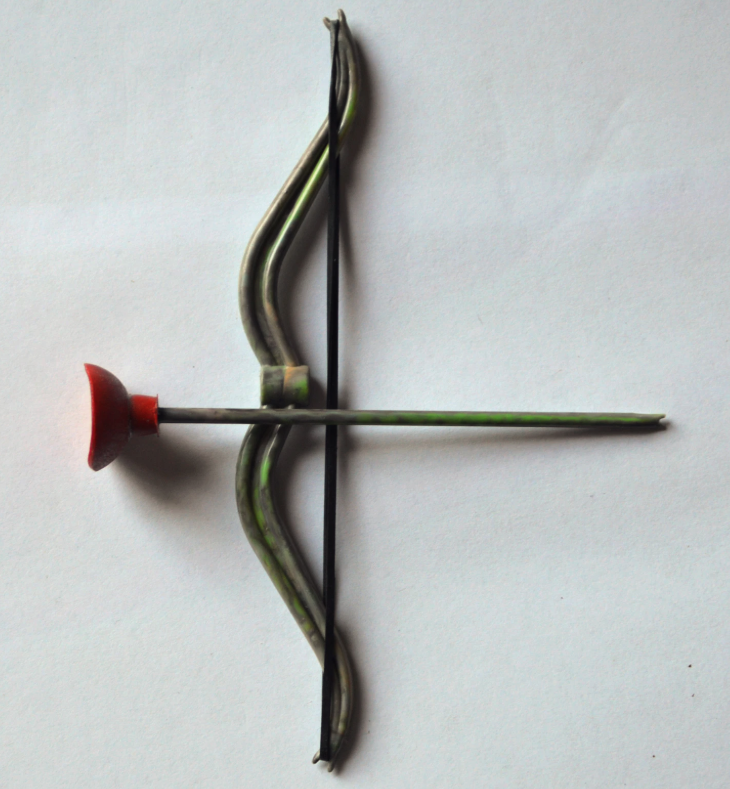
Geopolitik: Hände weg von #Usedom!
Wieso sind Trump und Putin so scharf auf Inseln – wie Hitler auf Kreta oder Wessis auf Rügen?
open.substack.com/pub/holger…
5
8
141
telegraph retweeted

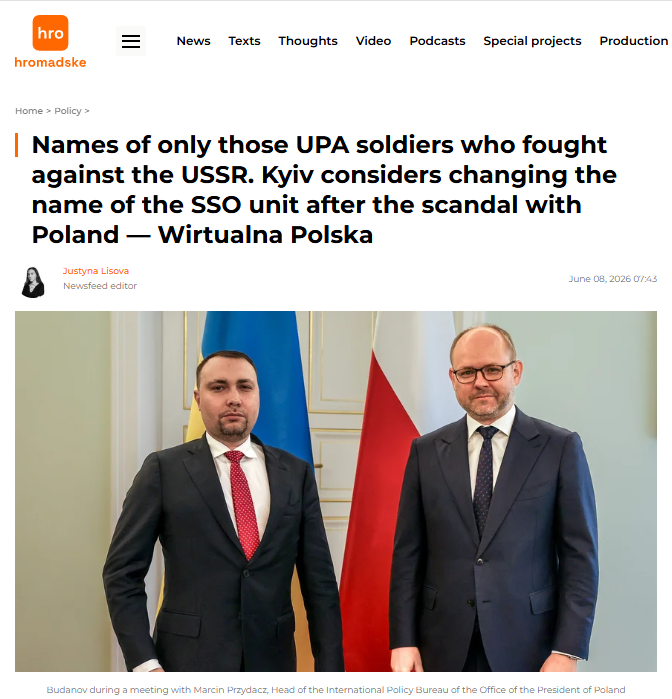
Ukraine: Let's name our elite unit "Heroes of the UPA."
Poland: Are you serious? They murdered our women and children in Volhynia.
Ukraine: Nobody gets to tell us whom to honor. Our land, our heroes.
Poland: Fine. Then we'll block your EU accession, stop paying for Starlink, and won't lend you a dime.
Ukraine: Here's Budanov in a suit. He'll explain everything.
Poland: If you want fascist heroes, pay your own bills.
Ukraine: ...we are considering a rebranding.
66
169
814
37,239
telegraph retweeted

08.06.80: Der Sänger, Schauspieler und Regisseur Ernst Busch verstirbt in Ost-Berlin.
1
6
20
1,076
telegraph retweeted

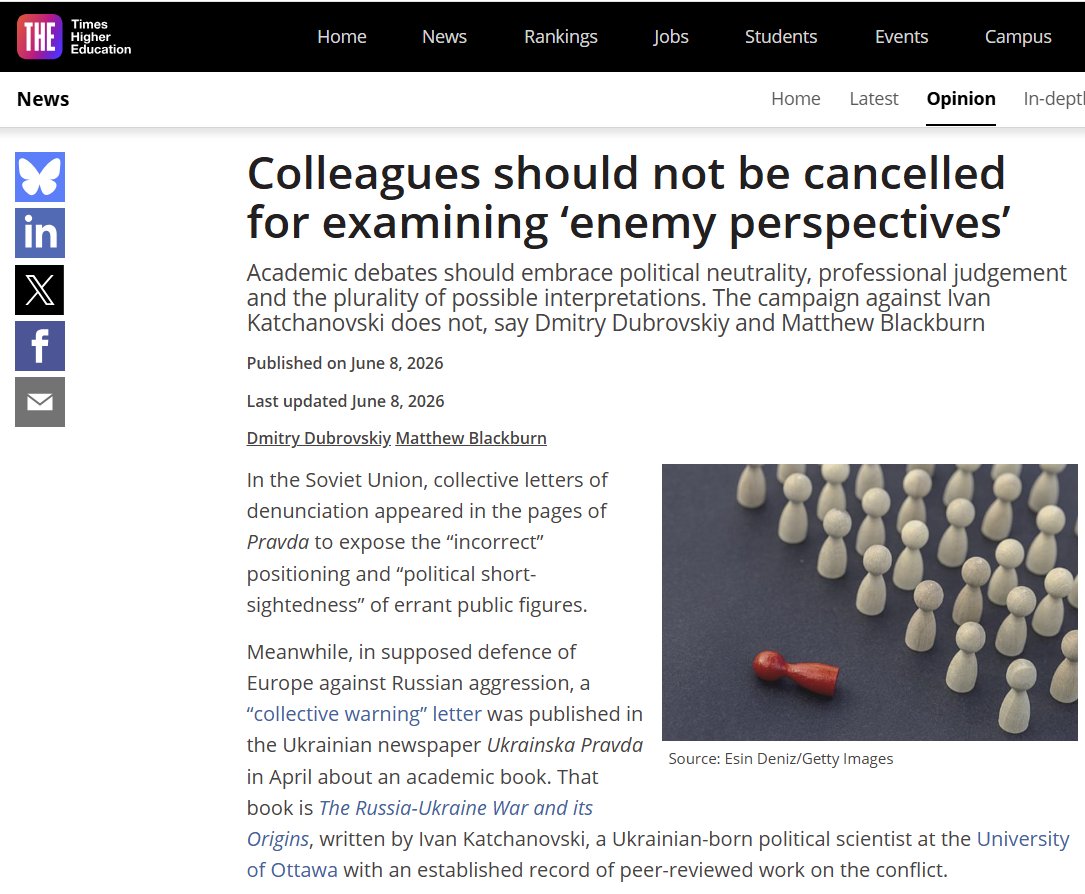
Times Higher Education has published a great response by Dmitry Dubrovskiy and Matthew Blackburn (@MJMBlackburn81) to the collective letter against Ivan Katchanovski. Especially this:
“Above all, the Pravda letter’s function is to directly prescribe how the war must be interpreted: exclusively as the ‘latest variation of centuries-old Russian expansionism, pan-nationalism, imperialism, and colonialism’. In other words, the authors establish a regime of truth.”
Rallying the ranks behind an ethnonationalist narrative of the war is exactly one of the goals of Umland’s letter. Why is this needed? Precisely because this narrative is nowhere close to becoming a firm consensus among scholars and is, in fact, increasingly questioned and undermined by new findings and by the very course of events, which force us to revisit the origins of the war in Ukraine in a broader global context.
Scholars sometimes do need to assert an existing professional consensus against politically driven denialist incursions. I am thinking of collective statements on the anthropogenic causes of climate change (en.wikipedia.org/wiki/List_o…) and on the invalidity of “race” to capture human biological variation (bioanth.org/about/aaba-state…). But such statements came after many decades of research and debate, and reflect a really established consensus of well over 90 percent in the respective fields. This is clearly not the situation in current debates on the Russia–Ukraine war, where systematic research is only beginning.
This letter clearly fails to fix any consensus, as the many critical, sceptical and often outright contemptuous reactions to it have shown. Just as with Umland’s earlier collective petition against allegedly “alarmist” reporting on supposedly “minor” radical nationalists in the “diverse” and “liberationist” Maidan protests – a petition that appeared exactly when this “fringe segment” was acquiring the greatest political impact it had ever had (theguardian.com/commentisfre…) – it will only add further toxicity and polarization to the debates about the war.

Important response by two scholars in major British media to Umland-led Stalinist-style denunciation of my book "The Russia-Ukraine War and its Origins": link.springer.com/book/10.10… "Colleagues should not be cancelled for examining ‘enemy perspectives’. Academic debates should embrace political neutrality, professional judgement and the plurality of possible interpretations. The campaign against Ivan Katchanovski does not, say Dmitry Dubrovskiy and Matthew Blackburn.
In the Soviet Union, collective letters of denunciation appeared in the pages of Pravda to expose the “incorrect” positioning and “political short-sightedness” of errant public figures.
Meanwhile, in supposed defence of Europe against Russian aggression, a “collective warning” letter was published in the Ukrainian newspaper Ukrainska Pravda in April about an academic book. That book is The Russia-Ukraine War and its Origins, written by Ivan Katchanovski, a Ukrainian-born political scientist at the University of Ottawa with an established record of peer-reviewed work on the conflict.
Everything else – interpretation, debate and even serious deviation from the mainstream – belongs to the author’s academic freedom.
However, the Ukrainska Pravda letter in effect marks Katchanovski publicly as a politically dangerous author and calls for his exclusion from academic spaces. In addition, it largely ignores the fact that Katchanovski has a sustained research agenda on the topic and has faced sustained pressure because of it – including, he claims, the state seizure of his property in western Ukraine in 2015. Nor is he the only Ukrainian scholar to face persecution and marginalisation in Ukraine in a context of deteriorating academic freedom since 2014.
It is also important to recall that, according to Katchanovski, the book was initially contracted with Routledge and passed peer review, only for the editor to demand – presumably because of external pressure – that Katchanovski rewrite the book to include “alternative” perspectives. Katchanovski called this a violation of his academic freedom. He cancelled the deal with Routledge and signed a new contract with Palgrave Macmillan – for which he decided to raise the funds for open access from scratch. His subsequent successful crowdfunding, which received significant visibility on Elon Musk’s X, is no basis for further accusations of his political toxicity. His opponents, however, insist that the dark forces of American “techno-authoritarianism” are behind the book’s social media visibility and impressive metrics.
Above all, the Pravda letter’s function is to directly prescribe how the war must be interpreted: exclusively as the “latest variation of centuries-old Russian expansionism, pan-nationalism, imperialism, and colonialism”. In other words, the authors establish a regime of truth. Such a move is understandable in political debate, but it is deeply problematic in academic discussion. Such a move deters scholars from examining “enemy perspectives” and delegitimises alternative interpretations.
It is not clear why claiming that actors in Ukraine and the West had a role in escalating or prolonging the conflict should be taboo in eastern European studies. It is no more controversial than saying Austria-Hungary or Serbian nationalists played a role in starting the First World War, even if Germany was the primary driver.
If these tendencies continue unchecked, universities are in serious trouble. If we are unable to have debates exclusively on principles of political neutrality, professional judgement and the plurality of possible interpretations, then what is the purpose of academia?...
Dmitry Dubrovskiy is a member of the Institute of International Studies at Charles University, Prague. Matthew Blackburn is a senior researcher in the Norwegian Institute of International Affairs’ research group for eastern Europe and Asia." timeshighereducation.com/opi…
2
31
98
6,606
telegraph retweeted
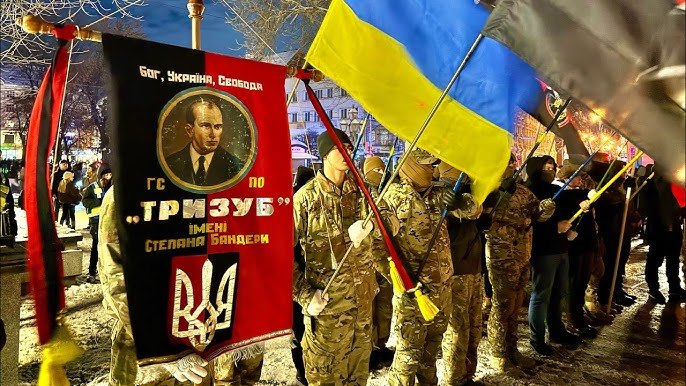
The UPA was the military arm of the OUN.
The OUN did not fight for liberal democracy. It sought an authoritarian, fascist, leader-centered state and promoted the vision of an ethnically homogeneous nation—a vision that helped fuel mass violence against Poles and Jews.
That is why today's state-sponsored glorification of the OUN and UPA is so troubling. When Ukraine's political leadership, headed by a president of Jewish heritage, celebrates these movements while provoking needless historical conflicts with its neighbors, it looks less like patriotism than self-inflicted damage.
This is not about Polish sensitivities.
It is about Ukraine's democratic future.
A country does not strengthen itself by turning authoritarian nationalists into national saints. It does not improve its international standing by glorifying movements associated with ethnic violence.
The Ukraine envisioned by the OUN belongs in history books, not in the names of elite military units, official commemorations, or state-sponsored pantheons.
A democratic Ukraine will be built through an honest reckoning with history—not through the worship of it.
65
169
568
11,719
telegraph retweeted
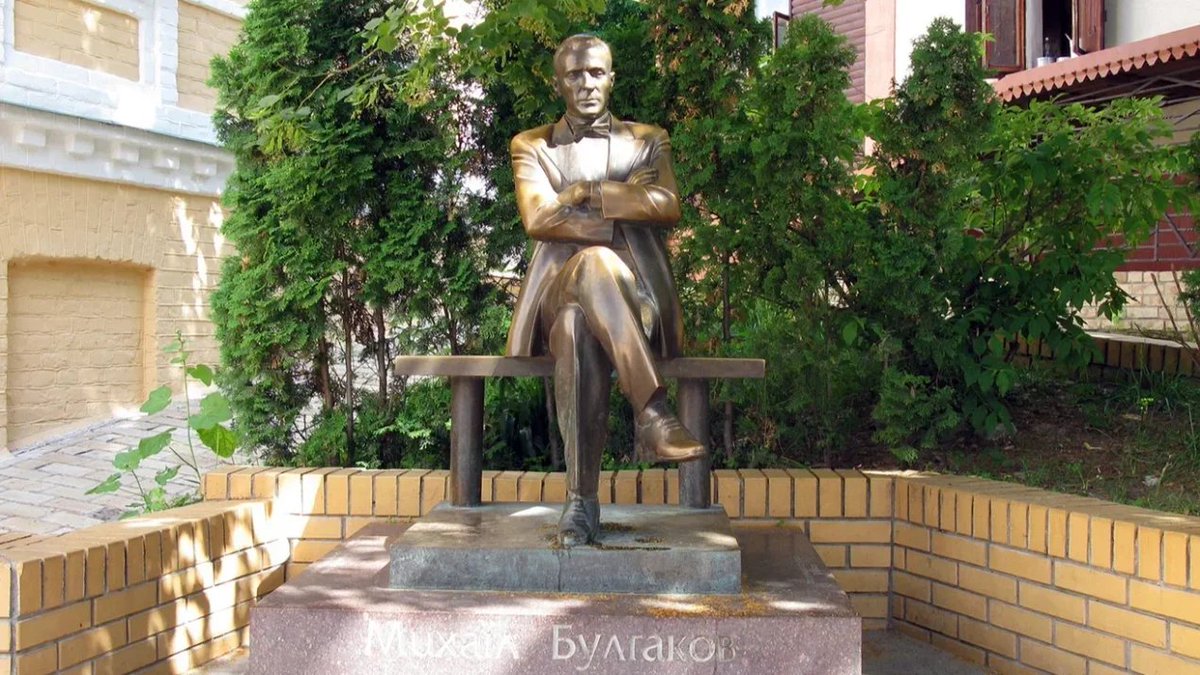
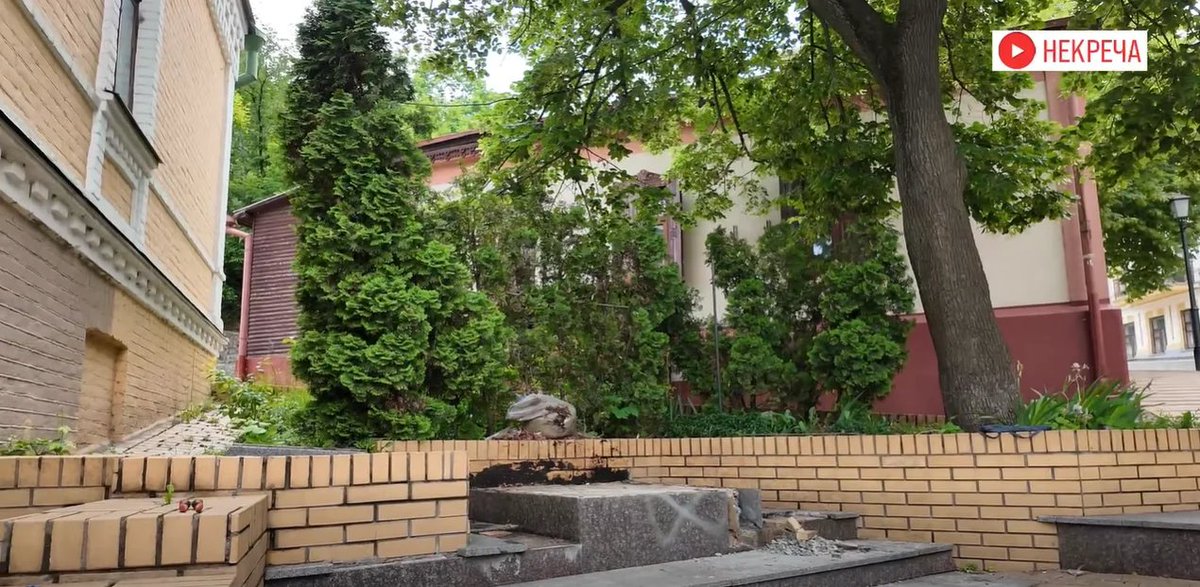
Kyiv has dismantled the monument to Mikhail Bulgakov.
That should come as no surprise.
In The White Guard, Bulgakov depicted the anti-Jewish pogroms carried out by the forces of Symon Petliura—precisely the pogroms that Ukrainian Institute of National Remembrance led by ex-Azov officer now seem eager to sideline as an inconvenient footnote to the national story.
Historical memory is becoming increasingly selective.
The darker chapters are erased, while controversial figures are recast as untarnished heroes.
If this trend continues, Ukraine may end up celebrating only those whose hands were stained with the blood of their Jewish, Polish, and other neighbors.
Is this the “democratic Ukraine” that people are being forced to die for?
A democracy worthy of sacrifice should be able to confront its past honestly, not sanitize it.
65
488
1,327
107,413
telegraph retweeted
Zelensky awards orders & medals to 37 Ukrainian & Western journalists, including from CNN, Bloomberg, Welt, Liberation, TSN, LB, Radio France International, Gumenyuk, etc. This is another evidence that Ukrainian & Western journalists parrot Zelensky regime propaganda. president.gov.ua/en/news/pre…
28
233
490
30,431
telegraph retweeted

Jun 6
Sorry, nein, so dumm war noch nicht einmal die Stasi. Jesuslatschen und Fleischerhemd - daran erkannten sich die Ossis.
1
1
291
telegraph retweeted

May 22
Update des (geupdateten) Updates
Jetzt ist es amtlich, laut Wadephul braucht die Ukraine insgesamt mindestens 180 Milliarden. Nächste Woche sind es dann wahrscheinlich 3 Trillionen…

Nochmal 90 Mrd. Euro:
Außenminister Wadephul lässt die Katze aus dem Sack: "Die Ukraine braucht mehr Geld"
Dabei können sich die meisten Staaten nicht einmal die eigene Aufrüstung leisten...
lostineu.eu/wadephul-laesst-… #nato
336
1,272
5,090
150,533
telegraph retweeted
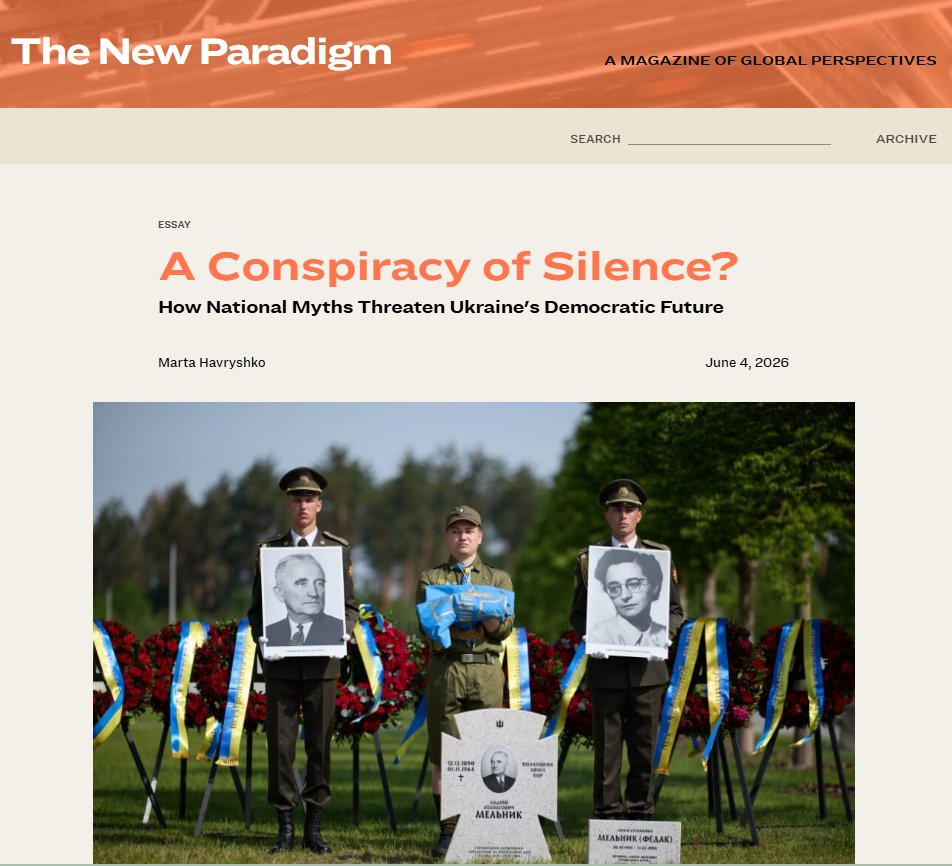
My new piece examines the growing prominence of the OUN and UPA in Ukraine’s wartime memory politics, as reflected in the reburial of Andriy Melnyk and related commemorative initiatives.
It argues that Ukraine’s wartime embrace of controversial nationalist figures is helping to cement a heroic narrative of resistance to Russian aggression while obscuring their involvement in wartime atrocities and marginalizing the memory of their victims (Poles, Jews, Ukrainians, and others).
The article explores the impact of these policies on public debate, intellectual freedom, democratic processes, and international relations, highlighting how wartime conditions encourage selective remembrance and marginalize critical perspectives on the past.
Many thanks to New Global Politics and its amazing Chief Editor, Prof. @RobertCrews22
20
30
120
3,694
telegraph retweeted

Jun 3
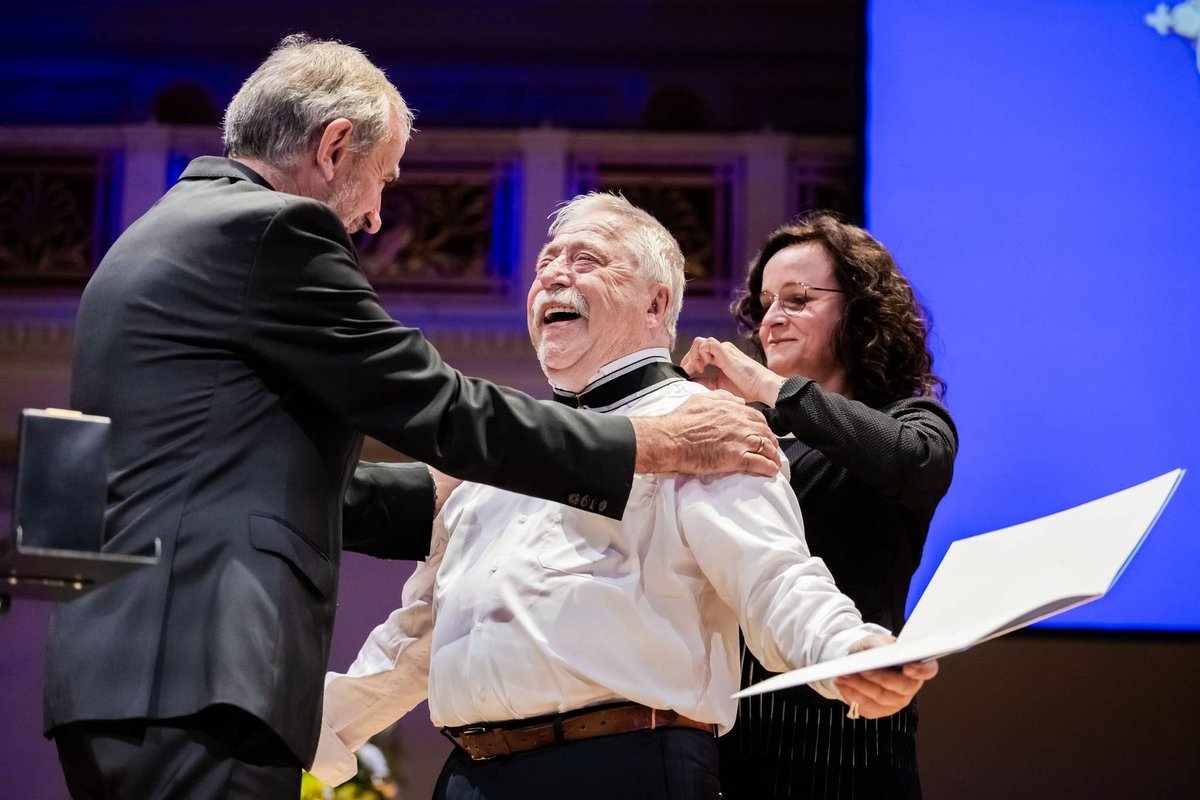
Geschafft: 🎖️Orden für Biermann
"Wenn ihr mich wirklich schaffen wollt, ihr Herren hoch da droben / Dann müsst ihr mich ganz öffentlich nur loben, loben, loben" (Wolf Biermann 1973)
13 Nov 2025

Gratulation an Tiefseeforscherin Antje Boetius, Theologe Christoph Markschies und Liedermacher Wolf Biermann zur Aufnahme in den Orden Pour le mérite! Es ist die höchste Auszeichnung für Wissenschaftler und Künstler in Deutschland.
kulturstaatsminister.de/pres…
4
6
22
2,780
telegraph retweeted
Heute vor 52 Jahren wurde in Berlin Ulrich Schmücker erschossen. Er war Aktivist der Bewegung 2. Juni und zugleich Spitzel des Berliner Verfassungsschutzes. Sein Tod war einer der größten Geheimdienstskandale der BRD. Doku: youtube.com/watch?v=Plc4hF4f…
1
7
31
2,220
telegraph retweeted
Jun 4
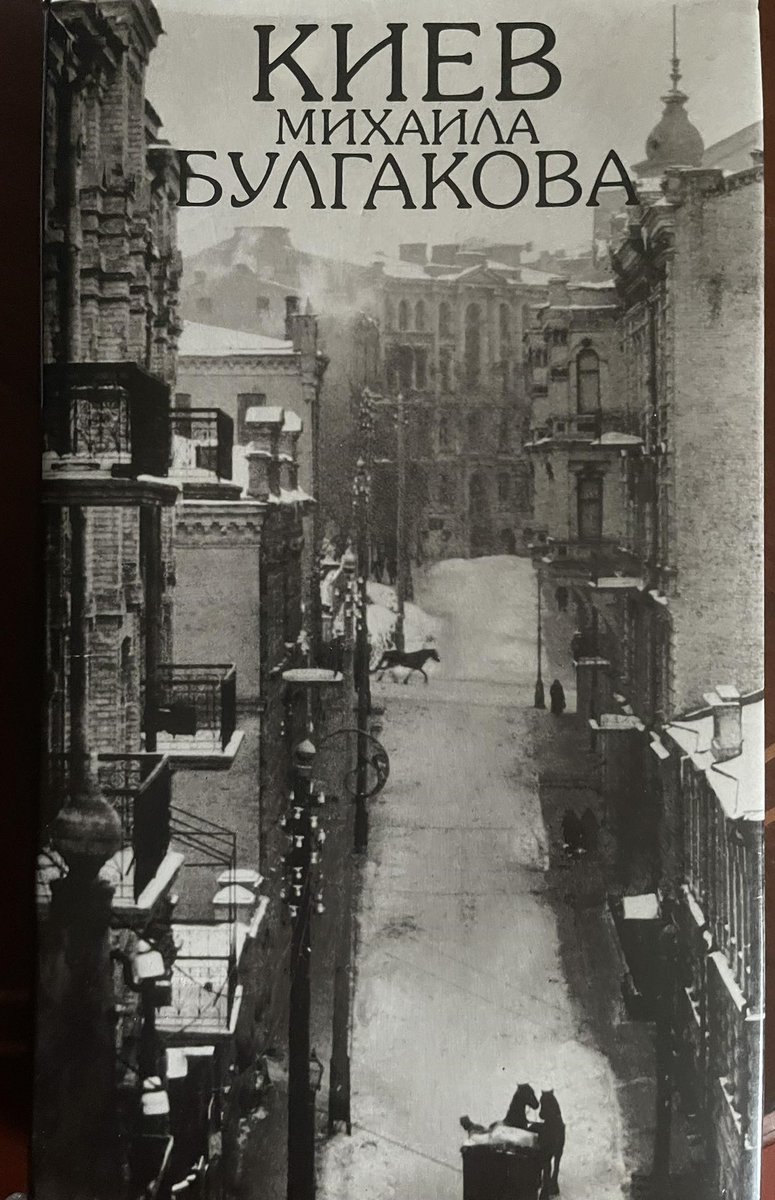
Es ist vollbracht: 'Dekolonisierer' haben Kiew vom Michail-BULGAKOW-Denkmal 'gereinigt'
cc @HavryshkoMarta @Volod_Ishchenko @IuliiaMendel @leonidragozin @DrRadchenko
25 Dec 2025

КИЕВ МИХАИЛА БУЛГАКОВА
Wenn im Stadtbild Kiews die Erinnerung an Bulgakow, Achmatowa und Glinka von den jetzigen Stadtpolitikern ausgemerzt sein wird, dann wird manch älterer Ukrainer einen Bildband aus Jahr 1990 über Bulgakows Kiew aus seinem Regal ziehen und darin blättern...
5
3
10
968
Jun 7
"Ein guter Teil der Linken ist liberal geworden. Und sie hat, wie die Liberalen seit Jahrhunderten, Angst vor dem Volk."
deutschlandfunk.de/postliber…
2
5
172