Associate Professor of Art Therapy & Neurology | Research in Neuroscience, Arts, & Therapeutics | Translational Health Sciences | Clinical Practice 🏄♀️🧠🎨🎼
Joined April 2016
- Tweets 1,435
- Following 541
- Followers 651
- Likes 3,850
73 Photos and videos




Juliet L. King PhD, ATR-BC, LPC, LMHC ⚡️ retweeted

19 Aug 2024
Please repost!
🚨Open PhD position in neuroarchitecture in my lab, the BBAR🚨
Are you fascinated by the interplay between architecture and the human brain? 🧠🏢
Join my group; Brain, Body, Architecture Research group!
t.ly/99PNs
(1/5)
1
20
25
4,804
Juliet L. King PhD, ATR-BC, LPC, LMHC ⚡️ retweeted

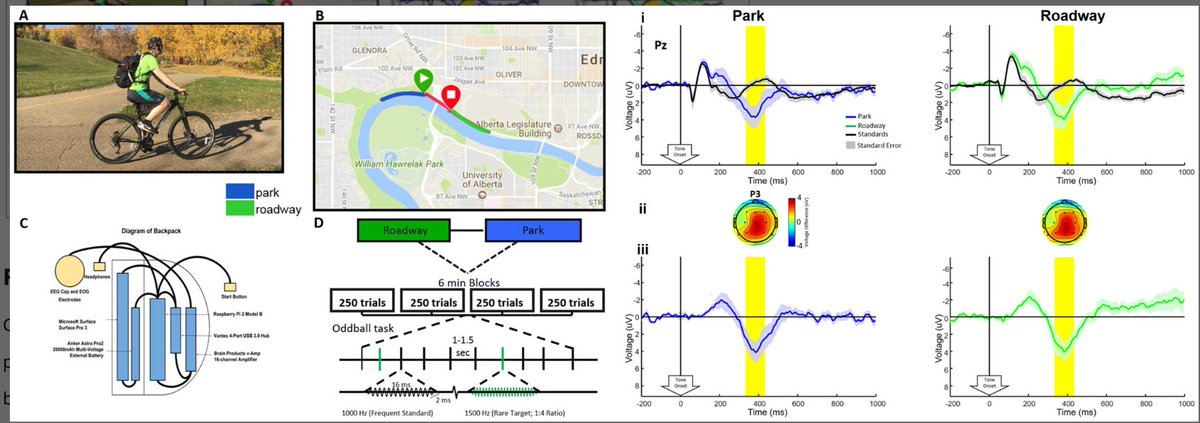
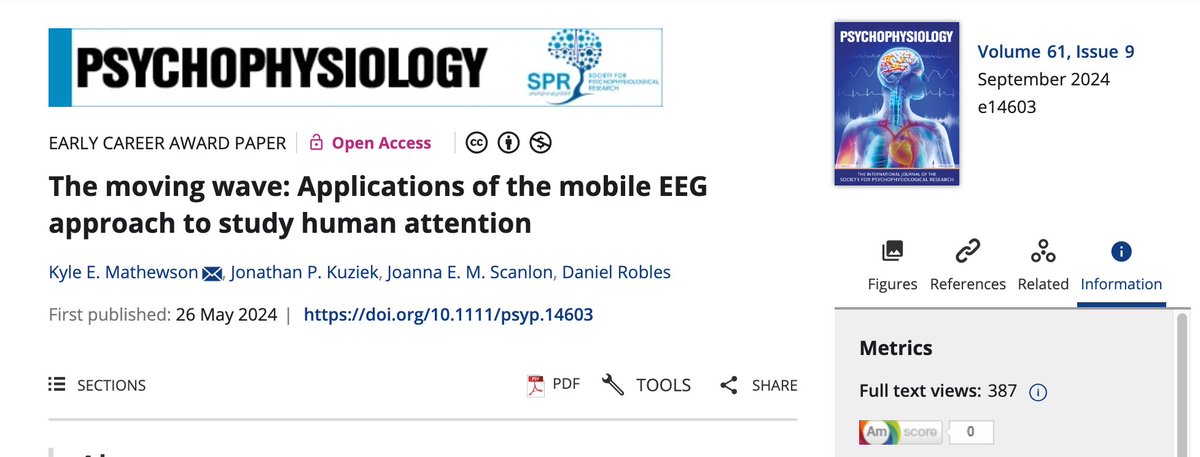
What a treasure of a collection of #mobileEEG papers in the field - highly recommended.
Congrats @MathKyle et al. for this massive overview.
25 Aug 2024

The moving wave: Applications of the mobile EEG approach to study human attention - Mathewson - 2024 - Psychophysiology - Wiley Online Library onlinelibrary.wiley.com/doi/…
7
17
1,305
Juliet L. King PhD, ATR-BC, LPC, LMHC ⚡️ retweeted

2 Aug 2024
Juliet King, PhD, ATR-BC, LPC, LMHC is at the Cape Cod Institute this week teaching: Arts & the Brain: Evidence-Based Therapeutic Arts Interventions for Optimal Health & Well-Being. Here participants are painting how they see the world & what they see as truths. @tertiaryprocess
1
3
108
Juliet L. King PhD, ATR-BC, LPC, LMHC ⚡️ retweeted
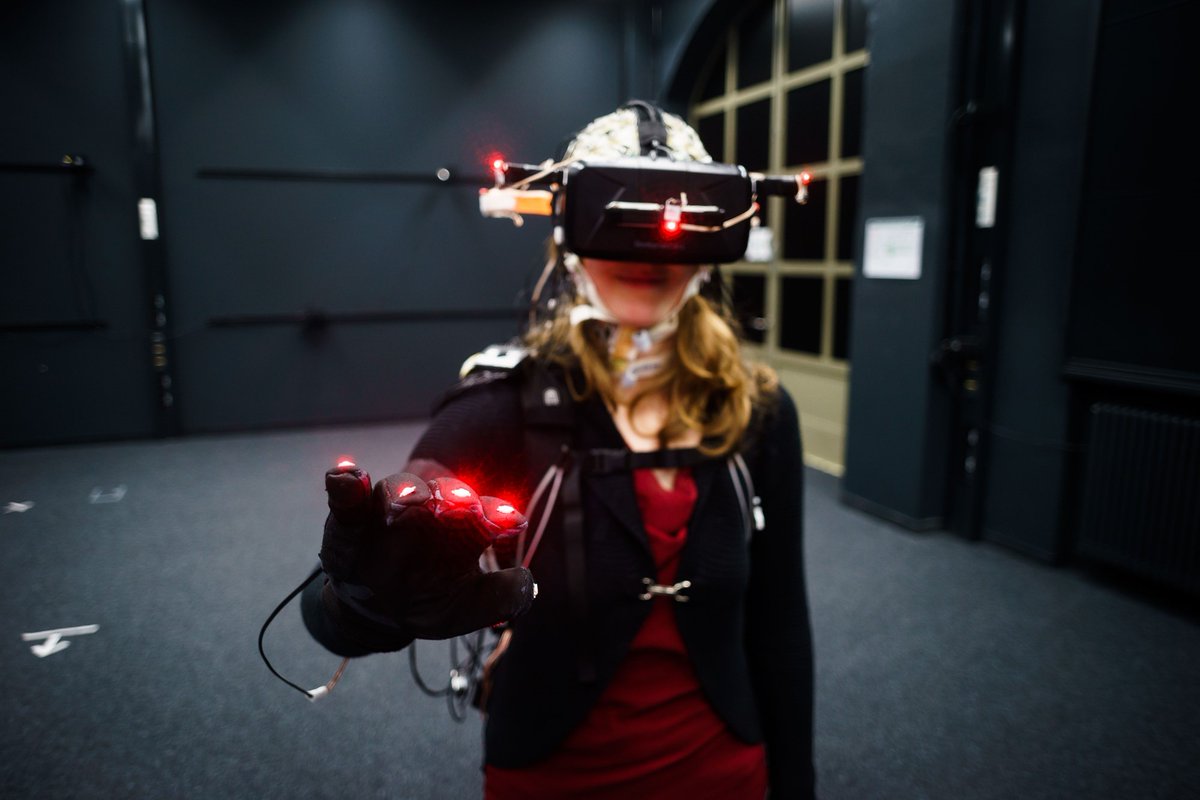
5-year full PhD position at the Berlin Mobile Brain/Body Imaging Labs!
(Please distribute in your network).
We are looking for a highly motivated candidate to work in the field of Neurourbanism using multimodal psychophysiological measurements in stationary and mobile protocols.
1
42
66
9,274
Juliet L. King PhD, ATR-BC, LPC, LMHC ⚡️ retweeted

21 Jul 2024
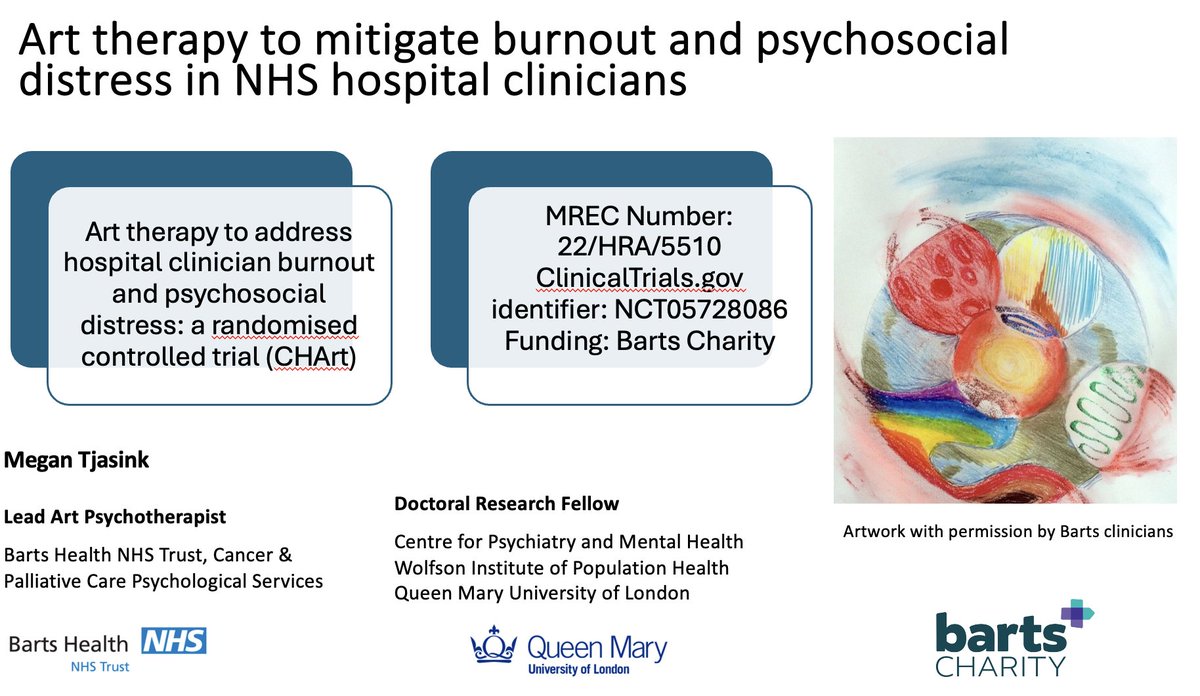
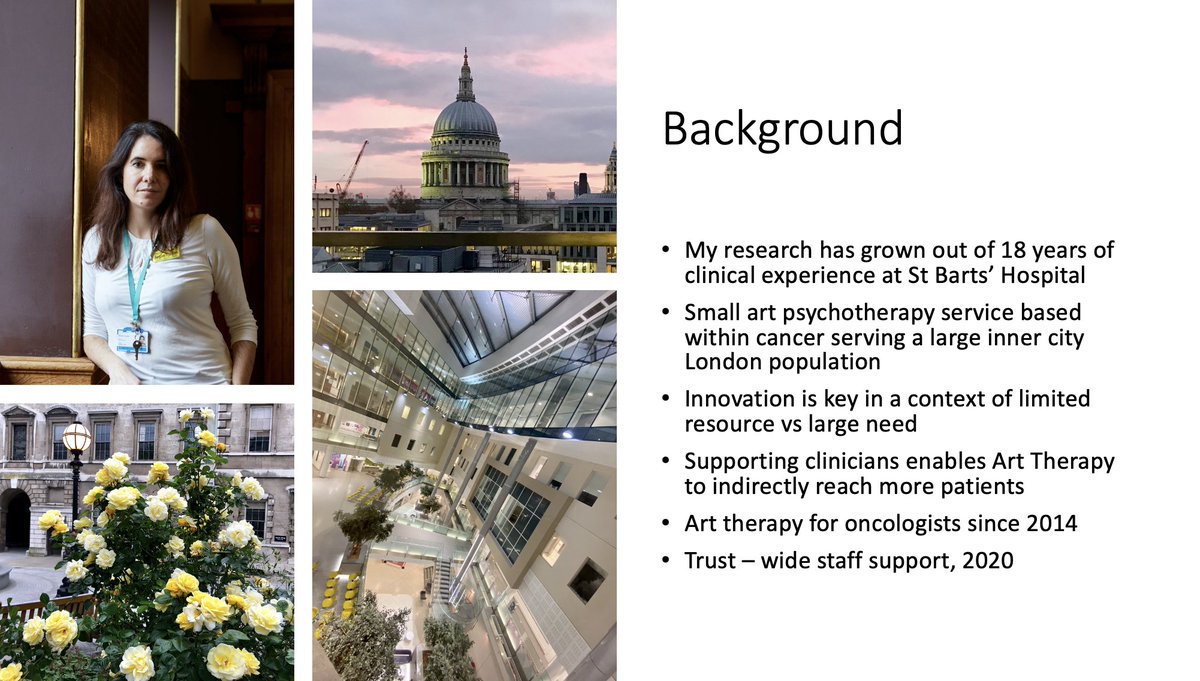
I had the pleasure of sharing my experience developing art therapy for NHS HCW burnout and psychosocial distress with #artstherapists @AWPNHS last week. Thank you for the invitation, warm reception & interest in the relationship between practice, service development & research
1
3
9
381
Juliet L. King PhD, ATR-BC, LPC, LMHC ⚡️ retweeted

22 Jul 2024
Excited to partner with @arttherapyproj to introduce outpatient #ArtTherapy for older adults at @WCMGeriPal @nyphospital.
Currently in a research phase (stay tuned for our results!) #hapc #geriatrics
22 Jul 2024

Now live! Our new Wellness Program for older adults who may be seeking new friendships and a greater sense of community. Read more here:
geriatrics-palliative.weill.…

1
3
27
952
Juliet L. King PhD, ATR-BC, LPC, LMHC ⚡️ retweeted

13 Jul 2024
Klangphonics is a three-piece techno band from Regensburg, Germany, incorporating the sound of a sewing machine
1,003
7,866
57,070
6,882,984
Juliet L. King PhD, ATR-BC, LPC, LMHC ⚡️ retweeted

24 Jun 2024
In our clinical research team’s latest conceptual review, they report on a neurophysiological rationale for #ArtTherapy as a therapeutic approach for individuals with post-traumatic stress disorder (PTSD). Learn more:
frontiersin.org/articles/10.…
#MilitaryMedicine #ArtsInHealth
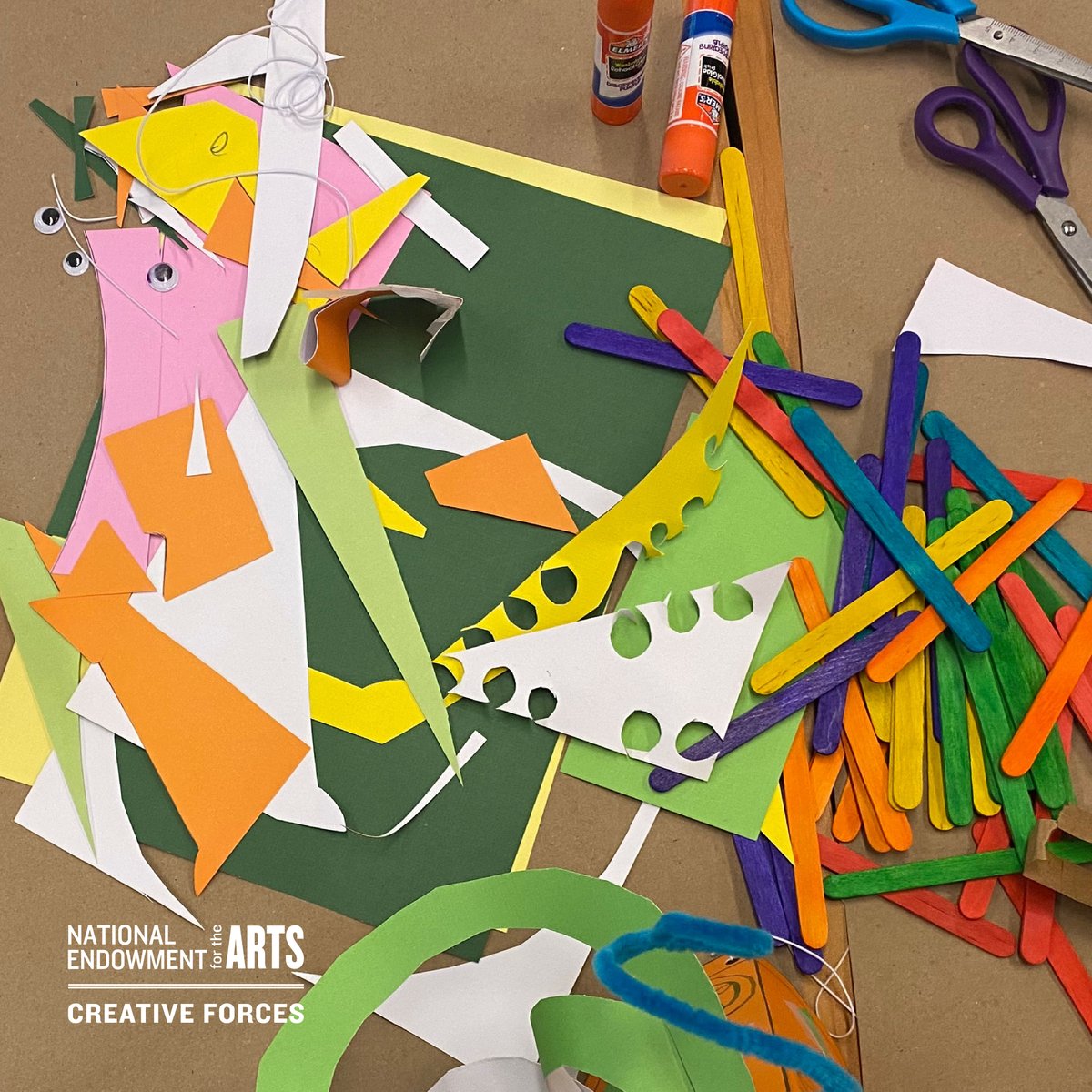
ALT A view of a tabletop covered in brown kraft paper with art supplies on top, including pieces of paper in different colors cut in different shapes, googly eyes for art projects, multi-colored popsicle sticks, glue sticks, and scissors.
11
14
522

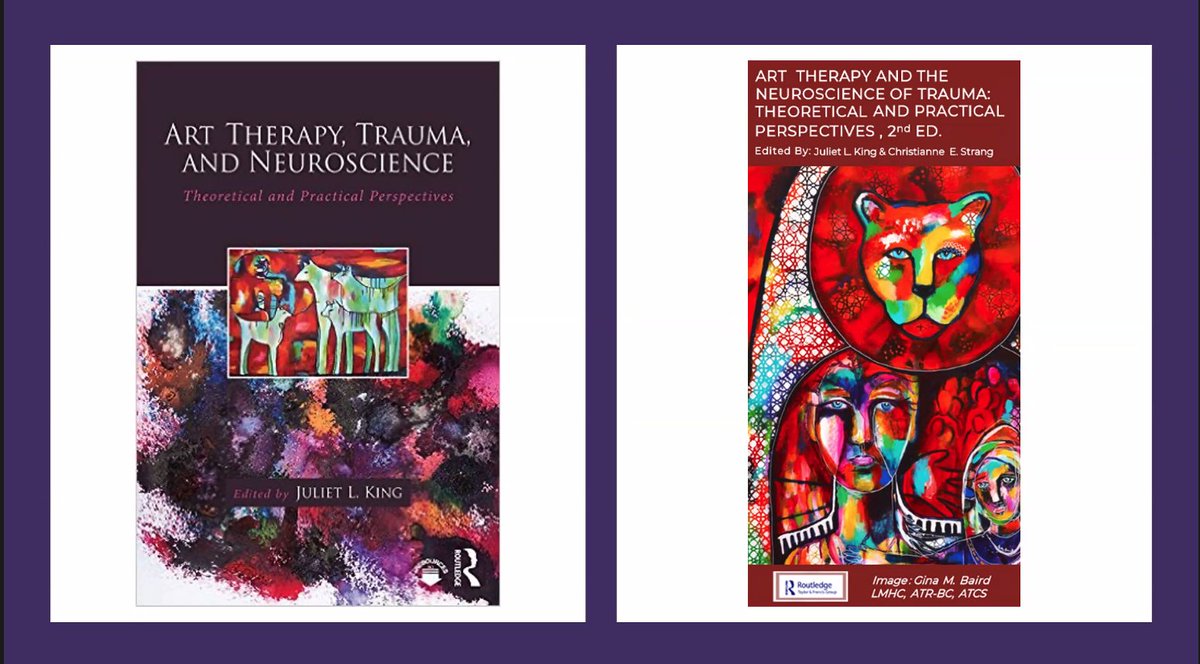
Excited to announce the release of 'Art Therapy and the Neuroscience of Trauma, 2nd Edition' 📷📷! Dive deeper into how art therapy intersects with neuroscience to heal trauma. #ArtTherapy #Neuroscience #TraumaRecovery
amazon.com/Art-Therapy-Neuro…
1
9
329
Juliet L. King PhD, ATR-BC, LPC, LMHC ⚡️ retweeted
23 Jun 2024
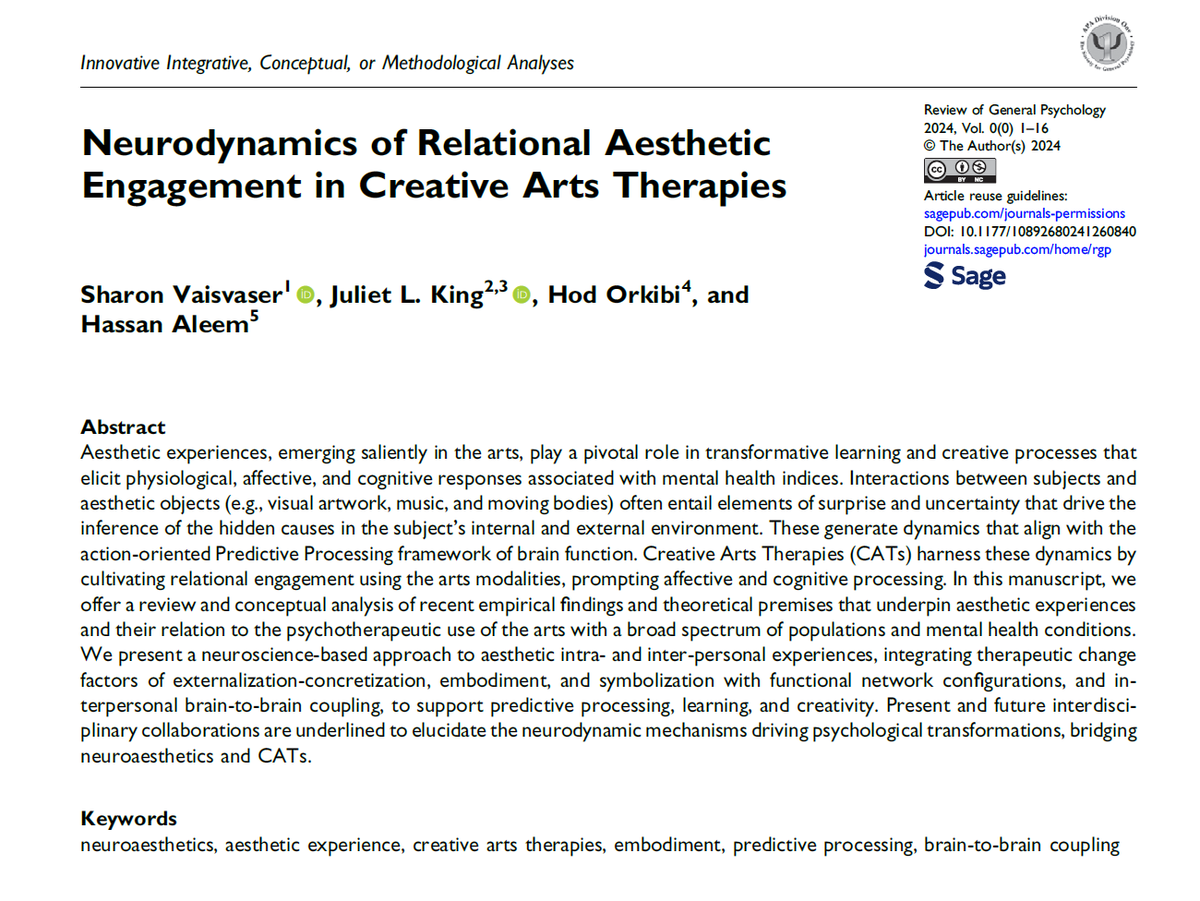
Fabulous paper! Explains the active mechanisms of the creative arts therapies from a neuroscience perspective in such an insightful way 🙌🏼
22 Jun 2024

HOT - Neurodynamics of Relational Aesthetic Engagement in Creative Arts Therapies
journals.sagepub.com/doi/10.…
1
5
15
972
Exploring the intersection of #Neuroscience and #ArtTherapy 🎨📷! Our latest review highlighting how aesthetic experiences in #creativeartstherapy drive cognitive and emotional processing.
@v22739
@drhodorkibi
@haaleemur
journals.sagepub.com/doi/ful…
2
9
594
Juliet L. King PhD, ATR-BC, LPC, LMHC ⚡️ retweeted

22 Jun 2024
HOT - Neurodynamics of Relational Aesthetic Engagement in Creative Arts Therapies
journals.sagepub.com/doi/10.…
1
4
19
2,495
#Arttherapy isn't just about expression—it's backed by science. Neuroimaging shows how art activates key brain areas, enhancing emotional healing & cognitive processing. #ArtTherapy #Neuroscience
@NEA_CFNetwork
@Jackson_Fdn
@PCfN__
14 Jun 2024

Masks created by military personnel with PTSD during art therapy sessions reflected a shift from negative to positive emotions, suggesting emotional improvement through the non-verbal therapeutic process. dlvr.it/T8GmRM
1
6
404
Juliet L. King PhD, ATR-BC, LPC, LMHC ⚡️ retweeted
1 May 2024
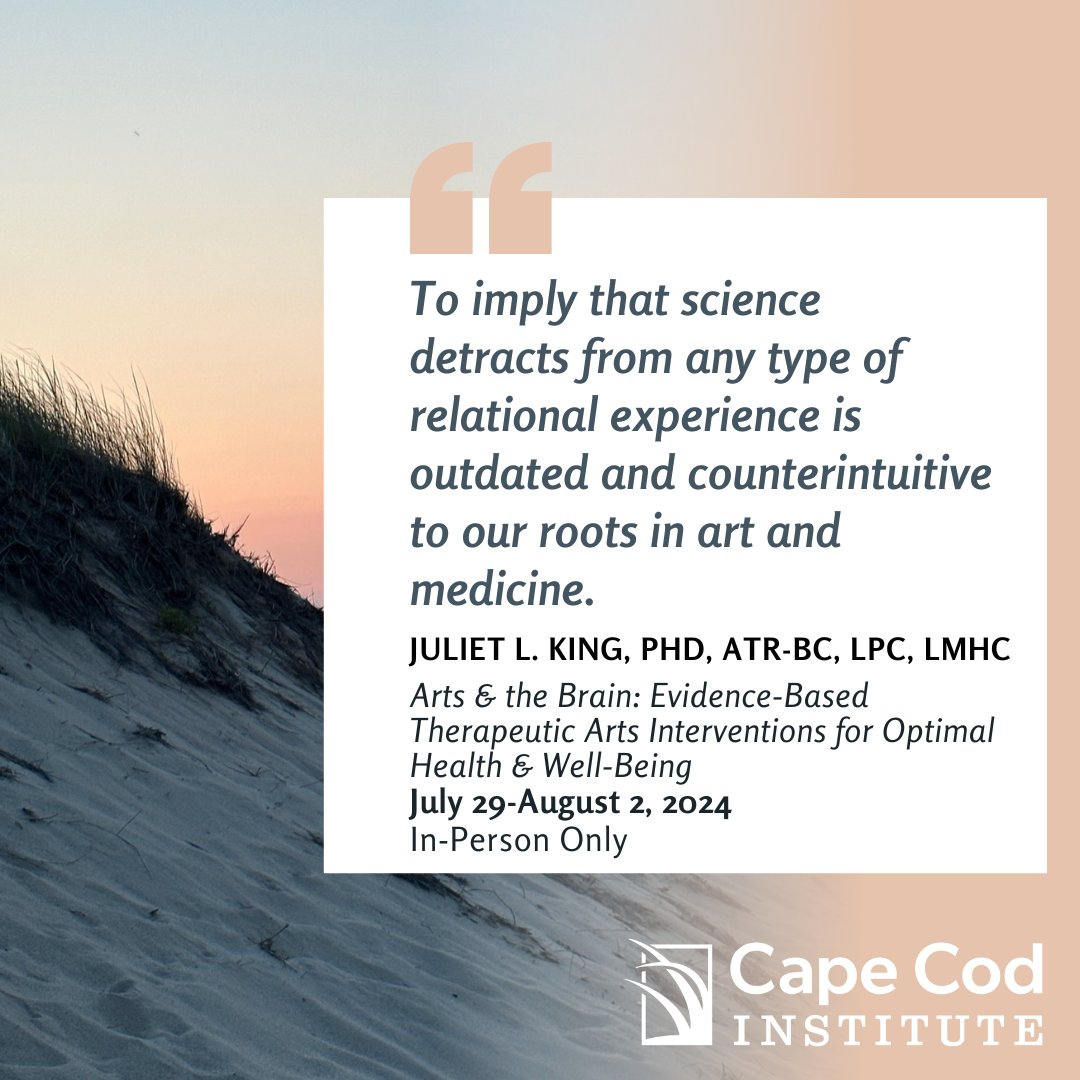
Juliet King, PhD, ATR-BC, LPC, LMHC
Arts & the Brain: Evidence-Based Therapeutic Arts Interventions for Optimal Health & Well-Being
July 29-August 2, 2024
In-Person Only
@tertiaryprocess
#neuropsychology #psychotherapy #traumahealing #continuingeducation #capecodinstitute
1
1
74
Thank you @kwokytalky for being there! You are an inspiration for our collaborations!!!
9 Apr 2024

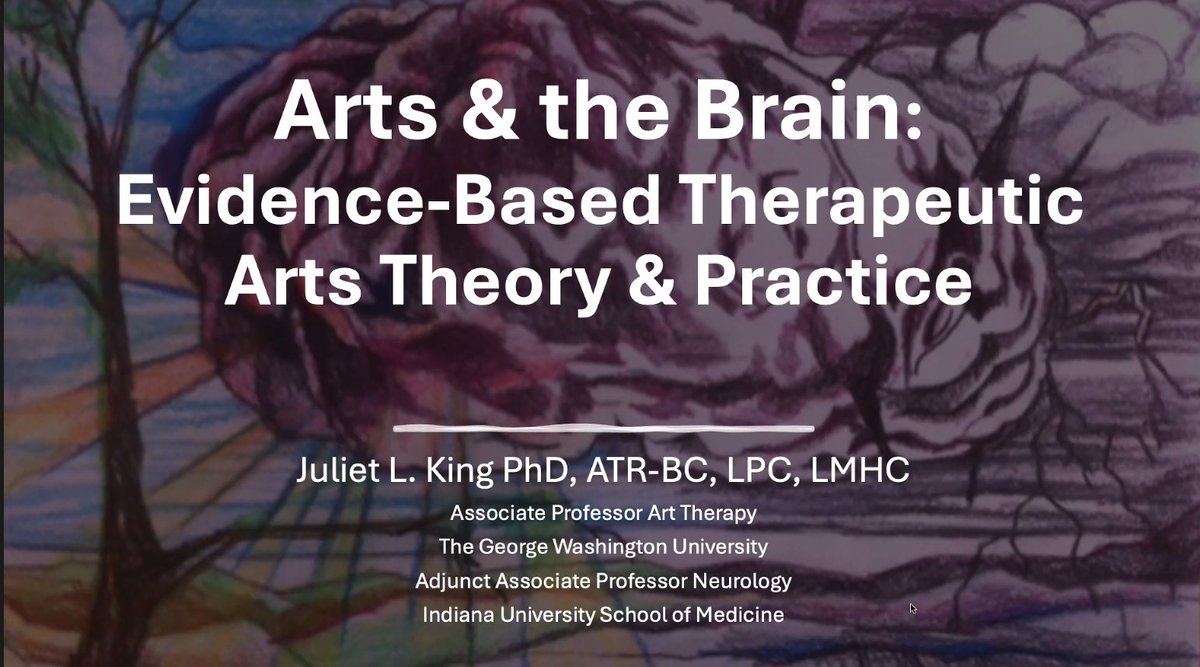
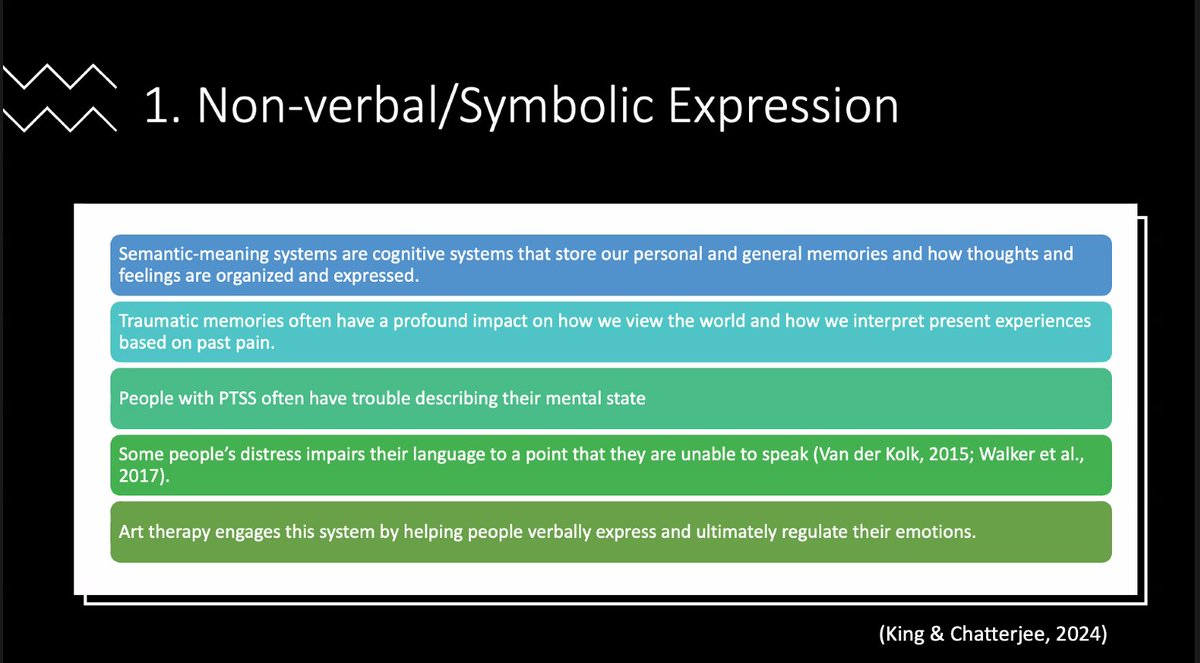
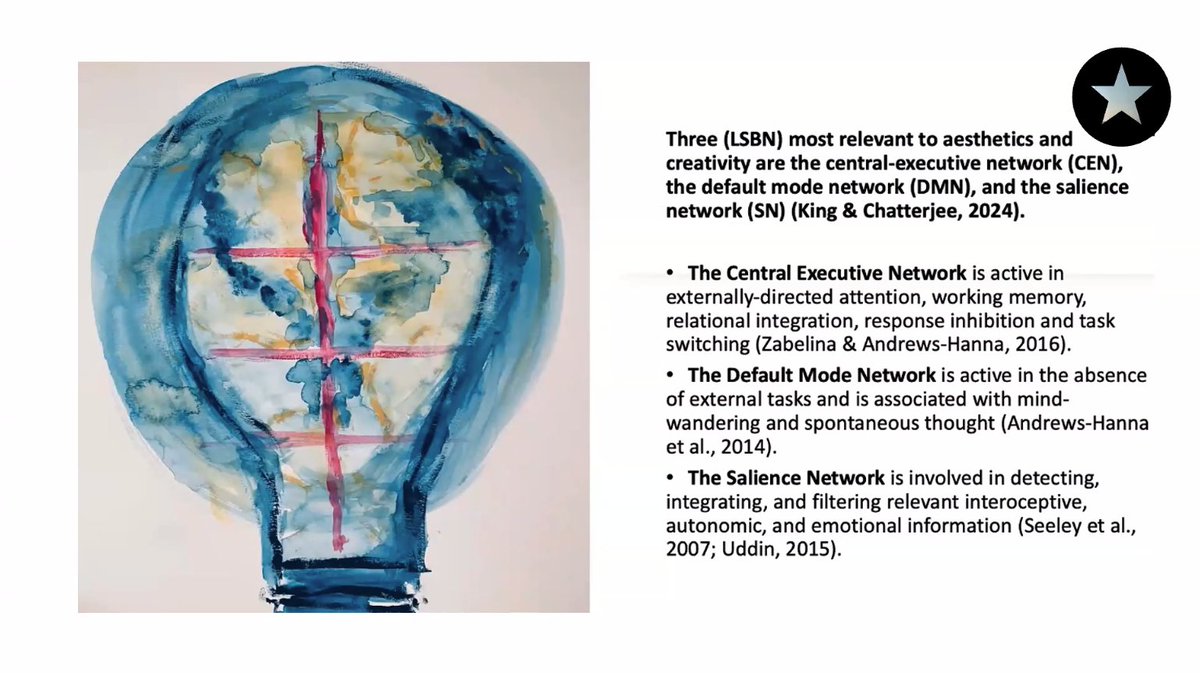
Thank you Dr. Juliet King @tertiaryprocess for presenting at @WCMPsychiatry Grand Rounds!
Art therapists, medical clinicians, and neuroscientists have so much to learn from each other, and Dr. King has assembled so much of the shared language we need. #ArtTherapy #MedEd #MedHum
7
295
Juliet L. King PhD, ATR-BC, LPC, LMHC ⚡️ retweeted
9 Apr 2024
Thank you Dr. Juliet King @tertiaryprocess for presenting at @WCMPsychiatry Grand Rounds!
Art therapists, medical clinicians, and neuroscientists have so much to learn from each other, and Dr. King has assembled so much of the shared language we need. #ArtTherapy #MedEd #MedHum
4
15
1,321
Juliet L. King PhD, ATR-BC, LPC, LMHC ⚡️ retweeted

10 Mar 2024
A new, large-sample study finds little support for a link between mind-wandering and creative thinking. This follows several other studies finding mixed evidence that mind-wandering supports creativity.
The Discussion offers much food for thought, including a call for more precise and testable theories. It also lists 7 specific hypotheses to test for any link between mind-wandering and creativity in future work:
"If the psychology of creativity is to make progress on this question, beyond collecting dozens of studies that use different methods and produce conflicting findings, the field must develop theories that specify the hypothesized nature of the association and that guide further empirical investigations. We list several possibilities below (only some of which are mutually exclusive), but creativity theorists could (and should) probably develop more:
Hypothesis 1: Mind-wandering is a sign, symptom, or result of creativity, not a cause.
Hypothesis 2: Mind-wandering during development facilitates the subsequent development of creative thinking and behavior, but it doesn't concurrently affect adult creativity.
Hypothesis 3: Suitably off-task mind-wandering following a problem-solving impasse can create a mental context change that keeps prior dead-ends at bay and thereby facilitates more novel thinking.
Hypothesis 4: Unconstrained mind-wandering, during the creative process or following an impasse, provides mental access to more remote and novel ideas than directed, linear thinking.
Hypothesis 5: Fantastical mind-wandering that is divorced from realistic concerns, during the creative process or after an impasse, activates similarly novel solutions to creative problems.
Hypothesis 6: Unconstrained or fantastical mind-wandering may suggest to creators that purposefully thinking in these ways may benefit progress on their creative projects.
Hypothesis 7: Unconstrained or fantastical mind-wandering provides access to remote, novel ideas, but they are only beneficial if there is sufficient metaconsciousness to notice and harness those ideas before they are forgotten."
9
40
4,113
Juliet L. King PhD, ATR-BC, LPC, LMHC ⚡️ retweeted

31 Jan 2024
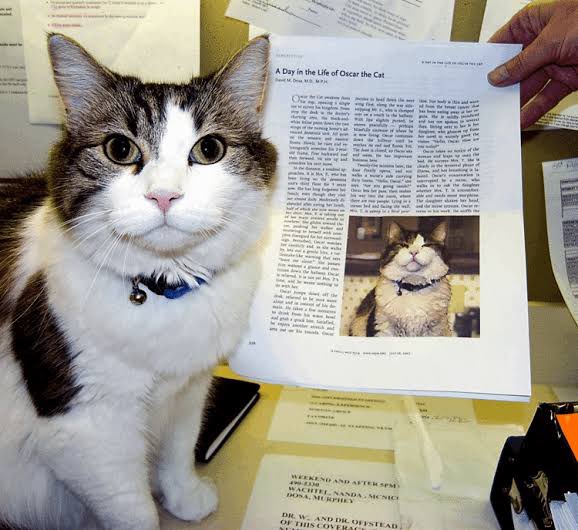
In 2005, a nursing home in the US got a six-month-old kitten named Oscar as a therapy cat. The staff soon noticed something unusual about him.
Oscar often liked to be by himself, but sometimes he would go and lie next to one of the residents. Strangely, the resident he chose would often pass away within a few hours.
At first, the workers didn't think it was important, but after it happened 20 times, they started to think Oscar knew when someone was going to die. So, they began to call the resident's family if they saw Oscar with them.
Some people think Oscar could sense certain smells from dying cells, and that's why he went to comfort residents who were alone.
There was even a time when the staff thought one resident was going to die, but Oscar stayed with a different, healthier-looking person, who then died first.
Oscar lived until 2022 and was right about more than 100 deaths during his life.
560
2,352
25,554
3,003,231
Juliet L. King PhD, ATR-BC, LPC, LMHC ⚡️ retweeted

31 Jan 2024
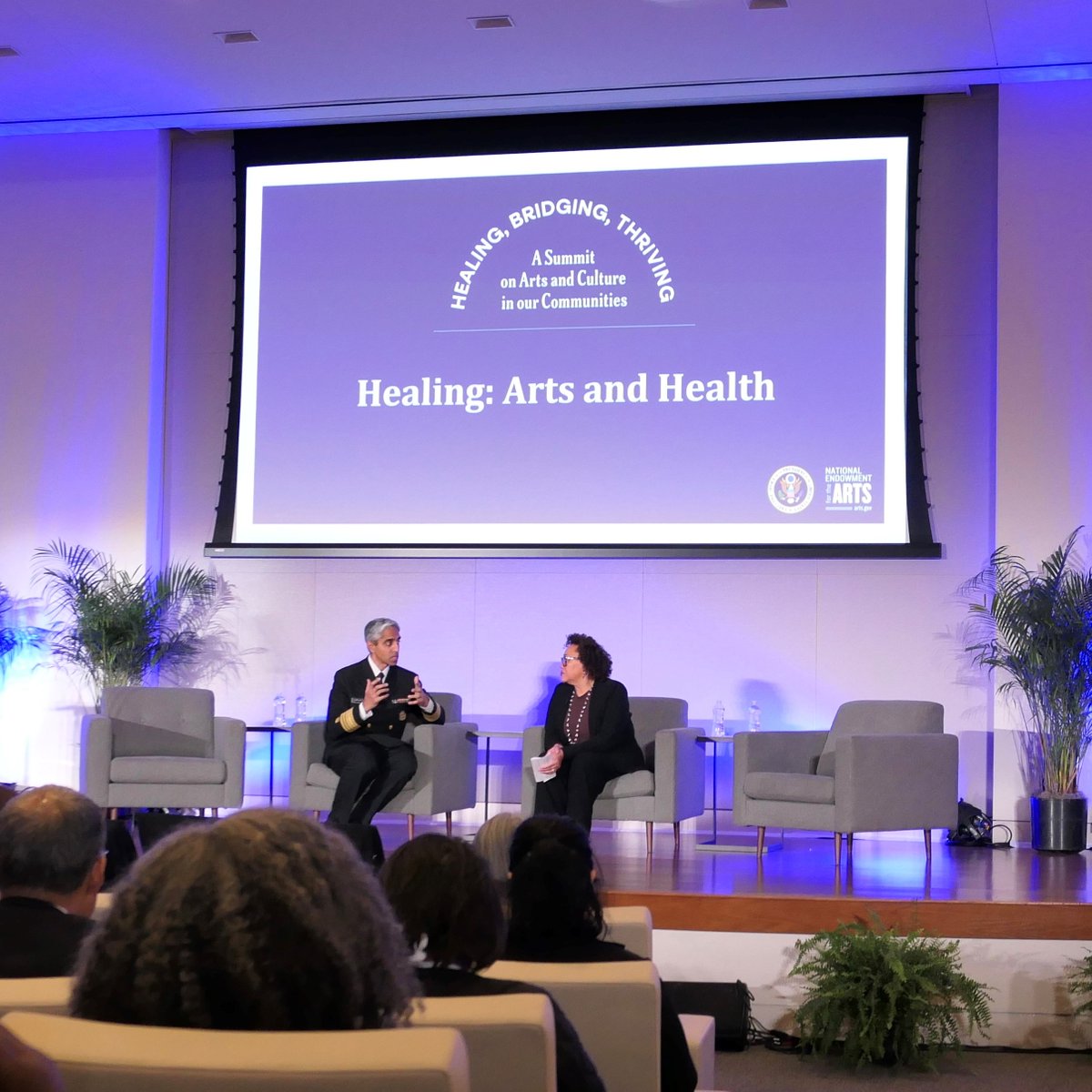
Yesterday, at the @WhiteHouse @NEAarts Summit, the @Surgeon_General said it best, “The arts are medicine. The arts are a form of healing, & that's why they deserve the investment of our country... They have to be part of how we recover post-pandemic."
3
35
85
4,083
Juliet L. King PhD, ATR-BC, LPC, LMHC ⚡️ retweeted
31 Jan 2024
@tertiaryprocess
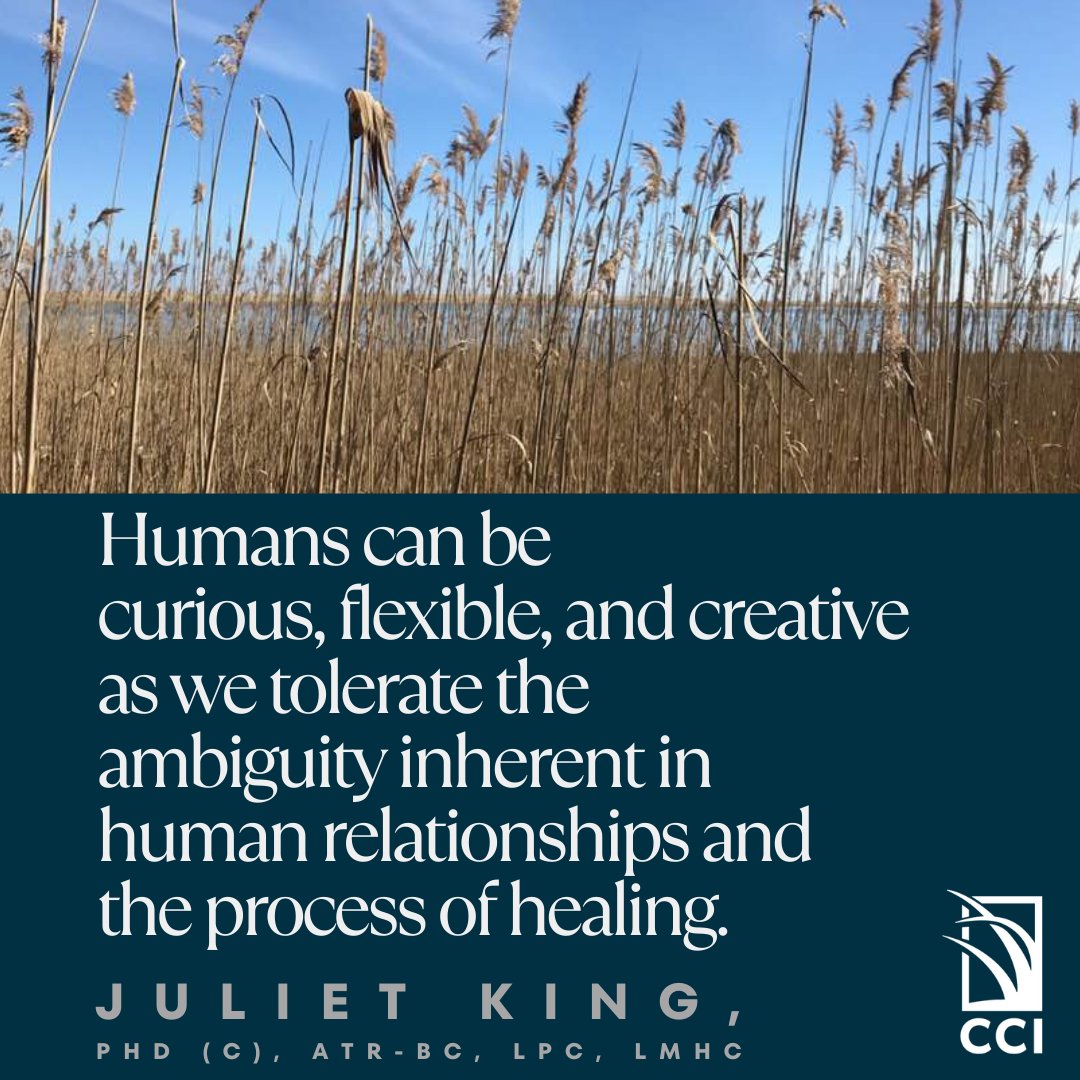
Arts & the Brain: Evidence-Based Therapeutic Arts Interventions for Optimal Health & Well-Being
Juliet King, PhD (c), ATR-BC, LPC, LMHC
July 29-August 2, 2024
In-Person Only
#neuropsychology #neuroscience #traumahealing
#continuingeducation #capecodinstitute
1
3
69