
National Plant Monitoring Scheme is a habitat-based monitoring scheme developed by BSBI, JNCC, Plantlife & UKCEH. We're indebted to our fab volunteer surveyors!
Joined October 2014
- Tweets 2,065
- Following 1,473
- Followers 3,015
- Likes 1,960
711 Photos and videos
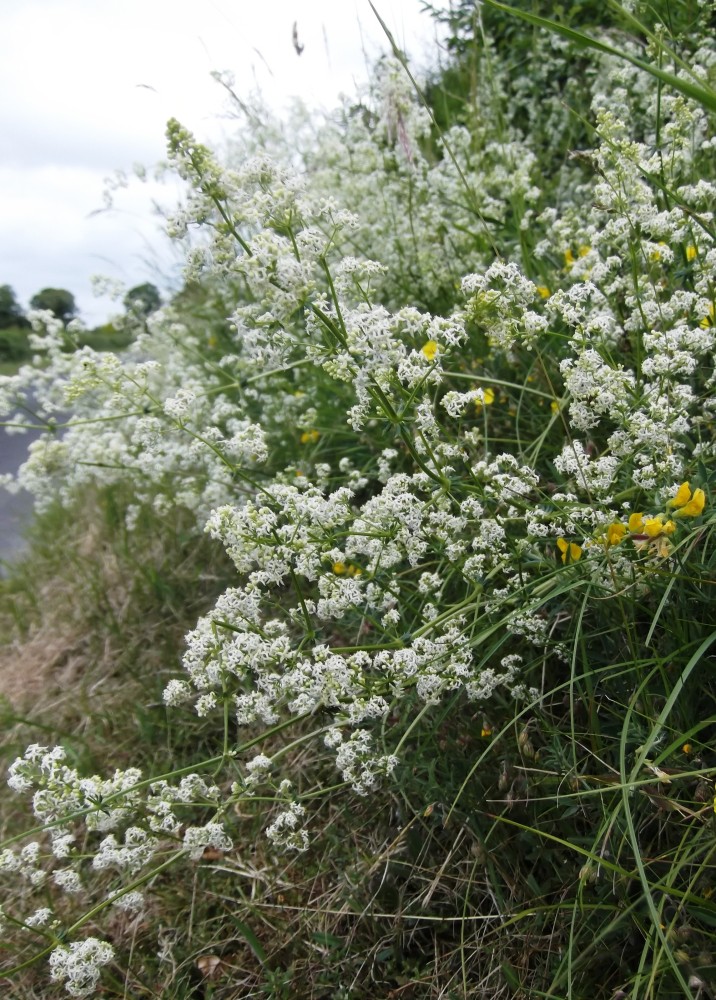



Species Spotlight - Hedge Bedstraw - Galium album has whorls of 6-8 leaves around four-angled stems & sprays of small white flowers with four petals that taper to fine points. Similar Heath Bedstraw is found in acidic habitats, petals blunt or with tiny points. 📷Sue Harris
1
1
53
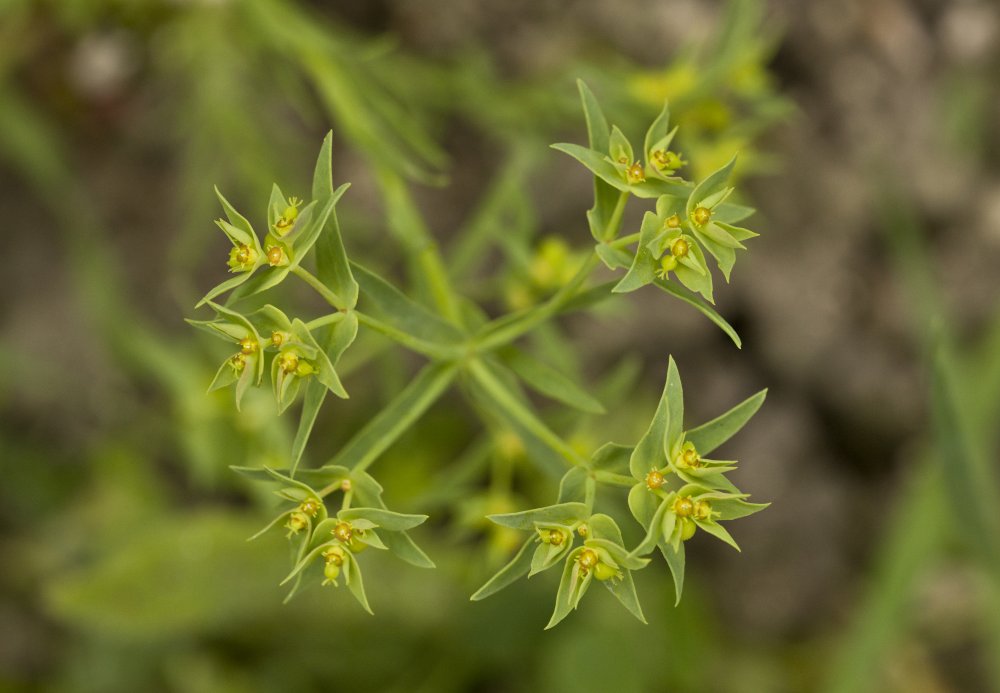
Species Spotlight - Dwarf Spurge Euphorbia exigua is a scarce annual arable weed found on light, often base rich soils mainly in the south & southeast. Small but bushy, it has narrow grey-green strap-shaped leaves on well-branched stems. Photo: Bob Gibbons
1
55
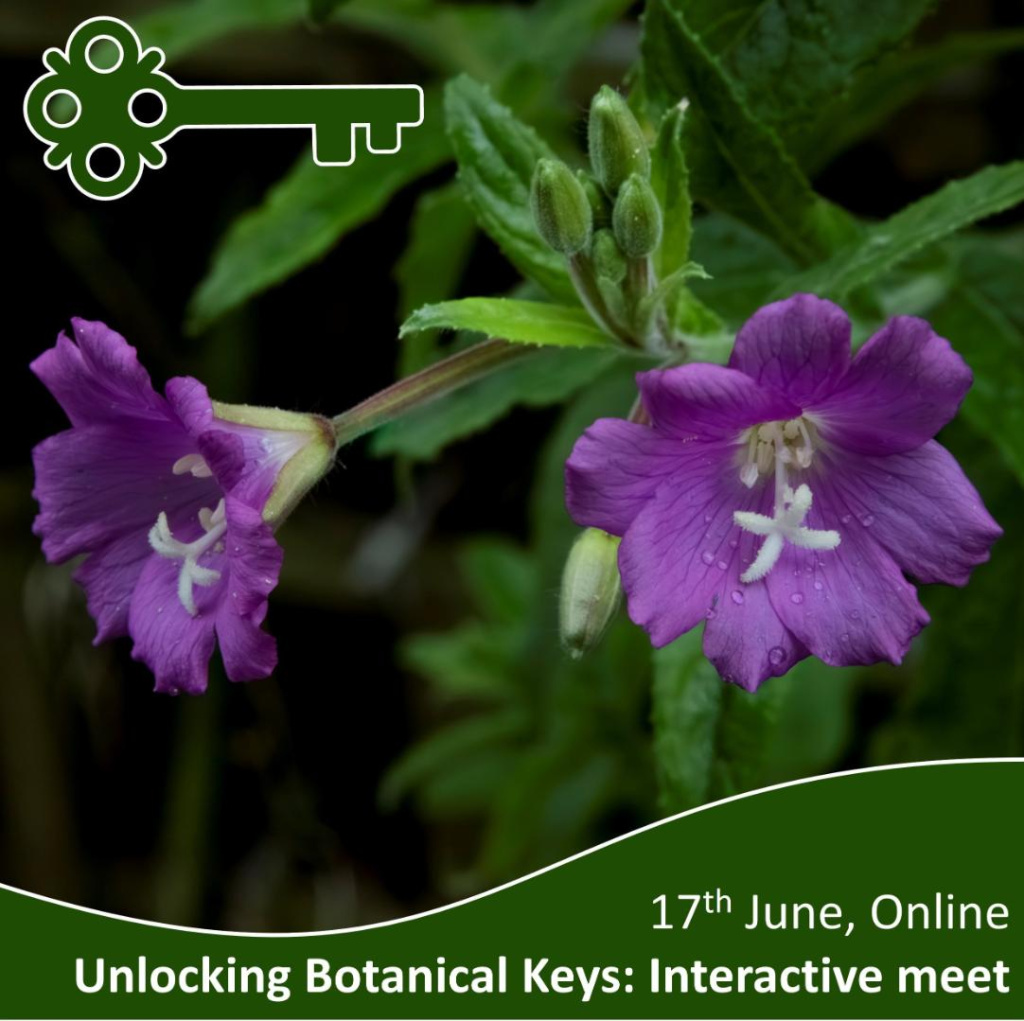
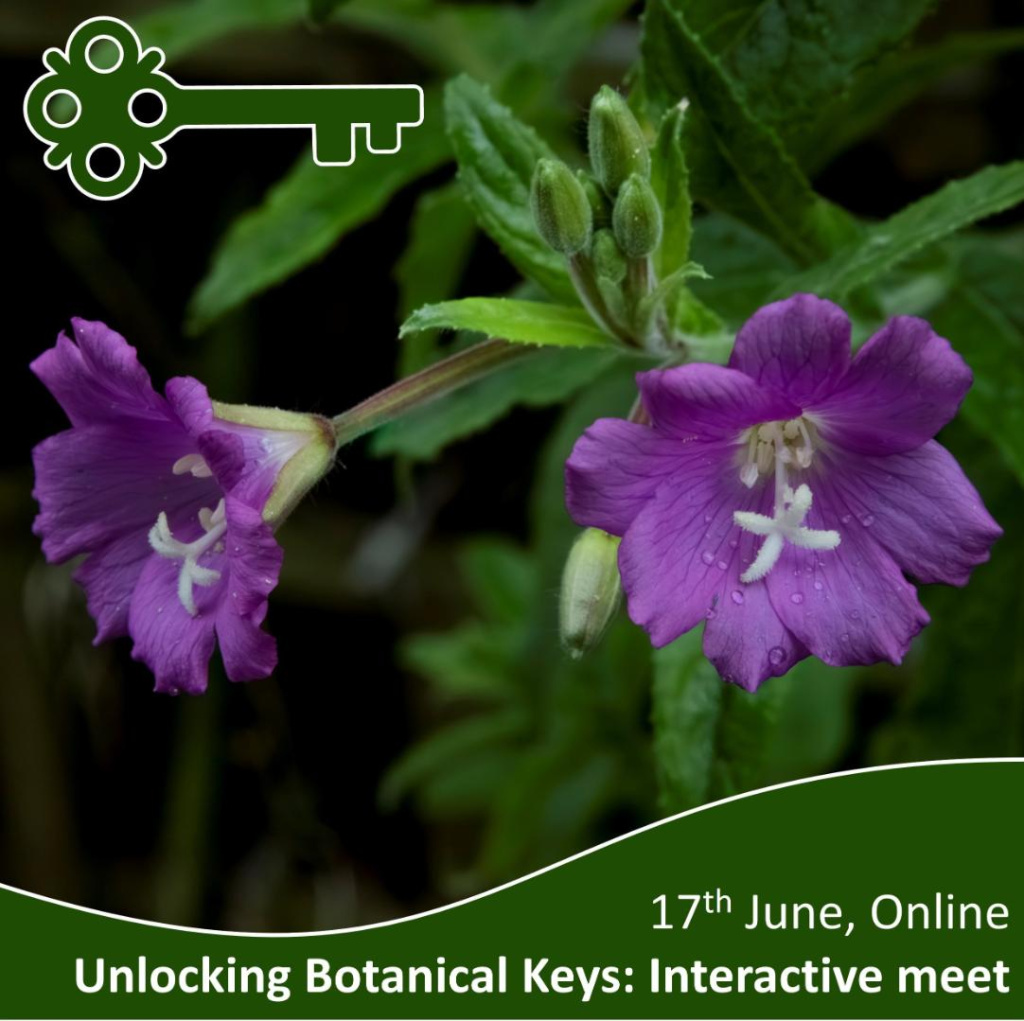
Don't miss our Key to Unlocking Botanical Keys workshop 17th June. This Zoom session will help you discover how keys work, how to get started , and boost your confidence with using them. Check out our training events page and register to book ow.ly/ZJZZ50Z6wVh
2
2
377
1 week to go to our intro session in Kent. Come along to find out all about the National Plant Monitoring Scheme and how to volunteer. Book here: ow.ly/ySh550Z80OG Or if not yet a registered volunteer but want to come along to hear all about it– contact support@NPMS.org.uk
1
36
It's National #VolunteersWeek could you become an NPMS volunteer like Alexandre? There are plenty of available squares waiting for new volunteers to monitor them! Head to our website to look for a square local to you. ow.ly/Sne850Z6xHc
3
3
109
It's National #VolunteersWeek & the BIGGEST thank you goes out to our brilliant NPMS survey volunteers, verifiers, data entry & photography volunteers. We now have over 1300 squares with associated data! You make this scheme the success that it is #NPMSVolunteers #CitizenScience
2
58
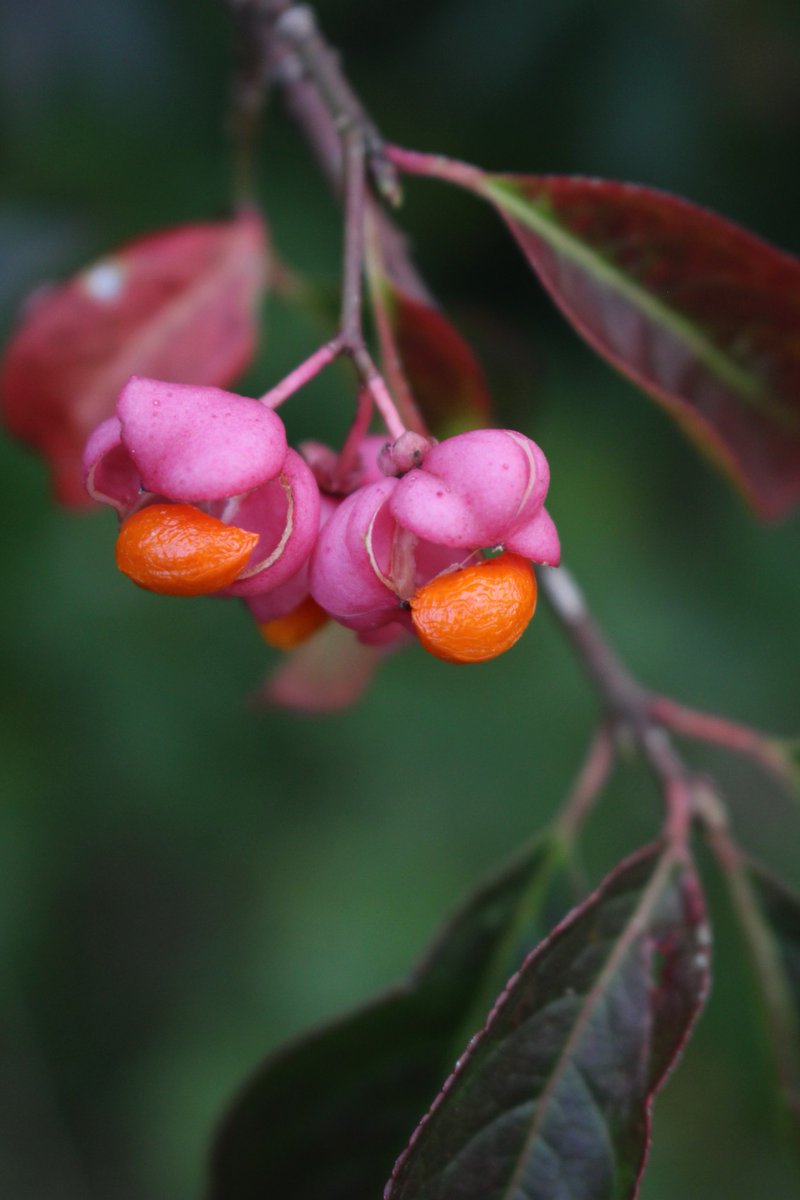
Species Spotlight - Spindle Euonymus europaeus is flowering this month, in hedgerows, scrub & woods on base-rich soils. Twigs are green & four-angled. Distinctive fruits appear in autumn, pink capsules splitting to show bright orange seeds. Photo: Ava Marley
1
2
85
Unlocking Botanical Keys online session 17th June. Join to discover how botanical keys work, which ones to get started with, cover any tricky questions & boost your confidence. There will be a group exercise to collectively key out a specimen. More info ow.ly/47c650YXwZH
2
12
299
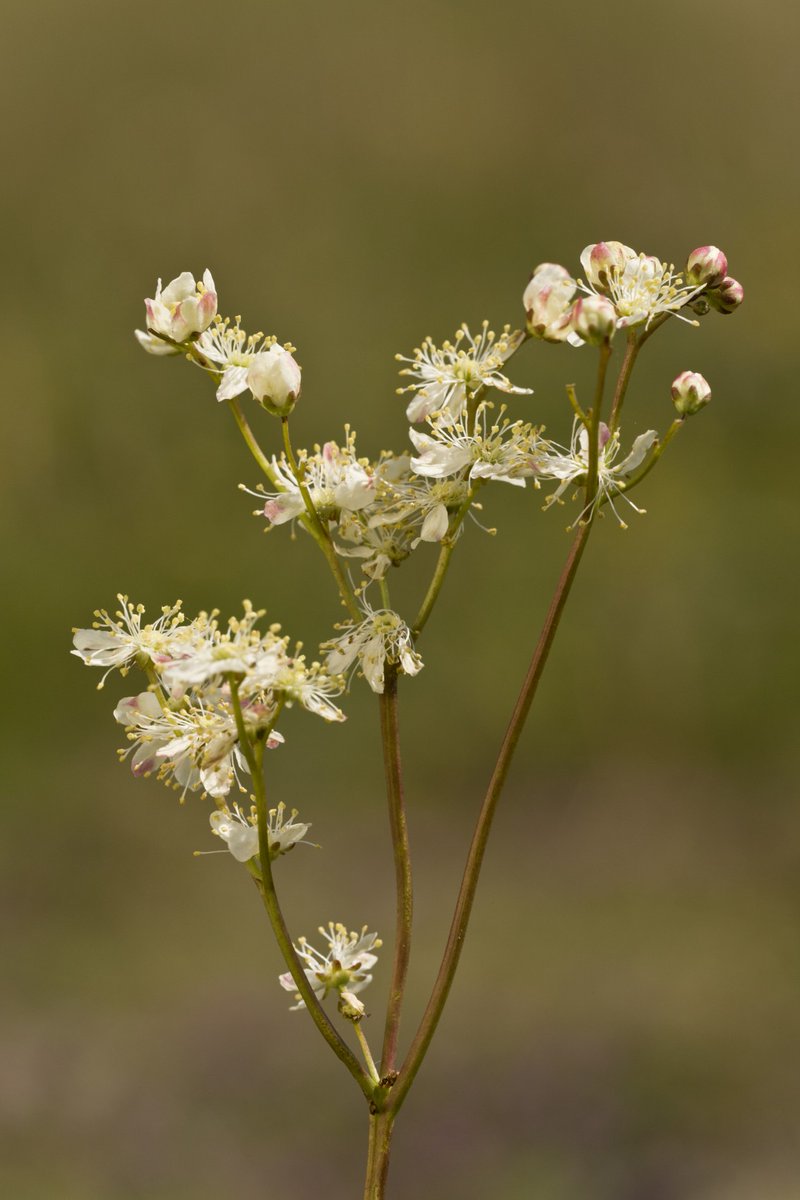
Species Spotlight - Dropwort Filipendula vulgaris is found in grassland on base-rich soils. The pink buds and creamy white flowers form triangular-shaped clusters. Leaves have interspersed large and small coarsely toothed leaflets, and smell of antiseptic. Photo: Bob Gibbons
6
11
214
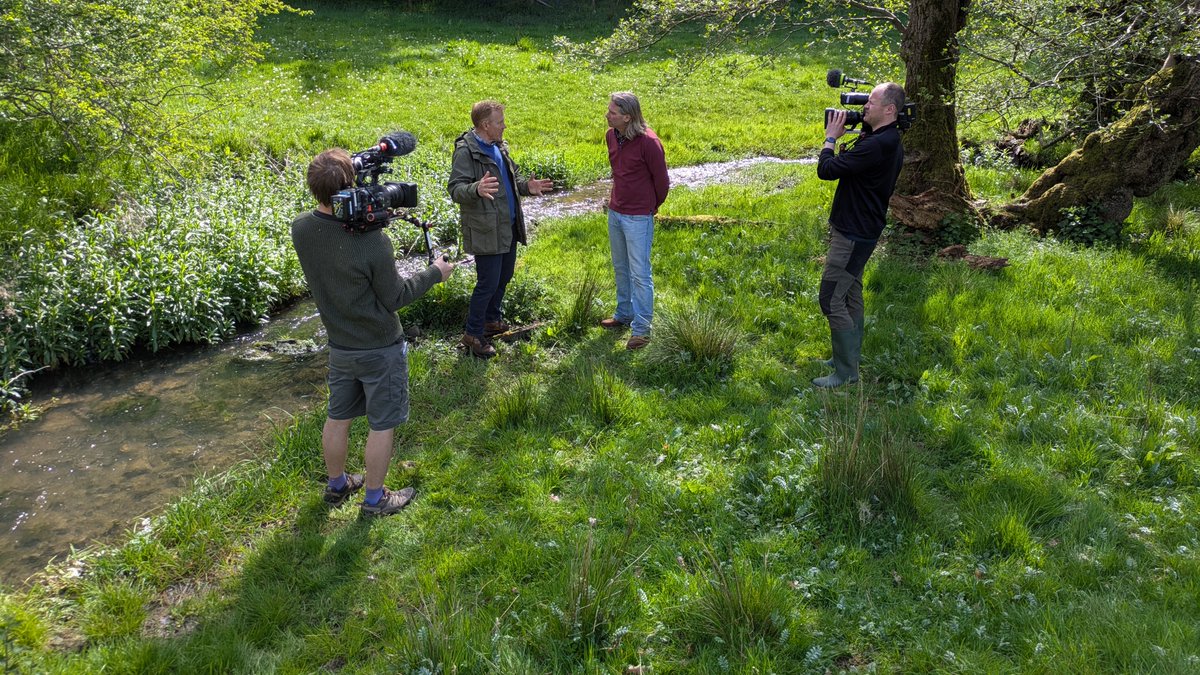
🙌Hands up if you spotted Alan Sumnall from @plantlife.loveplants & @AdamHenson on BBC Countryfile yesterday talking about the NPMS & praising the efforts of the survey volunteers nationwide! There are 5 NPMS plots on Adam's Farm, surveyed by long term volunteer Chris Millet.
1
1
8
202
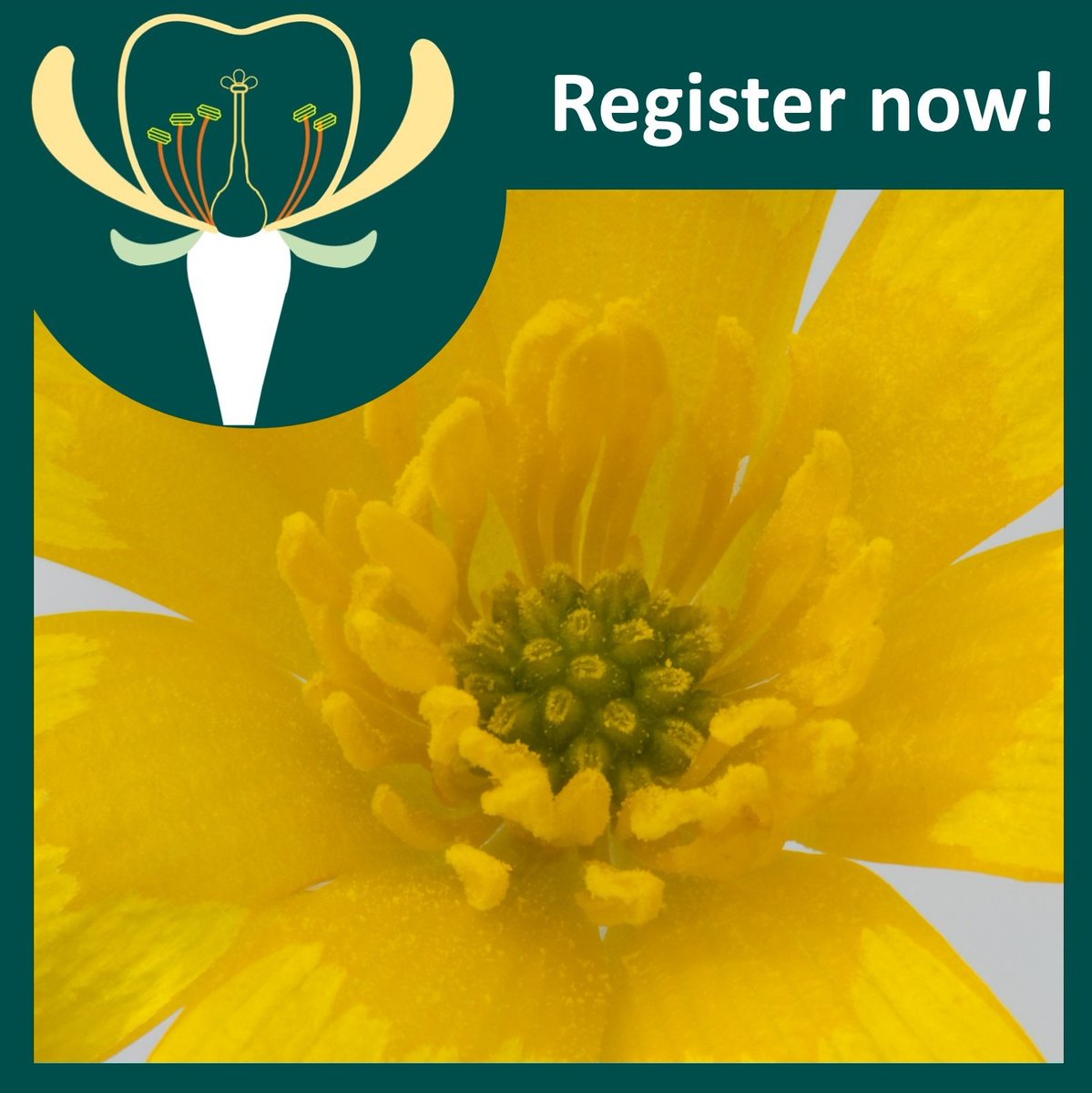
Reminder about our upcoming Plant anatomy & Wildflower Identification webinar 30th May. Join us for this easy to follow plant anatomy session. More info ow.ly/mBFf50YXwMS
1
47
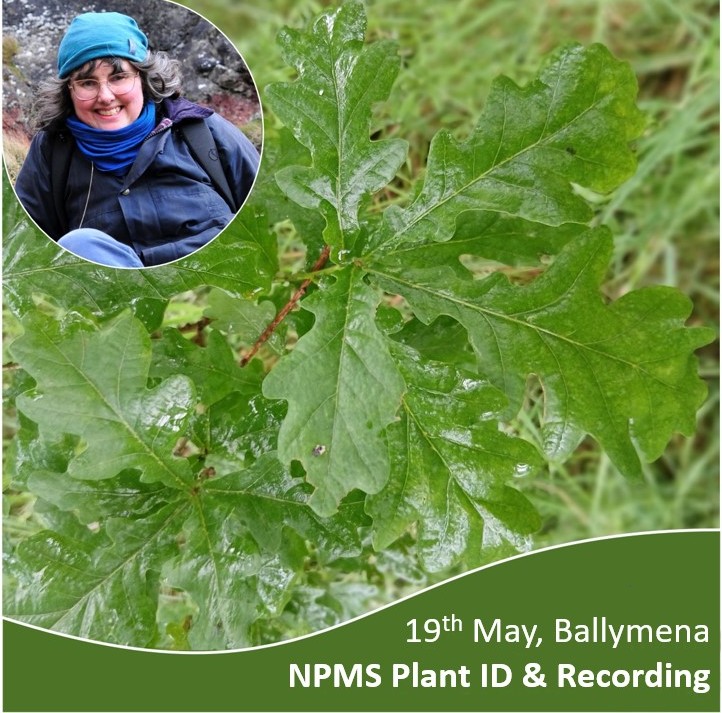
In-field training 19th May NPMS Plant ID and Recording, Ballymena, Co Antrim. The morning will be spent identifying plants in the Ecos Park and identifying NPMS habitats. In the afternoon training will be provided on how to survey an NPMS square. More info tinyurl.com/5b8kpf94
42
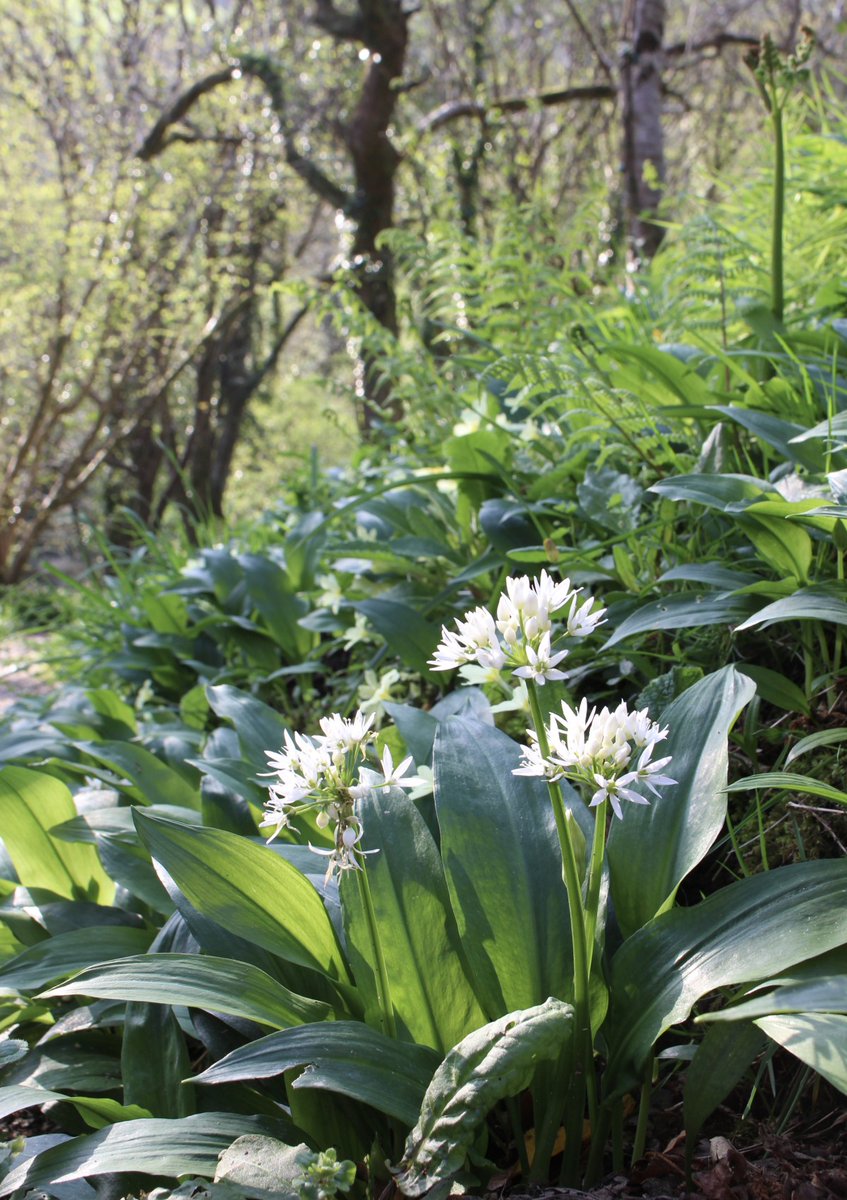
Species spotlight - Garlic scented Ramsons or Wild Garlic Alium ursinum can be found forming a carpet of green in damp broadleaved woodland in spring. Broad flat leaves & the rounded heads of flowers distinguish it from similar smelling Three-cornered Garlic. Photo: Ava Marley
2
16
208
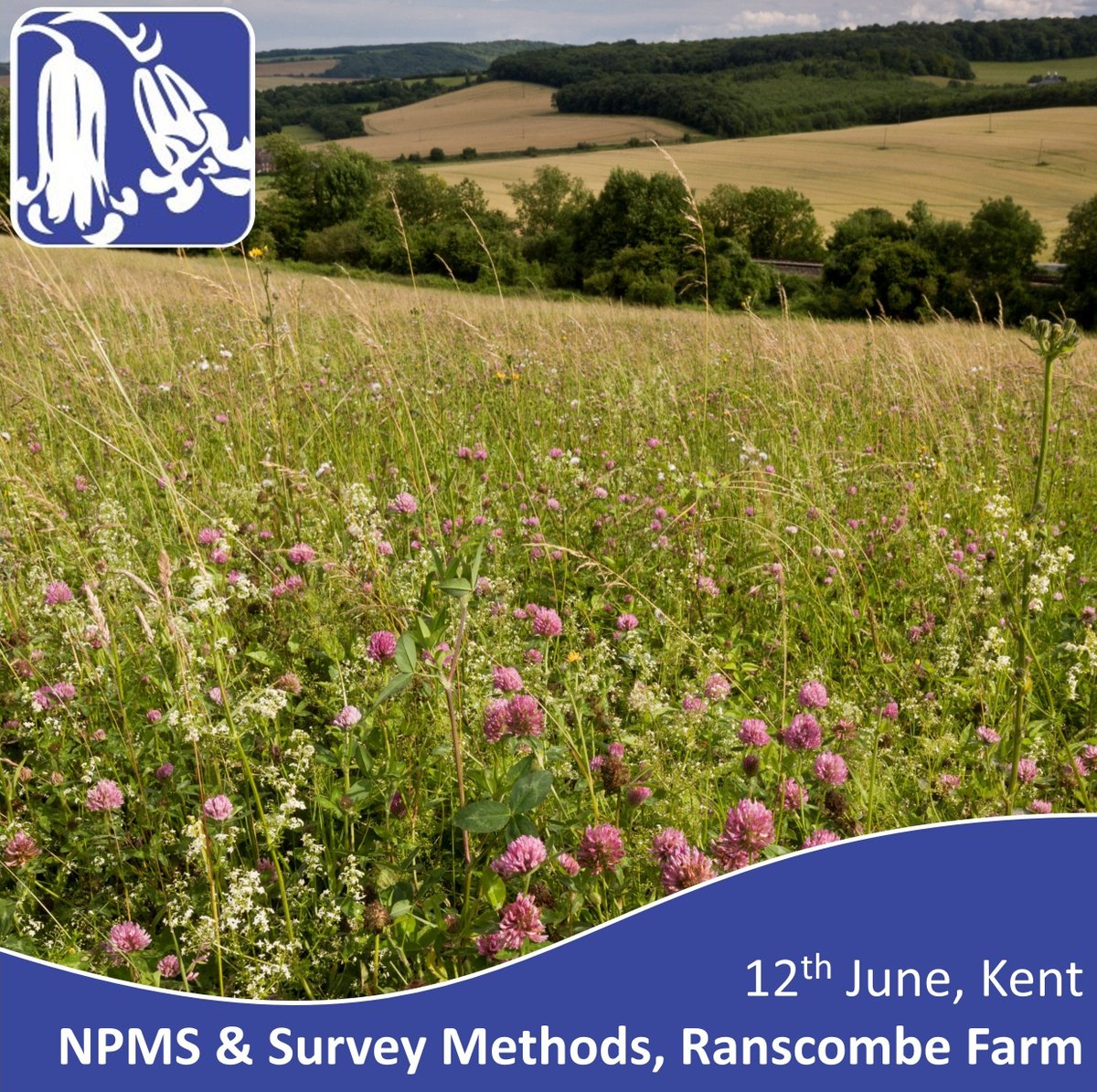
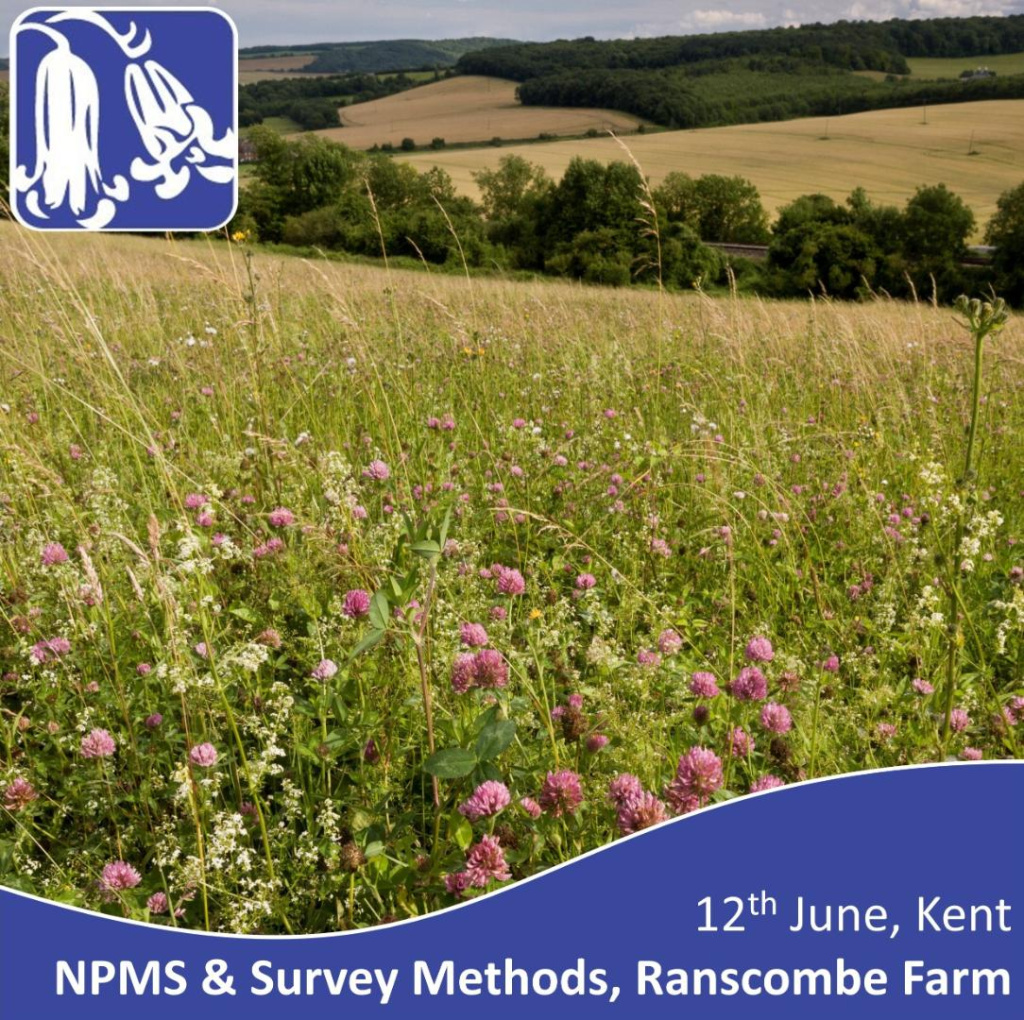
In-field training. 12th June Ranscombe Farm Reserve, Kent: Intro to NPMS & survey methods. Learn about NPMS recording & how to get started. We will walk cover practicalities of plot set up & recording while enjoying this important plant area. More info ow.ly/pCax50YXwHx
2
53
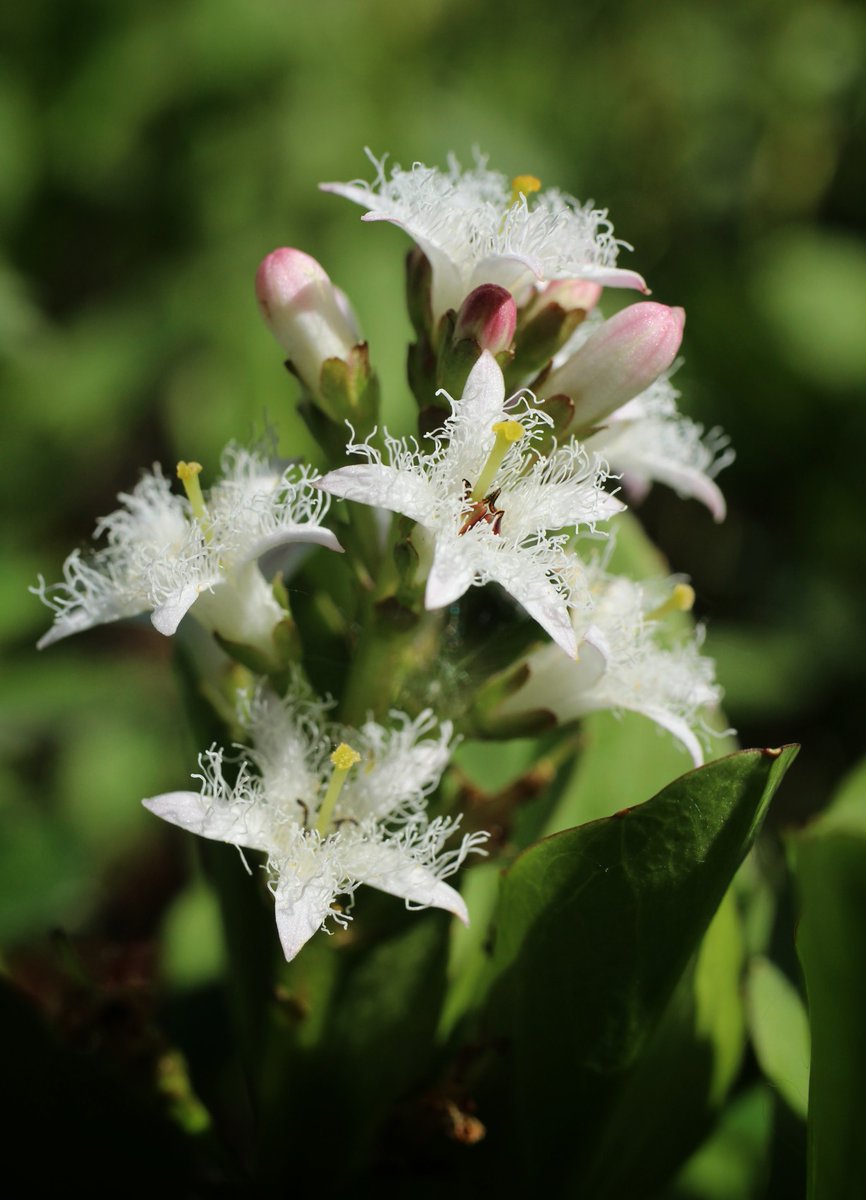
Look out for Bogbean Menyanthes trifoliata growing in mud or floating on edges of pools or flushes in low nutrient habitats. Three-lobed leaves & upright spikes of white flowers with distinctive fringed petals grow from creeping rhizomes. Photo: Sarah Shuttleworth
2
15
126
Plant anatomy & Wildflower Identification webinar 28th May. Want to get more familiar with wildflowers & how to identify some of them? This popular webinar, with trainer Sarah, will be a friendly & easy-to-follow plant anatomy session. Booking & info ow.ly/fkSF50YOogp
3
4
218
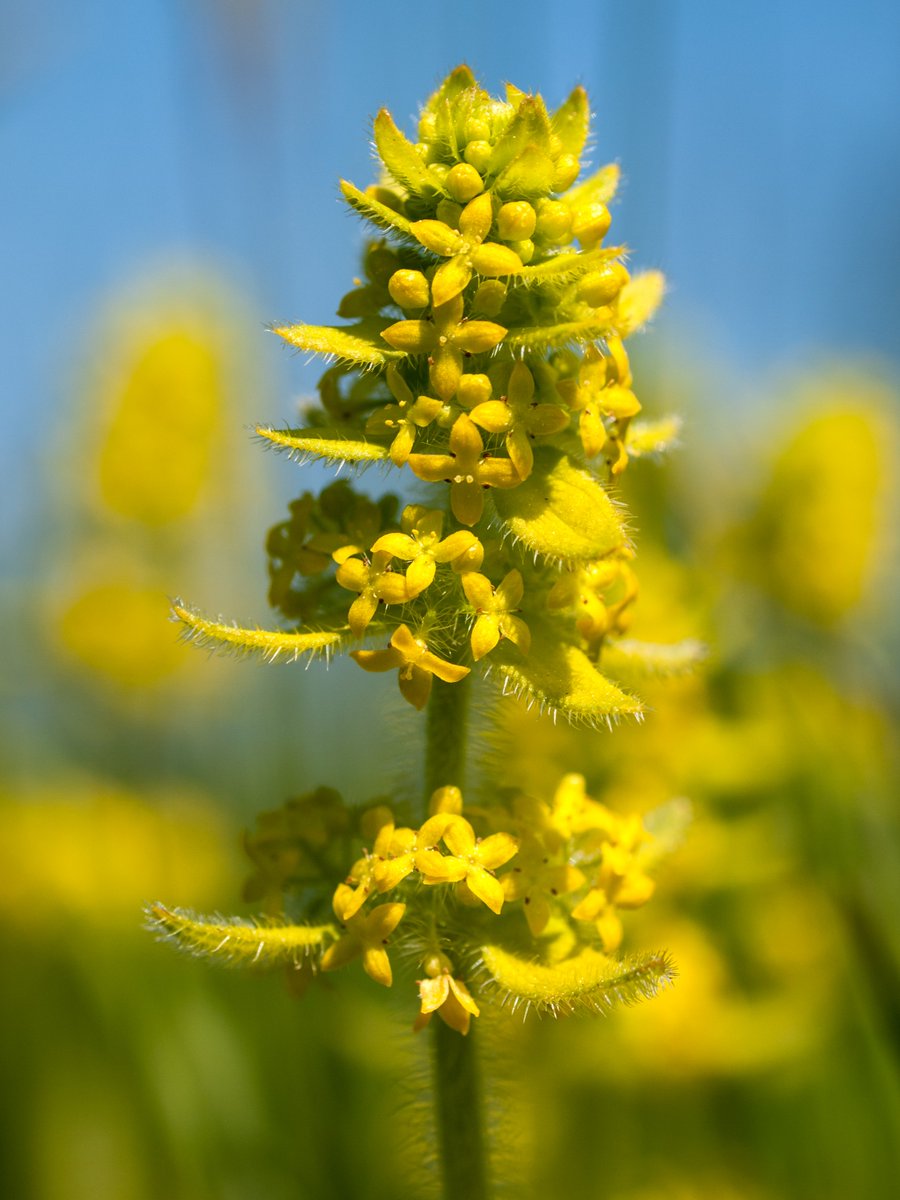
Crosswort Cruciata laevipes is found in ungrazed grassland, woodland edges, and scrub. Its name refers to the whorls of four leaves forming crosses. It is densely hairy and has clusters of small fragrant yellow flowers in the leaf axils. Photo: Roger Butterfield
2
13
123
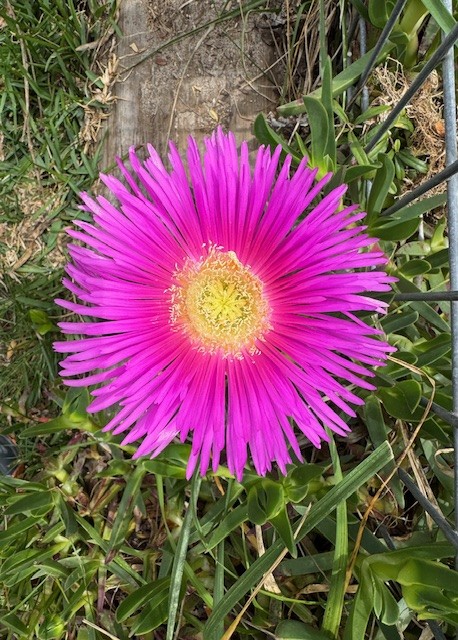
Hottenetot Fig Carpobrotus edulis is a succulent mat-forming perennial native to South Africa. Frost sensitive, it is invasive in milder areas near the sea, in rocky places, cliffs and dunes. Leaves are triangular in cross-section. Photo: Karen Fisher
2
214
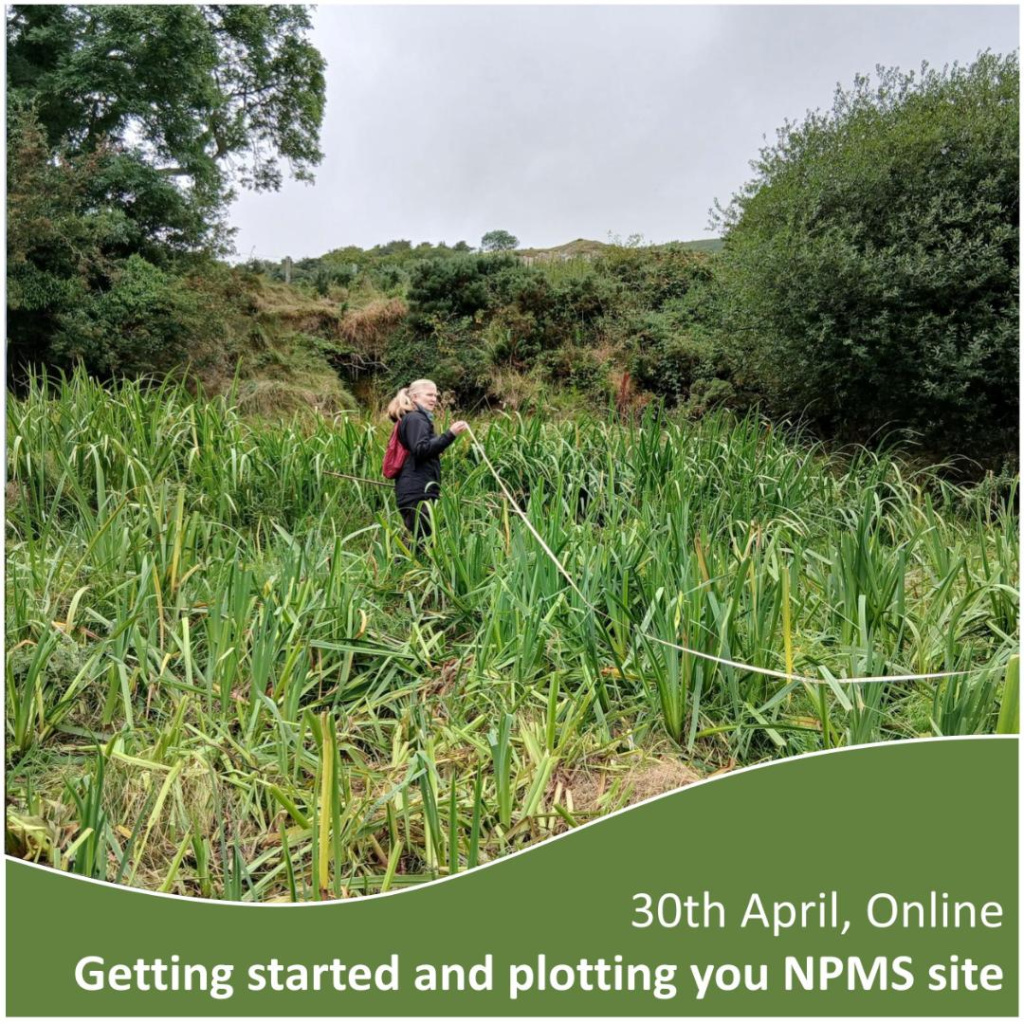
Quick reminder about our training workshop a week today! Plotting your NPMS Site. Ideal webinar for anyone new to the scheme, or in need of a refresher. Planning, plotting, mapping & recording your survey plots. Join us if you can. Info on events page ow.ly/74u650YOoZB
5
9
231
Species spotlight
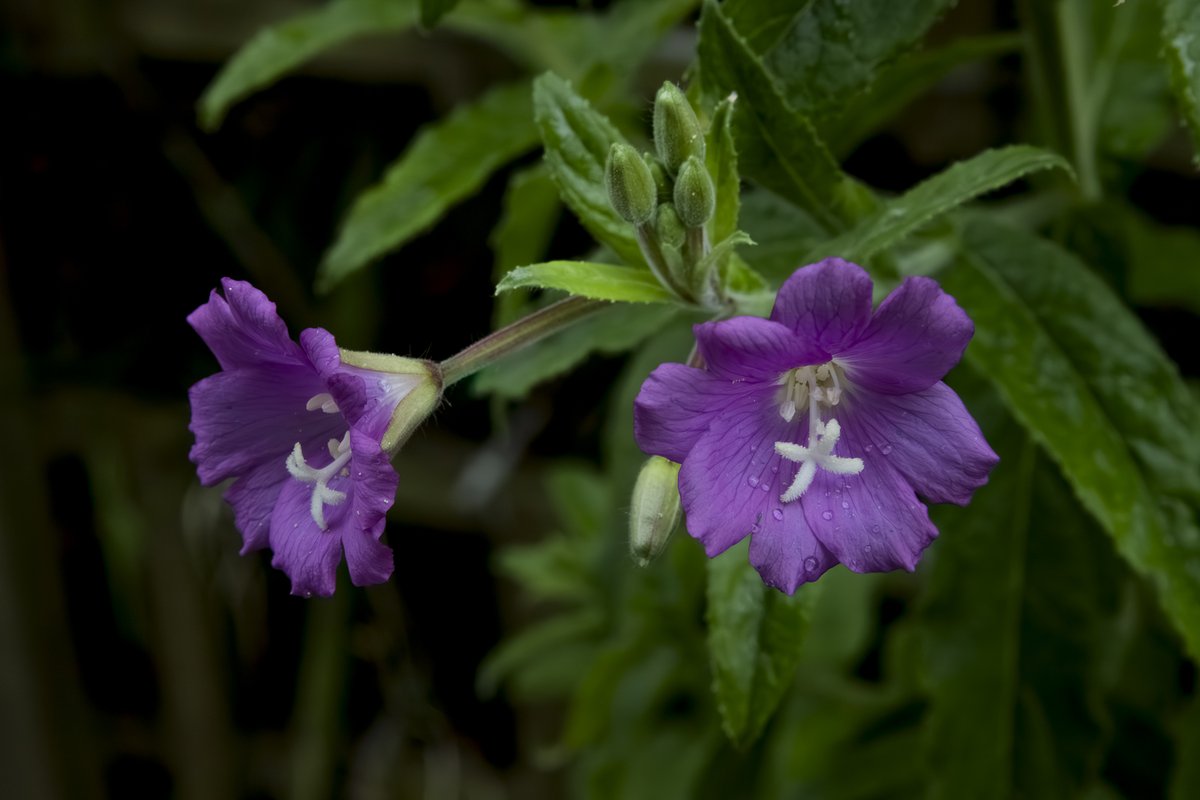
Great Willowherb Epilobium hirsutum has large pink flowers with cross-shaped stigmas, and softly hairy stems and leaves. Leaves are opposite, and clasp the stem. Often found in damp habitats. Photo: Sue McBean
9
87