We create and explore dramatic work.
Joined October 2023
- Tweets 2,669
- Following 984
- Followers 3,125
- Likes 9,925
697 Photos and videos

Pinned Tweet
England betrayed.
We refuse to allow our cultural icons to be stolen from us by those who wish us harm and show us no respect.
This project is a statement of intent. We are only just beginning. Thank you to everyone who has followed along and supported in any way.
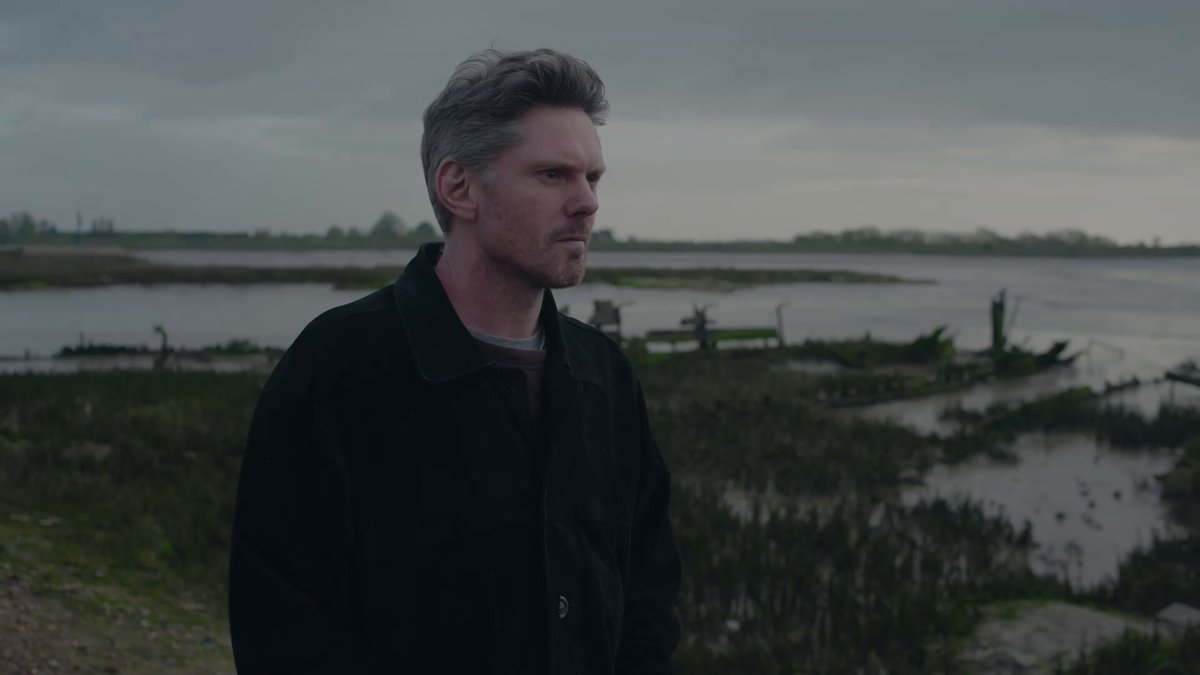
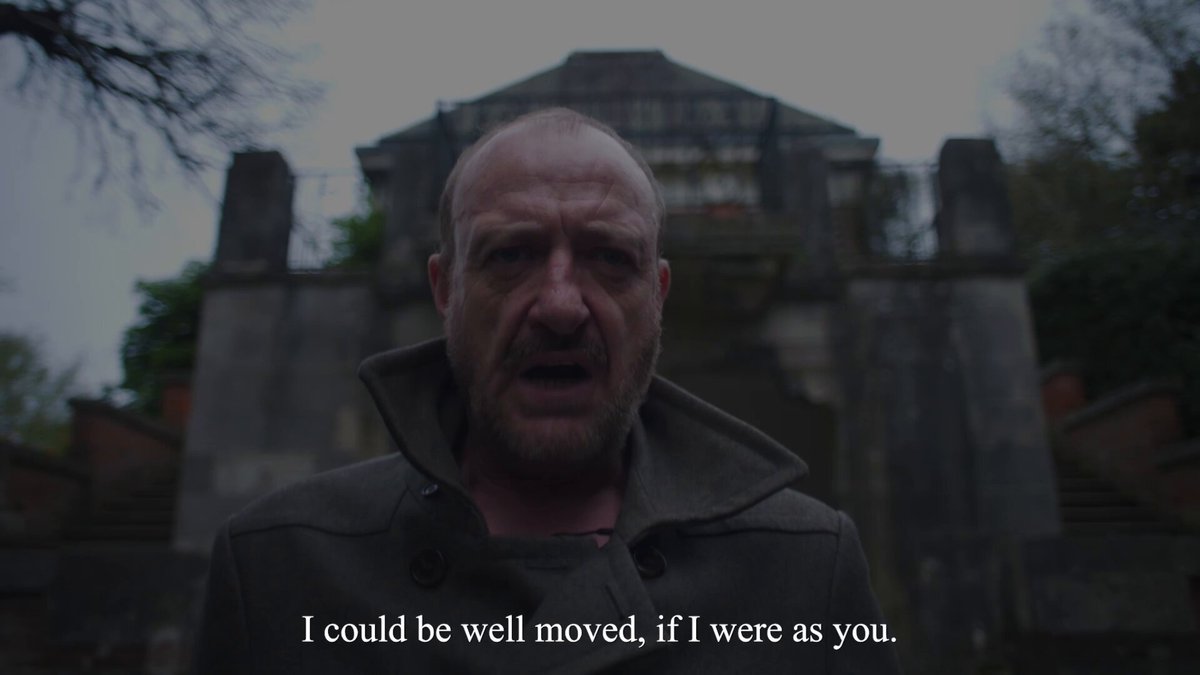
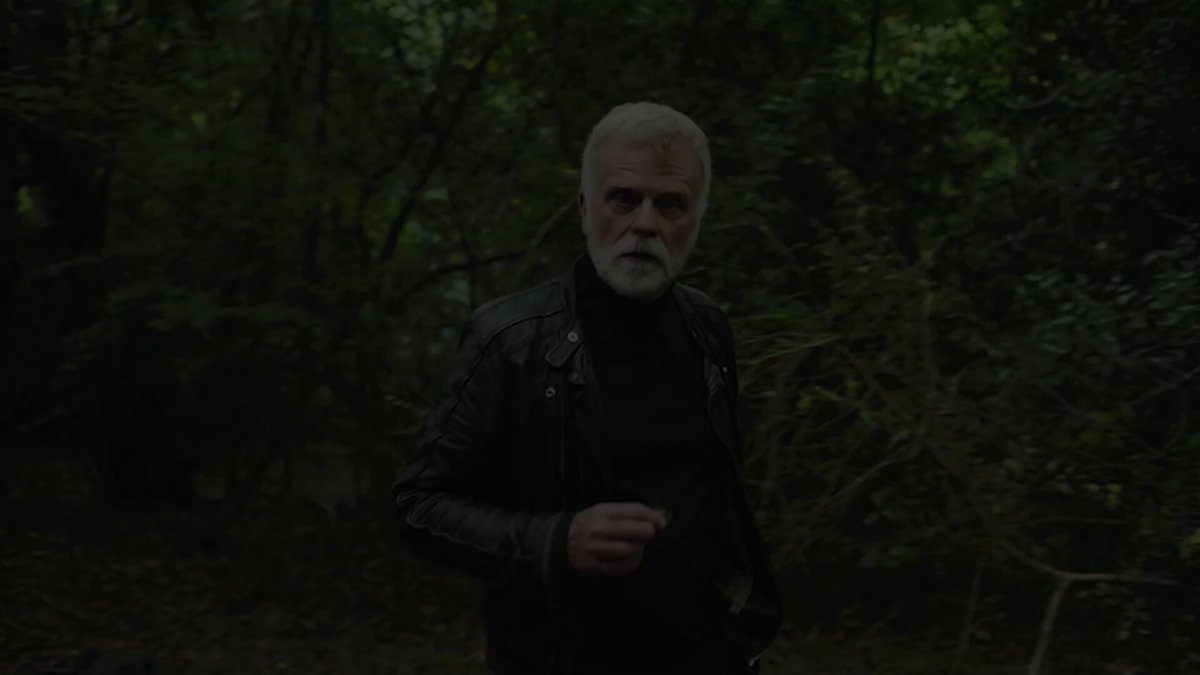
Here we conclude Project 39 with the John of Gaunt of speech from Richard II.
John of Gaunt was the fourth son of Edward III, making him Richard II’s uncle. His son, Bolingbroke (future Henry IV) has just been banished, and here John of Gaunt complains about how Richard is betraying and destroying England.
There are many notable literary techniques in this famous speech. Shakespeare often uses anaphora in speeches. This is the repetition of a word or phrase at the beginning of a sentence, in this case ‘this’ is repeated 17 times. But a more significant technique here is metonym. This is where an object stands in for a concept. In this case the concept is England, and the whole speech can be seen as a succession of metonyms to describe the concept of England.
What is England? It is, to say the least, a much contested concept. A landmass, an island, an idea, a religion, a people, a tradition, a history, a culture? John of Gaunt gives us some clues here. He starts with the monarchy, then moves on to describe its geography as an island, its defenses, its flora and fauna, the character of its people and, finally, its Christian religion.
John of Gaunt was known to be a close friend of the poet Geoffrey Chaucer. Perhaps Shakespeare sensed that he was Chaucer’s successor as the voice of England and gave Gaunt this speech as a way of inheriting the mantle.
John of Gaunt is played by Oliver Bennett
6
10
51
15,030
The Base retweeted

Timely and Timeless

England betrayed.
We refuse to allow our cultural icons to be stolen from us by those who wish us harm and show us no respect.
This project is a statement of intent. We are only just beginning. Thank you to everyone who has followed along and supported in any way.
Here we conclude Project 39 with the John of Gaunt of speech from Richard II.
John of Gaunt was the fourth son of Edward III, making him Richard II’s uncle. His son, Bolingbroke (future Henry IV) has just been banished, and here John of Gaunt complains about how Richard is betraying and destroying England.
There are many notable literary techniques in this famous speech. Shakespeare often uses anaphora in speeches. This is the repetition of a word or phrase at the beginning of a sentence, in this case ‘this’ is repeated 17 times. But a more significant technique here is metonym. This is where an object stands in for a concept. In this case the concept is England, and the whole speech can be seen as a succession of metonyms to describe the concept of England.
What is England? It is, to say the least, a much contested concept. A landmass, an island, an idea, a religion, a people, a tradition, a history, a culture? John of Gaunt gives us some clues here. He starts with the monarchy, then moves on to describe its geography as an island, its defenses, its flora and fauna, the character of its people and, finally, its Christian religion.
John of Gaunt was known to be a close friend of the poet Geoffrey Chaucer. Perhaps Shakespeare sensed that he was Chaucer’s successor as the voice of England and gave Gaunt this speech as a way of inheriting the mantle.
John of Gaunt is played by Oliver Bennett
2
2
26
889
England betrayed.
We refuse to allow our cultural icons to be stolen from us by those who wish us harm and show us no respect.
This project is a statement of intent. We are only just beginning. Thank you to everyone who has followed along and supported in any way.
Here we conclude Project 39 with the John of Gaunt of speech from Richard II.
John of Gaunt was the fourth son of Edward III, making him Richard II’s uncle. His son, Bolingbroke (future Henry IV) has just been banished, and here John of Gaunt complains about how Richard is betraying and destroying England.
There are many notable literary techniques in this famous speech. Shakespeare often uses anaphora in speeches. This is the repetition of a word or phrase at the beginning of a sentence, in this case ‘this’ is repeated 17 times. But a more significant technique here is metonym. This is where an object stands in for a concept. In this case the concept is England, and the whole speech can be seen as a succession of metonyms to describe the concept of England.
What is England? It is, to say the least, a much contested concept. A landmass, an island, an idea, a religion, a people, a tradition, a history, a culture? John of Gaunt gives us some clues here. He starts with the monarchy, then moves on to describe its geography as an island, its defenses, its flora and fauna, the character of its people and, finally, its Christian religion.
John of Gaunt was known to be a close friend of the poet Geoffrey Chaucer. Perhaps Shakespeare sensed that he was Chaucer’s successor as the voice of England and gave Gaunt this speech as a way of inheriting the mantle.
John of Gaunt is played by Oliver Bennett
6
10
51
15,030

Jun 14
Julius Caesar - strong leader or dangerous tyrant?
Project 39 continues with Julius Caesar - Act Three, Scene One.
The mighty and mightily successful Roman leader Julius Caesar is petitioned in the Senate to pardon Cimber. This prompts Caesar to defend his decision and his constancy. Unbeknownst to Caesar, this is a ruse on the part of the conspirators to get close enough to stab him to death.
The Elizabethan cosmos was a deeply hierarchical, divinely ordered system that combined medieval Christian theology with ancient Greek philosophy. Here Caesar reaches for the ultimate example of constancy: the northern star. Or Polaris, as we call it. Caesar is articulating another central tenet of the Elizabethan mind; the Great Chain of Being. Just as there is hierarchy in the cosmos (one star fixed and others changing around it), to maintain order and stability, society must reflect the cosmic hierarchy. The monarch is the social northern star, holding everything in order.
This speech is quintessentially Shakespearean in its ambiguity of interpretation. Is Shakespeare showing that Caesar is a brilliant leader in his steadfastness, his willingness to stand by his decisions? Or is he showing the audience that Caesar is what the conspirators fear him to be: a dangerous tyrant? There is no definite answer. It must be said, though, that Shakespeare’s depiction of Julius Caesar is largely sympathetic.
Julius Caesar is played by Tim Treloar
1
4
28
41,581
The Base retweeted

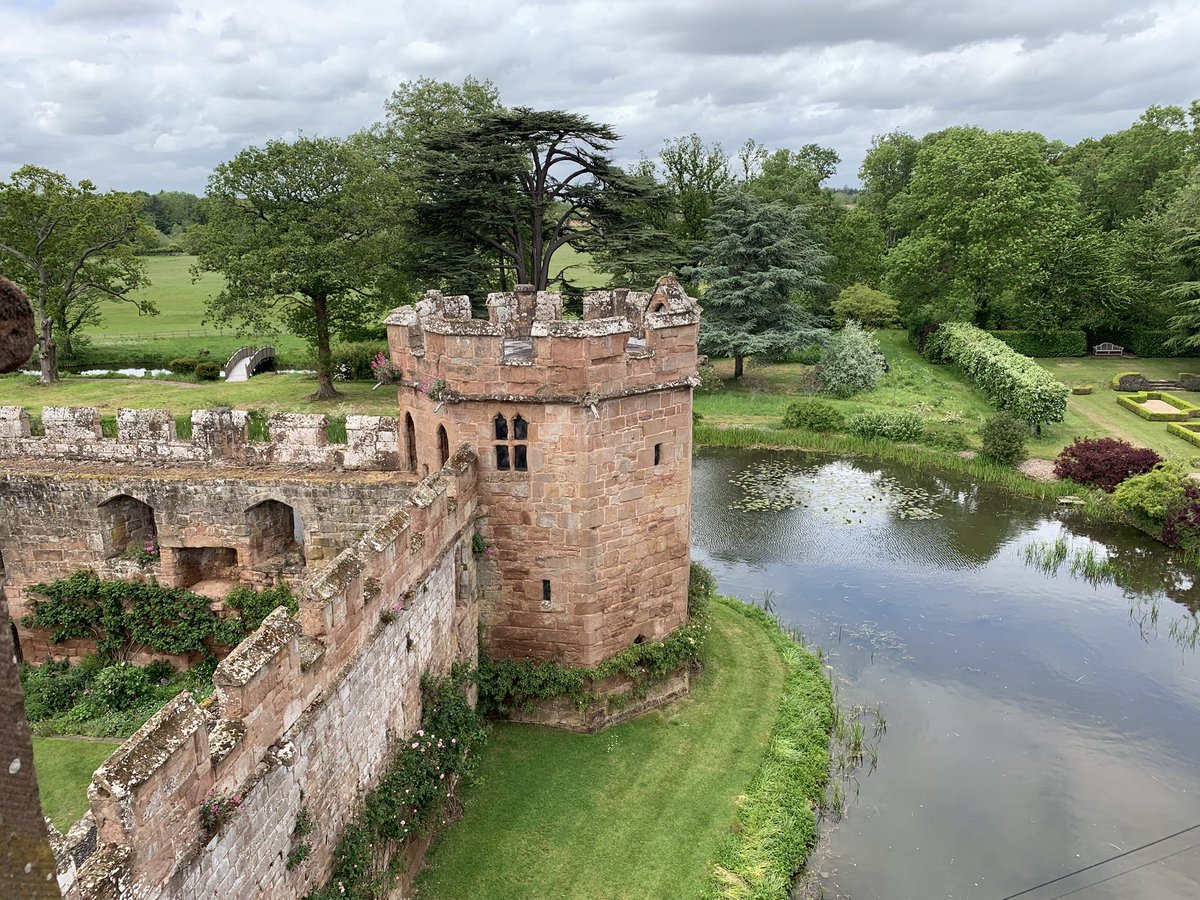
Support our efforts to restore Britain’s castles today!
We’re grateful to everyone who shares what we’re doing, gives their time and donates to our cause.
Together we can save our heritage.
2
39
245
2,707
The Base retweeted

Jun 12
I have always perceived the ending as inevitable, because King Lear is subordinating his monarchic telos (preserving a unified, stable kingdom) to his paternal telos (securing public demonstrations of personal love and dividing his legacy among his children like a private inheritance).
Steven Berkoff is capturing very well that loss of proper order—at the same time, he reminds me of Père Goriot.
Jun 12
A bleak pre-Christian world?
Project 39 continues with King Lear - Act Three, Scene Two.
The ageing King Lear has tried to divide his kingdom between his three daughters, but it goes spectacularly wrong. Goneril and Regan shut their doors on him and he is left to wander the wilderness, exposed to the elements.
Shakespeare’s source for the story of Lear is the English chronicler Holinshed. He dates the story as taking place around 820-760 B.C. This makes it one of Shakespeare’s more remote settings - this is many, many years before the birth of Christ, Caesar etc. It is clear that Shakespeare wants to show us a brutal world, where characters are more exposed to bleak nature.
But critics have long argued over how bleak the play actually is. In the twentieth century it was fashionable to embrace its bleakness; the play became a precursor for the work of Samuel Beckett and the Absurdists. Earlier critics thought its bleakness was a defect - Samuel Johnson famously found it so upsetting that he refused to read it until he had to, and Leo Tolstoy disliked it intensely, finding the plot incoherent. (In general Tolstoy hated Shakespeare, for a good analysis of this see George Orwell’s brilliant essay ‘Lear, Tolstoy and the Fool’). The great critic A. C. Bradley thought that Shakespeare denied Lear heroic status at the end of the play, which added to its bleakness. Aristotle wrote that a great tragic hero should have recognition (anagnorisis) at the culmination of a tragedy. But Lear is denied this. He dies deceived - believing that his daughter might still be alive.
King Lear is played by Steven Berkoff
3
3
15
999
Jun 12
A bleak pre-Christian world?
Project 39 continues with King Lear - Act Three, Scene Two.
The ageing King Lear has tried to divide his kingdom between his three daughters, but it goes spectacularly wrong. Goneril and Regan shut their doors on him and he is left to wander the wilderness, exposed to the elements.
Shakespeare’s source for the story of Lear is the English chronicler Holinshed. He dates the story as taking place around 820-760 B.C. This makes it one of Shakespeare’s more remote settings - this is many, many years before the birth of Christ, Caesar etc. It is clear that Shakespeare wants to show us a brutal world, where characters are more exposed to bleak nature.
But critics have long argued over how bleak the play actually is. In the twentieth century it was fashionable to embrace its bleakness; the play became a precursor for the work of Samuel Beckett and the Absurdists. Earlier critics thought its bleakness was a defect - Samuel Johnson famously found it so upsetting that he refused to read it until he had to, and Leo Tolstoy disliked it intensely, finding the plot incoherent. (In general Tolstoy hated Shakespeare, for a good analysis of this see George Orwell’s brilliant essay ‘Lear, Tolstoy and the Fool’). The great critic A. C. Bradley thought that Shakespeare denied Lear heroic status at the end of the play, which added to its bleakness. Aristotle wrote that a great tragic hero should have recognition (anagnorisis) at the culmination of a tragedy. But Lear is denied this. He dies deceived - believing that his daughter might still be alive.
King Lear is played by Steven Berkoff
4
4
48
2,838
The Base retweeted

Masterfully done. Bravo. Bravo.
This is my favorite by Shakespeare. From a woman's worldview, this 'fun' play is brutal. The scene is one of the most macabre that can be found in any of Shakespeare's odes to society.
The song Ill Met by Moonlight by the band This Ascension is a beautiful tribute to this play.
Jun 10
The problem of the Indian Boy.
Project 39 continues with A Midsummer Night’s Dream - Act Two, Scene One.
Oberon, the King of the Fairies, instructs Puck to find a love potion to play a trick on his wife Titania.
The origin of their quarrel is what to do with the ‘Indian boy’. We learn that the boy has been stolen from an Indian King whose mother had died in childbirth. Titania spends all her time with the boy, giving him all her attention. This has angered Oberon and made him jealous, because he wants to train up the Indian boy to be his servant.
Some critics suggest that Shakespeare is critiquing Elizabethan patriarchal society - with the father wanting to train up the child for the world at an early age, while the mother is still enjoying the child’s love and companionship. But Harold Bloom sees it as a spiritual fight between the eternal male and eternal feminine forces. As well as exploring the transition that couples have to make from passionate lovers to parents. There are even echoes of the Greek myth of Zeus and Ganymede.
This strand is barely even a subplot in the play. Dramaturgically it could be classed as the inciting incident, but it hardly registers with a live audience. And yet even this buried story is rich with intrigue and resonances.
Oberon is played by Tim Faulkner
1
3
327
Jun 11
Falling Statues and Mimetic Rivalry.
Project 39 continues with Julius Caesar - Act One, Scene Two.
Cassius has been plotting to get rid of Caesar. But he knows he needs to get Brutus on side. Brutus, the good man with a good reputation, will lend respectability to the coup. Cassius’ tactics are deeply manipulative. Just before this extract, where he appeals to Brutus’ sense of justice and his heroic lineage, Cassius has planted the seed that the people see Brutus as weak. This style of psychological manipulation is Iago-esque in its subtlety.
There is a wonderful indirect, suggested, image in this speech. Cassius likens Caesar to “a Colossus”. This gives the audience the mental image of an enormous statue, with Cassius and Brutus tiny figures in comparison, darting between the statues’ legs. Later in the scene, he talks of Caesar’s infirmity and that he has “the falling sickness.” Christopher Ricks writes about how the Elizabethan ear was more receptive and tuned than ours and perhaps Shakespeare intended his audience to put these images together to make the ultimate image of revolution: a falling statue.
Rene Girard sees the play as a study of mimetic rivalry: “When mimetic rivalry escalates beyond a certain point, the rivals engage in endless conflicts that undifferentiate them more and more; they all become doubles of one another.” Cassius cannot compete with Caesar on purely masculine grounds, so his soul becomes envious and full of Nietzscherian ressentiment.
Cassius is played by Morgan Watkins
1
5
26
676
Jun 10
The problem of the Indian Boy.
Project 39 continues with A Midsummer Night’s Dream - Act Two, Scene One.
Oberon, the King of the Fairies, instructs Puck to find a love potion to play a trick on his wife Titania.
The origin of their quarrel is what to do with the ‘Indian boy’. We learn that the boy has been stolen from an Indian King whose mother had died in childbirth. Titania spends all her time with the boy, giving him all her attention. This has angered Oberon and made him jealous, because he wants to train up the Indian boy to be his servant.
Some critics suggest that Shakespeare is critiquing Elizabethan patriarchal society - with the father wanting to train up the child for the world at an early age, while the mother is still enjoying the child’s love and companionship. But Harold Bloom sees it as a spiritual fight between the eternal male and eternal feminine forces. As well as exploring the transition that couples have to make from passionate lovers to parents. There are even echoes of the Greek myth of Zeus and Ganymede.
This strand is barely even a subplot in the play. Dramaturgically it could be classed as the inciting incident, but it hardly registers with a live audience. And yet even this buried story is rich with intrigue and resonances.
Oberon is played by Tim Faulkner
2
1
17
996
The Base retweeted

Jun 10
This was most lively and vitalising last year: come and see the best new playwriting and vote for the champion. Retvrn to Greek cultural competition!
Jun 10
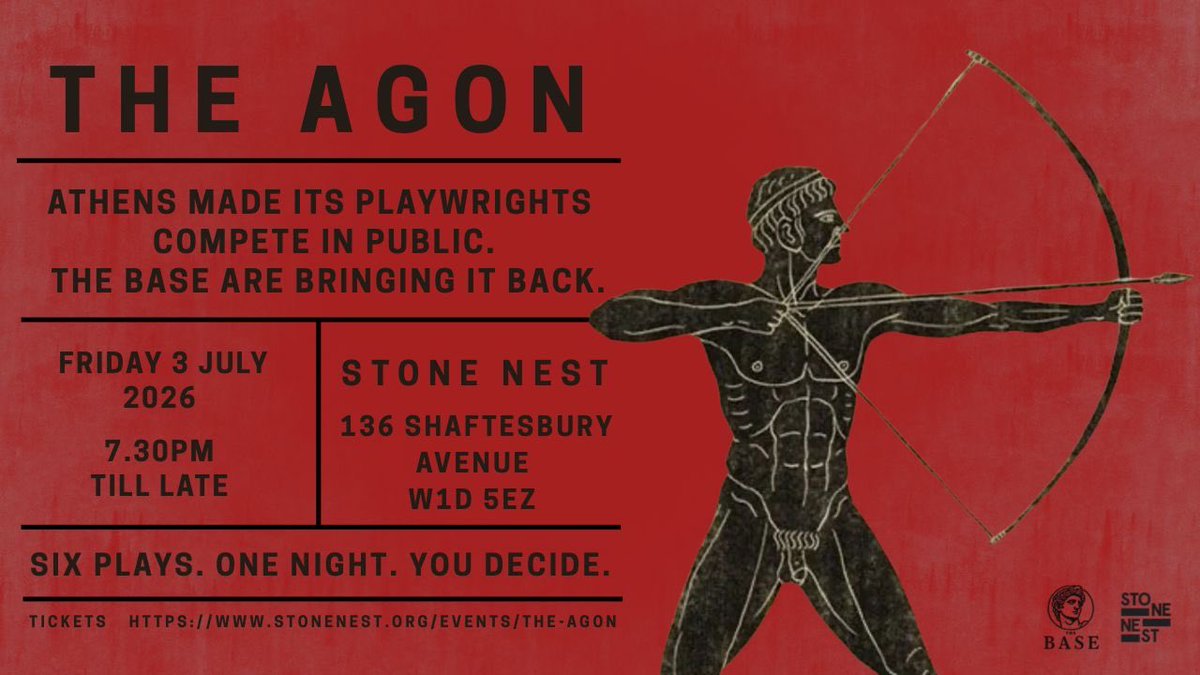
The event of the summer. The Agon. Tickets are now available.
Join us for an incredible night of daring new writing, fantastic acting and much more.
Actors will perform 10-12 page extracts from 6 new plays and you decide the winner.
This is the third year of our competition and you do NOT want to miss this night.
Join us as we celebrate freedom, creativity and dangerous new work.
Link for 🎟️ 👇🏻
1
3
20
1,553
Jun 10
The event of the summer. The Agon. Tickets are now available.
Join us for an incredible night of daring new writing, fantastic acting and much more.
Actors will perform 10-12 page extracts from 6 new plays and you decide the winner.
This is the third year of our competition and you do NOT want to miss this night.
Join us as we celebrate freedom, creativity and dangerous new work.
Link for 🎟️ 👇🏻
1
3
17
2,179
Jun 9
Shakespeare and Sleep.
Project 39 continues with Henry IV, Part II - Act Three, Scene One.
In this famous reflection on the burden of power, Henry IV is envious of the common man who has no cares and can sleep soundly, while he - with his luxurious bed and chamber - is plagued with insomnia.
Shakespeare wrote a lot about sleep. Some readers have suggested that the Bard himself suffered from insomnia. Bucknill wrote in the nineteenth century that “there are few subjects that Shakespeare has treated with more pathetic truthfulness than the distress arising from the want of sleep.”
A study from 1955 by scholar Simon B. Chandler catalogued Shakespeare’s references to sleep into four groups:
Normal sleep.
Disturbed sleep.
Sleep due to the action of drugs.
Sleep and Death.
This speech falls into the second category. In Shakespeare’s complete works, there are more examples of this kind of reference to sleep than any other. Macbeth has the most mentions of sleep. Chandler doesn’t investigate dreams, which is a major aspect of how Shakespeare views sleep.
Henry IV is played by Rob Goll
1
2
18
570
Jun 9
Director of Photography - Mike Simpson
Directed by Oliver Bennett and Morgan Watkins
Produced by Oliver Bennett, Carolina Tocyzcka and Morgan Watkins
Social Media Strategy by Bonnie Poynder
1
3
359