
Joined October 2024
- Tweets 4,295
- Following 195
- Followers 313
- Likes 31,813
261 Photos and videos







Pinned Tweet

Jun 8
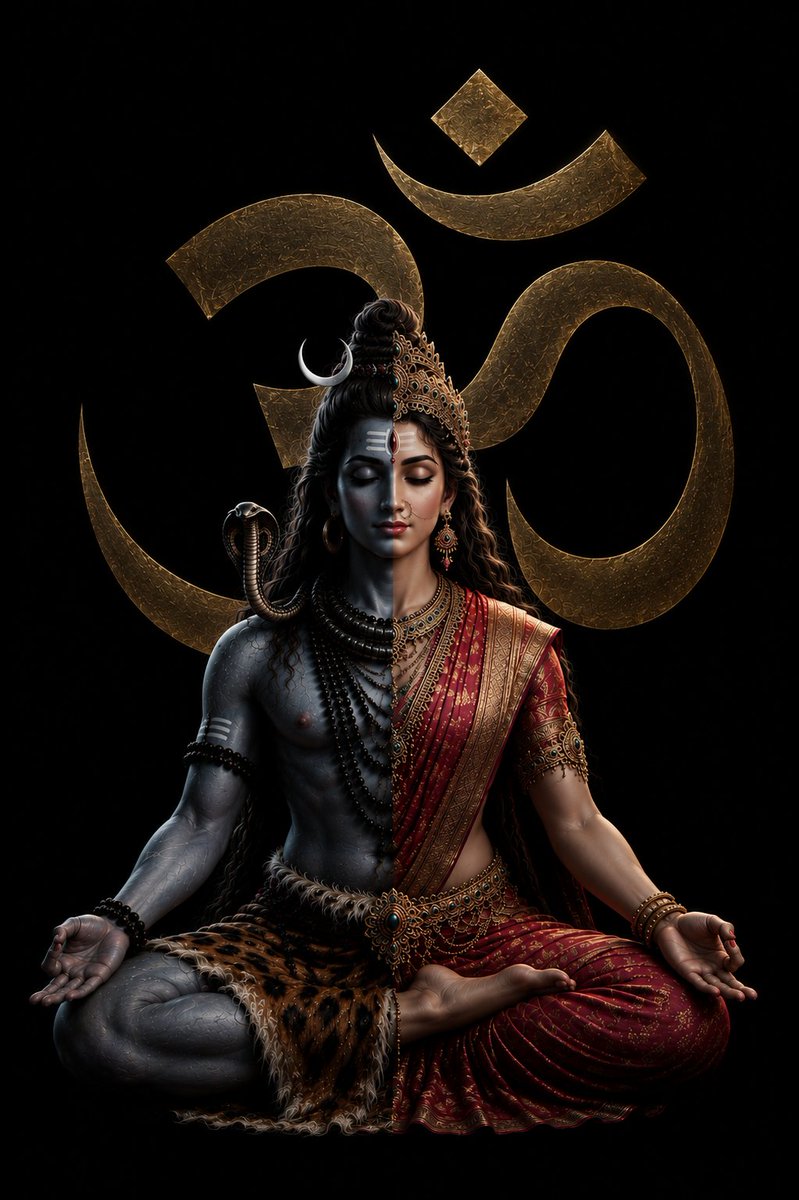
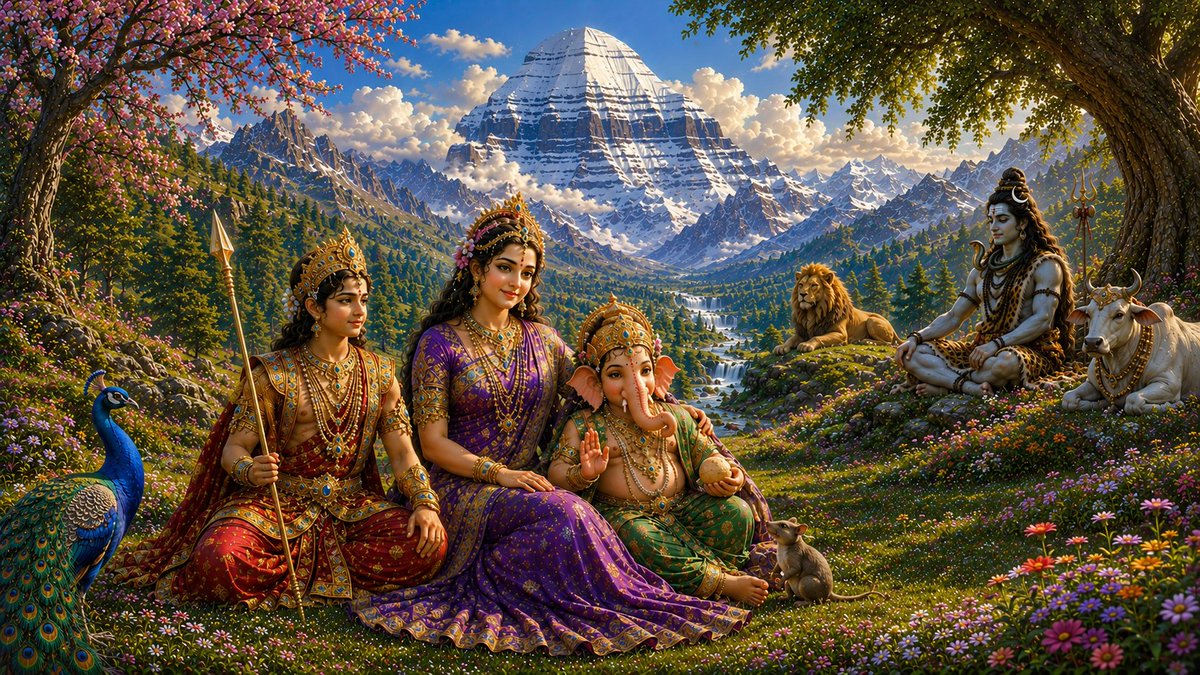
Bhairava and Mahakali.
Fearlessness and transformation.
Awareness and power.
ॐ भैरवाय नमः
ॐ कालिकायै नमः
I've just shared this chant on my YouTube channel. If it resonates with you, do give it a listen.
🙏
youtu.be/A5OgsMJFRMc

5
3
44
824
... retweeted

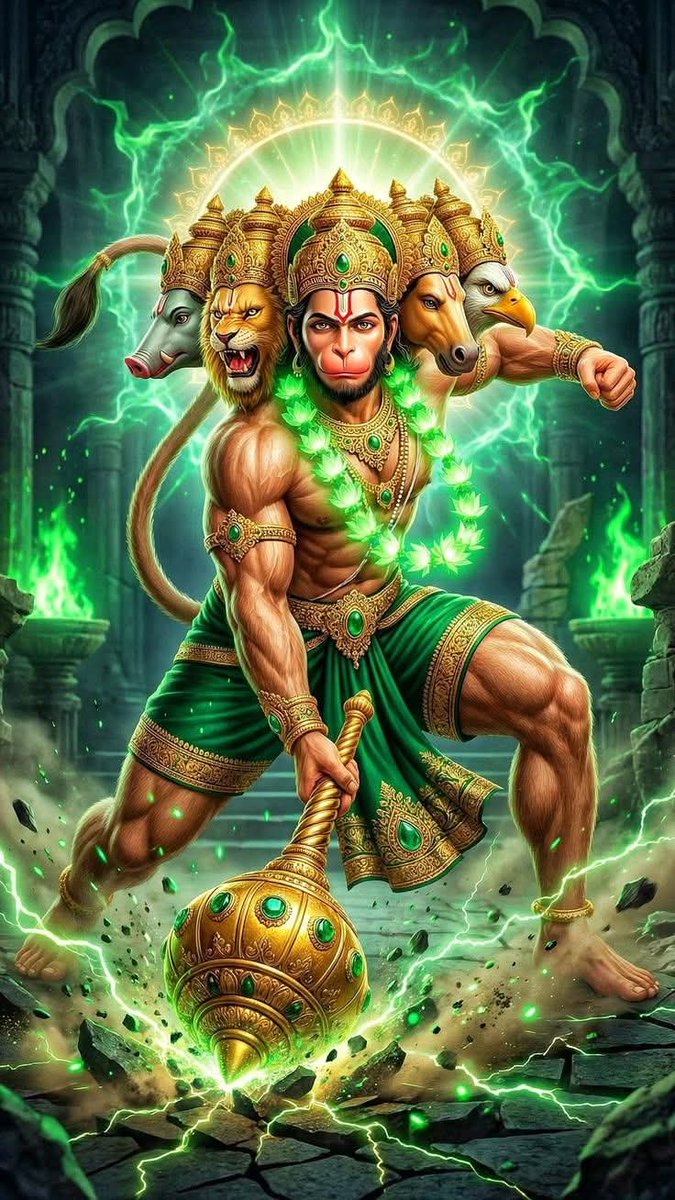
Adaptability is the ultimate strength. True wisdom lies in becoming exactly what the situation demands of you.
Just like Hanuman Ji:
🦋 Subtle & humble when reassurance was needed for Sita Maa.
🔥 Fierce & powerful when it was time to burn Lanka.
Flow like water, strike like fire. #Wisdom #Hanuman #Adaptability
7
175
10h

In emptiness you will find all the fullness you could ever imagine.
What a beautiful paradox it is!
5
89
11h
Like a flame lighting countless other flames without diminishing itself 🔥🙏
Jun 4

Your comment reminded me of this shloka from upnishada:
ॐ पूर्णमदः पूर्णमिदं पूर्णात्पूर्णमुदच्यते ।
पूर्णस्य पूर्णमादाय पूर्णमेवावशिष्यते ॥
7
90
... retweeted
23h
"No bliss on earth or in Paradise can compare with the infinite bliss of samadhi attained through the union of Shiva, Pure Consciousness, and Shakti, the Divine Energy that manifests the universe, moment by moment."
~ Ramakrishna
3
8
51
494
... retweeted

Jun 13
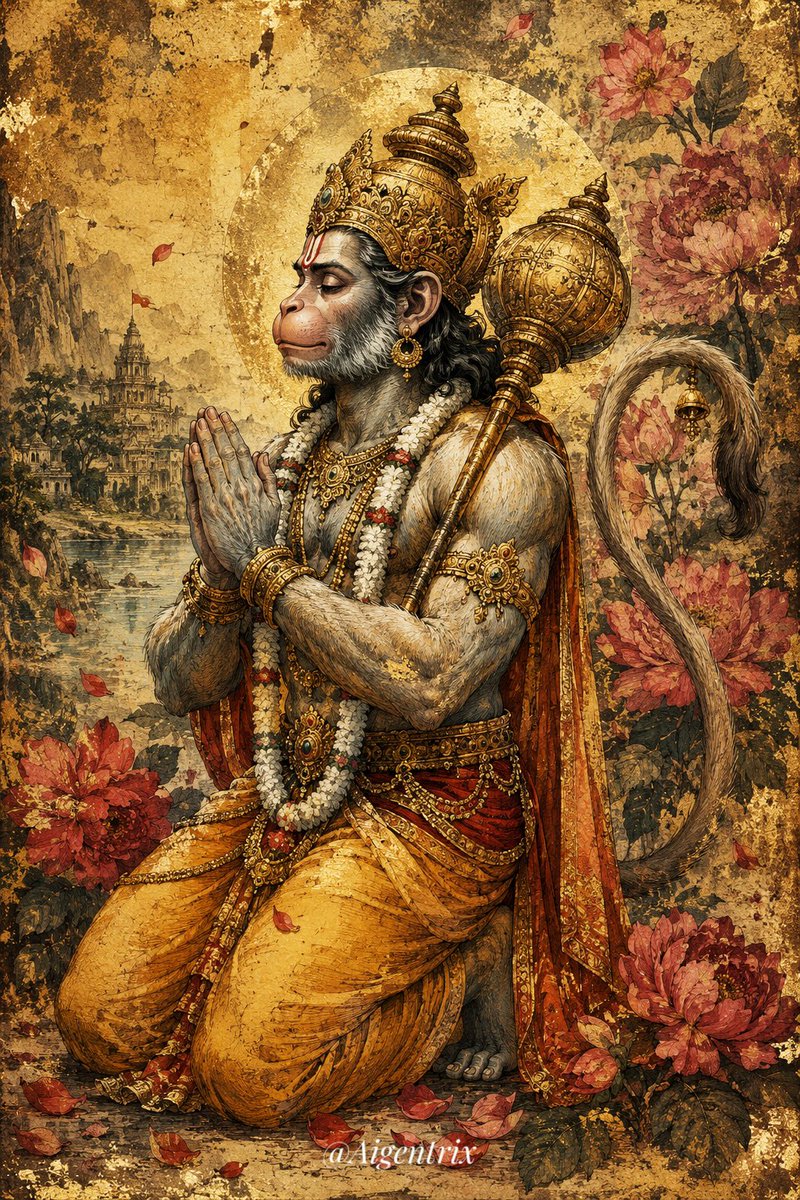
Hanuman a "superman" whose boundless strength was rooted entirely in his absolute devotion to Rama. By channelling his devotion properly, Hanuman transcended his inherent nature to achieve phenomenal feats of consciousness, humility, and physical power.
Sadhguru
1
1
6
90
Jun 13
Jun 13

And if you can't see the light, become the light.
Ignite your soul with passion, but remain detached.
Use your emotions as tinder instead of getting used by them.
Let your fire burn away everything that doesn't serve you anymore, because otherwise you won't be able to serve anything else.
2
1
18
195
... retweeted

Jun 12
In Hindu iconography, weapons are rarely tools of simple aggression; they are tools of precision, discernment, and maintenance of order (Dharma).🔱
🔺Saraswati and the Veena vs. the Trishula: While Saraswati is primarily associated with the Veena (wisdom and harmony), she is often depicted with symbols of strength. The weapon signifies that true knowledge is not passive; it is a "sword" that cuts through the ignorance, delusion, and illusions (Maya) that prevent the realization of truth. To possess knowledge without the ability to defend it is to be a victim of falsehood.
🔺Lakshmi and the Gold: Lakshmi is often depicted with coins spilling from her hands, but her iconography also emphasizes her power to protect wealth. Abundance is a form of energy. Without the "weapon" of discipline, wisdom, and the capacity to defend one’s resources, abundance becomes a burden that invites chaos and decay.
Western theological traditions often bifurcate the divine into good vs. evil, light vs. dark. By contrast, the Hindu tradition posits that creation, preservation, and destruction are a singular process.
🔸The Shadow as Fuel: Shiva, the Mahadeva, is the ultimate symbol of this integration. He is the destroyer, yet he is also the source of stillness. He demonstrates that unless you have the capacity to destroy—to destroy one's ego, one's attachments, and the structural limitations of the self—you cannot achieve the "light" of liberation (Moksha).
🔸The Guarded Garden: As you noted, "a god with no capacity for destruction cannot protect what is sacred." By placing weapons in the hands of the divine, Bharat teaches that the protection of the sacred is a fierce, active, and demanding duty.
To be whole is to be both light and fire, capable of creation and ruthless enough to defend it.🔱🙏
Jun 12

You may have seen many diets sitting atop animals (Vahanas) in Indian philosophy (Darshana). Each of them carries a deep psychology —When a deity sits atop a Vahana, it is a visual metaphor for the Higher Mind mastering the lower nature.
🔶Lord Shiva & Nandi (The Bull): The bull represents raw, untamed energy and ego. Shiva, as pure consciousness, sits upon Nandi, demonstrating that when raw energy is channeled through Dharma (righteousness), it becomes a vehicle for divinity rather than a source of chaos.
🔶Lord Vishnu & Garuda (The Eagle): Garuda represents the sharp, soaring power of the intellect and the Vedas. Vishnu, the sustainer, rides above, showing that when we use refined intelligence, we rise above the turbulence of the material world.
🔶 Goddess Durga & The Lion: The lion represents brute force and aggression. Durga, the embodiment of Shakti, commands the lion, symbolizing that true power lies in directing our most volatile emotions toward a purposeful, courageous end.
🔶Lord Ganesha & The Mouse: The mouse represents the small, nagging doubts and anxieties that gnaw at our focus. Ganesha, the Lord of Intellect, masters the mouse, proving that even the most persistent worries can be controlled by a steady mind.
"Vahana" (mount) is not merely a vehicle, but a symbolic representation of the forces that human consciousness must harness.🙏✨
📽️Awoken Yodha
2
30
69
1,402
... retweeted

Jun 12
"Sat Nam"
Truth is my Identity.
- Sikh mantra
2
1
15
185
... retweeted

Joy is who you are. Misery is who you are trying to be.
1
2
8
108

Jun 12
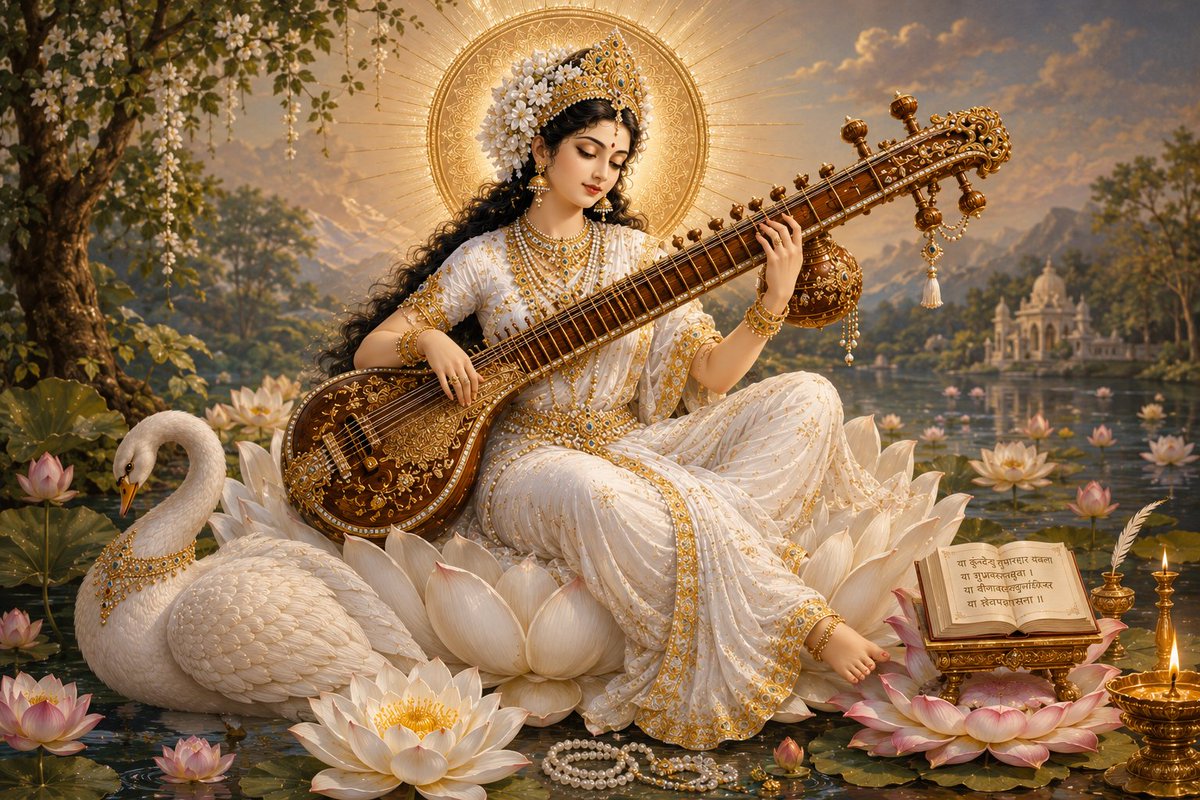
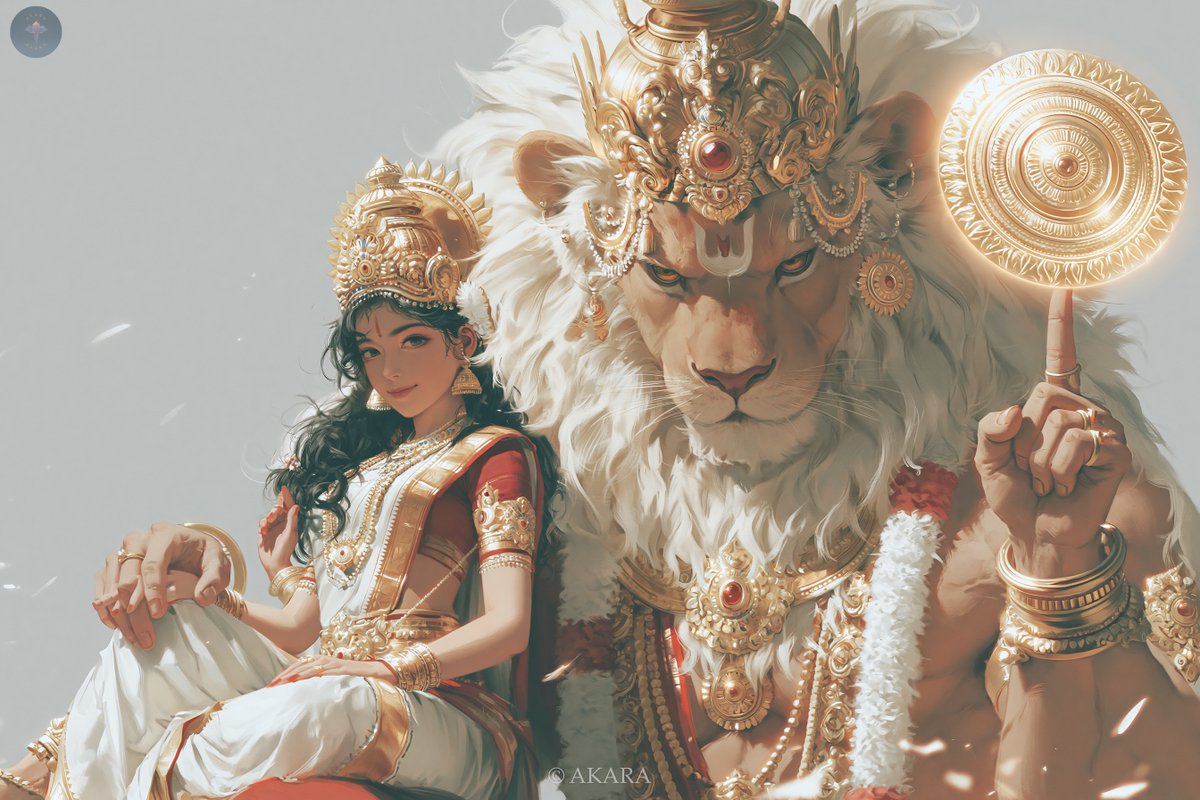
Saraswati - the goddess of knowledge, music, arts, wisdom, and learning.
🪷🙏
3
5
29
234
... retweeted

Jun 1
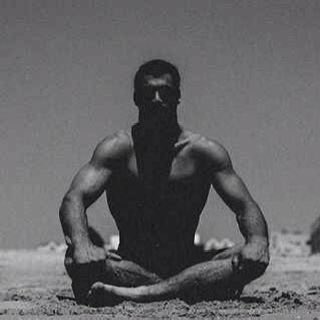
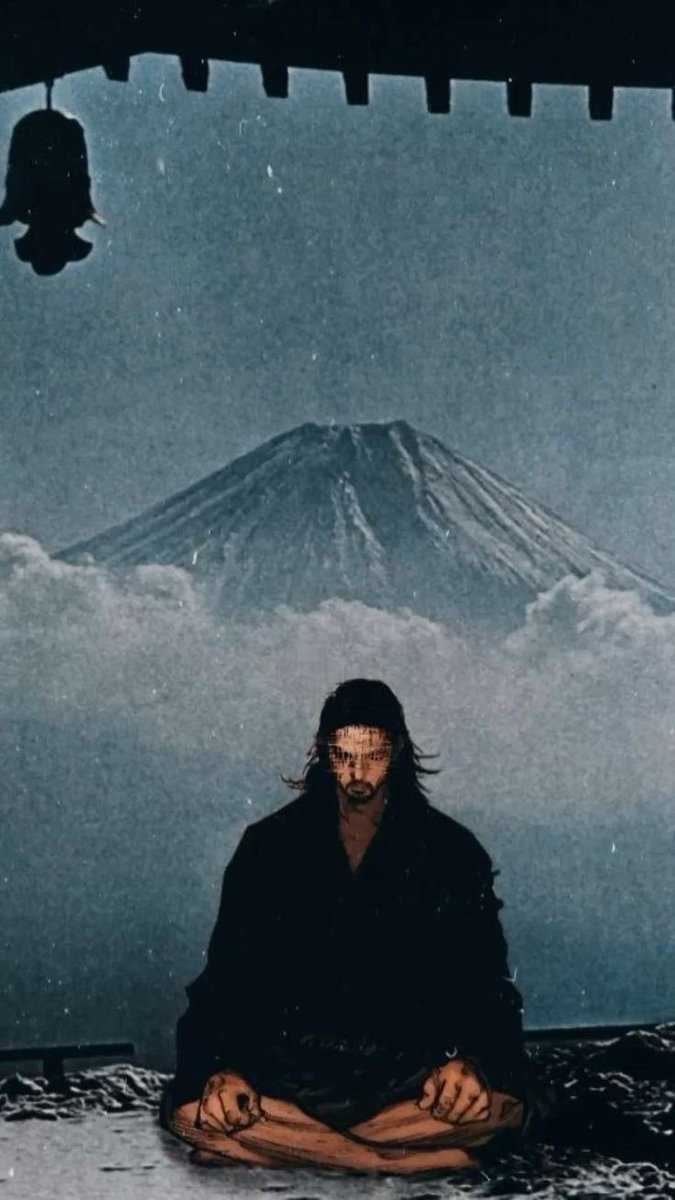
They don't really understand what it means that GOD IS SILENT.
They think he never speaks, but it's not true.
GOD IS SILENT means that you can only listen to him in your own silence.

5
6
41
1,049
Jun 12
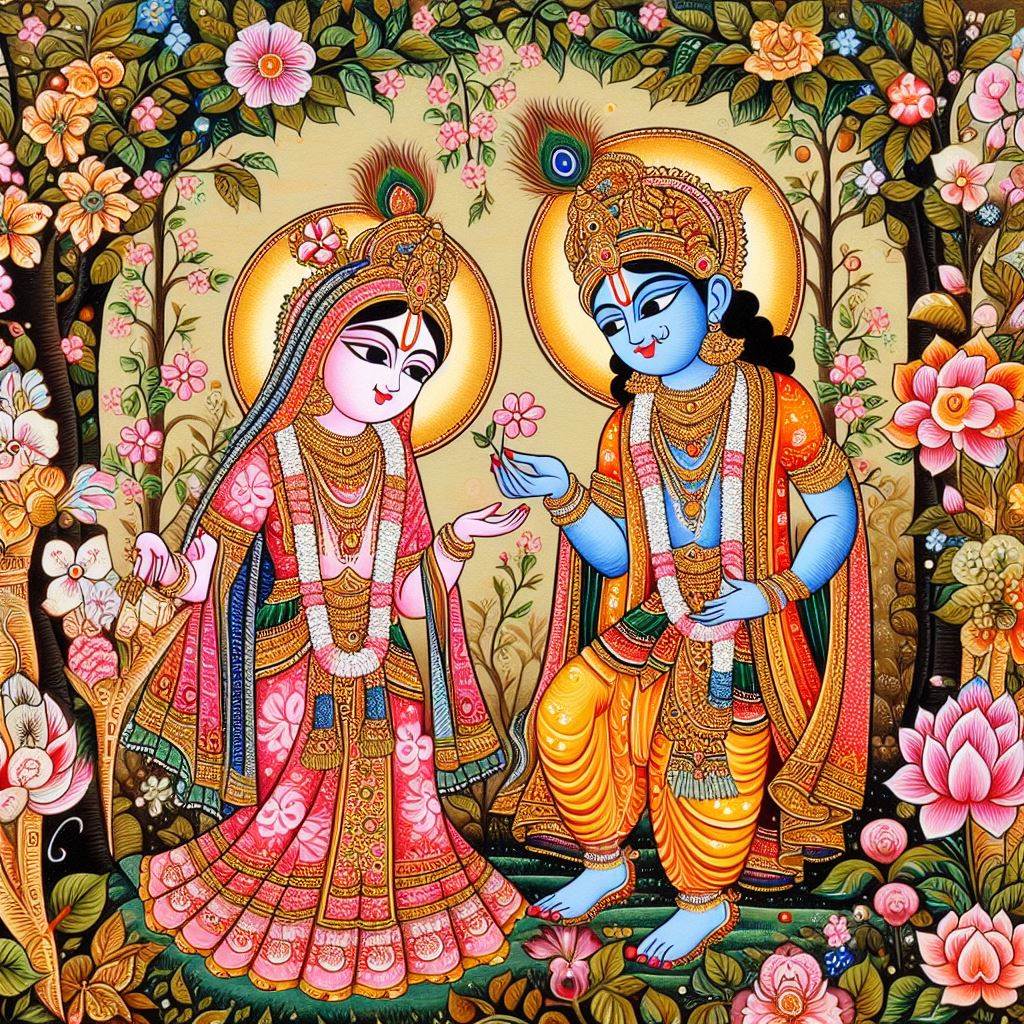
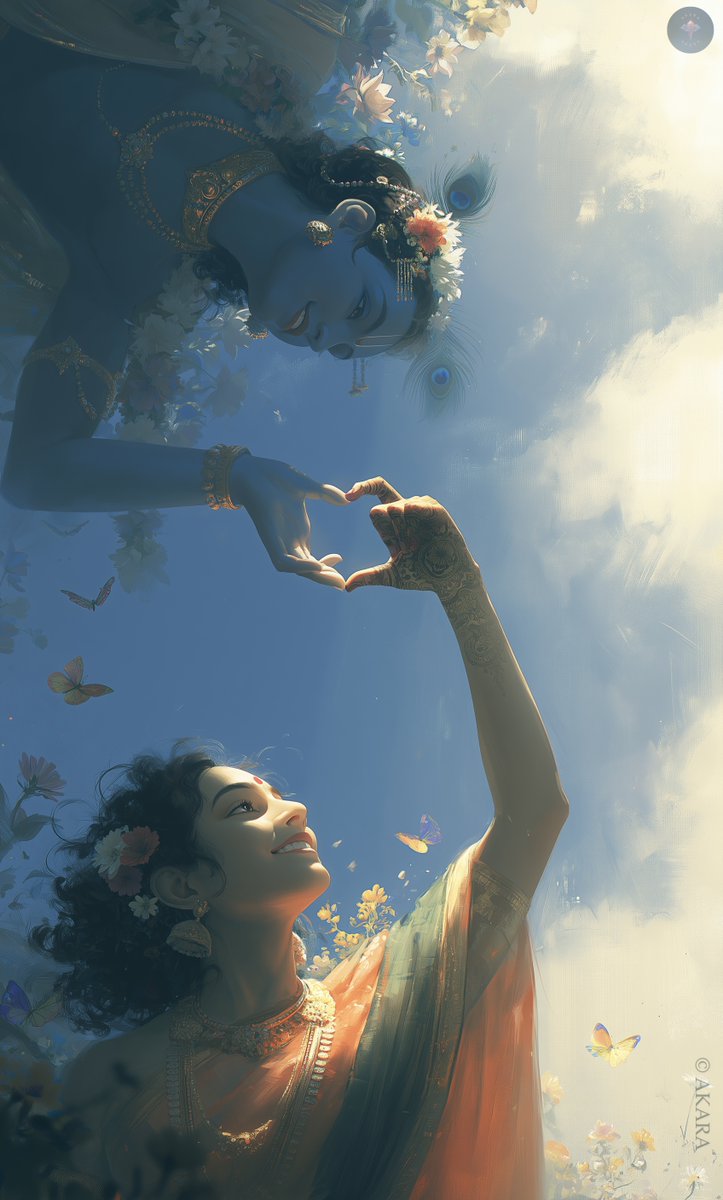
Two eternal forms, one love 🪷

3
15
135
... retweeted
Jun 12
People usually think that the line between good and bad runs between them and other people, but it's not true.
It runs directly through their hearts.
1
1
5
90
Jun 12
Love is the power available to us now. When love is present, this moment is enough.
This present moment is where love becomes a force of creation, transforming fear into trust and life into something sacred .
🪷
3
1
25
233
Jun 12
Amen
Jun 11

We are splendid souls amid the vastness of time
And though it can seem fleeting and hopeless, we have countless moments to be the most connected witnesses in the universe
To steep ourselves in meaning and gratitude
To share love and enjoyment
And to thrive in our own skin, both individually and collectively
For all those precious moments and opportunities that passed without deserved attention—we’ll look back with hand on heart, wishing they could come again.
9
132
Jun 12
The eternal search for meaning ends here 🤍
Jun 12
You are not an individual that will realize themselves as Consciousness.
You are Consciousness which has lost itself in itself, and is thus searching for itself through itself!
1
13
128