
Almost award-winning journalist at the BBC / Seoul Correspondent / jake.kwon@bbc.co.uk / Views not mine and all legally-binding.
Joined December 2011
- Tweets 2,650
- Following 3,168
- Followers 6,163
- Likes 3,042
300 Photos and videos




7
2,314
Jake Kwon retweeted

Jun 15
Social media will be banned for all children under 16, UK PM Keir Starmer announces
Follow live: bbc.in/4e8dZQK
905
657
2,047
931,004
Jake Kwon retweeted

Jun 12
Jailed South Korea ex-president gets 30 more years for sending drones into North bbc.in/3SicXsM
107
406
2,013
207,637
Jake Kwon retweeted
Jun 11
Korea fines e-commerce giant $400m over data breach affecting millions bbc.in/4uqV1cI
32
42
157
66,109

Jun 11
A general anti-China sentiment is real but speaking Chinese in public won’t get you hassled in most of South Korea. These reporters were at a gathering of anti-China protesters.

Speaking Chinese on the streets of Seoul right now can instantly draw a hostile crowd. During recent high-tension election protests, a Taiwanese news crew was surrounded by over twenty furious South Koreans who suspected they were mainland Chinese, exposing the raw street-level friction currently gripping the city.
Taiwan's Mirror News anchor Chang Pei-tzu and cameraman Wang Geng-chen were reporting live outside the Olympic Park arena when speaking Mandarin on camera triggered immediate alarm. In an atmosphere pushed to the brink by protests over local ballot shortages, the emotional crowd trapped the journalists in a tight circle, aggressively demanding to know their nationality and ordering them to stop filming. The standoff only broke when Chang presented her press credentials, clarifying that they were from Taiwan, not China.
The result was a stunning, instantaneous flip in human emotion. The intense suspicion vanished, replaced by deep bows and profuse apologies. One local resident even rushed over to hand-write a protective sign reading "No to China, Taiwan Media" and pinned it directly to the cameraman’s back to shield the crew from further hostility. The very people who had just blocked them suddenly began clapping and chanting "Taiwan! Wan sui!" in a spontaneous display of democratic solidarity.
This dramatic turnaround underscores the incredibly fragile social climate in South Korea right now. The public mood is so raw that anyone speaking Mandarin is heavily scrutinized amid anxieties over regional interference. While Taiwanese identity is embraced with warmth due to shared democratic values, the deep-seated resentment toward Beijing means that navigating these crowds requires extreme caution, where a single spoken word can spark a massive misunderstanding.
#KoreaProtests #Seoul #AntiChinaSentiment #Taiwan #Journalism #Geopolitics #SouthKorea #MediaFreedom
1
24
2,022
Jun 11
My twitter feed the past few days:
“North Korea is actually really rich and cool”
“Secret commies are stealing elections in Korea”
I miss when it was just hot takes on K-pop
1
3
14
549
Jun 10
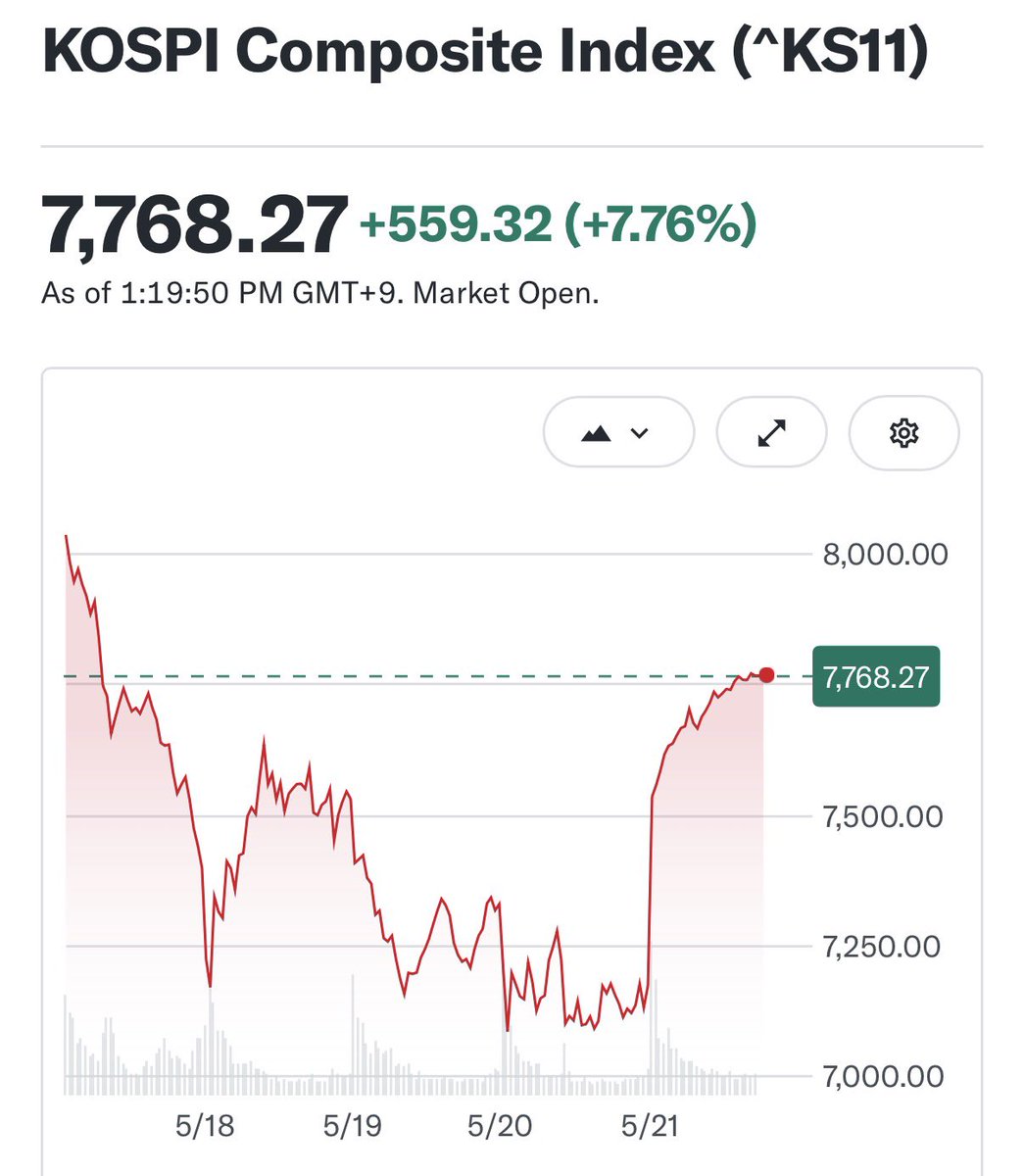
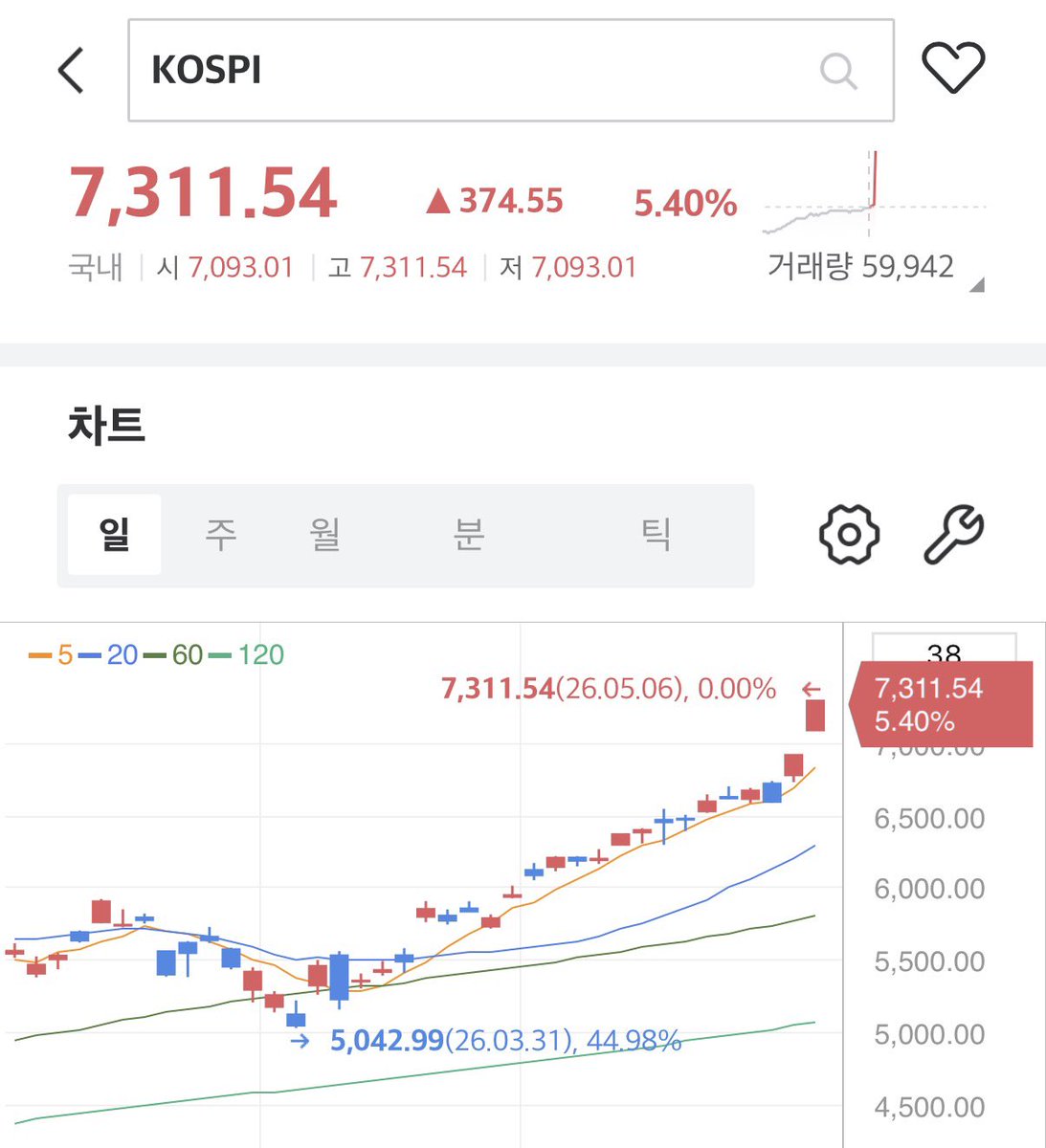
At this point it feels like the Korean market triggers sidecar every day. And one day up and one day down. This is not normal.
Jun 10

[속보] 코스피 급락에 매도 사이드카 발동 yna.co.kr/view/AKR2026061009…
1
6
962
Jake Kwon retweeted

Jun 8
Smartphones, EVs and brick-oven pizza. North Korea is the world’s most unlikely economic growth story. on.wsj.com/49MdyZO
77
206
1,428
746,201
Jake Kwon retweeted

Jun 4
[속보] 정원오 "당선 오세훈에 축하…시민선택 무겁고 겸허히 받들겠다" yna.co.kr/view/AKR2026060408…
67
1,446
766
733,548
Yonhap: Jeong concedes to Oh. Seoul remains PPP

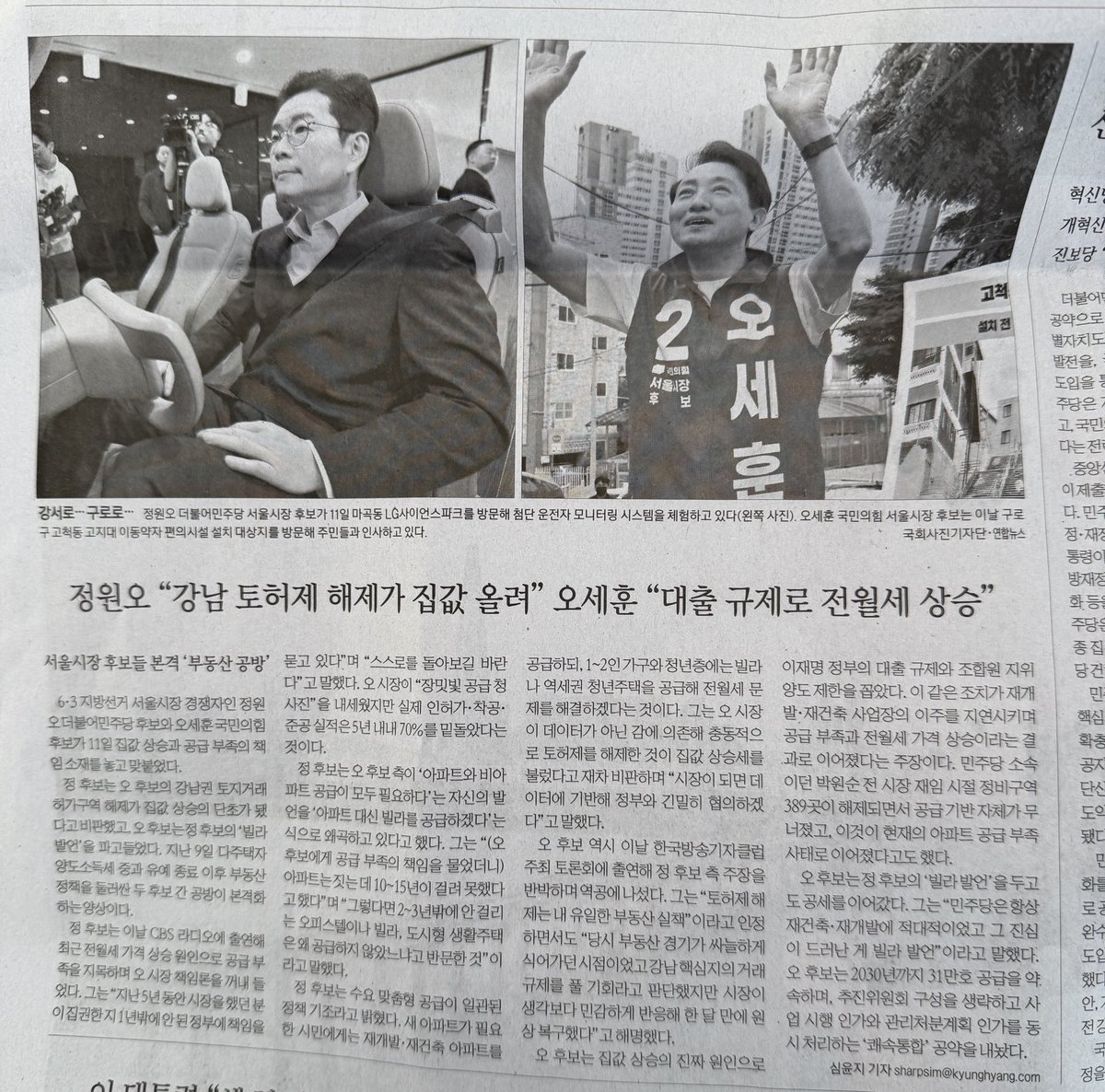
It’s the morning and Seoul is still in the play. The incumbent Oh is now leading by a razor thin margin and most of the uncounted ballots are from PPP leaning districts. If PPP takes Seoul, it will be hard to call this election a victory for DPK no matter how many races they win.
1
5
783
It’s the morning and Seoul is still in the play. The incumbent Oh is now leading by a razor thin margin and most of the uncounted ballots are from PPP leaning districts. If PPP takes Seoul, it will be hard to call this election a victory for DPK no matter how many races they win.
Seoul’s importance is self-evident. Jeong from DPK is the favourite but the gap with the incumbent Oh from PPP has been closing during the past weeks.
1
7
1,771
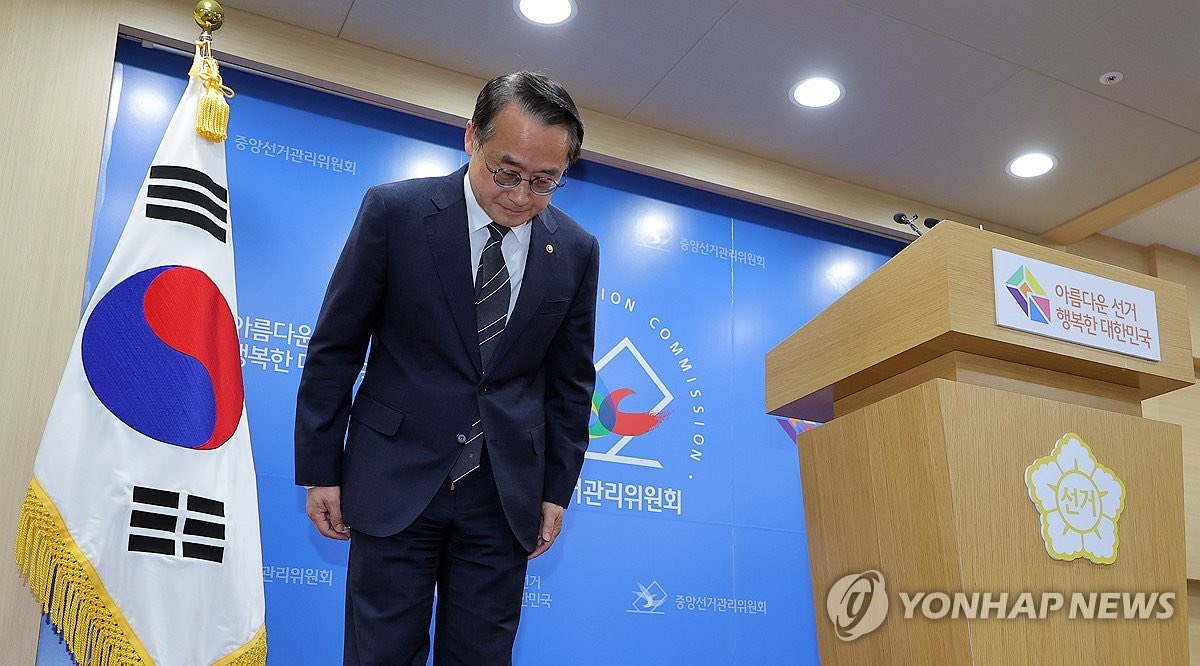
Big scandal brewing after multiple voting stations in Southeast part of Seoul ran out of ballot papers and hundreds of people were made to wait hours before they can vote. Some have gone home, giving up voting.
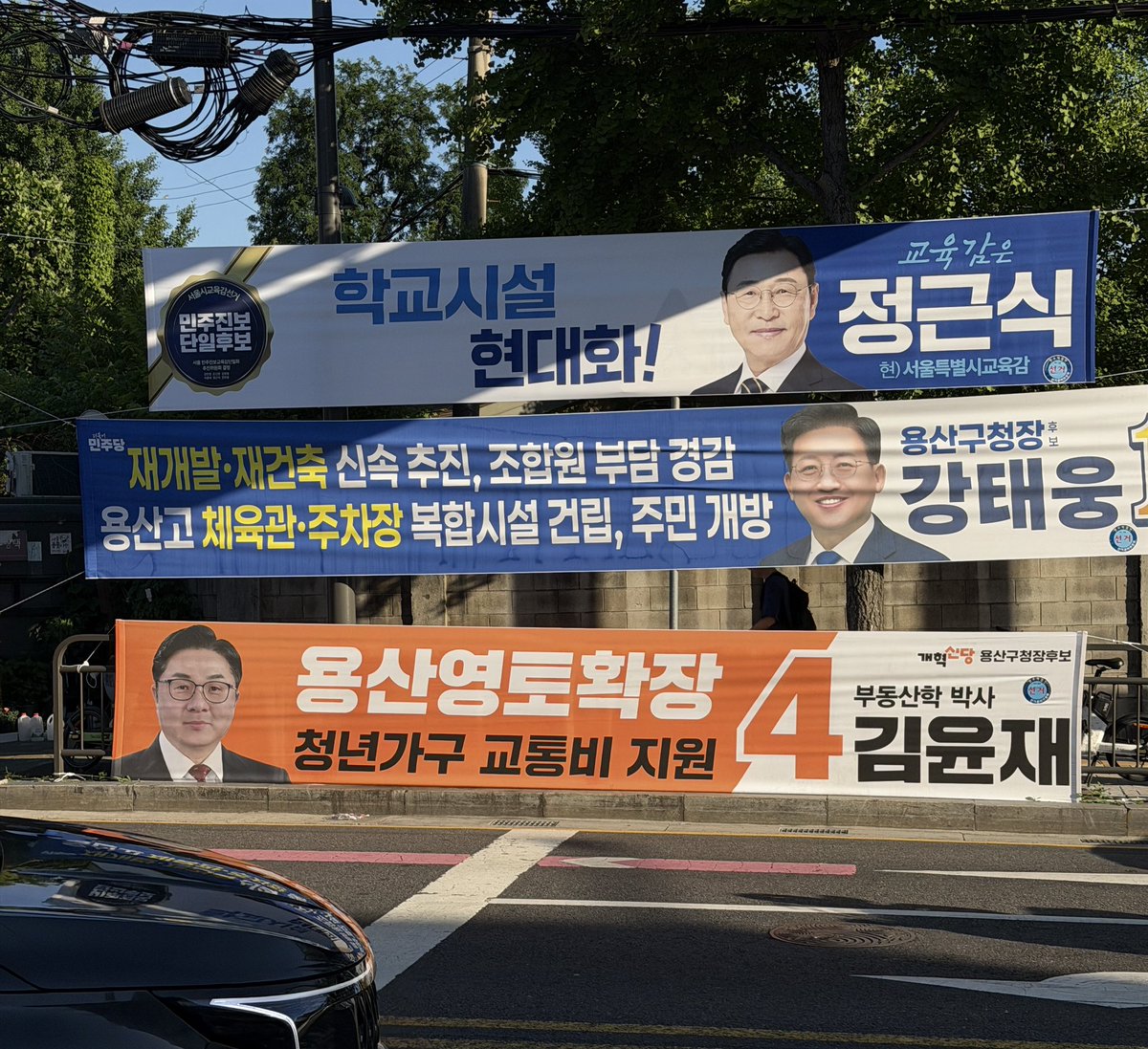
It’s a major election day here in Korea and all the mayor and governor seats as well as some parliamentary seats are up. The exit poll shows the ruling DPK will sweep but this has been widely predicted.
1
6
19
2,520
PPP leader Jang: “this Seoul mayoral election is already tainted. A tainted election is not valid. The count must stop now until the truth is out. And depending on the finding Seoul’s election must be done again.“
1
1
2
380
The ruling DPK says they will hold the elections body accountable but the PPP’s call for a re-do “doesn’t even merit a single thought”

與 "선관위 유감이나 국힘 주장 개표중단·재투표는 일고 가치 없어" #뉴스1 news1.kr/politics/assembly/6…
1
2
558