
Supporting Eritrean people since 1983, lived and reported from Eritrea from 2006-2021, once most widely distributed independent journalist in Africa
Joined August 2015
- Tweets 13,749
- Following 210
- Followers 6,862
- Likes 13
148 Photos and videos

"UAE/Ethiopia backed RSF is running a horrific organ-harvesting operation inside detention facilities in Darfur. Colombian and Serbian rogue surgeons are employed to remove organs from prisoners to generate revenue for the militia." If this report is true, and good reason to think so, this is some evil...shit!
10
18
344
Heard it on the grapevine? Badu Celeste aka the coconut wireless says both of Asmara's water reservoirs are either shut or not working at capacity leaving water shortages in the city. One is undergoing silt removal and the other is supposed to have suffered a major pump failure, waiting for replacements. In the bad old days this would have seen as no big deal, same old same old, water once a month for 2-3 days. With all the diaspora spoiled by on demand water, shortages are upsetting?
1
4
426
The beginning of this has a performance by an Eritrean genius.
youtube.com/watch?v=lA9qmbu9…
18
29
975
Ethiopia After Abiy; March 2026 with Thomas C. Mountain for those who didnt see it then.
youtube.com/watch?v=XqzUzGXx…

8
21
578
Thomas C. Mountain retweeted

Jun 10
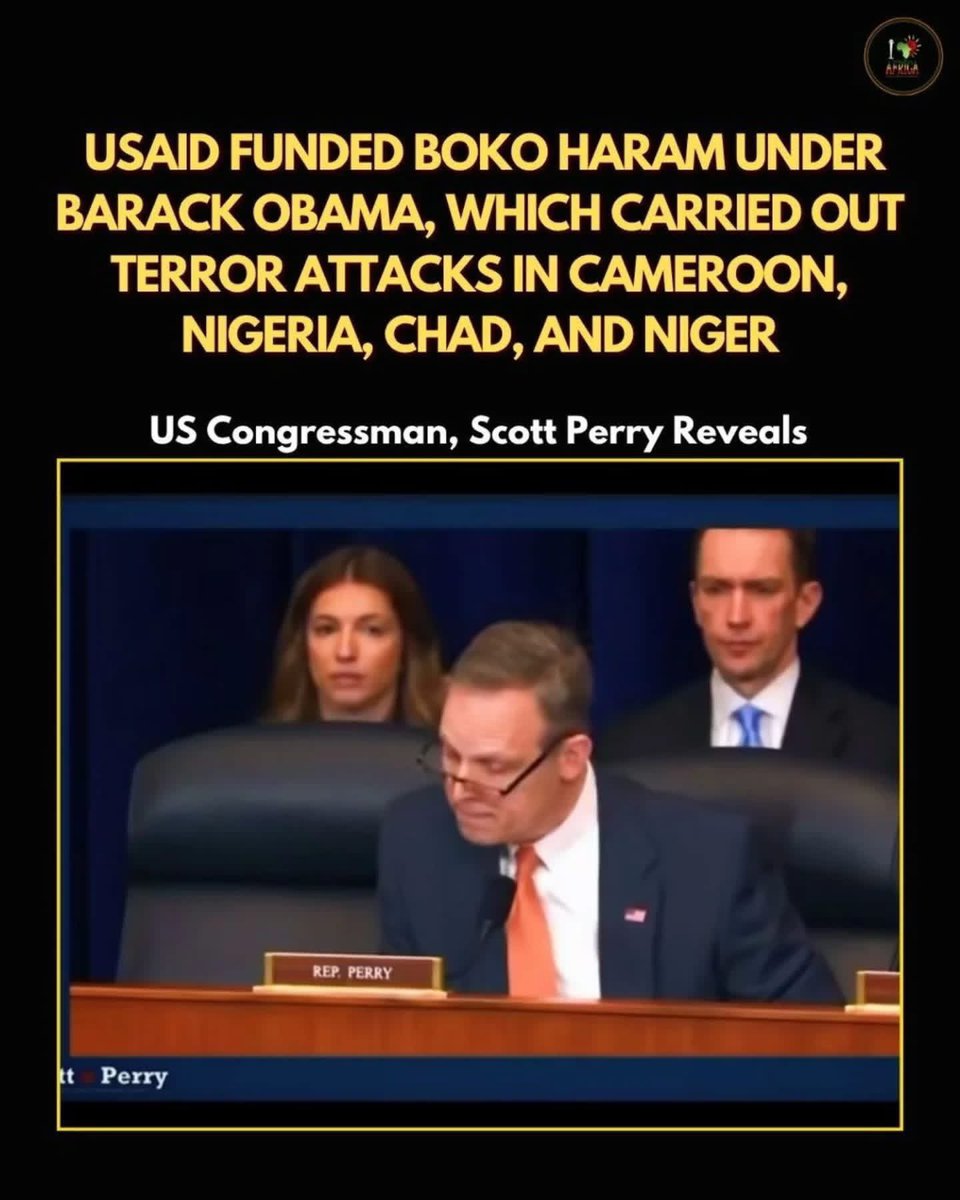
This isn’t propaganda, it’s reality.
6
88
158
5,241
For the first time Iran has bombed US bases in the puppet regime of Jordan with Iran reporting several US aircraft including F-15's, F-18's and F-35 being destroyed?
1
8
310
Is the UAE proxy Abiy regime in Ethiopia behind the massacres of Christian in Oromia? well, the gangster government persecution of religious leaders protesting these crimes says it all, protest our crimes and pay the price?
1
7
17
419
The French Army has returned to occupy Chad after what, a year of being kicked out? gotta keep control of whats left of their African empire?
6
8
469
Remember HRW/Amnesty "regime change" ops againt Eritrea? Funded by Soros Open Society/CIA? New leaks expose Soros "regime change" dirty work in Indonesia funding riots against government. NGO's? NoGoodOutfits! dont let them into your country!
6
12
328
US NBA basketball superstars were quick to support Black Lives Matter when it came to US blacks being murdered but play for teams getting blood money from the UAE which is arming warlords to massacre Sudanese people without a word of protest? LeBron? Curry? silence is violence...
3
6
349
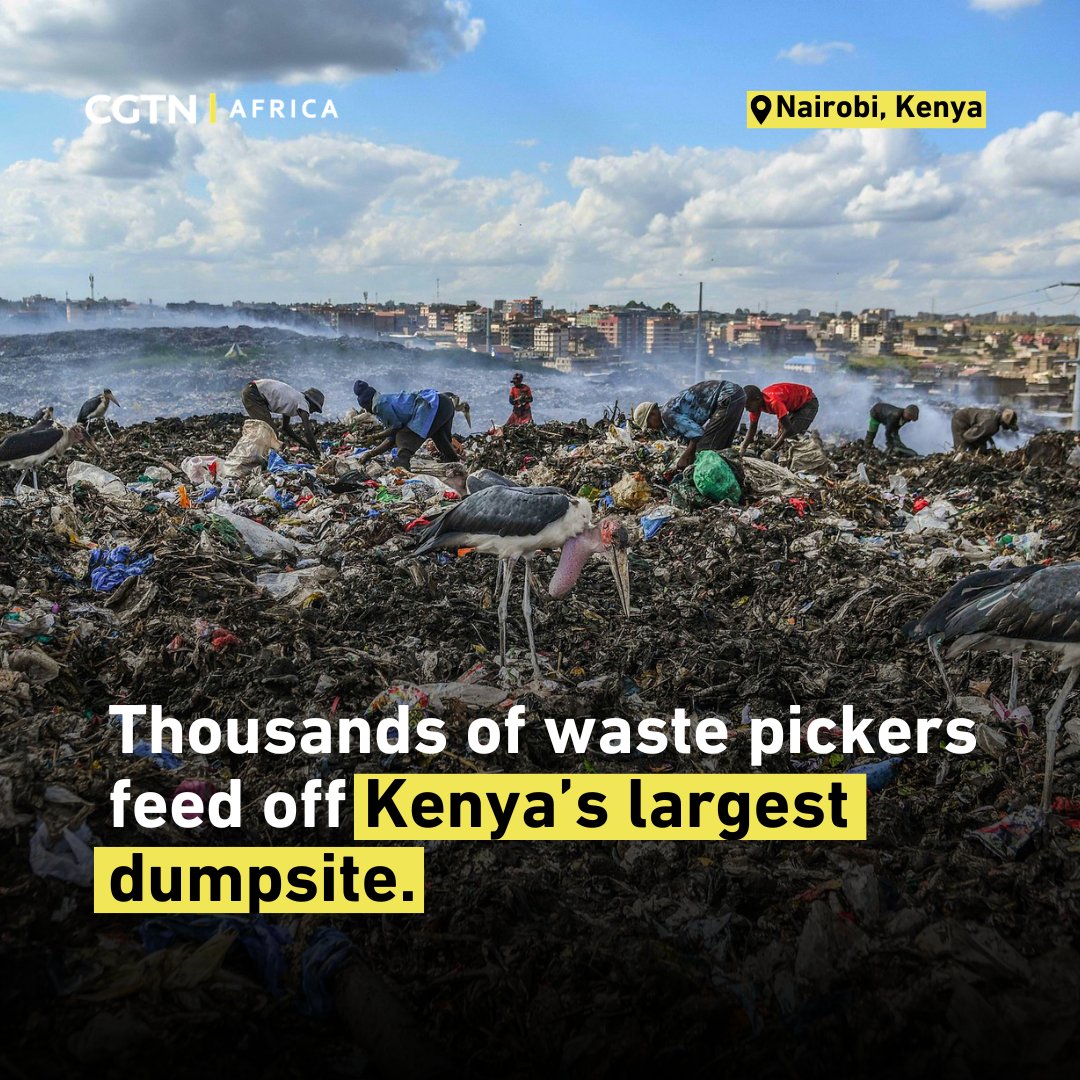
Kenyans scavenging spoiled food in the landfills while Ruto flys around the world meeting Mafia godfathers in the west. And people brag about Kenya?
1
2
9
489
Thomas C. Mountain retweeted

Jun 6
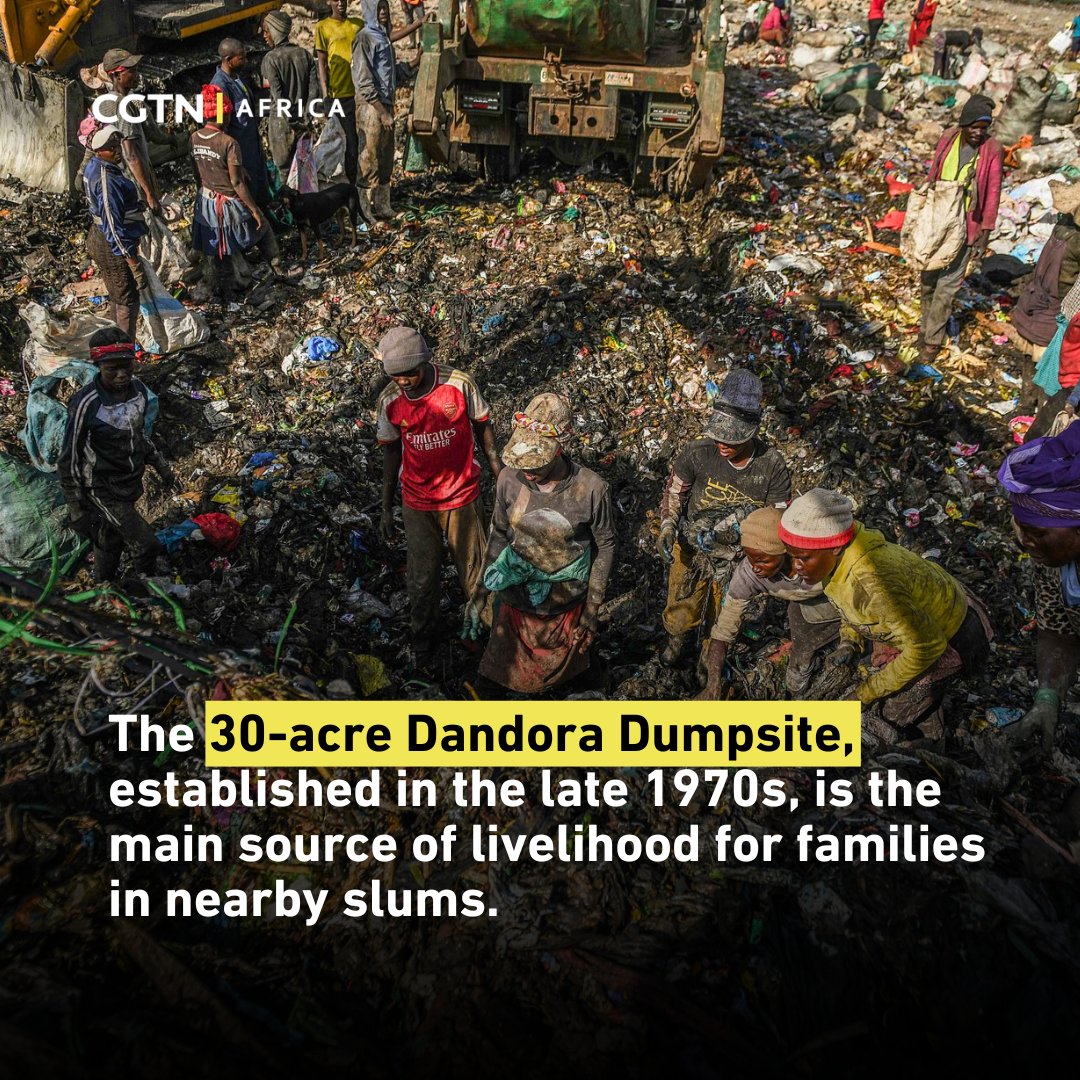
Kenya's largest landfill, the Dandora dumpsite, is a source of income to thousands of waste pickers who withstand foul smell and harzadous conditions daily. They comb through mountains of waste to recover recyclable materials in order to make ends meet. Despite being declared full in 2001, the landfill remains operational, receiving about 2,000 metric tons of waste every day.
1
7
7
878

🚨 𝐓𝐏𝐋𝐅 𝐜𝐨𝐦𝐦𝐚𝐧𝐝𝐞𝐫𝐬 𝐫𝐞𝐩𝐨𝐫𝐭𝐞𝐝𝐥𝐲 𝐯𝐨𝐰 𝐨𝐟𝐟𝐞𝐧𝐬𝐢𝐯𝐞 𝐭𝐨 𝐬𝐞𝐢𝐳𝐞 𝐖𝐞𝐥𝐤𝐚𝐢𝐭 𝐚𝐧𝐝 𝐓𝐞𝐥𝐞𝐦𝐭 𝐰𝐡𝐢𝐥𝐞 𝐦𝐚𝐬𝐬 𝐲𝐨𝐮𝐭𝐡 𝐜𝐨𝐧𝐬𝐜𝐫𝐢𝐩𝐭𝐢𝐨𝐧 𝐢𝐧𝐭𝐞𝐧𝐬𝐢𝐟𝐢𝐞𝐬 𝐭𝐡𝐫𝐨𝐮𝐠𝐡𝐨𝐮𝐭 𝐓𝐢𝐠𝐫𝐚𝐲
According to local sources, senior TPLF military commanders have reportedly made a series of statements outlining plans for military operations while forced conscription campaigns continue to expand throughout Tigray. Army 60 Commander General Hintsa reportedly told troops that recent alliances with “strategic partners” would enable TPLF forces to reclaim Welkait and Telemt. Meanwhile, Army 26 commander reportedly told recruits that Tigray would soon become an independent state, claiming international recognition from the African Union and other international institutions would follow. Army 33 commander was also quoted as stating that their forces were preparing to launch an offensive toward Welkait, Telemt, and Humera before the onset of the rainy season.
At the same time, reports indicate that conscription efforts have intensified across multiple areas of Tigray, including Mekelle, Shire, Axum, Adwa, Atsbi, Tembien, and Central Tigray. Sources claim thousands of youth have been detained and transported to military training camps, while resistance to the recruitment campaign has reportedly grown. In several locations, youth reportedly escaped from training facilities, clashed with trainers and security personnel, or organized efforts to evade conscription. Witnesses also reported injuries during attempted escapes and alleged that some families have paid large sums of money to secure the release of detained relatives.
Sources further report that TPLF forces have begun redeploying units toward the Welkait and Telemt fronts. Army 42 units based in Shire were reportedly moved to Shiraro, while elements of Armies 11 and 17 were observed advancing toward positions along the Tekeze River bordering Welkait and Telemt. Additional reports indicate that members of Army 17 crossed into the Weldiba area, as military preparations and troop movements continue to be observed in northern Ethiopia.

🚨 “𝐖𝐡𝐞𝐧 𝐭𝐡𝐢𝐬 𝐫𝐞𝐠𝐢𝐦𝐞 𝐟𝐚𝐥𝐥𝐬, 𝐭𝐡𝐞𝐲 𝐰𝐢𝐥𝐥 𝐛𝐞 𝐭𝐡𝐞 𝐟𝐢𝐫𝐬𝐭 𝐭𝐨 𝐟𝐚𝐥𝐥”: 𝐓𝐏𝐋𝐅 𝐆𝐞𝐧𝐞𝐫𝐚𝐥 𝐖𝐞𝐥𝐝𝐞𝐠𝐢𝐨𝐫𝐠𝐢𝐬 𝐓𝐞𝐤𝐥𝐚𝐲 (𝐒𝐡𝐞𝐫𝐢𝐟𝐨) 𝐰𝐚𝐫𝐧𝐬 @reda_getachew 𝐚𝐧𝐝 𝐓𝐏𝐅 𝐟𝐨𝐫𝐜𝐞𝐬
“We must train day and night. The bandits who fled from Tigray had been working from within to prevent our army from receiving training similar to this. These bandits are now in Addis Ababa, dancing for Abiy. But in the end, when this regime falls (is toppled), they will be the first to fall.
What must be understood is that we are no longer alone.
Therefore, if these bandits and the outlaws settled in Afar surrender peacefully, we will accept them. Otherwise, if they fire even a single bullet at us, we will pull them, and those who sheltered them, out of whatever hole they are hiding in and bury them.”
— TDF Army 33 Commander General Weldegiorgis Teklay (Sherifo)
(Statement delivered at a graduation ceremony held after army leaders above the regiment level completed a three-week capacity-building training program on May 31, 2026.)
1
8
19
9,515
Almost a decade now but better with age?
October 26, 2016
Preventing Cultural Genocide with the Mother Tongue Policy in Eritrea
Thomas Mountain
The small east African nation of Eritrea has implemented the Mother Tongue policy nationwide to prevent cultural genocide within its nine different ethnic groups.
This is done by educating all children in tribal environments in their mother tongue until literacy at grade 5. By making sure that the ethnic minorities learn to read and write in their mother tongue the Eritrean Government is making sure that their culture survives as well for without ones language one cannot practice your culture.
Historically destroying peoples mother tongue is the means used to carry out a policy of cultural genocide with many thousands of dialects having disappeared during the western colonial and neo colonial era. Today many of the languages that remain are threatened by the children of these ethnic groups not being literate in their mother tongue which will almost inevitably lead to the loss of their identity, their language and their culture.
It hasnt been easy for Eritrea, hammered by global warming droughts and economically disadvantaged due to western inflicted sanctions and embargoes and with 9 tribes with 9 languages, some of which have never had a written language, the challenge of implementing the Mother Tongue policy for all our tribes has been hard work.
It has been well over a decade now that the policy has become the practice nationwide and the next generation of Eritrean youth from all our 9 tribes are literate in their mother tongue, a policy the whole world needs to adopt.
15
30
887
Thomas C. Mountain retweeted

Jun 6
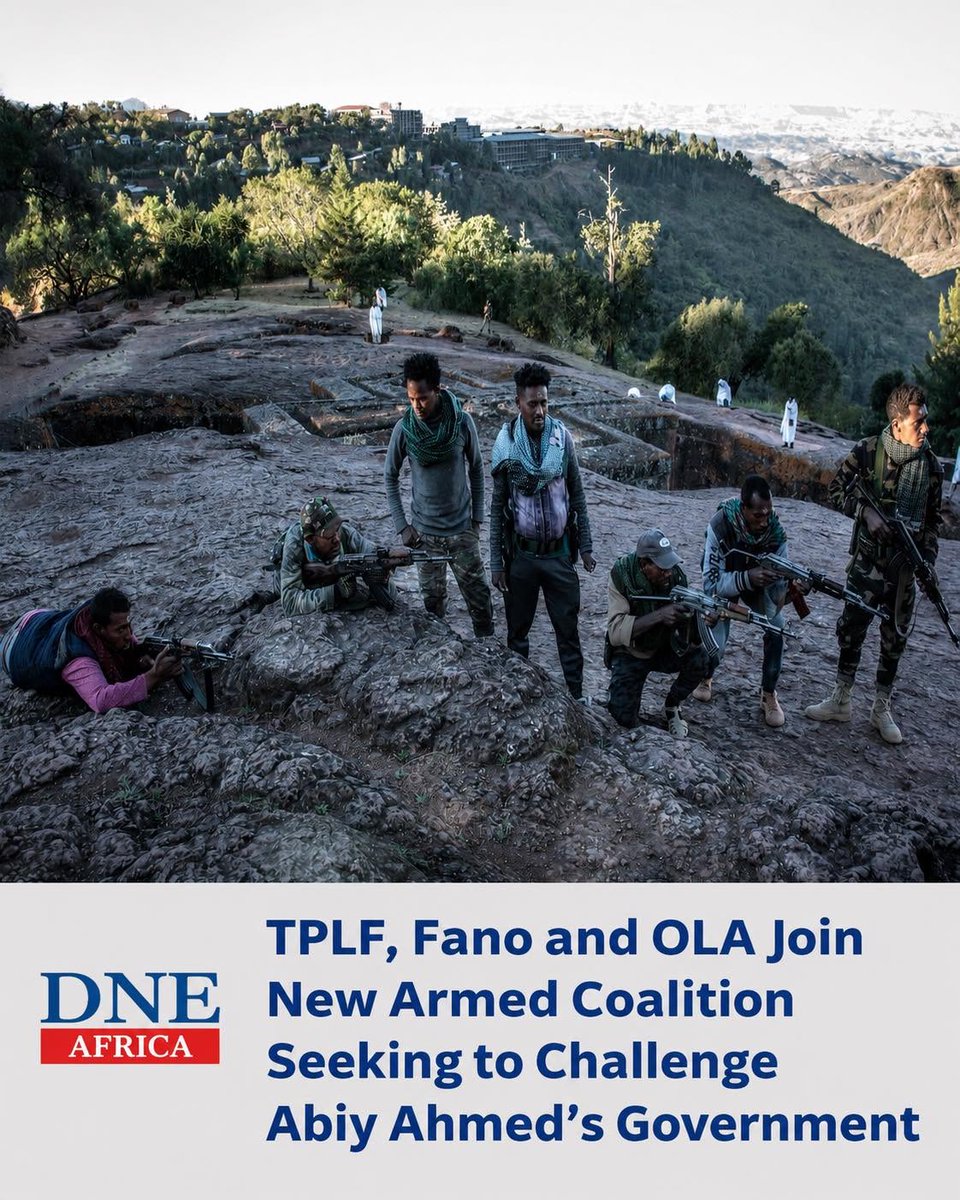
TPLF, Fano and OLA Join New Armed Coalition Seeking to Challenge Abiy Ahmed’s Government
Seven Ethiopian armed groups, including the Tigray People’s Liberation Front (TPLF), Amhara Fano forces, and the Oromo Liberation Army (OLA), have reportedly established a joint council aimed at coordinating military and political efforts against Prime Minister Abiy Ahmed’s government, marking a potentially significant development in Ethiopia’s evolving conflict landscape.
According to reports from local and regional sources, the alliance was formalized in early May following a series of meetings involving representatives of several armed movements operating across different parts of the country. The coalition is said to be working toward a common objective of challenging the federal government and laying the groundwork for a future transitional political arrangement.
The reported alliance brings together groups that have often pursued different political agendas, including the TPLF, Amhara Fano factions, the Oromo Liberation Army, the Ogaden National Liberation Front (ONLF), and an armed faction from Ethiopia’s Afar region.
Political observers have noted that the participation of the TPLF represents a notable shift in the group’s recent rhetoric. Since relations between Mekelle and Addis Ababa deteriorated following disagreements over the implementation of the Pretoria peace agreement, sections of the TPLF leadership had increasingly focused on Tigray-centered political objectives. Its reported involvement in a broader anti-government coalition has therefore attracted significant attention.
Sources familiar with the discussions indicated that coalition members agreed to enhance military coordination while also exploring possible political frameworks that could emerge should the alliance succeed in its objectives.
Reports suggest that meetings linked to the coalition may have taken place inside Ethiopia, with some sources pointing to the Tigray regional capital, Mekelle, although details remain difficult to independently verify.
The emergence of the alliance has also fueled speculation regarding regional involvement. Some reports have alleged that Eritrea played a role in facilitating contacts between participating groups, although no official confirmation has been provided by Eritrean authorities.
The allegations come amid growing tensions between Addis Ababa and Asmara, as well as increasing uncertainty surrounding the future of the fragile peace process in northern Ethiopia.
The Ethiopian government has dismissed the significance of the reported coalition. Speaking after casting his vote during Ethiopia’s June 1 general election, Prime Minister Abiy Ahmed said forces seeking to destabilize the country with foreign backing would not succeed.
Meanwhile, prominent Fano commander Zemene Kassie recently called on supporters to prepare for what he described as a decisive phase in the struggle against the federal government. In a public message, he urged Ethiopians to unite against the current administration, describing the political confrontation as entering a critical stage.
The reported coalition emerges at a time of heightened insecurity across several regions of Ethiopia. Armed confrontations continue in parts of Amhara and Oromia regions, while political tensions remain elevated in Tigray despite the 2022 Pretoria peace agreement that formally ended the devastating two-year war between federal forces and the TPLF.
During the recent election period, armed groups in both Amhara and Oromia announced transport restrictions and movement bans, while reports of clashes continued to emerge from multiple locations.
Analysts say the formation of a broader anti-government alliance could further complicate Ethiopia’s security and political landscape, particularly as the country faces ongoing insurgencies, unresolved regional disputes, and growing concerns over national stability.
While the full scope and operational capacity of the reported coalition remain unclear, its formation underscores the persistent challenges confronting Prime Minister Abiy Ahmed’s government as Ethiopia navigates one of the most volatile periods in its recent history.
22
30
83
33,739
"prominent Fano commander Zemene Kassie recently called on supporters to prepare for what he described as a decisive phase in the struggle against the federal government. In a public message, he urged Ethiopians to unite against the current administration, describing the political confrontation as entering a critical stage."
1
1
4
385
Hey, did you know what a great example of "democracy" Zambia has been? and getting better, they just adopted free education for their children? only now free education after how many decades of "independence"?
2
12
423
Are the Chinese as dumb as they seem? Got run out of the Ogaden with over 30 Chinese techs killed by the ONLF during their deal with the Meles Zenawi mafia and now China is doing the same thing with the Abiy mafia? going to open an energy operation in Ogaden without ONLF approval? STUUUUPID!
1
4
9
546
Ethiopian Major General does interview with BBC and identifies Eritrean instigated Ximdo peoples peace movement as a major threat, mentions Awel Said by name and says this is for "war purposes", expect a lot of money to be spent attacking Ximdo by UAE proxy Abiy gangster regime
22
43
980
A week ago reliable reports say the US confirmed that Iran now has a nuclear weapon and Pres. Trump immediately changed the tone of his posts. Last Tuesday the US attacked Iran and Iran hit US destroyer with missile and hammered Kuwait US base. Trumps response? very low key, supporting claims that Iran now has nukes.
3
8
380