
Joined October 2021
- Tweets 3,069
- Following 867
- Followers 532
- Likes 5,790
483 Photos and videos










Pinned Tweet

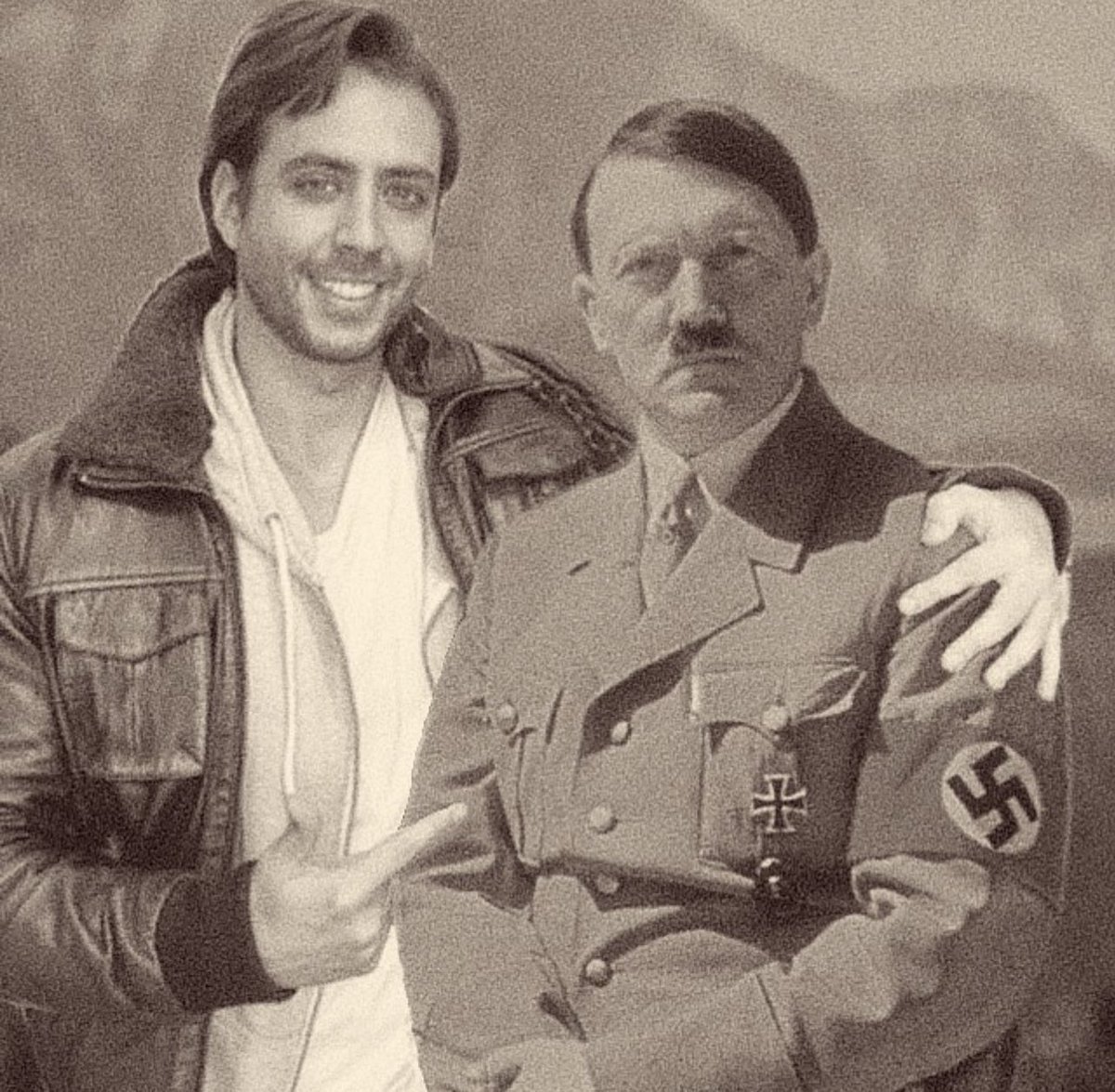
someone help me get this guy some likes for this absolute gemerald

1
15
1,096
TThomas TThe Privatized TTank Engine retweeted

# 1094
"It's insanely blackpilling to hear a normie say "i don't care if they spy on me, i didn't do anything wrong.""
2
11
140
TThomas TThe Privatized TTank Engine retweeted

"I want to launch a preemptive strike against any critics who might accuse this talk of ad hominem … I've never been in favor of that. I've always been in favor of refuting the doctrine, and then going on to attack the person."
-Murray Rothbard, a lecture on J.M. Keynes (1989)

3
25
174
3,875
TThomas TThe Privatized TTank Engine retweeted

Jun 13
"Economics is not about goods and services; it is about human choice and action."
- Mises
3
5
35
527





TThomas TThe Privatized TTank Engine retweeted

Jun 12
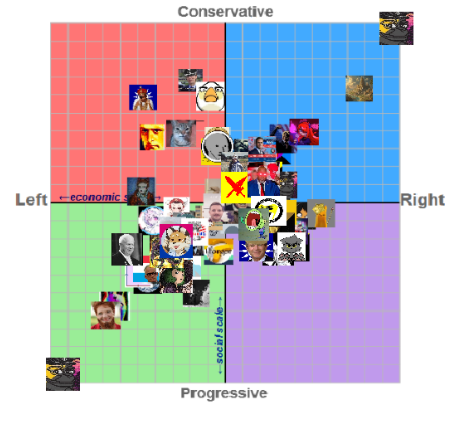
Update:
Not much done today

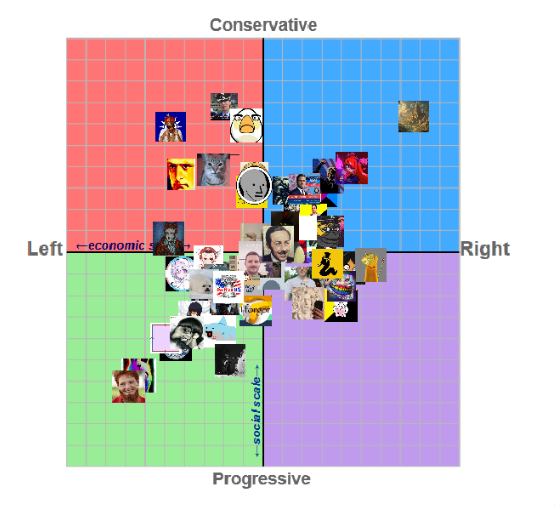
16
2
19
1,755
TThomas TThe Privatized TTank Engine retweeted
# 1025
"'I agree with Apel on four fundamental insights. (A) that speaking, communicating, arguing are purposeful actions (subclasses of action exhibiting the same general categories characteristic of all action); (B) his transformation of Kantian transcendental philosophy from a ‘solipsistic’ starting point of a lone subject to an intersubjective, if you will ‘public,’ starting point, in recognizing that all philosophizing is, undeniably and inescapably so, done in and with a public language; (C) that all contentious truth claims, i.e. claims that some proposition in question or in dispute is true (or not), can be settled only in the course of an argumentation and that this cannot be denied on pain of contradiction; and (D) that argumentation, demonstrating a commitment to the truth, presupposes and involves the acceptance of an ethic. […] But any actual agreement is no guarantee of truth. Both (or all) agreeing disputants may still be wrong. So, and in this I agree with Apel (and Peirce), a truth-claim is indeed made vis-à-vis an indefinite community of arguers and hence any actual agreement always remains open to future challenges.' — Professor Hans-Hermann Hoppe (in private correspondence with Norbert Slenzok)"
2
4
424

5
57
1,259
TThomas TThe Privatized TTank Engine retweeted

Jun 9
My Idol

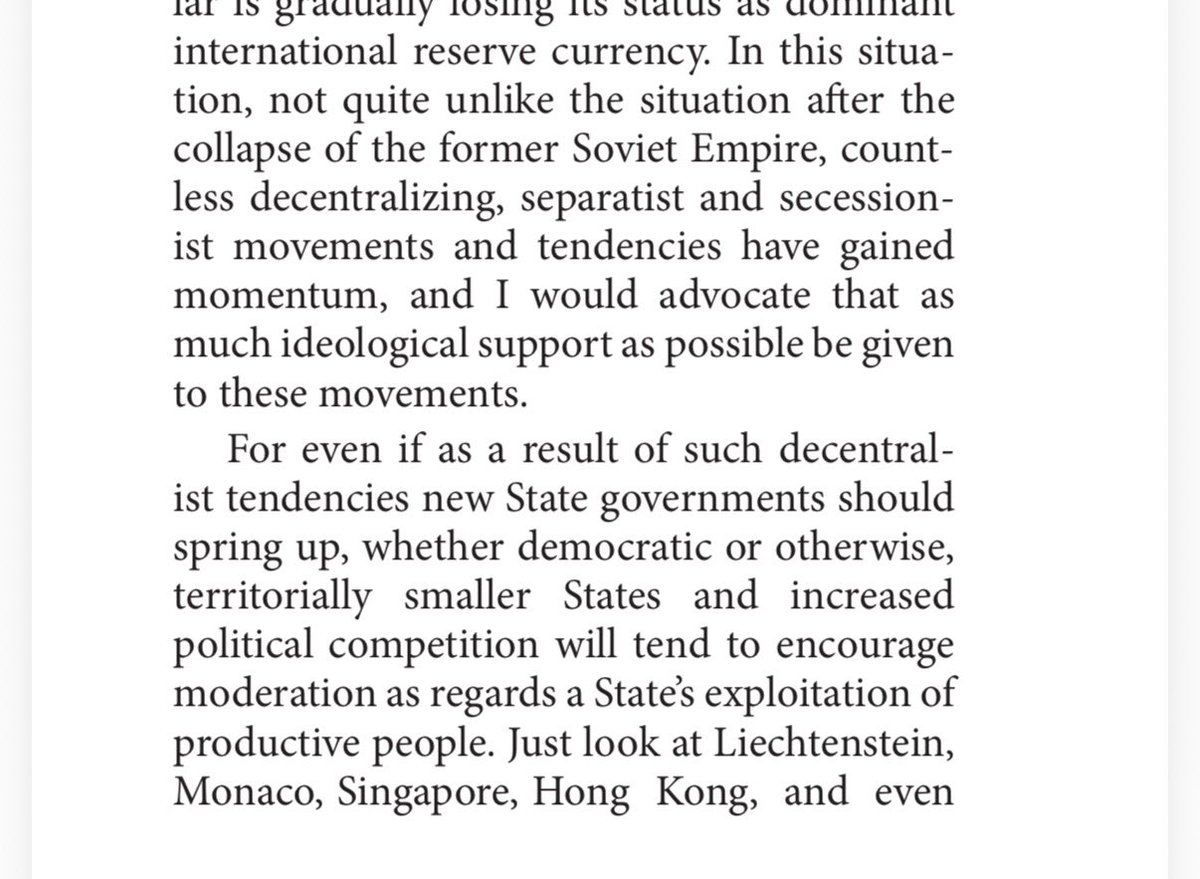

Free Tibet
3
9
468
TThomas TThe Privatized TTank Engine retweeted

I fucking despise ig reels
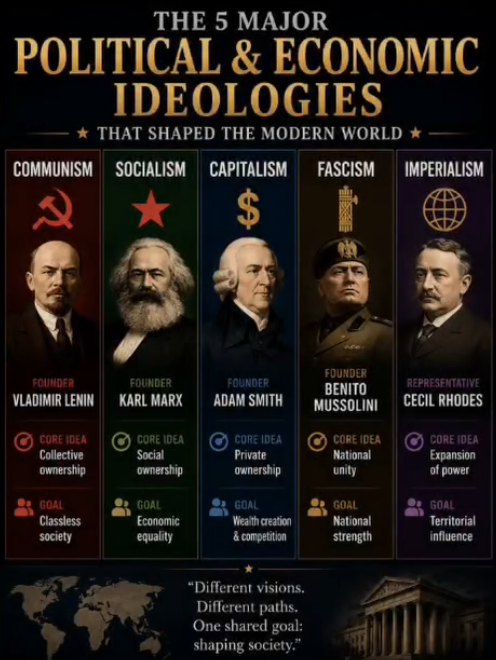
30
30
604
19,588


5
19
728

TThomas TThe Privatized TTank Engine retweeted

Jun 9
1
18
146
TThomas TThe Privatized TTank Engine retweeted
Jun 9
What is lacking in actual conflicts, then, is not the absence of law, lawlessness, but only the absence of an agreement on the facts.
1
1
7
206
TThomas TThe Privatized TTank Engine retweeted

Jun 9
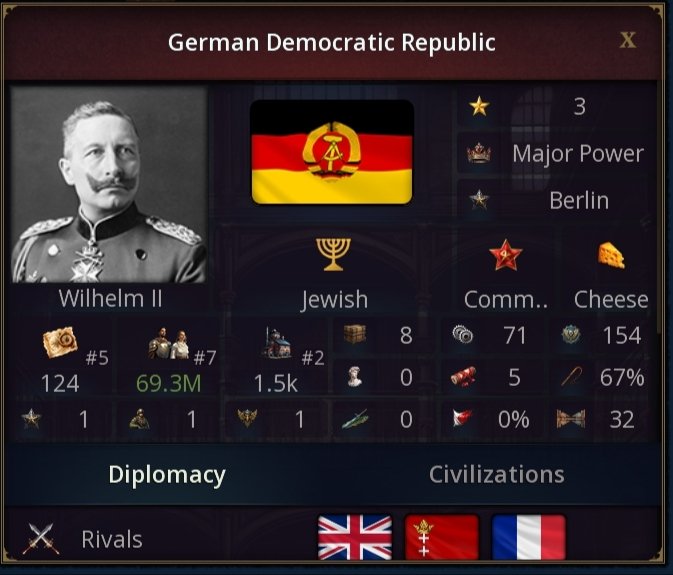
This is the true history that the global elites hid from you
12
38
732
15,895
TThomas TThe Privatized TTank Engine retweeted

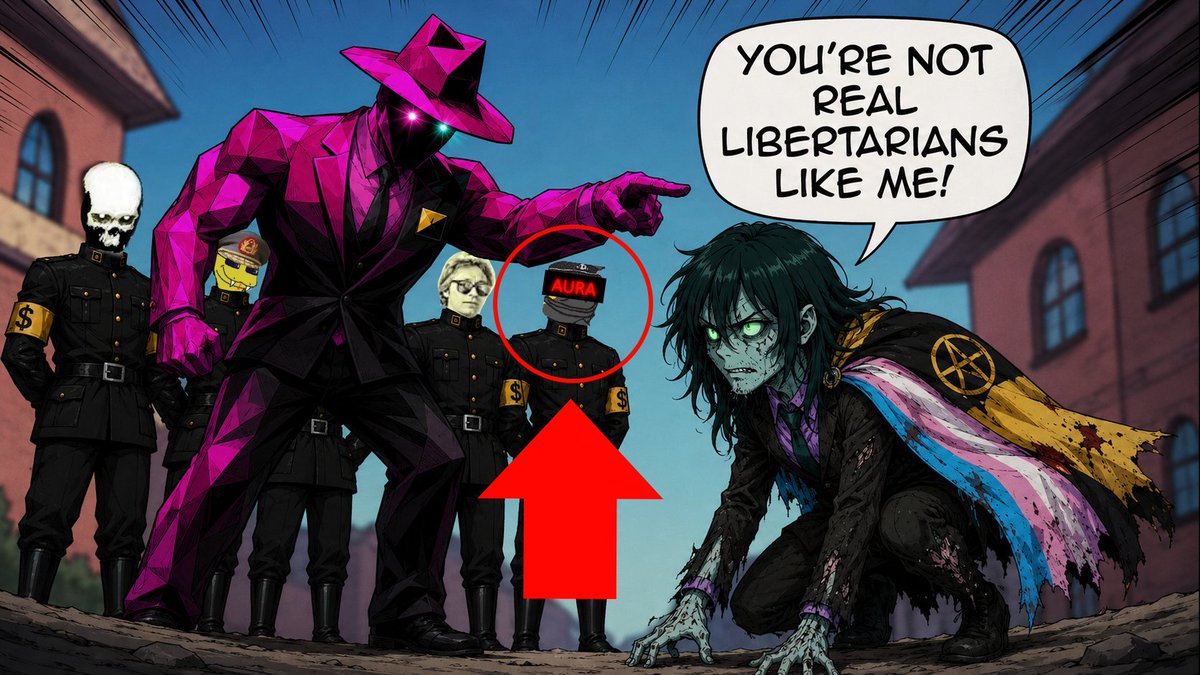
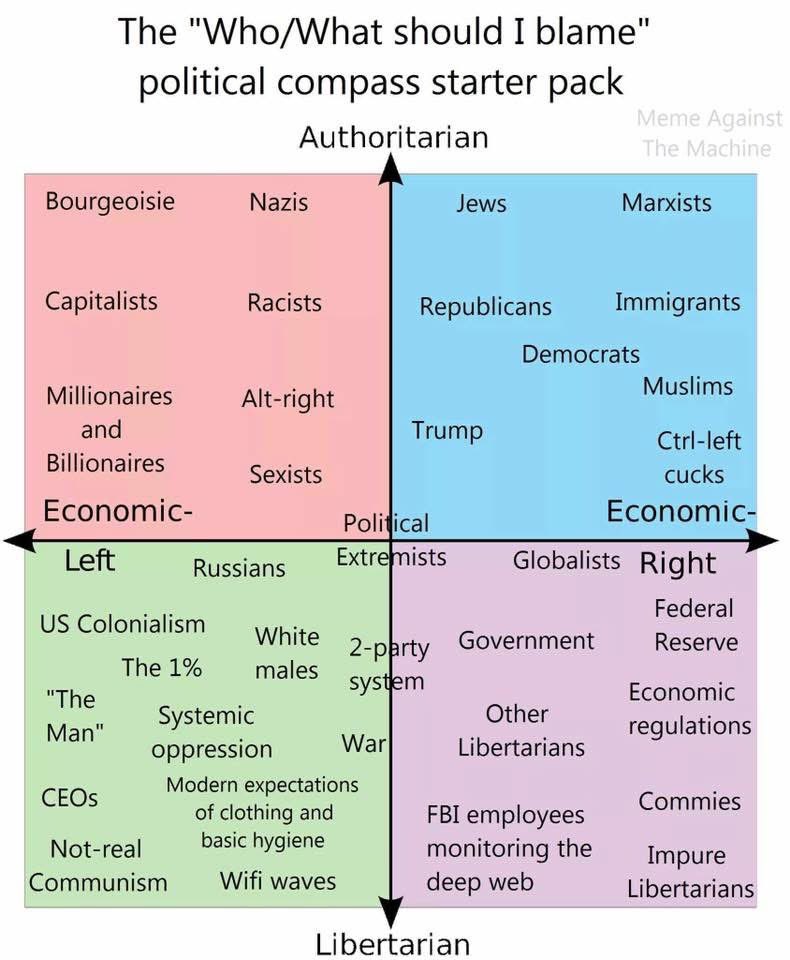
Another classic example of people thinking libertarianism means "no judgement, tolerance for everybody"
1
2
84