
Commodity futures. $CL $WTI $OIL #OOTT -King of typos. theoilreport.substack.com/
Joined March 2008
- Tweets 10,977
- Following 379
- Followers 2,909
- Likes 4,947
1,463 Photos and videos


Pinned Tweet

May 11
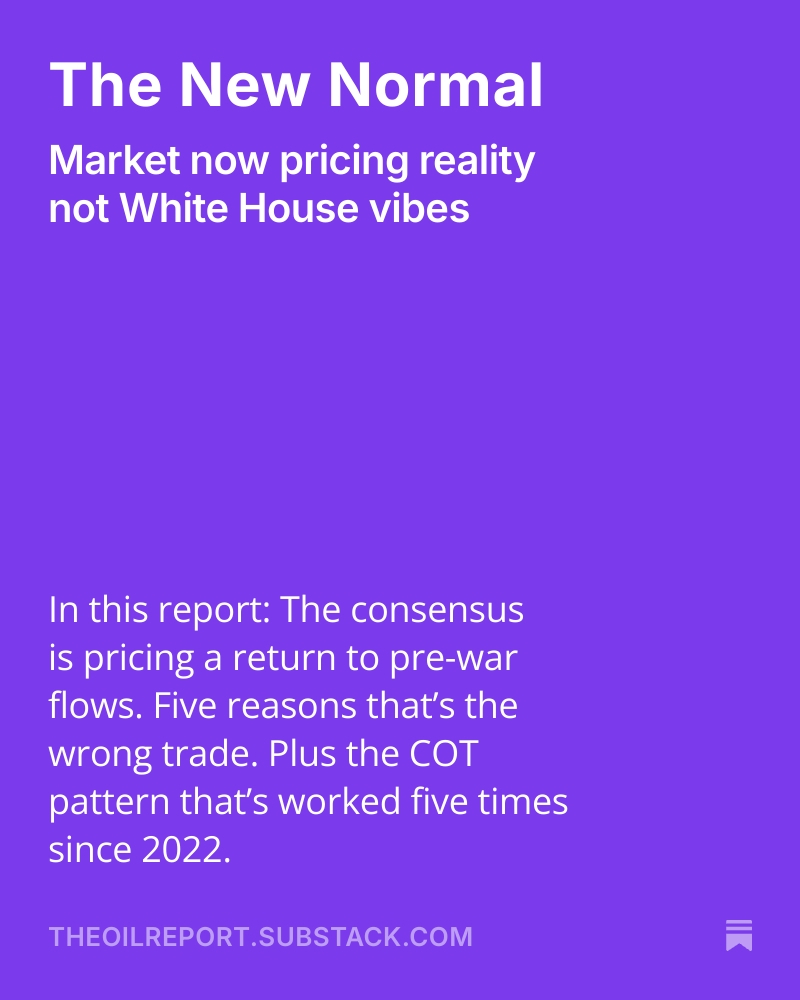
The New Normal: There is a mental model that we will adjust to now, while the market does it for us. The current state IS the new normal, or very close to it. Iran has already set up a state agency to collect tolls in The SOH. The Persian Gulf Strait Authority. News of which has been strangely lacking on any major news channels. You won’t read about this in CNN, FOX etc. Just another cut in the weeping Petrodollar wound. #OOTT theoilreport.substack.com/p/…
1
356


Jun 15
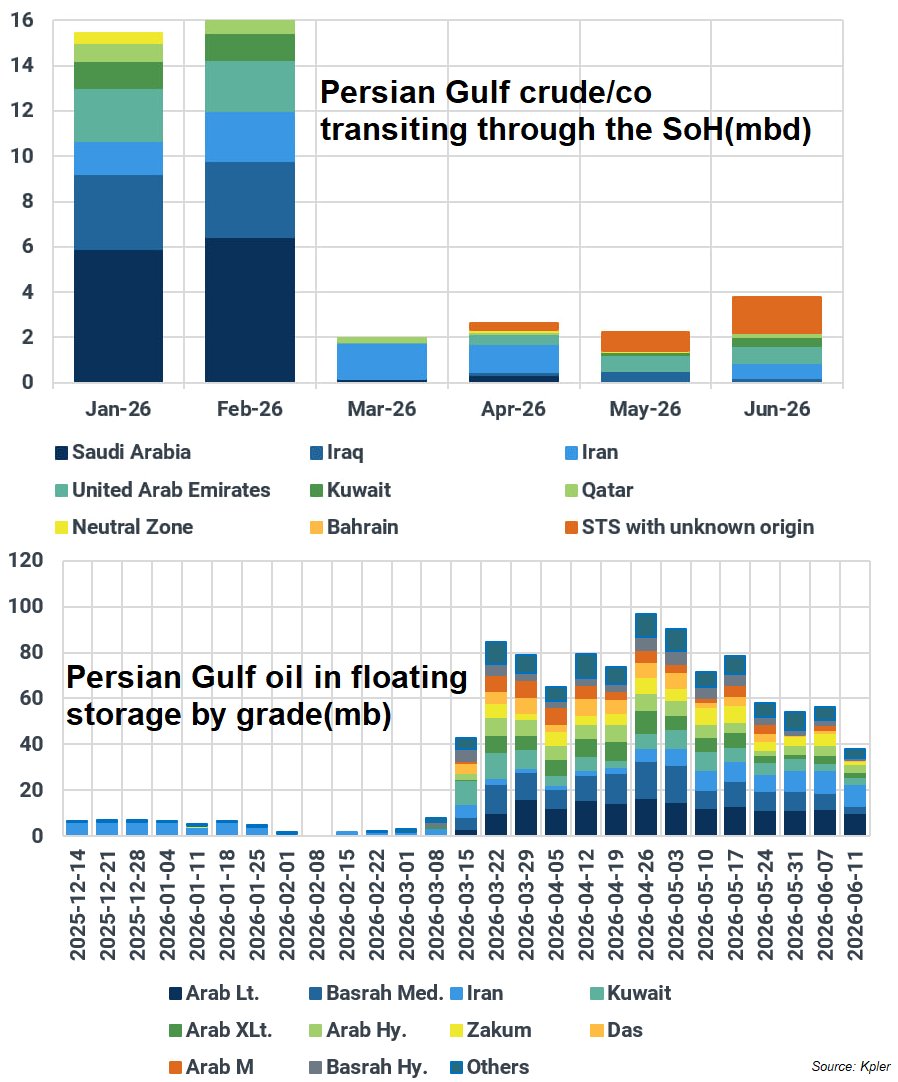
Until China refiners actually show up, we are in a 1.5mb surplus.

Ignore this trolling (“swimming in oil” Blas). There are many questions
Oil was forecast balance this summer and small oversupply before end 2027 deficits pre Iran
Now the big unknowns:
Demand
ME supply
Chinese stockpiling
SPR returns
9
2
15
9,460
Jun 16
A lot of people confused by a 1.5mb surplus and I get it, but the data is clear and there. It is inside this report and is 100% verified as of last Wednesday. theoilreport.substack.com/p/…
222
Tim Duggan retweeted

Jun 15
MAERSK: AT THIS STAGE, THERE ARE NO CHANGES TO OUR OPERATIONS IN THE MIDDLE EAST REGION
18
58
405
73,005

Jun 11
IT IS EMBARRASSING DONALD

Trump: we just made a great settlement of the war in Iran ... the stock market is up 1,000 points, oil will start coming down to even lower than it was before
1
213
Jun 10
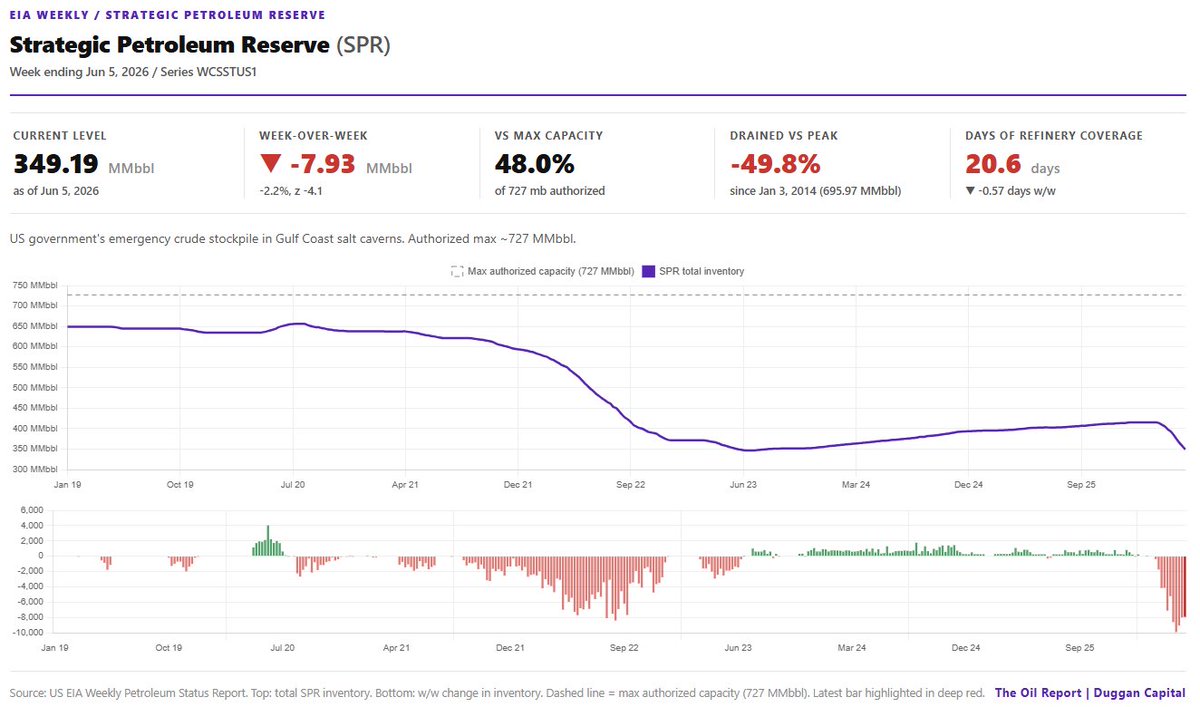
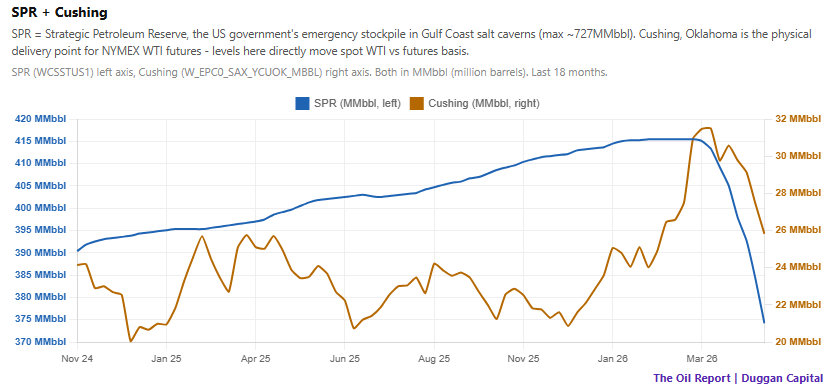
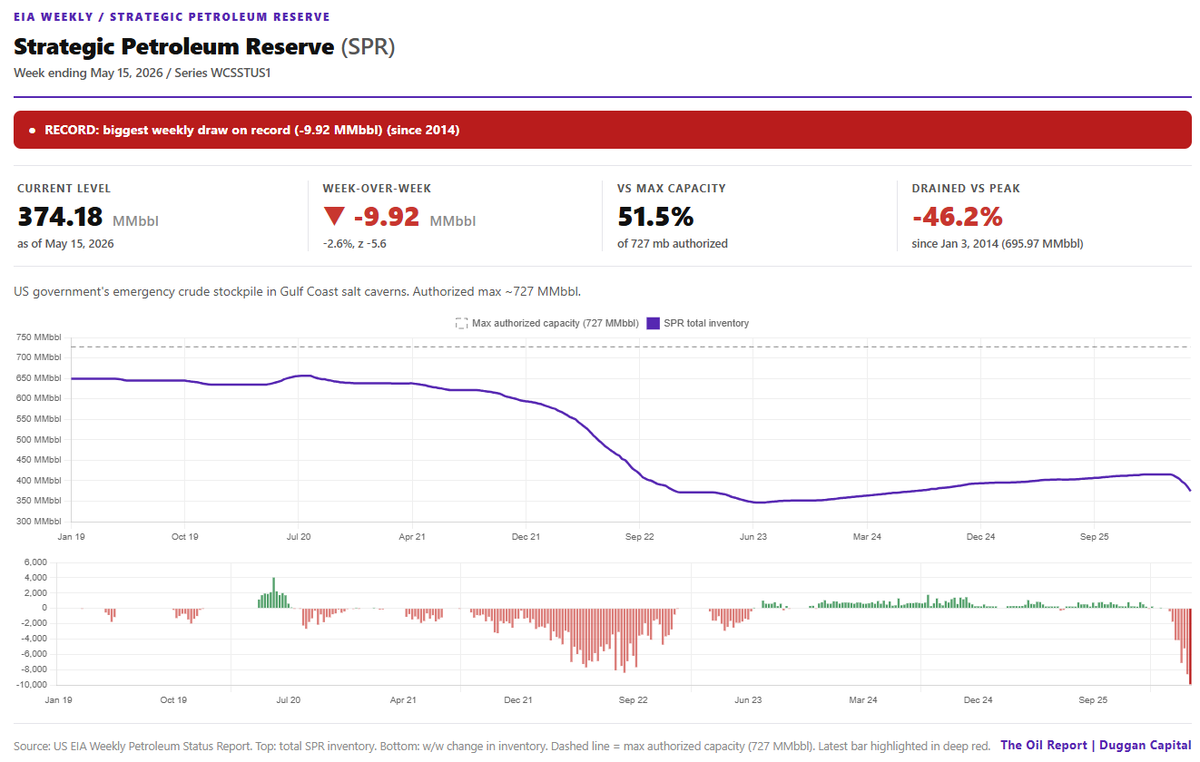
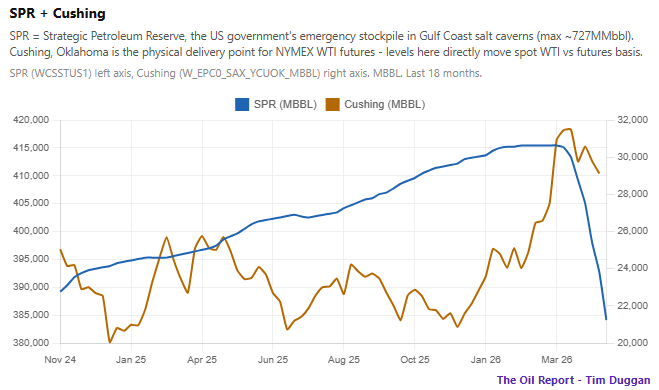
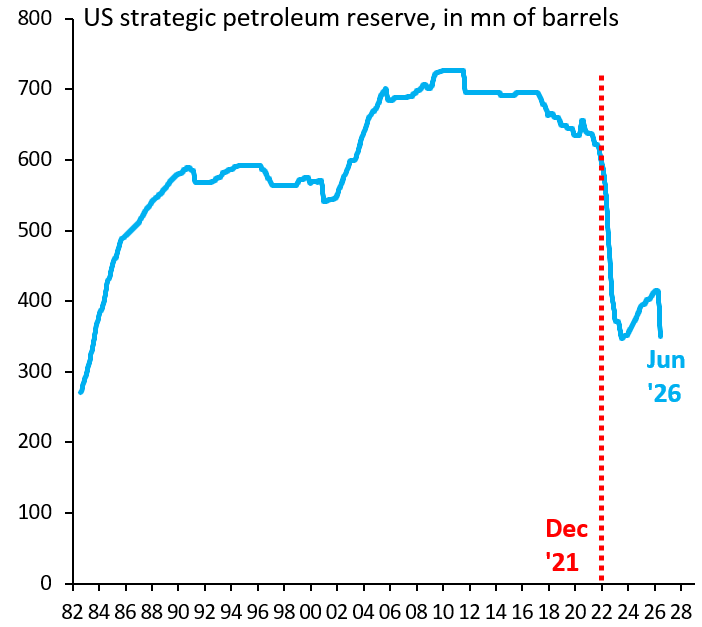
Peeps out here saying that these SPR draws are not as big as 2022......welllll actually....... #oott
Jun 10

Oil bulls make it sound like the SPR is almost out of oil. Two key facts: (i) this emergency release is so far MUCH smaller than in 2022 after Russia's Ukraine invasion; (ii) the SPR is near the lows of 2022, so this is nothing we haven't seen before...
robinjbrooks.substack.com/p/…
1
1
436
Jun 10
Apperentlyu the world is about to end in 48hrs because of the SpaceX IPO. Welp.....its been a blast...
1
152
Jun 10
This is where the uk/ireland is right now.

1
3
215
Jun 10
Congratulations to the Irish government. You fucked around.....and now you find out.

Un grupo armado que se declara a sí mismo como el "NUEVO MOVIMIENTO REPUBLICANO" ha emitido una ADVERTENCIA a los políticos irlandeses "Has INUNDADO nuestras comunidades con HOMBRES DE EDAD MILITAR"
2
180
Jun 10
Looks like they are continuing to deleverage out of Gold to fund this equities train...Ill be waiting at $3500 with the butterfly net #gold
1
157
Jun 9
I think now is as good a time as any to say this.
But the world is not ready for what is about to hit over the next 8 weeks. Energy access (fossil) is about to get restricted like society has NEVER experienced.
1
167
Jun 9
Jun 8

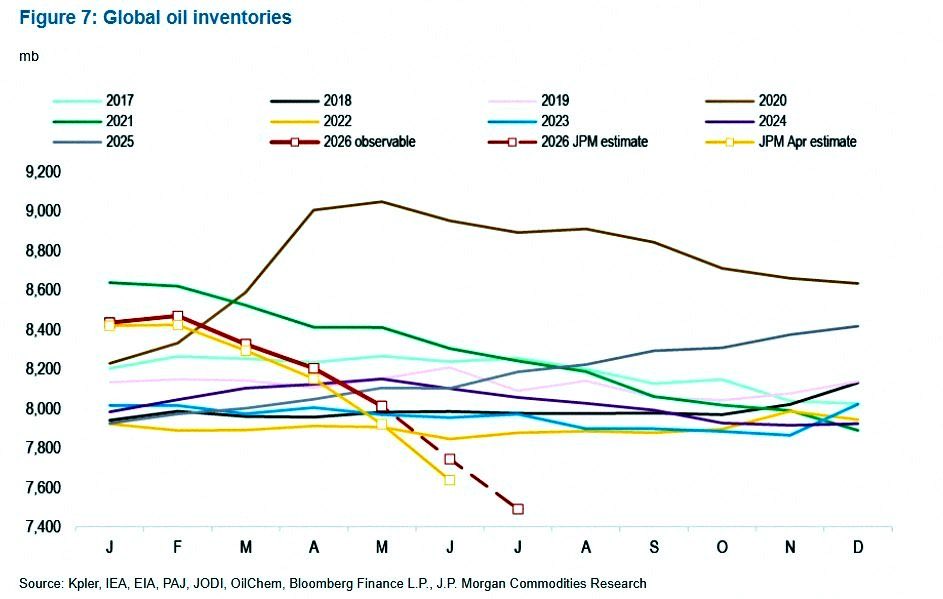
JPMorgan just drew a line no analyst wants to talk about.
Global oil inventories collapsing to 7,450 mb by July 2026.
Lower than every single year since 2017.
One question: Are you positioned for what comes next? 👇
156
Jun 8
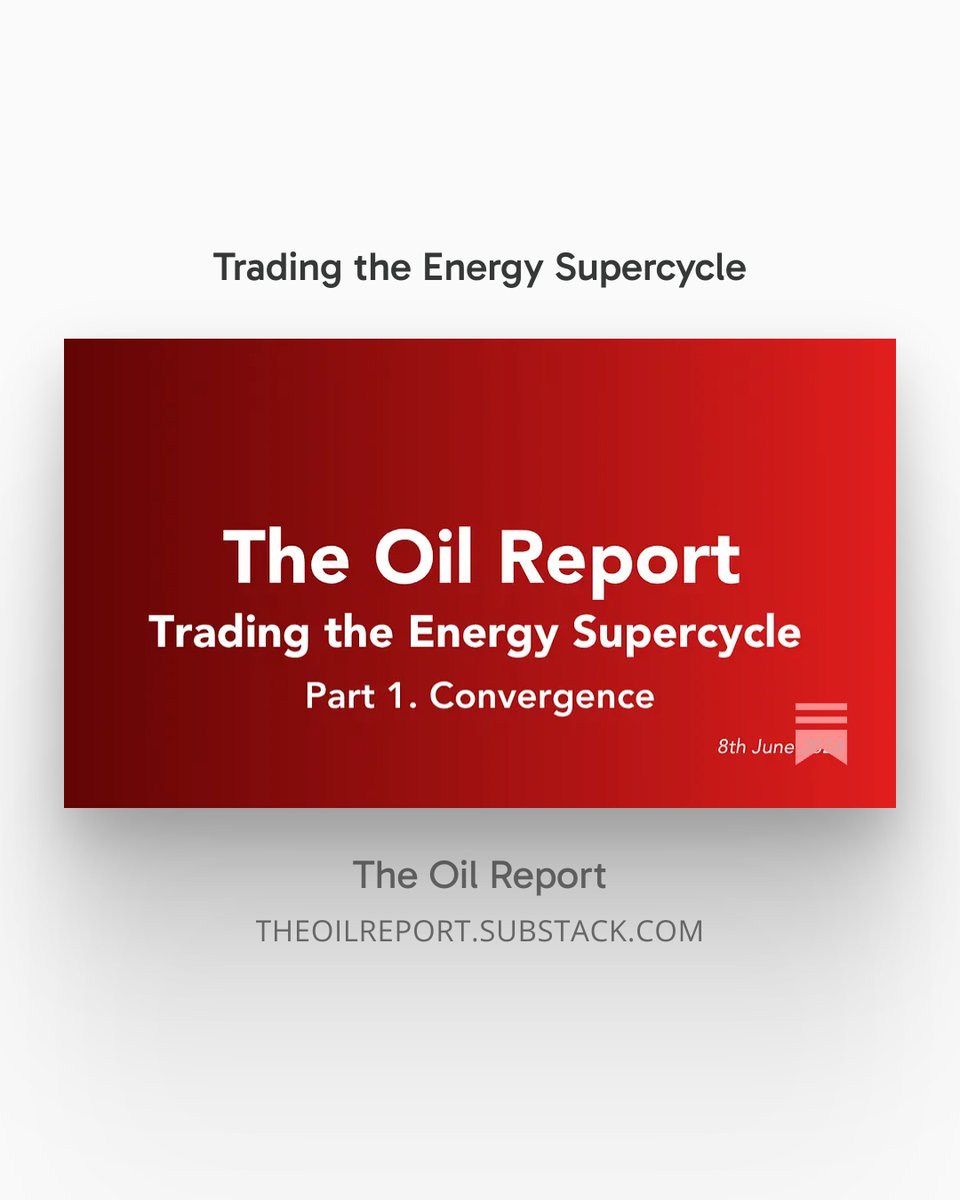
Trading the Energy Supercycle: Part 1. The Convergence:
Oil Capex Falls 55% as AI Drives Electricity Demand | Energy Supercycle Part 1. #OOTT
theoilreport.substack.com/p/…
2
361
Tim Duggan retweeted

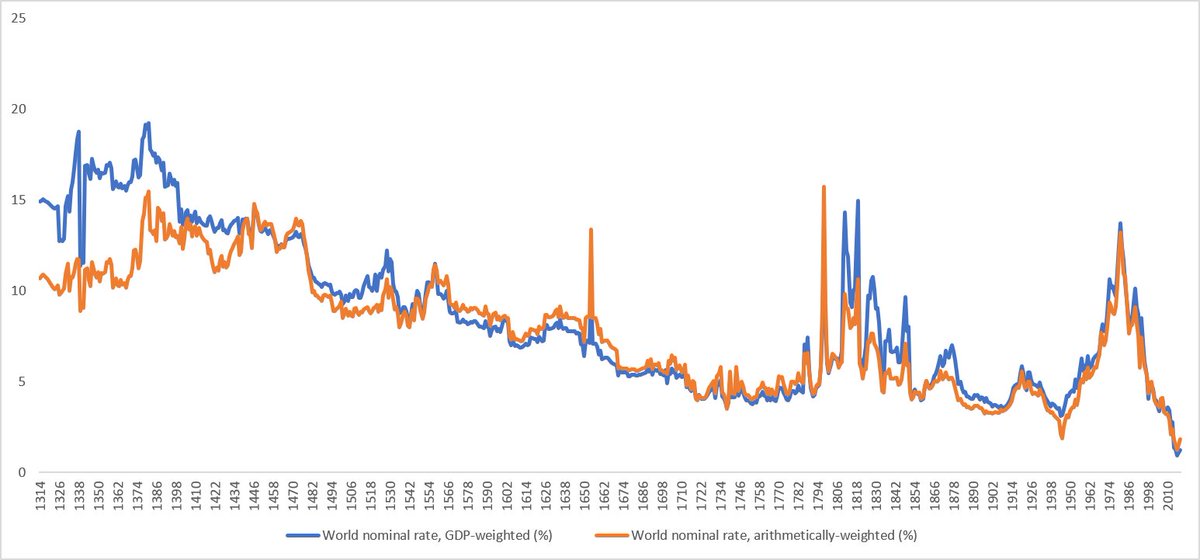
Very, very cool long term time series on interest rates going back several hundred years from the BoE.
Bravo!
4
9
42
4,730

Jun 5
DO NOT BRING THIS FINCH HORSE SHIT AROUND HERE EVER AGAIN
FITCH FORECASTS OIL MARKET TO FACE OVERSUPPLY STARTING SEPTEMBER 2026, WITH GLOBAL OIL SUPPLY EXPECTED TO OUTPACE DEMAND FOR THE YEAR ON AVERAGE.
158
Tim Duggan retweeted

Jeff Currie, former Goldman Sachs head of commodities and now at Kalo writing research, is watching a physical supply shock in the commodities market.
This is a tale of two markets.
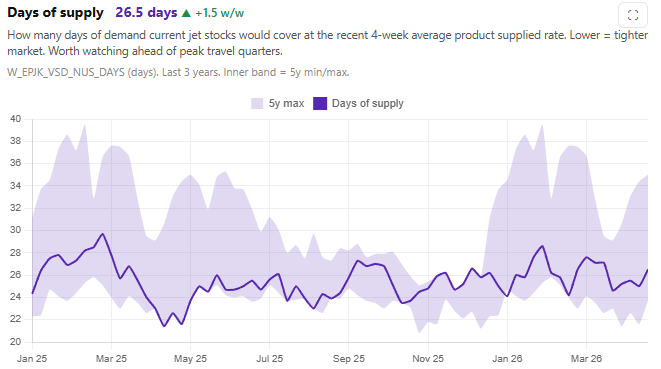
Paper crude oil was sitting around $100 a barrel while physical crude being delivered into Asia was trading between $130-$170. Products like jet fuel were spiraling above $200.
The spread between paper and physical has completely disconnected.
On the physical side: a discount airline out of London Gatwick canceled all flights because they couldn't source fuel. The UK just took its last known kerosene shipment with no further arrivals scheduled. Singapore jet fuel spiked to $230 a barrel. Rotterdam hit $220. The shortage is now in Thailand, Philippines, New Zealand and Australia.
Currie called it "molecular contagion."
And here's the critical point: there is no policy fix for this. The supply shock is roughly equal in magnitude to the COVID demand shock. And we all watched what COVID did to global supply chains.
Currie's framing: the paper markets have disconnected from reality. When crude is trading at $100 on NYMEX but delivering into Asia at $130-170, someone is wrong. He thinks it's the paper market.
The mispricing window doesn't stay open forever.
For macro investors, this is exactly the kind of dislocation between financial prices and real-world supply chains that historically creates the biggest moves.
41
151
663
101,980