I know it when I see it |❤️🔥🩸✍️ @ Tiny Revolutions | fool @angelcityzen
Joined April 2007
- Tweets 18,328
- Following 658
- Followers 2,306
- Likes 33,477
882 Photos and videos


Pinned Tweet

Mar 15
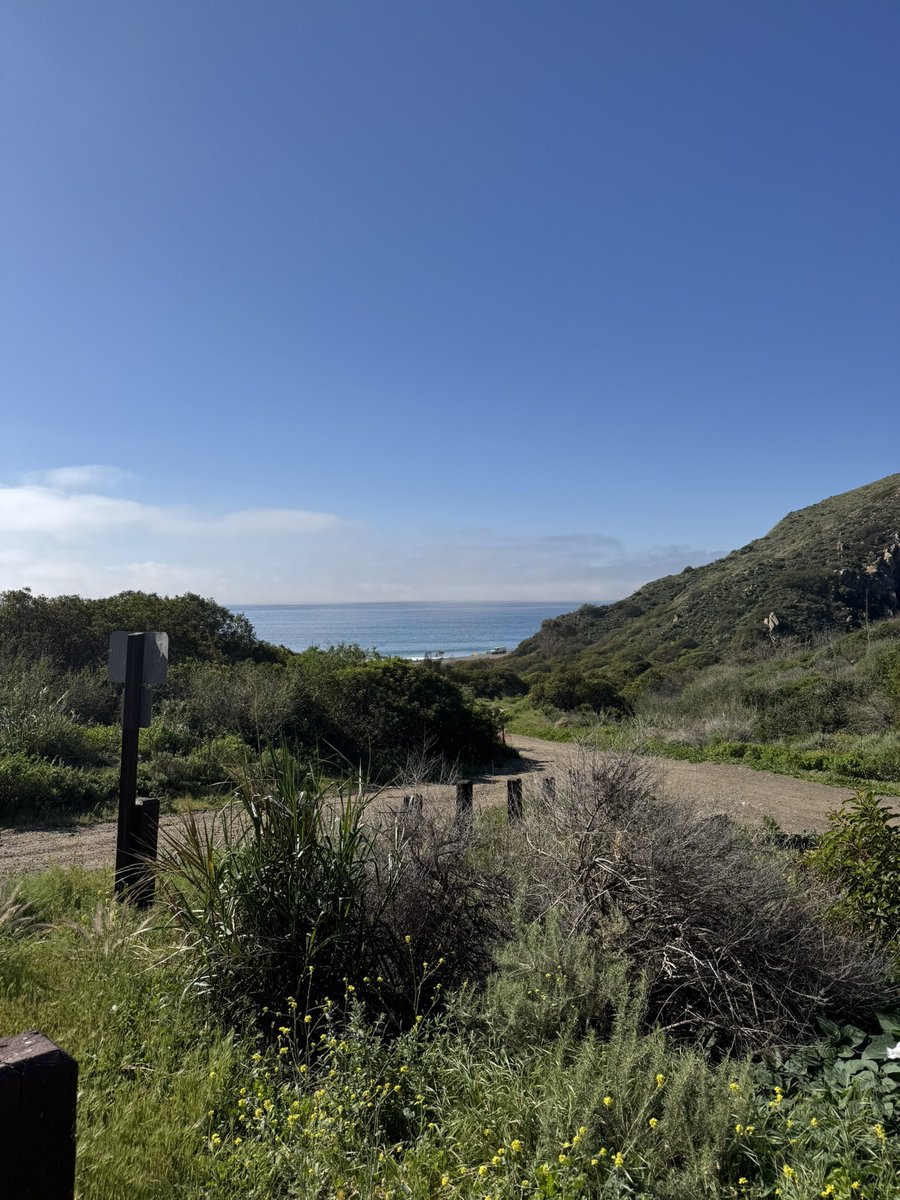
We're hosting Angel City Zen Center's first ever camping retreat in Malibu in June. Wanna come sit with us to the sound of the waves, eat meals cooked over an open fire, and spend breaks at the beach? Super affordable for max accessibility. Join us!
https://
aczc.org/retreat
1
6
2,403
Jun 8
Delighted to have matured into a woman who can summon a man with a heavy duty angle grinder to cut a c02 tank for me at a moment’s notice
10
321
Jun 7
They do

3
108
Jun 7
Every year I consistently sit zazen I become more based and unwilling to suffer fools
Living my best life here
Very tired tho
1
4
155

May 26
Rode the train in central Tokyo at rush hour this morning and saw multiple people looking at Twitter
Real warm fuzzy
1
96
May 19
Am at the end of my second Zen training intensive (three month ango) and once again my body, heart, and mind have been stretched and widened in ways i didn't know were possible.
I'm gonna lead a group through the Artist's Way this summer to unpack and express it. Get on real good terms with my demons. LMK if you'd like to join, prolly start in July.
1
7
209
May 4
Stayed up way past my bedtime last night listening to favorite old records with my best headphones on and it was pure delight
4
112
May 4
Reading things on here makes me wonder if there are still young people who care more about art than money, or if getting the bag just supercedes everything these days
1
1
2
216
Sara Campbell retweeted

17 Feb 2021
When God sings with his creations, will a turtle not be part of the choir?
192
9,289
62,043
Apr 30
Why is it that the people with the most tenuous grip on reality always seem to become real estate agents?
1
2
110
Apr 23
Just realized that yesterday was three years since I last had a drink. Time flies when you never worry about hangxiety again.
4
109
Apr 21
I've been watching Frieren in my (very limited) free time, and basically all I want to do is watch Frieren all the time. It's SO GOOD.
3
3
191

Apr 19
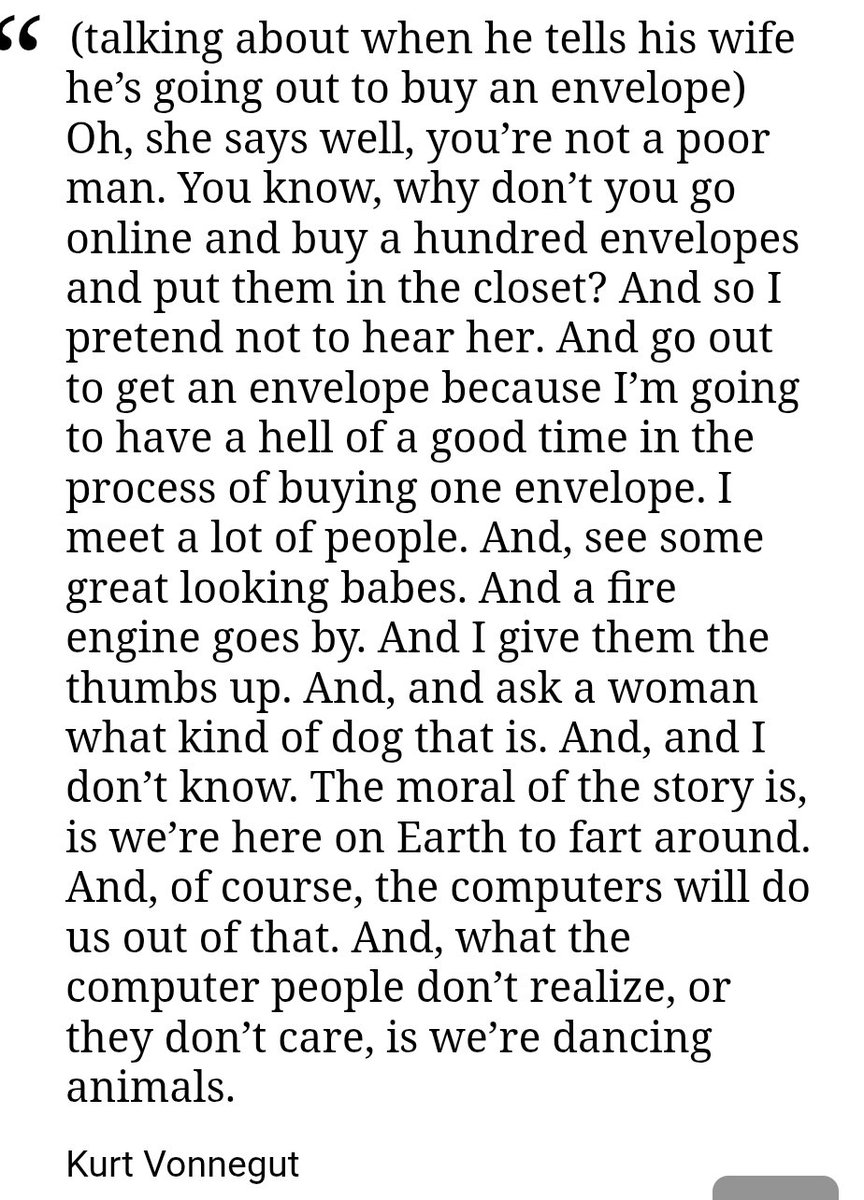
Been thinking a lot about why I don’t like to come to twitter much anymore. It’s been clear for a while that my remaining interest in social media platforms is based on three fundamental things:
1. I like to know what’s in the zeitgeist. The primary places that get my attention, twitter and substack, are places where ideas rip through at a rapid pace. This scratches a deep need for novelty and understanding of the human condition and its undying will to move forward. I find it fascinating, I always will.
2. Despite neither of these platforms being the most relational (they’re pointedly not Facebook and Instagram, which don’t interest me at all), I do value the connections I’ve made here, because they’re with other people who are following these human themes. My kindred spirits.
3. My deep love of silliness and play. I love a jester, a person who is moving through life thoughtfully but lightly, aware of the darkness, willing to acknowledge it, but not giving it undue weight. There’s a dance in that that is evidence of a sophisticated mind at work, and I respect and admire the hell out of it. Twitter is a brilliant platform for a jester poaster because of its by-the-minute feel, and the best days on here are when something big happens that spawns a million hilarious riffs on it.
I still get all of these things to some degree, and that’s what keeps me here to the extent that I am. But what is actively ruining it for me is the profound mismatch between the dominant narratives that hold sway and the reality on the ground. In my corner of twitter, which I recognize is different for everyone, men and women hate each other and harbor deep wells of suspicion about even the most normal interactions; AI is going to ruin all of our lives; anyone who doesn’t vote the way you do is evil and needs to be eliminated, etc.
There are many more of these us vs them narratives, obviously, I’m just so tired of seeing them because I look around and see people working things out all the time. That’s the true human story. Consistently surmounting the insurmountable, working together to move through conflict, persevering against all odds.
Anyway, the pope said it better than me here. Amen, Mr Pontifex. This is madness.
Apr 17

When simulation becomes the norm, it weakens the human capacity for discernment. As a result, our social bonds close in upon themselves, forming self-referential circuits that no longer expose us to reality. We thus come to live within bubbles, impermeable to one another. Feeling threatened by anyone who is different, we grow unaccustomed to encounter and dialogue. In this way, polarization, conflict, fear and violence spread. What is at stake is not merely the risk of error, but a transformation in our very relationship with truth.
5
164
Apr 19
me and who
Apr 17

Dancing Jester-Style for a goth chick dressed up as a witch would fix me
1
93