
Joined November 2022
- Tweets 495
- Following 1
- Followers 3,603
- Likes 507
75 Photos and videos









$1200 too much for a Vivado license?
How about:
$0 - Yosys
$0 - nextpnr
$0 - OpenROAD
$30 -Subnautica 2
$30 - Blahaj
$180 - Glasgow interface explorer from @crowd_supply
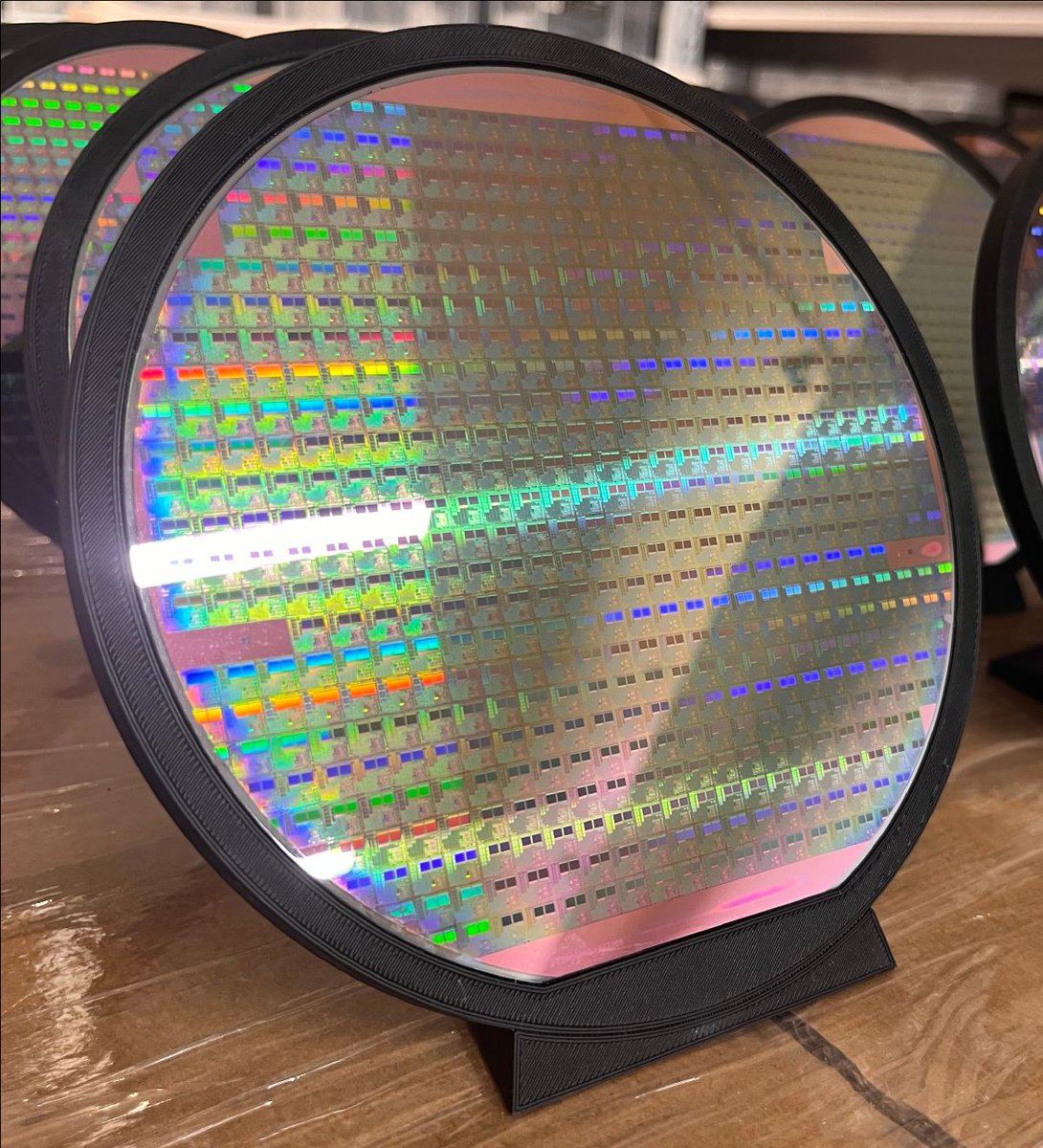
$950 -160kum^2 of Sky130 silicon ASIC from @tinytapeout
#opensource #FPGA #ASIC
1
18
80
9,009
Tiny Tapeout retweeted

May 24
What makes me most proud is that something like this probably never existed before under these constraints. Maybe being a bit crazy made it possible.
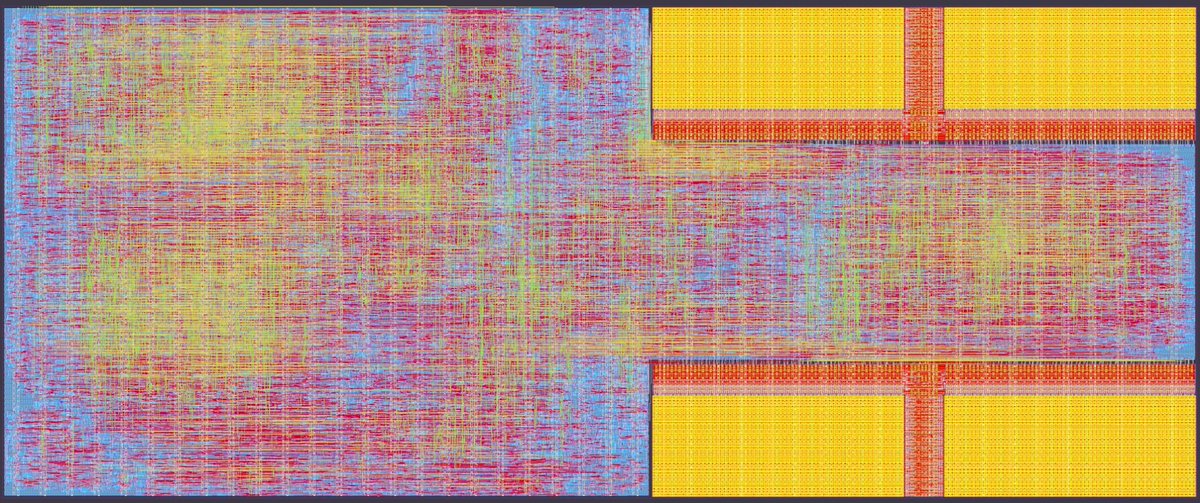
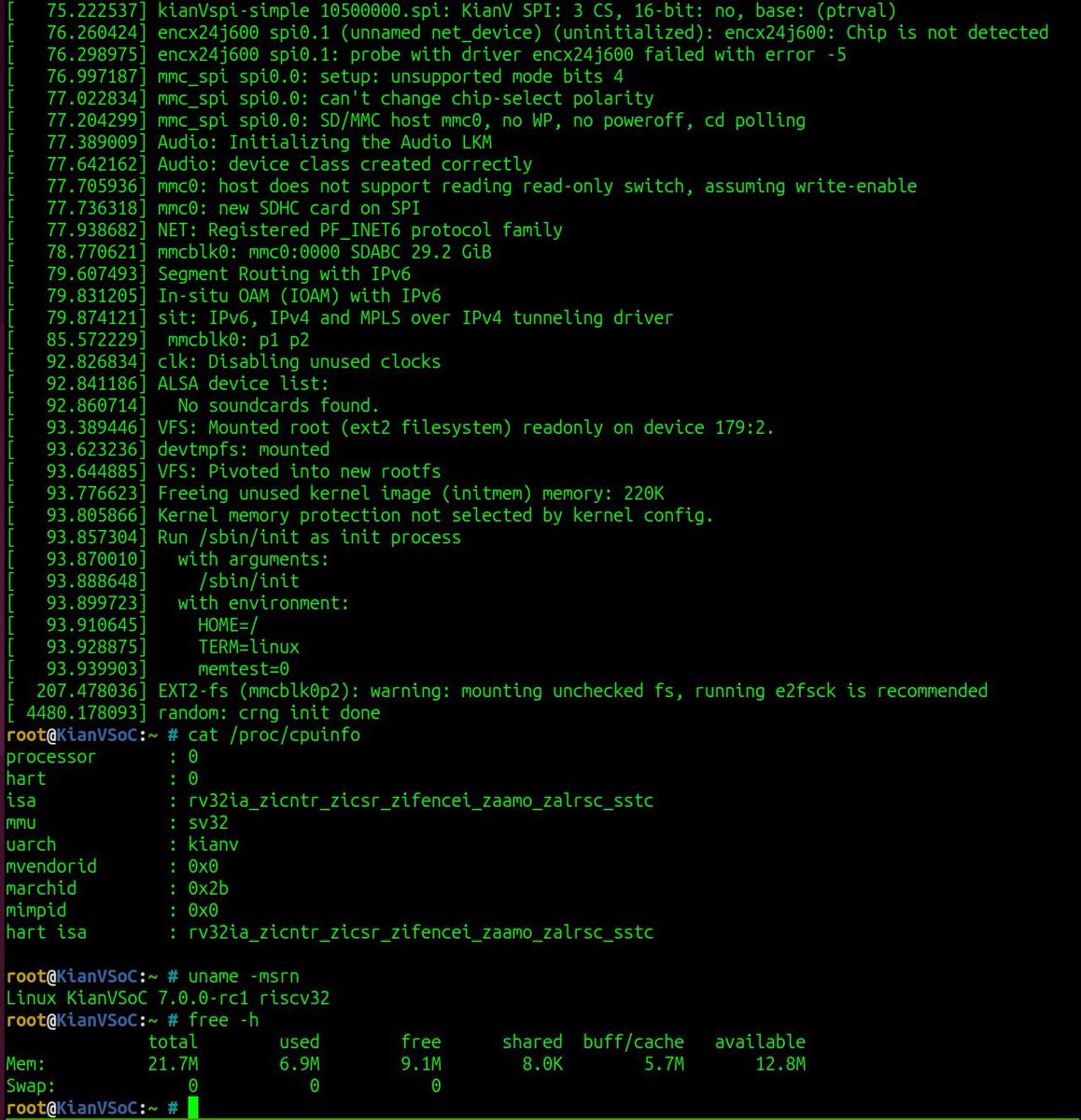
A Linux capable RISC V SoC with an Sv32 MMU implemented as a real ASIC on @tinytapeout (8×4 tiles) using the IHP Leibniz Institute for High Performance Microelectronics PDK, capable of running xv6, µLinux (noMMU), and booting mainline Linux including Linux 7.0.
External BootROM over a shared SPI bus also used for an SD card, Ethernet controller with IPv4 and IPv6, and other SPI devices. Runs from external PSRAM in full clock mode with two 512 line caches for instructions and data plus TLBs. Performance roughly comparable to Unix workstations from the late 80s and early 90s.
The chip was built in a 130 nm process on 1.7 mm × 0.7 mm of silicon with more than two meters of wiring. CPU core and SoC were designed completely from scratch. ASIC integration was done independently during one vacation week based on my own design.
I work professionally as an embedded/Linux developer and have pursued logic design as a hobby for about five years. Some ASICs even got taped out.
Thanks to @UriShaked for help with ASIC integration, Leo Moser for advice on ASIC-related questions, and @matthewvenn for making this possible through TinyTapeout.
5
21
176
4,855

May 22
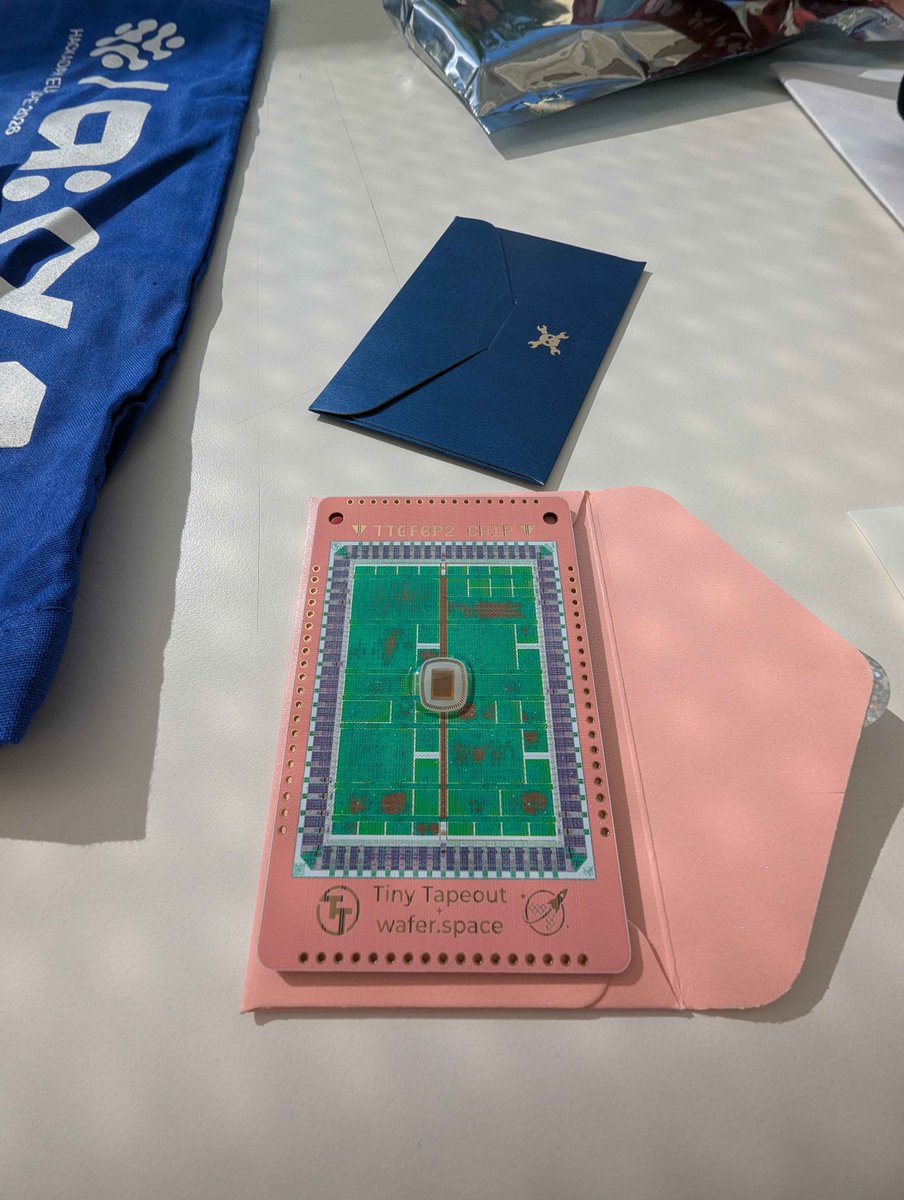
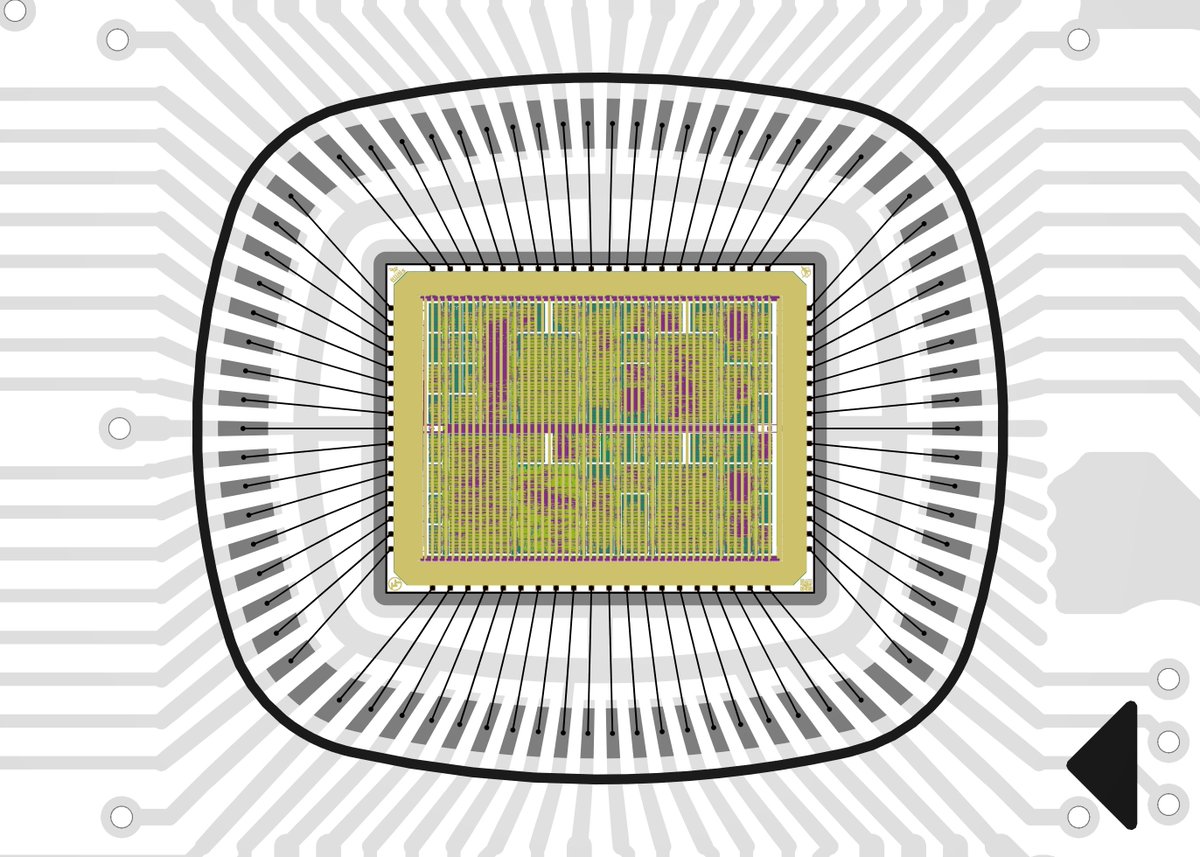
Last weekend saw another world first for Tiny Tapeout - custom silicon conference swag!
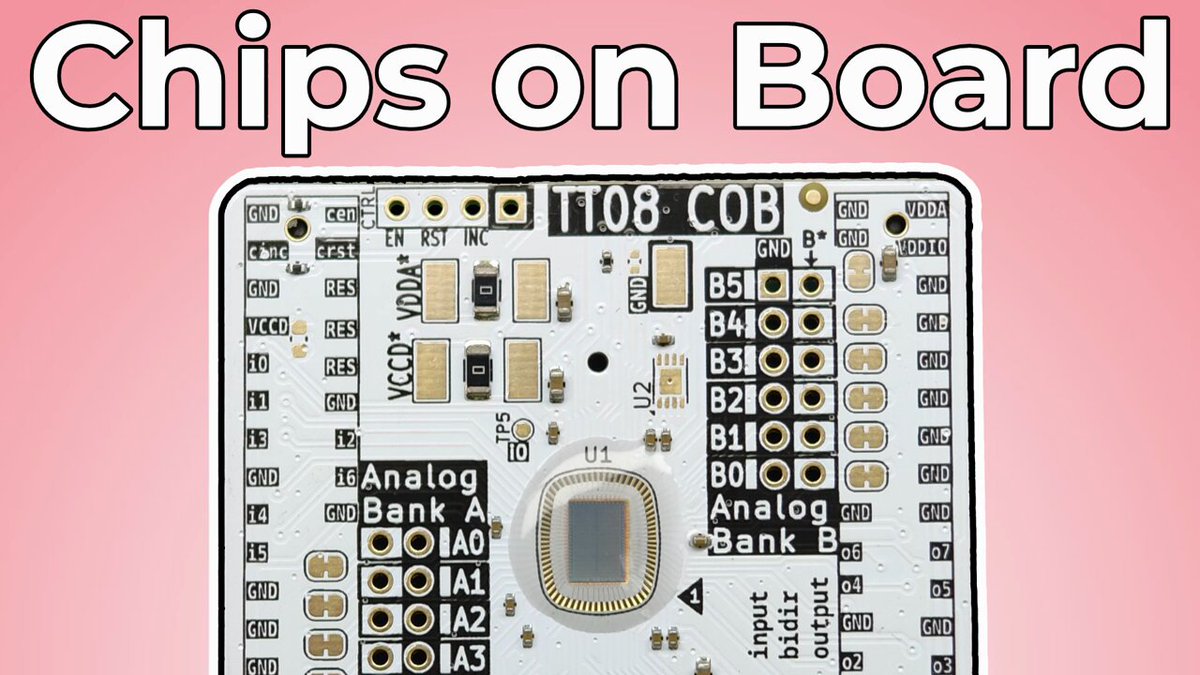
At @hackaday in beautiful Lecco, we gave out 160 of these lovely chip on board business cards. Each one features a wafer.space die, wire bonded onto a PCB.
1
2
22
1,258
Tiny Tapeout retweeted

May 12
5 years ago my first ever chip had a deadly error. This is the video I couldn’t make then - join me at 18:00 CEST for the premiere!
youtube.com/watch?v=plcgYPm3…
1
6
30
3,527
Tiny Tapeout retweeted

May 11
I had a sneak peak at this video, it's very cool!
FIB is such a cool technique to allow editing of live chips
May 8

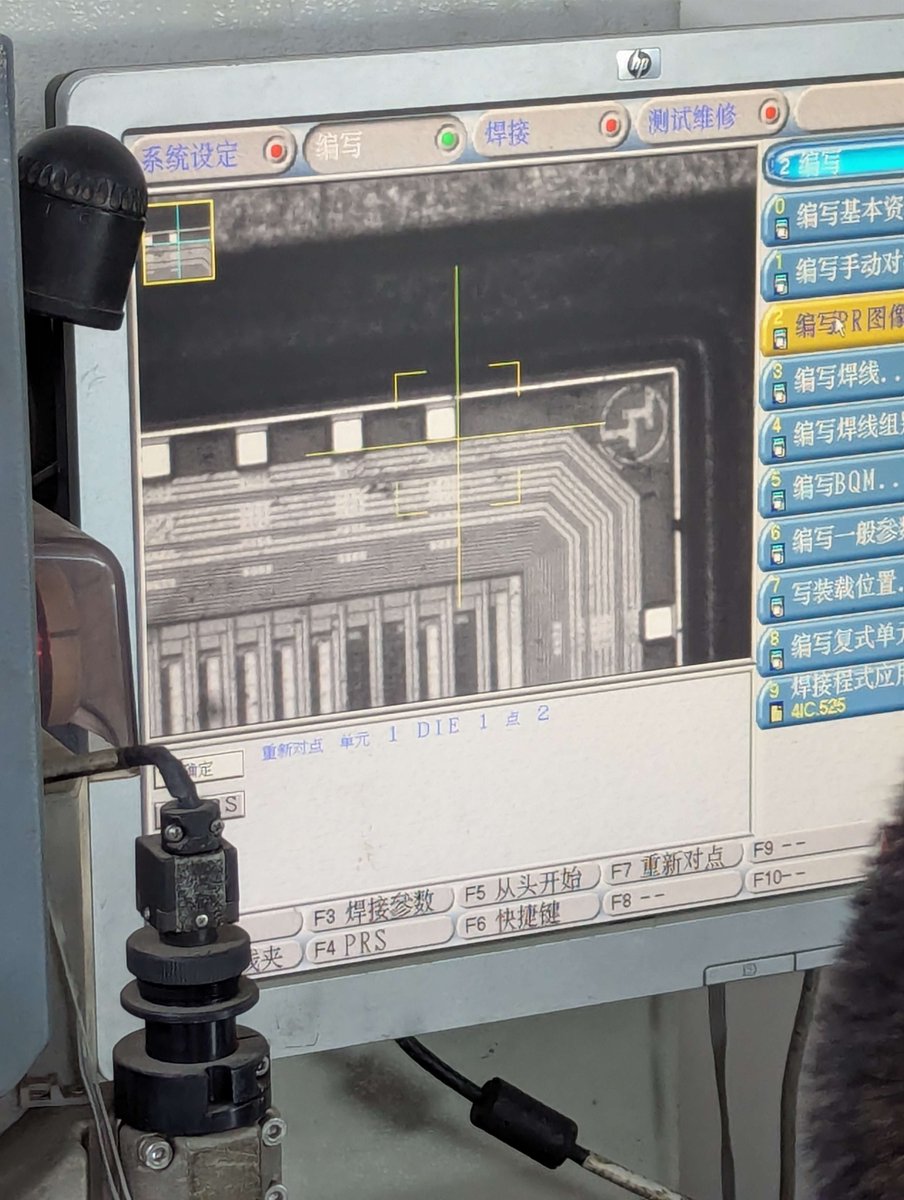
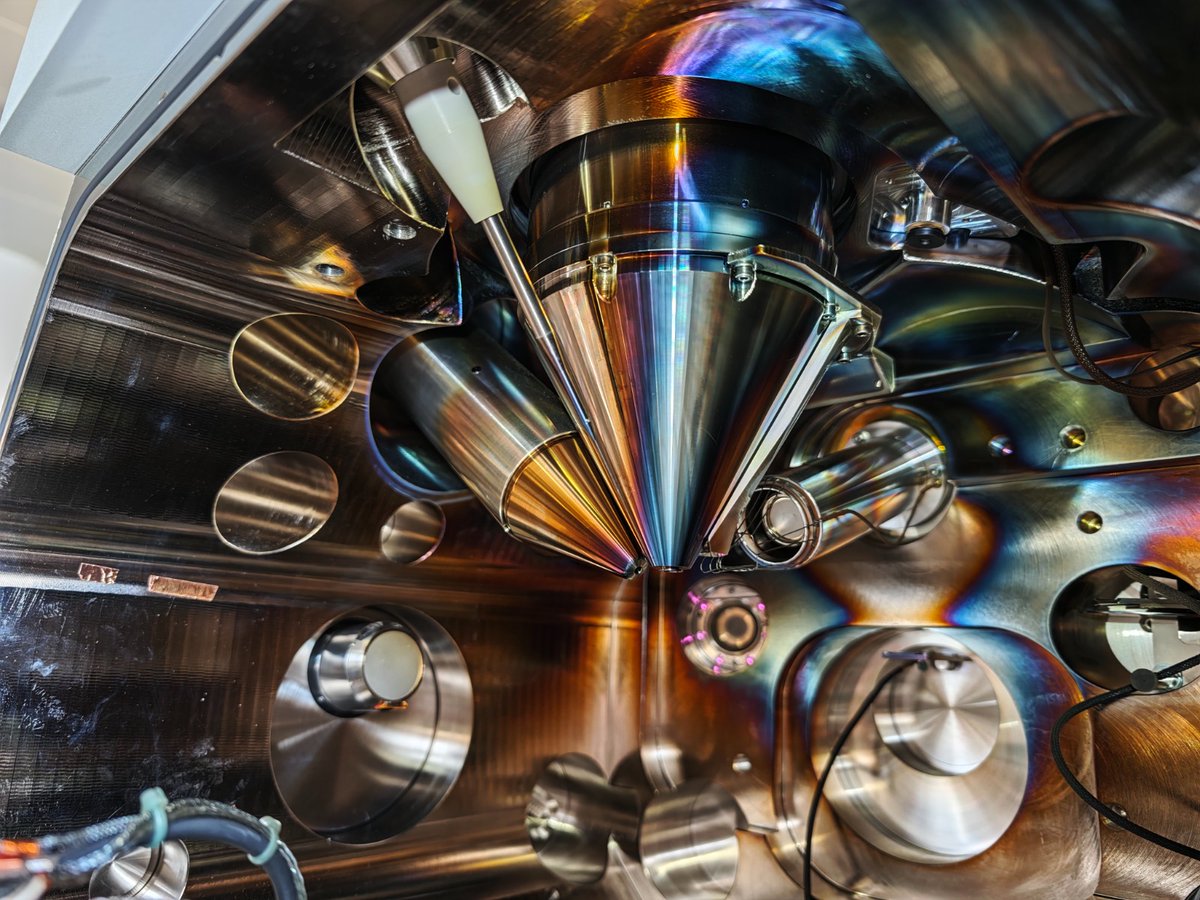
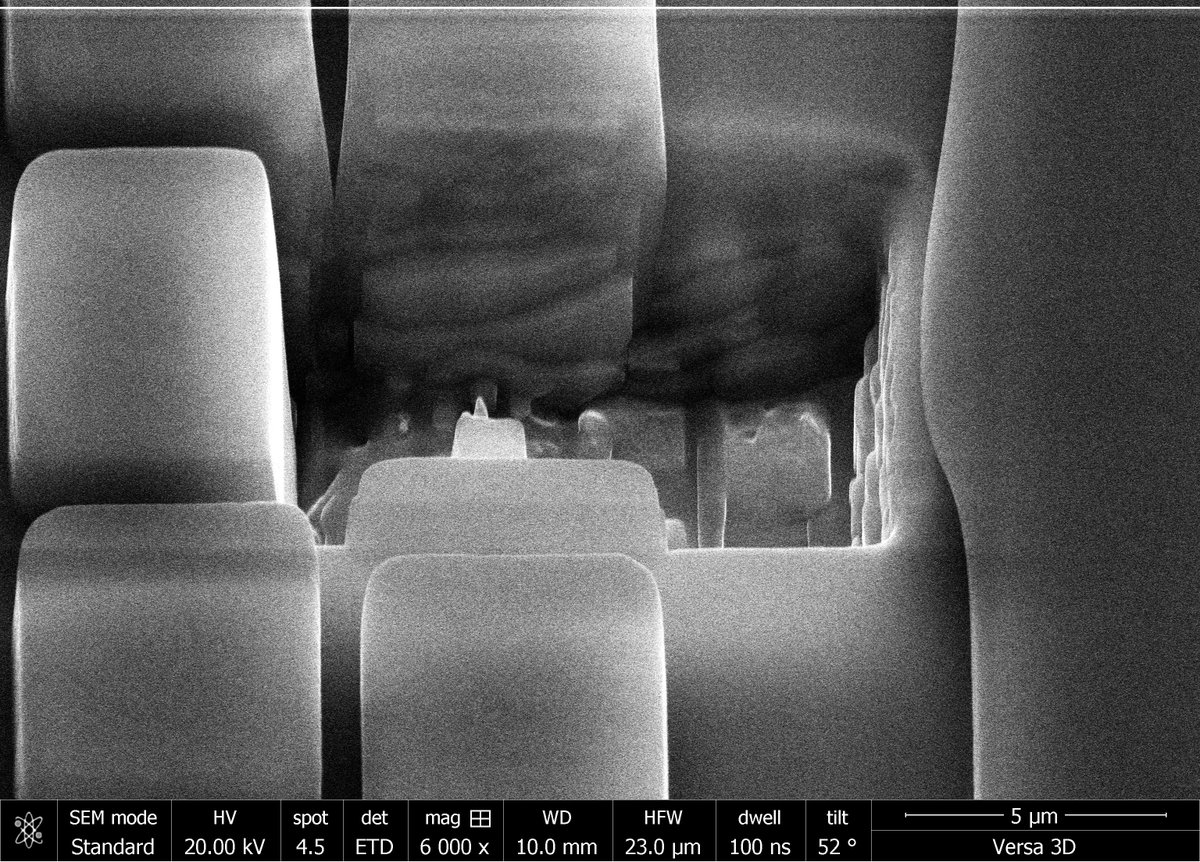
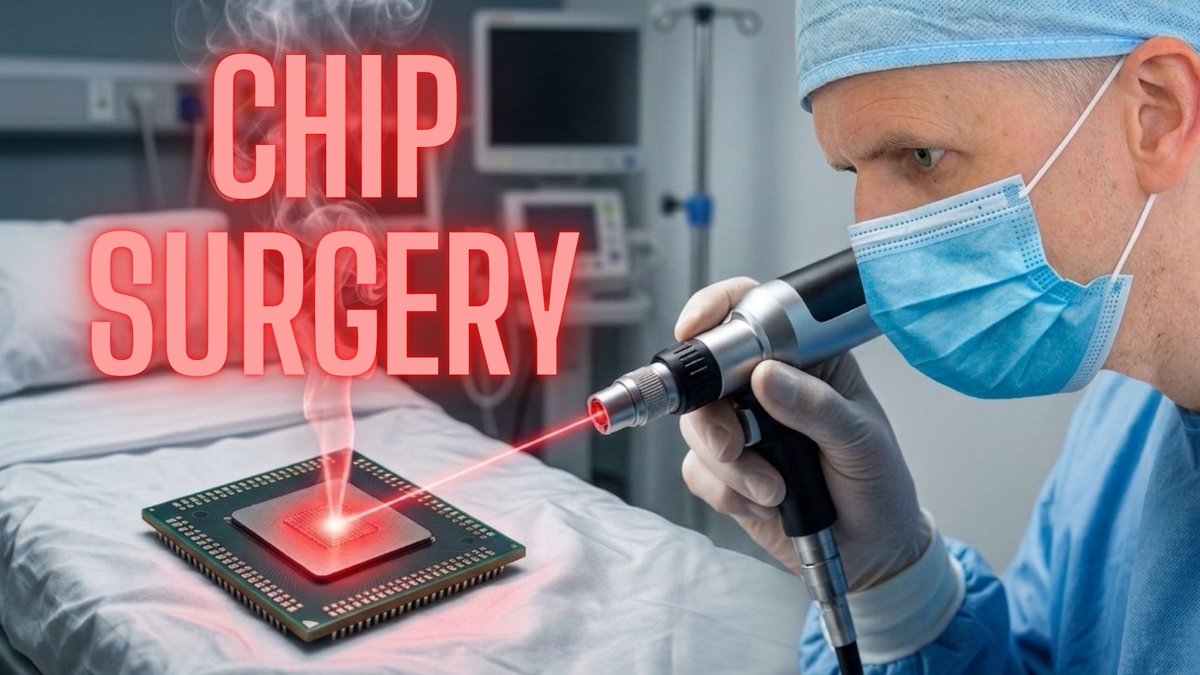
We cut a microscopic wire inside a chip with an ion beam, then brought it back to life with platinum gas!
My latest video is a collaboration with @Zeptobars, and I’m releasing it as a Youtube premiere at 18:00 CEST on Tuesday 12th May.
youtube.com/watch?v=plcgYPm3…
4
29
2,927
Tiny Tapeout retweeted

Apr 30
Fresh and custom silicon day! 😍
This is a multicore riscv soc design based on @OlofKindgren's serv processor core.
Based on GF180MCU PDK, and fabricated through wafer.space 🚀
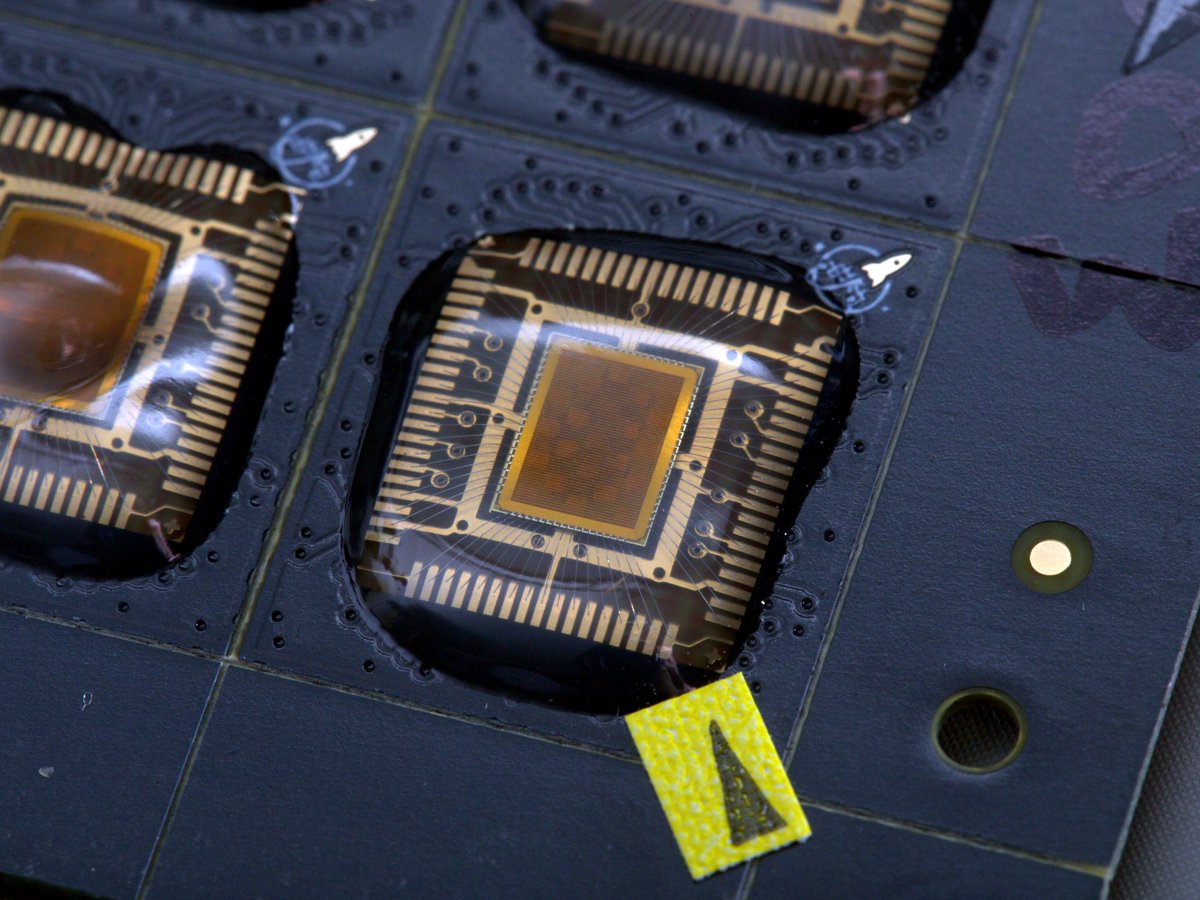
ALT wafer.space chips populated in a COB carrier PCB.
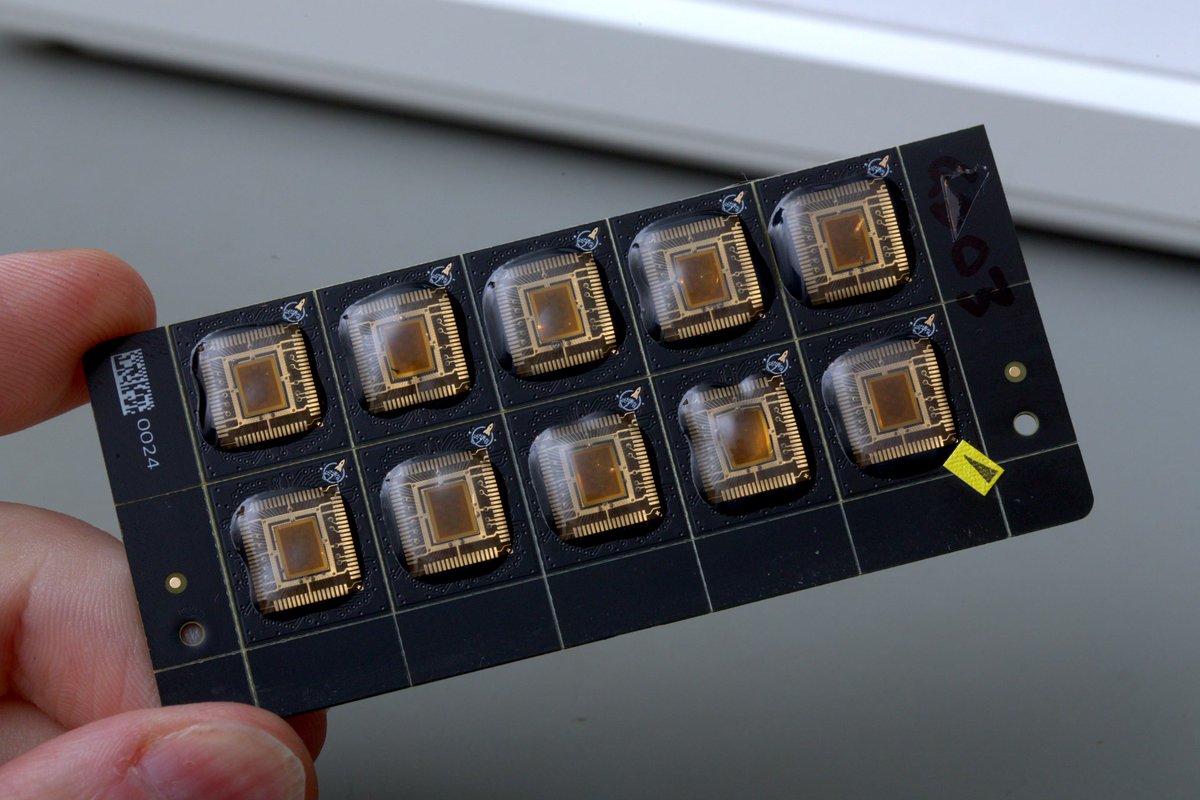
ALT wafer.space chips populated in a COB carrier PCB.
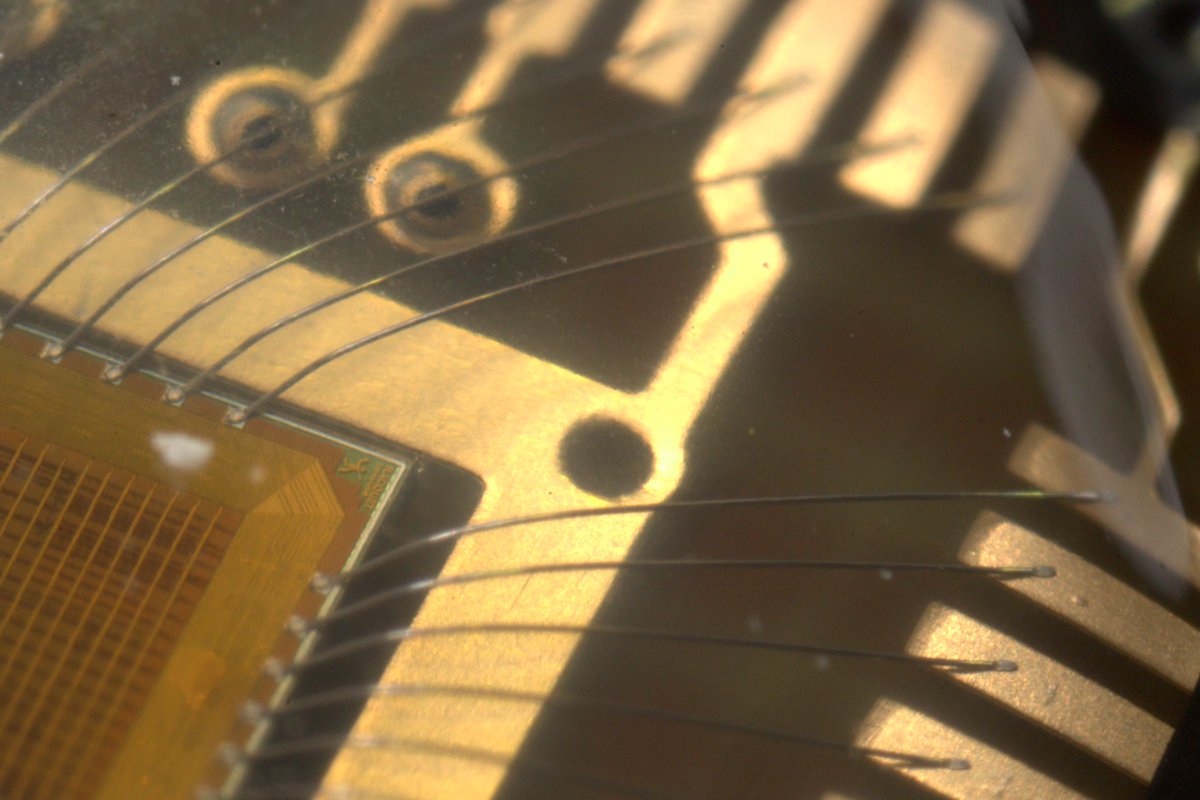
ALT wafer.space chips populated in a COB carrier PCB.
2
22
175
8,578
Tiny Tapeout retweeted
May 4
Corner is the #ASIC terminology of the week!
zerotoasiccourse.com/termino…
In the last month, Corner has been the 5th most popular out of 42 terms.
2
20
1,662
May 9
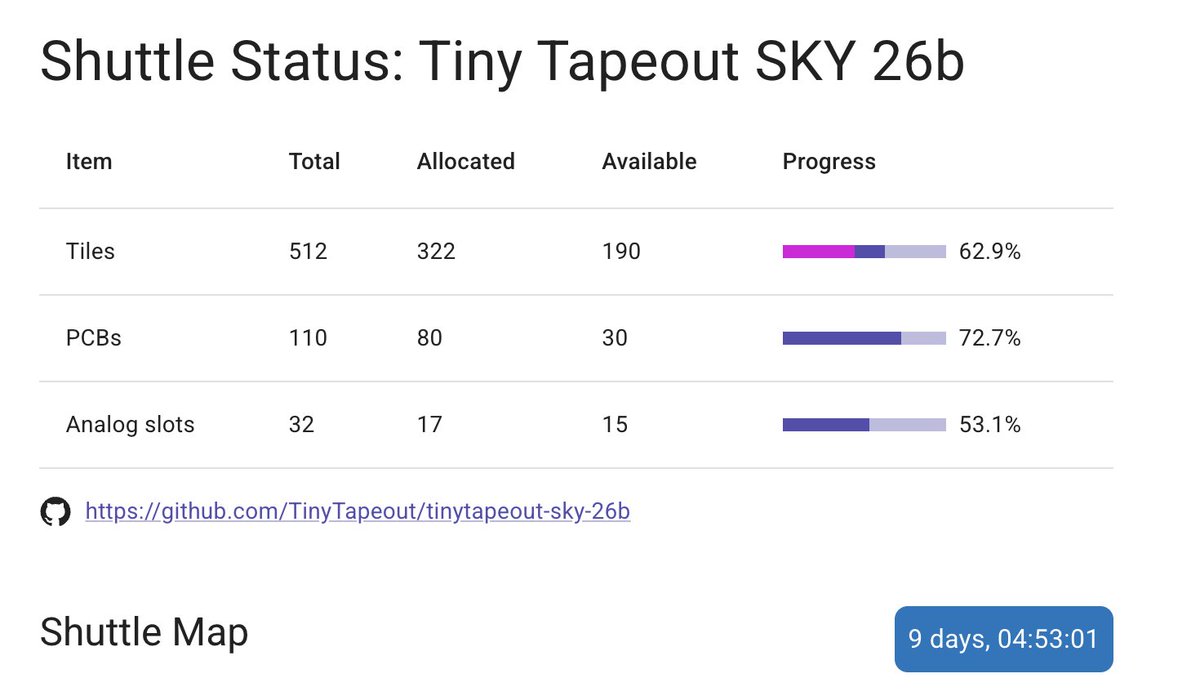
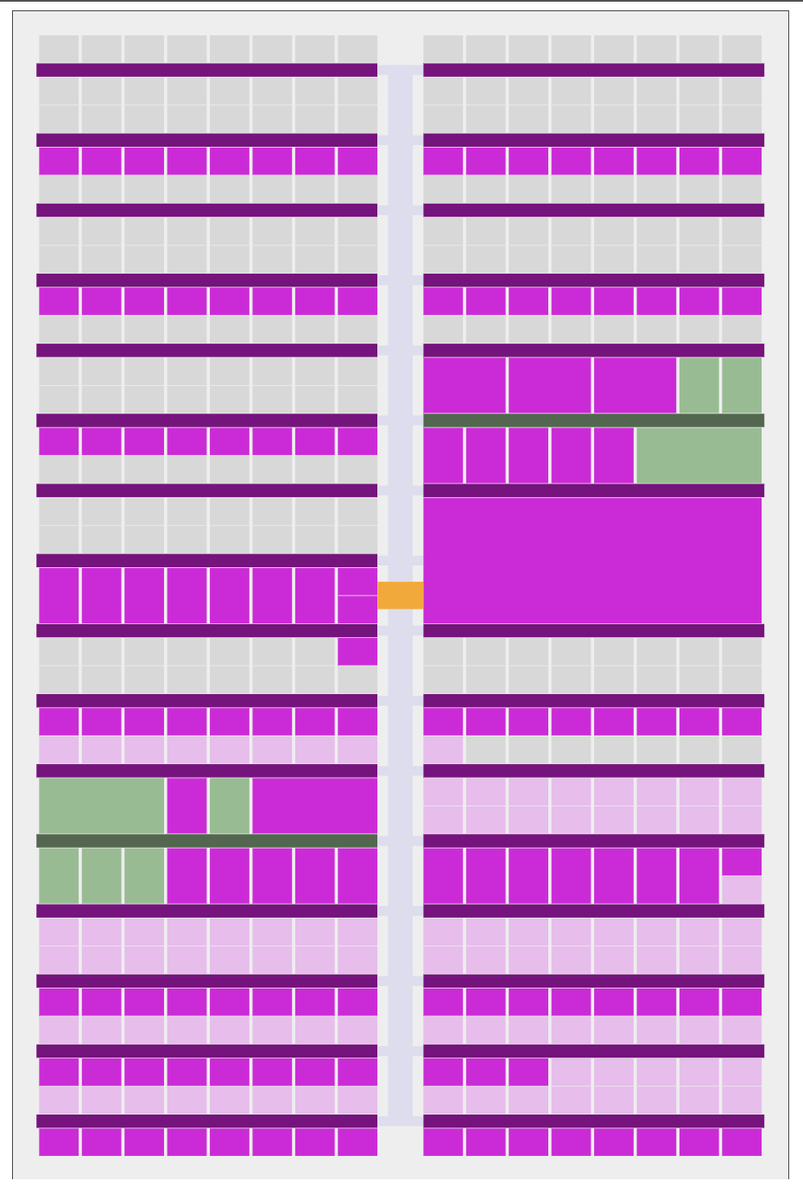
30 more PCBs released on TTSKY26b, and tapeout extended by 1 week to 18th May.
4
266
Tiny Tapeout retweeted
May 5
Want to get your hands on a real lithography photomask? How about some silicon wafers?
Enter our demoscene competition for a chance to win one!
tinytapeout.com/competitions…
Last 6 days to get involved!
4
9
1,065
Tiny Tapeout retweeted
May 8
We cut a microscopic wire inside a chip with an ion beam, then brought it back to life with platinum gas!
My latest video is a collaboration with @Zeptobars, and I’m releasing it as a Youtube premiere at 18:00 CEST on Tuesday 12th May.
youtube.com/watch?v=plcgYPm3…
1
13
56
6,635
Tiny Tapeout retweeted
Apr 29
We have 17 entrants so far to the #ASIC #demoscene competition! Don't miss your chance to win some excellent prizes.
Details and sign up here: tinytapeout.com/competitions…
4
11
1,198
Tiny Tapeout retweeted

May 4
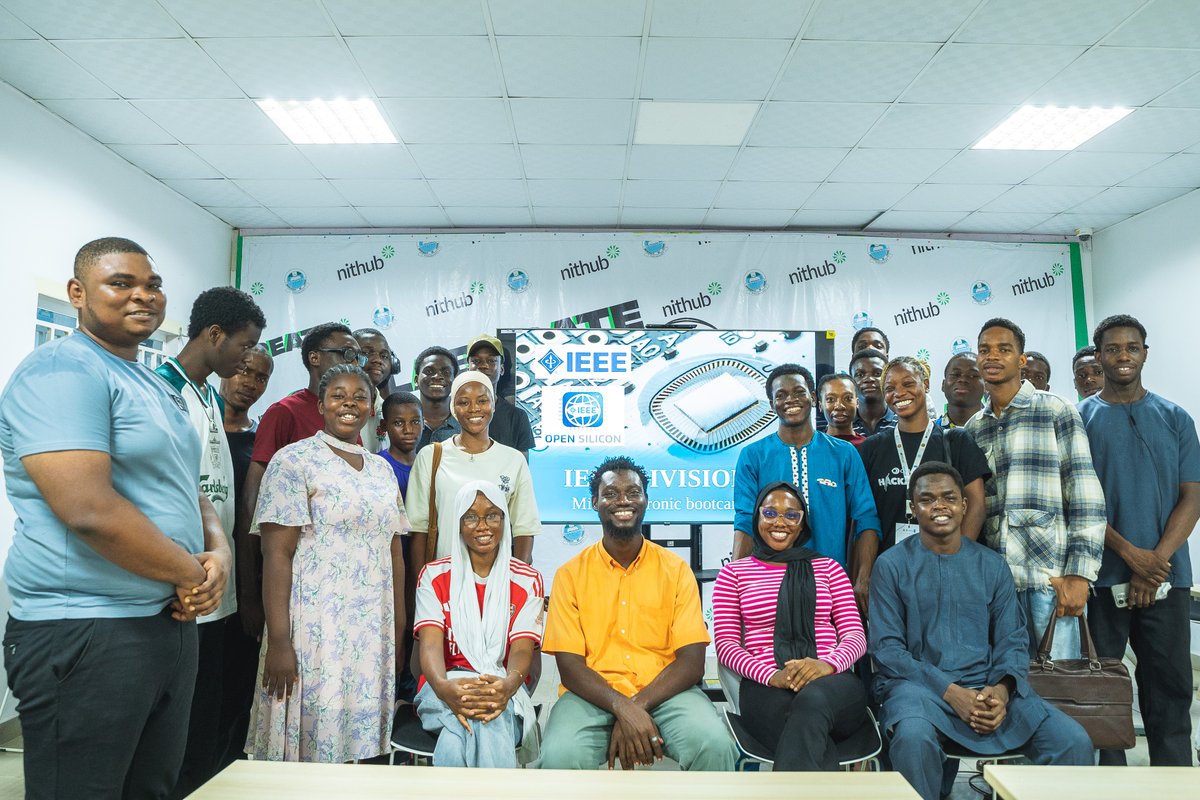
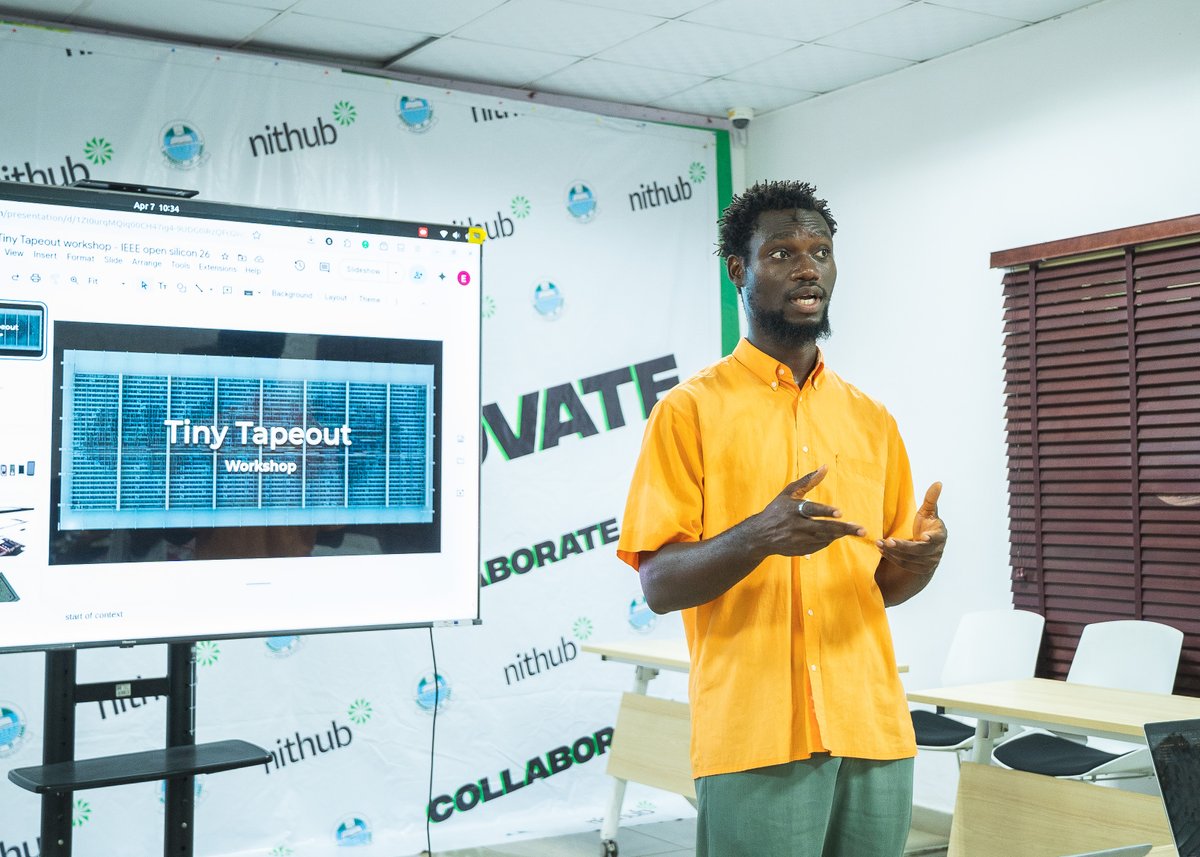
Over the past few weeks, the @nithub_lag × @IEEEorg Silicon @tinytapeout Bootcamp has been on the move.
Participants moved from basic concepts to actually working through digital chip design using open-source tools.
Tomorrow, the Demo Day holds.
Looking forward to it.

1
3
15
646
Apr 29
400 responses so far! Help us get another 200 and you could win a cool silicon wafer!
Apr 17

To help guide us over the next year, we’d really appreciate 2 minutes of your time to fill out this short survey:
forms.gle/tvcbz5R6iXV3Fin67
As a thank-you, one lucky respondent will win a genuine 150mm silicon wafer.
5
10
1,221
Tiny Tapeout retweeted

We are hosting a workshop on chip/ic design tomorrow. Courtesy of IEEE Division 1, we could have our designs taped out🤗. Can't wait to see how it goes. Shout out to @tinytapeout and the IEEE societies and Councils within Division 1

2
13
610
Apr 17
To help guide us over the next year, we’d really appreciate 2 minutes of your time to fill out this short survey:
forms.gle/tvcbz5R6iXV3Fin67
As a thank-you, one lucky respondent will win a genuine 150mm silicon wafer.
2
25
3,060
Apr 16
Want to get your hands on a real lithography photomask? How about some silicon wafers?
Enter our demoscene competition for a chance to win one!
tinytapeout.com/competitions…
8
28
1,690
Tiny Tapeout retweeted
Apr 15
Render of Carsten Wulff's SAR ADC on TT06
tinytapeout.com/chips/tt06/t…
4
29
3,166
Apr 8
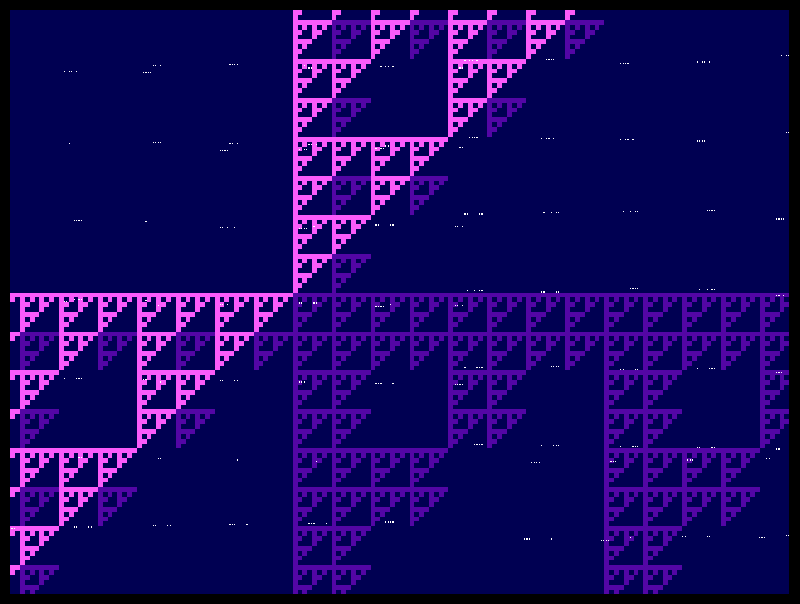
We already have some nice looking entries into our #demoscene competition!
There's still 33 days to go, but don't leave it too late! Start on your entry today:
tinytapeout.com/competitions…
#ASIC #opensource #TinyTapeout


6
16
1,079