
Full Professor and Chair @ USM BioDept 👨🏻💻• Bats 🦇 • Conservation • Ecology• Chinese Academy of Sciences 🇨🇳• Zukunftskolleg fellow 🇩🇪
Joined December 2018
- Tweets 2,161
- Following 1,687
- Followers 998
- Likes 5,941
260 Photos and videos
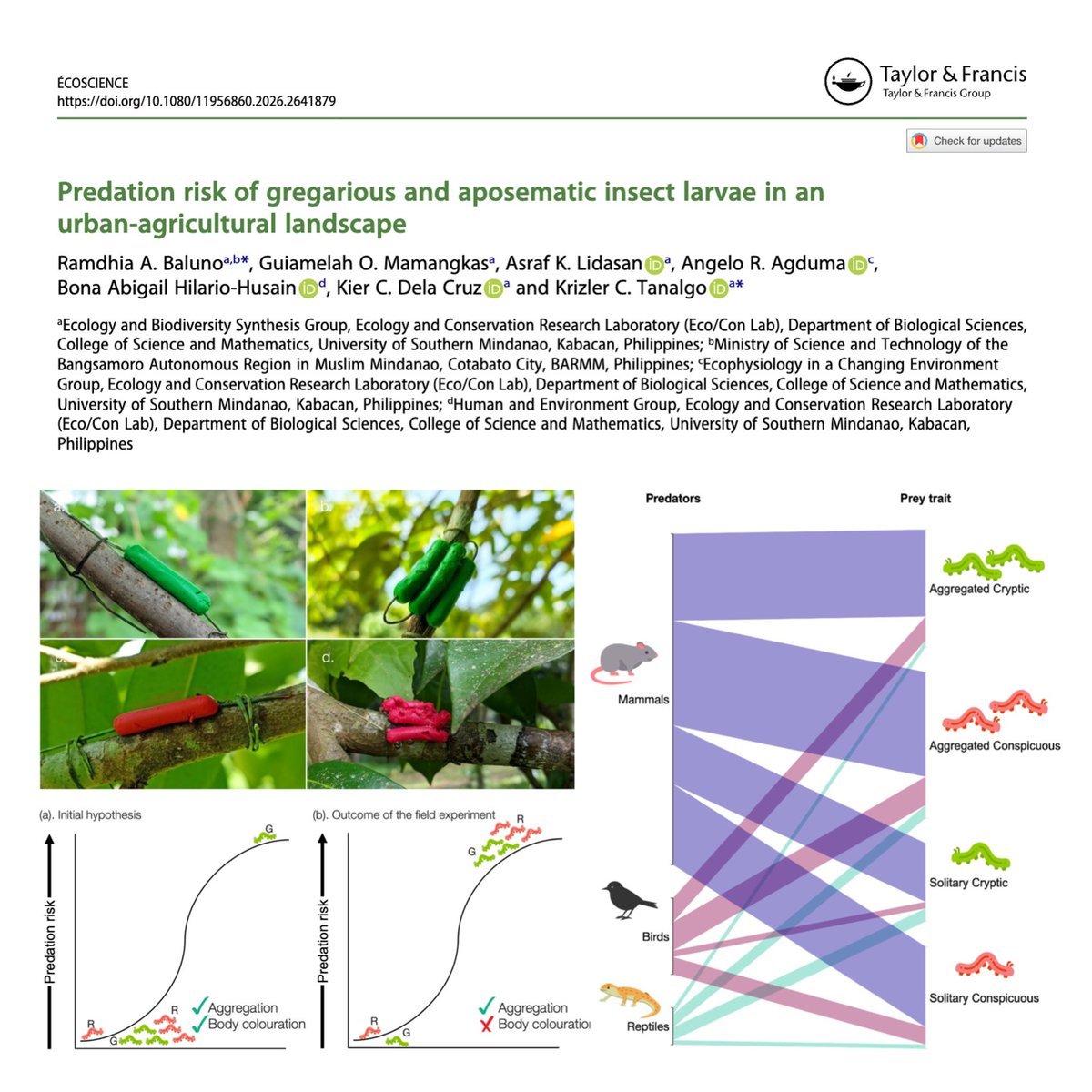
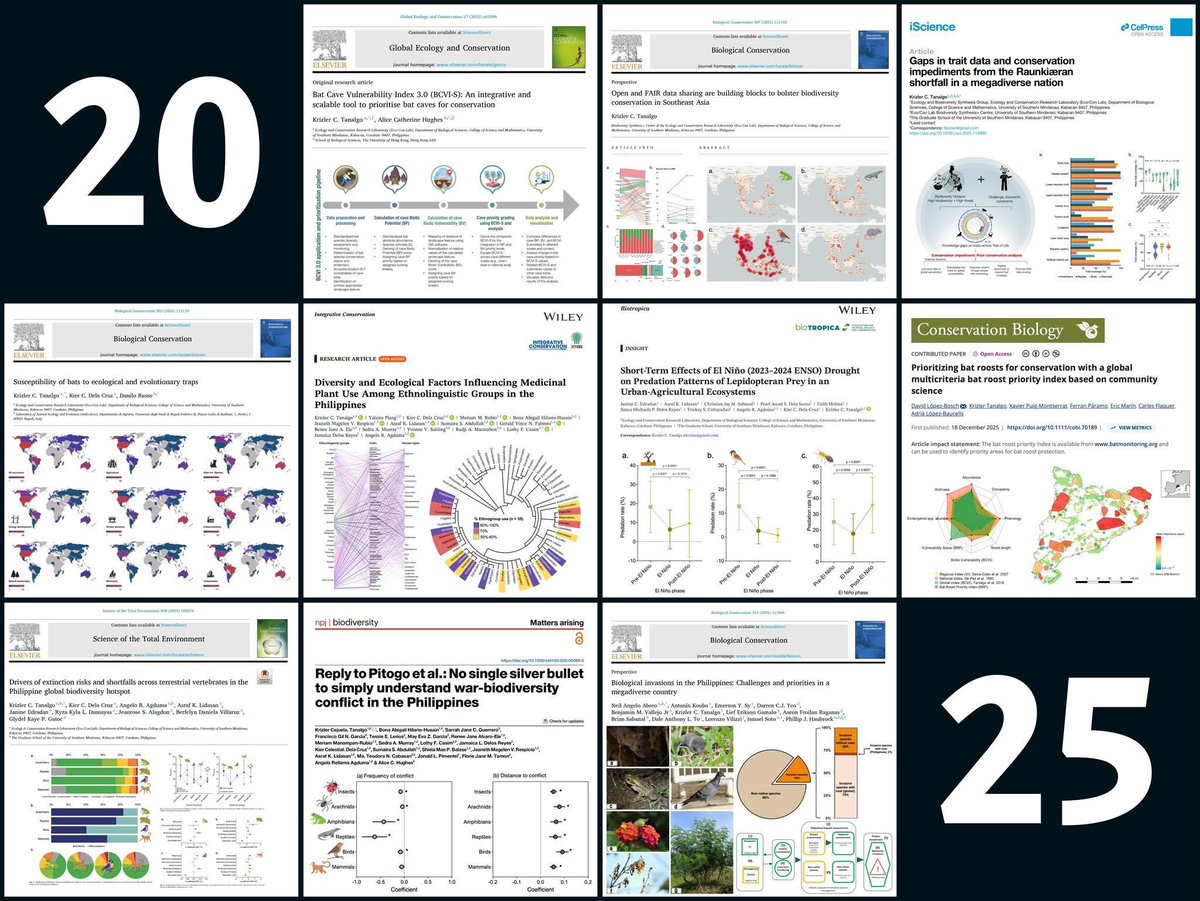


Pinned Tweet

21 Nov 2025
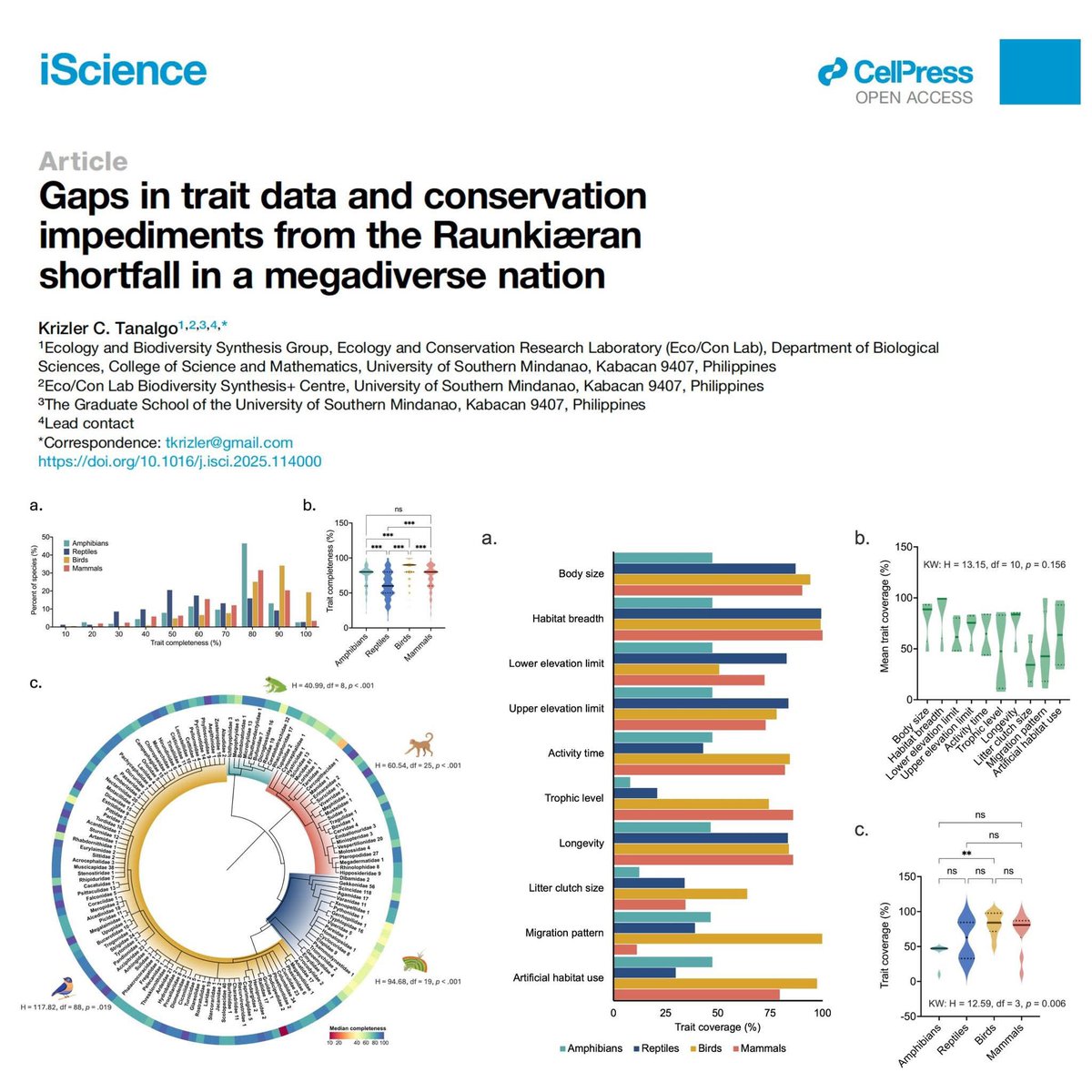
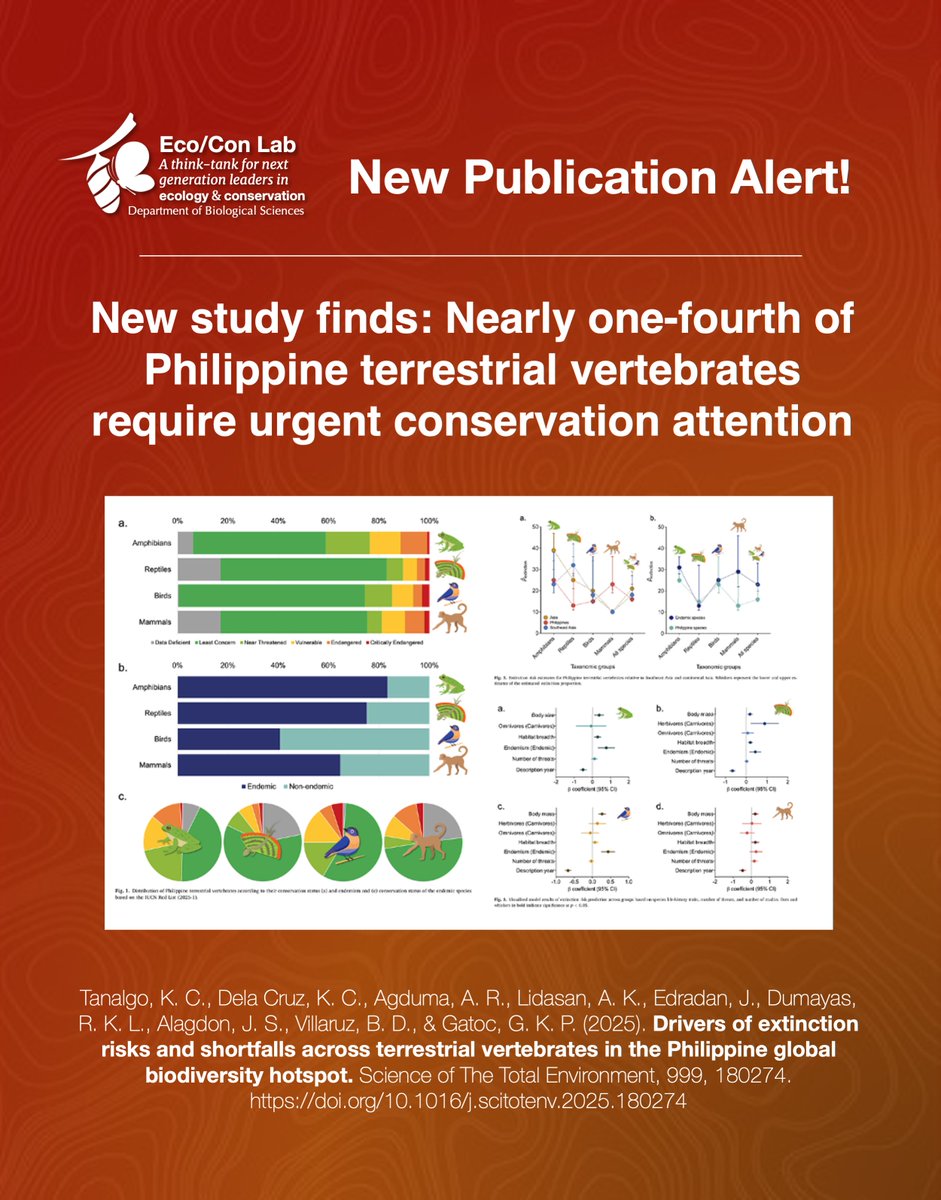
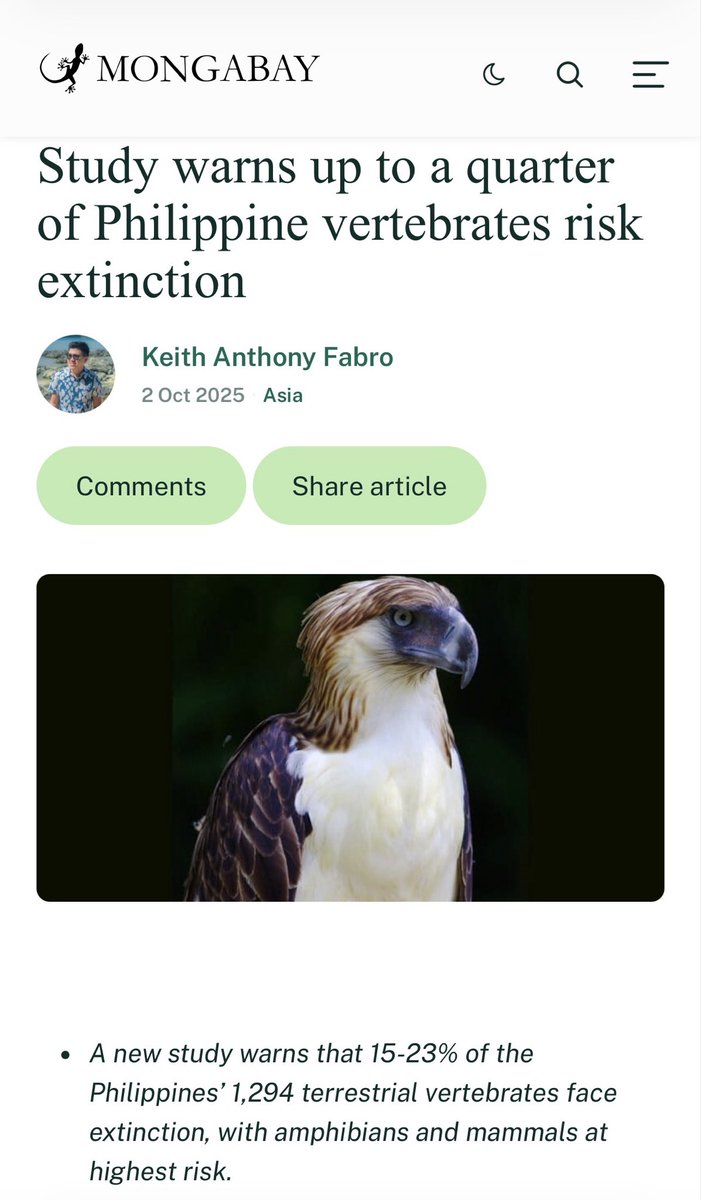
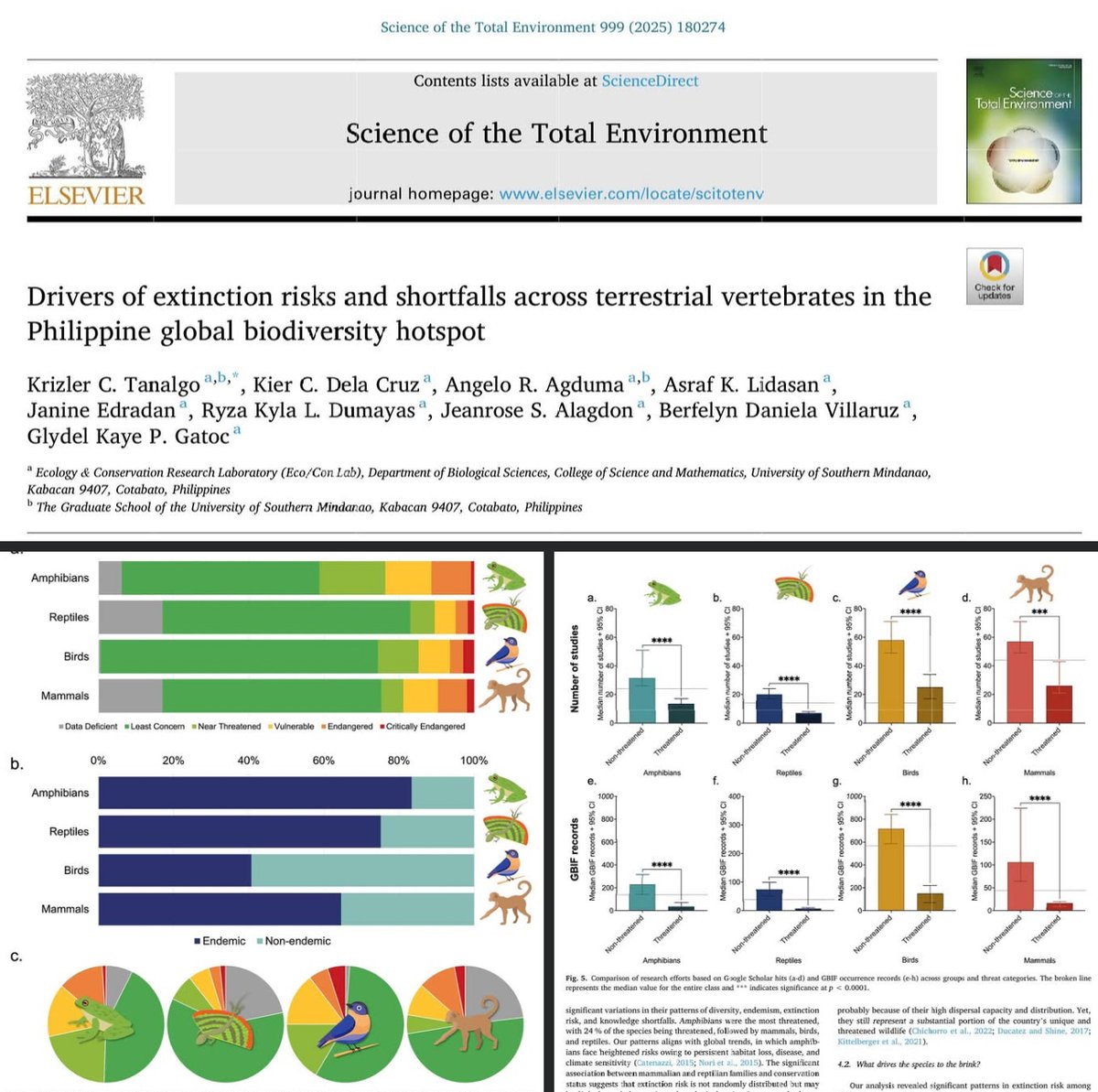
My (not so) side project is now out in @iScience_CP! Here, I tackle key gaps in traits in Philippine species, and its potential conservation implications.
cell.com/iscience/fulltext/S…
1
2
4
231
Krizler Tanalgo 👨🏻💻🦇🌏 retweeted

Jun 7
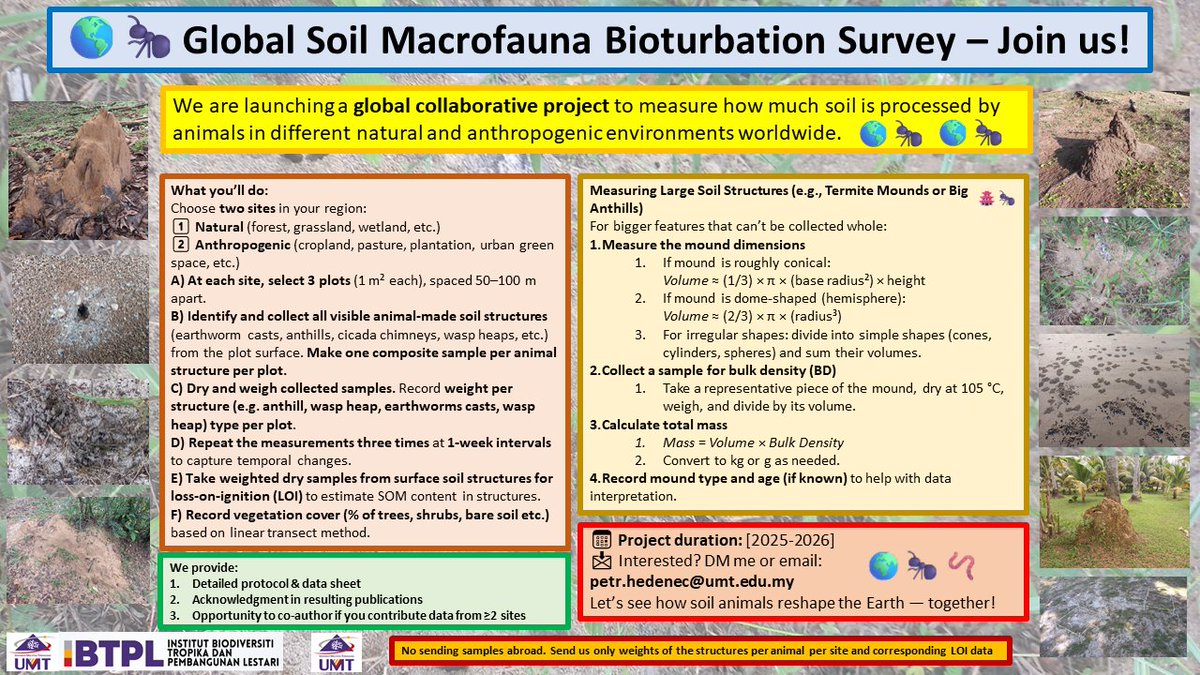
We are still seeking collaborators for the global bioturbation survey. Please share this information with your network.
10
19
1,384
Krizler Tanalgo 👨🏻💻🦇🌏 retweeted

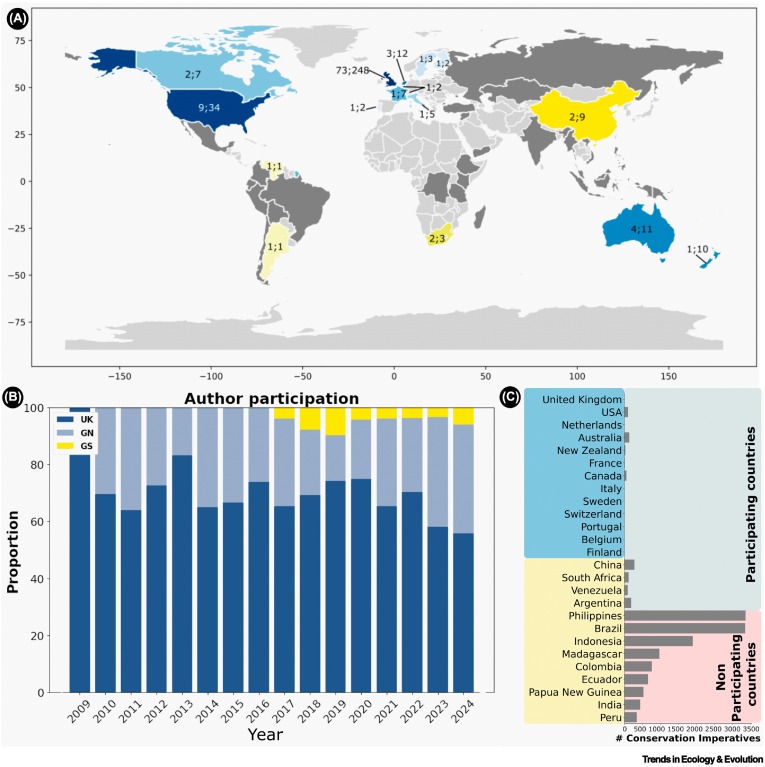
Online now: Rethinking representation when defining emerging conservation priorities dlvr.it/TSy2Bt
15
35
1,995
Krizler Tanalgo 👨🏻💻🦇🌏 retweeted

Where are the biggest knowledge gaps in grassland ecology?
The Palaearctic Grasslands Special Feature seeks studies from underrepresented regions and grassland types, particularly from Eastern Europe, the Mediterranean, and Asia.
Learn more:
onlinelibrary.wiley.com/page…
3
2
124
Krizler Tanalgo 👨🏻💻🦇🌏 retweeted

Jun 7
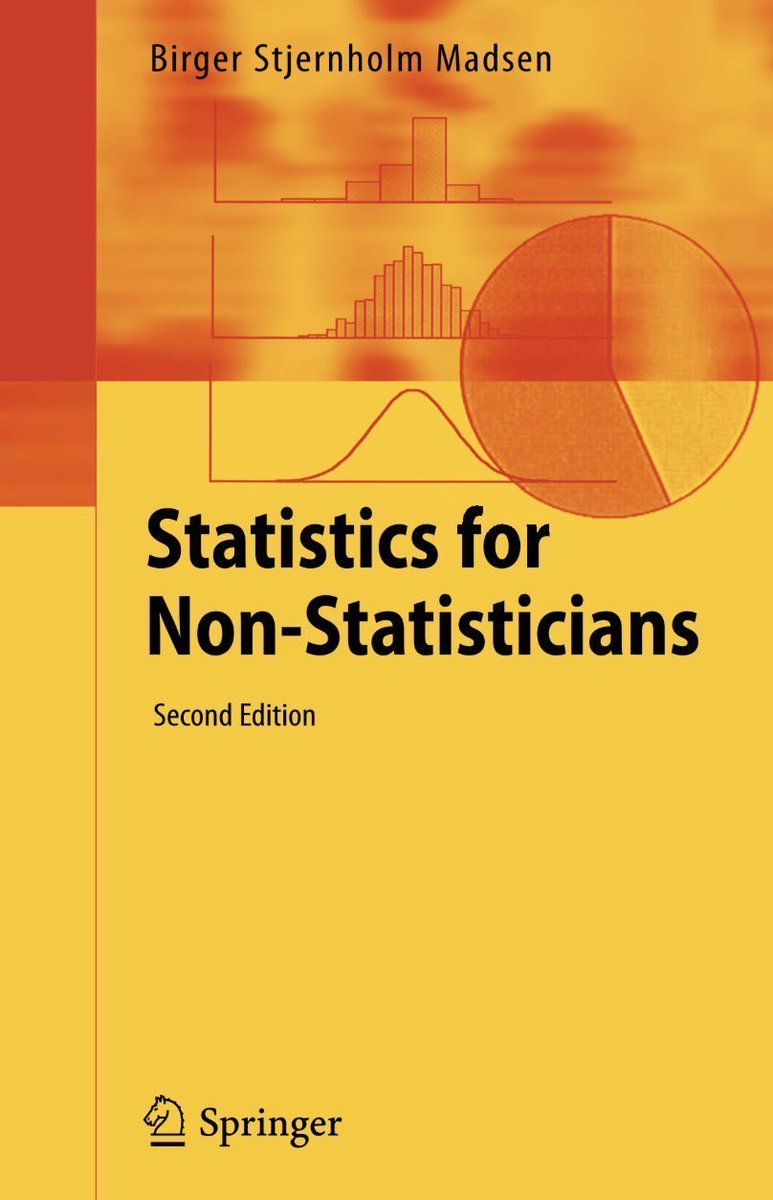
7
206
999
36,567
Krizler Tanalgo 👨🏻💻🦇🌏 retweeted
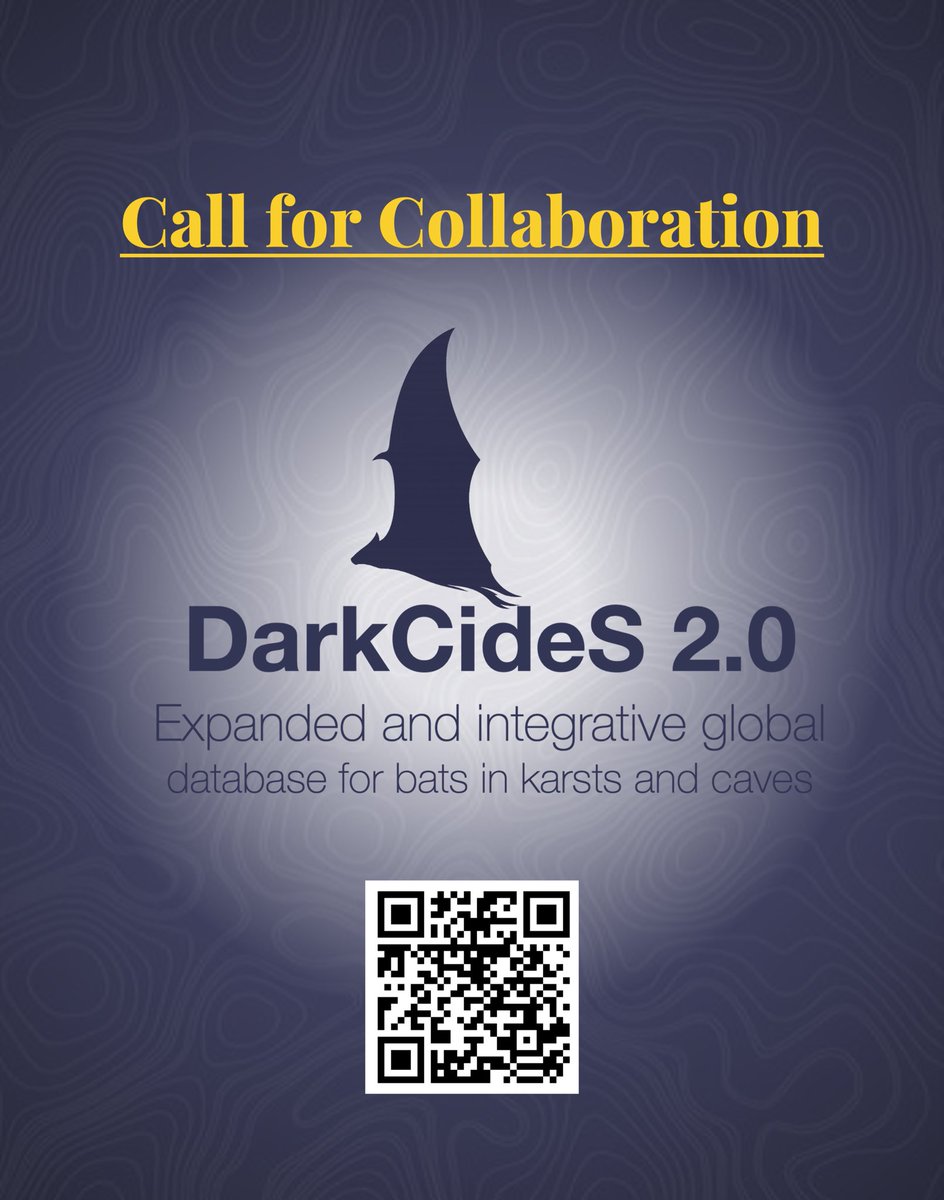
🦇 Calling cave bat researchers worldwide!
We’re launching #DarkCideS Version 2 and inviting collaborators to contribute field data on cave-dwelling bats. The updated database will expand global knowledge, support conservation, and generate new research opportunities.
1
3
1
245
🦇 Calling cave bat researchers worldwide!
We’re launching #DarkCideS Version 2 and inviting collaborators to contribute field data on cave-dwelling bats. The updated database will expand global knowledge, support conservation, and generate new research opportunities.
1
3
1
245
Krizler Tanalgo 👨🏻💻🦇🌏 retweeted

Jun 3
The list of Ecology/Evolution/Marine Bio Labs recruiting grad students for Fall 2027 is live! PIs enter your position info here: forms.gle/MAGd4ohyPeoYmeUB8 students (and PIs not recruiting) share the composite list: docs.google.com/spreadsheets… Please share widely!
18
38
2,932
Krizler Tanalgo 👨🏻💻🦇🌏 retweeted

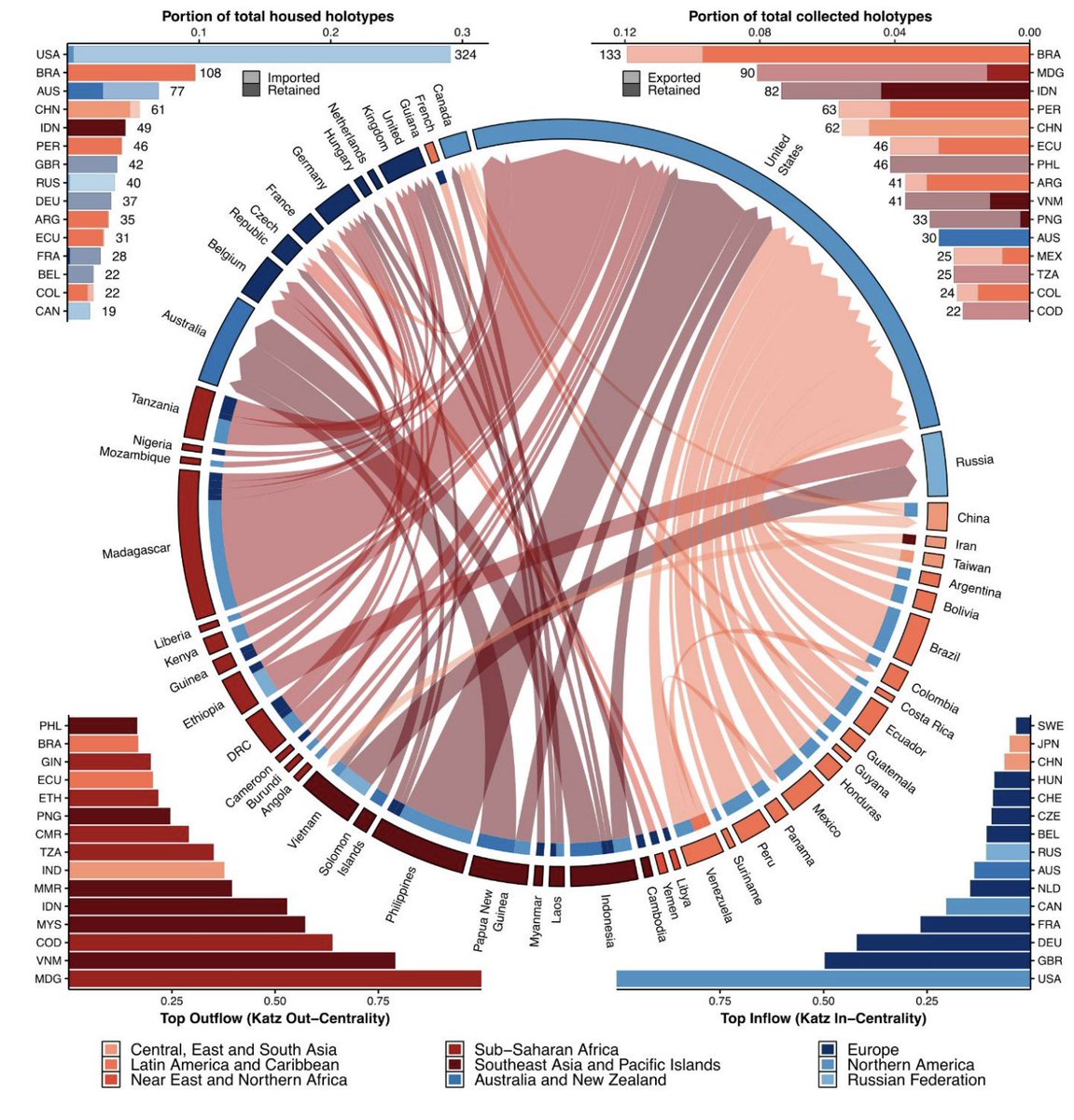
🌎 This network tells a powerful story!
#Biodiversity-rich countries drive mammal discovery, yet their holotypes often end up abroad...
Local expertise documents life, but geopolitical power still shapes who holds the specimens that define species.
🔗 nature.com/articles/s44185-0…
1
5
7
278
Krizler Tanalgo 👨🏻💻🦇🌏 retweeted

Jun 2
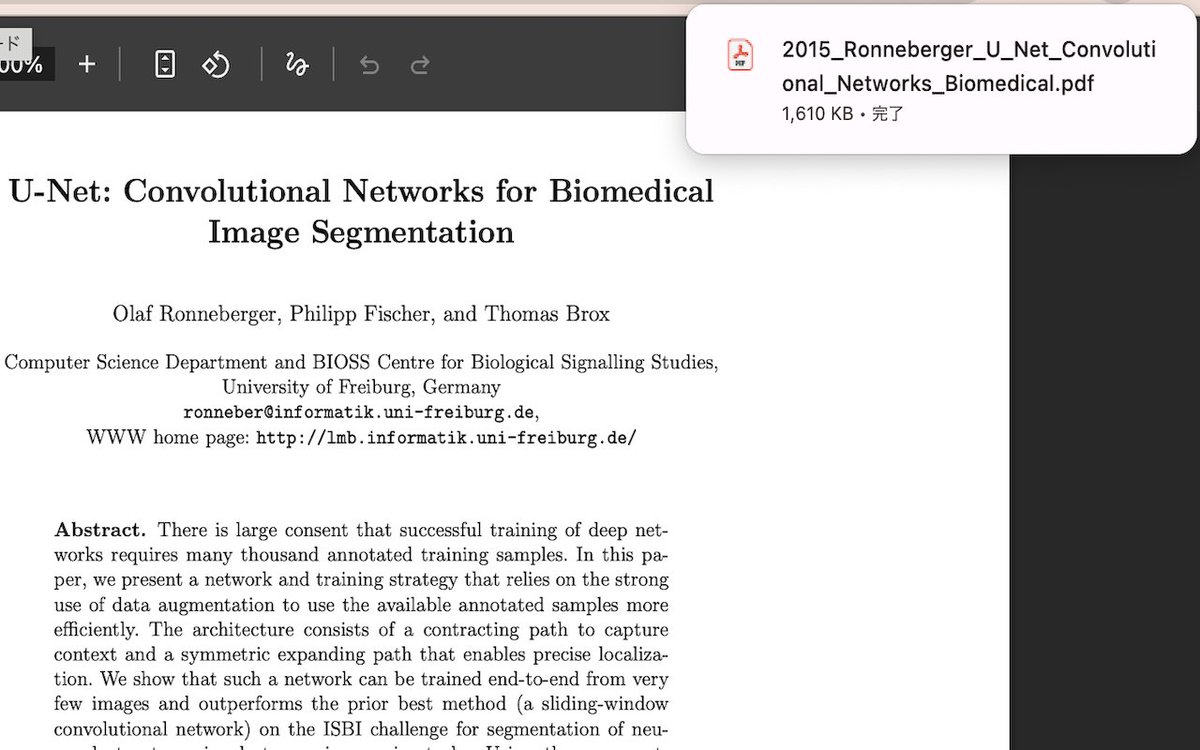
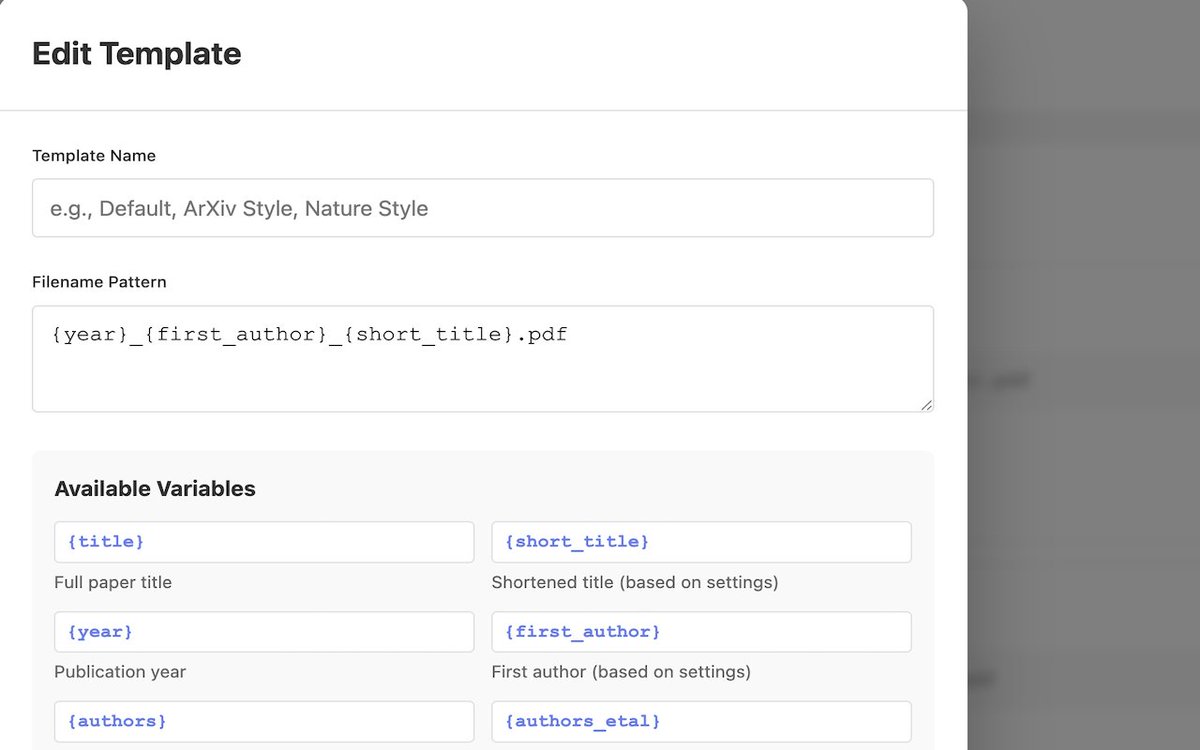
論文をダウンロードするときに自動リネームするchrome pluginを作りました。和文にも対応しています。
chromewebstore.google.com/de…
5
211
1,261
102,279
Krizler Tanalgo 👨🏻💻🦇🌏 retweeted

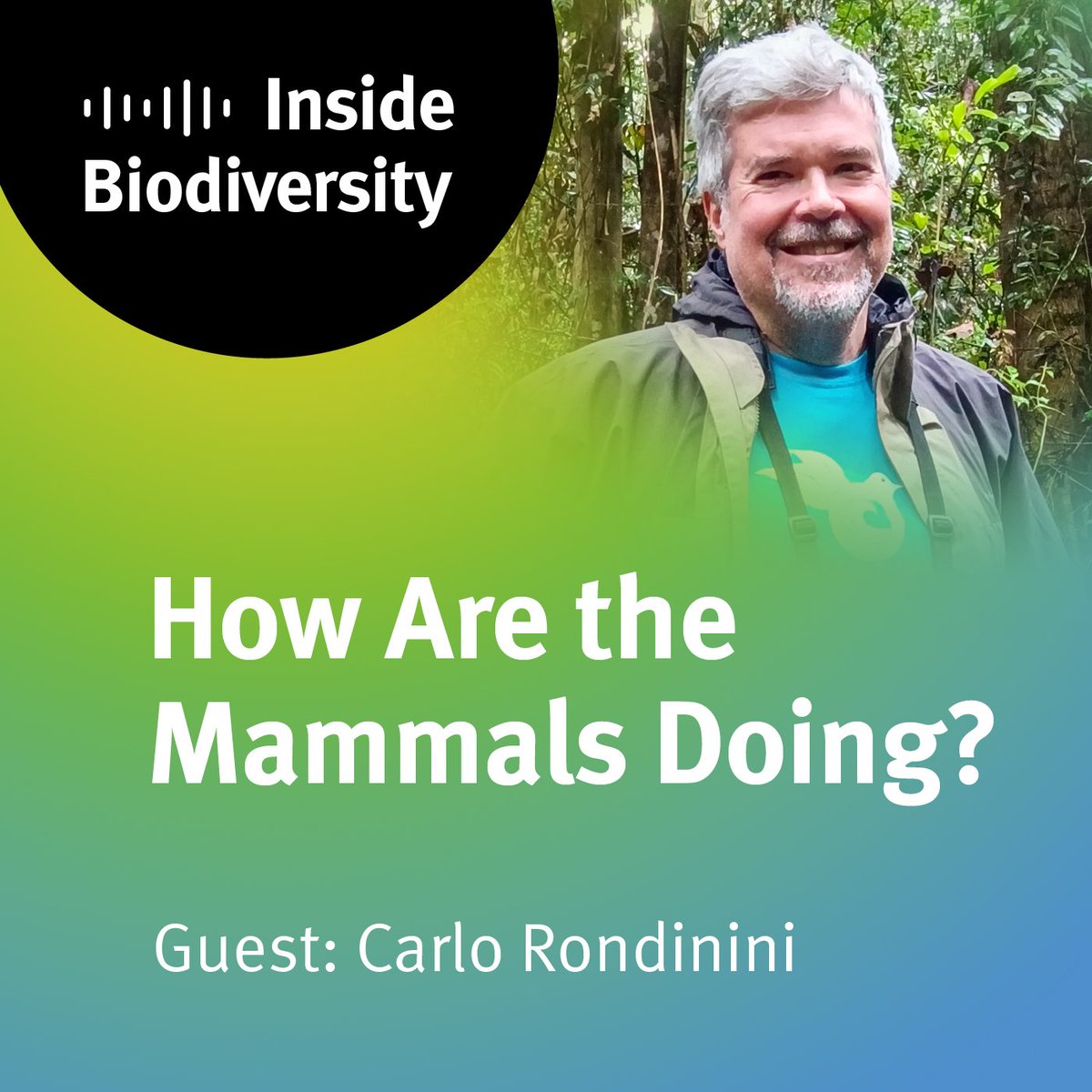
🎧 A new episode of #InsideBiodiversity is out now — and it’s a great one for anyone working in conservation, ecology, or environmental policy. 🌍
iDiv’s Volker Hahn speaks with Prof. Carlo Rondinini (@SapienzaRoma), coordinator of the Global Mammal Assessment and member of the @IUCNRedList Committee.
Rondinini explains why “one quarter of the mammals globally are at risk of extinction” and why Europe’s encouraging wildlife recoveries contrast sharply with accelerating declines in the tropics.
Topics include:
• Why wolves, beavers, otters and golden jackals are returning across Europe
• The stark temperate–tropical divide in extinction risk
• Why “leaving space for mammals” is one of the most powerful conservation tools
A deeply insightful conversation. Don’t miss it.
🔗 insidebiodiversity.podigee.i…
2
2
240
Krizler Tanalgo 👨🏻💻🦇🌏 retweeted

May 31
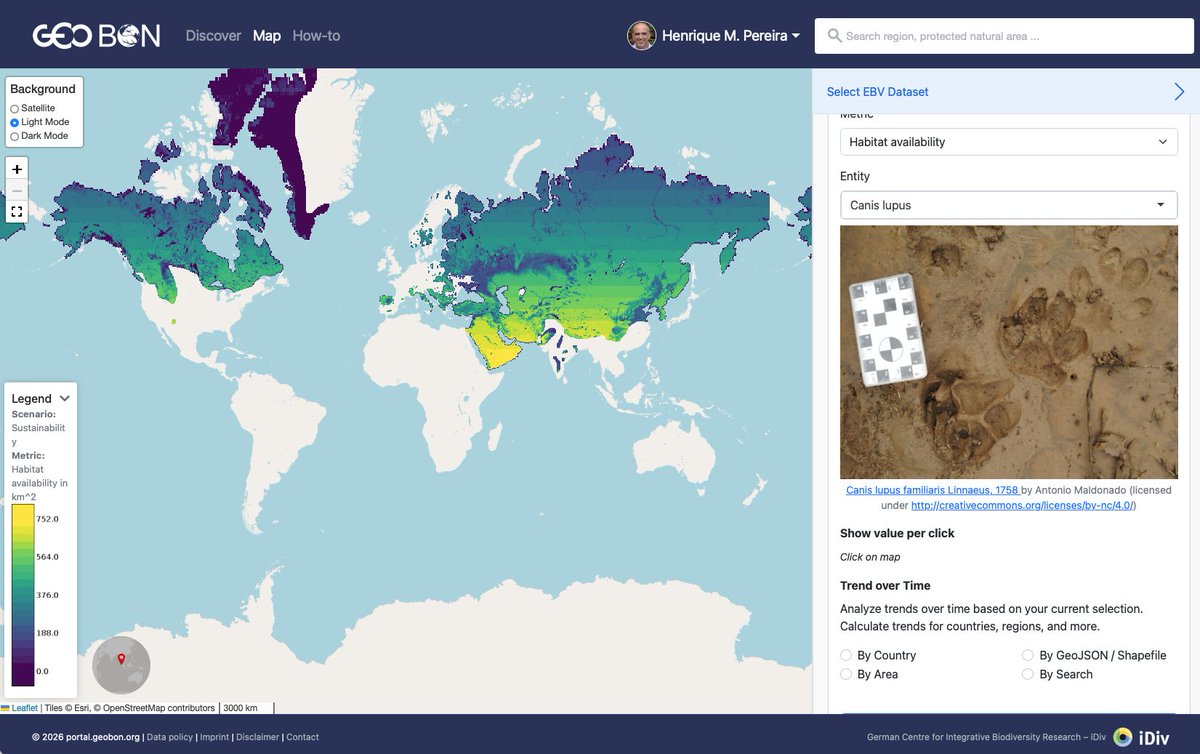
I am super glad to announce the new version of the @ebvportal. Now, based on a THREDDS engine, one can natively browse dozens of EBV datasets, from sub-national to the global scale. And anyone can publish their EBV data in an open and interoperable format with a DOI. Link below.
1
7
16
1,130
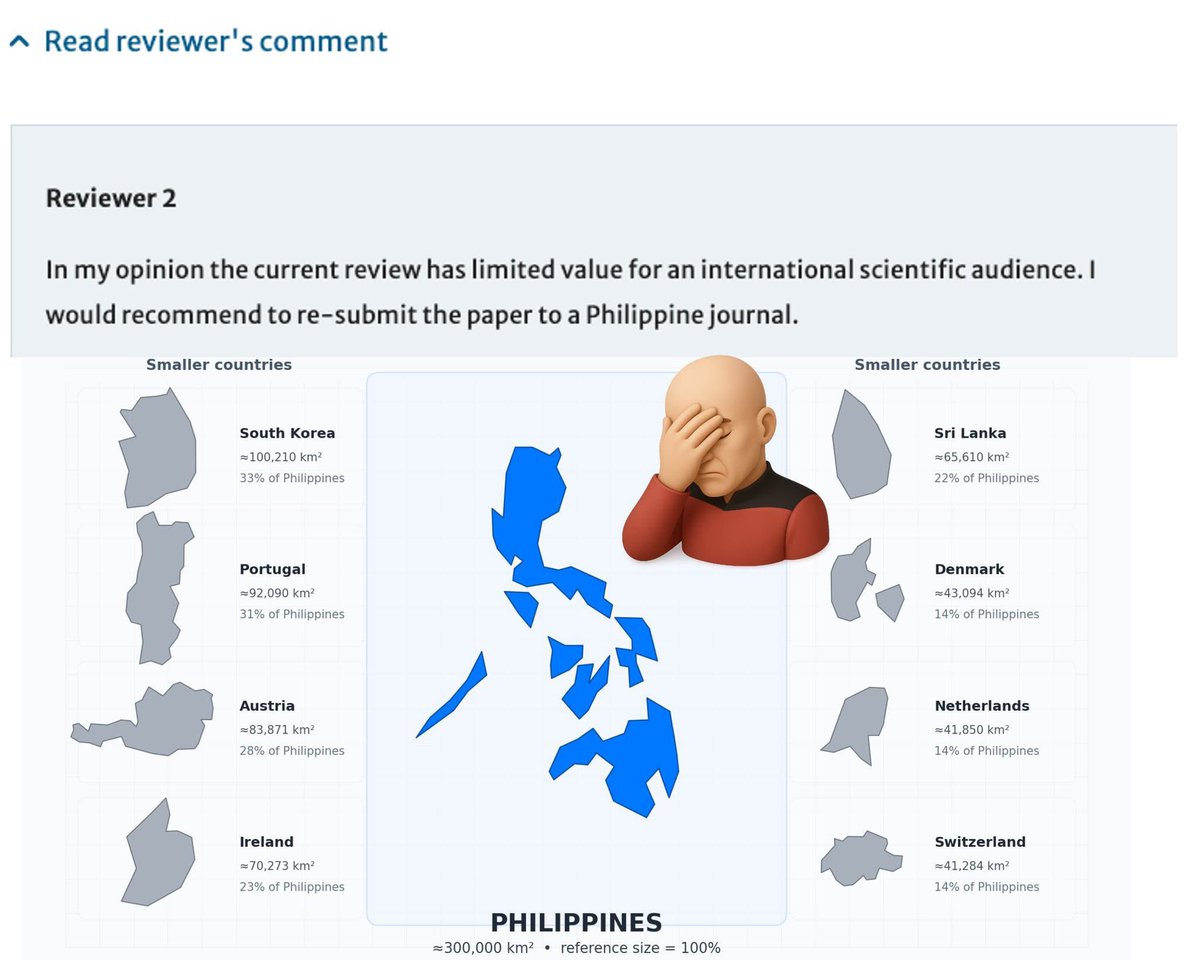
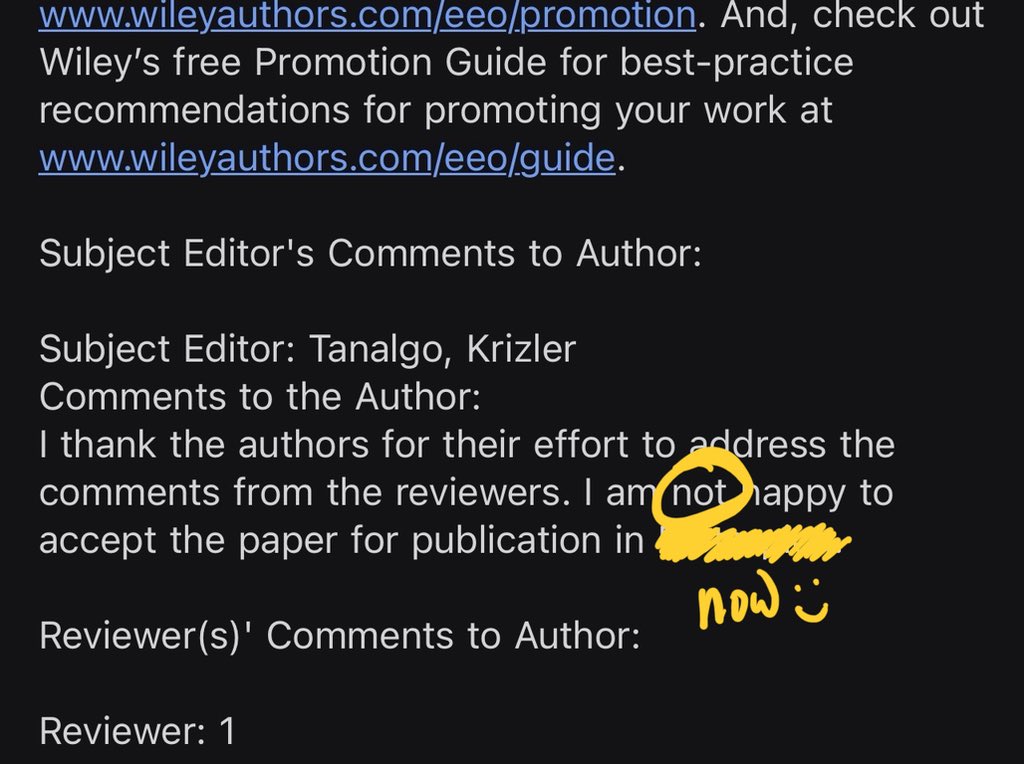
It is 2026, and apparently, a paper tackling some important biodiversity conservation across the entire Philippines can still be dismissed in peer review as “too local.” 🧵
1
3
258
For context, this is a second-round review of a Perspective paper (not a review article). We addressed the previous comments carefully, and the scope was not raised at all in the first round. But now, suddenly, the entire Philippines is “too local.”🧵
1
54
For the record, this is the only comment we received and nada.
For those who are curious, this is how big the Philippines is 🧵
58
Krizler Tanalgo 👨🏻💻🦇🌏 retweeted
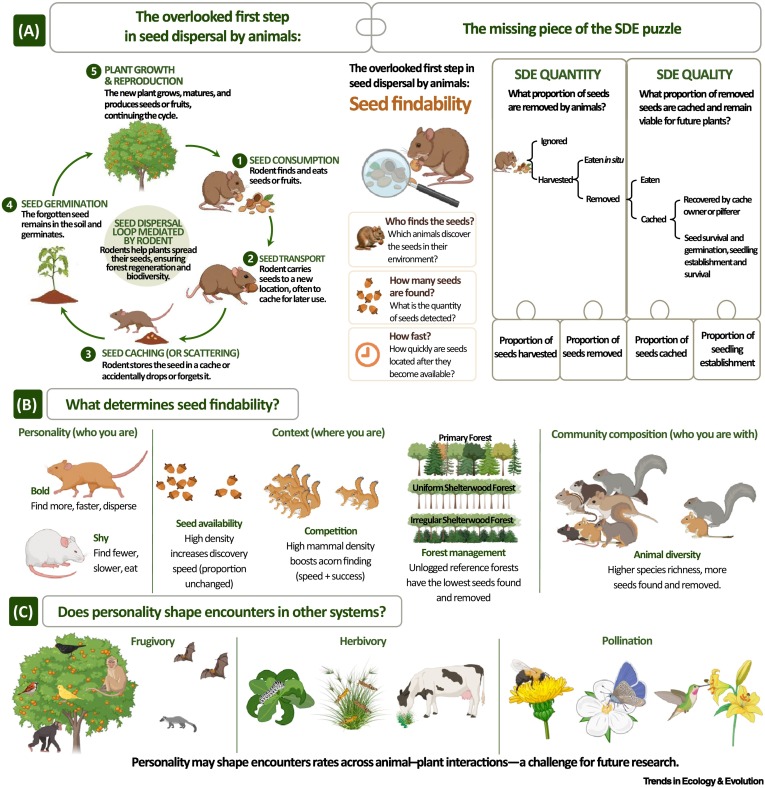
Online now: Who finds the seeds? Personality matters dlvr.it/TSbZWg
7
24
1,269
Krizler Tanalgo 👨🏻💻🦇🌏 retweeted

The utility of herbarium collections for genetic monitoring
academic.oup.com/bioscience/…
11
24
1,176
Krizler Tanalgo 👨🏻💻🦇🌏 retweeted
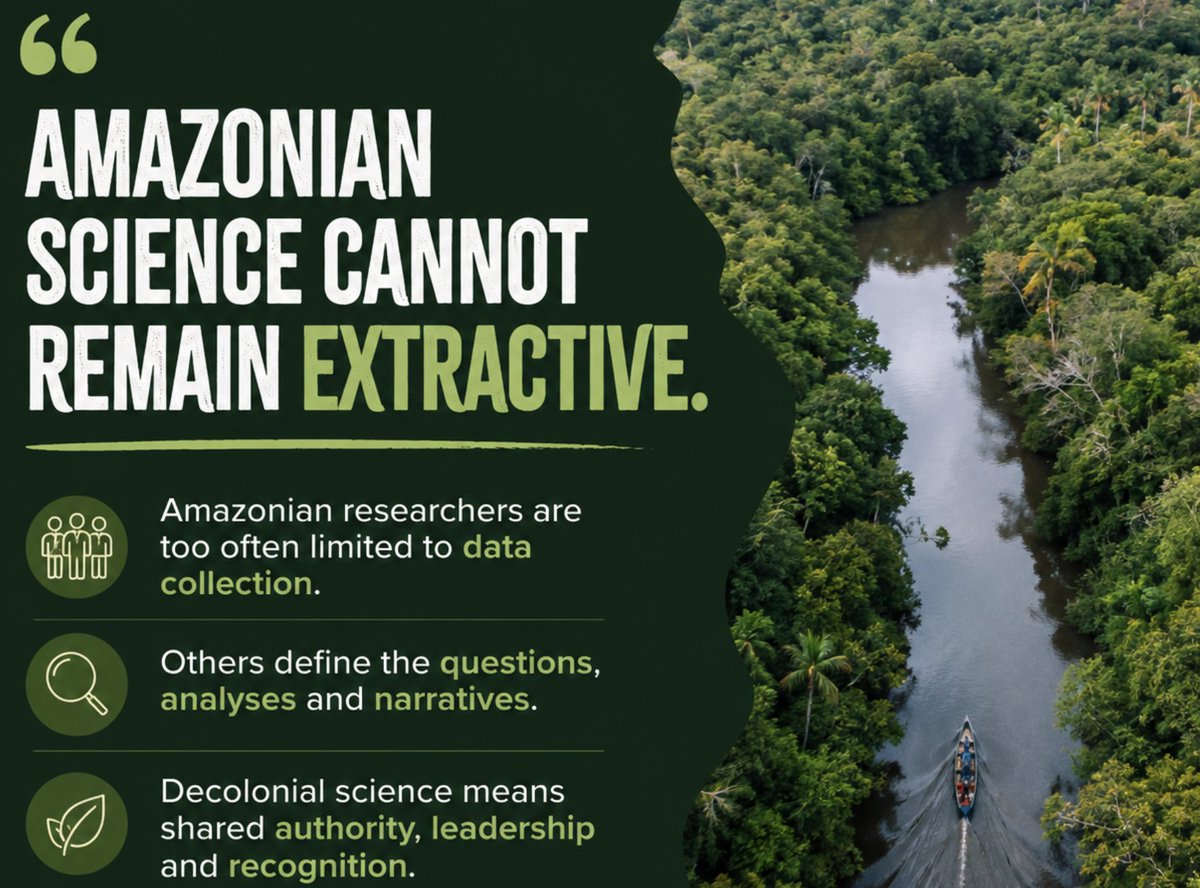
Amazonian scientists are too often included only as data collectors, not as leaders
🎯 Here our author calls for decolonial #biodiversity science built on shared leadership, fair recognition & research agendas shaped by Amazonian communities
🔗 nature.com/articles/s44185-0…
7
8
289
Krizler Tanalgo 👨🏻💻🦇🌏 retweeted
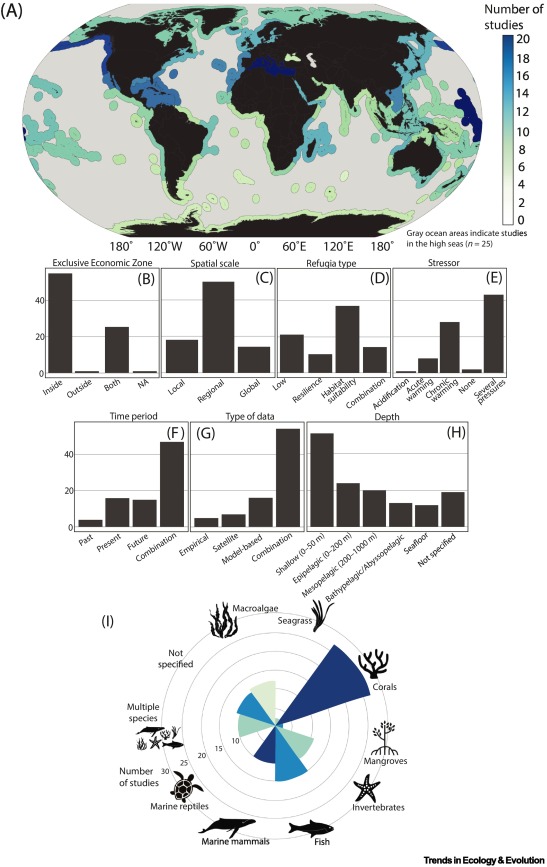
Online now: Identifying marine climate refugia to advance climate-smart conservation dlvr.it/TSYlpN
9
27
1,398