Culture x Technology x IRL | Prev: @Ledger | @Sonos | @NI_news | @WarpRecords
Joined May 2008
- Tweets 2,108
- Following 3,179
- Followers 999
- Likes 3,955
86 Photos and videos




tom__panton retweeted

Jun 12
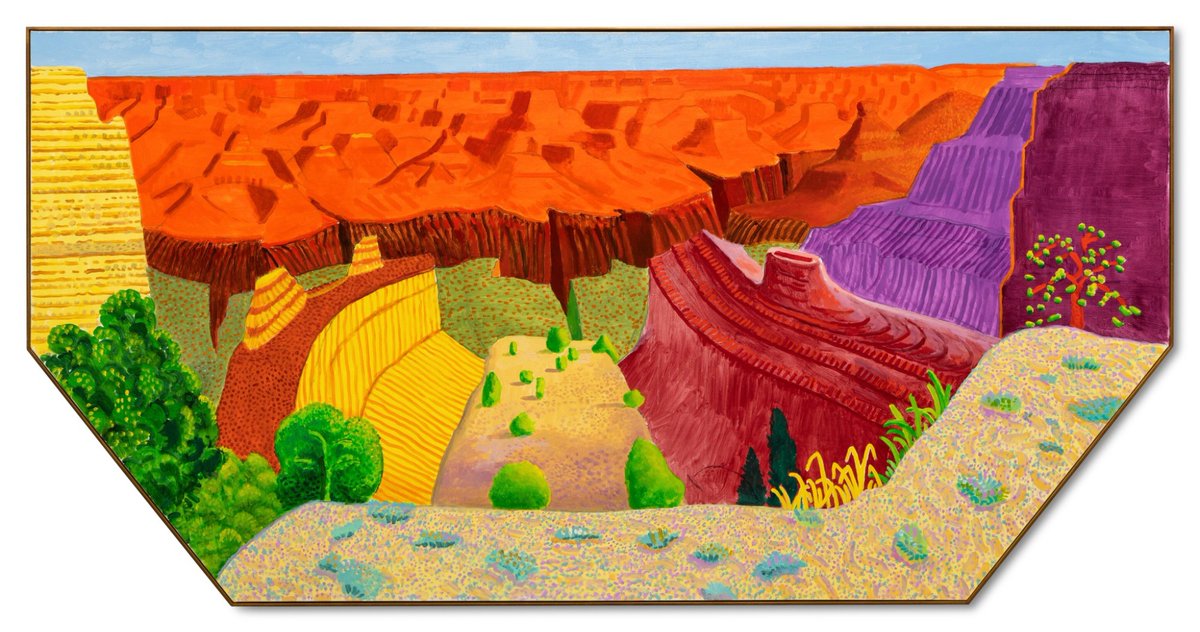
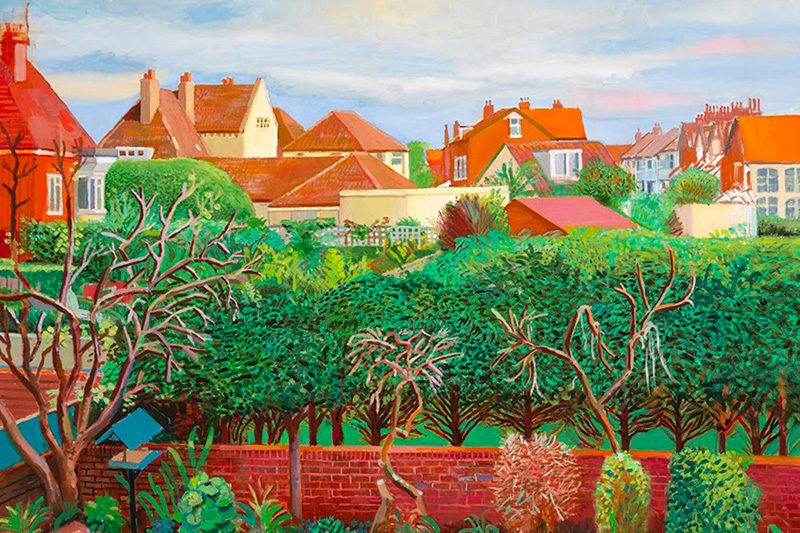
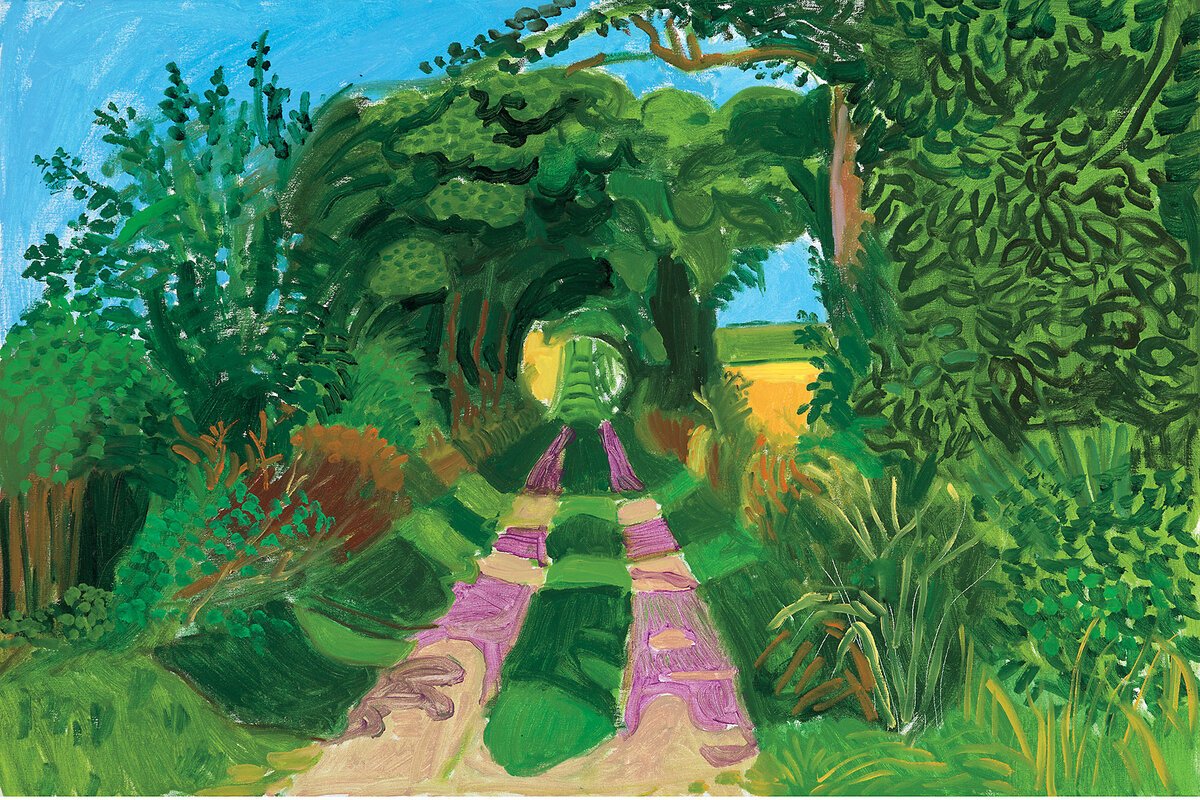
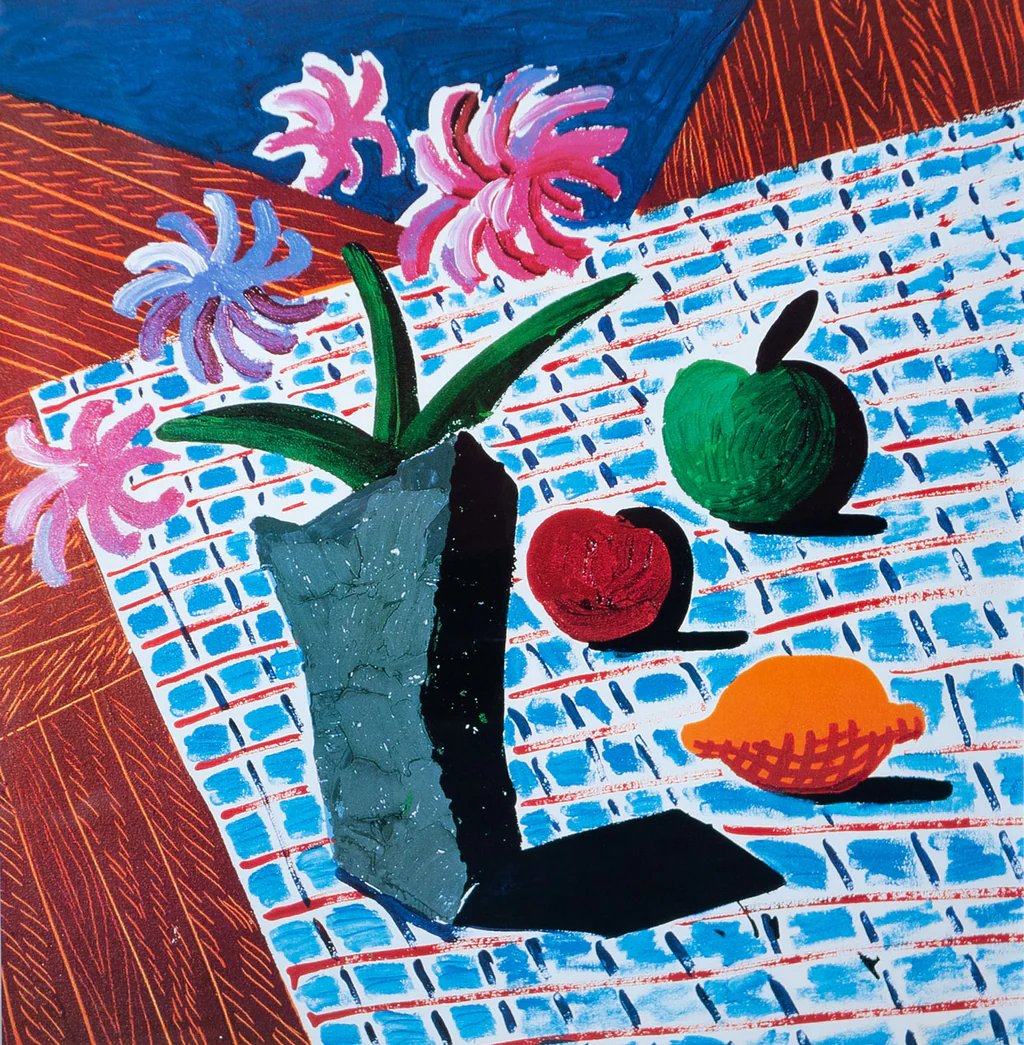
RIP David Hockney. There are infinite images I could post. Across medium, technology & time, relentless in returning the gaze to see better; colour, value, detail, mystery, wonder, joy in the world, inviting us to do so too. His life is a manifesto of what art can be. My hero
15
544
3,775
120,765
tom__panton retweeted

Introducing Special Forces
Graphic Operations of David Rudnick and Timothy Luke
music by Daniel Lopatin
14
49
625
32,582
tom__panton retweeted
Jan 12
designed by Special Forces
full documentation very soon

The world in your hands. Daniel Lopatin’s Marty Supreme Original Soundtrack pressed on black and clear vinyl is now available for pre-order, featuring a special double sided Koto Endo/Official Ball poster. shop.a24films.com/products/m…
18
15
597
41,879

tom__panton retweeted

6 Nov 2025
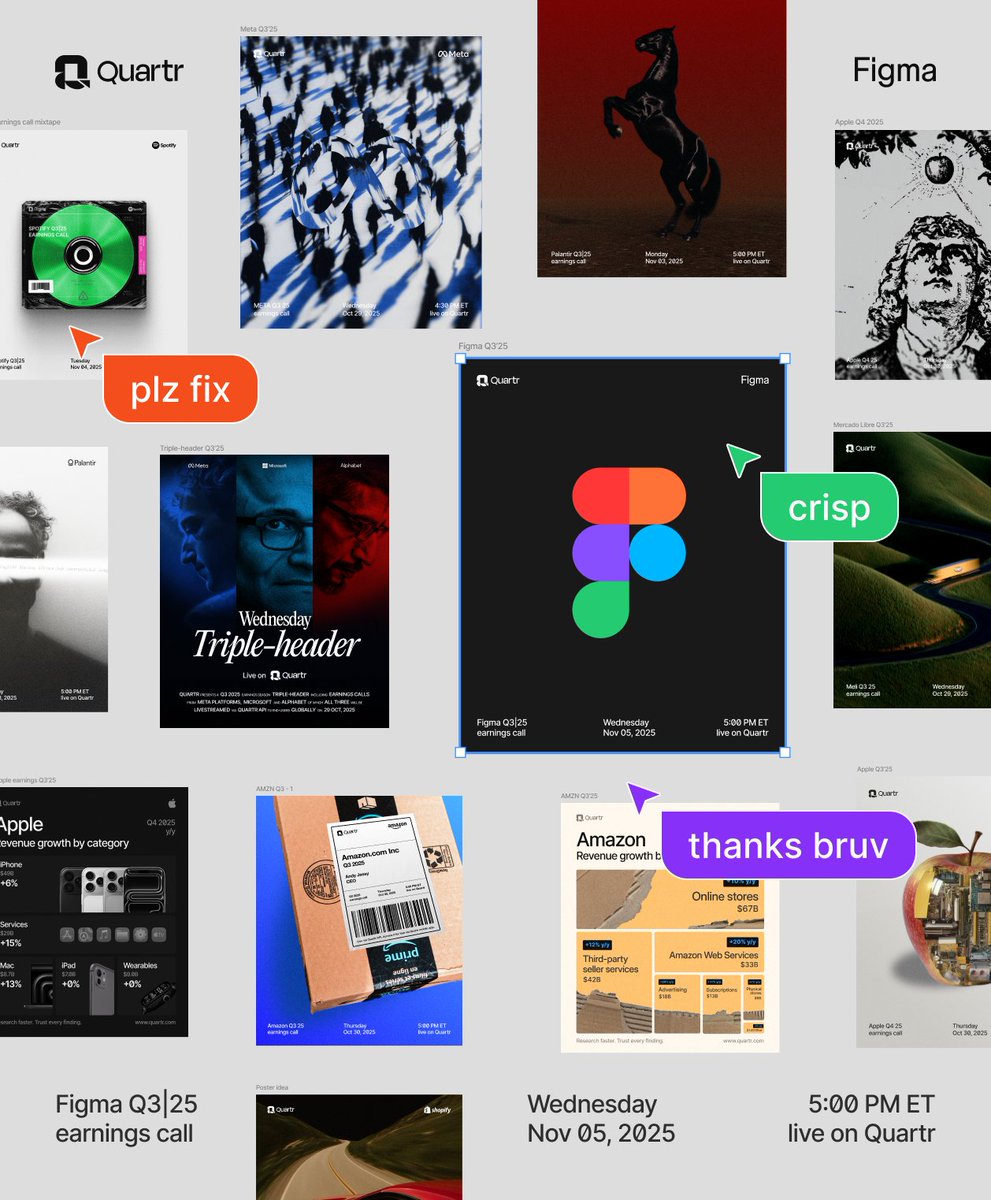
Whoever is doing the graphics for this company is on a heater 😮💨
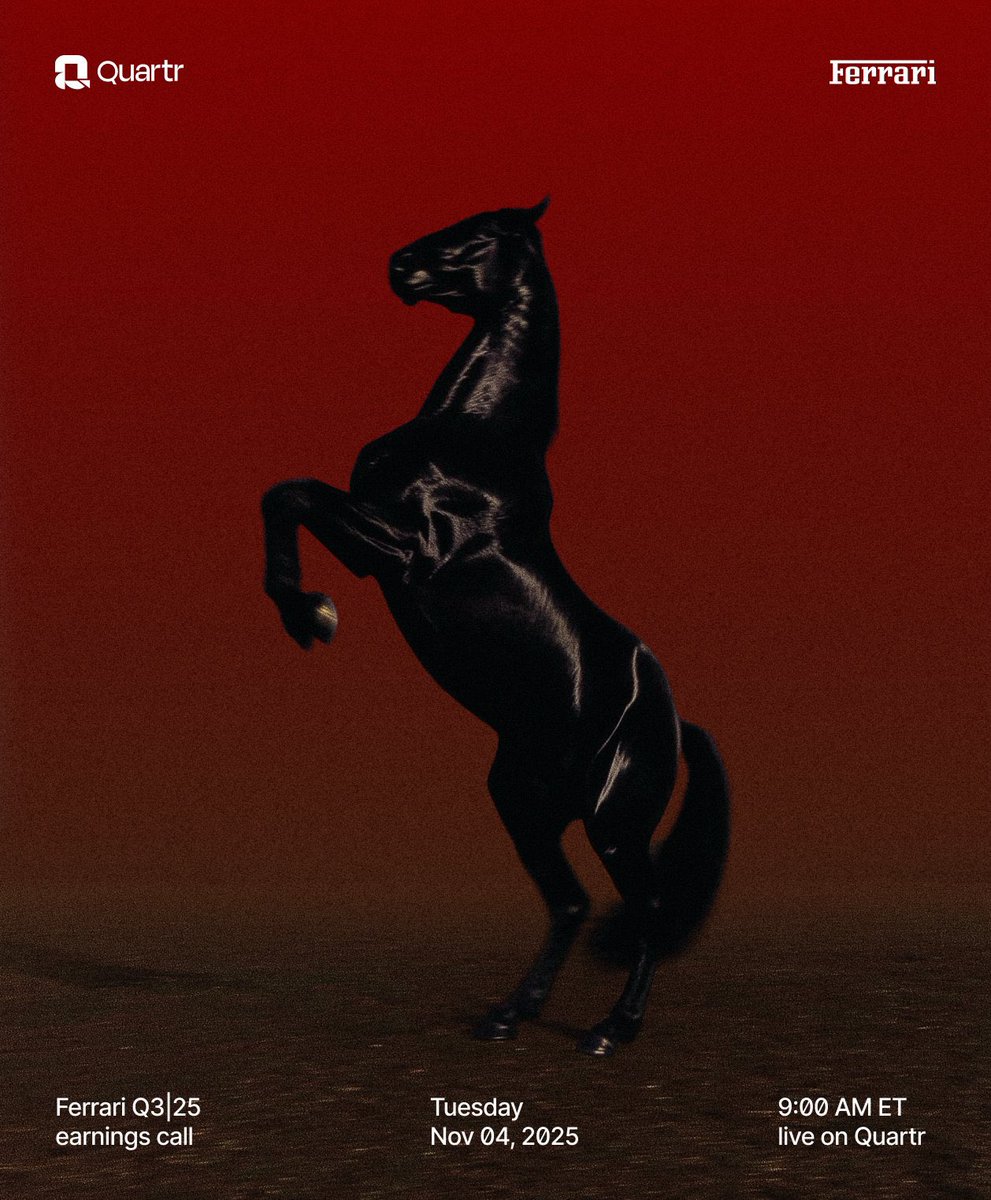
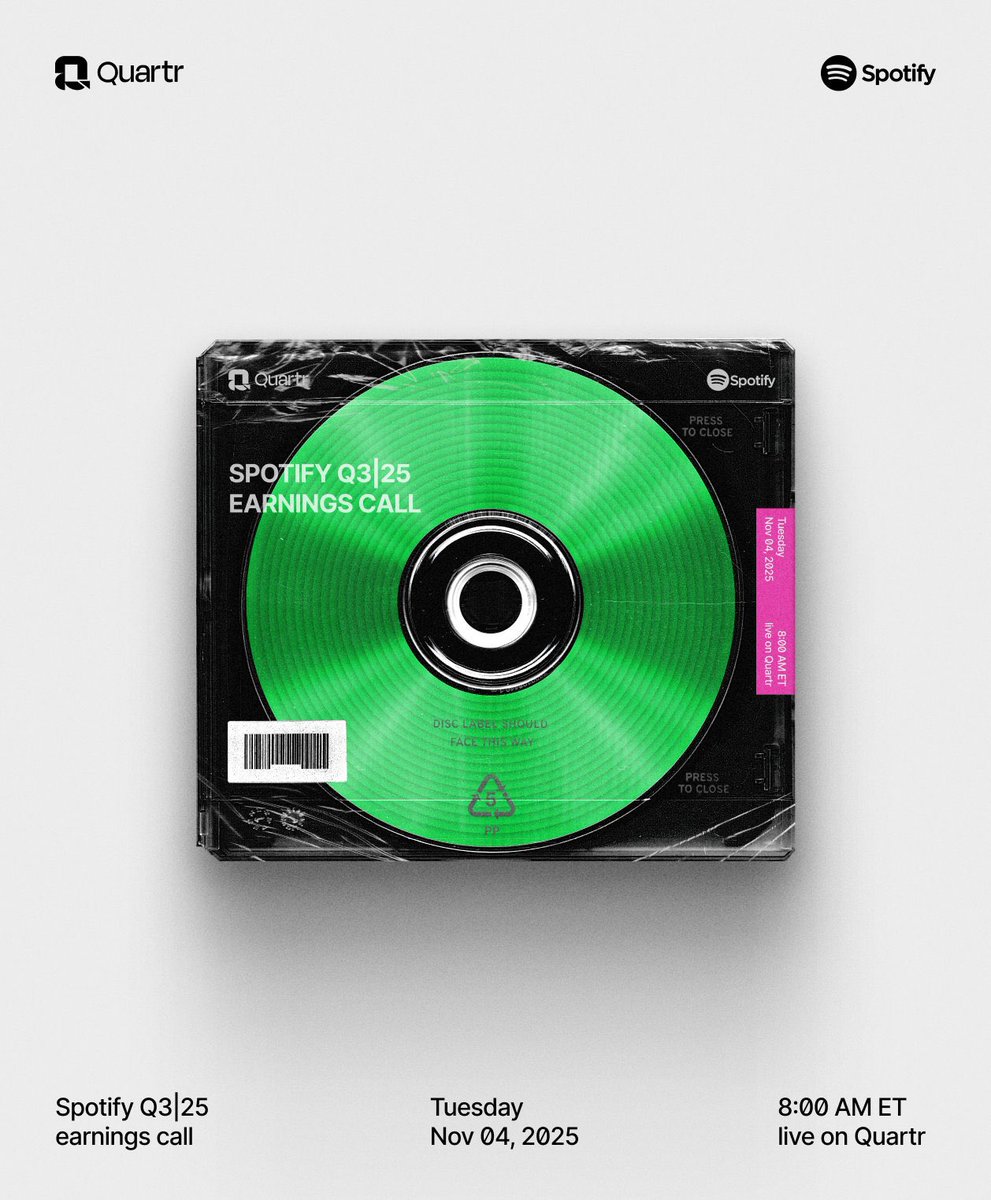
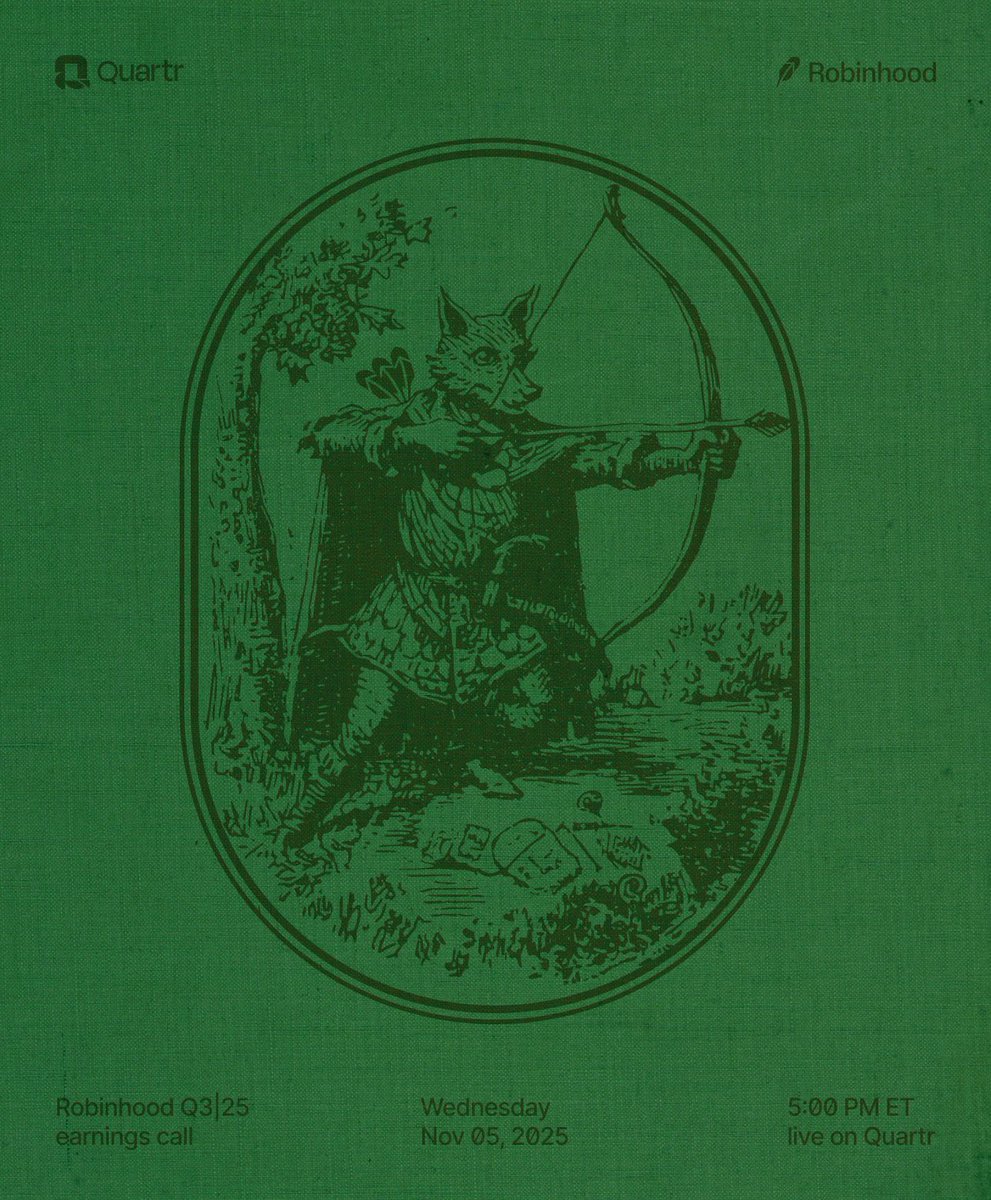
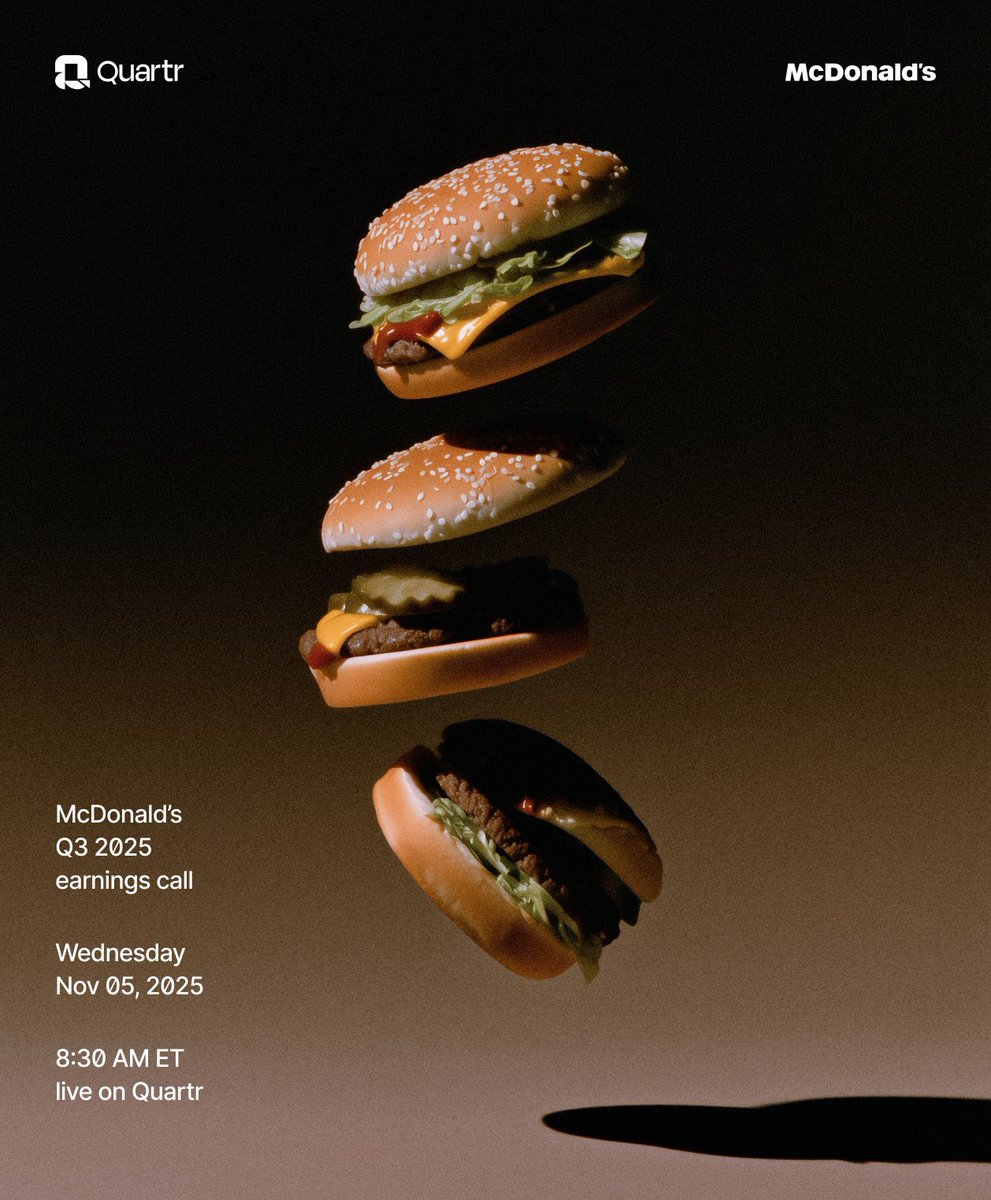
5 Nov 2025

67
512
10,351
821,529
tom__panton retweeted

19 Oct 2025
Real heads know that Boards of Canada’s peak output was the series of low res flash audio files embedded on their website between IABPOITC and Geogaddi

5
8
243
22,319
tom__panton retweeted

17 Jul 2025
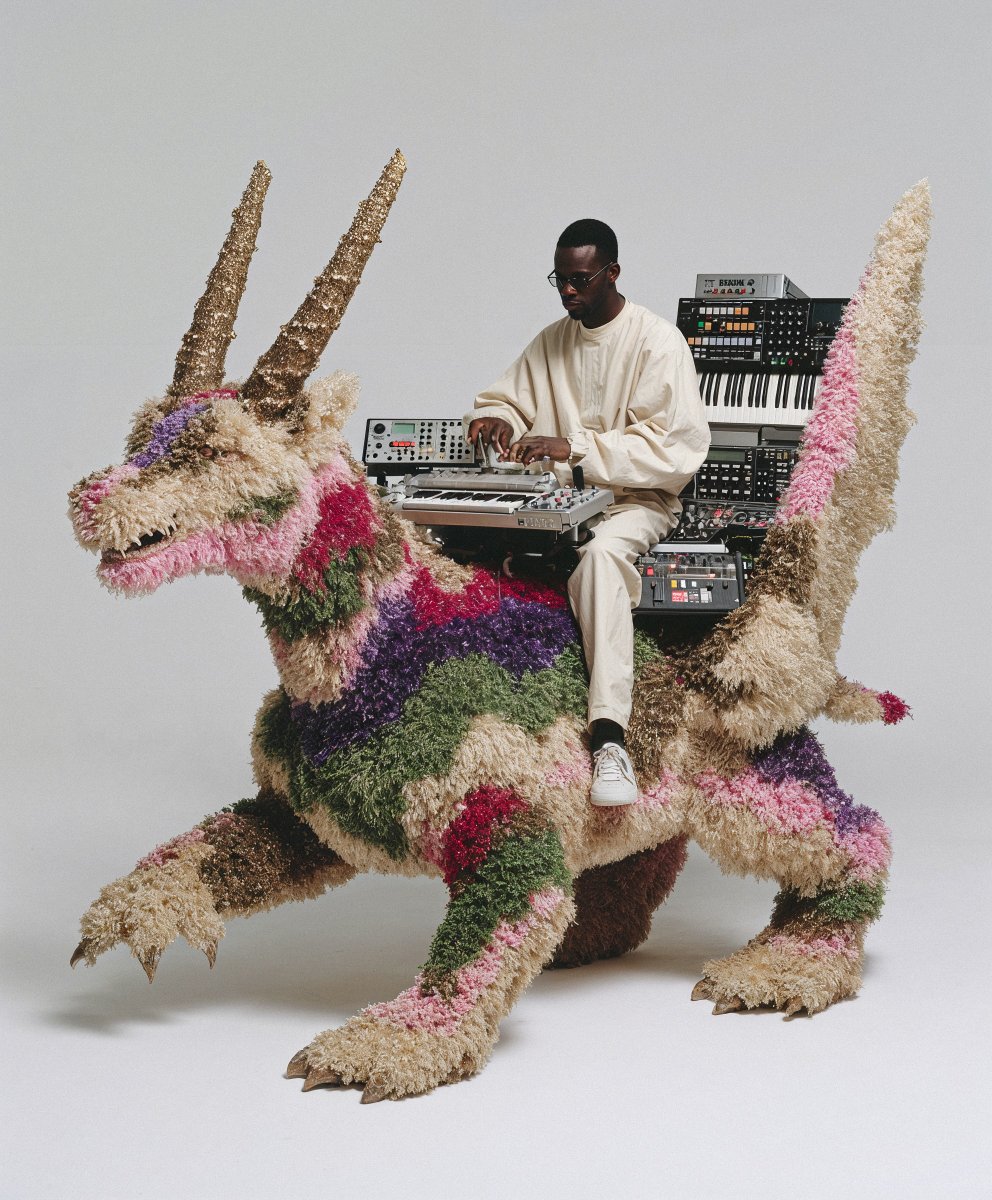
Wishing you a lovely Thursday! 🐉
7
23
228
6,207
tom__panton retweeted

2 Jul 2025
35
315
3,395
112,772
tom__panton retweeted
3 Jul 2025
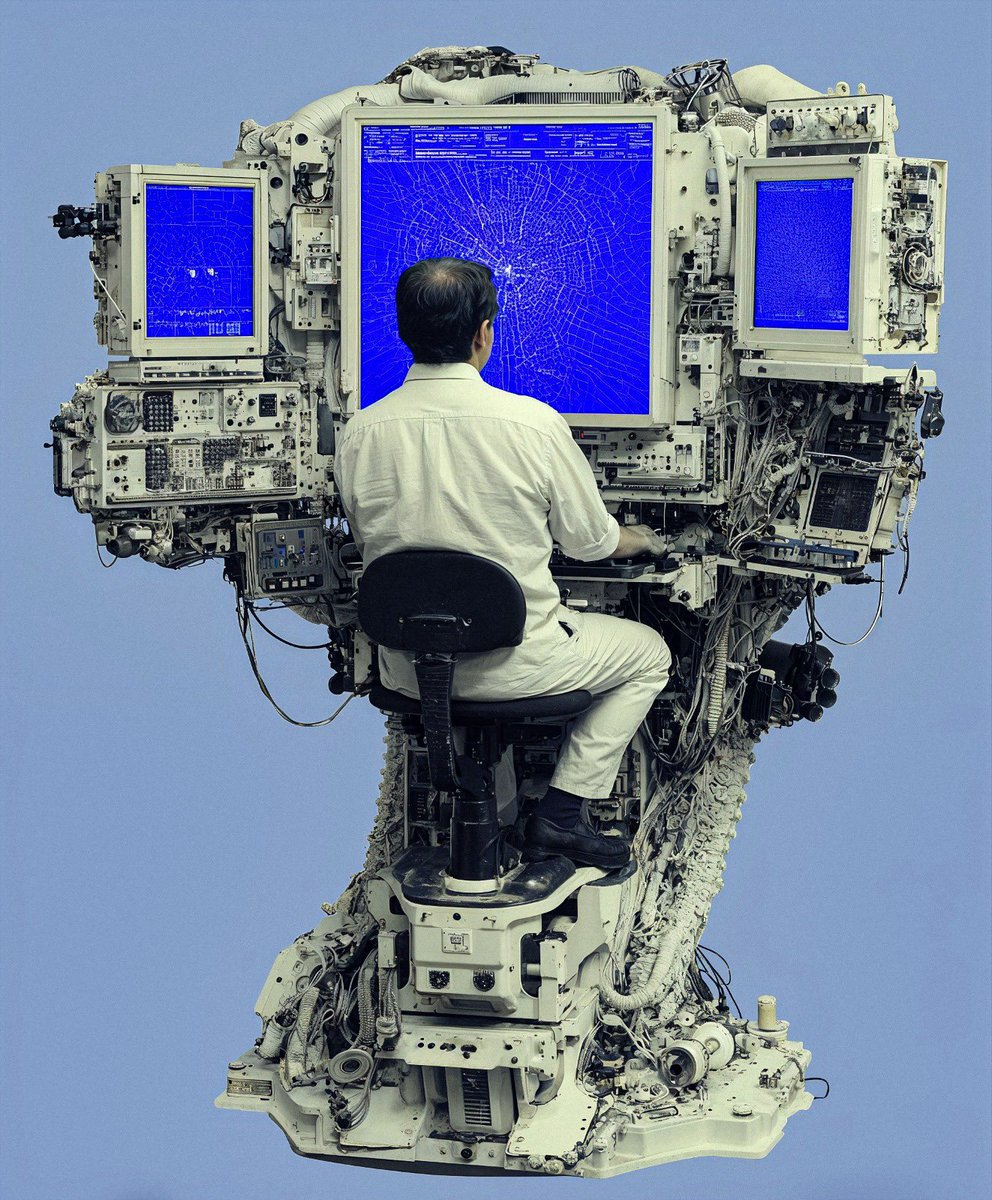
Good morning, rise and shine! 🌞
19
8
108
4,163

tom__panton retweeted

11 Jun 2025
The creative industry indelibly changed well over a decade ago, but doesn't resemble what millennials and older were trained on so they are blind to it
6
8
143
11,908
tom__panton retweeted

9 Jun 2025
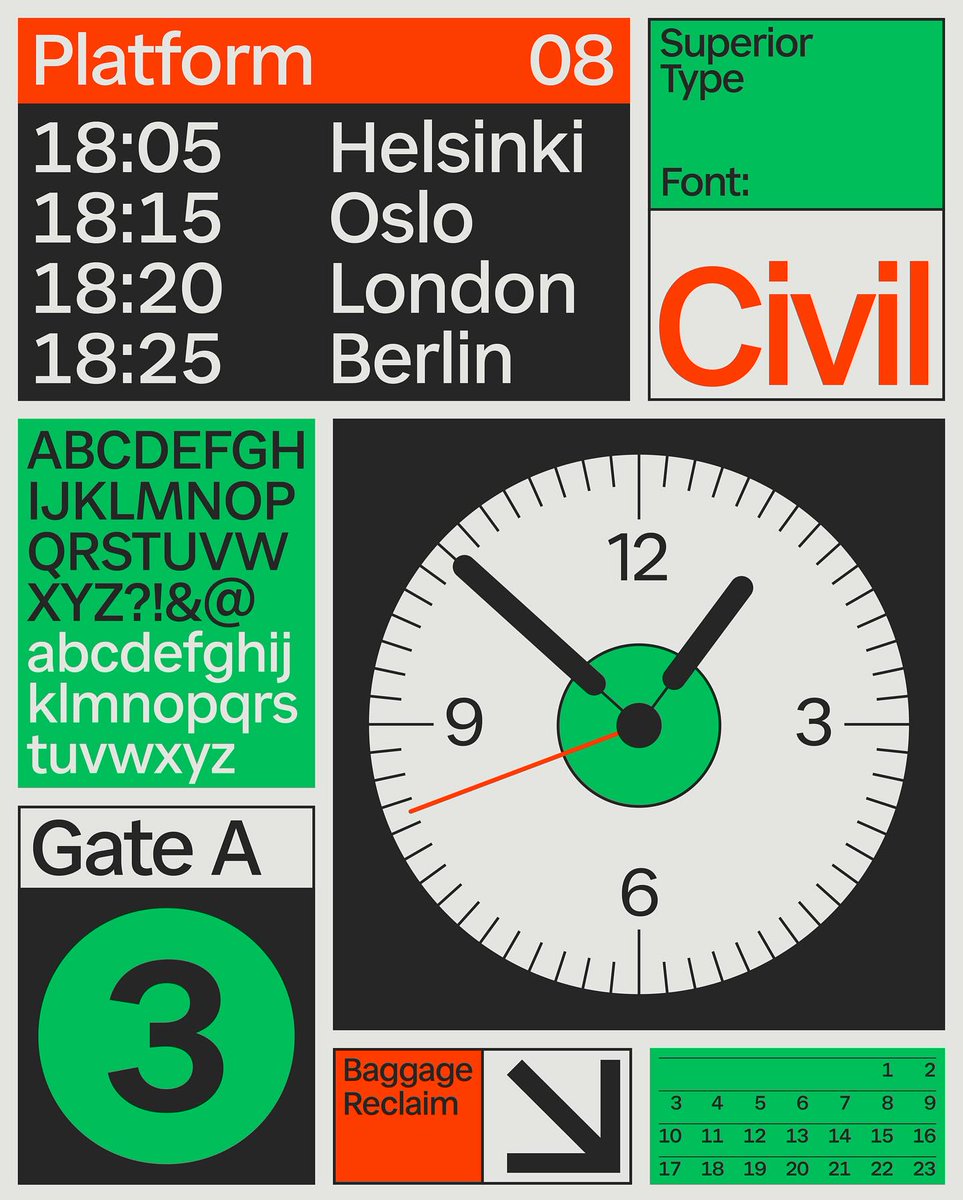
Ondřej Mazanec for Superior Type
1
63
1,022
30,043

tom__panton retweeted

19 Mar 2025
early cut of Enter the Void opening credits by designer Tom Kan.
After 15 years its still one my favorite movie opening credits
12
152
1,377
135,589
tom__panton retweeted
11 Mar 2025
I agree with a lot of this although have a slightly different take. Allocation of funds in music became hyper efficient in the data age of revealed preferences.
To @hollyherndon old and still undefeated point, pay-per-listen eviscerates the economy of challenging music. You used to have to pay $10 to access an idea. Inefficiency was good for culture as it afforded time for embers of new things to mature into something. Add to that the greater efficiency of cities meaning no space to hang out and try stuff etc
I also think it is underestimated just how difficult it was to be an active participant in music or art subcultures pre-social media, and as such they selected for high agency weirdos who were committed to building alternative realities. Combine that with the fact scenes were very local and rarely enjoyed any visibility outside of those locations, they developed deep mutations and lore.
As much as people profess to revere the subcultures of the 20th century, I don't think people really appreciate just how new and confounding they were to common sensibilities at the time, and just how odd and committed the people driving them were.
Efforts to create parallels with someone now staggering a kick on ableton, or adding distortion to a 50 year old established trope, really condescend the severity of the fall from grace. Identifying as an artist now is a status symbol rites of passage for the upper middle class. Anyone can buy the starter pack. There is no risk or resistance associated with it. This is fine, but I wouldn't conflate that with the kinds of characters who pursued highly aberrant and difficult life paths to build all the forms and ideas people ever so slightly modify or reference now.
There is still plenty of "good music", but music as a site of where those extreme mutations in form, perspective and habit happen is largely over, and as such it feels stale. The gatekeeper model of media assumed the role of forcing in front of people what they didn't know they needed yet in a brutal competition for novelty (as OP stated) and worthiness for very few slots of people's attention.
Even by the 2010s any embers of a new mutation that spawned online was quickly smuggled into a pop stars practice and diluted before it could mature into a alternative way of life as older mutations did. As someone who saw this first hand I still bristle at how pop records from that time are considered the gold standard people long for - when they were arguably a significant contributor to the slide.
More vital and abstract subcultures mutated adjacent to tech that have all the same qualities as mid-late 20th century music: high barrier to participation, scramble normie sensibilities, high barely-parsable weirdo quotient, and adjacency to growth industries that can inefficiently sustain experimentation (see crypto, oddball AI researchers, indie gaming)
A lot more to say on this but I enjoyed this essay and followed
11 Mar 2025

I keep seeing this sentiment on my feed—some version of "there’s no good music anymore."
it’s easy to dismiss as a bad take from aging millennials, but there’s a kernel of truth about the state of the industry that’s worth unpacking...
11
17
151
15,585