
Joined August 2019
- Tweets 183
- Following 28
- Followers 1,553
- Likes 27
40 Photos and videos






Pinned Tweet

7 Oct 2020
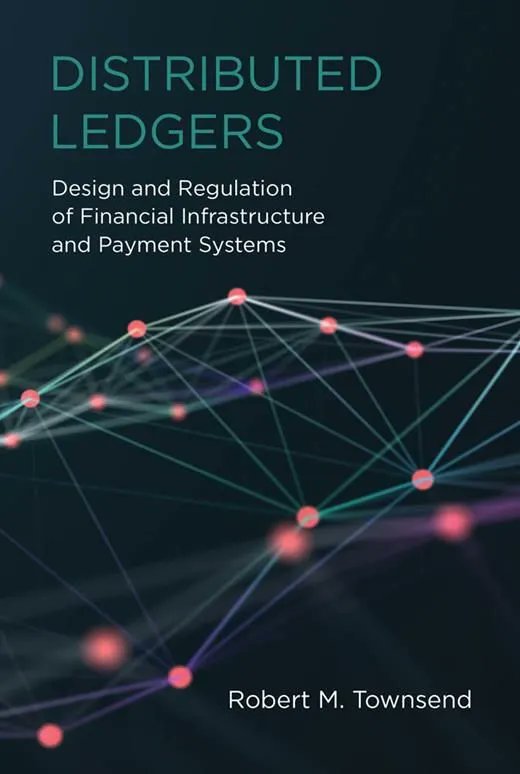
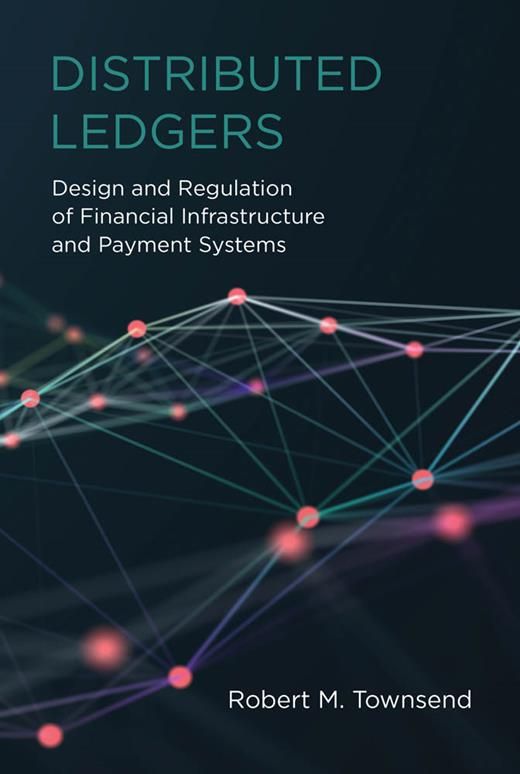
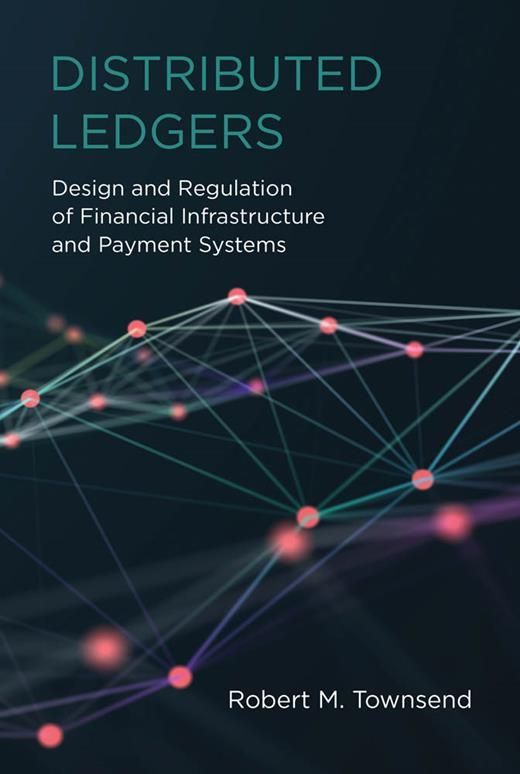
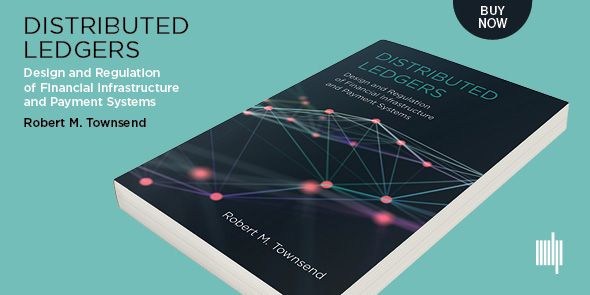
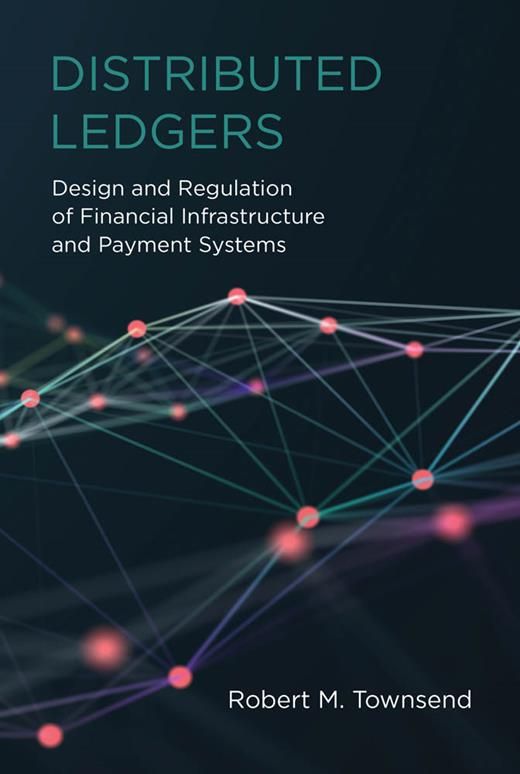
Thanks to @MITPress, my book, Distributed Ledgers, is now available for FREE via open access here: direct.mit.edu/books/book/49…
#DLT #cryptocurrency #blockchain #openaccess #econtwitter
3
31
62
28 Jan 2022
Yet in both rural and urban areas in Thailand, currency also serves, beyond transactions, as a long-term store of value, as for retirement, which is a puzzle as other forms of saving, with interest, are available.
1
9
27 Jan 2022
Ironically, urban Thai households in the same provinces do much better, managing currency as in Baumol-Tobin & Miller-Orr household and business models, respectively. Arguably, the currency fluctuation problem of sampled urban residents is less severe, perhaps easier to solve.
5
26 Jan 2022
Remedies are easy to envision for Thailand. From cash mgmt apps to e-wallets potentially with interest, and even automated portfolio management. But implementation and adoption have been slow.
1
25 Jan 2022
In Thailand, currency use is not efficient in rural areas. There the ratio of currency held, expressed in units of monthly equivalent consumption, is especially high and cannot be rationalized by reasonable transaction costs in a suite of available micro-founded payment models.
1
5
24 Jan 2022
We can consider how well these various value transfer systems function, from currency to all digital and those in between. The order I follow is Thailand’s currency to Sweden’s Swish to Kenya’s hybrid M-Pesa.
3
21 Jan 2022
It is important to evaluate the efficiency of payments systems and identify problems that need to be addressed and whether digital currency is a solution.
5
20 Jan 2022
The ratio of currency to GDP is not declining much at all in the US nor in the world. China is also a mixed-use system, but notable for the rise and reach of Alipay with e-transactions data using a barcode/QR code to identify the Alipay wallet owners. WeChat Pay is similar.
1
5
19 Jan 2022
Of course, many more countries also lie in between paper currency and digital systems. In the US and EU, there are multiple means of payment, e.g., credit cards, checks. A typical household uses multiple methods, not just one, with a large fraction of transactions in currency.
3
18 Jan 2022
Many of the ideas on digital finance that I'm sharing here are explored in my open-source book, Distributed Ledgers: Design and Regulation of Financial Infrastructure and Payment Systems, published by @MITPress buff.ly/325gDEl #DLT #blockchaintechnology #opensource
ALT Book cover image from Distributed Ledgers: Design and Regulation of Financial Infrastructure and Payment Systems
7
31
17 Jan 2022
With M-Pesa, a mobile service operator, Safaricom, allows transfers of value on cell phone accounts, transferring cell credit, with full convertibility into and out from Kenyan shillings by outpost agents.
1
14 Jan 2022
M-Pesa is a hybrid using a fiat money base and private digital transactions. M-Pesa has reached over 95% of the Kenyan population, notably including those in poverty and without bank accounts. The innovation in context has had a huge impact.
1
7
13 Jan 2022
Between Thailand’s currency and Sweden’s digital system lie countries utilizing hybrids. Hybrids lie between currency and virtual e-worlds: Key illustrative example: M-Pesa in Kenya.
2
12 Jan 2022
Swish includes validation and clearing through a Bankgirot clearing system. Finally, there are ongoing innovations in retail use with a small charge. In the future, in principle, Swish will be able to reach SMEs.
1
11 Jan 2022
Swish was set up by a private consortium of 6 commercial banks. Account holders are linked via mobile numbers & cellphone app, activated with a mobile bank ID. It is widely used among 2/3 of Swedish population for free & virtually instantaneous small value transfers, in seconds.
5
10 Jan 2022
Virtual e-world: On the other extreme lies a world with virtually everything digital, as in Sweden. The ratio of currency to GDP is one of the lowest in the world, and currency in absolute terms is also going down. Illustrative is the e-payments-and-transfers system of Swish.
2
7 Jan 2022
Paper currency: On one extreme lies intensive, almost exclusive use of paper currency and coin, physical fiat money, as in Thailand, a country which has one of the highest country ratios of these relative to GDP.
1
5 Jan 2022
E-money and digital payments are best understood by looking at extremes: paper currency vs. virtual e-worlds. Hybrids between these extremes, though typical in advanced countries, can represent welfare-changing innovations in developing economies.
4
4 Jan 2022
E-money and digital payments are a second component of distributed ledgers & quite useful to consider here in isolation from other components. Previously, I focused on ledgers, financial accts, and database mgmt. Now I consider cryptography, mechanism design, and smart contracts.
4
3 Jan 2022
The full title of the lecture 3 notes I will share next is “E-money and digital payments: infrastructure, liquidity, and an example of optimized monetary policy.”
1
2
48