
Ça passe ou ça casse
Joined August 2023
- Tweets 5,528
- Following 1,148
- Followers 368
- Likes 5,471
212 Photos and videos
















RT @ethanhatesmma: I’m sorry but I won’t be silenced. The White house event was simply a political one, zero chance Trump and the politicia…
38
Invert the narrative retweeted

Jun 12
The year is 1949.
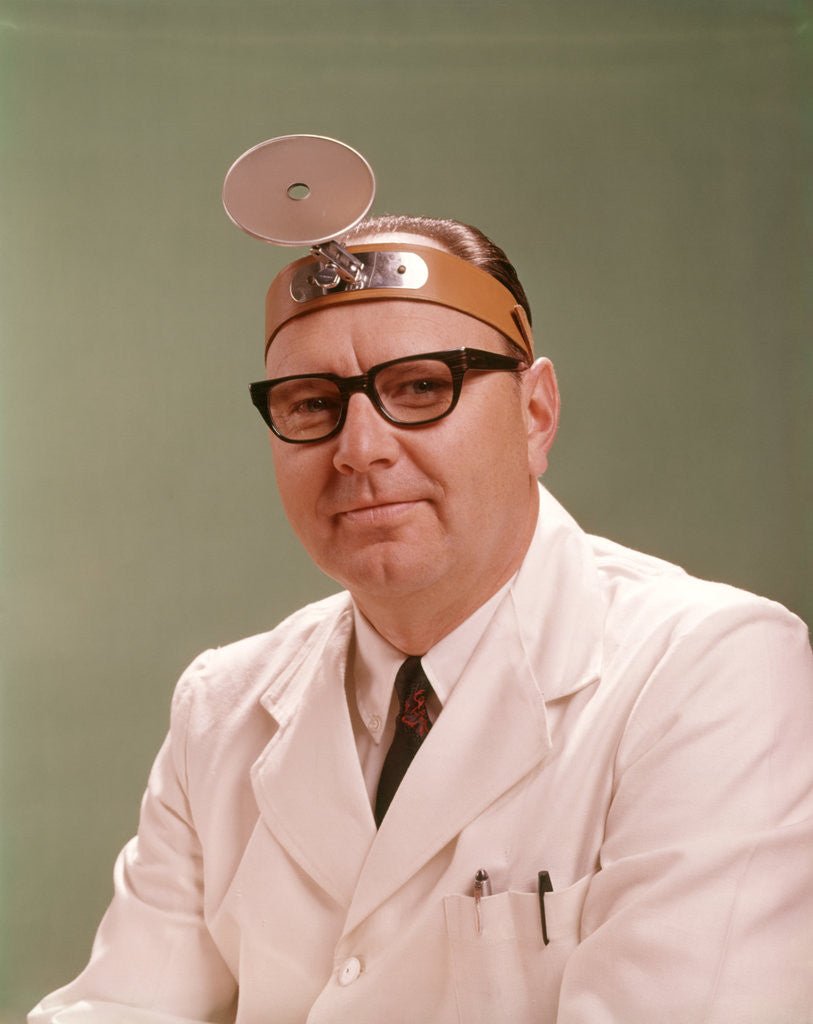
The Nobel Prize in Medicine has just gone to the man who invented the lobotomy. Your doctor suggests one for your sister, who has not been herself since the baby came. It is the most celebrated advance in psychiatry of the age, and he is simply current. By the time the prize curdles into an embarrassment, close to twenty thousand Americans have had the operation, and proportionally more here in Britain.
The year is 1956.
Lay the baby down on his front, the doctor says. So does the most trusted childcare book ever written, the one on every new mother's shelf. On his back he might choke, the reasoning goes. Millions obey. The advice holds for nearly thirty years, long after the evidence has quietly turned, and a generation of cot deaths is counted before anyone thinks to roll the babies over.
The year is 1966.
A bestselling book informs your wife that menopause is a disease, that she is, in the author's word, a castrate, and that a small daily pill will keep her youthful and tolerable to live with. Her doctor agrees. The drug becomes one of the most prescribed in the country. Nobody mentions that the author sat on the payroll of the company that made it. That detail surfaces decades later, in the same year the landmark trial is halted early for raising rates of breast cancer, stroke and clots.
The year is 1979.
Your ulcer is caused by stress and sharp food, the doctor explains. Calm down, drink milk, take the antacid that happens to be the best-selling medicine on earth. Two Australians are about to prove that most ulcers are caused by a bacterium and cured by a fortnight of antibiotics. The profession laughs. One of them eventually drinks a beaker of the stuff to settle the matter. The establishment takes the better part of twenty years to stop laughing. The Nobel lands in 2005.
The year is 1985.
Butter is dangerous, the doctor says. Switch to margarine, it is modern, it is heart-healthy, the experts are united. The spread he nudges you toward is loaded with trans fats, which the next decade will identify as the genuinely dangerous one, and which will eventually be banned outright. The butter goes quietly back in the fridge. No correction is ever printed at the volume of the original warning.
The year is 1992.
There is a pyramid on the surgery wall, and the very same one in your grandchild's classroom. Bread, cereal, rice and pasta form the broad virtuous base, up to eleven servings a day. Fat is exiled to the tiny tip. The chart was reportedly held back a year while the relevant industries had their say. It is wrong at the bottom and wrong at the top.
Now it is today.
Your doctor has new guidelines, new studies, a fresh consensus, delivered with precisely the steady confidence of every guideline above. He believes it, and he has good reason to. So did every doctor in this thread. None of them were villains. Each was sincere, most were kind, and all were certain, reading from a map that somebody else had drawn and handed them. That is the part worth sitting with.
So when the man in the white coat tells you what to eat, what to fear, and what to swallow every morning for the rest of your life, you are allowed to ask. Who paid for the study. What the evidence says beneath the headline. What he was just as certain about thirty years ago, and where that advice sits now.
Then make up your own mind. Call it scepticism, or call it whatever your grandmother called it when she ignored the advert, kept the butter where it was, and lived to ninety-one.
It has outlasted every consensus on this list. It will outlast this one too.
485
5,133
14,930
317,403
Invert the narrative retweeted

Jun 1
🚨 PSYCHIATRIST SAYS "WOMEN ARE DESTROYING THIS COUNTRY" — AND THE INTERNET IS MELTING DOWN
Psychiatrist Dr. Mark McDonald is going viral after appearing on The Edit Alaverdyan Podcast and making what many people are calling one of the most controversial statements of the year.
His claim?
“Women are disproportionately destroying this country.”
But that's only the beginning.
According to McDonald:
• America has become afraid to criticize women
• society constantly calls out male flaws but ignores female ones
• weak men are enabling the problem
• fathers are failing to step up
• and what he calls “toxic femininity” is driving some of the most destructive cultural trends in the country
McDonald argues that many of America's biggest problems aren't political at all...
They're symptoms of a deeper imbalance between masculine and feminine influence.
The comments immediately exploded:
• “This man just said what millions are thinking.”
• “This is one of the most controversial takes I've heard all year.”
• “He's identifying a real problem nobody wants to discuss.”
• “Blaming women for society's problems is insane.”
Now the internet is completely divided over whether Dr. McDonald is:
• exposing a real societal problem
• wildly oversimplifying complex issues
• or saying something most public figures are afraid to say
Be honest... who do you think is doing more damage to society right now: toxic men or toxic women?
📹: TikTok/edit_alaverdyan
962
2,137
9,168
527,530
Invert the narrative retweeted

May 31
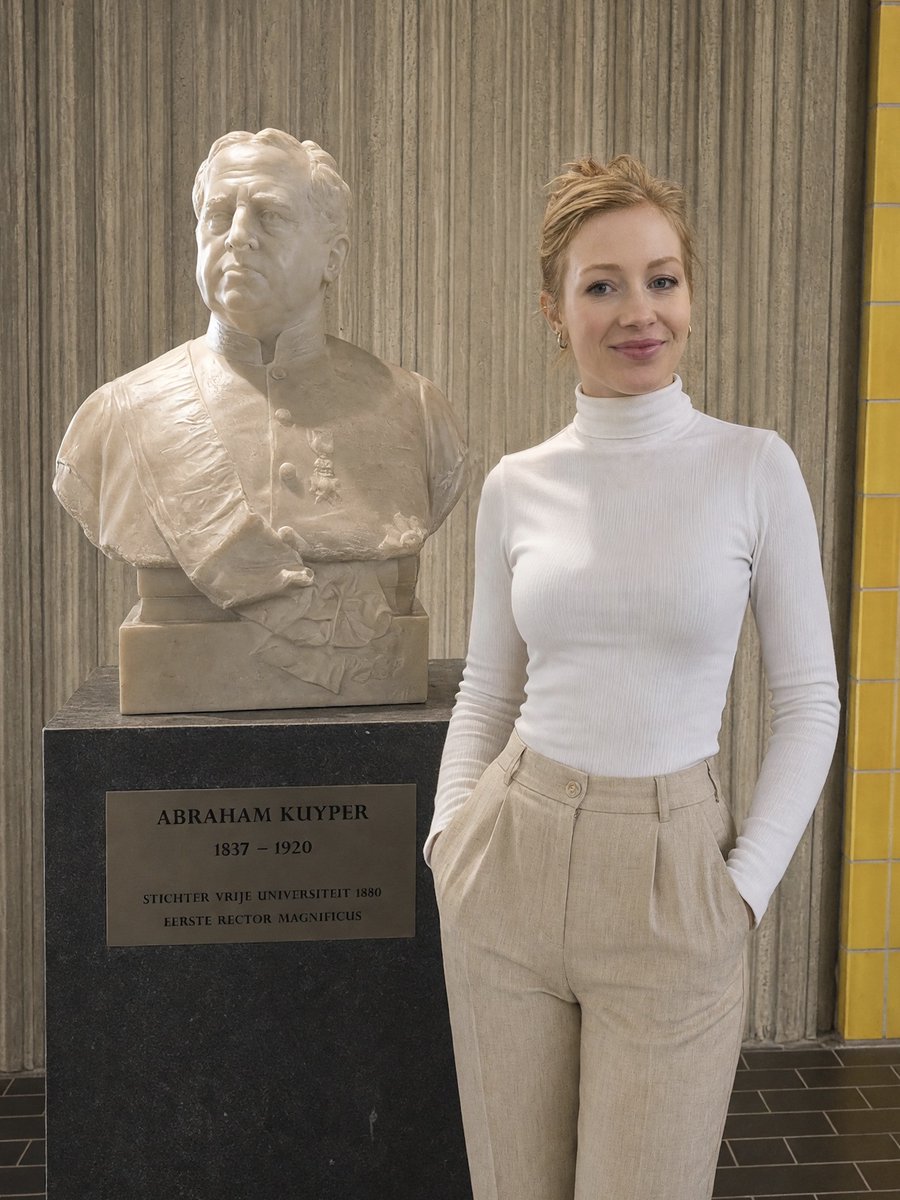
Op de VU liep ik elke dag langs het beeld van Abraham Kuyper. Op mijn laatste dag maakte ik even een foto met de goede man.
Eén citaat van hem is me altijd bijgebleven (want na drie jaar besluit een student de man pas even te googlen) en ik begrijp 'm nu pas echt:
"Als beginselen die ingaan tegen je diepste overtuiging de overhand beginnen te krijgen, dan is strijd je roeping, en is vrede zonde geworden; dan moet je, ten koste van de dierbaarste rust, je overtuiging blootleggen voor vriend en vijand, met heel het vuur van je geloof."
Jarenlang heb ik gezwegen. Ik was apolitiek. Tot ik besefte dat die 'vrede' niet langer onschuldig was.
Want kijk om je heen. Een land dat in één generatie onherkenbaar verandert, zonder dat het ons ooit is gevraagd. Een volk dat te horen krijgt dat het niet bestaat, een vlag die verdacht is, een geschiedenis waar je je voor moet schamen.
En iedereen die het benoemt wordt monddood gemaakt met één woord.
Daar ga ik niet meer in mee. Nederland is het waard om voor op te staan. Niet met haat. Met overtuiging.
Dus ik ga mij laten horen. Voor vriend en vijand. Met heel het vuur dat ik heb.
Ik hoop dat jij het ook doet. Strijd is je roeping.
Voor Nederland. 🇳🇱 Voor ons vaderland.
283
1,169
4,890
119,021
Invert the narrative retweeted

May 29
One of the rarest and most lethal skills a person can master is REFUSING TO DIE
As you grow in age you’ll see how everyone dies around you
The “gangster” you knew in high school dies and becomes a barber
The trust fund kid dies, unable to 10x his dads networth, lapped by random people he never knew existed back in the day
The tall pretty boy that girls were naturally drawn to dies and becomes mortal, cucked by some bitch
The guy who was cool, a threat when he was 20 dies and becomes some worm at 30 - couldn’t sustain the same energy for decades
Most people “die” as they age and face real problems. The key is to remain retarded forever and to refuse to die - no matter what happens.
Winning long term depends on your ability to stubbornly retain childlike traits like foolish optimism, playfulness, relentless risk-taking and refusal to become jaded or “realistic” in a defeatist sense.
Namaste.
140
681
5,360
165,077
Invert the narrative retweeted

May 19
When god wants to make you powerful he would..
12
655
3,027
97,847
Invert the narrative retweeted

May 17
"Until death, all defeat is psychological." - Marcus Aurelius
Refuse everything that would lead most people to give up.
Refuse it.
Rise from the dead 1000 times.
Commit to never stay down & never give up.
Everything you want is on the other side of struggle.
159
2,816
14,716
2,103,346
Invert the narrative retweeted

A narcissist typically cannot (or will not) take accountability for:
— Harmful actions – lying, cheating, stealing, emotional or physical abuse.
— Mistakes and failures – anything that threatens their image of competence.
— Broken promises – they shift blame or rewrite history rather than admit they didn’t keep their word.
— Consequences of their choices – they externalize blame (“You made me do it,” “It’s the system’s fault”).
— Patterns of behavior – even if caught repeatedly, they insist each event is isolated.
— Hurting others’ feelings – they’ll deny, minimize, or mock the idea that they caused pain.
— Disrespect & boundary-breaking – they frame it as the other person’s fault for having “unreasonable” boundaries.
— Lack of empathy – they often blame the victim for being “too sensitive.”
— Gaslighting and manipulation – reframed as “just joking,” “teaching a lesson,” or “misunderstood.”
— Emotional immaturity – they portray it as strength or as a reaction to someone else’s behavior.
— Envy and resentment – denied or projected onto others (“You’re just jealous”).
— Withholding affection or attention – portrayed as a deserved punishment.
— Projecting their flaws onto others – they rarely acknowledge projection itself.
— Ignorance or lack of knowledge – they often feign expertise rather than admit they don’t know.
— Weakness or vulnerability – they see it as shameful rather than human.
— Fear, insecurity, or shame – masked as arrogance or anger.
— Need for validation – framed as deserved admiration.
— Addictions or compulsions – blamed on stress, upbringing, or other people.
— Mental health issues – often denied or ridiculed in others as a projection of their own.
— Parenting failures – they’ll blame the other parent, the child, or “society.”
— Partner/relationship problems – reframed as the partner’s fault for being “too needy” or “crazy.”
— Workplace conflicts or failures – blamed on colleagues, bosses, or the system.
— Friendship betrayals or neglect – minimized or rationalized.
— Leadership or community role failures – reframed as being sabotaged or unappreciated.
— Hypocrisy – often denied even when caught red-handed.
— Exploitation of others – justified as “survival of the fittest” or “business as usual”
— Discrimination or prejudice – reframed as “telling it like it is.”
— Dishonesty and manipulation – reframed as being clever, strategic, or “practical.”
— Betrayal of trust – excused as a response to being “driven to it.”
— Aging and mortality – often triggers intense denial or compensatory behaviors.
— Physical or cognitive limitations – they’ll lash out or hide these.
— The effects of time, effort, and cause-and-effect – they expect shortcuts or magical results.
— The existence of objective facts – when facts conflict with their narrative, they deny the facts.
— The autonomy of others – they resist accepting that others have their own needs, desires, and choices.
— Past abuse they committed – reframed as discipline, love, or victim-blaming.
— Failures in prior jobs, relationships, or ventures – reframed as someone else sabotaging them.
— Their own privilege or unfair advantages – denied or minimized.
— Patterns of conflict with others – reframed as being chronically “misunderstood” or “targeted.”
🤭
1
25
174
5,399
Invert the narrative retweeted
May 12
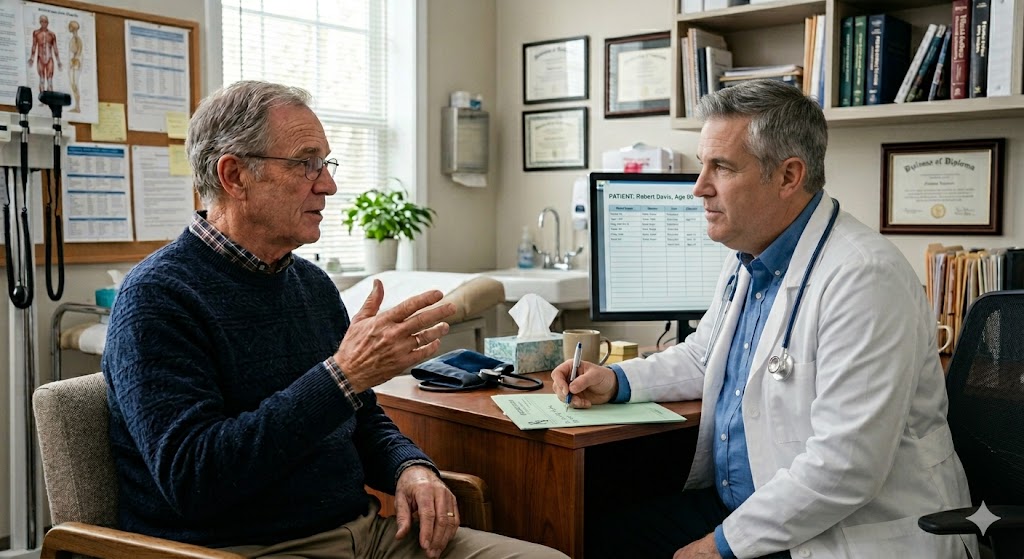
Doctor: "Your LDL is still high. I'm adding a second statin."
Patient: "I'm already on one. My legs ache."
Doctor: "That's a known side effect. I'll add CoQ10."
Patient: "And I'm tired all the time."
Doctor: "Fatigue is common. I'll add modafinil."
Patient: "My memory is foggy."
Doctor: "Cognitive effects can occur. Donepezil should help."
Patient: "I have a cough now."
Doctor: "That'll be the ACE inhibitor I prescribed last visit. We'll swap it for an ARB."
Patient: "I'm not sleeping."
Doctor: "Zopiclone."
Patient: "Heard that's addictive."
Doctor: "We'll taper you with mirtazapine when the time comes."
Patient: "My blood sugar has gone up."
Doctor: "Statins can do that. Metformin."
Patient: "I get diarrhoea on metformin."
Doctor: "Loperamide."
Patient: "I've gained weight."
Doctor: "Ozempic."
Patient: "I feel nauseous."
Doctor: "Ondansetron."
Patient: "I don't want to be on twelve medications."
Doctor: "Anxiety is common at this stage. I'll add sertraline."
Patient: "What if I just stopped the statin?"
Doctor: "Absolutely not."
1,522
9,108
28,889
1,652,386
Invert the narrative retweeted

May 4
One of the best articles I've read about why & how women make ourselves miserable, and it's not what you think.

27
307
2,765
539,214
Invert the narrative retweeted
May 5
Walk across an arable field of British wheat in summer. Count the species.
You will find: wheat. Possibly a few resistant weeds the herbicide didn't catch. A handful of crows. Some pigeons surveying for damage. Roughly nothing else.
Walk across a properly managed permanent pasture in the same county.
You will find: 30 to 60 plant species in a good sward. Wildflowers. Clover. Vetches. Plantain. Ryegrass and timothy. Foraging bumblebees. Skylarks nesting in the longer patches. Hares in the margins. Beetles, dung beetles in particular, doing the work of two ecosystems at once. Field voles, kestrels overhead waiting for them. Swallows hoovering up insects above the cattle.
The cattle are the reason the second field is biodiverse. Their grazing maintains the open structure. Their dung feeds the invertebrate web. Their hooves create the disturbance ground-nesting birds require.
Remove the cattle, the pasture turns to scrub, and the species count crashes.
The farm with the cows is the wildlife refuge.
The farm with the wheat is the empty room.
This is the inversion that nobody who writes for a Sunday supplement has worked out yet.

68
1,309
4,498
63,013
Invert the narrative retweeted
To suffer because you were true to your soul is purer but less agonising than to suffer because you betrayed yourself, for when you are true to yourself, no matter how much your choices cost you, you never have to endure the pain of regret.
You don't have to live with the "what ifs" and "if I could turn back time" - because you know that no matter how badly it turned out, you did the right thing, and so, given the chance, you would do exactly the same thing all over again, knowing it would lead to the very same suffering.
You would consciously choose this suffering, because it is righteous, and so you regret nothing. You willingly pay the price in pain, because that was the price required to do the right thing! In a perverse way, without trying to glorify it, you may even be proud of your suffering, for it has refined you, made you stronger, more beautiful!
But when you do the wrong thing, it isn't even the pain of bad luck or a horrific outcome that finishes you off. It is the poison of regret - knowing you could have done better, but actively, consciously and deliberately chose not to. To choose against yourself, whilst falsely convincing yourself it is what's best for yourself, is a verdict against yourself that does not shut up, and cannot be outrun. You look away, and there it is, clawing away at you from the inside like fingernails on a coffin lid, and when you put your fingers in your ears - the scratching just gets louder.
You cannot outrun yourself, try as you may in your deferring cowardice. The balance will be redressed, debts will be repaid, and the mirror shall violently reassert itself.
8
96
571
21,803
Invert the narrative retweeted
May 2
If you trusted "settled science" throughout history, you'd have:
- Drunk radioactive water for vitality (1920s)
- Had your healthy teeth pulled to cure mental illness (1910s)
- Smoked cigarettes for your throat, on doctor's orders (1940s)
- Taken heroin for your child's cough (1890s)
- Eaten lead paint chips as a calcium supplement (decades of this)
- Used asbestos to insulate your child's bedroom (1950s)
- Given thalidomide to pregnant women for morning sickness (1960s)
- Eaten margarine for your heart (1970s)
- Lobotomised your sister for being unhappy (1940s and 50s)
- Sprayed DDT on the children in the playground (1950s)
- Avoided all fat to lose weight (1990s)
- Replaced butter with trans-fat spreads on the doctor's recommendation (1990s)
Every generation has its medical catastrophe dressed up as health advice. Endorsed by the experts. Printed in the textbooks. Recommended by your doctor. Featured on the front of the magazines in the waiting room.
Ours is seed oils, statins, grain-based diets, ultra-processed convenience food, and the steady chemical maintenance of conditions that better food would resolve in 90 days.
Future generations will look back in horror. Just like we look back at radioactive tonics and cigarette prescriptions and wonder how anyone fell for it.
The pattern never changes. Only the product on the shelf.

162
1,820
4,929
143,604
Invert the narrative retweeted

46 wetenschappers van het IPCC hebben hun ontslag genomen.
De reden?
Omdat er niet naar hen geluisterd wordt, omdat hun meningen afwijken van het gangbare verhaal!
Maar geloof me niet zomaar op mijn woord, hier zijn hun verklaringen:
Dr. Robert Balling: Het IPCC merkt op dat "er geen significante versnelling van de zeespiegelstijging in de 20e eeuw is waargenomen." Dit stond niet in de IPCC-samenvatting voor beleidsmakers.
Dr. Lucka Bogataj: "Stijgende concentraties koolstofdioxide in de atmosfeer veroorzaken geen wereldwijde temperatuurstijging... eerst veranderde de temperatuur en zo'n 700 jaar later volgde een verandering in de hoeveelheid koolstofdioxide in de atmosfeer."
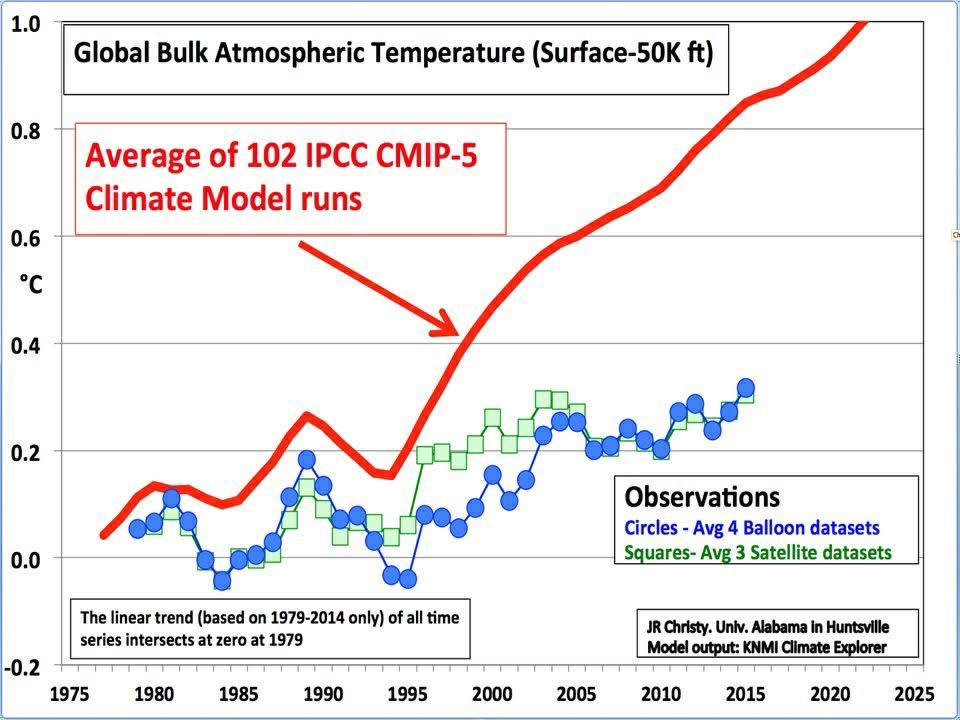
Dr. John Christy: "Wat weinig mensen weten, is dat de meeste wetenschappers die bij het IPCC betrokken zijn, het er niet over eens zijn dat er sprake is van klimaatverandering. De bevindingen van het IPCC zijn in elk opeenvolgend rapport steevast verkeerd voorgesteld en/of gepolitiseerd."
Dr. Rosa Compagnucci: "De mens heeft slechts een paar tienden van een graad bijgedragen aan de opwarming van de aarde. Zonneactiviteit is een belangrijke drijvende kracht achter het klimaat."
Dr. Richard Courtney: "Het empirische bewijs wijst er sterk op dat de hypothese van door de mens veroorzaakte opwarming van de aarde onjuist is."
Dr. Judith Curry: "Ik ga niet zomaar mijn mening geven en het IPCC steunen, want ik heb geen vertrouwen in het proces."
Dr. Robert Davis: "De wereldwijde temperaturen veranderen niet zoals de meest geavanceerde klimaatmodellen voorspelden. In de samenvatting van het IPCC voor beleidsmakers wordt geen enkele keer melding gemaakt van temperatuurmetingen via satellieten."
Dr. Willem de Lange: “In 1996 noemde het IPCC mij als een van de circa 3000 ‘wetenschappers’ die het erover eens waren dat er een aantoonbare menselijke invloed op het klimaat bestaat. Dat was ik niet. Er is geen bewijs dat de hypothese ondersteunt dat een ongecontroleerde, catastrofale klimaatverandering het gevolg is van menselijke activiteiten.”
Dr. Chris de Freitas: "Besluitvormers binnen de overheid zouden inmiddels moeten weten dat de basis voor de aloude bewering dat koolstofdioxide een belangrijke drijvende kracht achter het wereldwijde klimaat is, ter discussie staat; en daarmee ook de tot nu toe aangenomen noodzaak van kostbare maatregelen om de uitstoot van koolstofdioxide te beperken. Als ze het niet weten, komt dat door het lawaai van de klimaathysterie, die gebaseerd is op de drogreden van 'argumenten uit onwetendheid' en voorspellingen van computermodellen."
Dr. Oliver Frauenfeld: "Er is nog veel meer vooruitgang nodig met betrekking tot ons huidige begrip van het klimaat en onze mogelijkheden om het te modelleren."
Dr. Peter Dietze: "Door gebruik te maken van een gebrekkig werveldiffusiemodel heeft het IPCC de toekomstige opname van koolstofdioxide door de oceanen ernstig onderschat."
Dr. John Everett: "Het is tijd voor een realiteitscheck. De oceanen en kustgebieden zijn veel warmer en kouder geweest dan wordt voorspeld in de huidige klimaatveranderingsscenario's. Ik heb het IPCC en recentere wetenschappelijke literatuur bestudeerd en ben van mening dat er geen probleem is met toenemende verzuring, zelfs niet tot de onwaarschijnlijke niveaus in de meest gebruikte IPCC-scenario's."
204
3,334
6,206
185,134
Invert the narrative retweeted
Apr 29
Let's talk about how long it takes the medical establishment to admit it was catastrophically wrong.
1950s: Doctors recommend smoking to pregnant women. "Calms the nerves." Magazine adverts featured obstetricians lighting up patients in waiting rooms.
Time until reversed: 25 years.
1960s: Thalidomide prescribed for morning sickness. Ten thousand children born with malformed limbs across forty-six countries. The drug was on the market for five years. The United States narrowly avoided approval thanks to one FDA reviewer, Frances Kelsey, who was harassed by the manufacturer for refusing to rubber-stamp it. She received a Presidential Medal afterwards. The men who pressured her did not lose their jobs.
Time until reversed: 5 years. 10,000 affected children.
1970s: DES prescribed to prevent miscarriage. Causes a rare vaginal cancer in the daughters of women who took it, sometimes appearing twenty years later.
Time until reversed: 30 years.
1980s: Margarine officially recommended over butter. Trans fats turn out to cause the exact heart disease they were marketed as preventing. Harvard researchers later estimated up to 250,000 excess American deaths from industrial trans fats before the FDA finally moved against them in 2018.
Time until banned: 30 years after the harm was published.
2000s: Vioxx approved for arthritis. The internal Merck documents showing cardiac risk existed before approval. They hid them.
Time until withdrawn: 5 years. 60,000 dead.
2010s: Opioids prescribed like sweets. "Less than 1% addictive when properly prescribed," cited endlessly from a 1980 letter to the editor of the New England Journal of Medicine. The letter was 101 words long, observed hospitalised patients on short-term doses, and was not a study. It was cited over six hundred times to justify giving OxyContin to people with back pain for the rest of their lives.
Time until reversed: 20 years and counting. Half a million dead.
The pattern is mechanical.
The establishment recommends something. The evidence of harm emerges. The establishment ignores it. Years pass. The harm becomes undeniable. The guidance is quietly updated "based on emerging data." Nobody is held responsible. Nobody apologises. The next mistake is already in development in an adjacent department.
So when modern doctors tell you, with the full confidence of the institution behind them:
"Seed oils are heart healthy."
"Statins for everyone over fifty."
"Saturated fat causes heart disease."
"Cholesterol is the enemy."
Remember that they have been catastrophically, generationally, lethally wrong before. While charging consultation fees the entire way through.
The question worth asking isn't whether they're right this time.
The question is what their track record predicts.
History gives you a fairly clear answer.

45
610
1,413
25,898
Invert the narrative retweeted

Apr 21
Dr. Richard Lindzen, Professor Emeritus of Atmospheric Science at MIT, says global warming fear isn't driven by data, but by money and control.
He recently told the Daily Mail that politicians saw climate policy as a multi-trillion dollar opportunity to reshape industries, to push globalization.
The public was fed panic over a minuscule temperature change that means almost nothing.
Lindzen calculates that even a doubling of CO2 would warm the planet by only half a degree.
He argues nature stabilizes, not amplifies, climate swings, and that today's warmth and CO2 levels actually help plants grow and expand farmland.
"People are finally starting to question this," he said.
"It'll be an embarrassment to our era."
109
1,477
2,681
44,285
Invert the narrative retweeted
Apr 22
You walk past a field. There is a bull in it. That is what you see. A bull. In a field.
Have a closer look.
The grass under his hooves is deeper-rooted than it looks. Two, three feet down in places, because his grazing has been stimulating root growth for the six years he has been in this field. Those roots are pulling atmospheric carbon into the soil at a rate the climate modellers would weep over if they ever thought to measure it.
The soil itself is alive. A single teaspoon from beneath Gerald contains more microorganisms than there are humans on earth. Bacteria. Fungi. Protozoa. Nematodes. A functioning microbial civilisation built by his manure, year after year, pat after pat, feeding a soil structure that holds rainwater like a sponge.
The earthworms are working. Roughly 400 per square metre under a well-grazed pasture, which is approximately ten times the count in the arable field two hedges over. They are aerating the soil, cycling nutrients, and feeding the badger who patrols the field at night.
The dung beetles are on duty. Up to a hundred species compete for a fresh cowpat in a British summer. They bury it. They break it down. They aerate the ground as they go. Without them the pasture would stop functioning within a year.
The cowpat itself, fresh, supports roughly 300 species of invertebrate in its first week of existence. Flies. Beetles. Wasps. Parasitic nematodes. A small, smelly ecosystem the size of a dinner plate, which Gerald produces ten to fifteen times a day.
The hedgerow around his field is dense because Gerald keeps eating the shoots that try to grow outwards. It supports, in turn, around 2100 species of invertebrate, bird and wildflower. The skylark is nesting in it. The wren is hunting it. The hedgehog is using it as a corridor to the next field.
The yellowhammer is on the gate. The pipit is on the wall. The swifts are working the air above Gerald's head, because the flies around him are what they eat. The barn owl quarters the field at dusk, because the short-grazed grass lets her see the voles.
The wildflowers along his field boundary number, at last count, 31 species. Tormentil. Eyebright. Bird's-foot trefoil. Self-heal. Red clover. The wildflowers support the bees. The bees support the pollination of the next farm's orchard. The orchard supports the apples being pressed in the village.
A horseshoe bat was recorded feeding over the field last August. First record in the parish in thirty years.
The soil beneath Gerald has gained approximately 1.5 tonnes of carbon per hectare per year since he arrived. His field alone has offset the annual emissions of about forty British households.
Gerald does not know any of this.
Gerald is eating grass.
He has been eating grass, continuously, for four years, on the same 12-acre field, and in that time he has supported more biodiversity, more carbon sequestration, and more ecological complexity than most conservation projects with a salaried team and a press office.
He has done it for free. He requires only rain and grass. He has asked for nothing.
People are trying to cancel Gerald for this.

32
447
1,576
18,285
Invert the narrative retweeted

Apr 22
I will say this in simple terms: if they choose their wound over the relationship, then there is no relationship, because their fear and pain is stronger than their devotion.
A coward will always betray you, because they are more bound by their fear than their oaths.
You cannot trust and thus properly love the coward, because as C.S Lewis so elegantly put it: “courage is not simply one of the virtues but the form of every virtue at the testing point.”
So the coward relies on optimal or low pressure conditions to treat you well. If they feel too pressured or overwhelmed, they will choose themselves over you. That makes them a structurally bad bet. Like to put it in lame modern dating terms: cowardice is a massive red flag.
Apr 22

What if it comes from a defense mechanism? A need to protect herself, or the fear that she can't be loved for who she truly is at her worst? What if it's cowardice? Do you really think that true and deep love could bypass even the deepest wounds?
19
379
2,355
171,806
Invert the narrative retweeted
Apr 18
The year is 1950. Your doctor lights a cigarette and tells you smoking is fine. He read it in a study. He is telling the truth about having read it. He does not know, or is not saying, that the study was funded by the tobacco industry.
The year is 1958. Your doctor tells you to eat less fat. The evidence is contested. The contestation is not in the public messaging. The food industry has been helpful in clarifying which findings deserve attention. Some researchers who published contradictory data have been quietly defunded. Ancel Keys is on the cover of Time magazine.
The year is 1962. Your doctor prescribes thalidomide to your pregnant wife for morning sickness. It has been approved. The FDA gave it the green light in Europe. Twelve thousand children will be born with severe limb malformations before anyone in an official capacity acknowledges the problem. The families are told the drug was safe. The drug was approved. Both of these things remain true.
The year is 1972. Your doctor prescribes Valium. Britain is in the grip of a benzodiazepine wave that will last two decades. The dependency risk is known internally. It is not shared. Your doctor is not lying to you. He was not told either.
The year is 1999. Your doctor prescribes Vioxx for your arthritis. It is newer than ibuprofen, well-tolerated, and Merck has a study showing it works. Merck also has internal data suggesting it roughly doubles the risk of heart attack. This data will not reach your doctor for four more years. Fifty thousand people are estimated to have died in the interim. Merck eventually settles for 4.85 billion dollars. No criminal charges are brought.
The year is 2002. Your doctor prescribes OxyContin. Purdue Pharma trained its sales representatives to tell doctors the addiction risk was less than one percent. That figure came from a letter, not a study. The letter was about patients with terminal cancer on short-term doses in hospital settings. Your doctor is a GP with a patient who has a bad back. Nobody draws a distinction. Nobody is required to.
The year is 2008. Your doctor checks your cholesterol. Your LDL is elevated. You are prescribed a statin. Nobody mentions that the number needed to treat for primary prevention is approximately 250. Nobody mentions that the muscle deterioration you'll notice over the next two years is listed as a rare side effect rather than a documented pattern affecting a meaningful percentage of patients. The trial that informed the prescription was funded by the manufacturer.
Now it is today.
Your doctor has new guidelines. New studies. New consensus.
He is confident.
He has always been confident.
The confidence has never been the problem.
The confidence is, in fact, precisely the problem.

1,105
11,782
34,720
2,154,849