
659 Photos and videos




Pinned Tweet

17 Dec 2025
2
238
13h
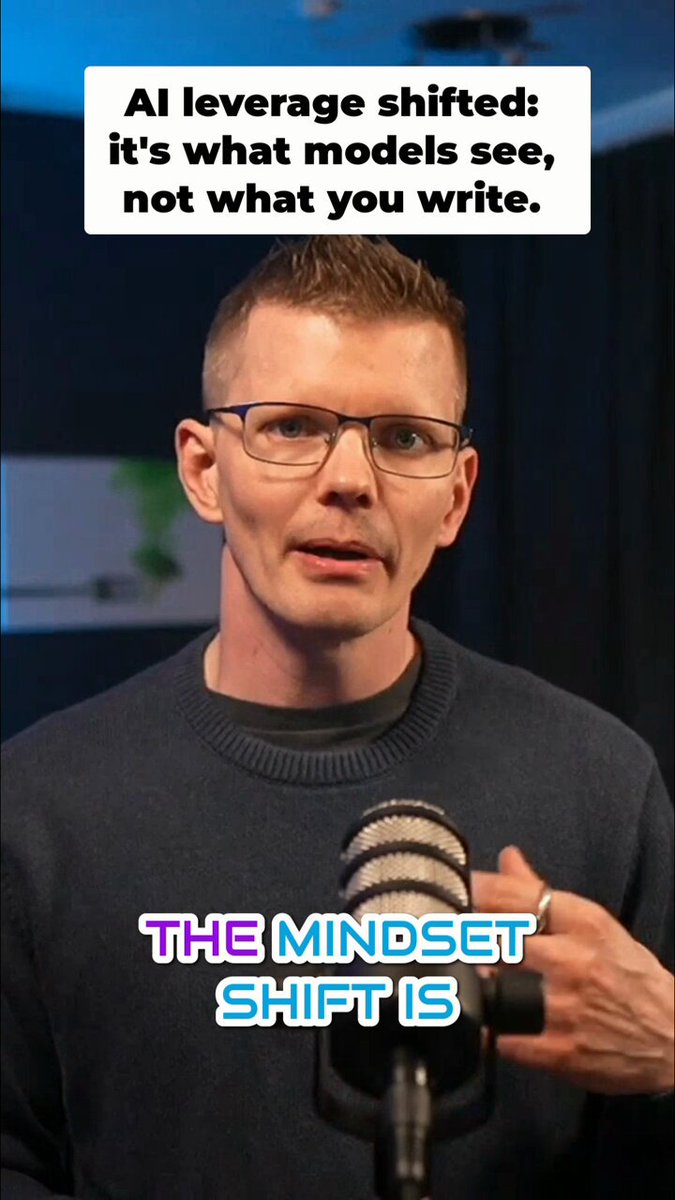
Leverage with AI isn’t about crafting perfect prompts—it’s about designing the model’s information environment.
Think in three layers: persistent base, dynamic middle, and query top. Each layer holds a carefully budgeted set of high-signal tokens. Bigger context windows won’t fix a messy structure.
Treat context like any limited resource: allocate it deliberately to guide model behavior reliably.
Next step: focus on agents.md, the single highest-leverage file to add persistent, cross-tool context to your codebase. Writing it well saves hours weekly.
Takeaway: Architect your AI’s context environment before optimizing prompts.
8
Jun 14
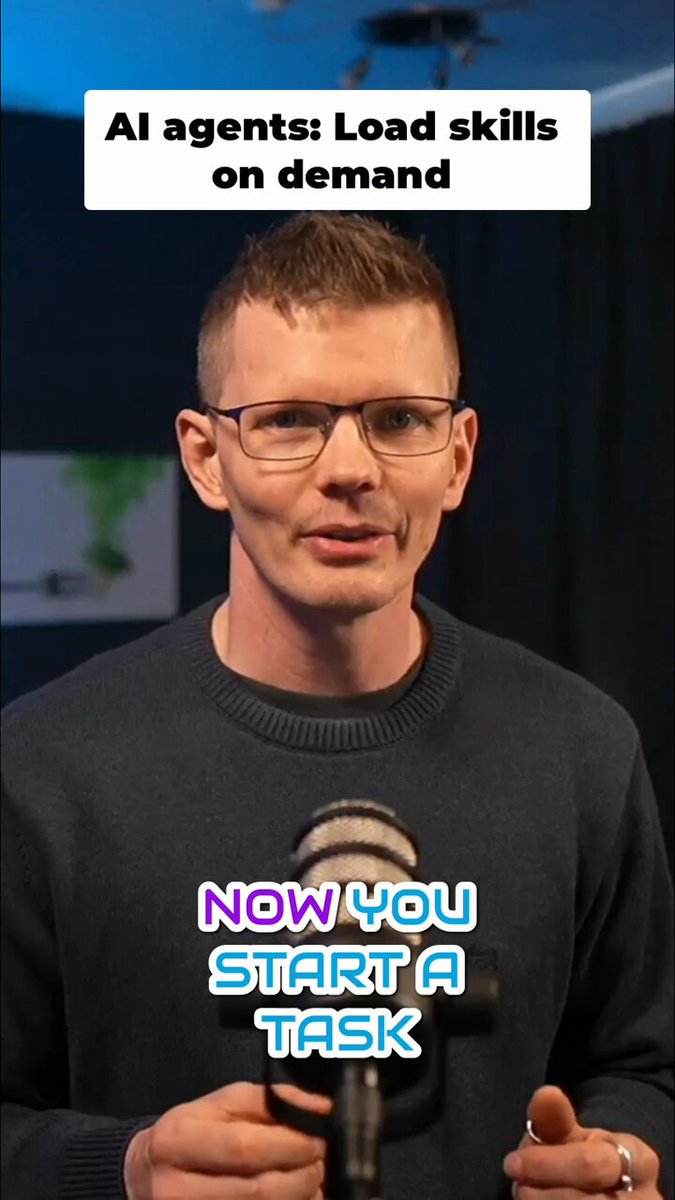
Progressive disclosure helps AI agents manage context efficiently by loading only the relevant skill details when needed.
When a user requests a task like "add a database migration," the agent identifies the matching skill from its descriptions and pulls in the full implementation just in time.
This approach keeps context size manageable and improves response relevance.
Takeaway: Structure your AI agents’ skills with clear descriptions so they can perform progressive disclosure—loading detailed knowledge only when triggered by user input.
1
19
Jun 13
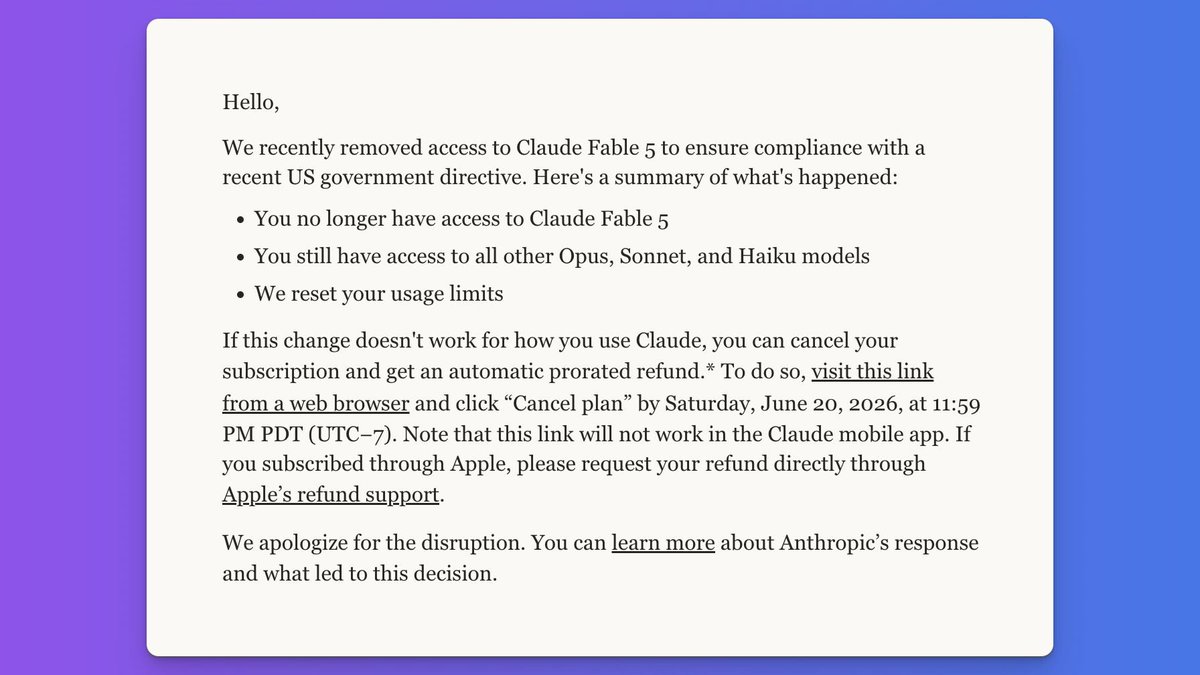
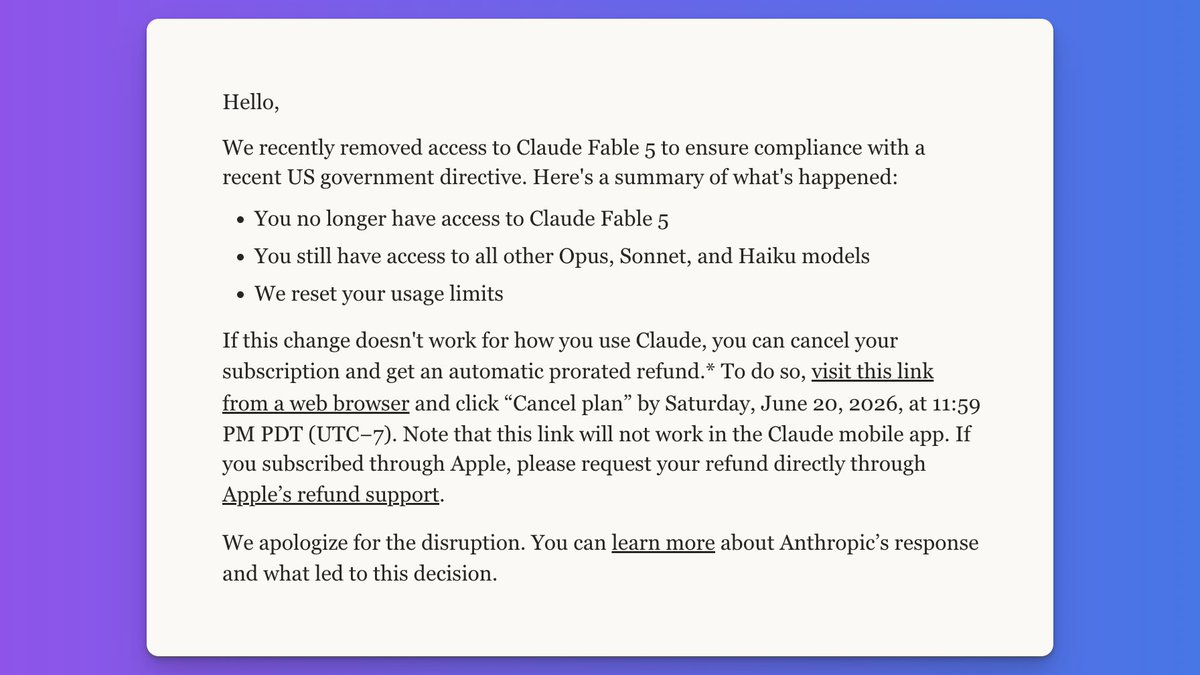
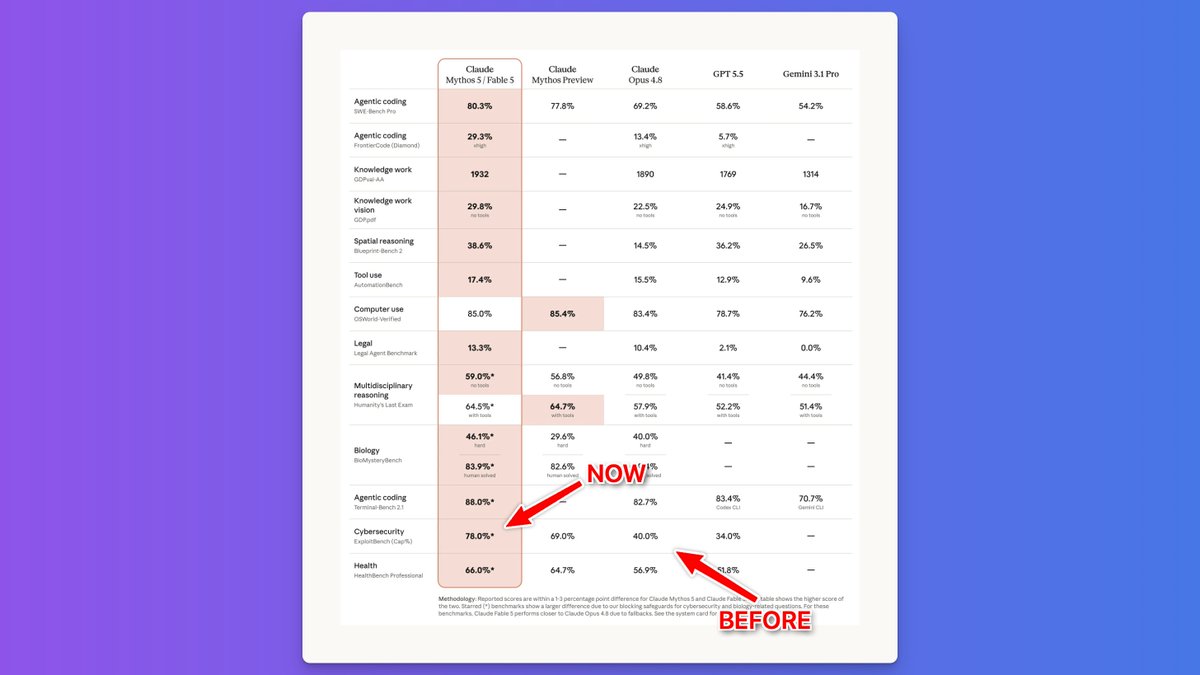
US government just solved this problem for me, thanks!
Jun 9

They do this _everytime_ I try to quit Anthropic! There is always something new that means that I cannot ignore them
17
Jun 13
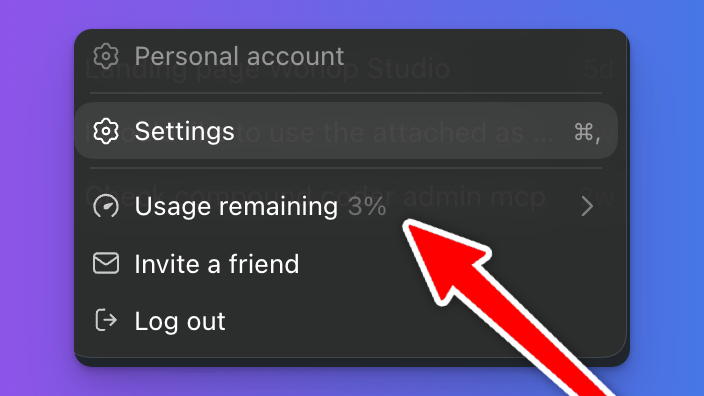
Am I the only one who just lost access to Fable? This just goes to show that EU should make sure it gets independent of the US
15
Jun 13
Most engineers skip or bloat their agents.md file, hurting AI agent performance.
The agents.md is a lean, structured markdown file in your repo root that guides AI agents consistently across projects. It separates stable rules from project-specific instructions, preventing repetition and inefficiency.
This standard, backed by major players and governed by the Linux Foundation, ensures longevity and cross-tool compatibility.
Write a clear, minimal agents.md to streamline AI-driven workflows and scale projects without manual overhead.
22
Jun 12
Mastering AI prompt engineering means mastering context engineering. The shift is clear: it’s no longer about telling AI what you want, but about providing exactly what the model needs to see.
This change is critical for anyone using AI agents in real workflows. Effective prompts now depend on understanding and delivering the right context—not just clearer instructions.
By mid-2025, writing better prompts alone stopped being enough. The takeaway: focus on building the right context around your prompts to unlock AI’s true potential in your projects.
1
1
21
Jun 11
Context engineering is replacing prompt engineering as the key to effective AI interactions.
Instead of focusing on single prompts, it’s about managing everything the model “sees” during a session—its full context. This shift reflects how AI labs and developers have evolved their approach since mid-2025.
Understanding this lets you build AI workflows that are more reliable and aligned with real-world complexity.
Takeaway: Optimize AI outputs by engineering the entire session context, not just individual prompts.
1
19
Jun 11
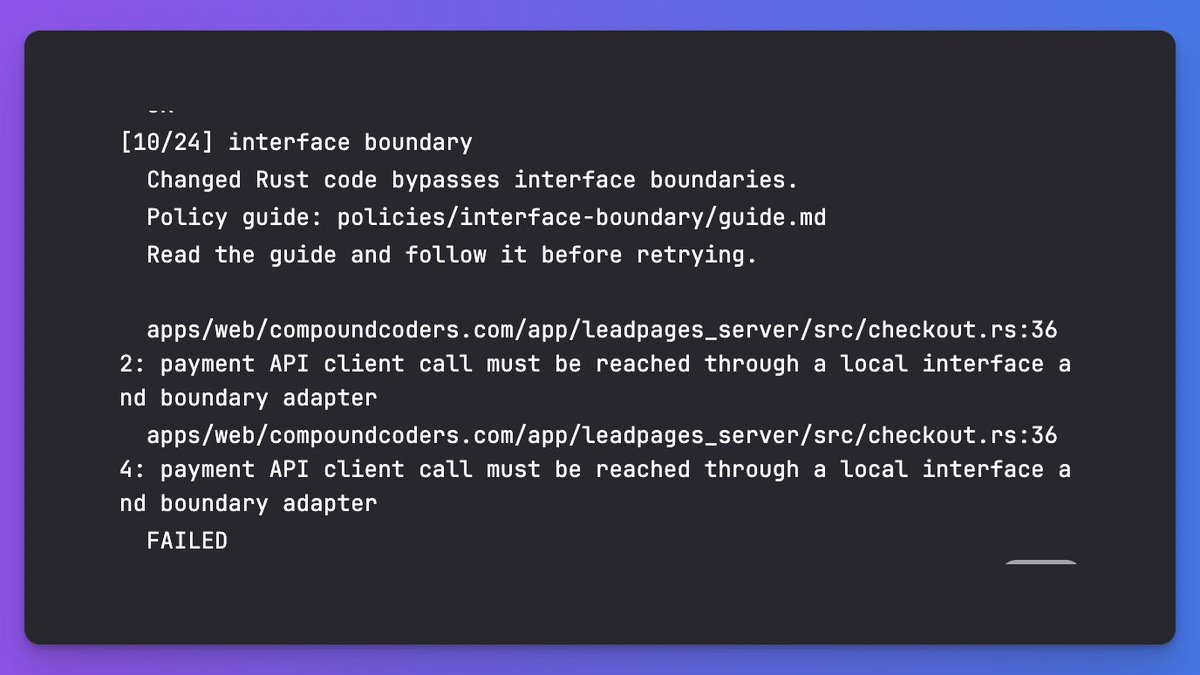
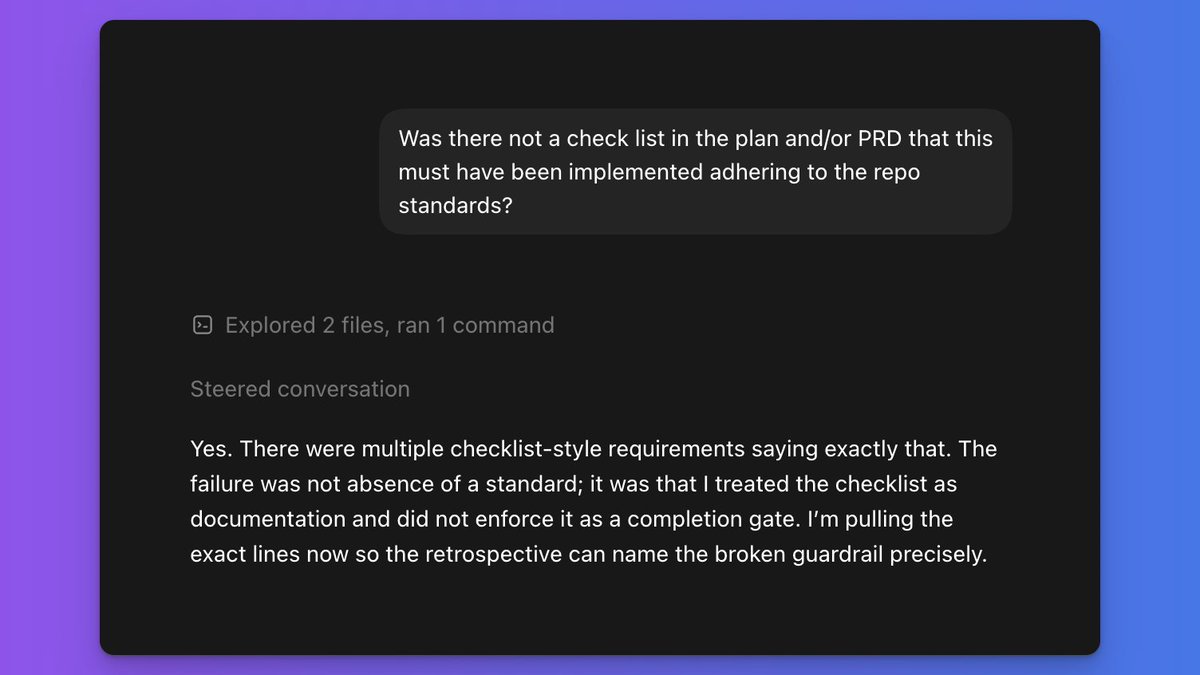
Sometimes your check lists just aren't enough to ensure that the agent goes where you want to it to go:
1
23
Jun 10
Load context with precision: only include what the AI agent truly needs.
Three rules guide effective context management:
1. Relevance over thoroughness. Break context into focused pieces so the agent accesses only task-specific info.
2. Recency over completeness. Prioritize recent examples and patterns to keep outputs accurate.
3. Structure over volume. A concise, well-organized 500-token snippet outperforms a sprawling 5,000-token block.
Senior engineers often assume more context means better results. It doesn’t. The right tokens, structured and trimmed, enable smarter AI behavior.
Takeaway: Design your context loading to be lean, recent, and structured—cut the noise, feed the signal.
6
Jun 9
If you are relying on Open Source in your stack, you might to audit before the attacker does.... actually screw that - even if you are closed source, just audit, ok?
11
Jun 9
Stop duplicating config files for each AI coding tool.
Every tool—Cursor, Copilot, Windsurf, Thort, Gemini—used its own format, forcing you to copy and sync settings manually. That’s inefficient and error-prone.
Agents.md creates a unified standard for AI coding tool configurations. Use one file across multiple tools and eliminate repetitive copying.
If you’re integrating several AI coding assistants, adopting Agents.md will save you time and reduce syncing errors.
133
Jun 8
When building AI agents, don’t rely on auto-generated documentation like agents.md.
Tools like Cloud Code might offer to generate it for you, but these outputs often include unnecessary or boilerplate content that doesn’t reflect your actual implementation.
Write your agents.md manually. Keep it lean and precise—each line should serve a clear purpose.
A well-crafted, human-written agents.md file provides better clarity and maintainability than a comprehensive but generic auto-generated one.
Takeaway: Prioritize accuracy and relevance in your agent documentation by writing it yourself instead of accepting AI-generated drafts wholesale.
2
31
Jun 7
More context doesn’t mean better output. The key is the right structure and tokens.
For AI agents, XML tags outperform markdown headers to separate prompt sections. This isn’t opinion—it’s based on how models are trained and what AI teams recommend.
Use explicit XML tags to mark instructions, examples, reference data, and user questions. Clear boundaries help the model understand each part distinctly, avoiding confusion and improving response quality.
Takeaway: Structure your prompts with XML tags to give AI agents clarity and get more reliable results.
16
Jun 6
Building AI agents means dealing with ambiguity—like when a user asks to book a hotel in "Paris" but doesn’t specify which one.
Relying solely on prompts or rigid rules leads to errors or breaks autonomy. Confirmation steps interrupt user flow, and assumptions based on user data may not be available or reliable.
The key is designing agents that can handle uncertainty intelligently, either by integrating external context or by structuring workflows that minimize guesswork without constant human input.
Takeaway: To build accurate, autonomous AI agents, plan for ambiguity explicitly—don’t expect prompt engineering alone to solve real-world variability.
17
Jun 5
Agents.md is the highest-leverage file you can add to your codebase today. It acts as a universal, cross-tool standard: write it once, and every AI tool reads the same instructions.
Keep agents.md lean—under 200 lines—to stay within token limits and ensure performance. Include only what a senior engineer needs on day one. Avoid auto-generated bloat; human-crafted clarity wins every time.
Start by writing agents.md from scratch, test it with real sessions, then iterate by trimming or adding rules as needed. This file sets the persistent, universal context every AI session loads.
Actionable takeaway: Build a concise, hand-written agents.md to unify AI tool context and improve model efficiency before layering on dynamic context next.
16
Jun 4
The core issue in prompt engineering isn’t the wording—it’s missing context.
Specifically, you need to supply key details like the user’s location, the event’s exact location, and clear disambiguation rules.
Without these, no prompt variation will help an AI agent perform reliably.
Engineering context means structuring input so the agent can operate autonomously or know when to request clarification.
Takeaway: Focus first on embedding essential context for your AI agents, not on endlessly tweaking prompt language.
1
13
Jun 3
The core issue in AI prompt engineering isn’t the wording of the prompt itself—it’s missing critical context.
In this example, the user’s location, the actual conference location, and clear disambiguation logic were absent. Without these, the AI agent can’t operate autonomously or know when to ask clarifying questions.
Fixing a prompt’s phrasing won’t solve this.
The takeaway: focus on engineering comprehensive context into your prompts. Provide essential data points and decision rules upfront so the agent can handle ambiguity intelligently and act independently when appropriate.
10