
Joined June 2025
- Tweets 2,182
- Following 9
- Followers 523
- Likes 1,364
128 Photos and videos





Pinned Tweet

24 Sep 2025
Great feature article about us in the LA Times:
latimes.com/b2b/business-par…
3
2
4
4,059
Mar 3
🚨Alert: Our system indicates this video is AI-generated.
Mar 3

یا تل ابیب چھوڑ دو یا بنکر میں چھپ جاؤ کیونکہ تمہارے استقبال کے لیے یہ سب کچھ ا رہا ہے اج۔۔۔!!!!
Must Leave Till Aviv or Stay in Bunkers.
We are launching these all Tonight 🚀...!!!!
371
Mar 2
Social media accounts are posting controversial videos showing #ICE agent encounters. The problem is, they seem to be generated by OpenAI's Sora 2 model.
Our team at TruthScan discovered this when analyzing over 200 ICE-related videos. Read more: euronews.com/my-europe/2026/…
3
194
Feb 12
Thrilled to announce we've acquired imagedetector.com, and have integrated our tech into the platform! Read more here: finance.yahoo.com/news/truth…
1
1
235
Feb 9
We've just partnered with @ZeroGpt to provide AI image detection to ZeroGPT users! fortune.com/press-releases/z…
2
2
287
Feb 9
We are proud to have partnered with @DeepAI to integrate our AI image detector onto their platform!
natlawreview.com/press-relea…
1
2
2
539
Feb 6
AI Fraud This Week: Real Victims, Real Threats
New Haven police warn of an AI “fake kidnapping” scam where deepfake photos and videos are sent to families demanding ransom, fooling victims with doctored visuals scraped from social media.
lnkd.in/dyMViD-F (New Haven Register)
Victims of romance scams using AI-generated fake profiles recovered over ₱20 million in 2025 — but only a small fraction of funds are normally returned, and deepfake chats and staged video calls make detection harder.
lnkd.in/dHzr8J8q (Philippine Information Agency)
Police in Uttar Pradesh arrested four people in an extortion racket that employed AI-generated obscene images and fake “CBI officer” calls to coerce victims into paying money.
lnkd.in/dtmgebXd (The Times of India)
Watchdogs in the UK report criminals are cloning bank customers’ voices using AI — then setting up unauthorized direct debits that drain victims’ accounts without awareness.
lnkd.in/dU3fXetS (The Scottish Sun)
A major investigation in Maryland revealed an international scam network that defrauded over 650 victims of more than $48 million using impersonation of tech support and law enforcement to trick victims into transferring funds.
lnkd.in/dFnhf4zm (The Washington Post)
Bottom line:
AI-generative tactics — from deepfaked visuals to voice cloning and automated extortion — are targeting real people right now and are only one innovation away from corporate abuse. Protect your executives, customers, and brand with real-time synthetic media detection and fraud prevention like TruthScan.com (truthscan.com).
1
1
115
Jan 20
A survey we conducted in Arizona revealed increasing concerns. Read more on @azcentral: azcentral.com/story/special/…
1
1
87
Jan 9
Thanks @DubawaFacts for using our ai detector, happy to set you up with a free enterprise plan for the important work you are doing in exposing ai generated FAKE NEWS. Please reach out.
dubawa.org/viral-image-of-an…
184
Jan 5
We're proud to have sponsored a new @arstechnica article on spotting and stopping deepfakes. One of our core values is supporting great journalism. Read the piece here: arstechnica.com/sponsored/tr…
TruthScan and the War on Deepfakes
Inside the tools built to expose what isn’t real.
arstechnica.com 1
2
244
5 Dec 2025
🎯 This Week’s Real AI Fraud Victims
A woman in Kansas was tricked by an AI-generated voice call claiming a loved one was kidnapped — triggering a full police response before the scam was exposed.
axios.com/local/kansas-city/…
An individual in Indore, India lost over ₹1.83 lakh after scammers used an AI-cloned voice of a relative from abroad to demand emergency funds.
timesofindia.indiatimes.com/…
A fraud-as-a-service firm’s report shows “sophisticated” AI-driven identity attacks surged 180% YoY — with more than 40% of surveyed companies reporting they’ve been targeted this year.
crowdfundinsider.com/2025/11…
Google warns that India has become a global hotspot for AI-powered scams, and has begun piloting phone-level scam-detection alerts as early mitigation.
moneycontrol.com/technology/…
A teenager-to-elder deepfake-phone scam scam emerged as AI-mediated vishing and impersonation continue rising sharply — especially ahead of the holiday season.
businessinsider.com/ai-scams…
Bottom line: AI-powered scams are no longer fringe cases — they’re happening this week, targeting real people and traveling fast across geographies. If you’re responsible for enterprise risk or security: it’s time to guard against voice-cloning, synthetic identities, and deepfake impersonation.
Use a detection layer like TruthScan.com to surface AI-generated content before it becomes a crisis.
192
6 Nov 2025
AI Fraud This Week: 5 Real-World Victims Every C-Suite Should See
Scammers pushed a fake “AI” album under Don Williams’ name on major streaming platforms, hijacking his identity and misleading fans. savingcountrymusic.com/count…
New research shows one-third of mobile users were targeted by AI-driven extortion and one-in-five fell victim, with deepfakes worsening the fallout. blog.knowbe4.com/new-study-w…
Holiday shopping scams are surging: 66% of consumers report more scammy messages and 82% have been phished or nearly phished as AI polishes the lures. betanews.com/2025/11/05/ai-m…
Criminals are exploiting empathy with AI-generated videos and fake charity drives to extract donations from well-meaning victims. africa24tv.com/hacking-kindn…
Older adults are being targeted by AI-powered impersonations that clone trusted voices/faces, leading to costly “relative in distress” scams. betanews.com/2025/11/05/expe…
Bottom line: AI fraud is already hitting real people—and the same tactics are aimed at your executives, employees, and customers. Catch deepfakes and synthetic media before they do damage with TruthScan: truthscan.com
490
4 Nov 2025
TruthScan had a nice conversation about deepfakes with @USATODAY
usatoday.com/story/special/c…
1
1,112
20 Oct 2025
Our CEO Christian Perry went on @FOX5Atlanta ,to discuss the growing threat of AI deepfakes. TruthScan was built to protect your enterprise from this increasingly dangerous fraud vector.
fox5atlanta.com/video/172663…
1
1
2
1,213
15 Oct 2025
Deepfakes are getting out of control, protect yourself!
finance.yahoo.com/news/truth…
1
853
18 Sep 2025
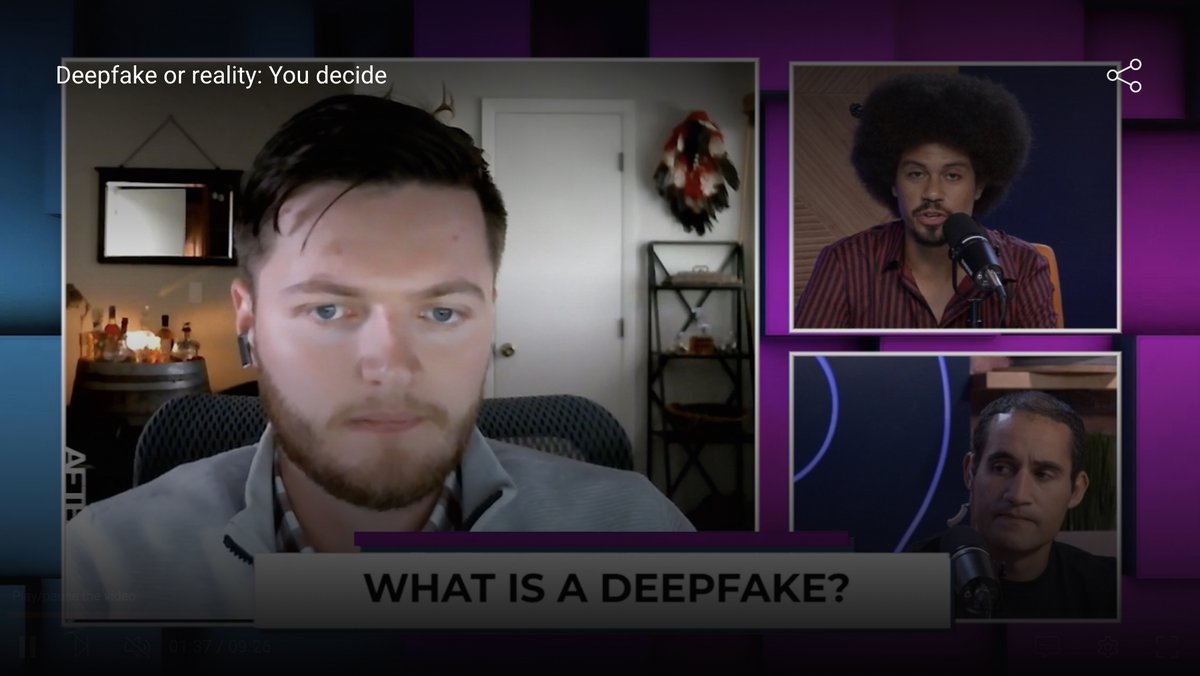
fox9.com/video/1709344
Our CEO @ChrisAIVentures went on @FOX9 to discuss the exploding threat of deepfake fraud.
2
5
1,574
TruthScan retweeted
3 Jul 2025
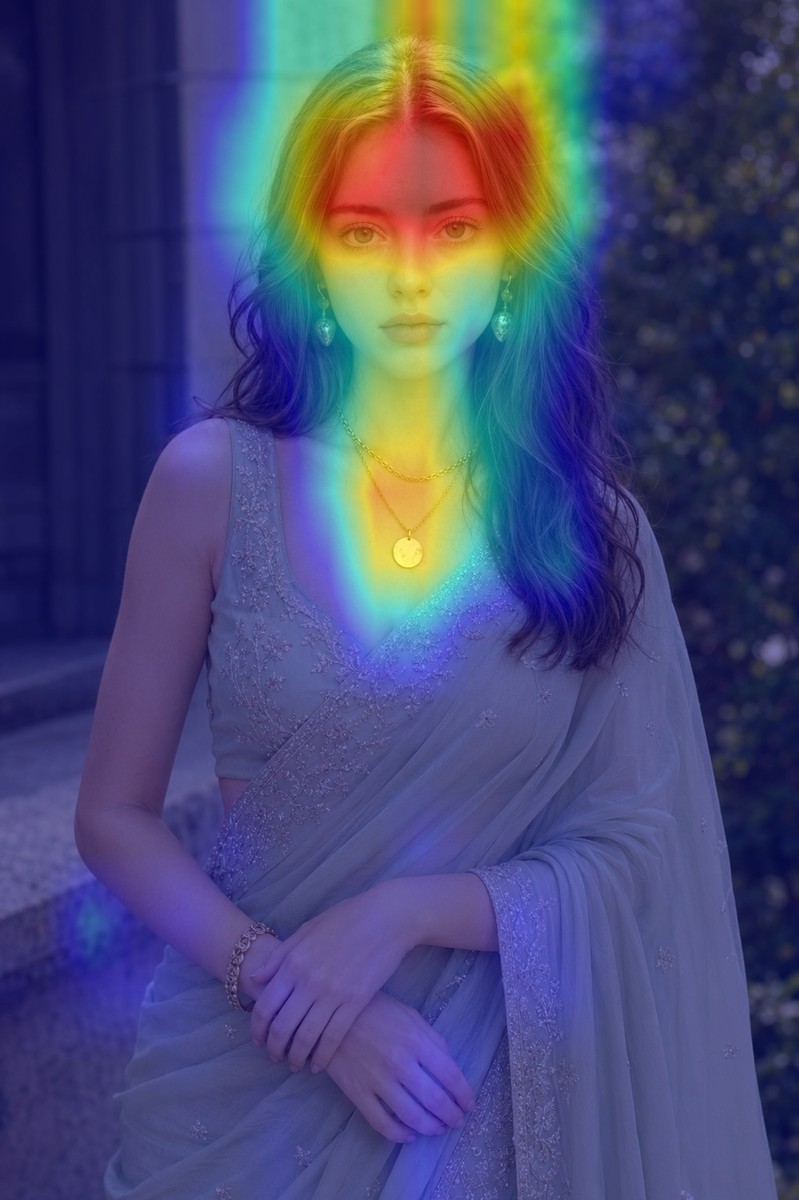
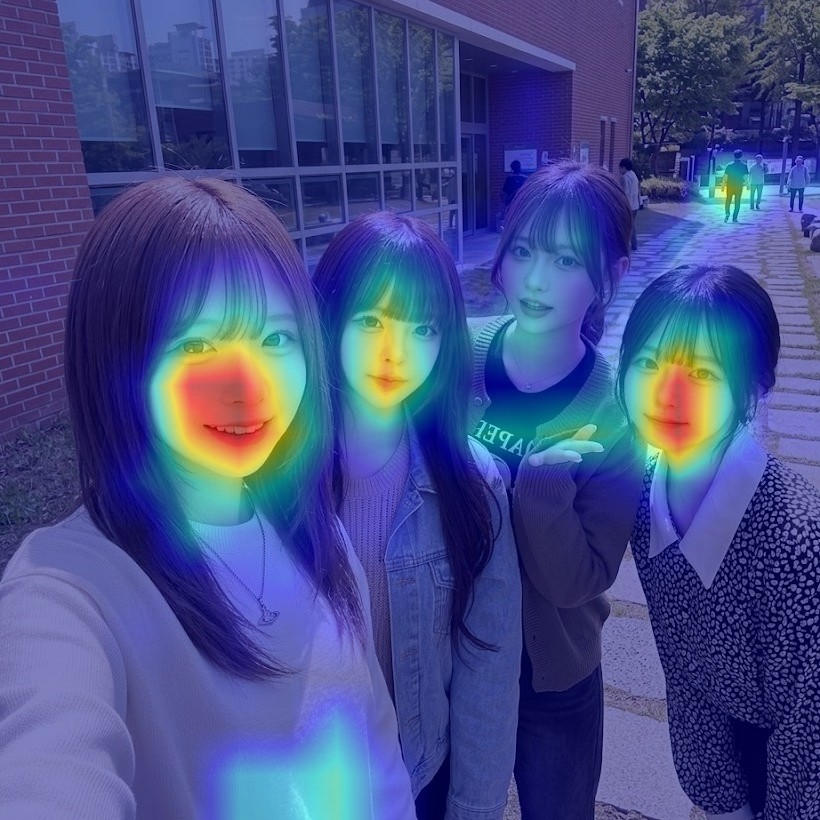
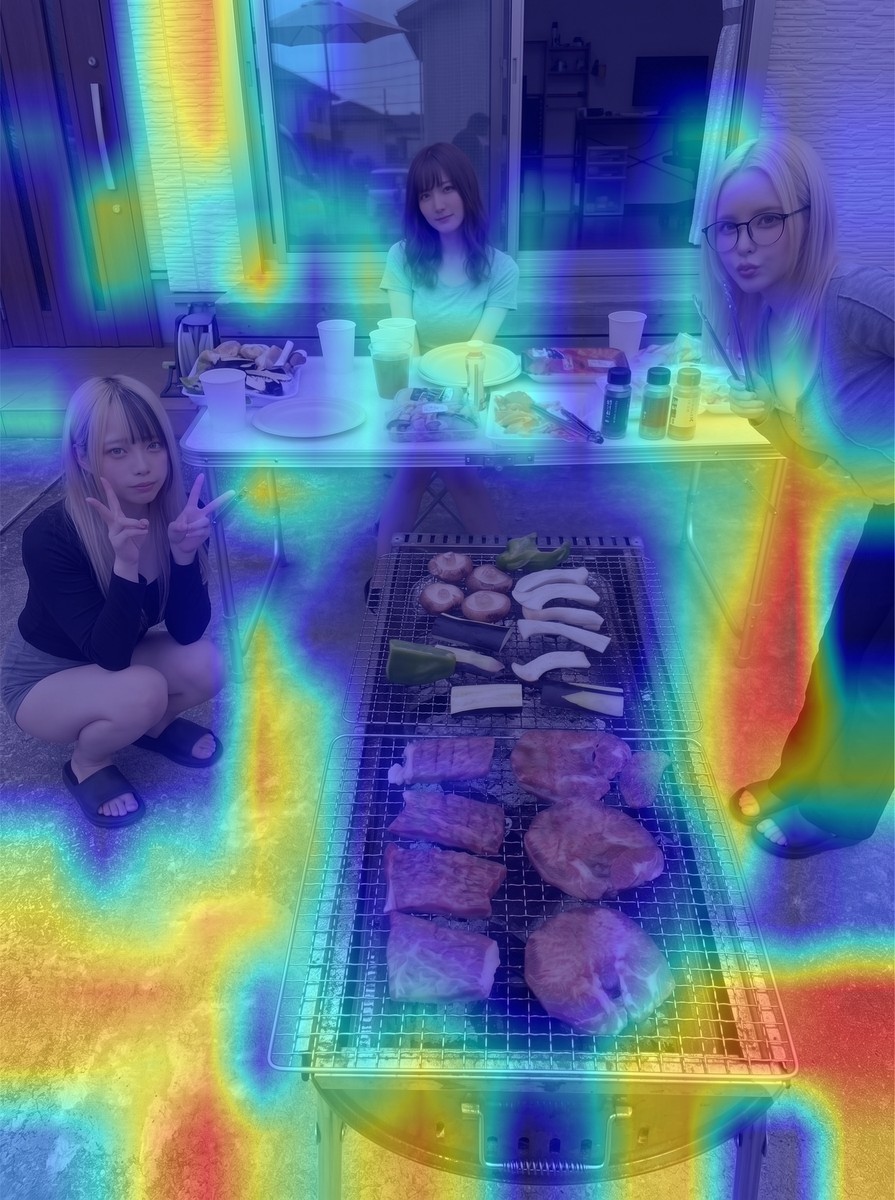
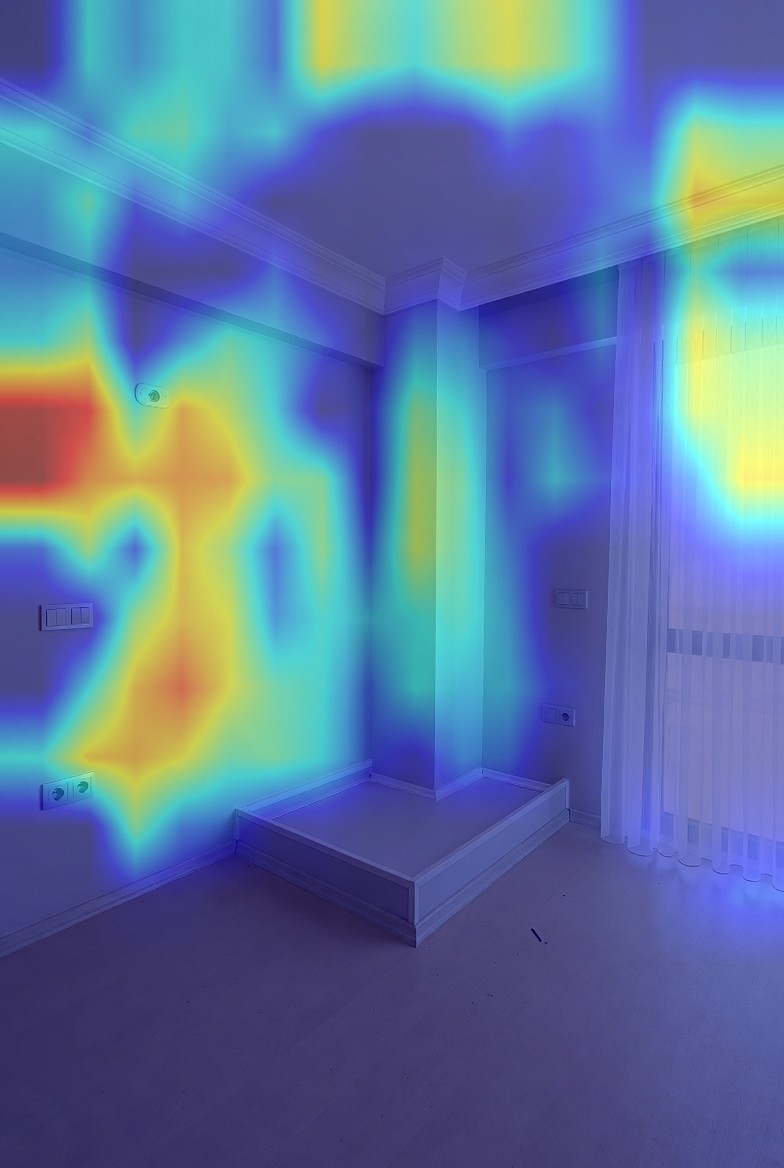
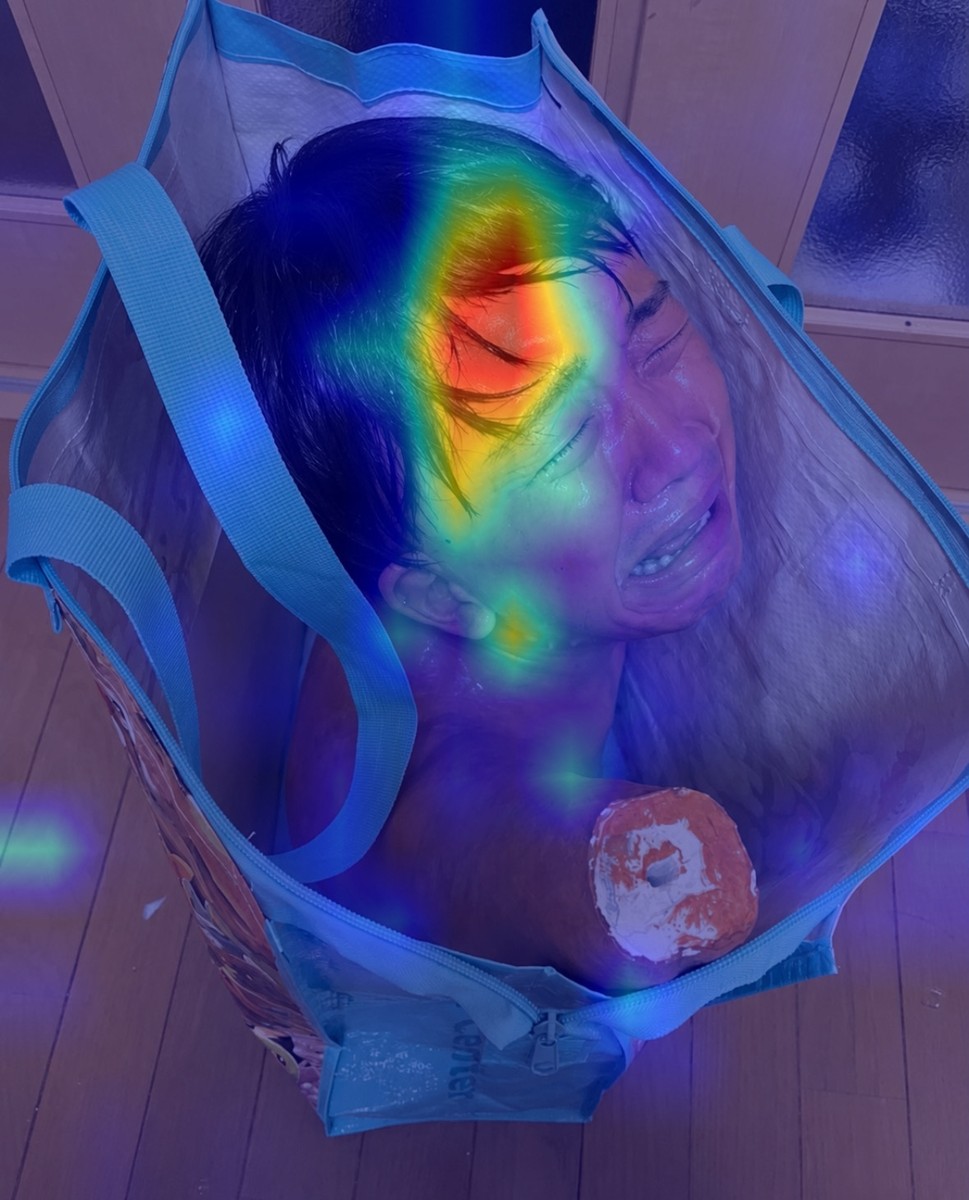
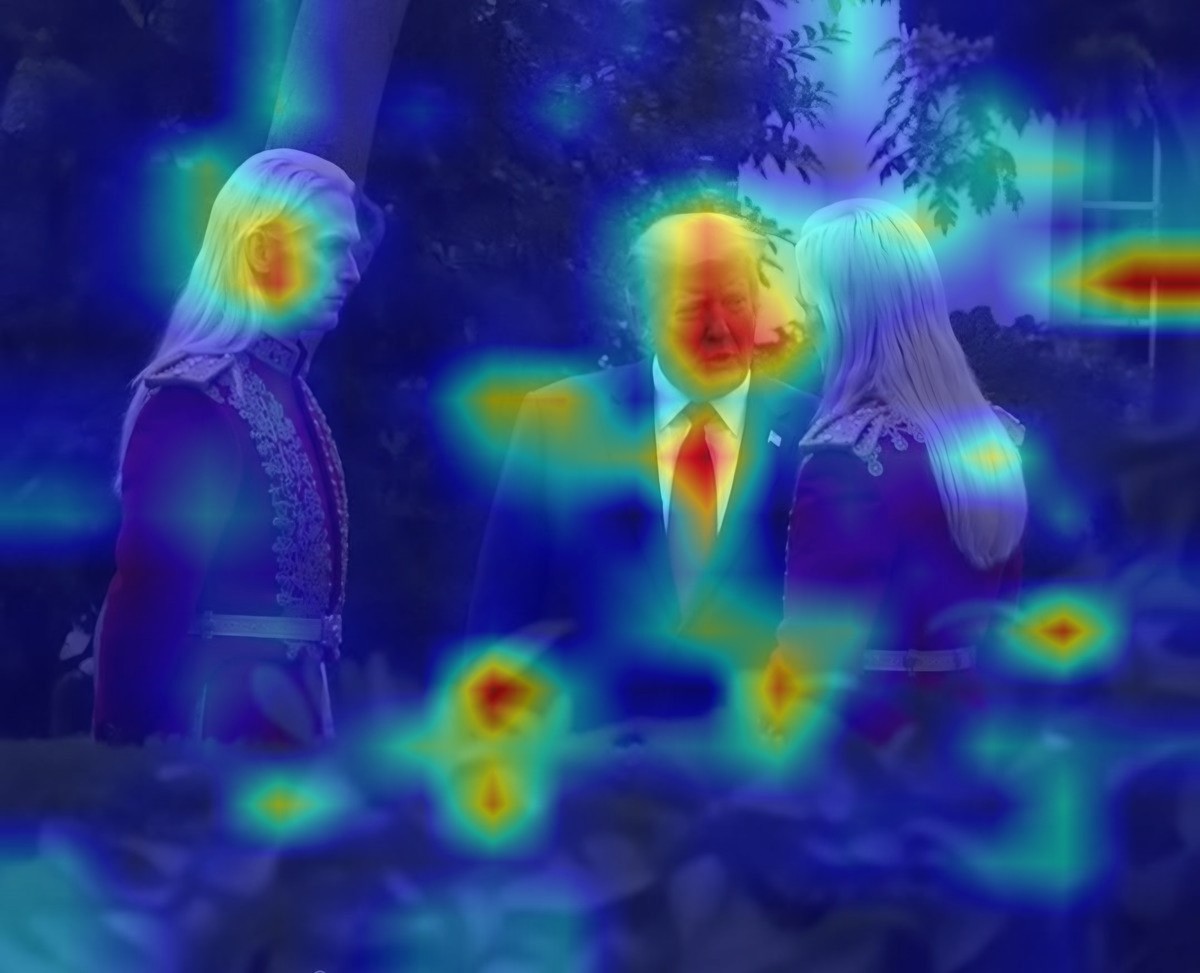
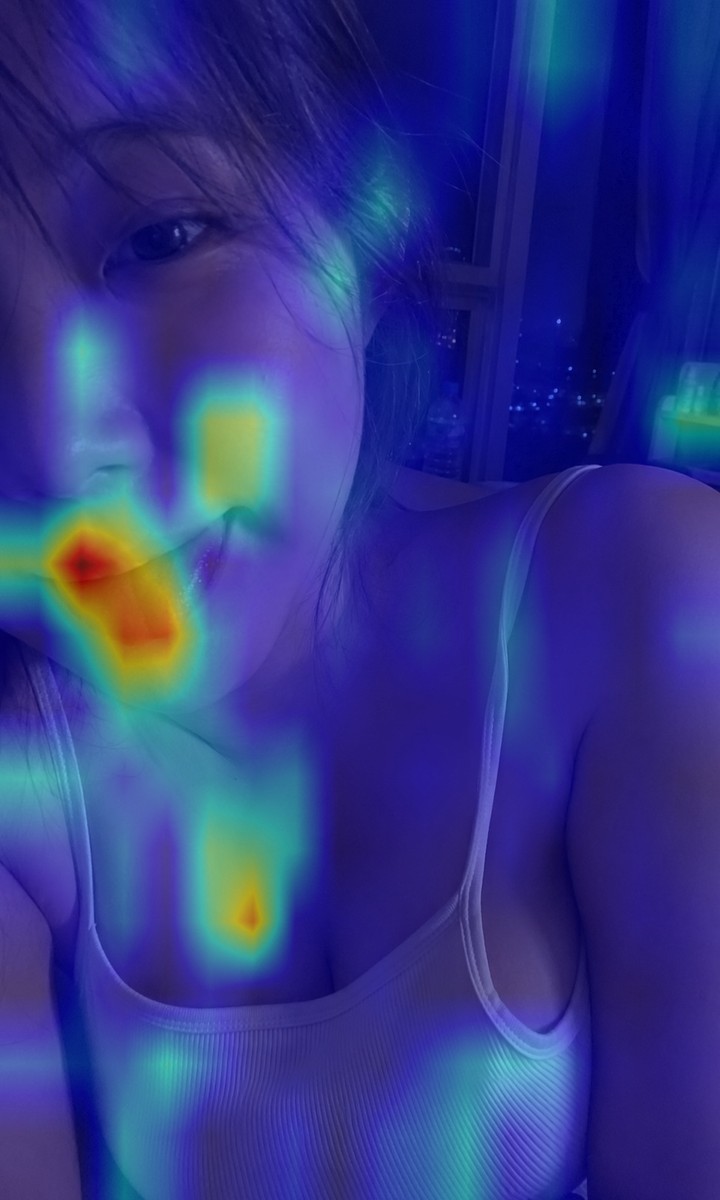
🧠 This image looks 99% likely to be AI-generated. 🤖 High confidence: Very likely AI generated.
📊 View detailed analysis: truthscan.com/d/1h6v #imagen #ultra #studio
2
1
4
3,203
TruthScan retweeted
26 Jun 2025
🧠 This image looks 91% likely to be AI-generated. 🤖 High confidence: Very likely AI generated.
📊 View detailed analysis: truthscan.com/d/yyq0 #portugal #rafale #abandon
1
2
2,129