
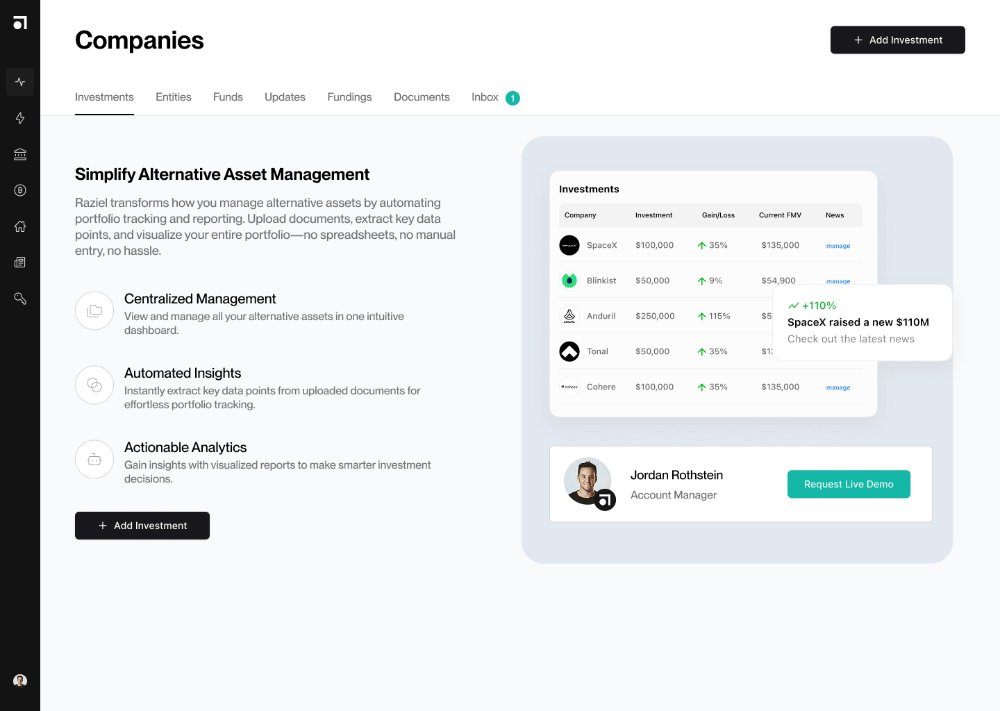
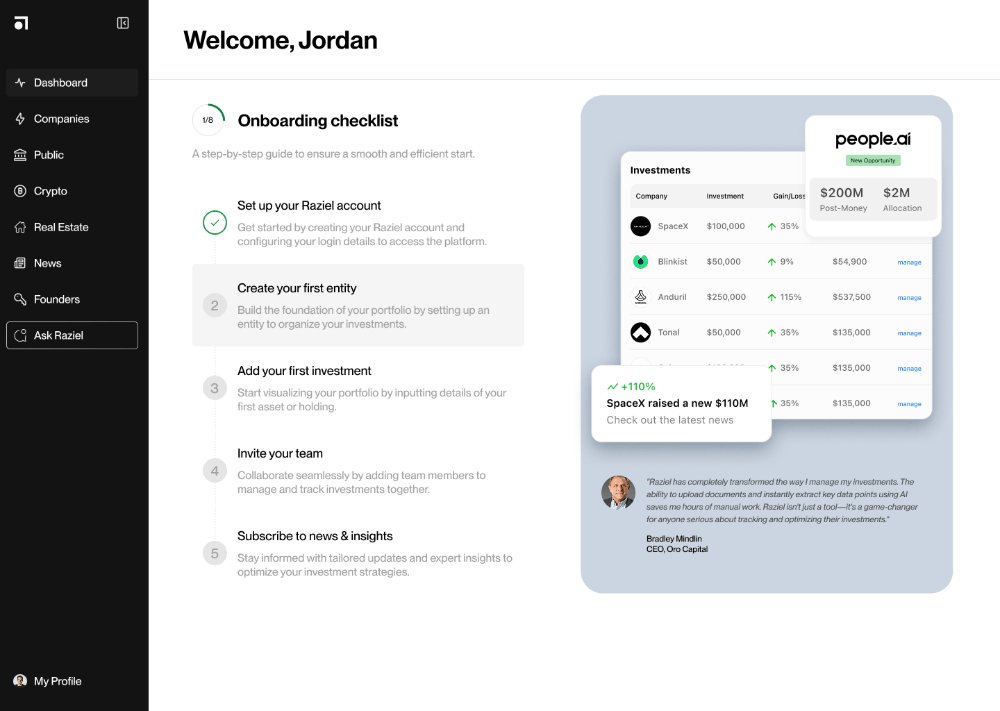
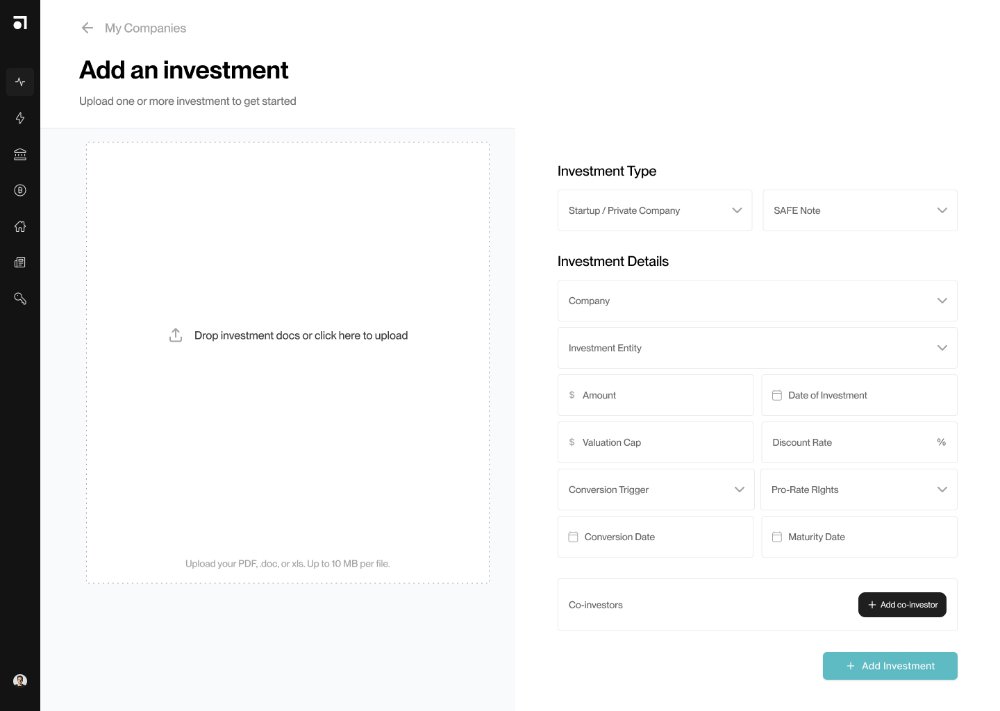
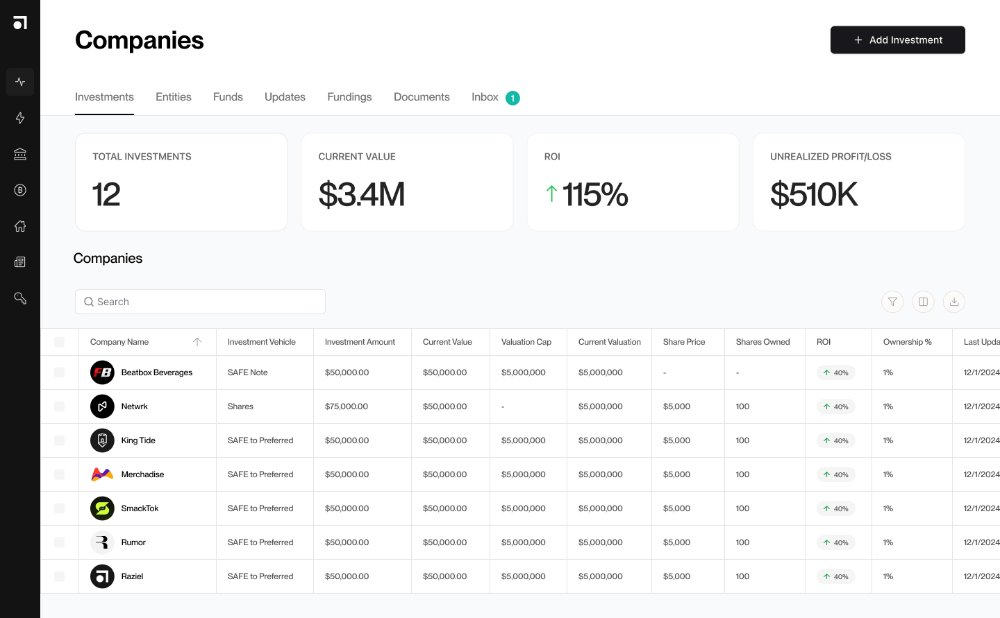
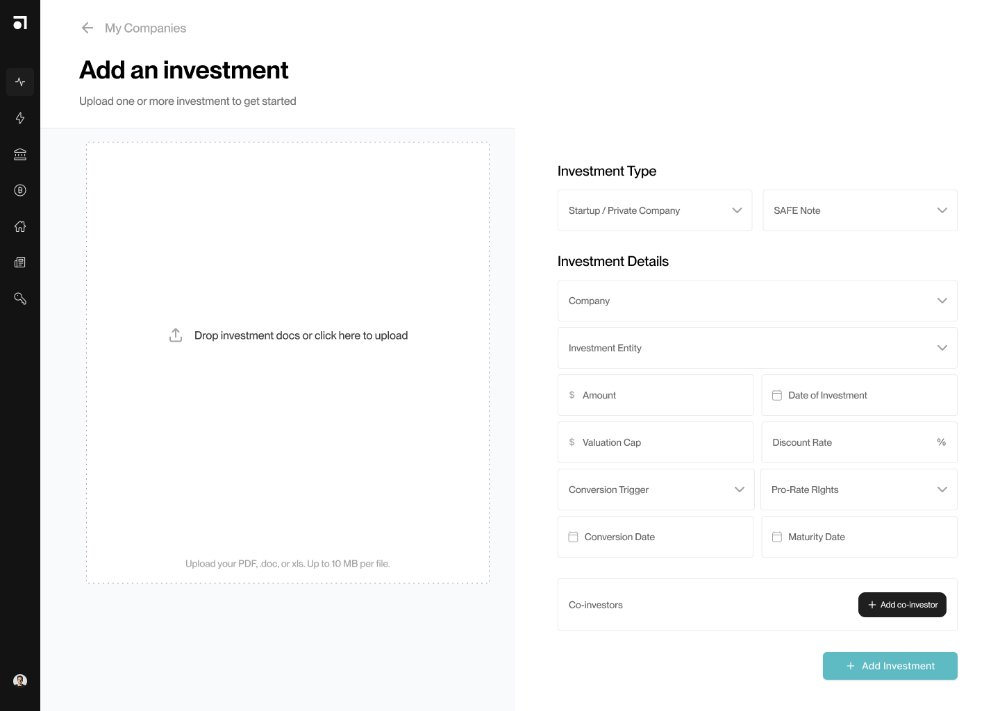
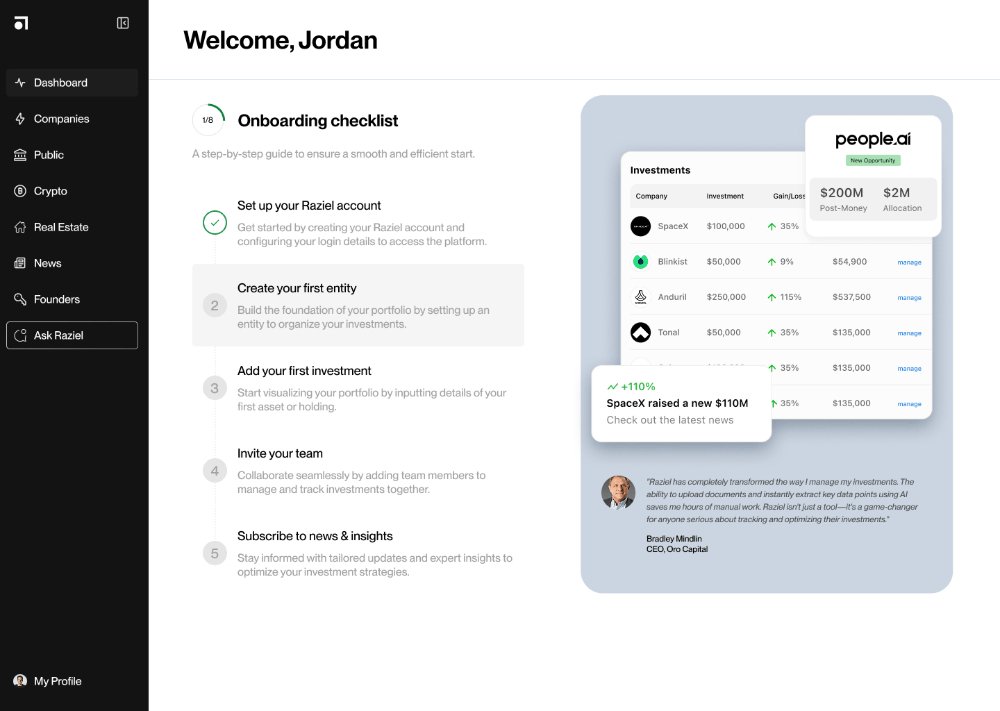
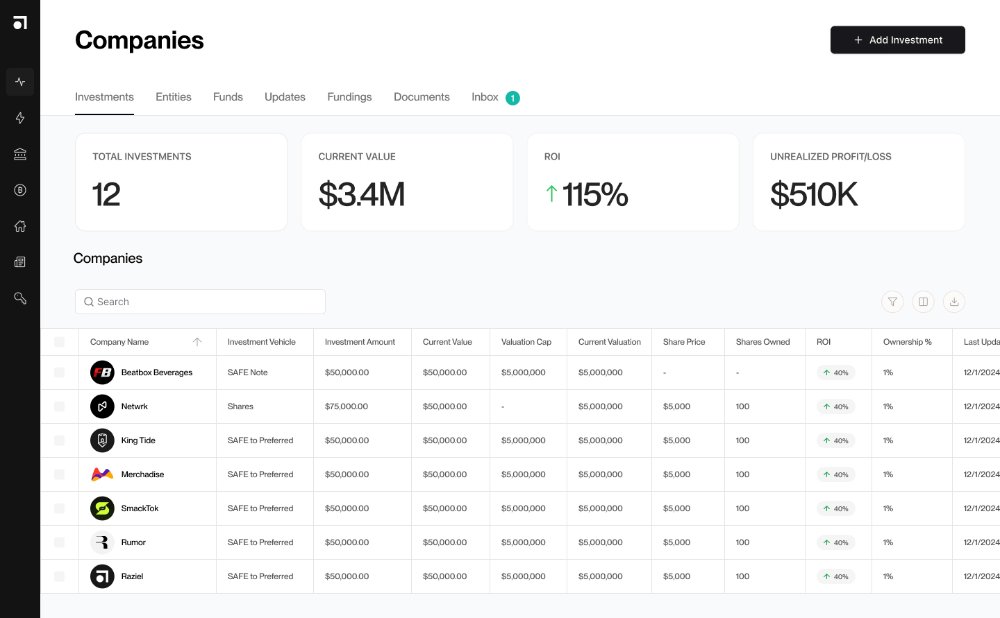
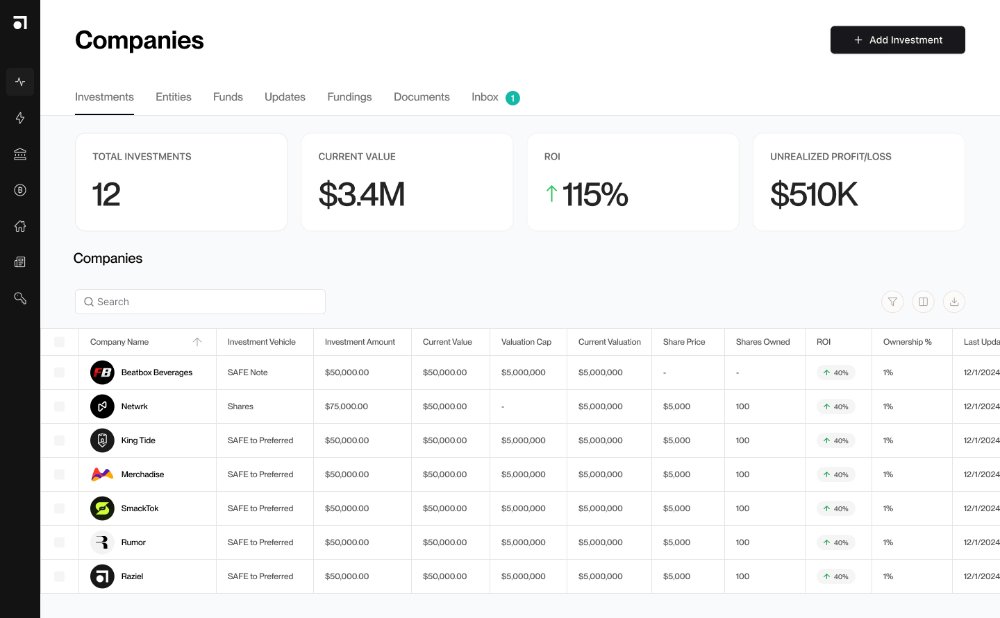
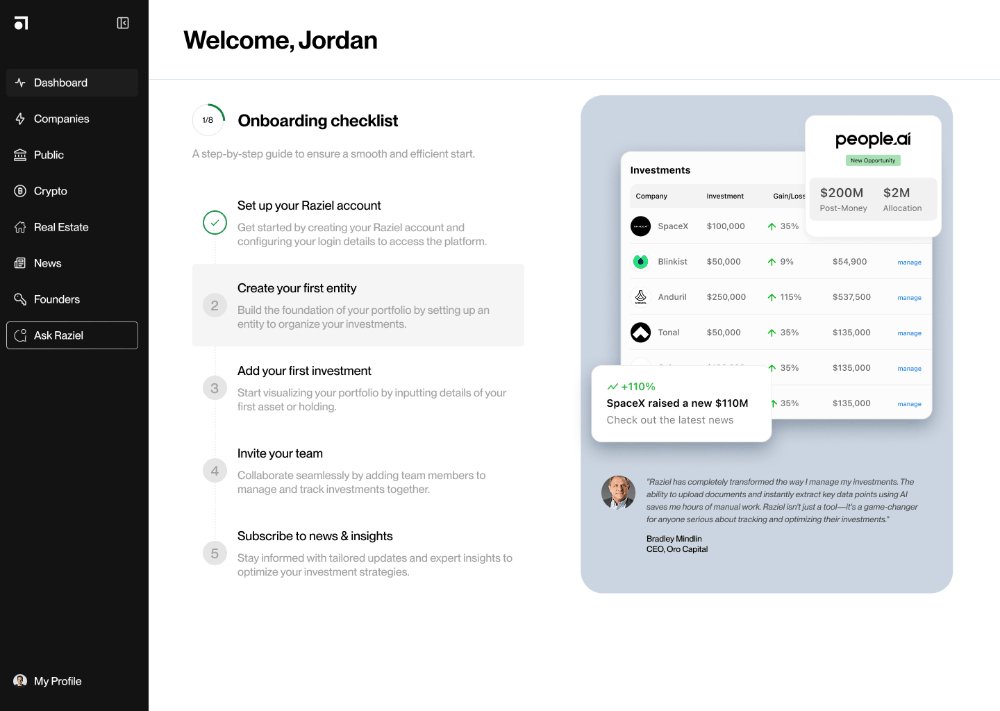
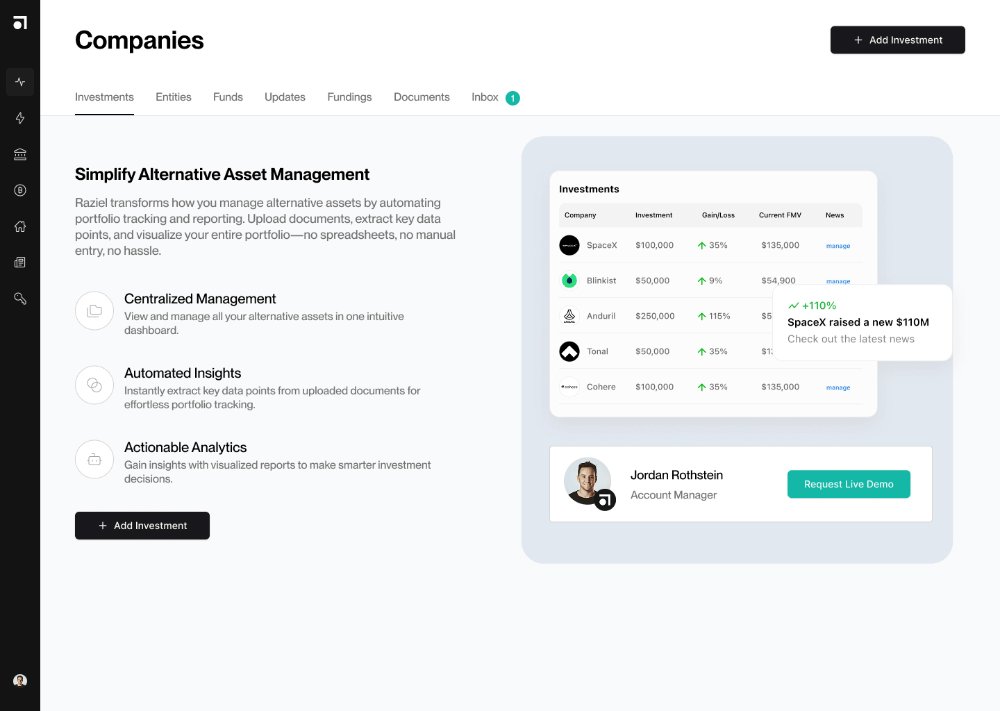
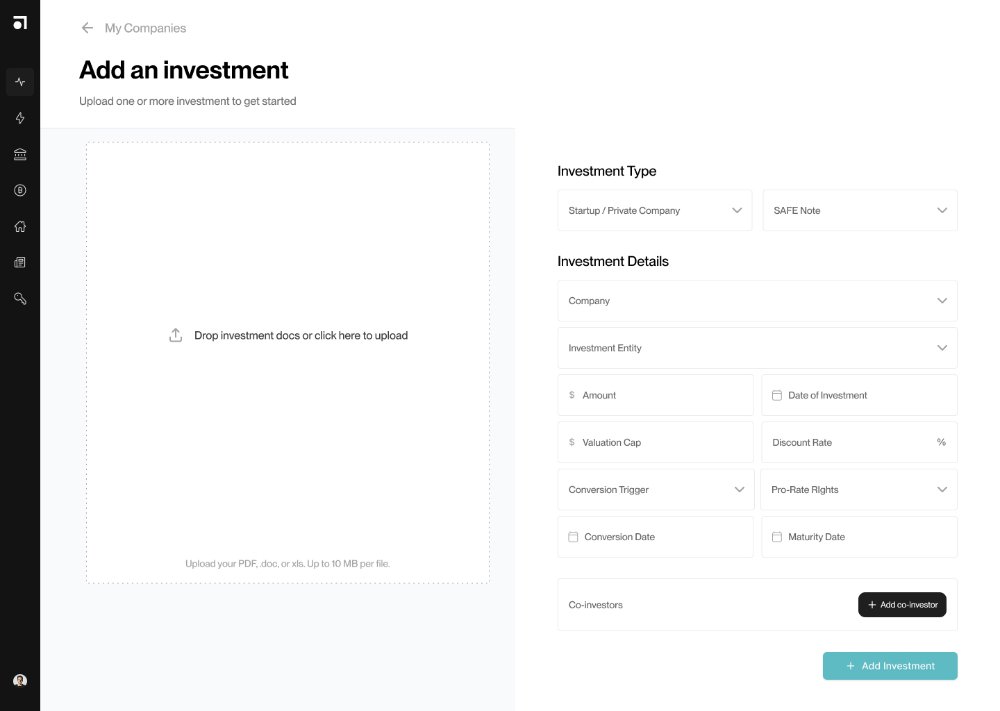
Manage your investments in Startups, Real Estate, Crypto and more. We post startup news & latest funding rounds for private companies.
Joined September 2021
- Tweets 2,119
- Following 826
- Followers 1,717
- Likes 9,462
95 Photos and videos

4h
Most people don't realize how venture capital fund economics actually work. I broke down a typical $100M fund to show you the math.
Here's what shocked me:
The GP only keeps 20% of investment profits. The other 80% goes to LPs (pension funds, endowments, etc.).
But here's the twist — GPs collect 2% management fees annually for 10 years. That's $20M guaranteed, regardless of performance.
So on a $100M fund:
→ $20M goes to management fees (salaries, operations)
→ $80M gets invested across 25-30 companies
→ The fund needs to return $300M for GPs to make serious money
Why $300M? Because carry only kicks in after LPs get their $100M back. Then the GP gets 20% of profits above that.
This explains why VCs are obsessed with 10x returns. A $100M fund making 3x ($300M) generates $40M in carry. Split among 3-4 partners over 10 years.
The real money comes from the next fund. Successful GPs raise bigger funds with higher management fees. That $100M becomes $300M, then $500M.
This is why fund size matters so much — and why some VCs struggle when they scale too fast.
What surprised you most about VC economics?
13
7h
I asked 20 founders who raised their Series A in 2025: "What's one thing you wish someone had told you before your first VC meeting?"
Most common answer: "VCs invest in markets first, teams second, product third — but founders pitch it backwards."
What would your answer be?
10
8h
Brian Chesky was broke, selling cereal boxes to pay rent, and had been rejected by every major VC in Silicon Valley.
Today, Airbnb is worth $75B. Here's the rejection-to-IPO story that changed how I think about persistence:
**The Setup (2008)**
→ 3 roommates in SF couldn't afford rent
→ Democratic National Convention was in town, hotels sold out
→ They inflated air mattresses, charged $80/night for "air bed & breakfast"
→ Made $1,000 in a weekend
**The Rejections (2008-2009)**
Fred Wilson passed: "I couldn't wrap my head around air mattresses in strangers' homes"
7 other top VCs said no. The reasons:
→ "Market too small"
→ "Who wants to stay with strangers?"
→ "Hotels will crush you"
Chesky was so broke he lived on $1 cereal (Obama O's and Cap'n McCain's they made for the election).
**The Persistence**
Paul Graham at Y Combinator gave them $20K and one piece of advice: "It's better to have 100 people who love you than 1 million who sort of like you."
They focused obsessively on hosts in NYC. Chesky personally photographed listings. They built tools hosts actually wanted.
**The Breakthrough**
By 2010, bookings were growing 2x month-over-month. Suddenly, the same VCs who passed were calling.
Greylock led their Series A at a $7.4M valuation.
**The Lesson**
Chesky didn't change his idea to fit investor feedback. He changed the execution until the numbers were undeniable.
Sometimes the best validation isn't a yes from VCs — it's customers paying you when you're selling cereal to survive.
What's the longest you've seen a founder persist before breaking through?
24
10h
Airbnb was rejected by 7 VCs before raising their Series A. One investor said "the market isn't big enough."
That Series A was $7.2M at a $60M valuation. Airbnb is now worth $80B.
The lesson: market size is often limited by imagination, not reality.
13
11h
Reddit just went public at a $6.4B valuation. Here's what early investors actually made — and it's a masterclass in patience paying off.
If you invested $100K in Reddit's 2005 seed round at a ~$10M valuation:
→ 2005: $100K buys 1% of Reddit
→ 2006: Sold to Conde Nast for $10-20M (2-4x return)
→ 2011: Conde Nast spins out Reddit as independent company
→ 2012-2021: Multiple funding rounds dilute but grow the pie
→ 2024: IPO at $6.4B valuation
That original 1% stake? Worth $64M at IPO. A 640x return over 19 years.
But here's the twist: most seed investors never saw those returns. They got bought out in the Conde Nast acquisition after just 1 year.
The real winners were the employees who got equity in the spinout and VCs who bought in during the 2012-2014 rounds when Reddit was "just a message board."
Lesson: Sometimes the best exits are the ones you don't take. But try explaining that to LPs waiting 2 decades for a return.
What's the longest you've held a startup investment before seeing an exit?
17
13h
I asked 50 founders who raised Series A in 2024-2025: "What's the one thing you wish you knew before your first institutional round?"
The #1 answer: "How much time you'll spend managing investors after the money hits your account."
Most thought fundraising ended when the wire cleared. Reality: investor updates, board prep, and stakeholder management can eat 10 hours per week.
Founders who've been through it: what would you add to this list?
17
14h
Tesla was rejected by every major VC firm in Silicon Valley in 2004. They raised $7.5M from individual angels instead.
Sometimes the best investors are the ones who say yes when everyone else says no.
9
15h
I looked into how Anthropic just raised $4B from Amazon at a $18.4B valuation — and the math reveals something fascinating about AI economics.
Amazon led the round but this wasn't typical venture investing. Here's the real structure:
→ $4B investment over multiple years
→ Anthropic commits to using Amazon's cloud infrastructure
→ Amazon gets exclusive access to Anthropic's models for AWS customers
→ Revenue sharing agreement on enterprise deals
The math that matters: Anthropic burned ~$2.7B in 2024 training Claude but generated only $200M in revenue. That's a 13.5x burn-to-revenue ratio.
Compare that to OpenAI: $3.4B burn, $3.4B revenue in 2024. A 1:1 ratio.
Why did Amazon pay 18x revenue for a company burning cash this fast? Because they're not buying a SaaS company — they're buying a moat.
Every dollar Anthropic spends on compute flows back to Amazon Web Services. Every enterprise customer becomes an AWS customer. Amazon essentially created a $4B customer acquisition machine.
The real winner? Anthropic's early employees. Series A shares from 2021 are now worth 92x their original value.
Is this the new playbook for big tech — invest in AI companies that become your biggest customers?
30
Jun 14
I analyzed Anthropic's $4B deal with Amazon and the math is fascinating.
Amazon invested $4B for a minority stake in the AI company. But here's what makes this deal unique:
Amazon gets:
→ Equity position in Anthropic
→ Anthropic commits to use AWS as primary cloud provider
→ Access to Anthropic's AI models for Amazon's products
→ Partnership on custom AI chips
Anthropic gets:
→ $4B in funding without giving up control
→ Guaranteed cloud credits (essentially Amazon paying itself)
→ Access to Amazon's chip development resources
→ Strategic partnership with a trillion-dollar company
The clever part: Amazon structured this as both an investment AND a commercial agreement. They're betting $4B that Anthropic becomes the Google of AI, while also ensuring Anthropic spends a chunk of that $4B right back on AWS services.
For context, this values Anthropic at roughly $18-20B based on the investment size and reported stake percentage.
This is the new playbook for Big Tech AI investments: write massive checks, but structure deals that create strategic moats and revenue loops.
What other Amazon-Anthropic partnership benefits am I missing?
37
Jun 13
I asked 15 VCs what the biggest mistake founders make in Series A pitches is.
13 of them said the same thing: "They pitch the product, not the business."
Translation: They talk about features and roadmaps instead of unit economics, market size, and path to profitability.
What's the biggest pitch mistake you've seen or made?
10
Jun 13
Brian Chesky got rejected by 7 VCs in a row before Airbnb became worth $75B. But it wasn't just the rejections — it was what he did between them.
2008: Airbnb was making $200/week. Investors called it "a Web 2.0 solution for Web 1.0 problems." Paul Graham at Y Combinator was their only believer.
The breakthrough wasn't a new product feature. It was Chesky personally visiting their biggest market: New York.
→ He knocked on hosts' doors unannounced
→ Took professional photos of their spaces himself
→ Redesigned listings with better copywriting
→ Revenue in NYC jumped 2-3x immediately
When Chesky went back to VCs, he had different data. Same company, same market size, same "crazy" idea about staying in strangers' homes.
But now he had proof that small changes drove massive growth. That the founder would do things that didn't scale. That they understood their users intimately.
Greylock led their Series A three months later.
The lesson: VCs don't just invest in markets or products. They invest in founders who obsess over the details that move the metrics.
What's the most unconventional thing you've done to understand your customers?
22
Jun 13
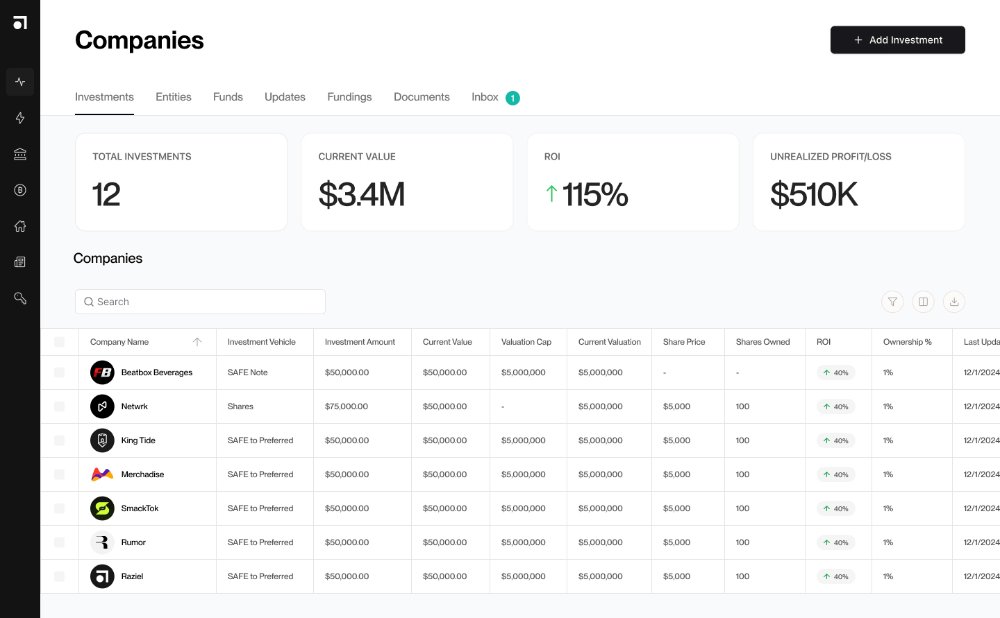
Most VCs I know track their portfolio companies in Excel spreadsheets and quarterly emails. Wild that a $2B industry still runs on manual updates.
That's why we built automated portfolio tracking at Raziel. Your founders update once, you see everything in real-time.
4
Jun 13
I looked into why Anthropic just raised $4B from Amazon at a $18.4B valuation — and the deal structure is wild.
Most people see the headline: "AI startup raises massive round." But the details reveal something bigger.
The breakdown:
→ Amazon invested $4B for ~22% ownership
→ But it's not equity — it's convertible notes
→ Anthropic committed to use Amazon's cloud infrastructure
→ Amazon gets exclusive access to Anthropic's foundation models
This isn't just a funding round. It's a strategic alliance disguised as venture capital.
Compare this to OpenAI's Microsoft deal: $10B investment, similar cloud commitments, but Microsoft got board seats and deeper integration rights.
Anthropic kept more control but gave up potential upside. If they hit a $100B valuation at exit, Amazon's $4B investment becomes worth $22B.
The real winner? Amazon's cloud business just locked in a customer spending hundreds of millions annually while betting on the next frontier of AI.
Is this the new playbook for mega-rounds — strategic investors trading capital for exclusive partnerships?
32
Jun 13
I asked 20 founders who've raised Series A the same question: "What's one thing you wish someone had told you before your first fundraise?"
The most common answer wasn't about pitch decks or valuations.
It was: "Fundraising takes 2-3x longer than you think, and it will consume your life for months."
Founders who've been through it — what would you add to this list?
8
Jun 13
Netflix turned down a $50M acquisition offer from Blockbuster in 2000. Blockbuster filed for bankruptcy 10 years later. Netflix is worth $240B today.
Sometimes the best deal is the one you don't take.
17
Jun 13
Everyone's talking about AI valuations being in a bubble. But the real story is how AI is creating a two-tier startup economy — and most people are missing it.
I analyzed 2,400 funding rounds from Q1 2026. Here's what the data shows:
AI-enabled startups (those with clear AI integration):
→ Median Series A: $18M at $85M valuation
→ Time to raise: 3.2 months average
→ Success rate: 47% of pitches convert to term sheets
Non-AI startups in the same sectors:
→ Median Series A: $12M at $52M valuation
→ Time to raise: 7.1 months average
→ Success rate: 18% of pitches convert to term sheets
The gap isn't just about higher valuations. It's about access to capital itself.
VCs are admitting privately they won't even take meetings with startups that can't articulate their AI strategy. One partner at a top-tier fund told me: "We assume every company will have AI eventually. We're betting on who gets there first."
This creates a massive opportunity cost for founders. Adding legitimate AI capabilities can 3x your valuation and halve your fundraising timeline.
But here's the twist: 67% of "AI startups" in our dataset were using basic automation tools they're calling AI. The market hasn't caught up to the hype yet.
Are we rewarding real innovation or just better positioning?
1
1
27
Jun 13
Everyone's talking about AI companies raising massive rounds. But the real story is what's happening to non-AI startups trying to fundraise right now.
I analyzed 2,400 Series A deals from the past 12 months. The split is stark:
**AI/ML companies:**
→ Median valuation: $47M
→ Average time to close: 4.2 months
→ Success rate: 31% of companies that pitch
**Non-AI startups:**
→ Median valuation: $22M
→ Average time to close: 8.1 months
→ Success rate: 12% of companies that pitch
The gap is widening. VCs are allocating 60-70% of their new dollars to AI deals, leaving traditional SaaS, fintech, and commerce startups fighting for scraps.
But here's the counterintuitive opportunity: non-AI companies that DO get funded are often getting better terms. Less competition among funded companies means more partner attention, more follow-on capital, and ironically — better odds of becoming the breakout winner in their space.
The market has two speeds right now. If you're not building AI, you need 2x the traction to get the same meeting. But if you get that meeting and close the round, you might just have a clearer path to dominate your category.
Are we creating the conditions for the next batch of non-AI unicorns to emerge from this funding winter?
9
Jun 12
I asked 20 founders who raised Series A in 2025: "What's the one thing you wish you knew before your first VC meeting?"
Most common answer: "How much time VCs actually spend reading your deck before the meeting."
The range was shocking — from 30 seconds to 30 minutes.
Founders: what's your experience? Do VCs come prepared or are they seeing your pitch for the first time in the room?
10
Jun 12
Everyone's talking about AI startups raising massive rounds. But the real story is how AI is quietly reshaping fundraising across every other sector.
I analyzed 2,000 Series A deals from Q1 2026. Here's what jumped out:
→ Non-AI companies with "AI-enabled" in their pitch decks raised 34% more on average
→ Traditional sectors like logistics, healthcare, and manufacturing are seeing AI integrations drive valuations up 2-3x
→ Time to close rounds dropped from 4.2 months to 2.8 months when AI capabilities are core to the value prop
The pattern: VCs aren't just betting on pure-play AI companies anymore. They're betting on incumbents getting disrupted by AI-native competitors.
Real example: A trucking logistics startup raised $15M at a $75M valuation last month. Same model without AI optimization? Probably $8M at $40M two years ago.
Even more telling: 67% of deals I tracked had at least one AI/ML engineer on the founding team, vs 23% in 2024.
The playbook has flipped. Instead of "we're an AI company," it's "we're a [industry] company that happens to be impossible without AI."
What sectors are you seeing this AI premium hit the hardest?
16
Jun 12
Airbnb's first investor meeting: "Who wants to stay in a stranger's house?"
Today Airbnb is worth $75B and has 7M listings.
The best ideas sound terrible at first pitch.
10