
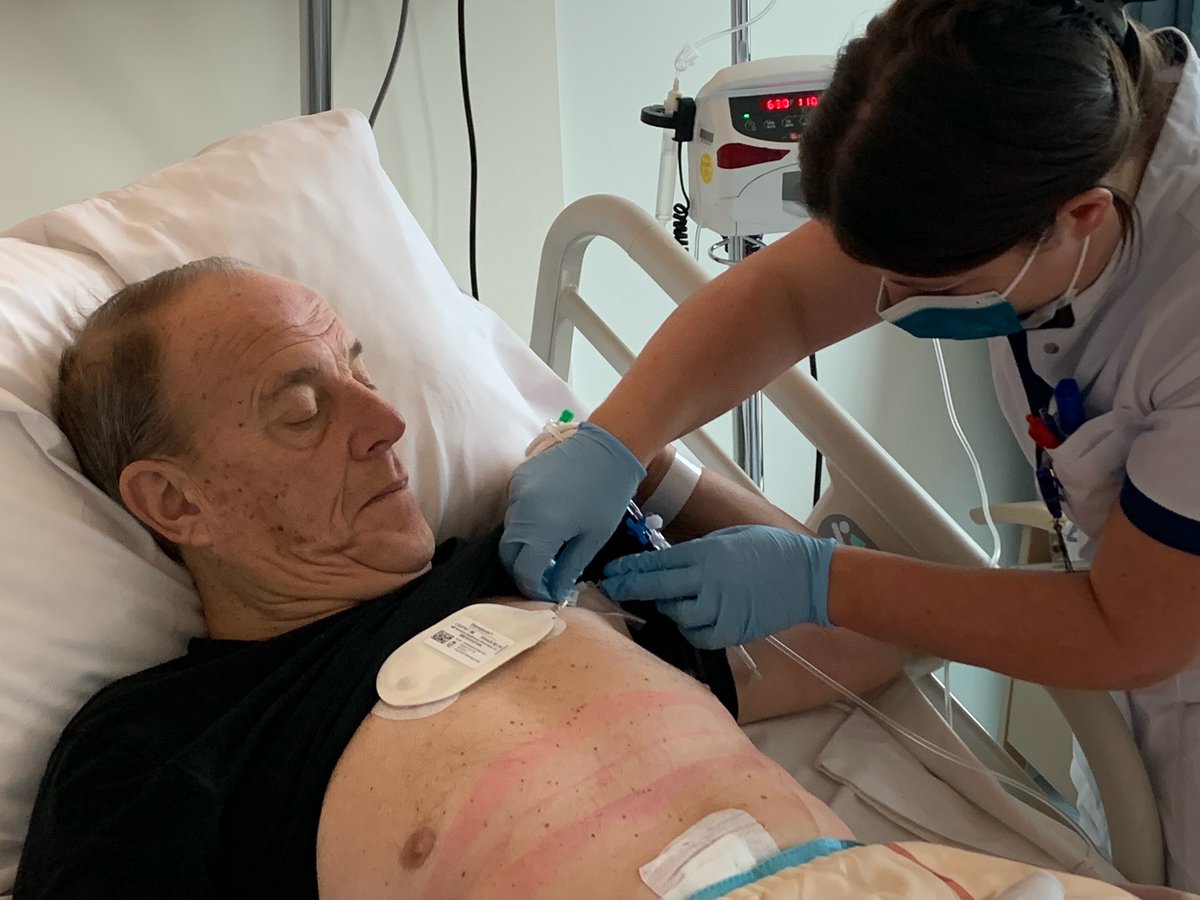
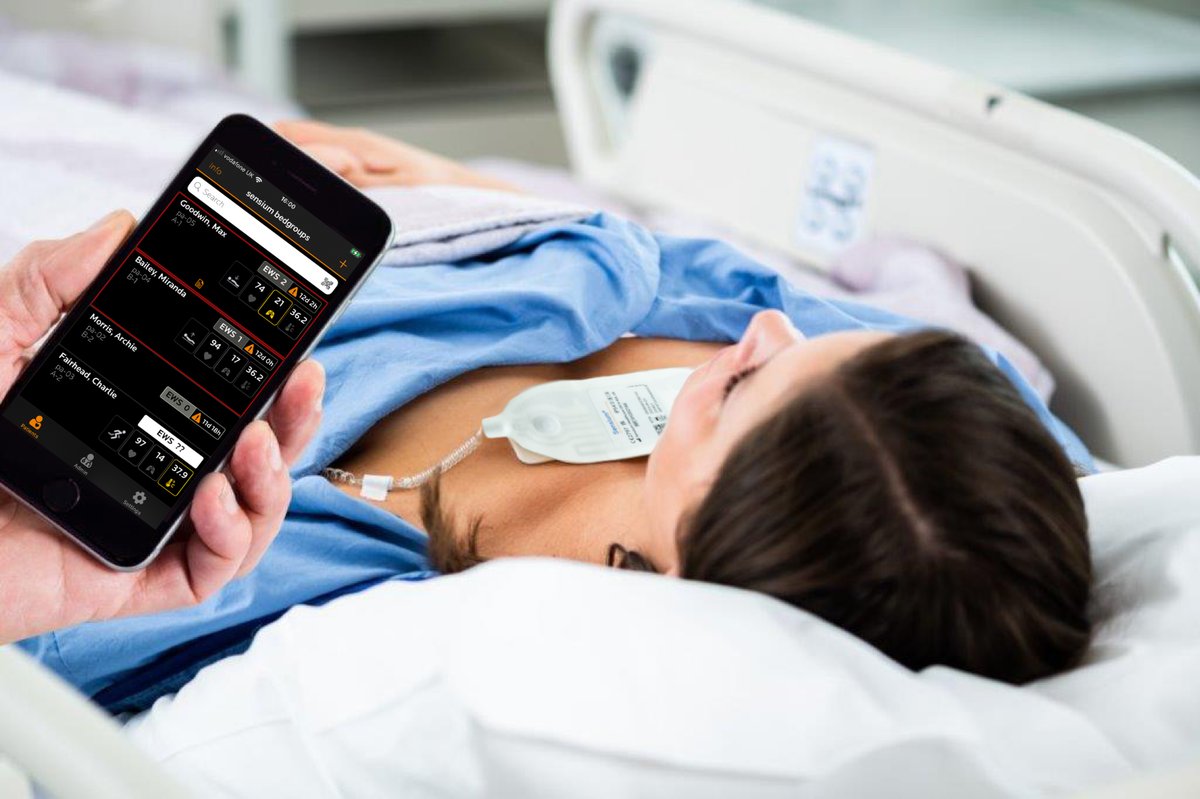
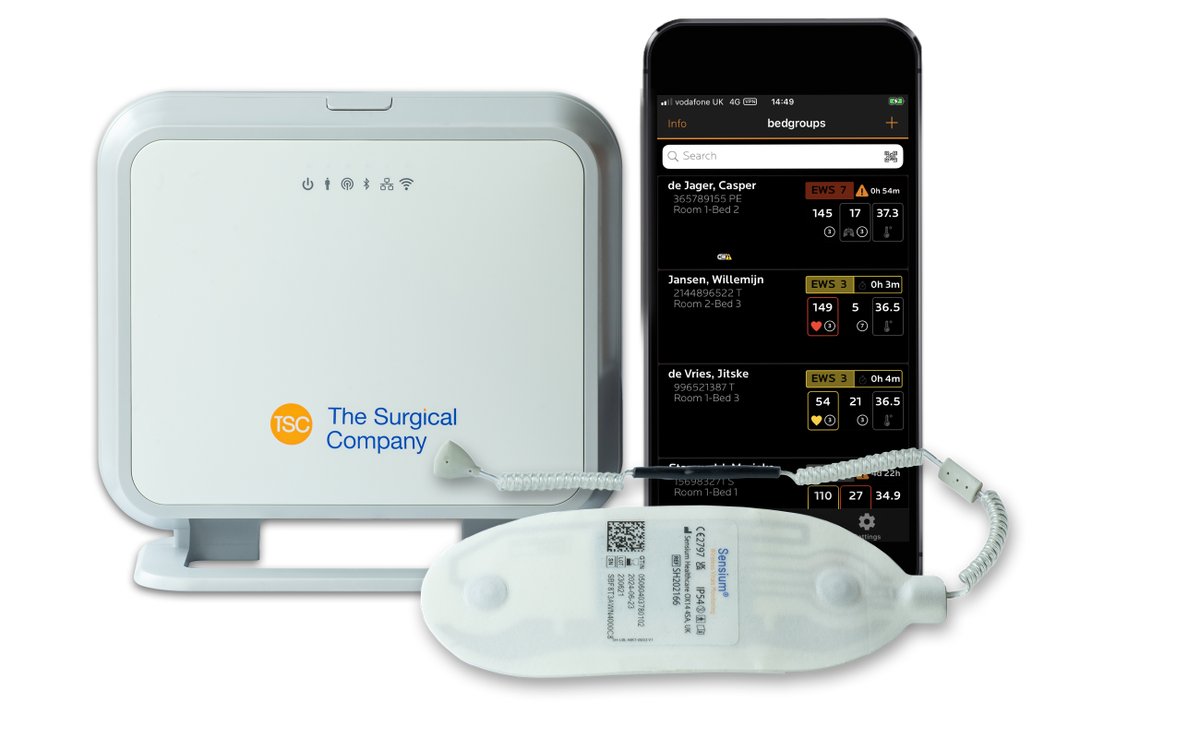
Sensium® is the only end-to-end system designed and optimised exclusively for ambulatory hospital inpatients, enabling early detection of patient deterioration.
Joined August 2008
- Tweets 1,220
- Following 553
- Followers 441
- Likes 132
408 Photos and videos


Pinned Tweet

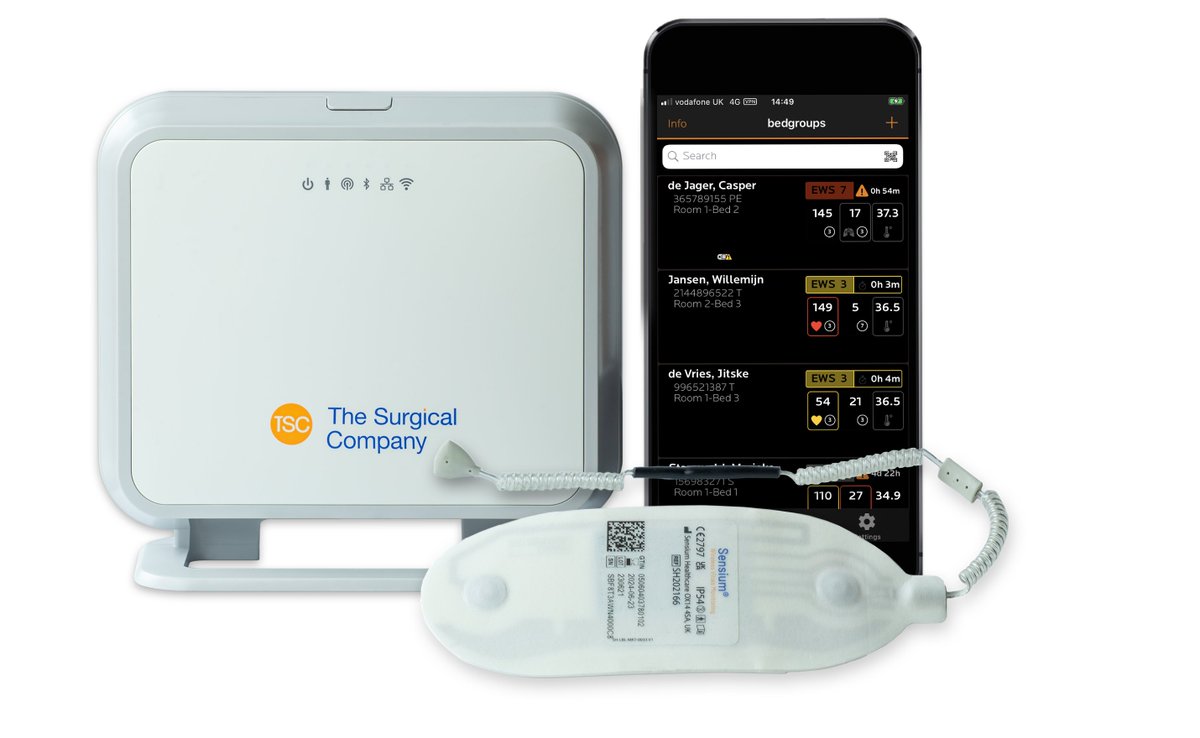
Our parent company includes four production companies: The 37Company (NL), Sensium (UK), Axess Vision (France), Hemologic (NL). As we have increased their collaboration over the years, it is a natural progression to now share a common identity. As of today, the TSC production
1
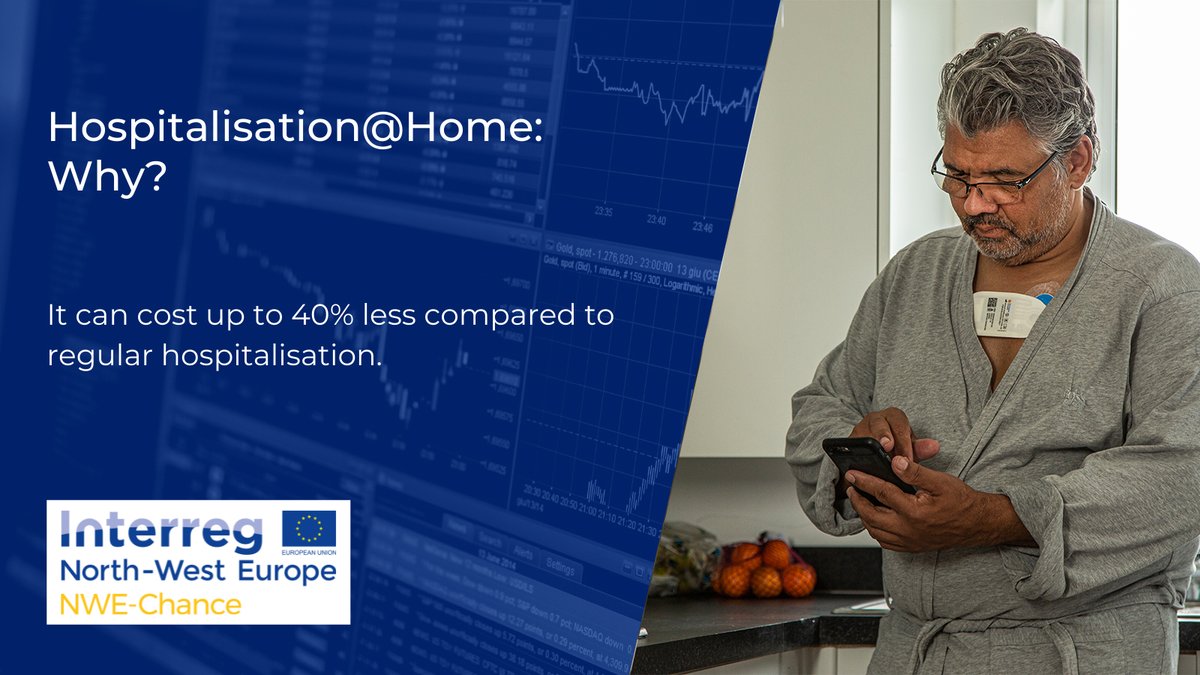
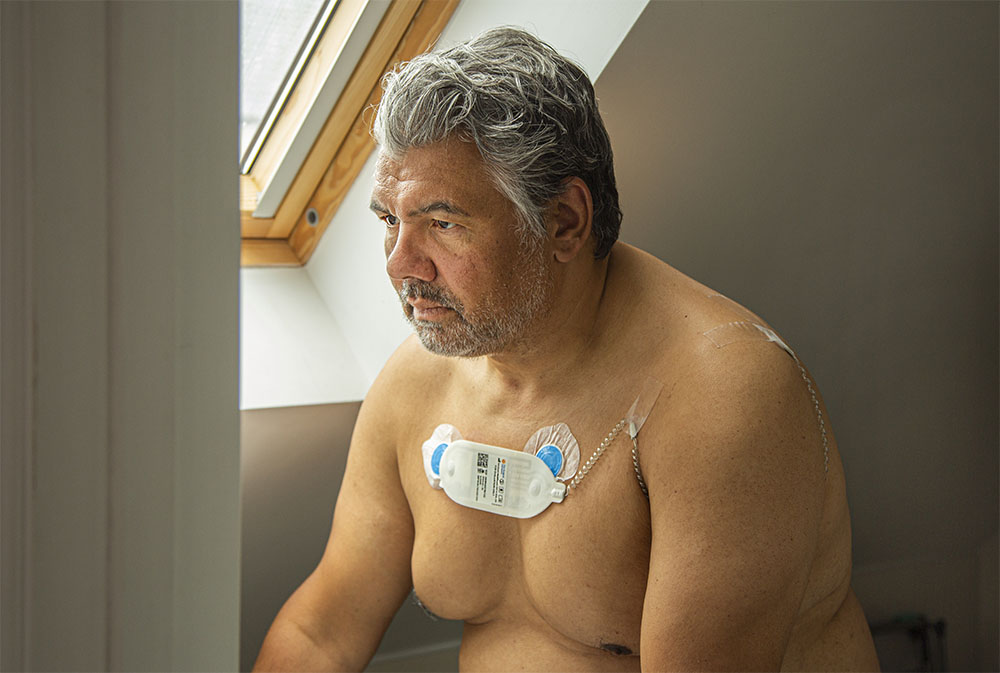
#HospitalAtHome can provide great benefits to patients, as highlighted by the NWE-Chance project. Many patients feel reassured because they know that their information is being sent to the hospital. When hospitalised at home, they worry less about their clinical condition. (1/2)
1
79
The home hospitalisation gave me a reassuring feeling,” a patient stated. Read more about patient experience in the NWE-Chance whitepaper bit.ly/31xae4B. Or go to tsc-group.com/connectedcare to read more about our solution. #heartfailure #patientexperience #hospital
36
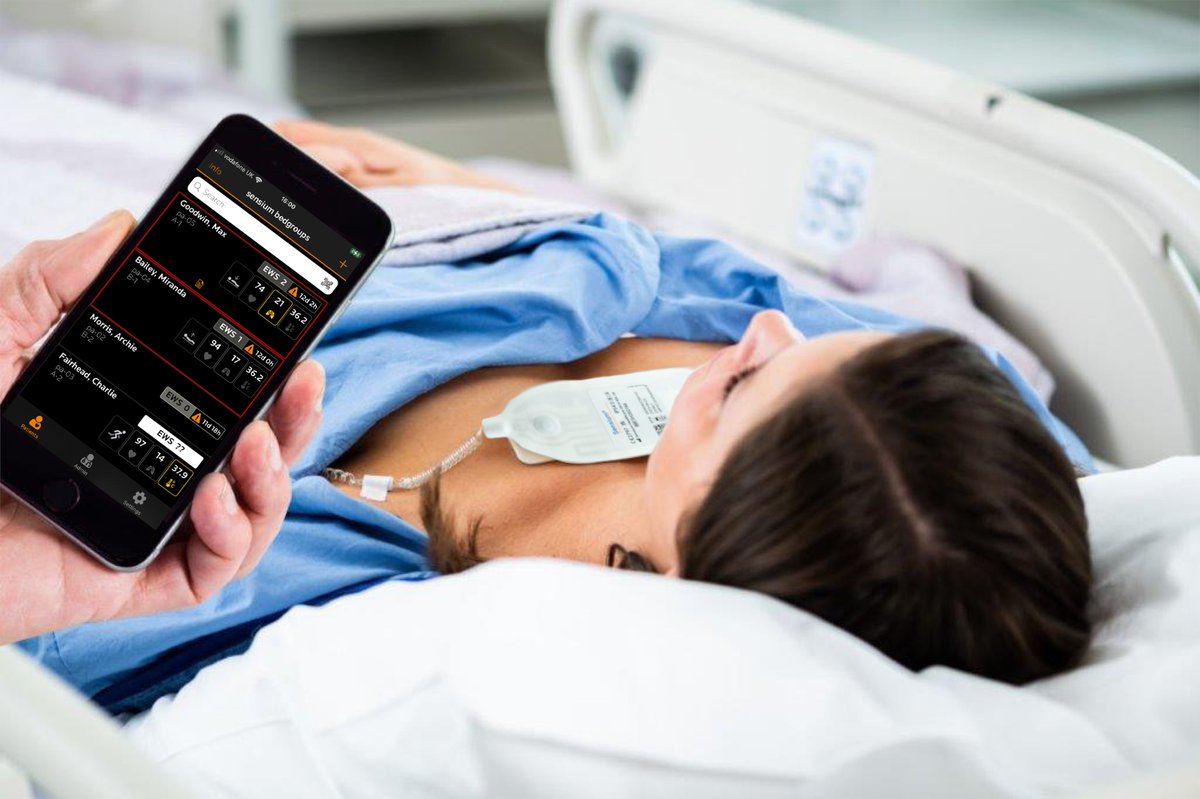
Sensium can be used to give more context to a patient’s condition, by looking at vitals trends and observations combined. This can indicate which patients might need more care and provides data to make clinical decisions. bit.ly/3KDV68a
48
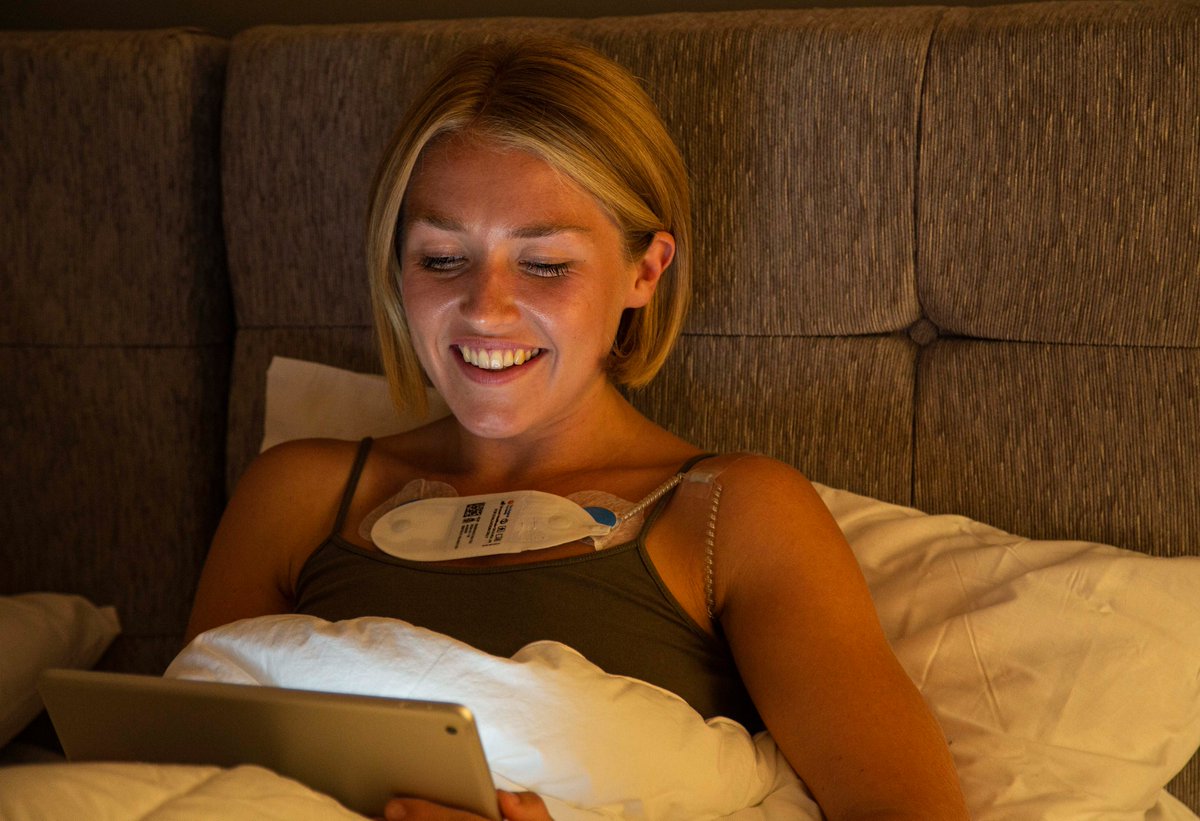
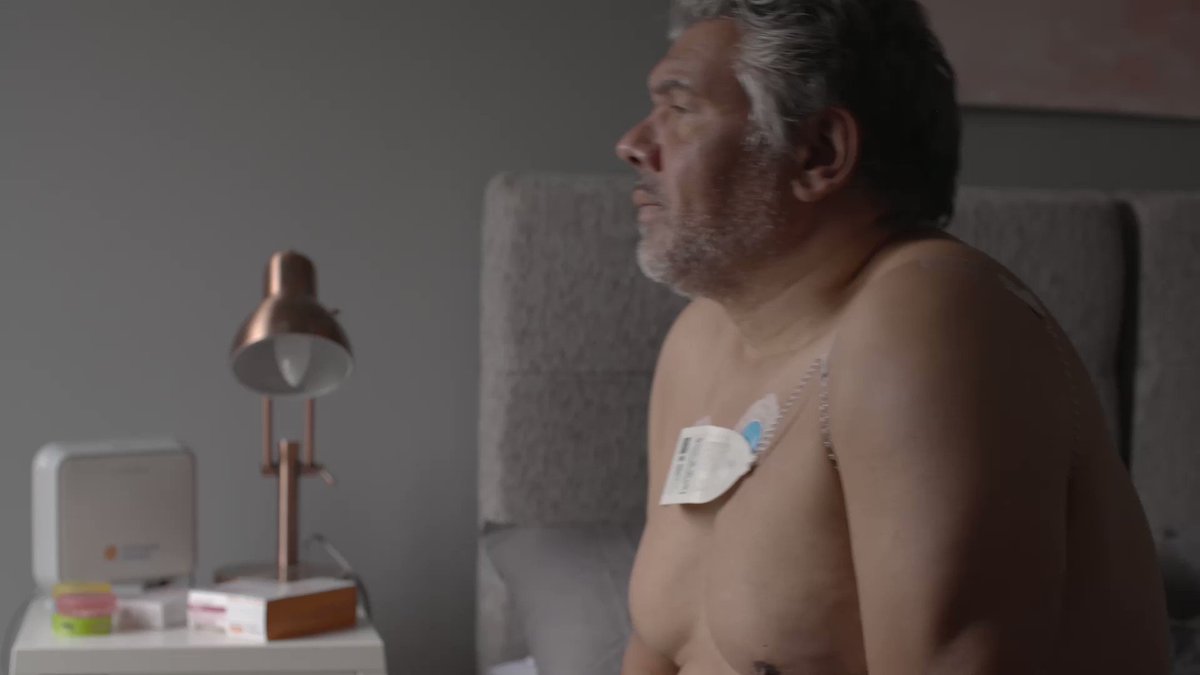
Sensium can provide hospital-grade monitoring to your patients in the comfort of their own home, with the reassurance of clinical oversight. Allowing patients to recover from home can improve patient movement and mental wellbeing. To read more go to bit.ly/44ZyGrg
1
2
91
The patient trend screens provided by Sensium offer a valuable clinical context to assist #healthcare staff in detecting the earliest possible signs of patient deterioration and can be used to make informed decisions on efficient staff deployment bit.ly/3M0vMLJ
1
68
Project Manager Roel from Elkerliek Hospital spoke about the importance implementation of Sensium last year. Besides results for patients, technology like this can improve dialogue between doctors and nurses. Watch the video on our Vimeo page. vimeo.com/815336246
39
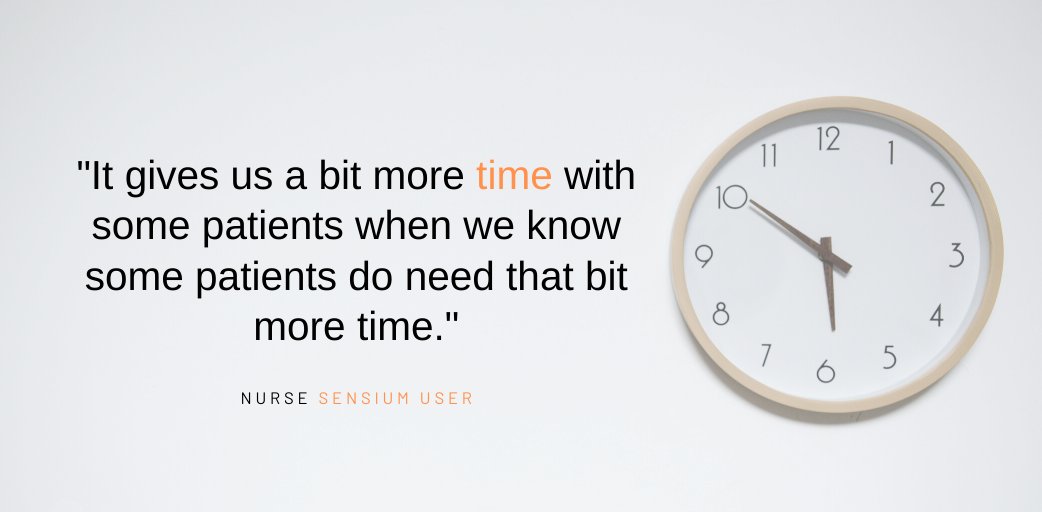
"[Sensium] also gives peace of mind and confidence that you quickly notice a patient's deterioration. You can treat earlier, so that patients also recover better. Sometimes they can even go home earlier,” a nurse from hospital Elkerliek said. Read more: ow.ly/gTgg50NKBK9
1
61
The use of Sensium monitoring in a typical ward could see savings of £700k a year, due to impact on LoS and hospital readmission. Utilising these economic benefits allows hospitals to free up beds and nursing staff time. Read more in our economic study: bit.ly/39QEqpC
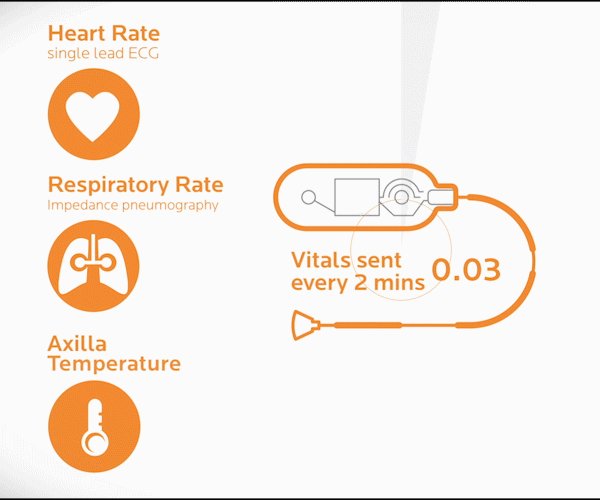
Sensium monitors respiration rate, widely considered to be the best predictor of patient deterioration, with proven accuracy to standard monitoring. Go to go sensium.co.uk/evidence for more information on this and our clinical and economic benefits.
The NWE-Chance project, of which TSC Connected Care is one of the partners of, has created a great video explaining how a hospital initiated Hospital at Home service could work.
ow.ly/oWS350IkzbV
The Sensium system featured twice in the Nursing Times - discussing technology in hospitals. Click on the article below to read and go to bit.ly/3tTPWws

BBC: NHS staff in Wales is facing some big challenges, and it "will take years to catch up" on the backlog of treatments. Olwen Morgan, head of nursing at Glangwili and Prince Philip Hospital; "Being able to facilitate that surgery and those treatments is going to take a (1/3)
1
robust strategy both within our health board and across the country, and some normality would help very tired medical staff. Sensium can lead to a 10% benefit in LoS, and a 45% reduction in re-admit rate, which allows hospitals to free up beds and nursing staff time as they (1/2)
1
continue efforts to tackle the significant backlog of regular care. Go to sensium.co.uk/solution for more information on our solution. #wirelessmonitoring #backlog #efficiency #patientsafety #efficientcare
bbc.co.uk/news/uk-wales-6062…
Clinical Research Fellow at the University of Leeds Candice Downey explains manual post-operative monitoring & how possible deterioration of patients impacts recovery. Continuous monitoring such as Sensium can improve patient outcomes. Read her study: sensium.co.uk/evidence
1
Sensium monitors respiration rate, widely considered to be the best predictor of patient deterioration, with proven accuracy to standard monitoring. Read our whitepaper (bit.ly/2TKd6Vb) or go sensium.co.uk/evidence for more info on our clinical and economic benefits.
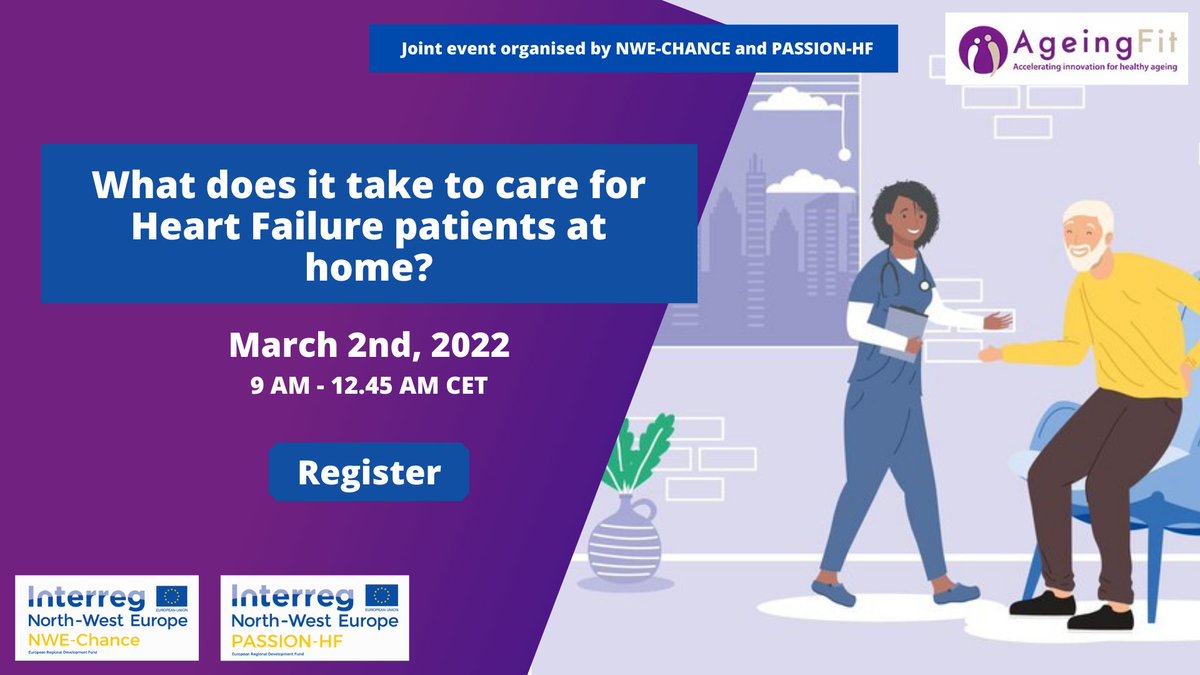
📅 2 March 2022, at @AgeingFit in Lille 🇫🇷
Learn about @NWE_Chance study, of which Sensium was a part of, and @PassionHf with:
👉 Dr Martijn Scherrenberg, @JessaZiekenhuis
👉 Dr Hesam Amin, @MaastrichtUMC
Attend 🙋♀️in person or 💻remotely!
🔗Register: bit.ly/NWEChancePassionHF
CEO of The UK Sepsis Trust Dr Ron Daniels discusses the importance of regular patient observations, particularly in the case of sepsis. Spotting signs of deterioration as early as possible mitigates harm arising and aids rapid treatment. Read more:
bit.ly/3HTKH5I
Are you a:
🏥Hospital manager
⚕️Health professional
👨💻Technology provider
Explore the impact and opportunities behind hospitalisation@home and #hybridcare.
@NWE_Chance and @PassionHf share their results at AgeingFit, 📅2 March 2022
➡️Agenda & Register: bit.ly/NWEChancePassionHF
The Surgical Company - Connected Care retweeted

11 Feb 2022
Are you a:
🏥Hospital manager
⚕️Health professional
👨💻Technology provider
Explore the impact and opportunities behind hospitalisation@home and #hybridcare.
@NWE_Chance and @PassionHf share their results at @AgeingFit, 📅2 March 2022
➡️Agenda & Register: bit.ly/NWEChancePassionHF
4
3