Representing telecoms operators, ISPs & equipment manufacturers in pursuit of a fair regulatory environment that allows all providers to compete on level terms
Joined December 2009
- Tweets 3,554
- Following 898
- Followers 2,786
- Likes 995
407 Photos and videos



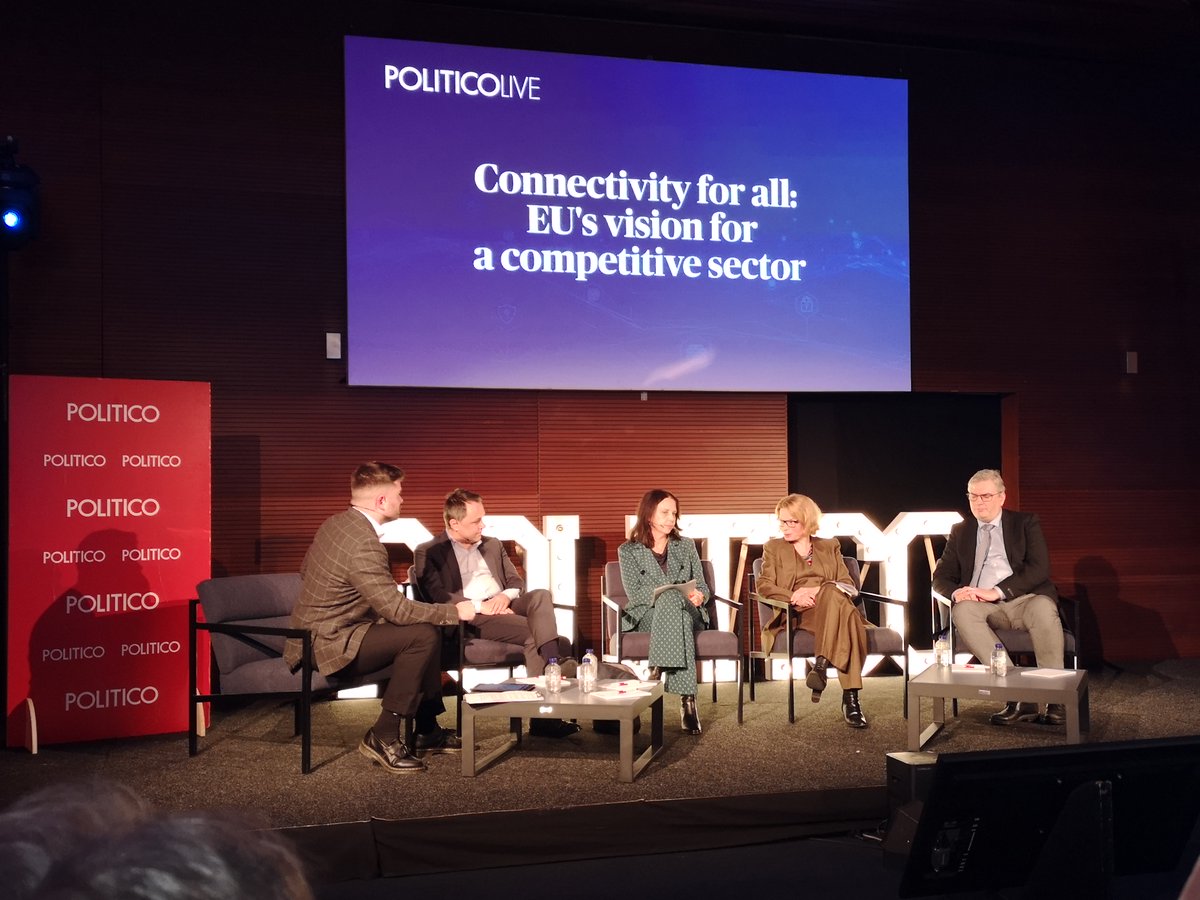
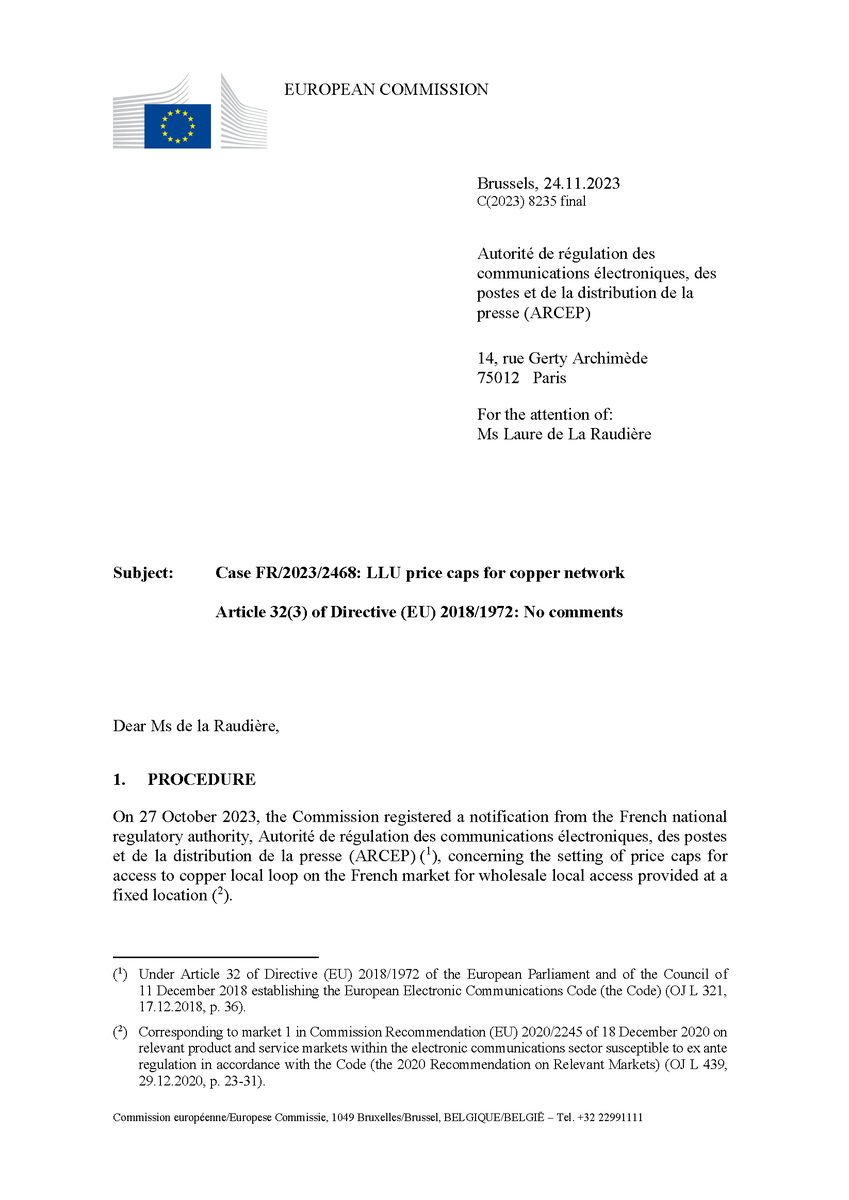

ecta statement on the European Commission legislative proposal for a Digital Networks Act (DNA) ectaportal.com/news/ecta-pre…
57
ecta statement on the European Commission legislative proposal for a Digital Networks Act (DNA) ectaportal.com/news/ecta-pre…
2
100
ECTA retweeted

4 Nov 2025
‼️Digital Networks Act publication pushed from mid-December to 20 January 2026‼️
ec.europa.eu/transparency/do…

1
110
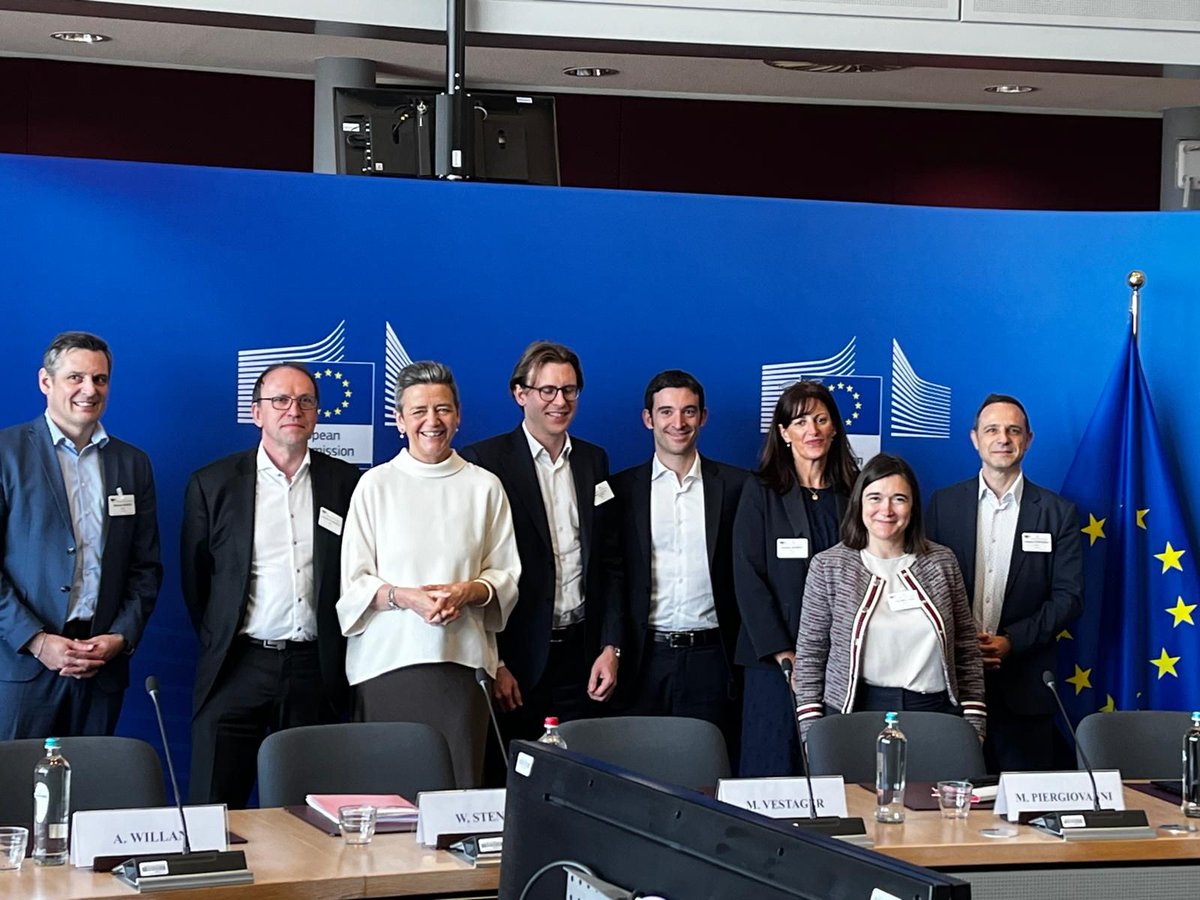
The CEOs of ecta, the european competitive telecommunications association met with Executive Vice-President Henna Virkkunen ectaportal.com/news/ecta-pre…
76
The leading national and European pro-competitive telecom associations — representing both the business and technical communities — call on the European Commission to:
👉 Abandon its proposed changes to access regulation under the DNA;
👉 Preserve the current ex-ante SMP regulatory framework under the EECC, without dilution or reinterpretation;
👉 Uphold the principles of legal clarity, proportionality, and competition, which have served Europe and its citizens so well.
JOINT STATEMENT ON THE COMMISSION’S CALL FOR EVIDENCE ON THE DIGITAL NETWORKS ACT – FOCUS ON ACCESS REGULATION ectaportal.com/news/ecta-pre…
2
2
331
📅 Save the Date!
🗓️ 15 July 2025 | 🕔 17:00–21:00
📍 Thon Hotel EU, Brussels
Join @VATM_eV & ecta - European Competitive Telecommunications Association @twECTA for a high-level debate on the future of EU telecoms—just after the #DNA Call for Evidence closes.
💡 Can competition, connectivity & investment go hand in hand?
#Telecoms #EUdigital #DigitalNetworksAct #SingleMarket
app.guestoo.de/public/event/…
1
193
The latest reports on the State of the Digital Decade and DESI 2025 once again demonstrate that the EU's ex-ante regulatory framework delivers on its promises and remains fit for purpose.
Of course, improvements are always possible, but the core of the ex-ante SMP-based regime remains essential—alongside the continued relevance of the identified markets.
Unfortunately, there is a double risk in the current wave of negativism:
i) It may become a self-fulfilling prophecy; and
ii) A stable, well-understood, and predictable framework could be replaced by an open Pandora’s box—breaking a strong promise made by the EU to the investor community, and rendering the EU untrustworthy with regard to long-term investment.
Let’s not forget that competition is a prerequisite for competitiveness, and that fear of cannibalising existing business models remains one of the greatest barriers to innovation.
18 Jun 2025

The @EU_Commission is cherry-picking data to push for telecom deregulation
An analysis of the Commission's third round of EU and national reports on digitalisation goals, published on 16 June.
- @Euractiv
euractiv.com/section/tech/ne…
128
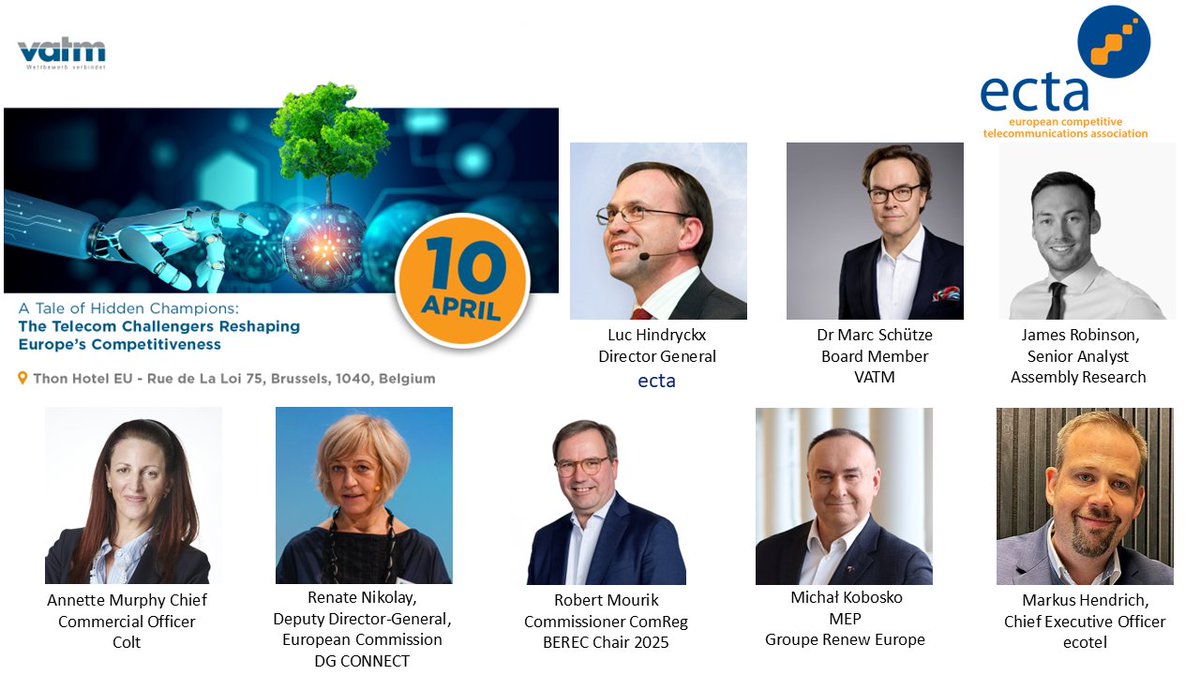
Join our distinguished speakers on 10 April 2025 for vibrant discussions on how Telecom Challengers are reshaping Europe’s competitiveness.
Welcome: Luc Hindryckx Director General ecta (european competitive telecommunications association) and Dr. Marc Schütze, @vatmDE Board member
Panel:
Moderator: James Robinson, Senior Analyst, @AssemblyTweets
Panellists:
👉 Annette Murphy Chief Commercial Officer (CCO), @Colt_Technology
👉 @michalkobosko @RenewEurope
👉 @RenateNikolay, Deputy Director-General, @EU_Commission, DG CONNECT
👉 @ComComReg Robert Mourik, Commissioner at @comreg and Body of European Regulators for Electronic Communications @BERECeuropaeu Chair 2025
👉 Markus Hendrich, Chief Executive Officer, ecotel communication ag
A Tale of Hidden Champions: The Telecom Challengers Reshaping Europe’s Competitiveness ectaportal.com/events/a-tale…
94
Save the Date
ecta (european competitive telecommunications association) -VATM event - 10 April 2025 17h00 - 21h00
A Tale of Hidden Champions: The Telecom Challengers Reshaping Europe’s Competitiveness
A Tale of Hidden Champions: The Telecom Challengers Reshaping Europe’s Competitiveness ectaportal.com/news/ecta-pre…
64
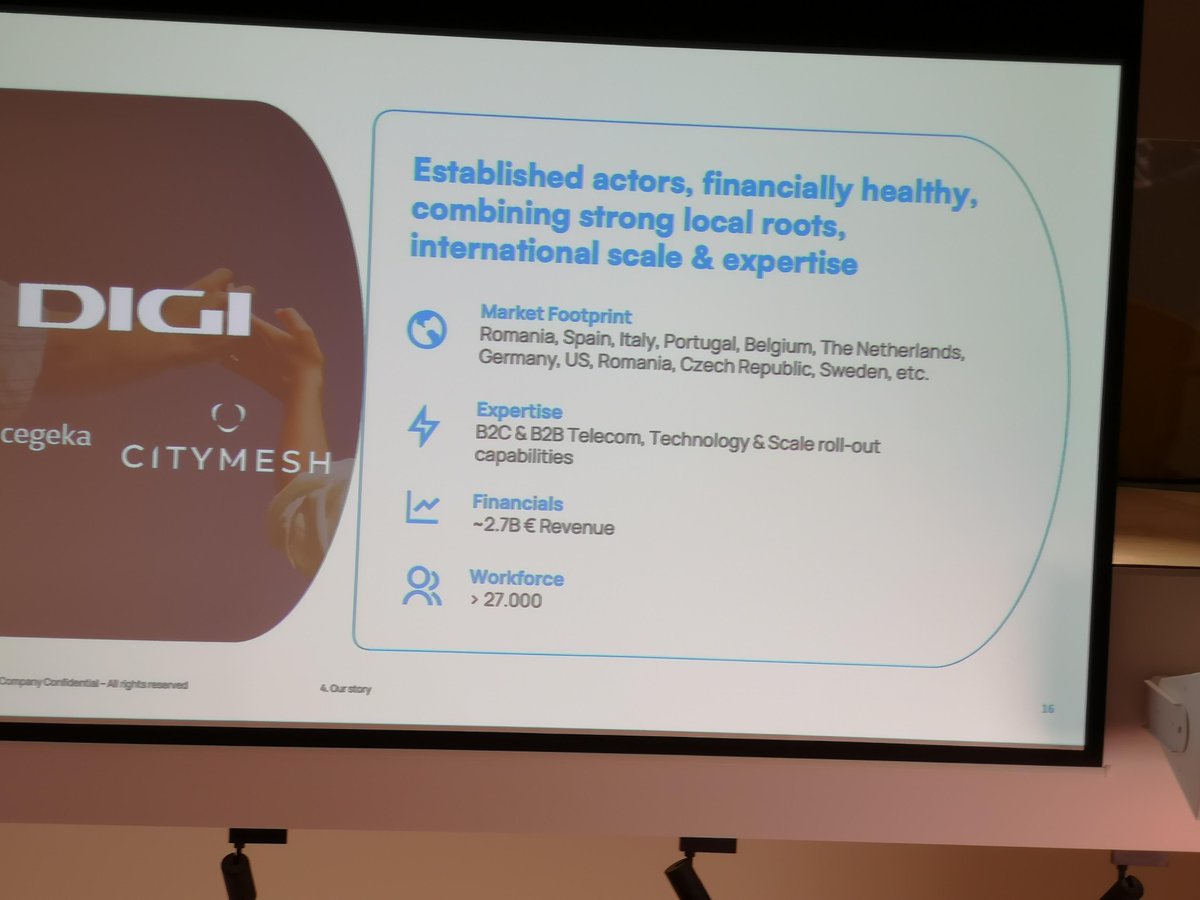
ecta, the european competitive telecommunications association welcomes Valentin Popoviciu, Chief Strategy & Operating Officer and Executive Director of Digi Communications NV as new Chairman and welcomes Ingrid Malfait-Guilbaud, EU Affairs Director at Groupe iliad, as a new Board Director and announces the re-election of Anna BIGOT, Deputy Director of European Affairs, Bouygues Telecom, for a second term.
Warm congratulations to Valentin Popoviciu, Ingrid Malfait-Guilbaud and Anna BIGOT and our deep gratitude to Neven Dilkov for his dedication and constructive leadership for the last four years as Chairman, and to Maxime Lombardini and Pablo Freire, whose terms of office as Board Directors have come to an end, for their commitment and valuable contributions.
ectaportal.com/news/ecta-pre…
1
172
ECTA retweeted

10 Dec 2024
🗞️[COMMUNIQUE DE PRESSE]
@free lance aujourd’hui une Box 5G inédite avec le Wi-Fi 7 : elle combine l’internet Très Haut Débit en 5G/4G, le Wi-Fi 7 certifié et la TV incluse grâce à l’application OQEE by Free, le tout sans engagement pour 29,99€/mois la 1ère année puis 39,99€/mois 👇

13
35
133
21,612
Telecoms industry association ecta (european competitive telecommunications association) @twECTA welcomes the @EUCouncil Conclusions on the Commission’s White Paper entitled "How to master EU's digital infrastructure needs?".
The Council Conclusions unequivocally reaffirm that fostering effective competition in European telecommunications markets is the key to boosting Europe’s competitiveness.
The Council Conclusions emphasize the importance of maintaining ex-ante regulation in electronic communications markets, to address a lack of effective competition as determined by NRAs. The Council highlights the need for tailored approaches that consider Member States’ specific circumstances while ensuring regulatory predictability and alignment with existing measures like the European Electronic Communications Code. It also stresses that fostering competition remains essential for driving innovation, improving service quality, and enhancing consumer welfare.
Accordingly, the focus should be on reducing red tape — the administrative burdens currently faced by European telecom operators — rather than on eliminating ex-ante regulation through political mandates without robust technical justification from National Regulatory Authorities.
@twECTA is confident that the European Commission will take the Council Conclusions into utmost consideration in its forthcoming actions.
ectaportal.com/news/ecta-pre…
1
1
106
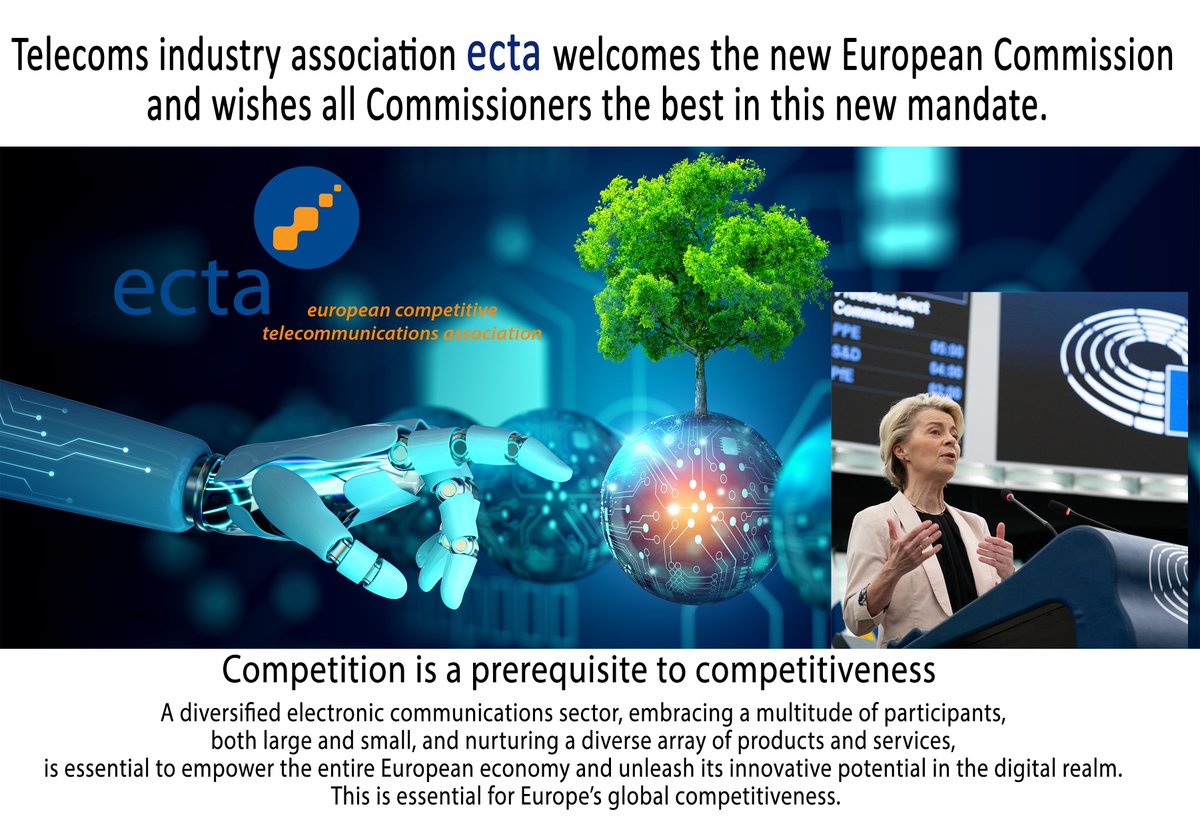
👏Telecoms industry association, ecta congratulates the incoming college of the European Commission, in particular Henna Virkkunen and Teresa Ribera, and is eager to work with them.
As competition is a prerequisite for competitiveness, a diversified electronic communications sector, embracing a multitude of participants, both large and small, and nurturing a diverse array of products and services, is essential to empower the entire European economy and unleash its innovative potential in the digital realm. This is essential for Europe’s global competitiveness.
The ex-ante SMP-based regulatory framework delivers strong benefits in terms of investment, innovation, and consumer welfare, and we believe that it must be maintained going forward, including the markets listed in the Relevant Markets Recommendation.
👉It is essential for competition, and therefore for end-user interests.
👉It is essential for cross-border consolidation.
👉It is essential for EU harmonization today and tomorrow, even more so with the accession countries.
👉It is essential for the independence of the regulators.
The peak investments are behind us, and we are on track according to the investment needs presented by the EC in 2016 and again in 2023, at the halfway point.
We are committed to contributing constructively on:
🫴Spectrum fees – ensuring that operators can focus their spending on network roll-out, rather than on licence fees.
🫴FTTH take-up.
🫴Copper switch-off.
🫴Building trust between businesses and telecoms to help develop new use cases and foster innovation in other sectors.
🫴Better understanding of the needs of business markets.
🫴Sovereign cloud and collaboration.
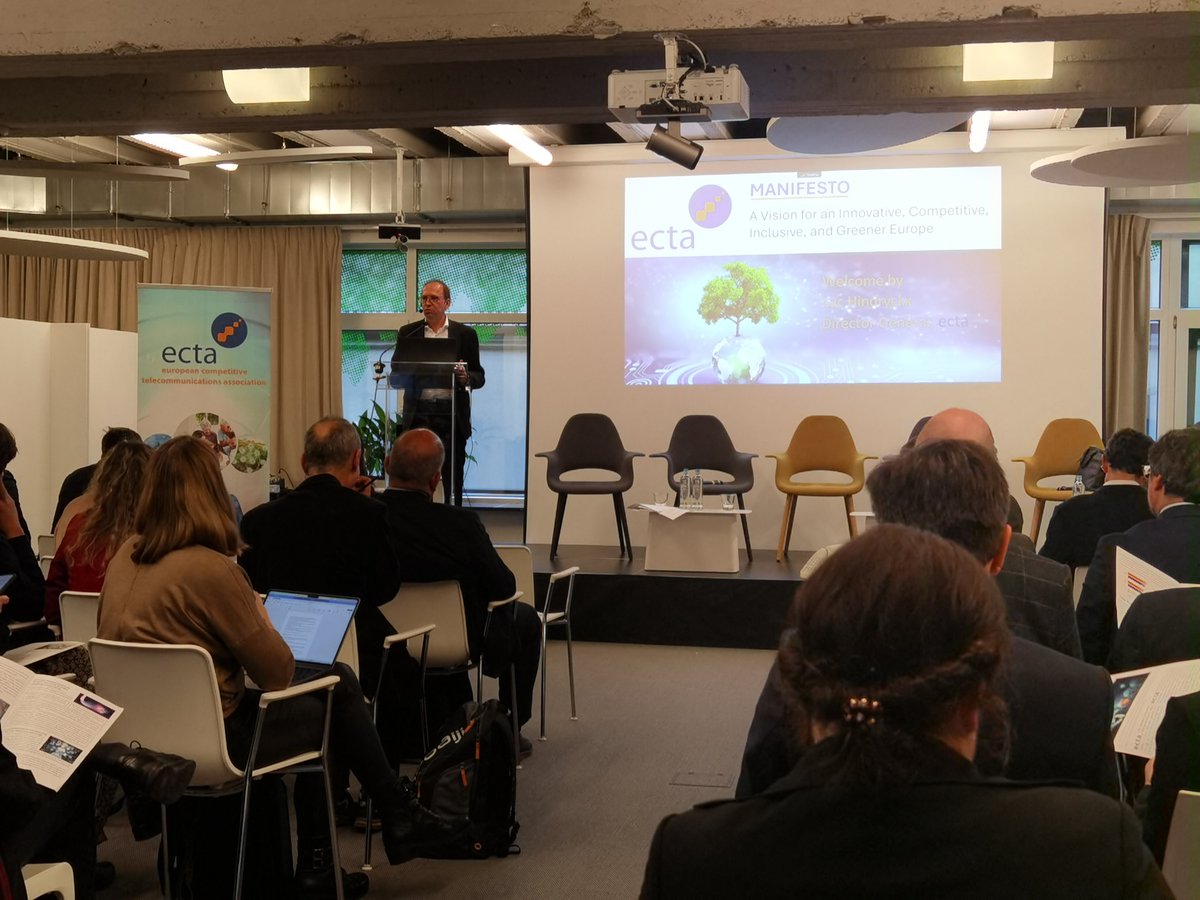
Read our manifesto: A Vision for an Innovative, Competitive, Inclusive, and Greener Europe ectaportal.com/news/ecta-pre…
3
134
ECTA retweeted

7 Nov 2024
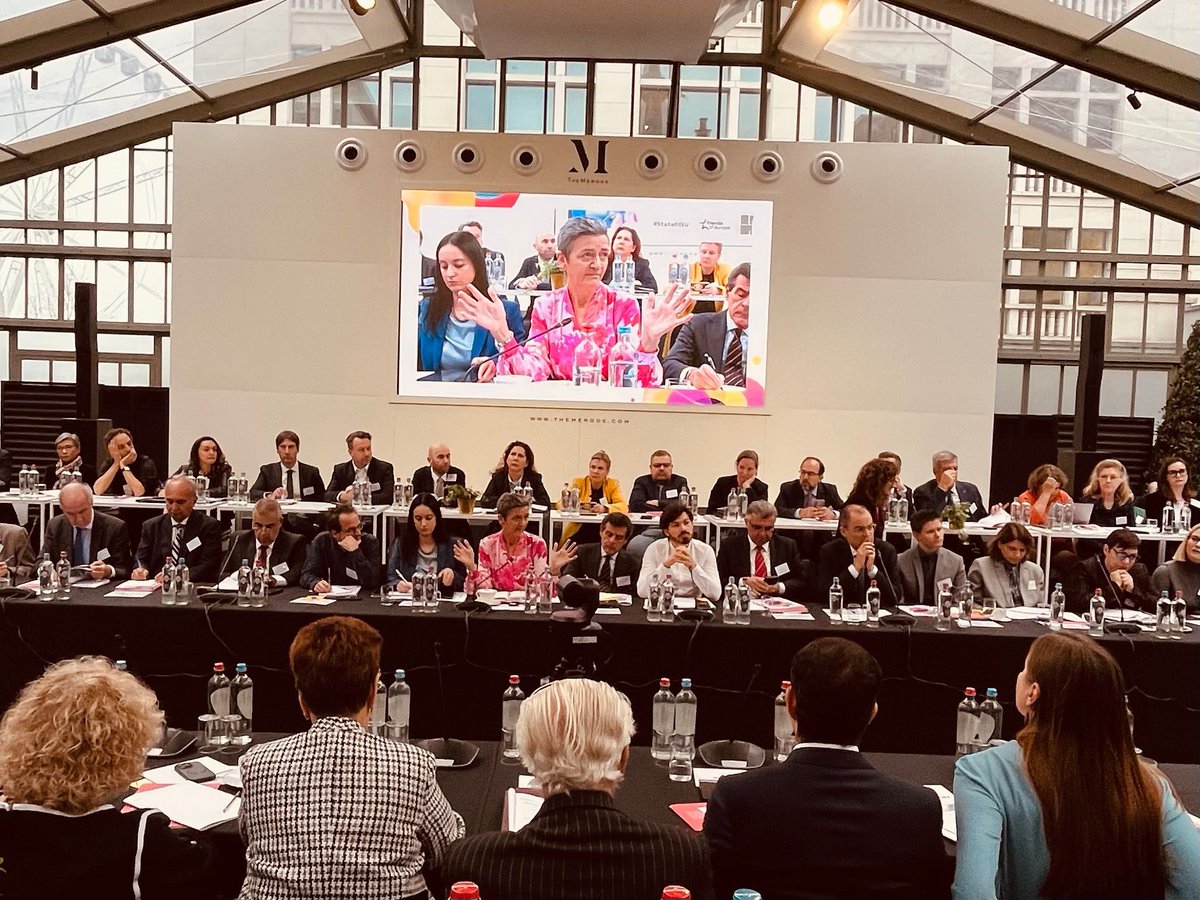
These days more than ever, we must stay loyal to the 🇪🇺 model, which is to create prosperity & use that to create social welfare for people. Vivid competition to drive competitiveness.
If we give that up now, it is certain we will lose in the long run.
@FriendsofEurope
24
11
70
8,954
"Destroying competition means killing intelligence" Great speech from @Lagarde
ecb.europa.eu/press/key/date…
1
109
ECTA retweeted

14 Oct 2024
1️⃣ Day to go ⏳ Tomorrow, on October 15th, we’ll be gathering at the @Europarl_EN for our much-anticipated debate on the future of Europe’s #digital infrastructure: “White paper on #connectivity: Next Steps”.
The discussion - chaired by MEP @delcastillop - promises to be rich and insightful. #EIFdebates
Read more 👉 internetforum.eu/events/even…
1
3
1,158
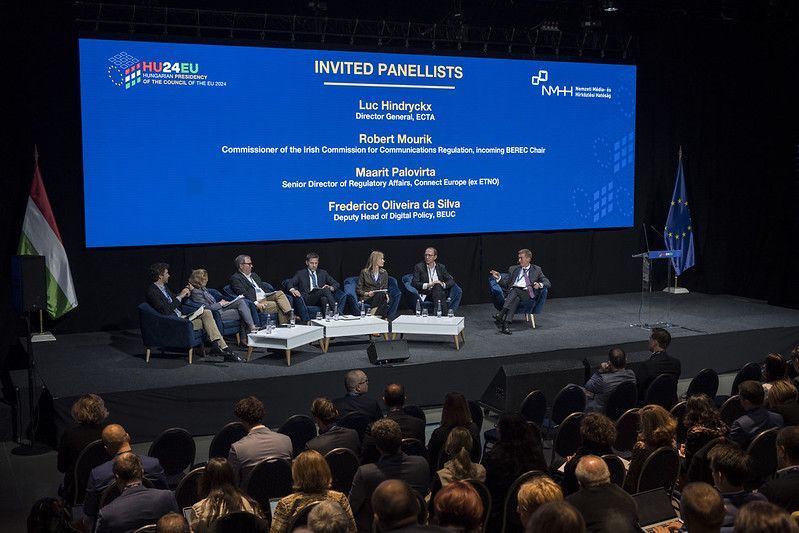
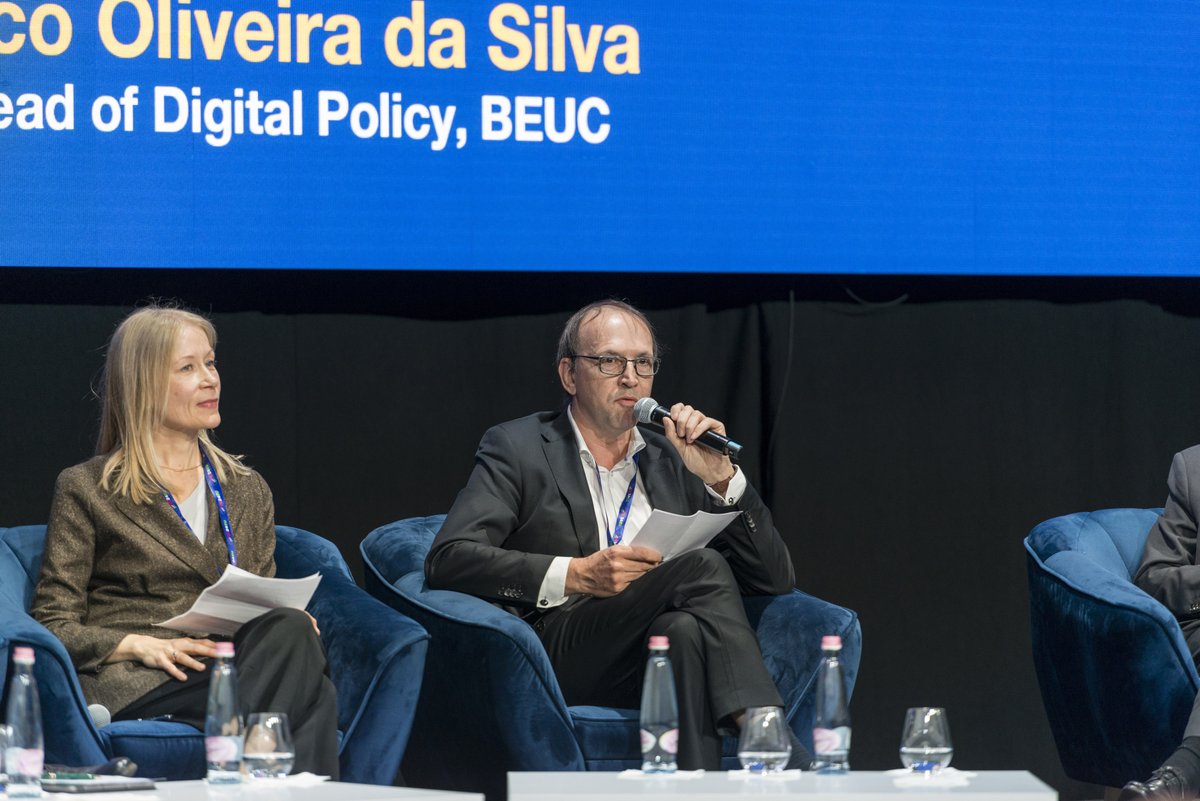
ecta's Director General, Luc Hindryckx participated in the #HU2024EU and #NMHH conference titled “Regulation Reloaded - Changing the rulebook of European Communications.”
The main messages were:
The EU model based on electronic communications regulation is a success story to be proud of:
👍 Promotion of competitive telecoms markets, combined with effective ex-ante regulatory measures, is driving investments, positive innovation, and consumer benefits. Hence, the ex-ante regulatory framework based on SMP assessment must be preserved.
💪 Europe excels with respect to its global peers when it comes to combining the deployment of gigabit networks, their use by consumers and professional users, as well as their affordability and inclusion.
👏 The successes of several ecta members - entrepreneurs who believed in the promise of the EU regulatory framework, invested at their own risk, and innovated - show that it has enabled entrepreneurial success stories of which EU can be proud and that should be a source of inspiration. People who strongly believe in the telecom sector and have real long-term industrial visions, like @GroupeIliad, @bouyguestelecom , or @neterranet , to mention but a few.
👎 The share price is not a right proxy to evaluate long term investments such as FTTH.
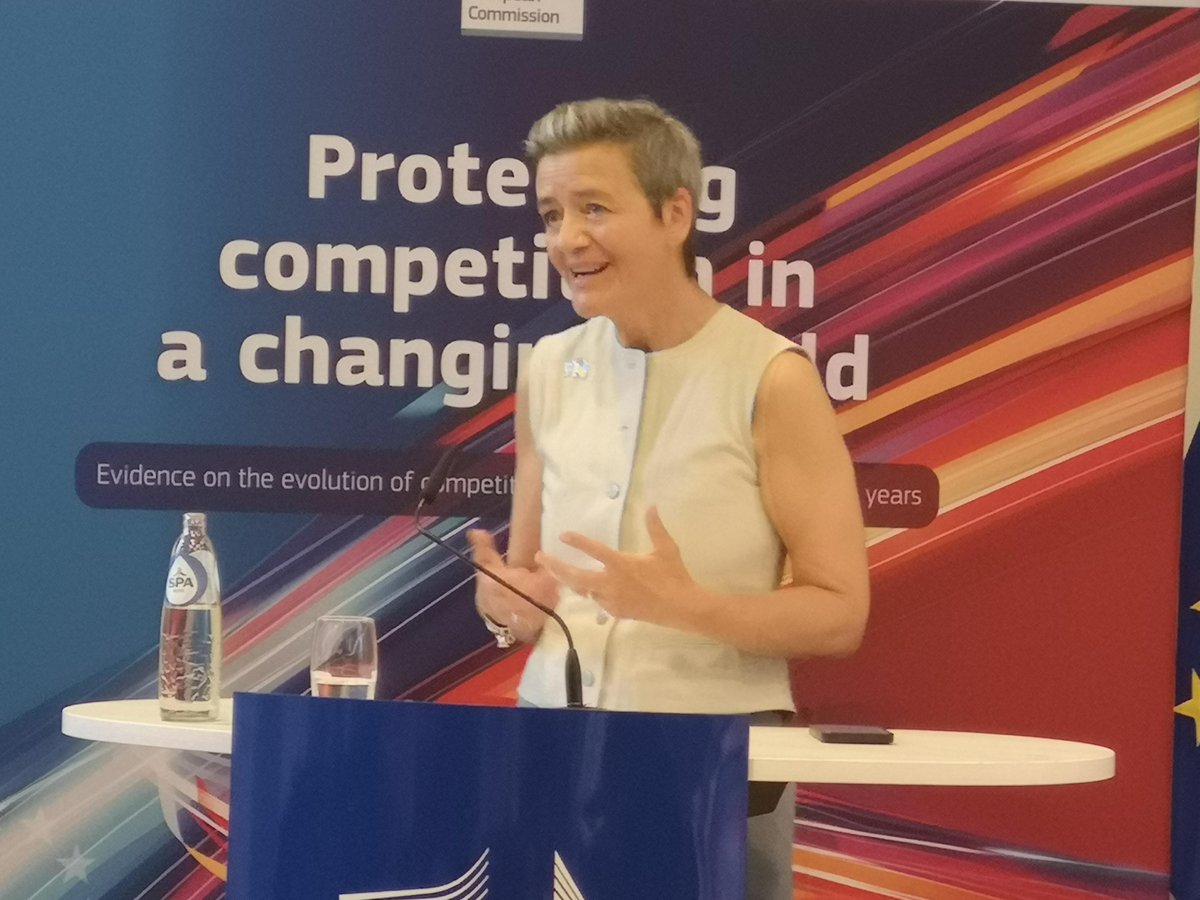
The report from DG Competition, “Protecting competition in a changing world,” should have a more central place and role in the debate.
An electronic communications sector, embracing a multitude of participants, both large and small, and nurturing a diverse array of products and services, is essential to empower the entire European economy and unleash its innovative potential in the digital realm. Hence, it is essential for the EU competitiveness.
What is at stake is the ability of all the other sectors of the economy to innovate, and this cannot be realized with a concentrated EU telecoms market, even less with well established companies. Unfortunately, the White Paper missed the opportunity to delve into the EU business markets that remain concentrated, although the essence is in the EU businesses and their ability to innovate and remain competitive.
Fortunately, there are genuine pan-European operators that are perfect examples of the EU internal telecom market, such as @Colt_Technology or @transatel
When it comes to the financial health, a recent study for the Dutch Government analysing the major 10 incumbents’ performance in terms of free cash flow generation shows that the health of the telecoms sector is not catastrophic, as others are presenting it.
This does not mean that there is nothing to be improved. We are absolutely ready to constructively help in different areas:
👉 How to improve the take-up of FTTH;
👉 How to accelerate the copper switch-off and migration to FTTH;
👉 How to facilitate network deployment;
👉 And most important, how to (re) build trust between EU businesses of all sectors and the telecoms sector.
3
2
132