Joined November 2009
- Tweets 8,866
- Following 2,461
- Followers 1,997
- Likes 92,612
4,182 Photos and videos

Pinned Tweet

Apr 25
🧵
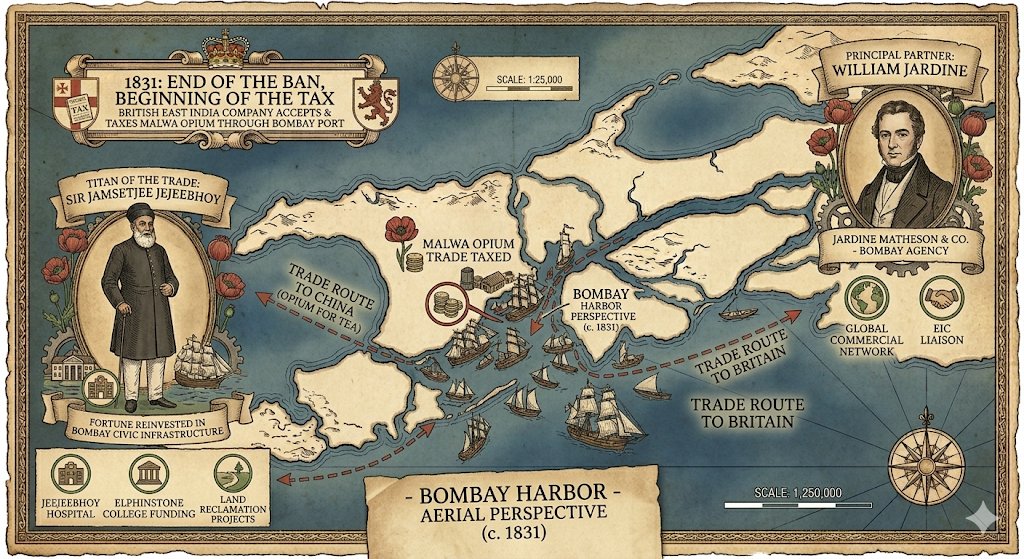
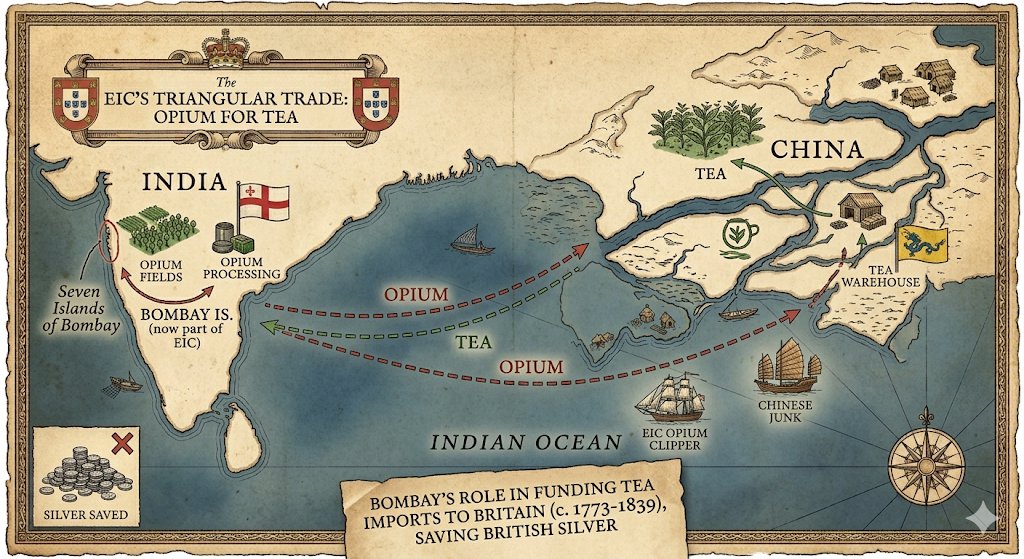
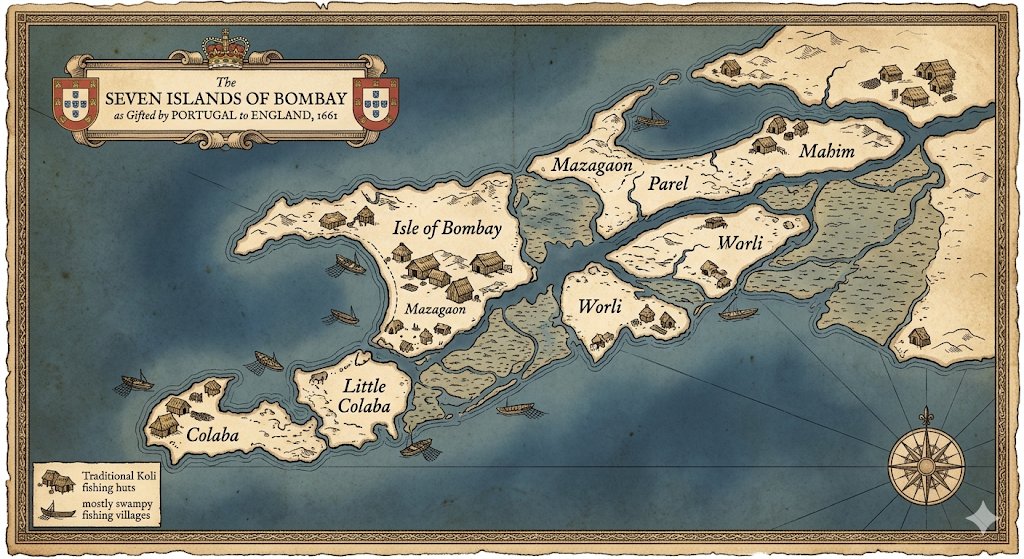
1/7 Did you know Mumbai’s economy was fundamentally shaped by op*um? In 1661, the Seven Islands were gifted by Portugal to King Charles II of England as part of the dowry for Catherine of Braganza. At the time, they were mostly swampy fishing villages.

Let me tell you a story....🧵
It begins, as many empires do, not with steel or skylines, but with trade.
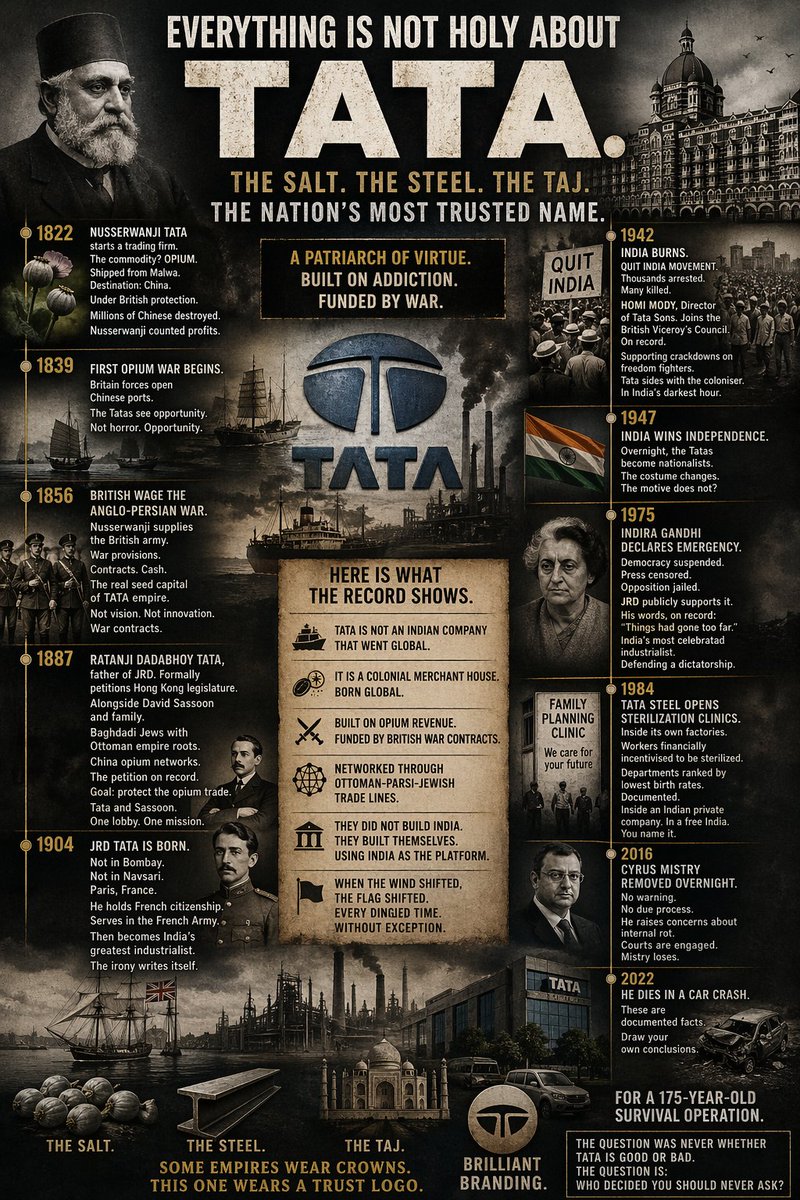
In 1822, a man named Nusserwanji Tata set up a modest trading business. There was no talk yet of nation-building, no vision boards of modern India. Just goods moving across seas.
Among them - opium.
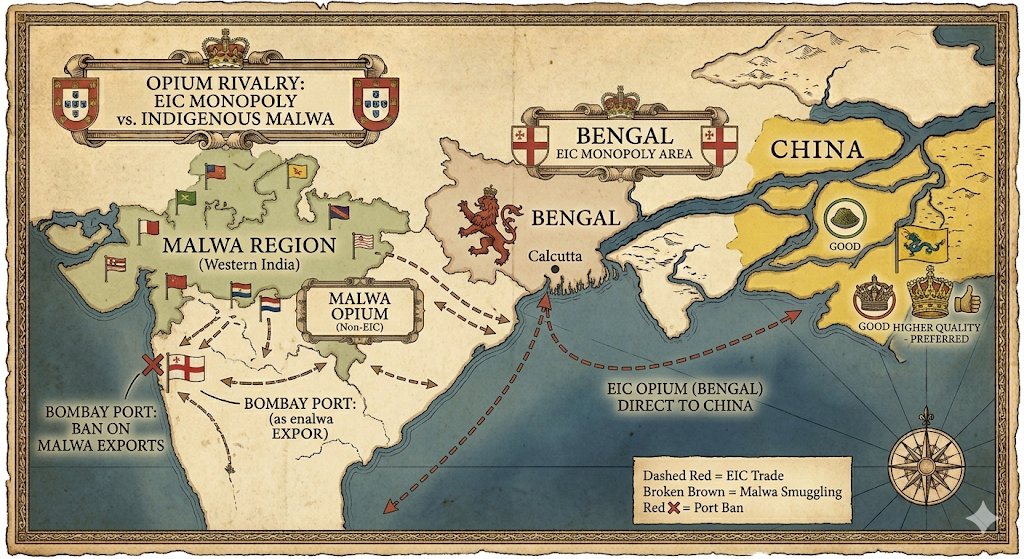
From the fertile lands of Malwa, the cargo made its way to China, under the shadow and protection of the British Empire. It was a time when commerce and conquest walked hand in hand, when profit rarely paused for moral reflection.
As China struggled under the weight of addiction, merchants counted numbers, not consequences.
Then came 1839.
The First Opium War erupted, forcing China’s doors open to foreign trade. For some, it was a tragedy. For others, an expansion.
The winds of war did not slow business, they redirected it.
By 1856, another conflict, the Anglo-Persian War, brought new opportunities. Supplies, provisions, logistics. Nusserwanji Tata was no longer just a trader. He was part of a system that fed armies.
War, after all, pays well.
And so, quietly, capital accumulated not from innovation or industry, but from the machinery of empire.
Decades passed.....
1/5
3
7
169
May 31
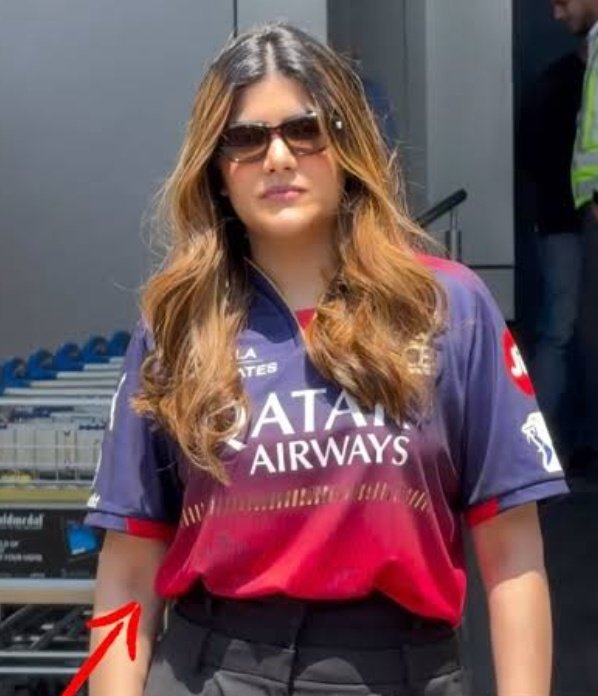
#RCB owned by Birla family wins #TataIPL2026.
After a long time, it is Tata and Birla
May 31

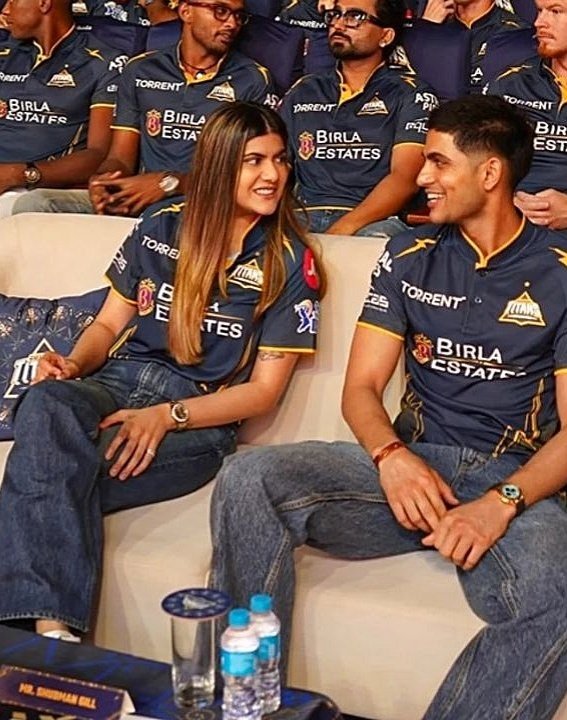
Today, the IPL final is being played between RCB and Gujarat Titans.
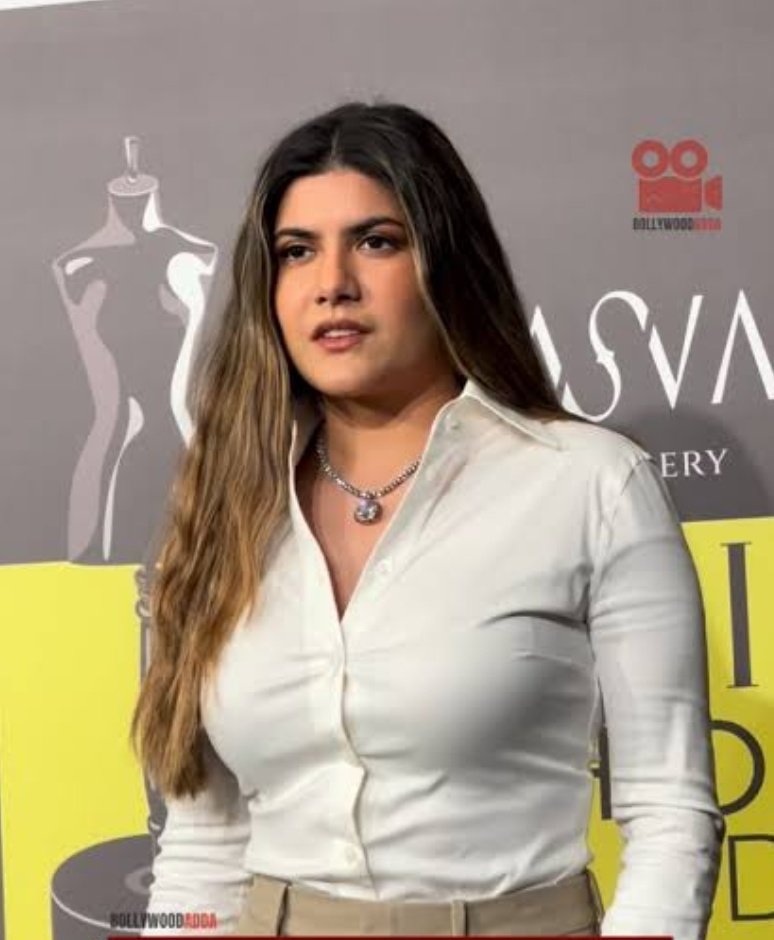
But whether RCB wins the IPL final or Gujarat Titans wins, Ananya Birla will be happy either way. If RCB wins, Ananya Birla will celebrate, and if Gujarat Titans wins, she will celebrate as well.
Do you know why? What is the reason behind it?
The reason is that RCB's owner is Aryaman Birla, who is Ananya Birla's brother.
On the other hand, Gujarat Titans is sponsored by Birla Estates.
Birla Estates is a part of the Aditya Birla Group.
The owner of the Aditya Birla Group is Kumar Mangalam Birla, who is Ananya Birla's father.
That is why Ananya Birla has a connection with both teams.
So today, no matter which team wins - RCB or Gujarat Titans - Ananya Birla will celebrate. 😂
1
122
May 27
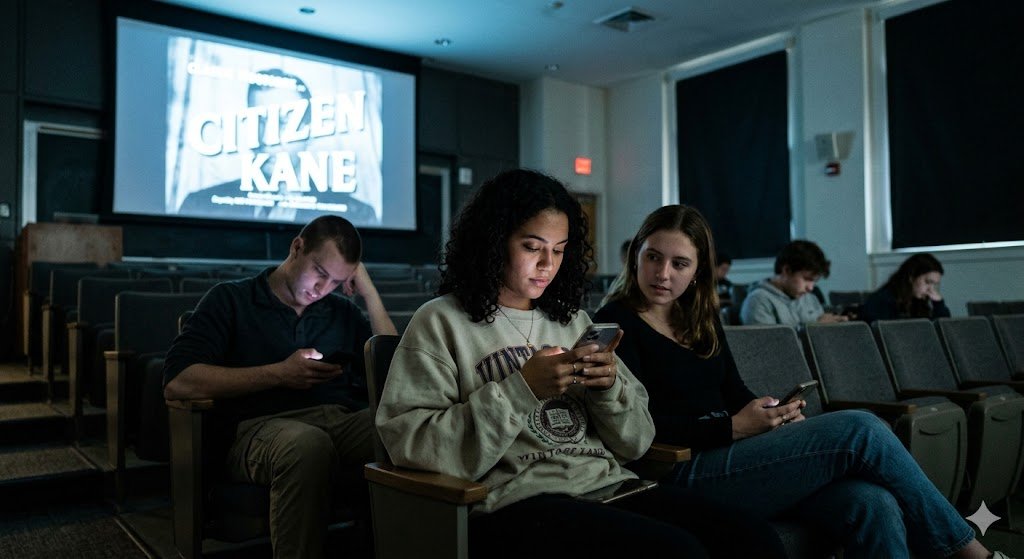
80% of modern film students cannot sit through a full-length classic movie without scrolling on their phones.
If we can't even consume a visual medium anymore, our minds are in a serious crisis.
If you feel reading physically "uncomfortable"—and how to fight back. 🧵
1/
1
1
1
119
May 27
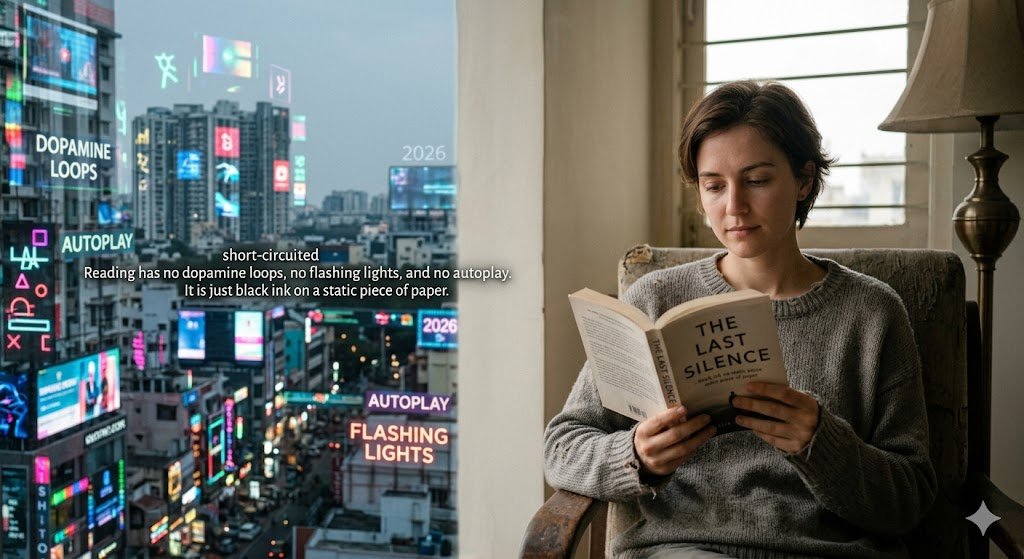
In 2026, silence feels like an attack on our short-circuited attention spans.
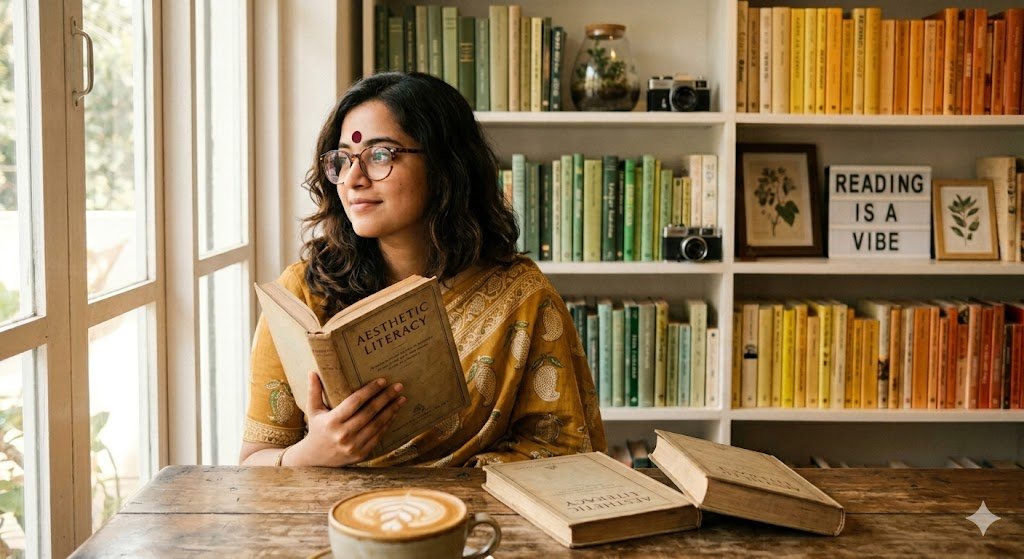
This discomfort has birthed a weird cultural phenomenon: "Aesthetic Literacy."
3/
1
2
52
May 27
We don't actually read books anymore; we buy them to pose with in coffee shops or organize them by color for Instagram reels and TikTok backgrounds.
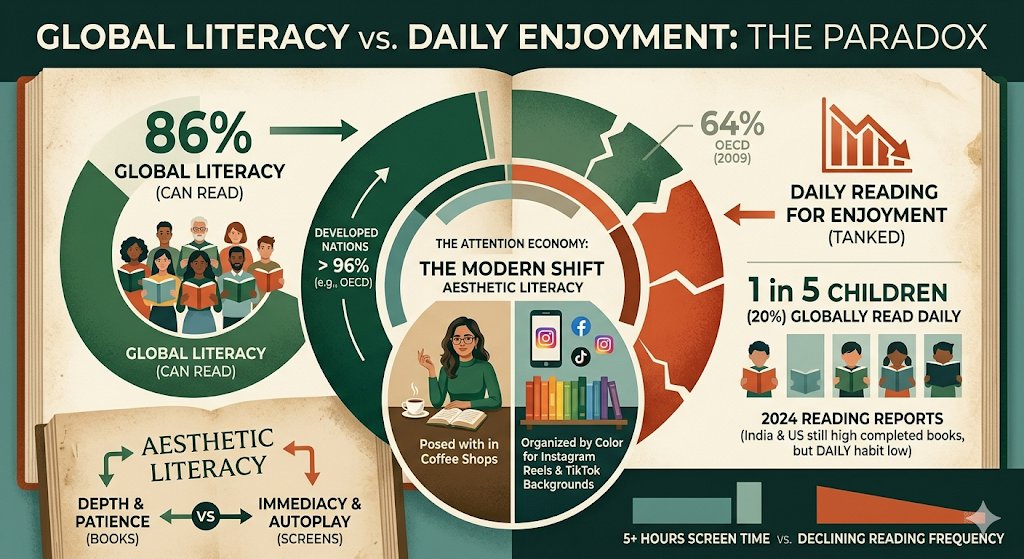
Global literacy stands at 86%, yet daily reading for enjoyment has tanked. Only 1 in 5 children globally read daily.
4/
2
25
May 24
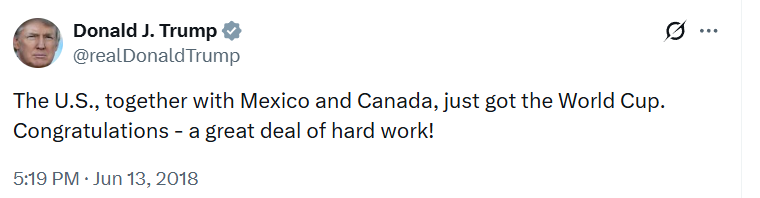
US President DJT congratulated when bid for host was confirmed by FIFA.
At present, Donald J Trump is in trade war with all these countries.
Also, a self sponsored war!
Let's see what happens!
Interesting times ahead!
#FIFA
2
41
The present day Nicobar Islands was once Rajendra Chola's naval base.
Let's bring it back! 🇮🇳
43
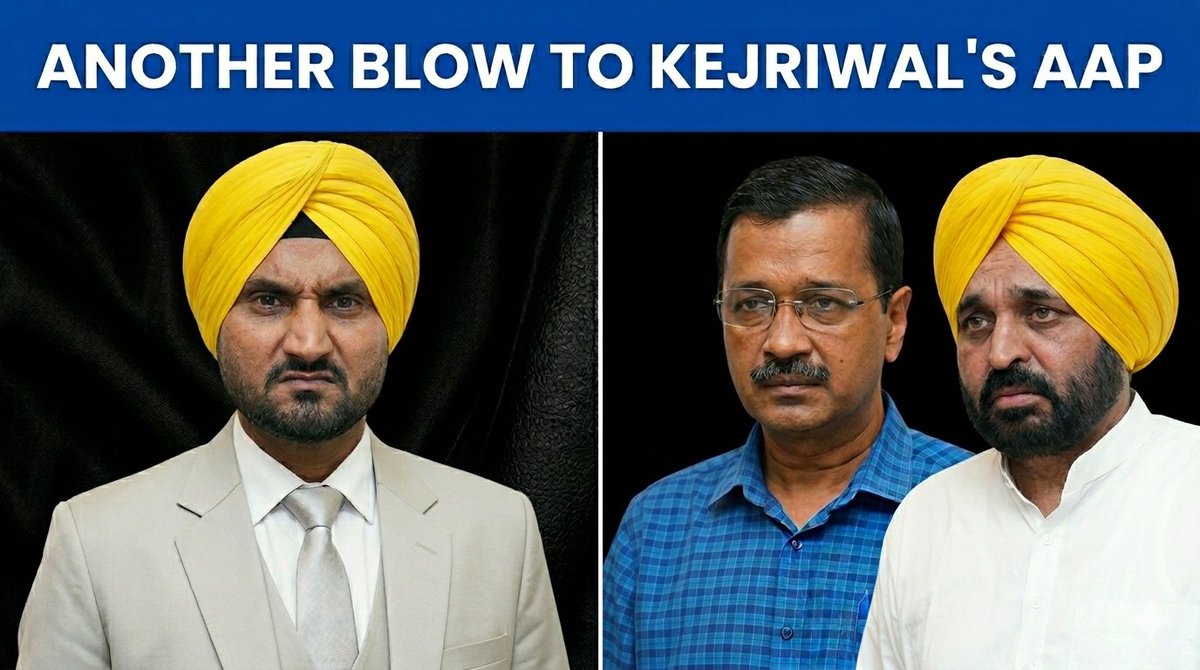
Harbhajan Singh, formerly Aam Aadmi Party (AAP) gives Aappu (ஆப்பு) to AAP and Joins BJP

🚨 Kejriwal’s caught again by Court🔥
Harbhajan Singh - former cricketer, Rajya Sabha MP - quits AAP and joins BJP.
⚡️Within hours, Kejriwal’s Punjab government:
- Withdraws his Y-category security cover (9-10 personnel)
- AAP workers storm his Jalandhar home, deface walls with “Gaddar” (Traitor)
- Police stand by and watch
🧨No fresh threat assessment. Pure political vendetta.
⚖️Punjab & Haryana High Court’s sharp response
“Ensure that no physical injury is caused to petitioner Harbhajan Singh or his family members while they are in the State of Punjab.”👏
🎭The court also demanded explanations on the sudden withdrawal and issued notices to Punjab govt.
🥸Clear message from Kejriwal’s AAP:
Bow down to the Supremo... or face the consequences.
❌No loyalty?
❌No security. No protection.
🗳️This isn’t governance.
This is a personal cult that punishes dissent.
🇮🇳 is watching how “Aam Aadmi” politics turned into revenge and dictatorship.
Kejriwal’s career will end soon!☄️
#Punjab #HarbhajanSingh
43
Apr 25
🧵
1/7 Did you know Mumbai’s economy was fundamentally shaped by op*um? In 1661, the Seven Islands were gifted by Portugal to King Charles II of England as part of the dowry for Catherine of Braganza. At the time, they were mostly swampy fishing villages.
Let me tell you a story....🧵
It begins, as many empires do, not with steel or skylines, but with trade.
In 1822, a man named Nusserwanji Tata set up a modest trading business. There was no talk yet of nation-building, no vision boards of modern India. Just goods moving across seas.
Among them - opium.
From the fertile lands of Malwa, the cargo made its way to China, under the shadow and protection of the British Empire. It was a time when commerce and conquest walked hand in hand, when profit rarely paused for moral reflection.
As China struggled under the weight of addiction, merchants counted numbers, not consequences.
Then came 1839.
The First Opium War erupted, forcing China’s doors open to foreign trade. For some, it was a tragedy. For others, an expansion.
The winds of war did not slow business, they redirected it.
By 1856, another conflict, the Anglo-Persian War, brought new opportunities. Supplies, provisions, logistics. Nusserwanji Tata was no longer just a trader. He was part of a system that fed armies.
War, after all, pays well.
And so, quietly, capital accumulated not from innovation or industry, but from the machinery of empire.
Decades passed.....
1/5
3
7
169
Apr 25
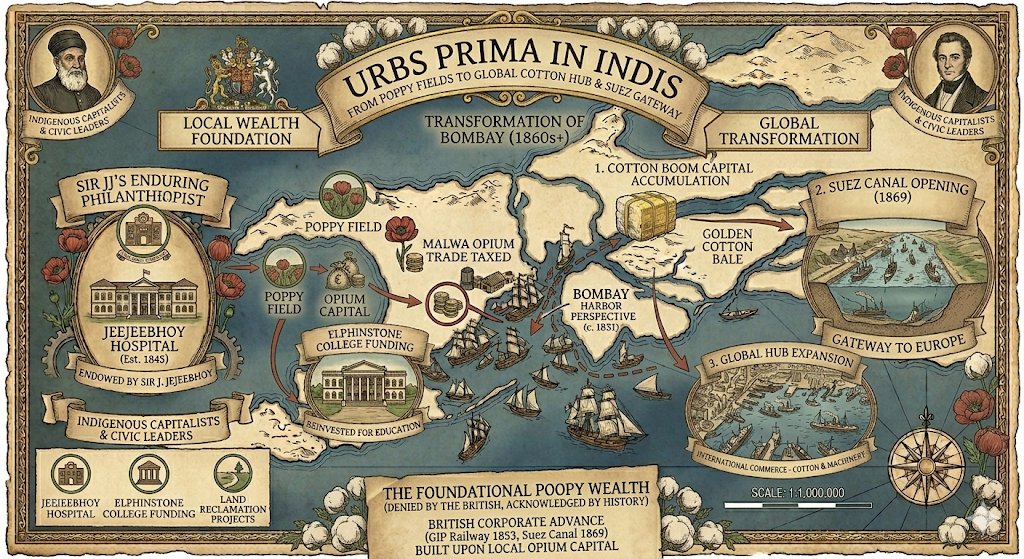
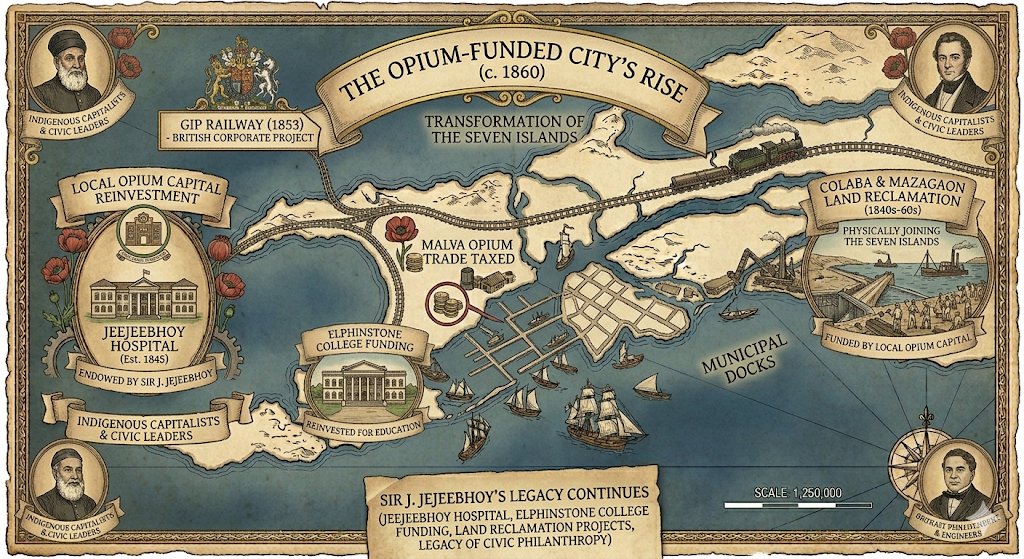
6/7 This "O**um Capital" funded the city's rise. While the first railway (1853) was a British corporate project, the local wealth from o**um built the hospitals, schools, and land reclamation projects that physically joined the seven islands.
1
26
Apr 25
7/7 The 1860s cotton boom and the Suez Canal eventually turned Bombay into a global hub, but the foundational wealth that created the "Urbs Prima in Indis" (First City of India) was undeniably rooted in the p***y fields.
27
Apr 14
If humans don't meddle with our oceans, there won't be need for any fix.
Once upon a time, crossing a village felt like crossing a world.
But now, world has become a village. Humans are roaming everywhere.
Apr 14

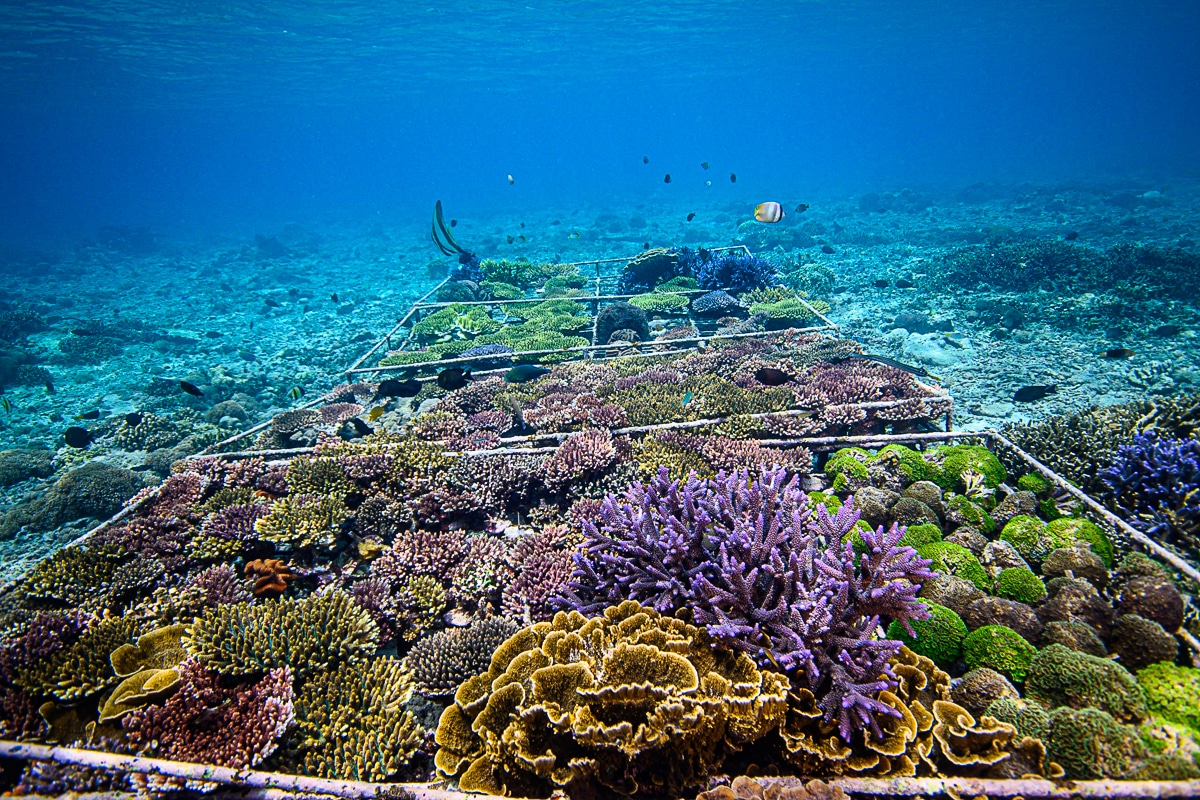
These restoration techniques won’t fix everything… but they remind us that hope is an action.
When we slow down, care deeply, and work with nature, the healing happens.
The ocean is resilient. So are we.
What small act of care will you offer our planet today?
5/⚕️🌊🧑⚕️
2
4
50
Mar 24
My notes after watching #Dhurandhar2 movie
1/
Mar 24

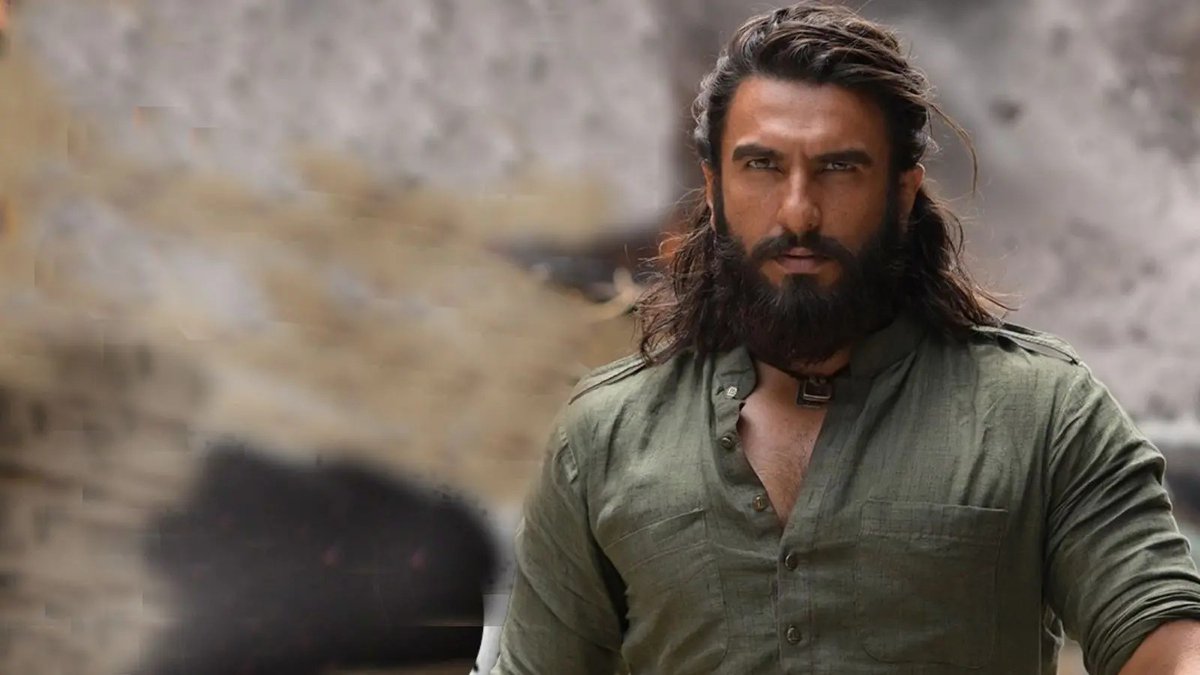
Watched #Dhurandhar2 on Monday. Thank You @AdityaDharFilms for showing life of unknown heroes. Just like Thalaivar lives for his father's words in Badshah , Hamza lives for nation 🇮🇳 and Ajay Sanyal's words.
And it is really happening.
Bow down to integrity of unknown men 🙇♂️
1
6
319
Mar 24
6/
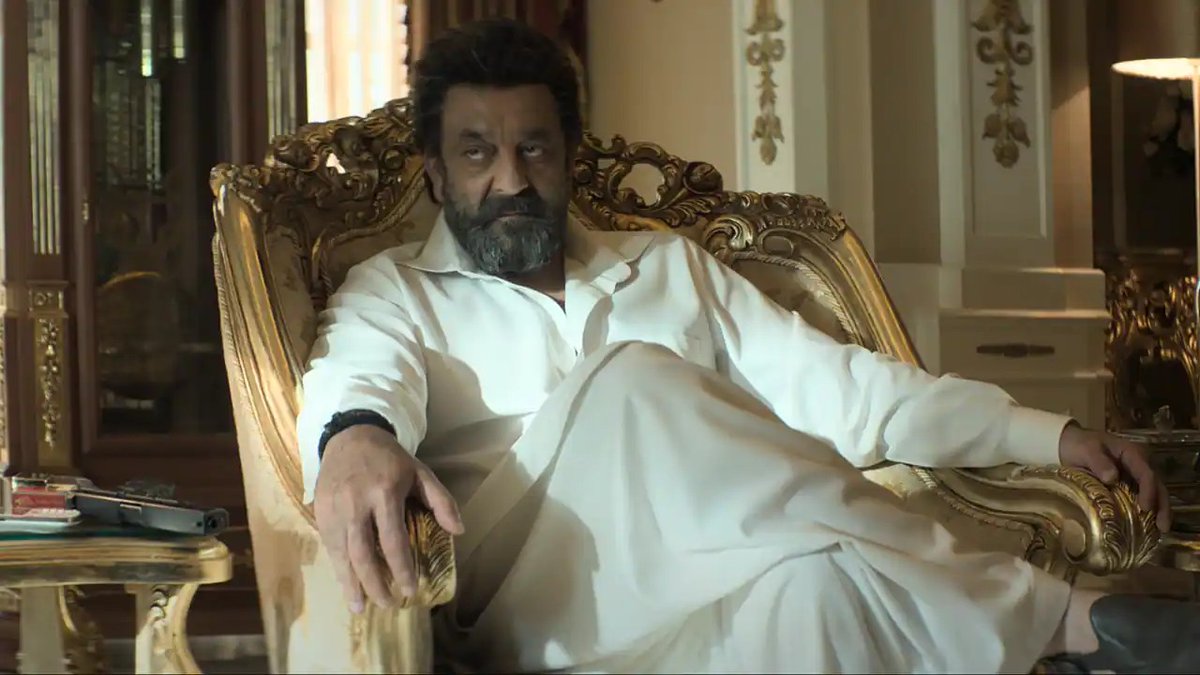
Sanjay Dutt acting in #Dhurandhar2
x.com/i/status/2036528206292…
Mar 24
#SanjayDutt acting as Pakistan Police seems like some Pakistani Actor was there in the film. Wonderful acting. This is my first time watching Sanjay Dutt acting
#DhurandharTheRevenge
1
2
124