
👨💻 Dev • Knowledge seeker and content creator wannabe • Tweets are about tech and self-control to not building another B2B SaaS
Joined November 2010
- Tweets 5,834
- Following 423
- Followers 1,016
- Likes 7,626
994 Photos and videos





Pinned Tweet

7 Nov 2024
Sekali-sekali share hal berguna ah 😌
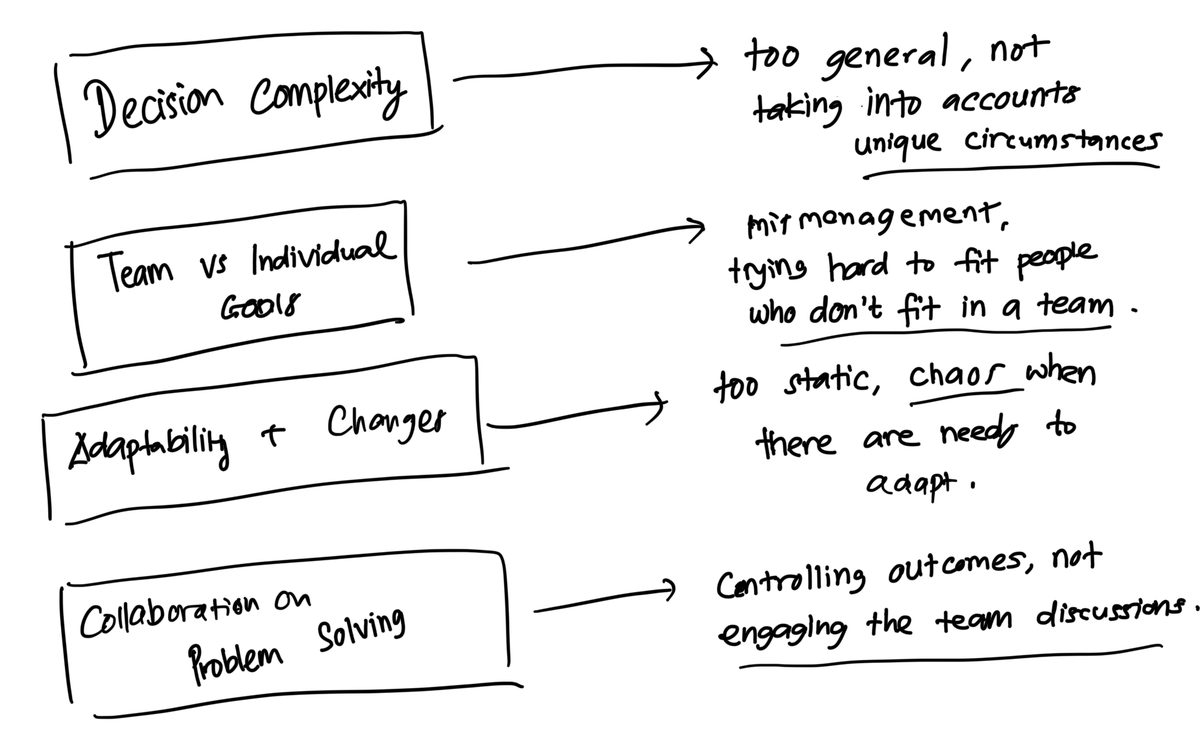
Ini sebagai reminder diriku juga as an engineering leader untuk merespon/meminta respon dari/untuk orang lain yang berada di tim kita.
Misalnya ada suatu masalah, misal app ada error, kita biasanya bergantung sama jawaban "ah ini biasanya karena ini kok". In reality, biasanya belum tentu kaya gitu.
Ga semua masalah, walaupun terlihat punya parameter yang sama, punya jawaban yang udah "template" dan sesuai dengan kondisi sebelumnya, tapi mengabaikan konteks.
Coret-coretan ini biasanya hal yang aku pake buat inget2 supaya hal ini ga terjadi dalam menjawab berbagai problem yang ada di tim.
10
32
3,428
Typescript Theo retweeted

May 31
The solution to boredom is building.
Build a blog. Build a brand. Build a software. Build your body. Build your mind. Build your social life. Just build ANYTHING.
Doesn't matter if you "don't know how." Nobody does at the start. You figure it out as you go, and somewhere in that process you learn, act, and discover yourself out of boredom.
15
56
379
10,282
?? 😭


197
Nah ini, pengen bahas no. 4 banget 😅
Dari pengalamanku bantuin bikin AI automation, aku notice AI tuh suka kuat di hal yang kita kira susah, dan malah lemah di hal yang kita kira gampang. Jadi tebakan kita soal "AI bisa ga ya ngelakuin X" tuh seringnya meleset, dan biasanya ke arah yang bikin temen2 kecewa 🥲
Key takeaway dari yg aku notice sejauh ini yaa: orang yang paling enjoy pake AI-nya biasanya yang fleksibel aja, mau nyesuaiin ekspektasinya sama kekuatan sama kelemahan AI-nya
Jadi kayaknya cara terbaik pake AI tuh bukan nunggu sampe dia sempurna, tapi belajar bareng dia sambil tau batesannya
Menurut kalian gimana?

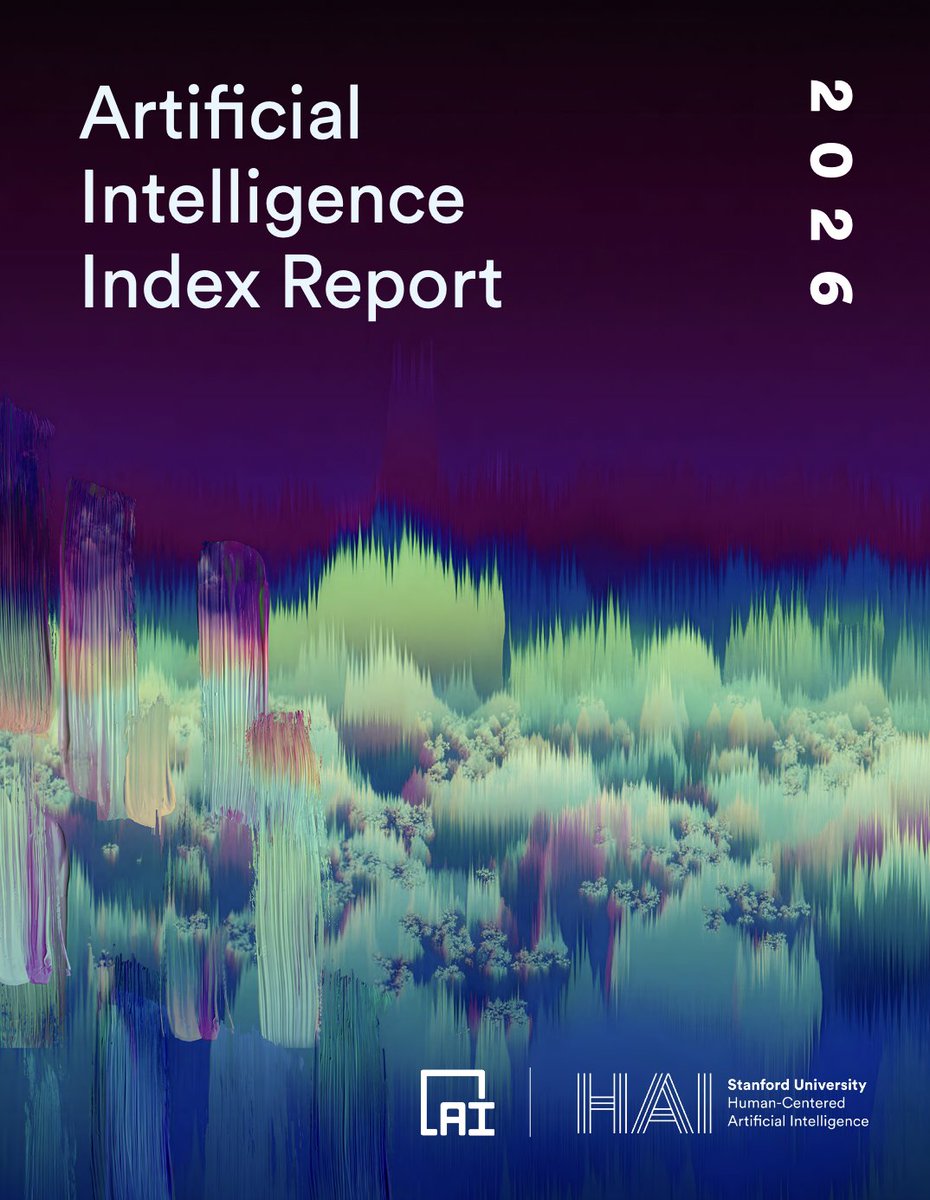
🚨 BREAKING: Stanford's 423-page AI Index Report 2026 is out! [Bookmark it below]. These are its key takeaways:
1. AI capability is not plateauing. It is accelerating and reaching more people than ever.
2. The U.S.-China AI model performance gap has effectively closed.
3. The U.S. hosts the most AI data centers, with the majority of its chips fabricated by one Taiwanese foundry.
4. AI models can win a gold medal at the International Mathematical Olympiad but cannot reliably tell time, an example of what researchers call the jagged frontier of AI.
5. Robots still fail at most household tasks, even as they excel in controlled environments.
6. Responsible AI is not keeping pace with AI capability, with safety benchmarks lagging and incidents rising sharply.
7. The U.S. leads in AI investment, but its ability to attract global talent is declining.
8. AI adoption is spreading at historic speed, and consumers are deriving substantial value from tools they often access for free.
9. Productivity gains from AI are appearing in many of the same fields where entry-level employment is starting to decline.
10. AI’s environmental footprint is expanding alongside its capabilities.
11. AI models for science can outperform human scientists, though bigger models do not always perform better.
12. AI is transforming clinical care, but rigorous evidence remains limited.
13. Formal education is lagging behind AI, but people are learning AI skills at every stage of life.
14. AI sovereignty is becoming a defining feature of national policy, but capabilities remain uneven, even as open-source development helps to redistribute who participates.
15. AI experts and the public have very different perspectives on the technology’s future, and global trust in institutions to manage AI is fragmented.
-
👉 Download the full document below.
👉 To learn more about AI's legal and ethical challenges, join my newsletter's 93,500 subscribers (link below).
209
Typescript Theo retweeted

Apr 14
Bener! Di gue malah banyakan automation biasa yang sangat ngaruh. Yang AI Automation sekalinya salah gue yang "dah lah gue aja yang ngerjain" ujung-ujungnya gak kepake :))
1
1
1
74
Aku udah bikin beberapa AI automation buat kehidupan sehari-hari, dan aku notice satu pola yang lumayan konsisten👀👀
AI automation yang aku masih pake sampe sekarang bukan yang paling canggih, tapi yang ngurangin satu keputusan kecil aja sehari-hari
6
1
151
Akhir kata, mungkin ini juga kenapa aku agak skeptis sama narasi "AI bakal gantiin semua pekerjaan kamu" yang lagi rame
Realita yang aku alamin sih lebih kayak AI bagus banget buat ngurangin 10 keputusan kecil per hari, dan itu ternyata udah cukup berdampak ke kualitas hidup tanpa harus gantiin seluruh pekerjaan aku ❤️
69
Important note: aku ga bilang AI agent yang kompleks itu ga berguna, soalnya jelas ada use case-nya terutama buat kerjaan profesional.
Cuma buat level personal automation, the sweet spot ada di hal2 kecil yang berulang, bukan di hal besar yang jarang terjadi ‼️‼️
38
Jadi kalo ada temen2 yang lagi mau bikin AI automation, pertanyaannya bukan "automation apa yang paling canggih bisa aku bikin" tapi "keputusan kecil apa yang aku ulang tiap hari yang bisa aku ga perlu decide lagi tiap hari"
Biasanya jawabannya malah hal yang sepele banget, kayak "mau makan apa?" atau "kapan harus isi bensin?" atau "voice note tadi penting ga sih?", dan justru itu yang bener2 bikin hidup ga mikir dua kali 😃
31
Automation yang simpel = errornya ga mahal. Kalo errornya mahal = mesti review manual
Paling kalo ada kesalahan reminder, aku telat datang ke kantor 10-15 menit atau lupa bikin konten sekali aja
32
Yang aku masih pake sampe sekarang itu justru yang automation scopenya kecil. Kayak aku pernah bikin video di IG tentang automation yang ngasih aku reminder bikin konten, terus ngasih aku reminder macet pagi2 juga 🙊
Baru sadar kalo aku ga butuh “rangkumin 100 email terakhir dan bikinin action items dari itu” wkwk
28
Dulu ya aku kira semakin kompleks apa yang aku bikin automate itu semakin berguna. Misal kayak agent yang bisa bales email otomatis, auto-schedule meeting, auto-summarize Slack
Ternyata yang kayak gitu malah bikin pusing ges, karena kalo dia salah sekali, aku jadi ga percaya sama sekali sama output lanjutnya 🤣
1
73
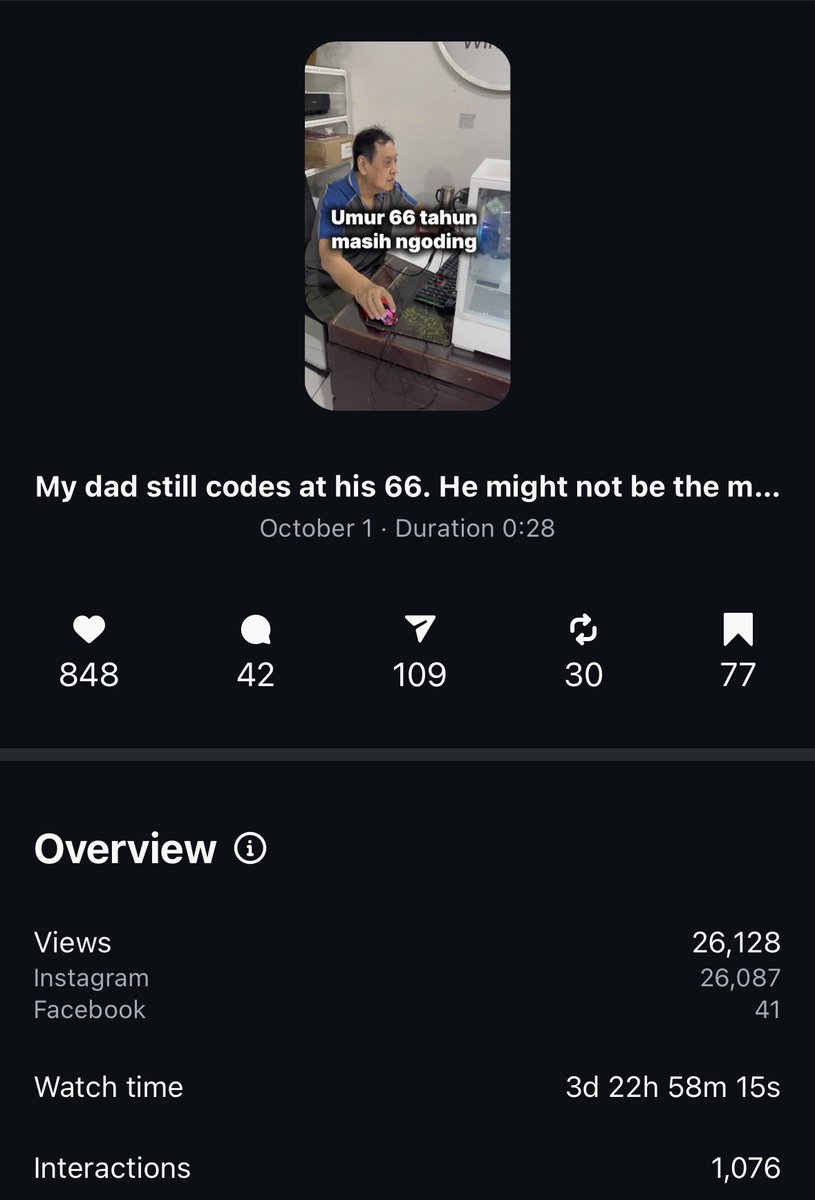
14 tahun jadi engineer, dan minggu lalu aku masih nulis 2k baris catatan buat prep kerjaan baru
As a side note, Ini beneran catatan belajar buat diri sendiri doang yang ga akan dibaca siapa2, kecuali aku sendiri 😂
Dan aku baru sadar kenapa aku masih ngelakuin ini 🧵
*sebuah thread self-reflection
8
1
11
245
Sebuah refleksi pribadi: aku kira dulu impostor syndrome bakal ilang kalo udah cukup senior, ternyata ga juga sih, cuma cara aku ngolahnya aja yang agak berubah seiring waktu
Satu2nya cara emang harus disiapin pelan2 dulu 😬
20
Lanjutin ini yuk..
Hal yang pengen aku share ke temen-temen engineer mid-level yang lagi mau pindah atau dapet kerjaan baru, jangan hesitate untuk bikin dokumen buat prep, sesimpel apapun 🙂↕️
Soalnya minggu pertama itu pasti padet banget, dan kalo kamu masih sibuk ngertiin tech stack, kamu bakal kelewat hal-hal yang justru lebih penting kayak dinamika tim sama ngedengerin keputusan lama yang masih ngaruh sampe sekarang
22
Totally agree
Apr 9

Software engineers don't get paid to write code; they get paid to solve problems.
The faster you realize this, the sooner you'll stop being afraid that AI will replace you and the better your career will be.
109
Yang paling makan waktu sih NestJS CQRS pattern.
Aku udah pernah pake CQRS sebelumnya, tapi tiap tim kan biasanya punya “caranya” sendiri-sendiri, jadi aku prep bukan biar tau “apa itu CQRS”, tapi biar aku punya pertanyaan yang lebih tajam di minggu pertama
“Kenapa di sini milih pake CQRS ya?” tuh beda banget rasanya sama “CQRS itu apa sih?” waktu pegang kerjaan pertama kali 🤫
52
Gitu juga pas prep Firestore, padahal 14 tahun aku idupnya di Postgres dan segala DB SQL lainnya terus 🤣
Yang aku catet bukan “cara query Firestore”, tapi kenapa model data NoSQL tuh bikin keputusan produknya jadi beda dari yang biasa aku kerjain
Kalo di Postgres kan biasanya schema dulu baru mikirin feature, nah di Firestore agak kebalik, akses pattern-nya dulu baru schema-nya nyusul. Ini cara mikir di aku yang perlu diubah juga sih 🥹
56
Contoh konkretnya gini 👉
Aku pindah dari stack yang Node/TS banget ke yang ada Go-nya, dan aku prep Go bukan biar “bisa nulis Go” dalam semalem, tapi lebih biar pas hari ke-3 aku liat PR dari temen2 di tim, aku ga kagok sama syntax goroutine (misalnya) dan bisa langsung fokus ke logic review-nya
Goal prep-ku bukan skill sebenernya, lebih ke “attention budget”aja buat minggu pertama 😃
68
Jadi kalo dipikir-pikir, waktu junior aku prep buat belajar tech stack baru, pas mid aku lebih ke belajar pattern sama arsitektur, dan sekarang prep-ku lebih ke arah ngurangin cognitive load di minggu pertama biar otak bisa fokus ke hal-hal yang ga bisa di-google kayak orang, konteks, sama keputusan-keputusan lama yang udah ada di tim
Bahasa pemrograman tuh sebenernya yang paling gampang lah ya, yang susah itu justru ngertiin orangnya
53