
University of Johannesburg, Faculty Librarian: Sciences. Interested in Social Media; Marketing; Academic Libraries; Information Literacy; Mobile Technologies
Joined September 2008
- Tweets 28,526
- Following 1,008
- Followers 1,334
- Likes 1,622
1,703 Photos and videos



AI didn’t break university assessments — it exposed a dangerous lack of graduate capability dailymaverick.co.za/opinioni…
10
The #UJLibrary supports to students during exam preparation.
#UJAlltheWAY
May 28

Supporting Students In The Library During The Exam Season. Along Side @unicarts_sa … Study Packs Giveaways And A Hot Cup Of Soup To Keep Warm And Focused… #ujalltheway #unicart #uj #feedyourmind #examtime
9
Pavlinka Kovatcheva retweeted

May 29
CONFERRAL OF AN HONORARY DOCTORAL DEGREE: Prof Loyiso Nongxa x.com/i/broadcasts/1XGyggBbz…
2
7
374

DARA brought pure energy with BANGARANGA on the Eurovision stage! 🇧🇬🔥
Proud of our artist tonight. Show your support and vote Bulgaria!
#Eurovision2026 #Bangaranga #Dara #Bulgaria
108
491
4,491
229,549
Pavlinka Kovatcheva retweeted

Time changes a great deal, sad 😔
58
742
2,631
244,536
Pavlinka Kovatcheva retweeted

May 13
Saturn doesn’t just have rings — it rules an entire miniature solar system.As of 2026, the ringed giant boasts 292 confirmed moons, far more than any other planet, with the number still climbing as astronomers keep spotting tiny new ones. Dominating them all is Titan, a colossal world larger than the planet Mercury. With a thick nitrogen atmosphere, rivers and lakes of liquid methane, and a diameter of 5,150 km, Titan feels more like a planet that got captured than a mere moon.Titan orbits Saturn at a safe distance of about 1.2 million kilometres — well beyond the outer edge of the famous ring system. Those dazzling rings, made of countless icy particles and moonlets, are confined much closer to the planet, while Titan sails majestically around the entire sprawling family of satellites. The sheer crowd of moons — from planet-sized Titan down to kilometer-scale irregular rocks — reveals just how gravitationally chaotic and crowded Saturn’s neighborhood truly is. It’s a dynamic, ever-evolving system where collisions, captures, and gravitational dances continue to shape one of the most spectacular regions in our Solar System.
186
2,057
9,558
635,486
Pavlinka Kovatcheva retweeted

May 13
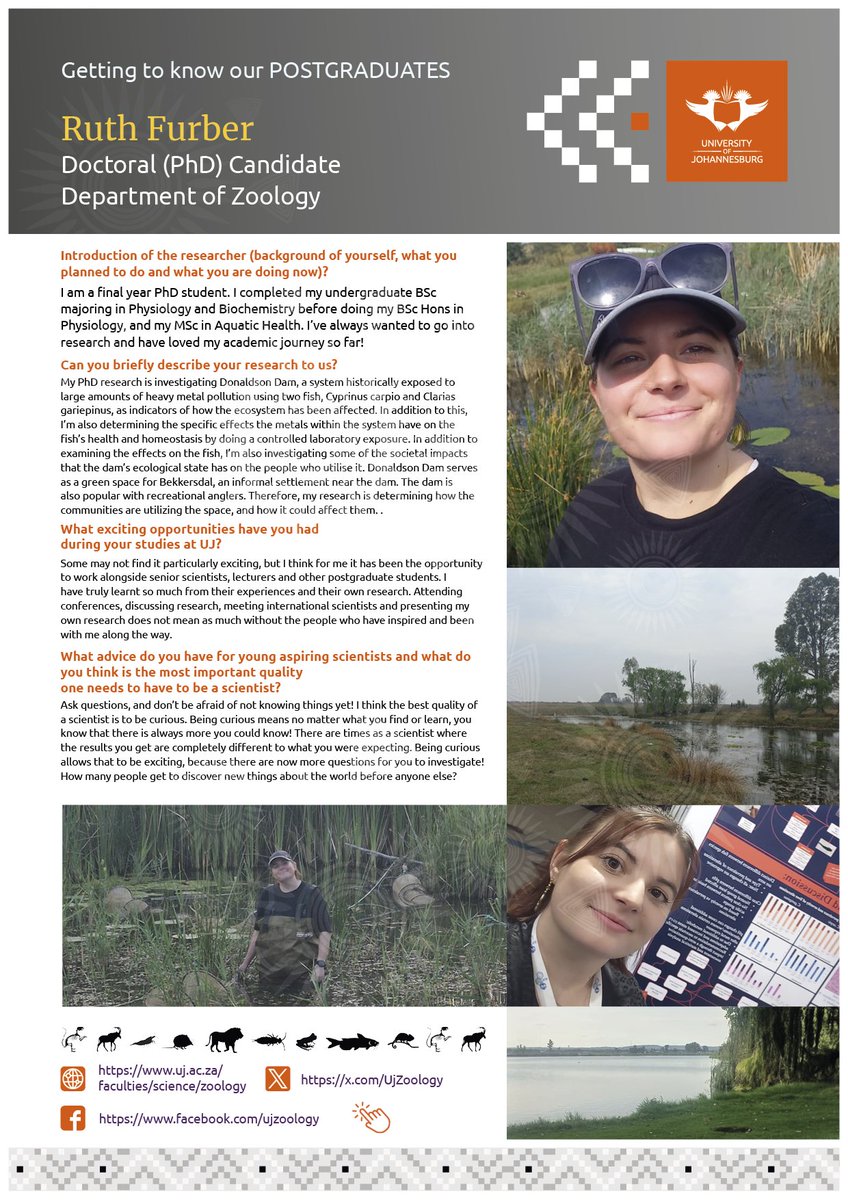
🚨 #WhoWeAre 🚨 This week, meet our PhD candidate Ruth Furber! Her research focuses on investigating Donaldson Dam, using two fish, Cyprinus carpio and Clarias gariepinus, as indicators of how the ecosystem has been affected. Read more about her journey below👇
1
20
Pavlinka Kovatcheva retweeted
As the Autumn Graduation season begins, the University of Johannesburg is set to honour distinguished global and national leaders with honorary doctorates, including Francois Pienaar, whose leadership became a defining symbol of unity for the nation.
The celebrations will unfold alongside the conferral of qualifications to 13,125 graduates in 2026.
Read more: 👇
news.uj.ac.za/news/uj-honour…

3
11
24
3,124
Pavlinka Kovatcheva retweeted

Mar 2
Timelapse of the Moon turning red during a lunar eclipse
82
11,393
38,031
1,005,622
Pavlinka Kovatcheva retweeted
Mar 3
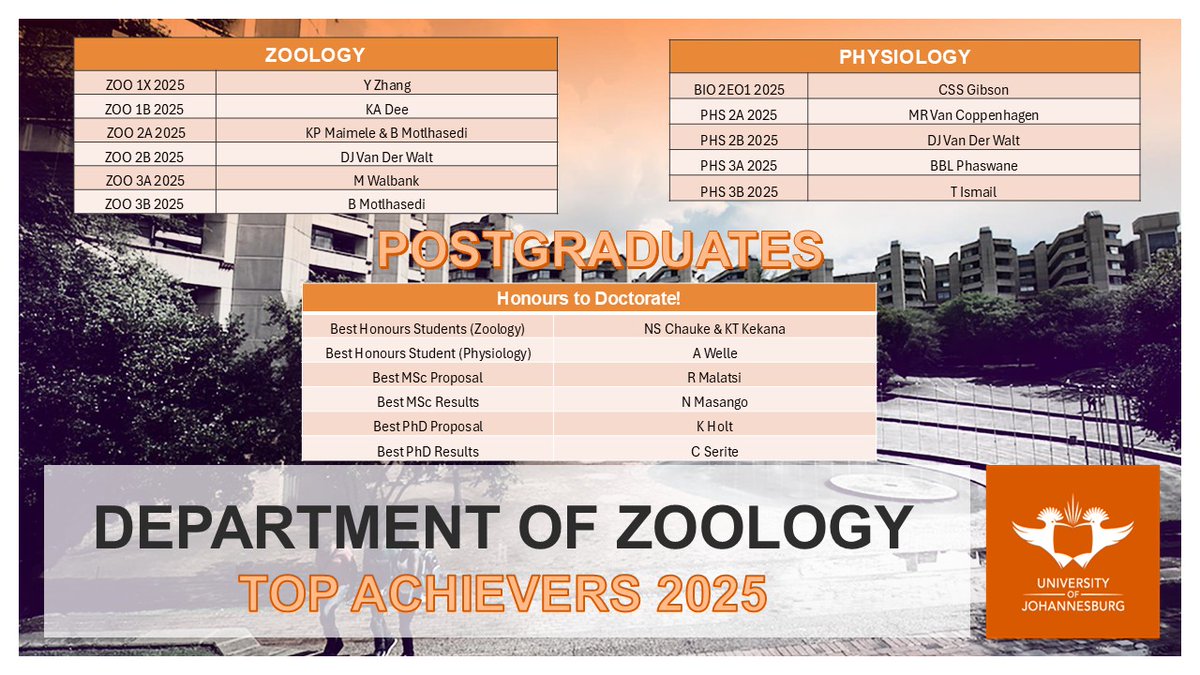
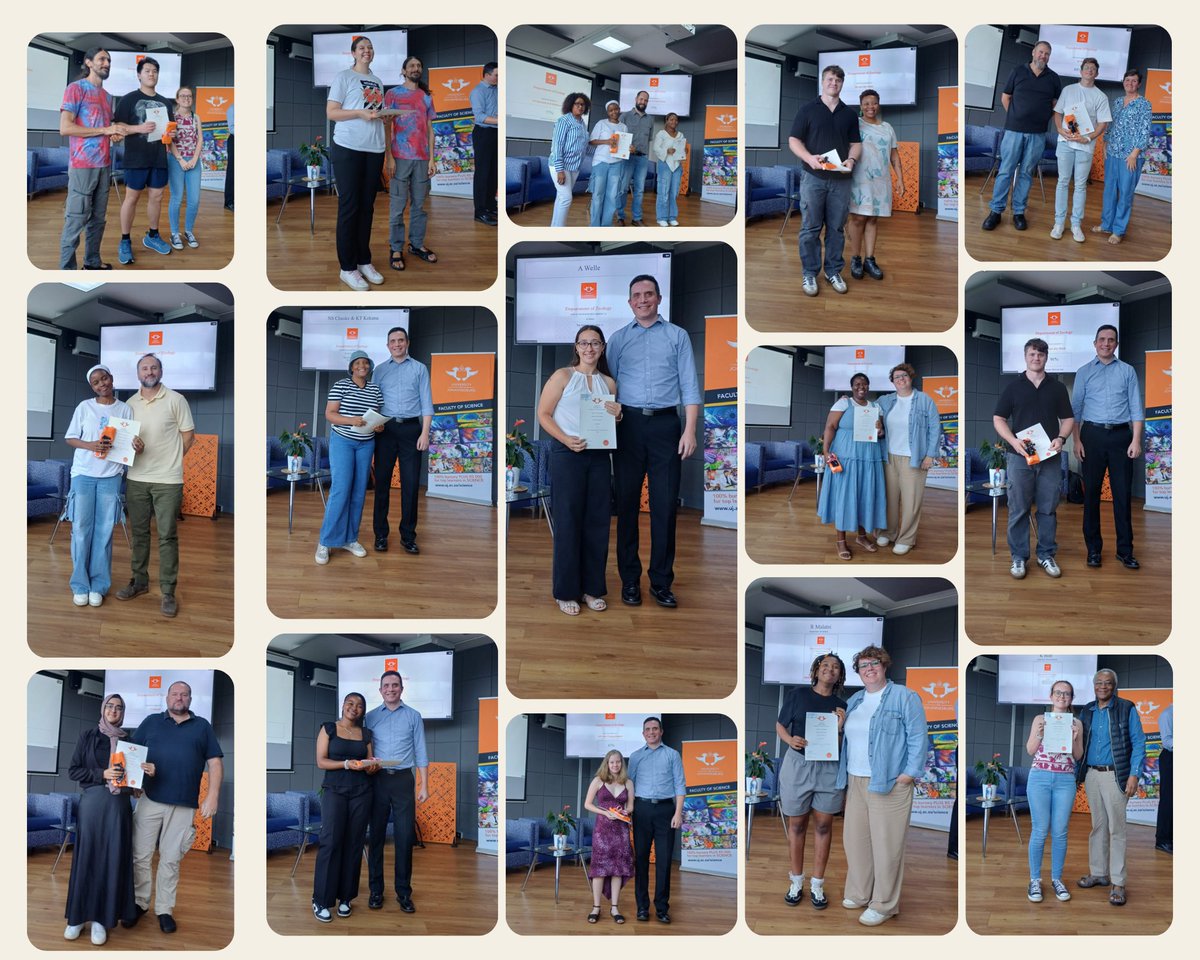
Congratulations to all our 2025 Top Achievers, both undergraduates and postgraduates! Your hard work and dedication have yielded amazing results, paving the way for an exciting future. Keep pushing boundaries and chasing your dreams! #Zoology #Physiology#Chooseacademics
2
2
78
Pavlinka Kovatcheva retweeted
Jan 29
🚀 Big news! UJ has entered the Top 500 in the Webometrics Ranking of World Universities at 491 which is up 54 places from last year!
UJ is one of only 5 SA universities improving and the only one to rise every year since its first ranking. 🌍
Read more: news.uj.ac.za/news/uj-rated-…

10
16
928
Pavlinka Kovatcheva retweeted
Jan 28
The University of Johannesburg, through the Johannesburg Business School, is leading a €400k EU-backed Erasmus project to equip students with entrepreneurial skills and real-world work-integrated learning.
Launching in 2026, the Addressing Future Jobs (AFJ) project will equip students with entrepreneurial skills and real-world, work-integrated learning; bridging the gap between education, industry and innovation.
Building job creators. Driving impact. 🌍🧡
Read more: news.uj.ac.za/news/uj-leads-…
#UJAllTheWay #UJ2035
1
7
12
748
Pavlinka Kovatcheva retweeted
Jan 26
🎓 First-year students get ready for 2026!
📄 Read the information letter on Learning with Technology:
👉 uj.ac.za/wp-content/uploads/…
🎥 Watch the First-Year Orientation video:
👉 youtube.com/watch?v=4uJBPvJg…
Start your UJ journey informed and prepared. 🧡
#UJ2026 #FirstYearUJ #Orientation

3
5
855
Pavlinka Kovatcheva retweeted

Jan 25
The vestibular system.
9
149
475
25,404
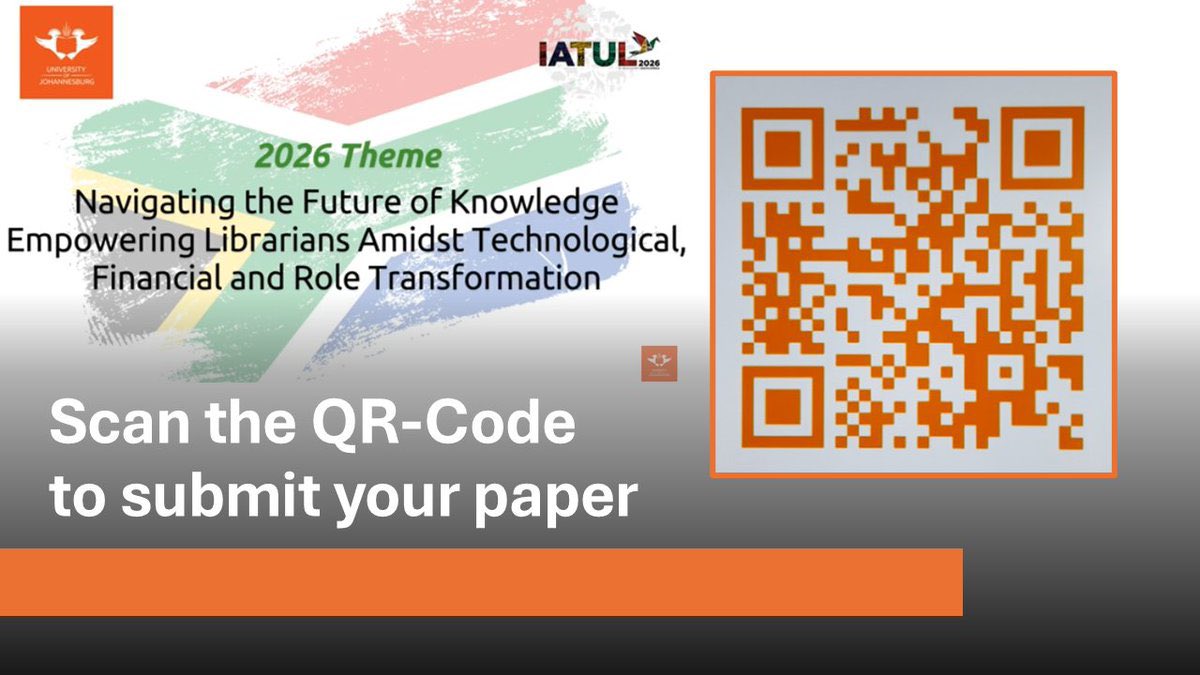
#IATUL2026 for the first time in #Africa #SouthAfrica and
#UJLibrary is hosting the conference, 22-26 Nov 2026. Visit the #conference website: iatul2026.uj.ac.za/
#Libraries
Jan 19
SAVE THE DATE - The IATUL 46th Annual Conference is coming to Johannesburg, South Africa, from 22–26 Nov 2026
Theme: Navigating the Future of Knowledge.
Watch our announcement: youtube.com/watch?v=cPOh4Y94…
#IATUL2026 #AcademicLibraries #UJLibrary #LibraryConference
1
1
80
Great news 👏👏👏 #UJ
Jan 21

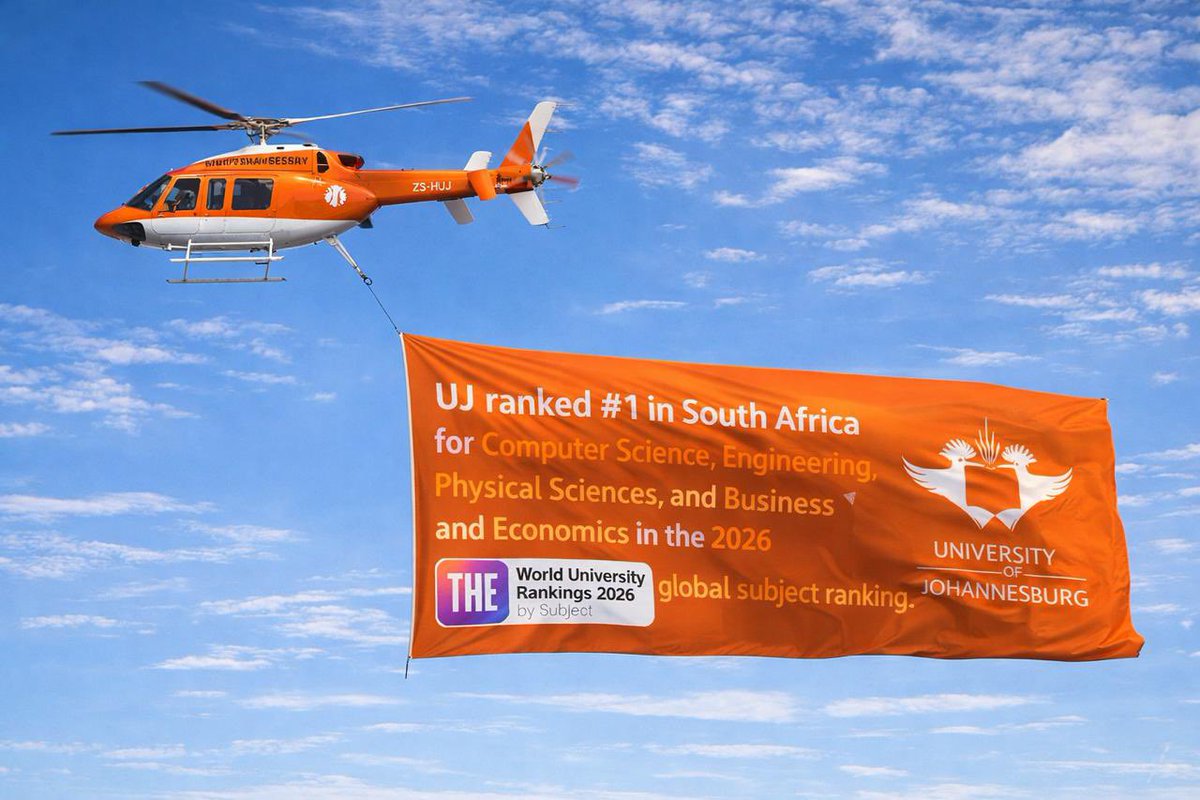
🚨News Alert: The University of Johannesburg has been ranked #1 in South Africa for Computer Science, Engineering, Physical Sciences, and Business & Economics in the latest 2026 Times Higher Education Subject Rankings.
Read more: 👇
news.uj.ac.za/news/uj-ranked…
1
56
Pavlinka Kovatcheva retweeted

Jan 14
Each sphere is moving in a straight line
But watch
1,146
12,038
110,740
5,699,930
Pavlinka Kovatcheva retweeted

Jan 15
Drawing a tree across the seasons
[🎨 howardleeart]
36
398
1,703
73,258
Pavlinka Kovatcheva retweeted

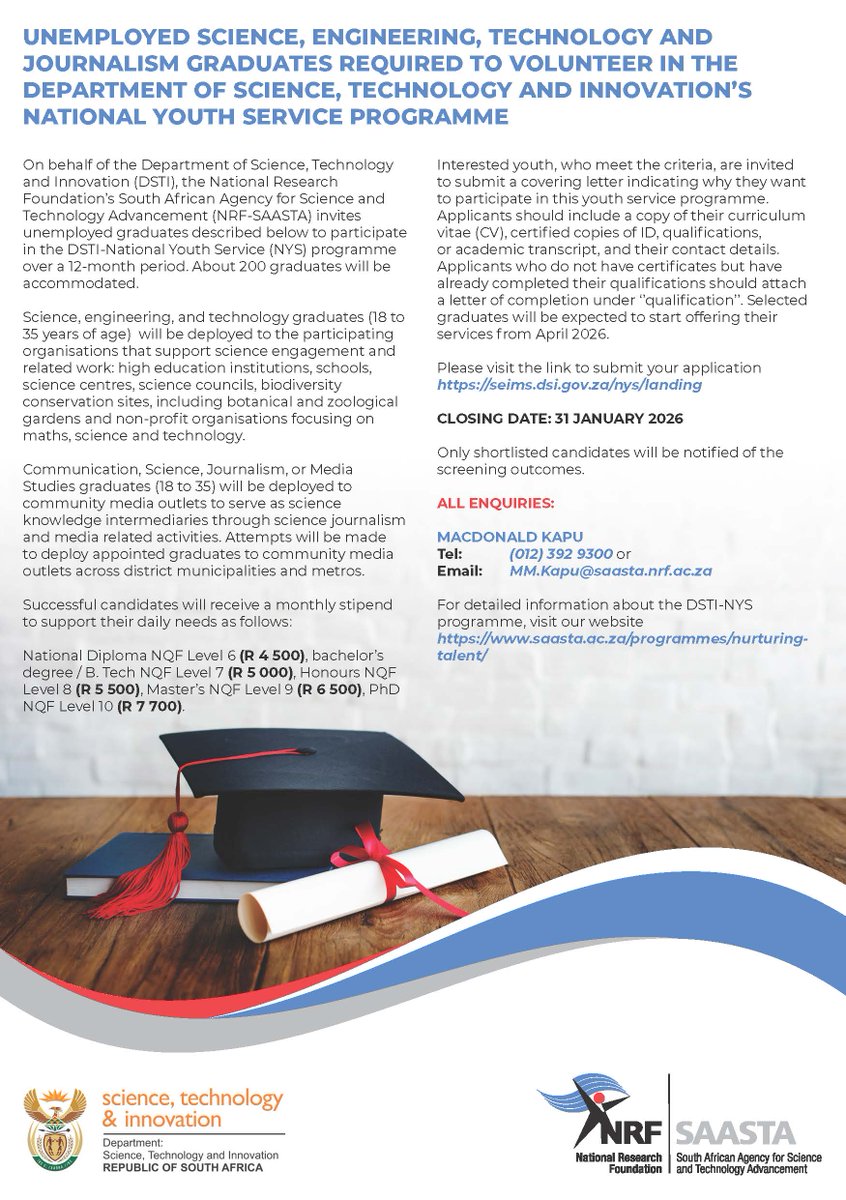
On behalf of the Department of Science and Innovation, NRF-SAASTA invites unemployed STEM and Journalism graduates to participate in the DSTI-National Youth Service Programme.
Follow this link for more details: seims.dsi.gov.za/nys/landing
2
40
50
7,386
Pavlinka Kovatcheva retweeted
Jan 14
🎉🎓 Outstanding achievement at UJ Academy!
The Class of 2025 has achieved a 100% matric pass rate! This is a moment of pride that celebrates hard work, commitment and academic excellence.
Congratulations to the learners and educators for this outstanding achievement! 🧡

1
5
26
1,887