
Joined December 2025
- Tweets 1,576
- Following 107
- Followers 113
- Likes 1,040
429 Photos and videos
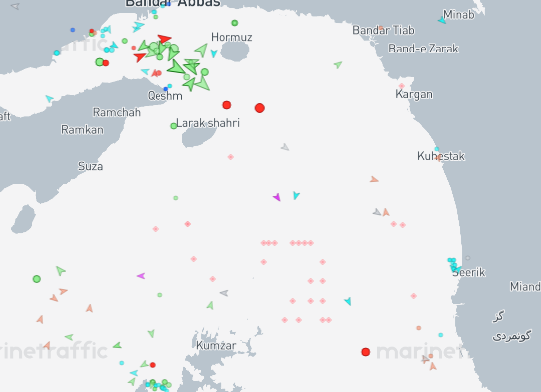















☀️⚡ Early Sunday morning and the GB grid is enjoying one of its quietest periods of the week.
Demand is just 20.7 GW as most of the country is still waking up, with wind providing over 6 GW and nuclear contributing another 3 GW. Solar is only just beginning to make its presence felt, but generation will ramp up rapidly as the morning progresses.
Despite the low demand, carbon intensity remains below 100 gCO₂/kWh, while gas generation is supplying less than a quarter of metered electricity.
It's a reminder that some of the cleanest hours on the grid often happen when demand is at its lowest and renewables don't have to work quite so hard. 🌍🔋
23
🌬️⚡ As the sun starts to set across Britain, wind has quietly taken over the heavy lifting.
Right now, demand is a modest 27.7 GW, with wind generating 10.8 GW — nearly half of all metered electricity on the GB grid. Solar is still contributing 3.5 GW even late in the day, while gas generation remains remarkably low at just 2.4 GW.
The result? Carbon intensity is sitting at only 52 gCO₂/kWh — one of the cleaner periods you'll see on the grid.
It's the kind of evening where a combination of strong winds, lingering sunshine and steady nuclear output keeps fossil fuel use firmly in the background. 🇬🇧🔋
2
39
RT @UK_MTO: UKMTO WARNING 068-26
Click here to view the full warning.⤵️
ukmto.org/-/media/ukmto/prod…
#MaritimeSecurity #MarSec amandeep.ca/tco…
59
🌞⚡ Saturday afternoon and the GB grid is looking exceptionally clean.
Demand is sitting at 28.3 GW, while solar is delivering 10.3 GW and wind another 8.7 GW. Together with nuclear, low-carbon generation is supplying nearly 22 GW of power.
Gas generation has fallen to just 2.1 GW, carbon intensity is down to only 39 gCO₂/kWh, and Britain is exporting power to several neighbouring markets.
A good reminder of what a sunny, breezy day can do for the grid. 🇬🇧
1
2
24

Jun 13
⚡ GB Grid Update | 09:20 GMT
Wind: 11.9 GW 🌬️
Solar: 5.6 GW ☀️
Gas: 2.8 GW 🔥
Demand: 26.5 GW
Carbon intensity has fallen to just 47 gCO₂/kWh, with Britain exporting electricity to several neighbouring countries this morning.
Not a bad way to start a Saturday. 🇬🇧
25
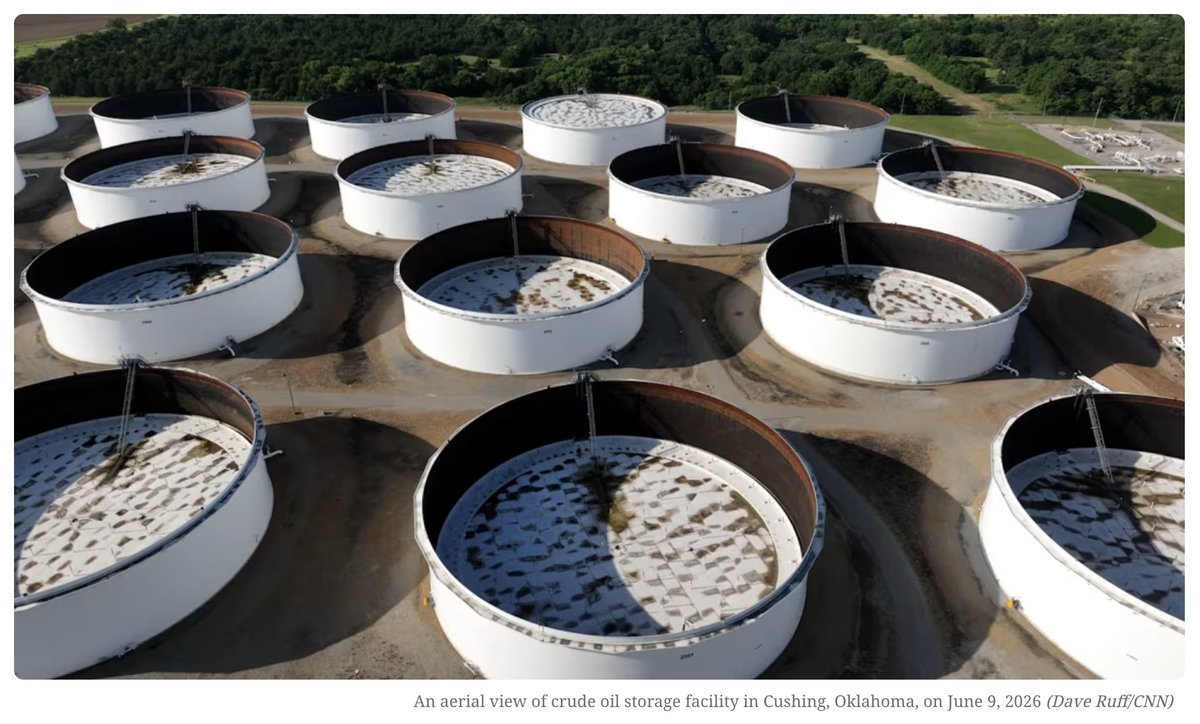
Jun 12
🌬️ The wind has turned up for the Friday evening shift.
GB electricity demand is just under 32 GW, with wind providing almost 13 GW and solar still adding over 7 GW despite the day winding down. Together with nuclear, low-carbon sources are supplying more than 23 GW right now.
Carbon intensity has fallen to just 59 gCO₂/kWh, showing how much difference strong renewable output can make.
The only thing catching the eye is frequency at 49.884 Hz, which puts the grid into the Moderate monitoring zone, though there are no signs of immediate concern.
A clean, windy end to the week for Britain's grid. ⚡
27

UK power prices turned negative for the first time since late April as strong wind and solar generation are set to flood the grid bloomberg.com/news/articles/…
3
20
53
15,043
Jun 12
If you'd told me a few years ago that wind and solar would be covering most of Britain's electricity demand on a regular basis, I'd have struggled to believe it.
Right now:
🌬️ Wind: 11.35 GW
☀️ Solar: 7.90 GW
⚛️ Nuclear: 2.99 GW
That's over 22 GW of low-carbon generation on the system, helping keep carbon intensity down to just 63 gCO₂/kWh.
Gas is ticking along at only 2.76 GW, and the grid frequency is back in the normal range after this morning's wobble.
A good reminder of how much the GB generation mix has changed in recent years. ⚡🇬🇧
#UKGridWatch #EnergyTransition
28
Jun 12
🚨 GB Grid Watch | 07:35 GMT
Despite relatively low morning demand of 25.96 GW, grid frequency has dropped to 49.790 Hz
Key figures:
🌬️ Wind: 10.43 GW (49.3%)
🔥 Gas: 3.59 GW (17.0%)
⚛️ Nuclear: 3.00 GW (14.2%)
☀️ Solar: 0.98 GW
Carbon intensity remains low at just 87 gCO₂/kWh, while wind is supplying nearly half of all metered generation.
43
Jun 12
All I can say is I am not an oil expert but I will say good luck with the shortages the price is far too low!
1
39
Jun 11
🌬️ Windy evening across Great Britain...
At 20:32 GMT, wind is generating nearly 2.5x more electricity than gas and providing 41.6% of metered supply.
⚡ Demand: 30.94 GW
🌬️ Wind: 11.35 GW
🔥 Gas: 7.20 GW
🌱 Carbon intensity: 118 gCO₂/kWh
The lights are on, the system is stable, and renewables remain the largest source of generation tonight.
1
2
68
Jun 11
Iran's calculation is simple: U.S. reserves are being drained at a historic rate, and time is on Tehran's side. If they want America to feel economic pain, they don't need to escalate—they just need to wait.
51
Jun 11
GB Grid Update | 14:17 GMT
Demand: 33.23 GW
Frequency: 50.063 Hz ✅
Carbon Intensity: 87 gCO₂/kWh 🌱
Generation Mix:
🌬️ Wind: 11.06 GW (42.8%)
☀️ Solar: 3.87 GW (15.0%)
⚛️ Nuclear: 3.01 GW (11.6%)
🔥 Gas (CCGT): 4.82 GW (18.7%)
Low-carbon generation (wind solar nuclear) is supplying 17.94 GW, covering over half of current demand.
#UKGrid #Energy #Electricity #Renewables #NetZero
65
Jun 11
RT @UK_MTO: UKMTO WARNING 067-26
Click here to view the full warning.⤵️
ukmto.org/-/media/ukmto/prod…
#MaritimeSecurity #MarSec t.co/Kr…
88
Jun 11
UK Grid Watch | 11:16 GMT
GB electricity demand is 32.96 GW with grid frequency at 50.049 Hz, remaining comfortably within normal operating limits.
Gas generation is providing 7.58 GW (29.6% of metered supply), ahead of wind at 8.95 GW (35.0%) and nuclear at 2.99 GW (11.7%). Carbon intensity stands at 120 gCO₂/kWh.
Interconnector imports remain significant, with 8.4 GW flowing into Great Britain from France, the Netherlands, Belgium, Norway and Denmark.
1
29
Jun 10
I guess seeing this the Boeing B-52H Stratofortress is bad right?

49
Jun 10
⚡ GB Grid Update – 15:50 GMT
Demand sits at 32.8 GW this afternoon, with grid frequency at 49.917 Hz, placing the system in Watch status due to a minor frequency deviation, though the grid remains stable.
Generation mix:
☀️ Solar: 9.39 GW (33.7%)
⛽ Gas (CCGT): 7.67 GW (27.5%)
🌬️ Wind: 4.86 GW (17.4%)
☢️ Nuclear: 2.99 GW (10.7%)
🌱 Biomass: 2.41 GW (8.7%)
Carbon intensity is 116 gCO₂/kWh.
Britain continues to rely on imports, receiving power from France, the Netherlands, Norway and Viking links, while exporting smaller volumes to Ireland and Belgium.
42