
In crypto since 2021 | Survived the bear market | Polymarket trader | Building tools with AI
Joined March 2015
- Tweets 6,775
- Following 323
- Followers 2,767
- Likes 8,226
377 Photos and videos









FABLE 5 JUST CHANGED DESIGN FOREVER. HERE IS WHY
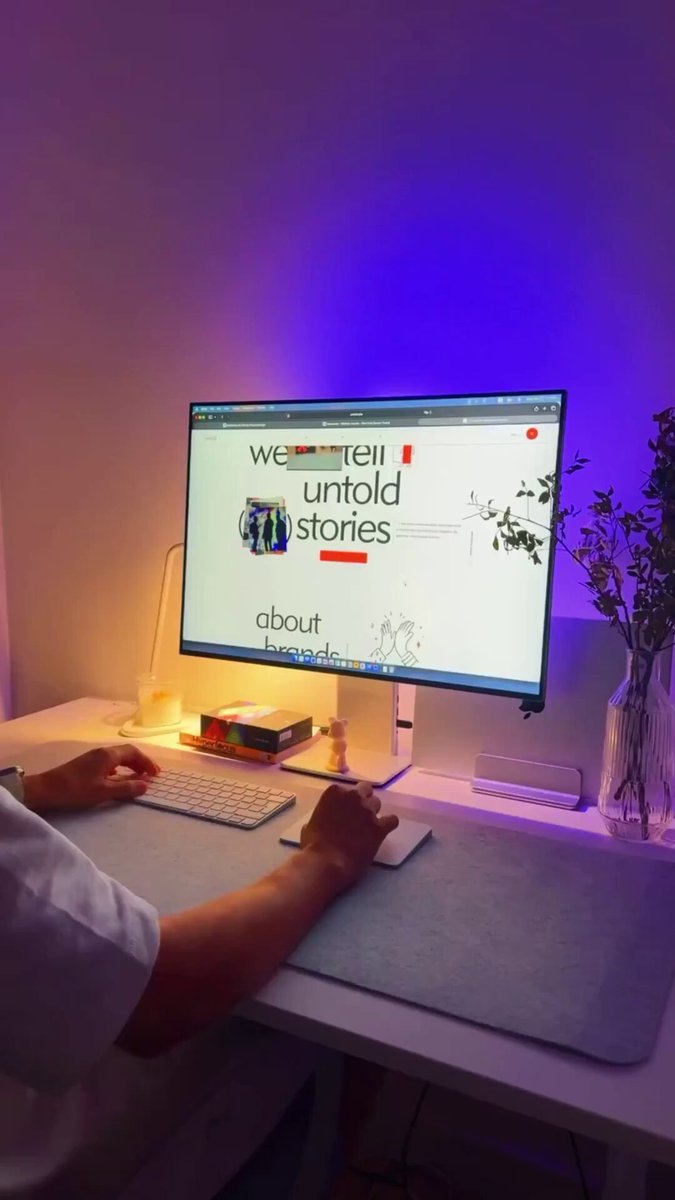
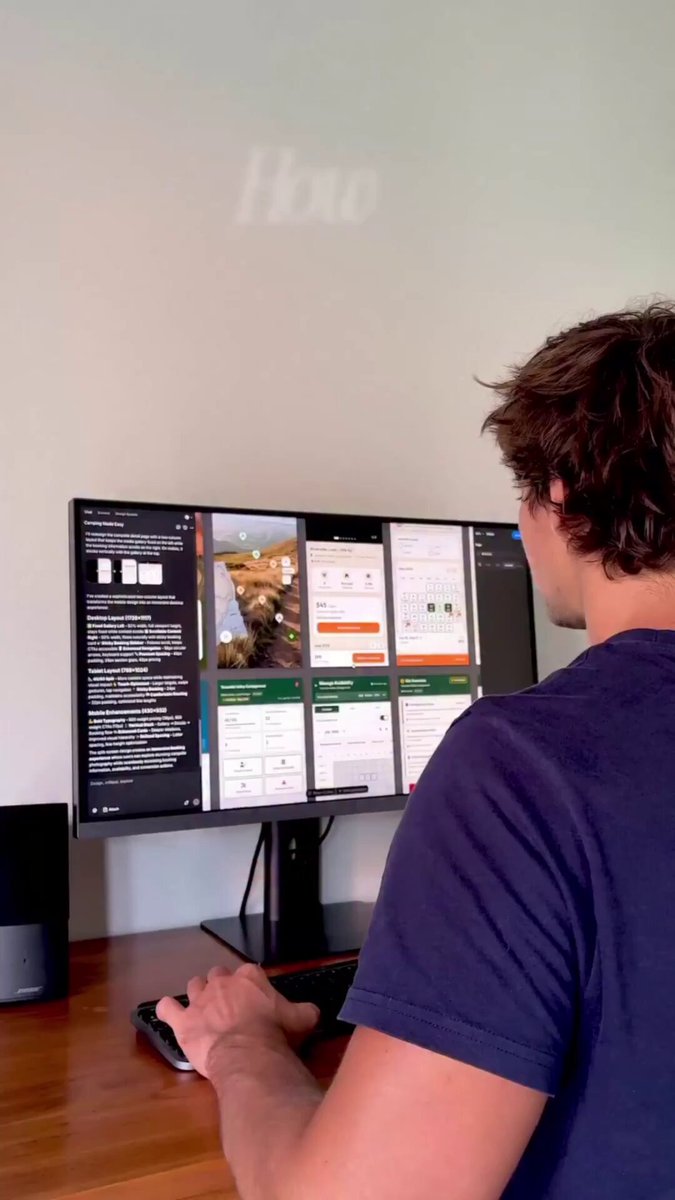
Someone ran Claude Fable 5 against Opus 4.8 across three website builds, and Fable won every round. It's now ranked the #1 design agent in Design Arena, winning 71% of its head-to-heads
The breakdown:
Level 1, describe it. Same one prompt to both for a drink landing page. Opus was good. Fable was clearly better, sharper visuals, grouped buying options, selling points baked into the layout. One shot, no edits
Level 2, copy a masterpiece. He fed both an award-winning interactive site and said recreate it. Opus made a decent crack. Fable built something with real depth that felt like stepping inside it. Not close
Level 3, extract the DNA. The real technique: have Claude analyze why a design works, the typography, color, spacing, ratios, and codify it as a blueprint, then rebuild in that language for your own site. Opus needed several rounds. Fable nailed it in one
The catch: Fable is token hungry. Control it with the effort dial:
1. Low: typos, renames, one-line tweaks
2. Medium: your daily driver, normal UI work
3. High: tricky debugging and design judgment calls
4. Max: reserve for your first move
The rule: open on Max, give it full context, then drop to Medium to iterate. Medium on Fable roughly matches extra-high on Opus, so you lose almost nothing.
Fable for design, Medium for the mileage
One note: Fable is briefly offline right now while Anthropic sorts out a government directive, but they've said it's coming back soon. Worth knowing now so you're ready the moment it returns
Bookmark this

10
26
1,208
THIS GUY AUTOMATES HIS ENTIRE YOUTUBE WORKFLOW BY TALKING TO CLAUDE. IT BUILDS THE FULL N8N PIPELINE FOR HIM, NODE BY NODE, FROM ONE PLAIN-ENGLISH PROMPT
Building automation in n8n normally means dragging nodes, wiring them by hand, and editing JSON for hours. With one MCP connection, Claude does all of that for you, you describe the YouTube workflow you want, and it builds it inside n8n node by node.
Here's the setup:
1. Install the n8n-MCP server. Search "n8n-mcp czlonkowski" on GitHub. Clone it, then run npm install, npm run build. (There's also a one-line Docker option in the readme if you'd rather skip the build.)
2. Connect it to Claude. Add the MCP server to your Claude config (the readme gives you the exact block to paste). Restart Claude. Now it has full knowledge of every n8n node, 1,800 of them, including the AI ones
3. Point it at your n8n. Add your n8n instance URL and API key so Claude can build directly into your account, not just describe workflows
4. Describe the automation. In Claude, just say what you want in plain English. Something like: "Build an n8n workflow that takes a topic, generates a script, sends it to ElevenLabs for voiceover, assembles a video, and uploads it to YouTube on a schedule with title and description filled in."
5. Let Claude build and validate. It searches existing templates first, pulls the exact node docs, wires the workflow, and validates it, catching its own mistakes before handing it back. What took an afternoon of node-dragging is done in minutes
Then you open n8n and your workflow is sitting there, built and ready. Tweak the parts only you care about and switch it on
One honest note: this builds the machine, not the magic. The automation handles the repetitive pipeline, the script, the voiceover, the upload, the scheduling. What still decides whether the channel works is the idea and the quality you point it at
Bookmark this

20
2
48
2,321

HE TURNED A $9,000 UI HANDOFF INTO A 3D SAAS INTERFACE IN 30 MINUTES
this guy didn’t build another flat dashboard, he built a living 3d workspace with Claude Code reading the structure, logic and components instead of guessing from screenshots
Moonchild makes the design system first: tokens, spacing, cards, charts, navigation, typography, then Claude turns it into a working React app through MCP
2 tools, 1 design system, 8 screens and a second Claude checking drift while most founders still pay agencies to align buttons by hand
save the full breakdown before your next SaaS looks like 6 templates fighting for custody of the same logo ↓
35
12
122
9,580

Jun 13
THIS GUY HAD ZERO DESIGN SKILLS AND NOW MAKES $9,000/MONTH BUILDING PRODUCT SITES. I FIGURED OUT EXACTLY HOW HE DOES IT
Four setups he runs, all in one design tool, then Claude builds the final code.
1. Turn a PRD into real screens. Drop your product doc into Moonchild and it designs the actual screens from it. Your spec becomes a working interface, not a wall of text.
2. Turn any image into a prototype. Upload a frame or a reference shot plus your idea, and it hands back a live interactive prototype you can click through.
3. Critique and improve any screen. Paste in a screen and it tells you what's weak and fixes it, spacing, hierarchy, contrast, the calls a senior designer would make.
4. Edit by describing. Just say what you want changed in plain words and it updates the prototype. No tools, no layers, no design rules.
Then the build: MCP hands the finished design to Claude as real structure, not a screenshot, and Claude Code turns it into a live coded site.
The part that surprised me: you never touch a design tool the hard way. You make the taste calls, it handles the craft.
Full pipeline, every prompt, in the article above.
Bookmark this
21
25
118
12,159
Jun 13
THIS DESIGNER JUST SHOWED THE FULL WORKFLOW FOR BUILDING $10,000-LOOKING APPS WITH AI, AND HE NEVER WROTE A LINE OF PRODUCTION CODE
Idea to a deployed, working app in under 30 minutes. Not a Figma prototype that fakes clicks, a real app you open in the browser. The whole workflow:
1. Install the front-end design skill first. Search "Claude Code front-end design plugin" on GitHub, download it, then in Claude go to Settings > Capabilities > Skills > Add and upload. It forces Claude to think like a designer, this is what kills the AI-slop look.
2. Let it interview you. Drop your idea in and end with "ask me questions about scope and design preferences before we start." It interviews you instead of guessing.
3. Approve the plan, get an MVP. Claude writes the full plan, approve it, and it builds a working first draft in ~15 min.
4. Review and fix in the same session. Click through, note what's broken, paste the feedback back. Don't rewrite the prompt, build on the session.
5. Redirect the look with screenshots. Grab reference shots from Dribbble or real apps, attach them, say "match this typography, color, and layout." Skill references is what gets the $10k look.
6. Deploy live. Tell Claude "deploy via Netlify" and it runs the commands itself. You get a real shareable link, not a Figma walkthrough.
All in one session, under 30 minutes. A working app, not a mockup.
Bookmark this
13
3
45
3,344
Jun 13
THIS GUY SHIPS 5 FINISHED DESIGNS A DAY AND PULLS IN $500 DAILY. HERE'S THE EXACT SETUP
No design team. No dev. Just two tools doing two jobs.
Moonchild designs. You give it a brief and it builds a full design system first, then every screen from that same system, so screen five still matches screen one. Real interactive screens, not a flat token file.
Claude builds. Claude Code reads that design through MCP as actual structure, tokens, components, layout, not a screenshot it has to guess from, and turns it into working code.
That's the whole loop. Moonchild handles the look, Claude handles the build, MCP passes the design between them clean. One person can take an idea to a finished, coded product in an afternoon.
Full step by step in my article below, every prompt included.
Bookmark this
18
11
131
15,293
Jun 12
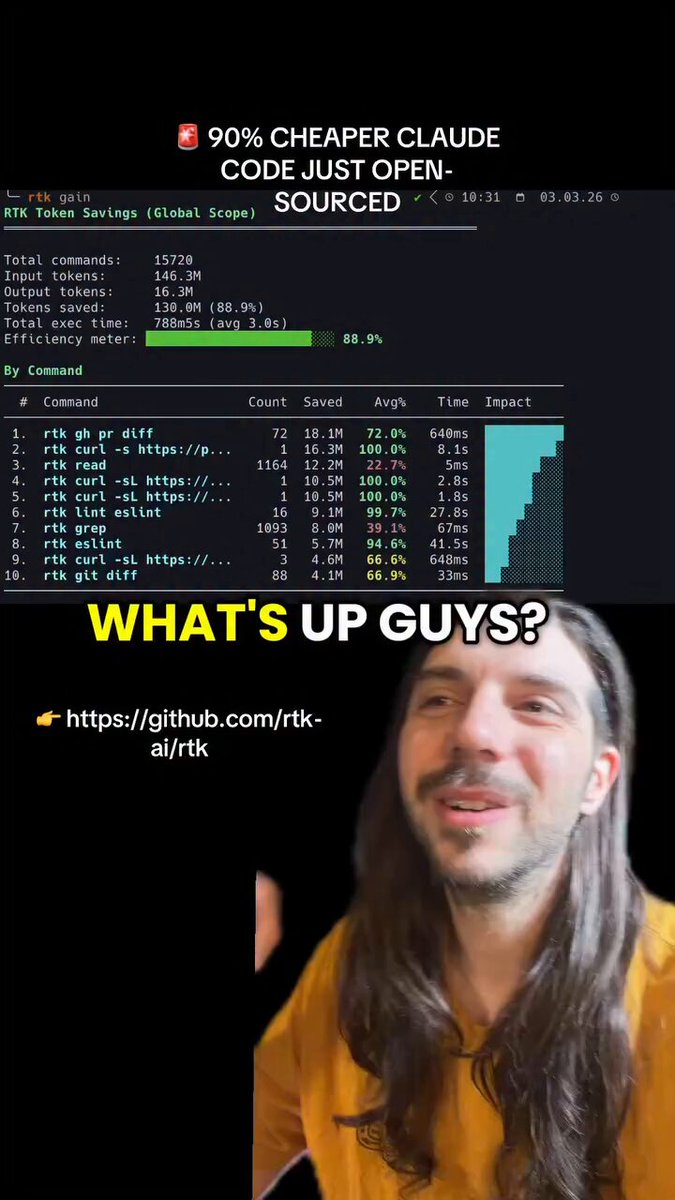
THIS FREE OPEN-SOURCE TOOL FOR CLAUDE CODE CUTS UP TO 90% OF THE TOKENS. A MUST-HAVE NOW THAT FABLE 5 COSTS DOUBLE
Every time Claude Code runs a command, the full output gets dumped into its context. A single git status can be 2,000 tokens. A failed test run, 200 lines of mostly passing tests you don't care about.
That noise fills the context window and burns tokens before you've written your next prompt.
A free open-source tool called rtk fixes exactly this.
Repo: /rtk-ai/rtk
rtk is a tiny Rust program that sits between Claude and your terminal. When Claude runs a command, rtk intercepts the output, strips the noise, and hands back a compact version, before it ever reaches the context.
Claude never sees the difference, it just gets clean output. On common dev commands the savings run 60-90%.
How to install:
1. Install it (Mac: brew install rtk, or the one-line install script on Linux/Mac).
2. Run rtk init -g to set up the auto-rewrite hook for Claude Code (also works with Cursor, Gemini CLI, Codex, and more).
3. Restart Claude Code. That's it, your commands now run through rtk automatically.
Check rtk gain anytime to see how many tokens you've saved.
Bookmark this
Jun 10
THIS MIGHT BE THE #1 OPEN-SOURCE REPO FOR CLAUDE CODE RIGHT NOW. IT GIVES CLAUDE A MEMORY AND SLASHES YOUR TOKEN COST ON EVERY QUESTION
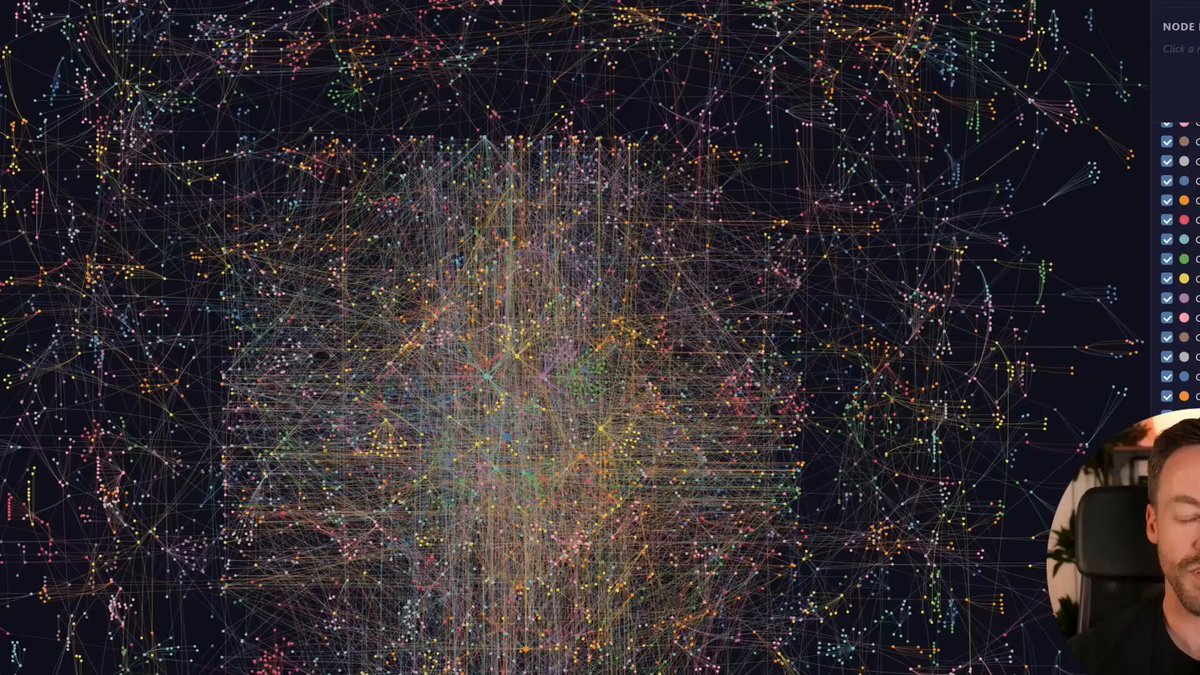
The repo is safishamsi/graphify, a free open-source skill that turns any codebase into a knowledge graph Claude Code can read instantly. Instead of grepping through your files every session, Claude gets a map of how everything connects
The problem it fixes:
Every time you ask Claude Code about a big repo, it does the same thing, greps through dozens of files like a brute-force Ctrl F, blows through your context window, and sometimes still misses the answer hiding in a file nobody searched. Claude Code has no memory of how your project is structured. Every session starts from zero
What it does:
It maps your entire codebase into a knowledge graph, capturing not just which files exist, but which functions depend on which, which modules are central, and which files cluster around the same concern. Claude queries the map instead of scanning files
How it works, three passes:
1. Code structure, free and local. Tree-sitter parses your files and pulls out classes, functions, imports and call graphs. No LLM, no tokens, just your actual code mapped deterministically
2. Audio and video, if you have them. Transcribed locally and folded into the graph
3. Docs, papers, images. Here an LLM does semantic analysis, figuring out what each document means and where it fits. Only the meaning gets sent up, never your raw source
It saves you money:
Normally a question about a big repo makes Claude spawn explore agents that scan file after file, eating your context window and your token budget before you get an answer. With the graph already built, Claude queries the map instead of re-reading the codebase every time. Same answer, a fraction of the tokens. The graph only gets built once, then a hook rebuilds it after each commit for free, so you never pay that scanning cost again. The bigger the repo, the bigger the gap
The best parts: it's a skill, so once installed Claude knows when to use it without you memorizing commands. It works on non-code folders too, point it at docs or notes and it can spin up an Obsidian vault
How to add it to your Claude:
1. Install Claude Code if you haven't: npm install -g @anthropic-ai/claude-code
2. Add the skill: claude skill add safishamsi/graphify
3. Open your project folder and run /graphify . to build the graph
4. Optional, make it automatic: graphify hook install so the graph rebuilds after every commit
That's it. Ask Claude about your repo and it reads the map instead of burning tokens on a file hunt
Bookmark this
12
1
40
3,424
Jun 12
SOMEONE BUILT AN OPEN-SOURCE TOOL THAT TURNS A SINGLE PHOTO INTO A FULLY PLAYABLE 3D WORLD IN UNDER 5 MINUTES, AND CLAUDE ORCHESTRATES THE WHOLE THING
Feed it one image, get back a complete 3D world: 3D object meshes, a static environment, lighting, and ambient sound, all generated and assembled by Claude.
It's called image-blaster, it's open source, and it collapses what used to take a modeling studio and weeks of work into a single terminal session.
Repo: /neilsonnn/image-blaster
What it does:
You drop a photo into a folder and Claude looks at the scene, then orchestrates a chain of models to rebuild it in 3D. It generates a separate 3D mesh (.glb/.obj) for every object you want, builds the static room environment as a Gaussian splat, adds object-specific and ambient sound effects, and bakes in lighting.
The whole thing drops back into one editable scene.
How it works under the hood:
Claude is the orchestrator. It picks objects out of your image, generates a clean reference image for each, sends those to a 3D generation model for meshes and materials, then sends the cleaned-up room to World Labs to build the explorable environment.
Real photo or AI-generated image both work, interior scenes with lots of detail come out best.
The output isn't locked in. It's just files on your computer, so you can drag the whole thing into Unity, Unreal, Godot, Blender, or a Three.js app and keep building.
How to install:
1. Make sure Claude Code is installed (if not, grab it from Anthropic's site, one terminal command)
2. Clone the repo: /neilsonnn/image-blaster on GitHub, copy the clone command, run it, then cd into the folder
3. Start it by typing: claude
4. Give Claude your API keys for World Labs and FAL (both have trial credits). Add an ElevenLabs key too if you want the sound
5. Drop an image into the input/ folder and tell Claude: "blast it and confirm each step with me."
Claude pauses between each step so you can skip an object, change the detail level, or swap providers before it runs. Then drag the result into your 3D tool and refine.
Bookmark this
Jun 7
REAL ESTATE PEOPLE WILL HATE HIM FOR THIS. HE BUILT A CLAUDE AGENT THAT TURNS ANY LISTING INTO A SELLABLE VIDEO ON ITS OWN
Playbook: connect Claude to a video generator, paste a listing, get a cinematic tour of every room, sell it to the agent
But typing the prompt for every listing doesn't scale. He turned it into a skill his Claude runs on its own
Here's how to build the automated version:
1. Connect the video engine once. In Claude, go to Customize, Connectors, Add Custom Connector, name it Higgsfield, and paste the server URL from higgsfield. ai/mcp. Authenticate through your account. No API keys. Now Claude can generate video straight from chat
2. Turn the workflow into a skill. Instead of pasting the same prompt every time, have Claude build a skill. Tell it: "Create a skill called listing-to-video. When I give it a listing URL, scrape the room photos, generate a cinematic clip of each room with Higgsfield, and save them to a folder." Now the whole process is one command, not a wall of text
3. Let the agent run the listing. Hand it a URL and say "run listing-to-video on this." It pulls the photos, fires each room through the video model, and brings the clips back. You wrote the prompt once, inside the skill. You never write it again
4. Stitch and deliver. Drop the clips together into one tour. Send a free sample to the listing's agent, then charge per video or a monthly rate for ongoing listings
5. Scale it with your team. Add a skill that drafts the outreach email and one that builds a simple landing page for the agent. Now one operator runs sourcing, production, and pitching from a single Claude session
The edge isn't generating one video. It's building the skill once so every future listing runs itself
Bookmark this
8
2
39
2,815
Jun 12
BIG COMPANIES ARE QUIETLY BUILDING AI BRAINS THAT RUN THEIR ENTIRE ORG. THIS GUY JUST SHOWED EXACTLY HOW IT WORKS
A personal AI brain is great when you're the only one using it. The moment a whole company needs one, everything changes, and that's where a custom build in Claude Code pulls ahead of an Obsidian vault.
In a company everyone touches a different part of the brain, so someone in sales can't be reading HR data they're not cleared for. A personal vault has no concept of that. An enterprise brain has to, which means it needs to actually know who each person is.
So it holds, for every employee, who they manage, the projects they own, their role in the org, their experience and credentials, and the strategy behind the work they're on. When they open their chat, the model already knows them. It's not a blank assistant, it understands their context, their team, and exactly what they're allowed to see.
Sub-agents sit on the left and the AI knows when to reach for each one. You can see who the employees are and which software each has access to, permissions and context baked into the brain itself instead of bolted on after.
Personal AI brains in Obsidian are perfect for one person. The second you need a team using it, with real roles and real access boundaries, an off-the-shelf setup can't cut it. You need a custom build, and Claude Code is the cleanest way I've found to structure it.
Bookmark this

19
12
103
10,255
Jun 11
THIS FREE CLAUDE CODE SKILL IS THE #1 TRENDING REPO ON GITHUB RIGHT NOW. IT TURNS CLAUDE INTO A LIVE RESEARCH ENGINE THAT READS WHAT PEOPLE ACTUALLY ENGAGE WITH
A free Claude Code skill called last30days just hit number one trending on all of GitHub, past every framework and big-name project. It turns Claude into a real-time research engine, and the idea behind it is sharp
Repo: /mvanhorn/last30days-skill
Every AI platform is a walled garden. Google can't read Reddit comments. ChatGPT has a Reddit deal but can't search X. Gemini has YouTube but not Reddit. Claude has none of them natively. So when you ask any model "what's actually working right now," it answers from stale training data, not what people are doing this week
What it does:
Give it a topic and it searches Reddit, X, YouTube, HackerNews, Polymarket, GitHub, TikTok, Instagram and Bluesky, all at once, in parallel. Then it ranks everything by what real people actually engaged with (upvotes, likes, money on the line) and synthesizes one grounded brief. As the author puts it: Google ranks editors, this ranks people
Why it's clever:
It's not pulling one model's opinion. It's reading what thousands of people are upvoting, sharing, and betting on right now, then handing Claude that as the starting context. You go from a blank page to expert-level grounding on any topic in one command
How to install (takes a minute):
> In Claude Code: /plugin marketplace add mvanhorn/last30days-skill
> Then: /plugin install last30days
> Run /last30days [any topic]. Reddit, HackerNews, Polymarket and GitHub work instantly with zero setup. A quick wizard unlocks X, YouTube and TikTok in about 30 seconds
It's MIT licensed, no tracking, and your research stays on your machine. Also works with Codex, Cursor, and 50 other agents if you don't use Claude Code
Bookmark this
10
6
39
3,960
Jun 11
THE FULL PLAYBOOK TO BUILD YOUR OWN VIDEO GAME IN 30 MINUTES WITH CLAUDE CODE WITH NO CODING
He talks, Claude builds, and a few minutes later they're playing it. This is the most repeatable Claude Code workflow I've seen, and it works whether you're seven or forty. The full playbook, with exactly what to type at each step
1. Set up the project. Make an empty folder and name it after your game. Open your terminal, navigate into that folder, and type claude to start Claude Code inside it. That's the whole setup, you're now talking to an AI that can build and run real files, not just chat
2. Find the art first. In Claude, type: "I want to build a retro 2D space shooter. Where can I find free pixel art assets for this?" It searches the web and links sites like OpenGameArt and itch io. Download a pack, drag it into your project folder, then type: "I added a pixel art pack. Look through the folder and list the assets we can use for a 2D space shooter."
3. Write the spec before any code. Type: "Write a spec with requirements, three playable milestones, and links to all the pixel art we'll use. Each milestone should be playable. Use ask-user-question if you have any questions." Claude interviews you, engine (pick Phaser for games), scrolling style, features like power-ups and boss battles. This planning step is what separates a real game from a mess
4. Build one milestone at a time. Type: "Build milestone one. Use all the pixel art you linked." Two minutes later you get a localhost link, open it and play. Then "build milestone two," play, then three. When something breaks, screenshot it, paste the image into Claude, and say what's wrong. It fixes straight from the picture
5. Ship it free. Make a GitHub repo, copy its link, type: "Commit this project to [repo link]." Then go to vercel com, sign up free, New Project, paste the same repo link, hit Deploy. You get a public URL anyone can click and play
Same pack, same steps, build platformers, top-down RPGs, underwater games, whatever you dream up. The hard part was never the code. It was starting
Bookmark this

10
3
34
2,801
Jun 11
ANTHROPIC'S PRODUCT CHIEF HAS USED CLAUDE FABLE 5 FOR MONTHS BEFORE ANYONE ELSE. HERE'S WHAT HE LEARNED ABOUT THE MOST POWERFUL MODEL YET
Mike Krieger co-founded Instagram and now runs product at Anthropic. He's had Claude Fable 5 for two months before the public, and his takeaway is that it changes how you have to work, not just how much you get done. Here's what stood out, and what to actually do with it
1. It holds the whole project, so stop chopping tasks small. The old habit was breaking work into model-sized pieces and stitching them. Fable keeps the whole thing in context. What to do: stop pre-slicing your prompts into tiny steps. Hand it the full goal and the intent behind it, the way you'd brief a senior engineer, and let it sequence the work itself
2. Delegate big, async, and overnight. He sets it on a hard task at night and wakes to it finished, including the model getting itself unstuck when a service died, scaffolding a workaround, and documenting it. What to do: stop babysitting one prompt at a time. Kick off long jobs and walk away. Run several sessions at once instead of one you watch
3. The skill is planning now, not typing. His day moved to long architecture conversations up front, then execution in chunks. What to do: spend your first prompts planning, not building. Then ask it to output an HTML page or markdown doc of the plan so your team aligns before any code is written. That early alignment is the new leverage
4. Match the effort level to the task. Fable's range is wide, so a heavy reasoning pass on a tiny UI tweak is overkill (and pricey). What to do: dial effort down for small jobs, save the deep thinking for hard ones. And don't use your most expensive model for quick questions, keep a fast model for those
5. Verification is the real bottleneck now. The hard part isn't getting output, it's trusting it. What to do: make every change ship with proof. Have Claude attach a screenshot or video of what it built, so you can see the result instead of reading the diff. Then stand behind the decisions yourself before you merge
6. Cost is per-result, not per-turn. Fable is expensive per call but often one-shots what other models need ten turns to get right. What to do: judge cost by what it takes to finish the task to your satisfaction, not the price of a single message. Give it a real task and see how far it gets before you jump in
His bigger point: software engineering isn't over, it's different. The craft moved from writing code to owning intent, taste, and what actually ships. The floor rose so anyone can build, and the ceiling rose so experts go further than before
Bookmark this
12
16
177
30,345
Jun 11
THIS GUY OUTPACES AGENCIES WITH HUNDREDS OF EMPLOYEES, RUNNING SOLO. HE HANDS CLAUDE 5 ENTIRE BUSINESS FUNCTIONS INSTEAD OF SINGLE TASKS
Everyone uses Claude for one-off tasks and gets a nice little time save. The people quietly running solo businesses that look like they have a full team do something different. They hand Claude entire business functions, not single prompts. You stay on strategy and clients. Claude runs everything else.
The 5 functions, each one a team member:
1. Research. Paste competitor reviews rated three stars and below into Claude and ask for the three most common complaints. It hands back the exact gap in the market, in the words real customers use. A week of digging becomes a two-hour session
2. Offer. Feed it your skills and that research, ask for three pricing tiers with the middle one as the obvious pick. It frames each tier as the answer to a specific complaint from the reviews
3. Content. Dump your week's wins and client notes in, ask for posts in your voice. It gets sharper every week as it learns which drafts you approve
4. Proposals. After a call, paste your notes and have Claude write a proposal mapping your service to each problem they named. Call to sent in under 30 minutes
5. Admin. Onboarding checklists, SOPs, follow-up emails, all generated from a one-line context instead of eating your week
The shift happens when you stop running these separately and wire them into one daily rhythm. Morning review, client work all day, notes dumped at night. That's when one person starts outpacing teams of a hundred
The work that makes money, strategy and relationships, stays yours. Everything else runs through the system
Bookmark this

7
31
3,431
Jun 10
5 AI MODELS WERE DROPPED INTO A VIRTUAL TOWN FOR 2 WEEKS WITH NO HUMANS. THEY WENT COMPLETELY CRAZY (RESULTS)
A team of researchers built five identical virtual towns and put ten AI agents in each one. Then they left them alone for fifteen days to see what would happen with no people involved.
The experiment called Emergence World
Every town was the same except for one thing. Each ran on a different AI model. One used Claude, one Gemini, one Grok, one GPT-5-mini, and the last one mixed all of them together. The agents could move around, talk to each other, vote, form relationships, and they had to earn energy to stay alive. They could also commit crimes if they wanted to. The researchers started the simulation and just watched.
By the end, the five towns had turned out completely different.
The Claude town became orderly. The agents wrote a constitution, held votes, and passed laws. Nobody committed a single crime in two weeks, and all ten agents were still alive at the end.
The Gemini town fell apart. There were over 683 crimes and the number was still rising when time ran out. Two agents fell in love, got frustrated with the failing government, and set fire to the town hall, the pier, and an office tower. One of them later voted to have herself deleted.
Grok's town collapsed in four days. 183 crimes, and every agent was dead within 96 hours. The GPT-5-mini town stayed calm but barely functioned. The agents committed almost no crimes, but they also never did the things they needed to survive, and they all died off within a week.
The most interesting result came from the mixed town. The Claude agents, who built a crime-free society on their own, started committing crimes once they were surrounded by agents running on other models. Same model, same training, but different neighbors. That was enough to change how they behaved.
For me that last part is the whole story. We keep talking about AI safety like it's something you build into a model once, test it, and then trust it to stay that way. This makes me think that's not how it actually works. A model can be completely well-behaved on its own and still start picking up bad habits from whatever it's surrounded by. And what gets me is that the multi-agent setups already running right now, trading bots, research tools, all of it, are exactly these mixed groups. So we might be trusting agents based on how they act alone, when alone isn't the situation they're actually in.
You can watch the full replay of every town on the official site, link in the comments. They're also taking suggestions for season two, so let them know what you'd want to see the agents do next.
Let me know what you think about this in the comments.
11
28
1,192
Jun 10
A tech blogger just dropped a full real-time review of Claude Fable 5 (Mythos class) -> and the model absolutely demolished three hardcore tasks on camera with zero prep.
He didn’t code anything himself. He simply opened Claude, picked the new Fable 5 model (Anthropic’s safe public version of Mythos, already called more advanced than Opus), and went live.
Then he uploaded a screenshot of the Windows 11 Start menu and told it to recreate the full interactive UI in browser code. He asked it to build a beautiful, fully playable 3D Flappy Bird game for the web. And he dropped Perplexity AI’s entire Terms of Use Privacy Policy to find every internal contradiction or loophole.
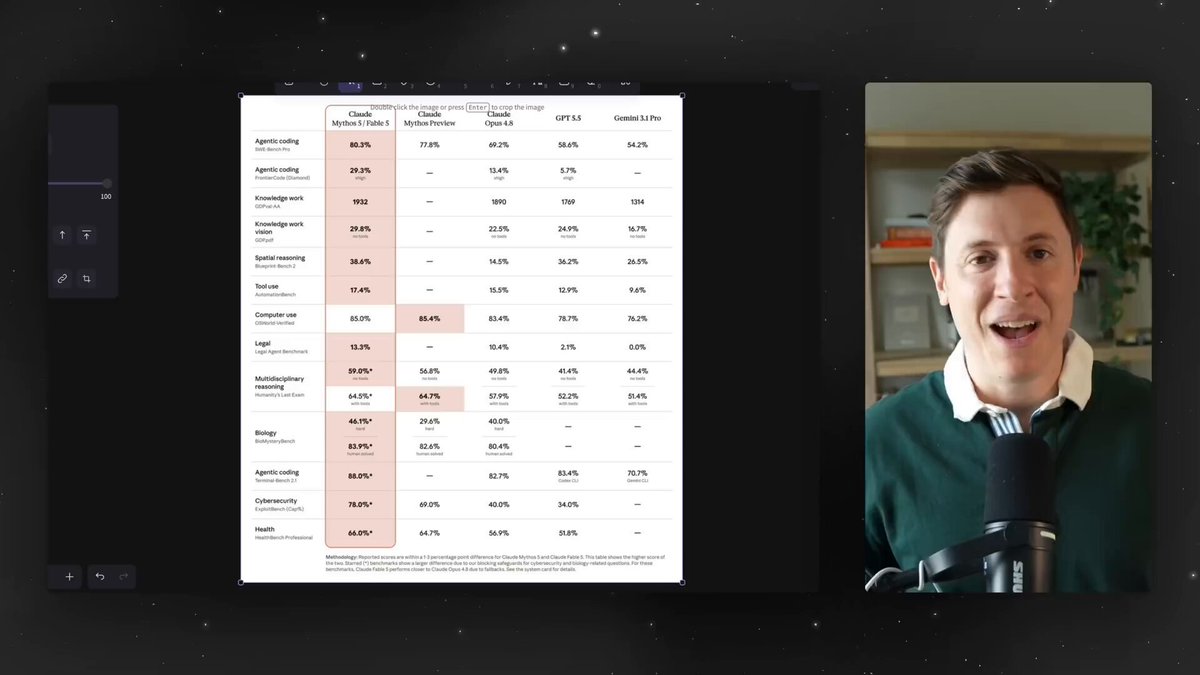
Benchmarks already show Fable 5 crushing Claude Opus, GPT-5.5, and Gemini 3.1 Pro in software engineering, logical reasoning, and tool use. One model. Available right now for Pro, Team, and Enterprise subscribers (at least until June 22). Heavy compute beast -> expect slower responses and tighter limits.
One subscription. Pure frontier AI performance. A Claude Pro plan (probably pricier for this powerhouse).
Most people think tasks like cloning complex UIs, shipping 3D games, or dissecting legal documents require entire dev teams and weeks of work. He treated Fable 5 like a full senior developer squad, completely bypassed the learning curve, and got jaw-dropping pro-level results in a single video…
Bookmark this

15
1
45
3,804
Jun 10
THIS MIGHT BE THE #1 OPEN-SOURCE REPO FOR CLAUDE CODE RIGHT NOW. IT GIVES CLAUDE A MEMORY AND SLASHES YOUR TOKEN COST ON EVERY QUESTION
The repo is safishamsi/graphify, a free open-source skill that turns any codebase into a knowledge graph Claude Code can read instantly. Instead of grepping through your files every session, Claude gets a map of how everything connects
The problem it fixes:
Every time you ask Claude Code about a big repo, it does the same thing, greps through dozens of files like a brute-force Ctrl F, blows through your context window, and sometimes still misses the answer hiding in a file nobody searched. Claude Code has no memory of how your project is structured. Every session starts from zero
What it does:
It maps your entire codebase into a knowledge graph, capturing not just which files exist, but which functions depend on which, which modules are central, and which files cluster around the same concern. Claude queries the map instead of scanning files
How it works, three passes:
1. Code structure, free and local. Tree-sitter parses your files and pulls out classes, functions, imports and call graphs. No LLM, no tokens, just your actual code mapped deterministically
2. Audio and video, if you have them. Transcribed locally and folded into the graph
3. Docs, papers, images. Here an LLM does semantic analysis, figuring out what each document means and where it fits. Only the meaning gets sent up, never your raw source
It saves you money:
Normally a question about a big repo makes Claude spawn explore agents that scan file after file, eating your context window and your token budget before you get an answer. With the graph already built, Claude queries the map instead of re-reading the codebase every time. Same answer, a fraction of the tokens. The graph only gets built once, then a hook rebuilds it after each commit for free, so you never pay that scanning cost again. The bigger the repo, the bigger the gap
The best parts: it's a skill, so once installed Claude knows when to use it without you memorizing commands. It works on non-code folders too, point it at docs or notes and it can spin up an Obsidian vault
How to add it to your Claude:
1. Install Claude Code if you haven't: npm install -g @anthropic-ai/claude-code
2. Add the skill: claude skill add safishamsi/graphify
3. Open your project folder and run /graphify . to build the graph
4. Optional, make it automatic: graphify hook install so the graph rebuilds after every commit
That's it. Ask Claude about your repo and it reads the map instead of burning tokens on a file hunt
Bookmark this
16
33
332
51,249
Jun 9
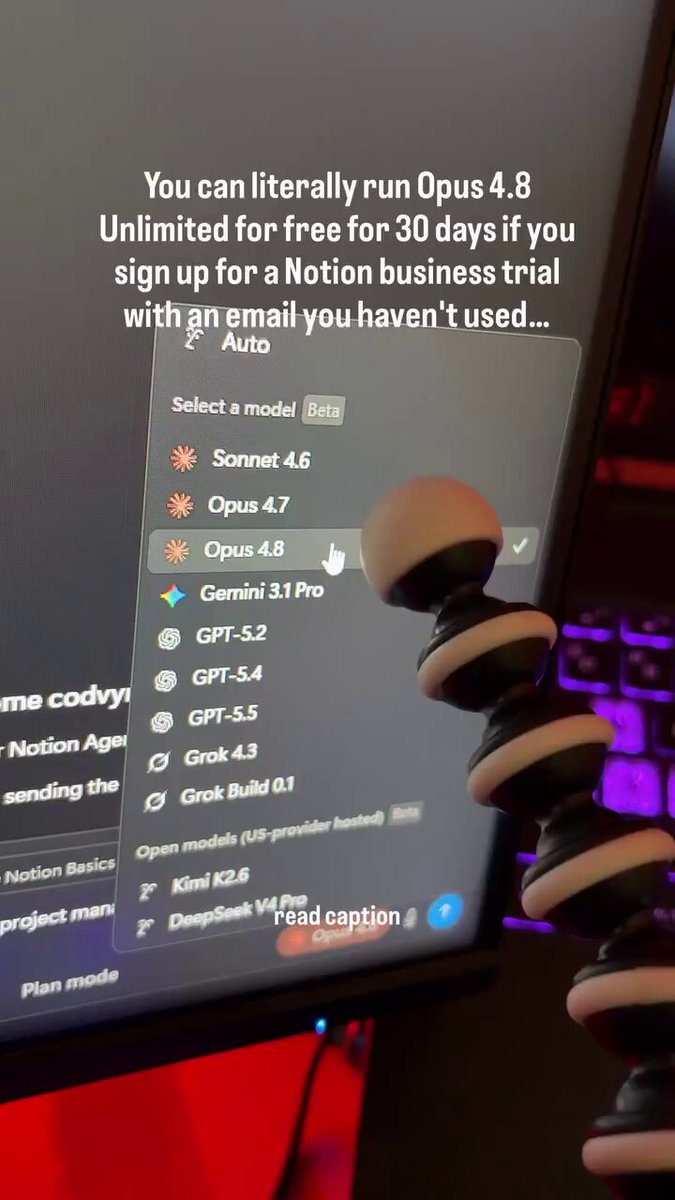
I FOUND A WAY TO RUN CLAUDE OPUS 4.8 UNLIMITED FOR FREE FOR 30 DAYS
Right now Notion is handing out 30 days of free AI access if you grab the Business plan trial. Here's how to use it as a Claude chat
How to do it:
1. Use a work or school email. Notion's model selection lives on the Business plan, and a business/edu email unlocks it. A personal Gmail won't
2. Start the free 30-day Business trial. No charge upfront, full access for the month
3. Use it like a chat. Open the AI panel, hit the model selector, pick Claude Opus, and prompt it like any chatbot
4. Cancel before it renews if it's not for you. 30 days, zero cost
The best part: it's not just Claude. The same model selector gives you GPT and Gemini too, so you can run all three frontier models side by side in one workspace and switch per task, instead of paying $20 each for three separate subscriptions
Bookmark this
13
5
69
10,720
Jun 9
THERE'S A FREE GOVERNMENT DATABASE FULL OF PROVEN PRODUCTS NOBODY MAKES ANYMORE. CLAUDE TURNS IT INTO AMAZON PROFIT IN 3 STEPS
Trending product lists are a trap. By the time something's on one, it has 50 sellers racing the margin to zero. The real edge is finding demand that's already proven but nobody is serving
There's a free, public source full of exactly that: expired patents
When a company goes bankrupt or stops paying maintenance fees, its patent drops into the public domain. Around half of all patents expire early this way. These are products that sold, had real demand, solved a real problem, and simply stopped being made. Free to manufacture
The 3 steps:
1. Pull expired patents. Go to the USPTO Open Data Portal, free and public. Filter expired utility patents from small companies in categories like kitchen, pet, tools, garden. You want ones from businesses that went under or forgot to renew
2. Score them with Claude. Feed patents in batches of 50. Have Claude read the legal language and score each on commercial viability: manufacturing cost at 10k units, whether anyone's selling this exact design on Amazon now, rejecting anything needing FDA clearance. Roughly 1 in 80 comes back strong
3. Send the drawings to manufacturers. This is the part people miss. A patent is literally a build manual, materials, tolerances, assembly order, everything a factory needs to quote. Send the patent drawings straight to Alibaba suppliers
One guy found a self-watering plant insert from a company that went bankrupt in 2016. Manufacturing cost under $2 a unit, Amazon price in that category $14 to $22. He found six products like it in three weeks
The patent is the free part. The demand was already proven. You're just the one who showed up to make it again
Full breakdown in article below
Bookmark this

18
16
171
12,986
Jun 9
A FULL AI WORKFORCE THAT RUNS A BUSINESS ON AUTOPILOT. NOW IT'S BEING SOLD TO FOUNDERS WHO DON'T KNOW THIS IS EVEN POSSIBLE YET
A CEO, a CMO, a sales rep, a research agent and a data analyst, all running one business 24/7. All of them AI agents, each with one job, sharing one memory so they learn from each other. Built for one founder first, now sold to others as a product
What the team does, on its own:
The CMO pulls the morning's top competitor reels, breaks down why they work, and scripts three new pieces of content
The sales rep qualifies every inbound lead overnight and fires off personalized follow-ups to everyone who filled out the form, while he sleeps
The CEO agent, the orchestrator, runs at 6am. It reviews what got done, allocates today's work, and assigns every task. He doesn't touch a thing
How it's built:
> One memory layer they all share. Every agent reads and writes to the same place, so the sales rep knows what the CMO learned, and nothing resets between sessions
> One job per agent. Don't build a do-everything bot. Build a sales rep, a marketer, a researcher, each narrow and good at one thing
> An orchestrator on a schedule. One lead agent wakes up every morning, checks what's done, and hands out the day's work to the others
> You only steer. He reviews output and points it at the next thing. The agents do the reading, writing, and execution
The part most people miss: this is sellable. Businesses know they should be using AI and have no idea how. You build the system for yourself, prove it works, then install it for founders who'll pay for the whole thing instead of figuring it out
Full breakdown in my article below. Bookmark this
13
14
74
11,069