#UN Office for Disaster Risk Reduction, dedicated to building disaster #resilience and tackling #climatechange through implementation of the Sendai Framework
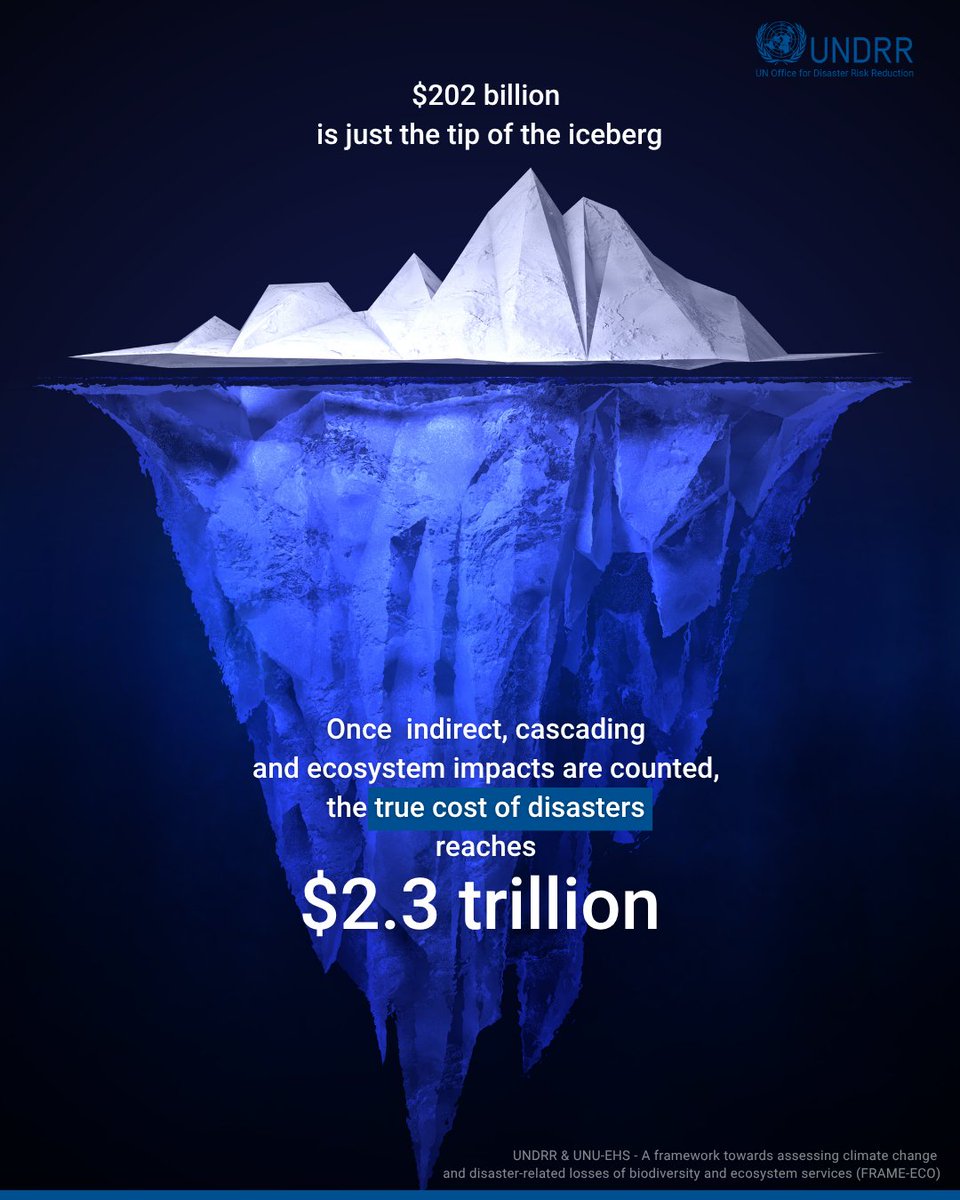
Disaster losses run at $202bn/year officially. The true cost – once ecosystem damage is counted – tops $2.3 trillion.
FRAME-ECO now provides a methodology to close that gap, linking to DELTA Resilience for implementation. 🌿
➡️ ow.ly/X9yE50ZbLll#NatureBasedSolutions
ALT Iceberg graphic illustrating $202 billion as the visible cost of disasters, with $2.3 trillion representing the hidden, indirect impacts below the surface.
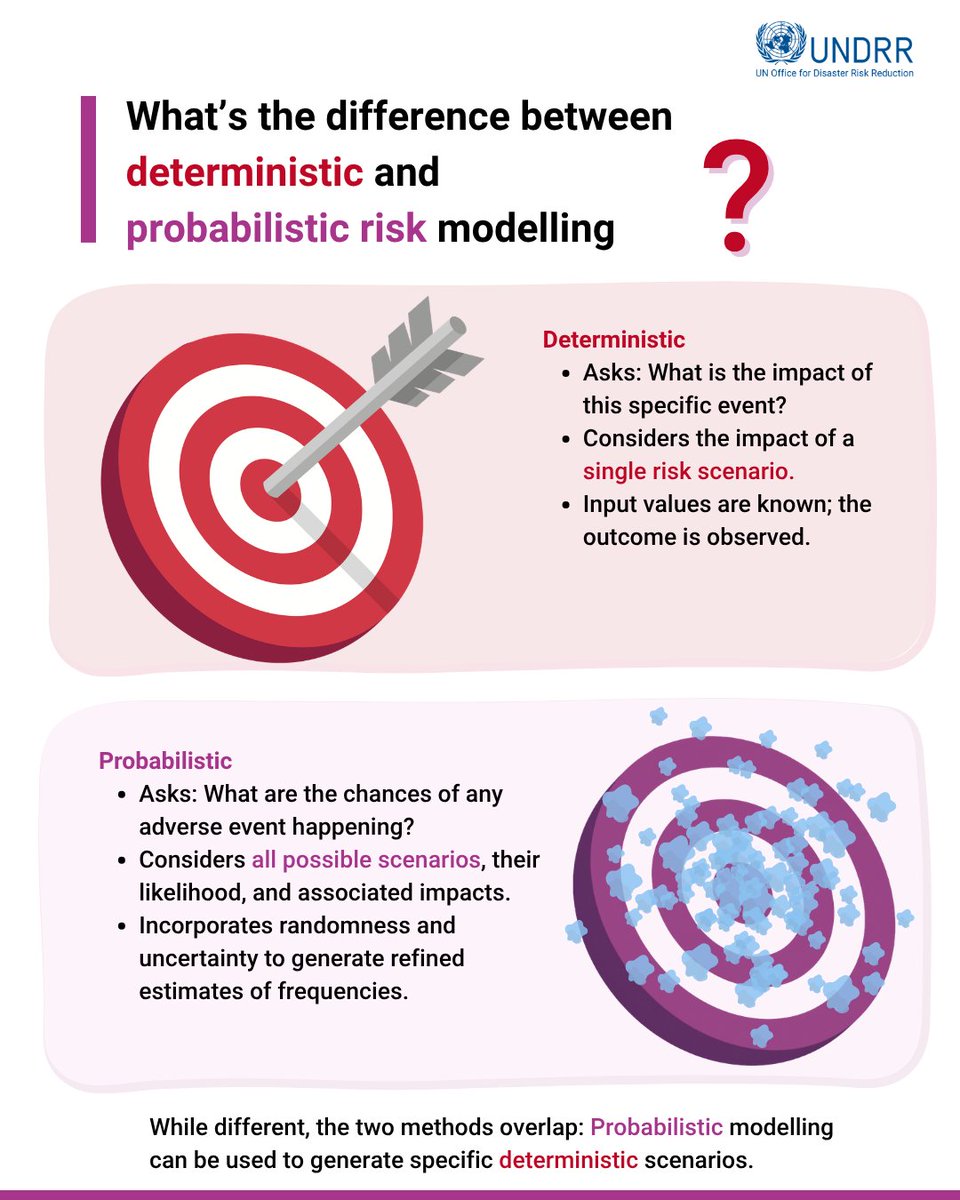
Disaster risk exists as a spectrum.
🎯 Deterministic assessment: one defined scenario
🔭 Probabilistic assessment: likelihood across thousands of events
Together, they provide a better foundation for preparedness.
➡️ ow.ly/bFYx50ZbJTP
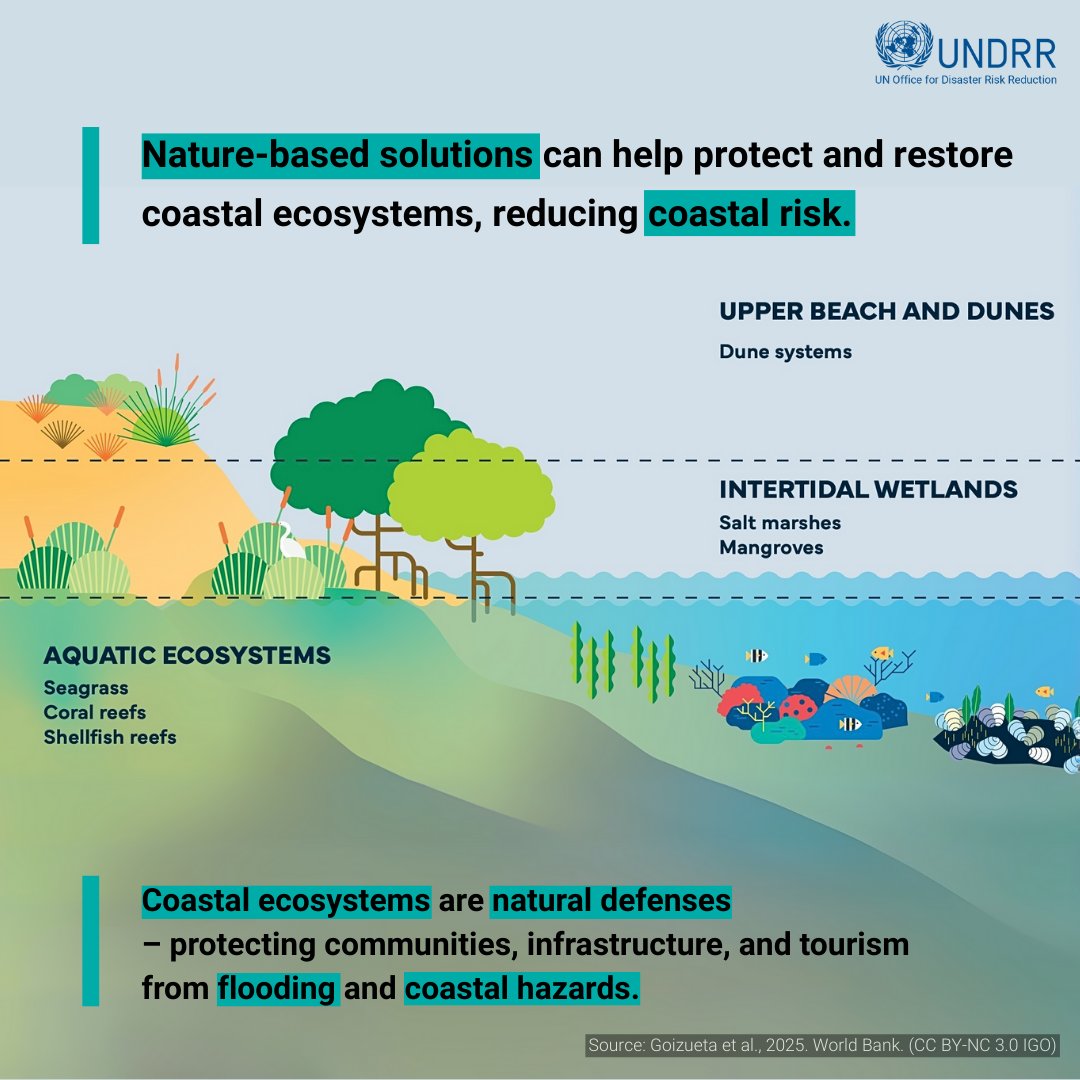
🏝️ Nature-based solutions use coastal ecosystems and wetlands to protect us from flooding and coastal hazards like storm surges and tsunamis.
Have you seen any of these nature-based solutions used along your coastlines?
➡️ ow.ly/Utoi50Y69IZ
ALT Nature-based solutions can help protect and restore coastal ecosystems, reducing coastal risk.
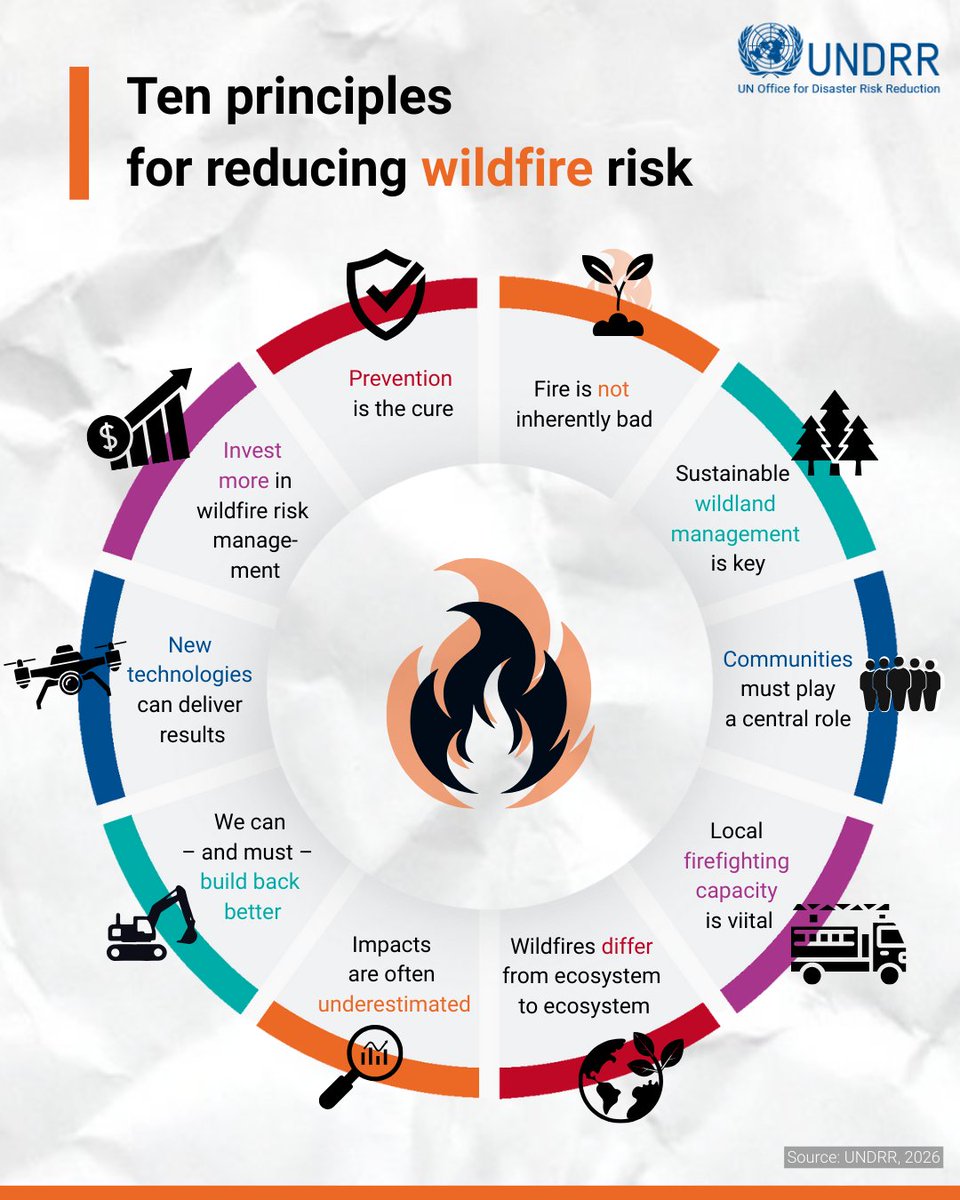
🔥 Wildfire risk has intensified, but as we develop new solutions we need to ensure that these build on the ten fundamental principles outlined here.
Explore further ➡️ ow.ly/Js3I50YcFf2
ALT Circular infographic showing ten principles for reducing wildfire risk.
💸 When funding is released early, the impacts multiply.
As El Niño brought drought in 2023–2024, #AnticipatoryAction helped 1.6m people to protect crops, assets, food security. 🌾
The systems exist. The evidence is growing. Now it’s about scale.
➡️ ow.ly/C0iW50Zb9H7
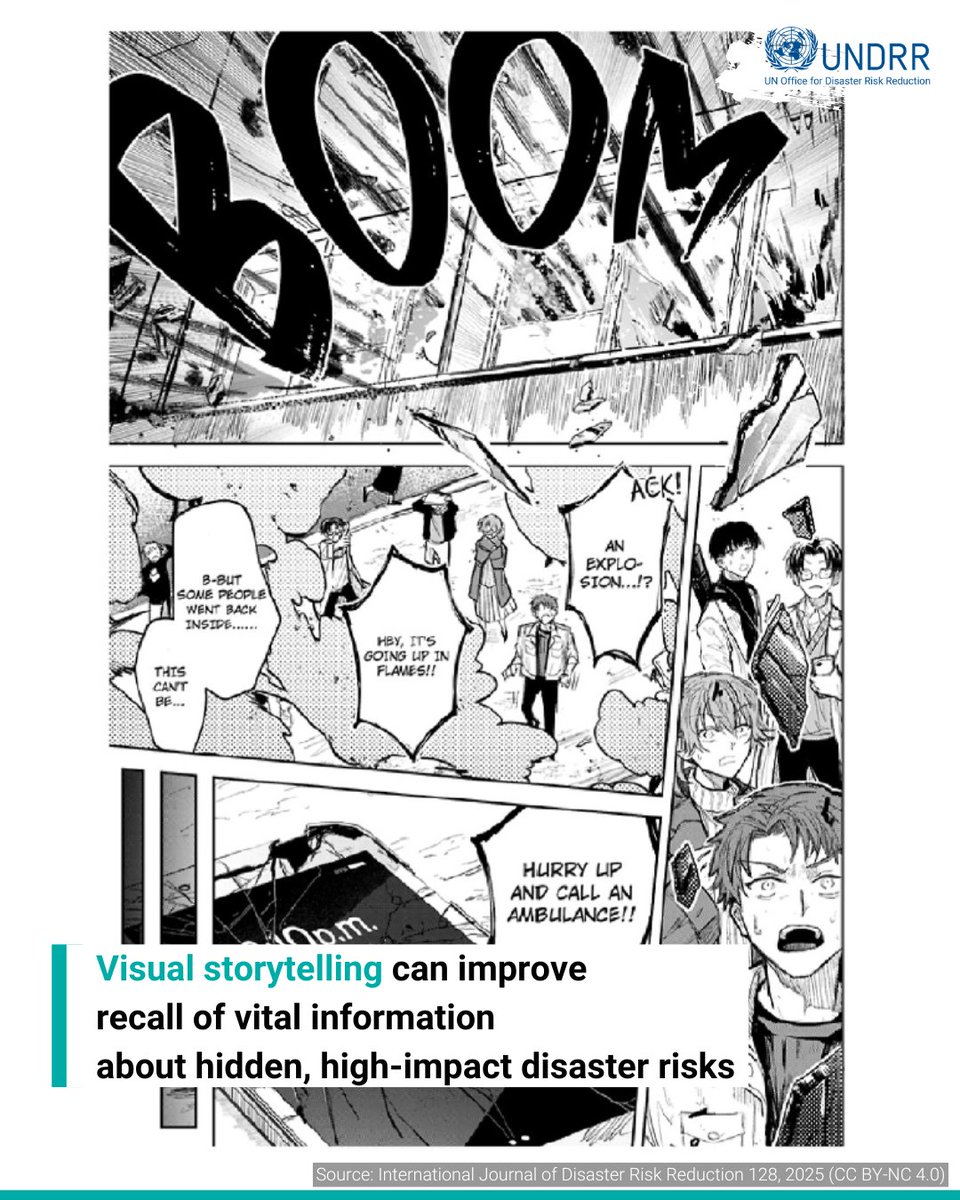
How do you warn about invisible risks? 🧪
📖 A study in Japan found students who read manga-based disaster comms were more likely to notice hidden hazards after a quake than those who read plain text.
💥 Risk comms need to grab attention to inform!
➡️ ow.ly/B1ot50Wu3k9
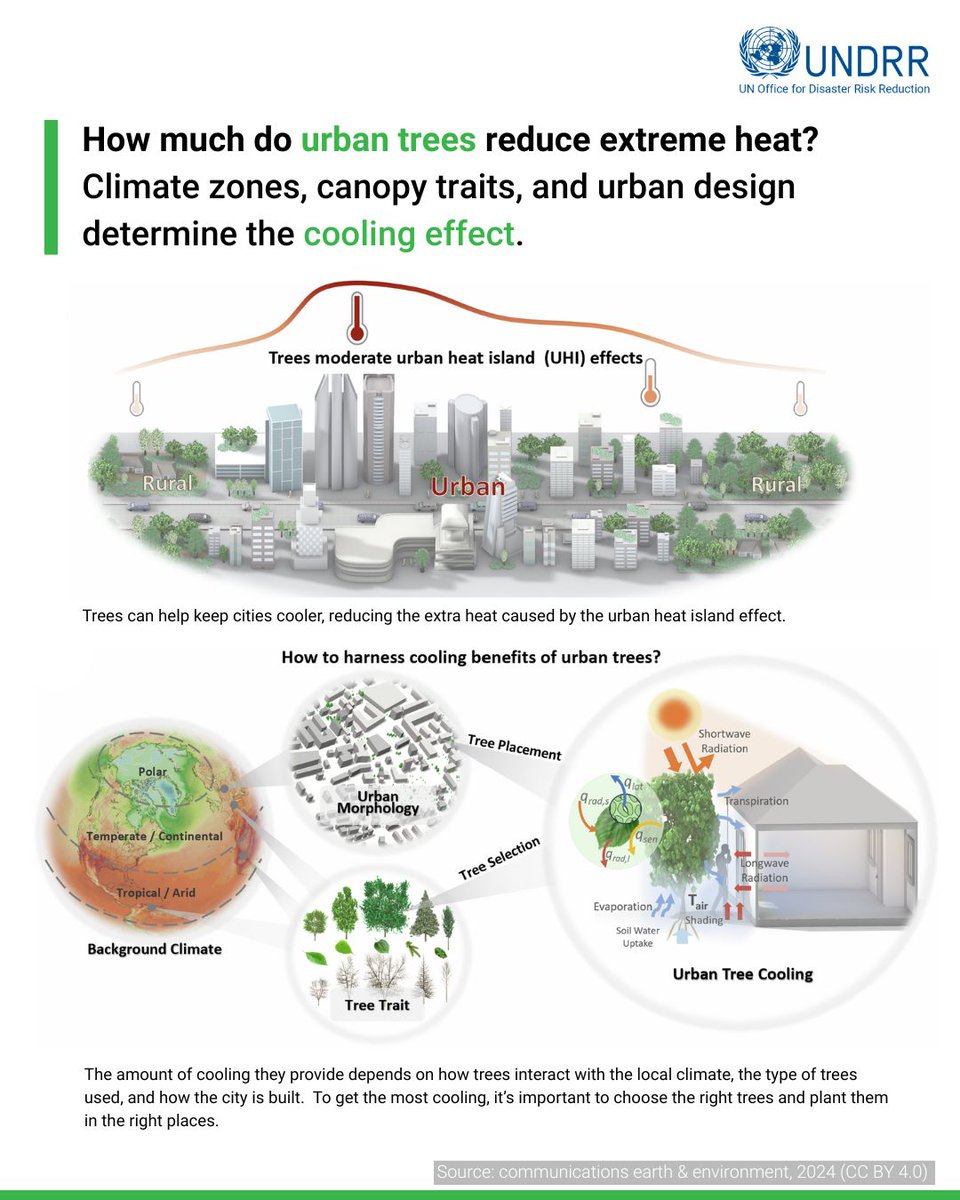
🌳 Trees can cool cities down: but not all trees, and not everywhere, equally.
A global study across 110 cities shows cooling depends on 🌡️ climate, 🏙️ urban layout & 🌳 species. Some lower temperatures by 12 °C!
👉 ow.ly/E3B950Y7ypV#NatureBasedSolutions#BeatTheHeat
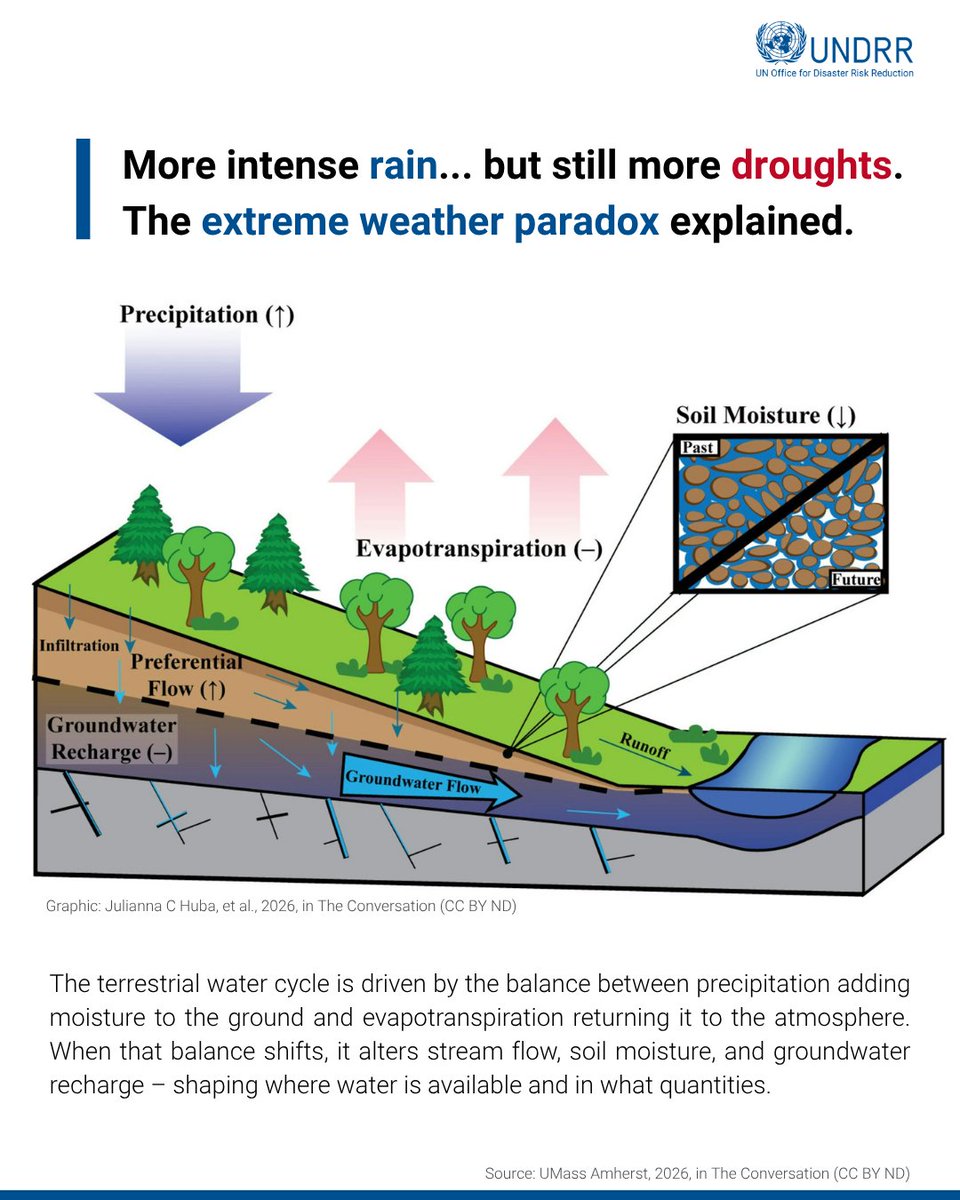
☔ More rain is falling across the United States; at the same time, droughts are getting worse.🏜️
Why? Rising temperatures are pushing the water cycle out of sync.
➡️ ow.ly/HpbV50Zb91T
ALT Diagram showing how increased precipitation and evapotranspiration affect soil moisture, groundwater flow, and runoff in the terrestrial water cycle.
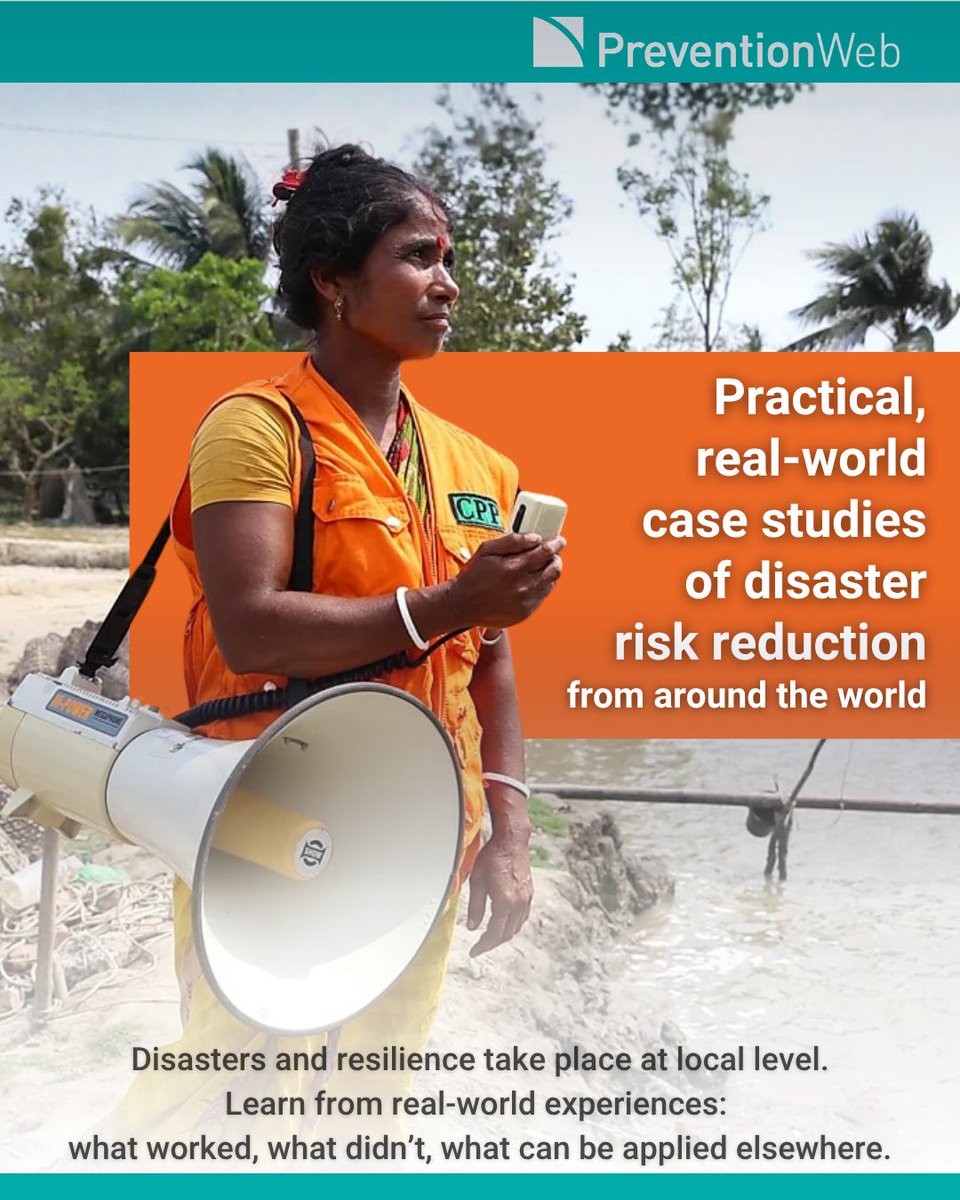
What works in disaster risk reduction – and why – is rarely found in policy frameworks alone.📋
✅Real decisions. Real constraints. Real outcomes.
PreventionWeb case studies: lessons in resilience from practical experience in real-world contexts. ➡️ ow.ly/bYCA50Zb73e
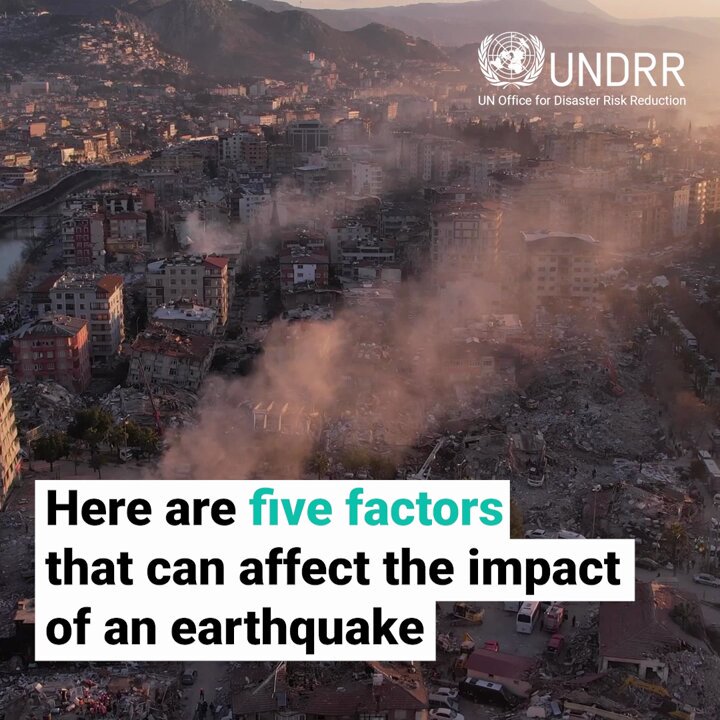
💥 Do you know how seismologists quantify earthquake strength? And what makes some 'quakes more damaging than others?
Discover the factors that determine the impact of seismic events 👇
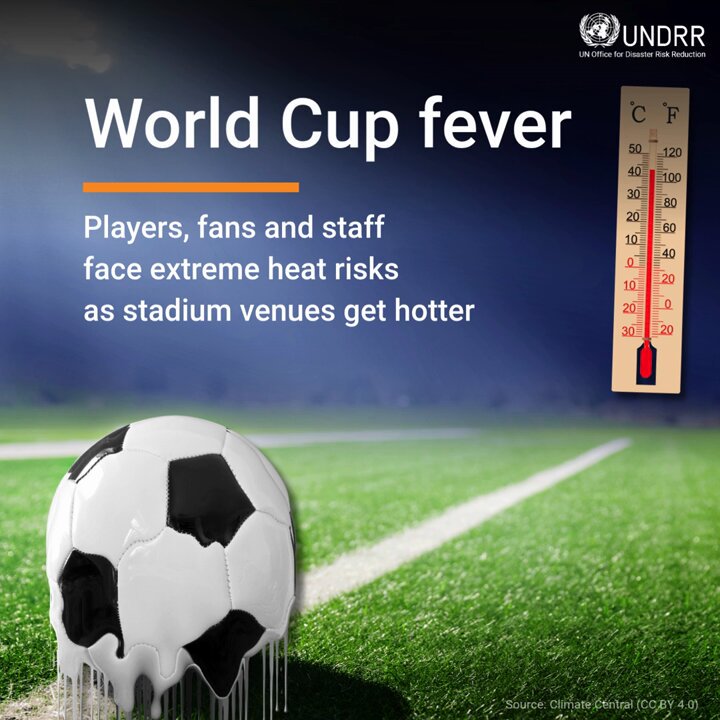
⚽14 of 16 2026 World Cup stadiums now see more extremely hot days in June–July than in 1970.
In repeat host cities, extremely hot days have tripled. Nearly half caused by climate change, @climatecentral research shows. 🌡️
➡️ ow.ly/nBF450Zb1p6#BeatTheHeat#FWC26
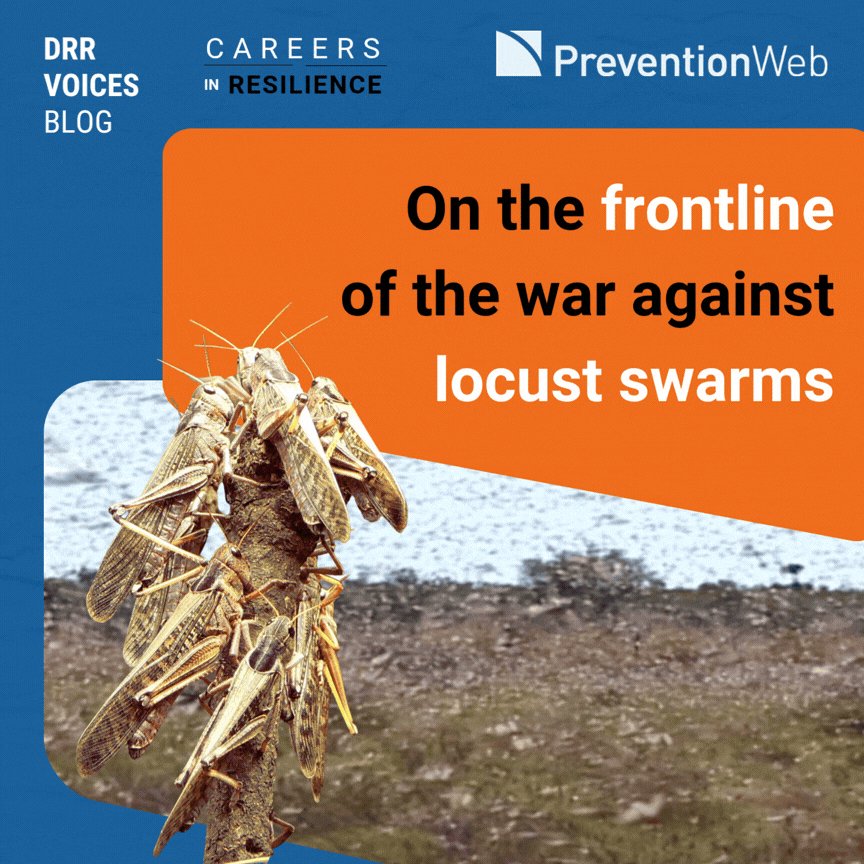
A locust swarm of 80 million insects can consume as much food in a day as 35,000 people. 🌾
🦗In this #DRRvoices interview, Ali Babalifashki of Iran's Plant Protection Organization shares what locust risk management looks like on the ground.
➡️ ow.ly/WIZK50Zaor9
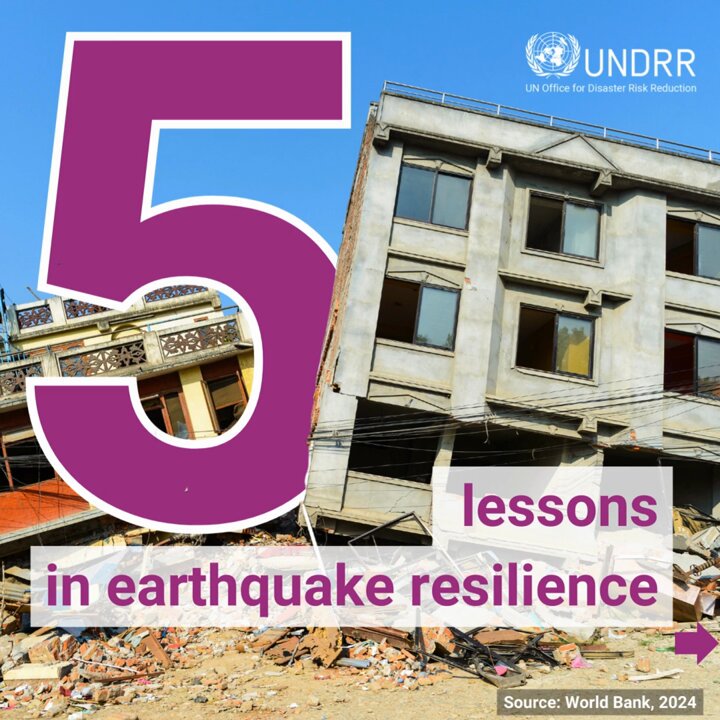
During the last three years the world has been shaken by several major earthquakes.
👇 Here are 5️⃣ lessons they have taught us, from @TheWorldBank Blog and @miyamotointlow.ly/EMoU50Tz2e8
A selection of the week's disaster risk reduction 🗞 news and 🔬 trusted research, brought to you by the #PreventionWeb editors.
➡️ow.ly/AbgI50Zazpa
👣Follow 👍Like 🔔Subscribe
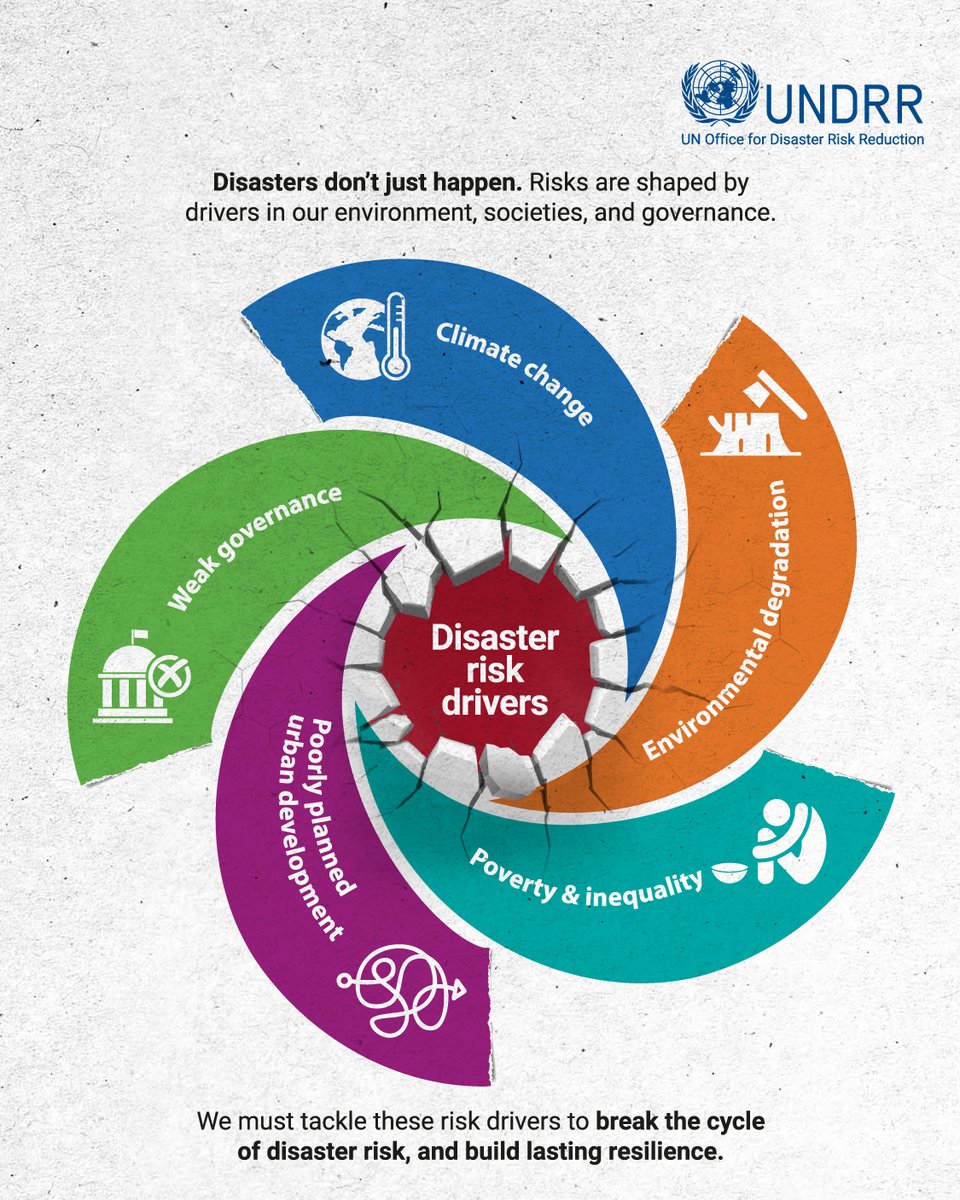
Disasters don’t just happen — they’re shaped by the systems around us. Risks grow when environmental, social, and governance factors are ignored.
💡 Tackling these drivers means tackling risk itself — building resilience that lasts.
Learn more ➡️ ow.ly/ee0i50Xe2hC
ALT Disasters don't just happen. Risks are shaped by drivers in our environment, societies, and governance.
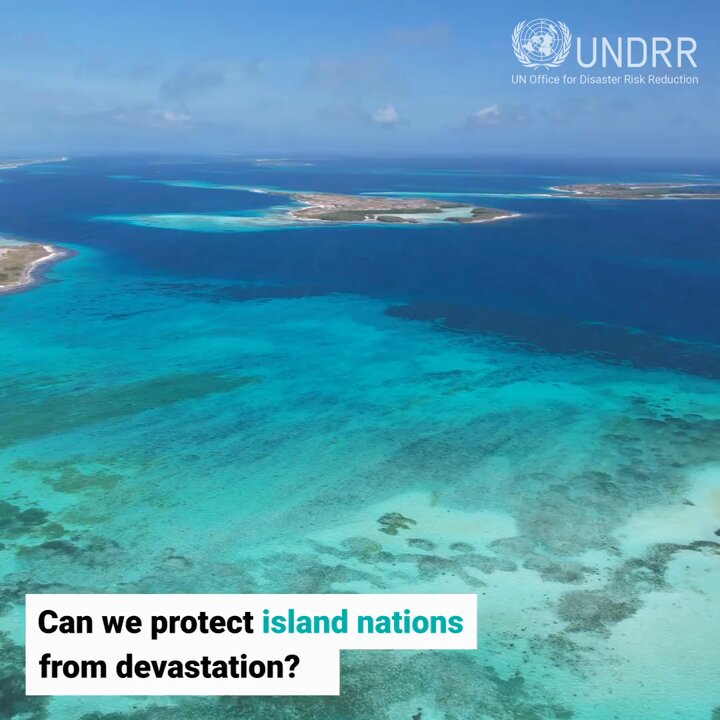
Small Island Developing States (SIDS) are home to just 65 million people, yet they face some of the highest levels of climate and disaster risk.
Disaster risk reduction & #EarlyWarningsForAll are vital for SIDS' economic progress & development ➡️ ow.ly/cFzM50ZaAs6#CREWS
Free, flexible, online training.
The @UNDRR x @UNSSC course on synergizing DRR and climate action has been updated and expanded — with deeper CRM content, new case studies, and practical cross-sector guidance.
➡️ ow.ly/AGER50ZapQR
ALT Promotional graphic for a free learning path on climate resilience by UNDRR, highlighting actionable strategies and global lessons.
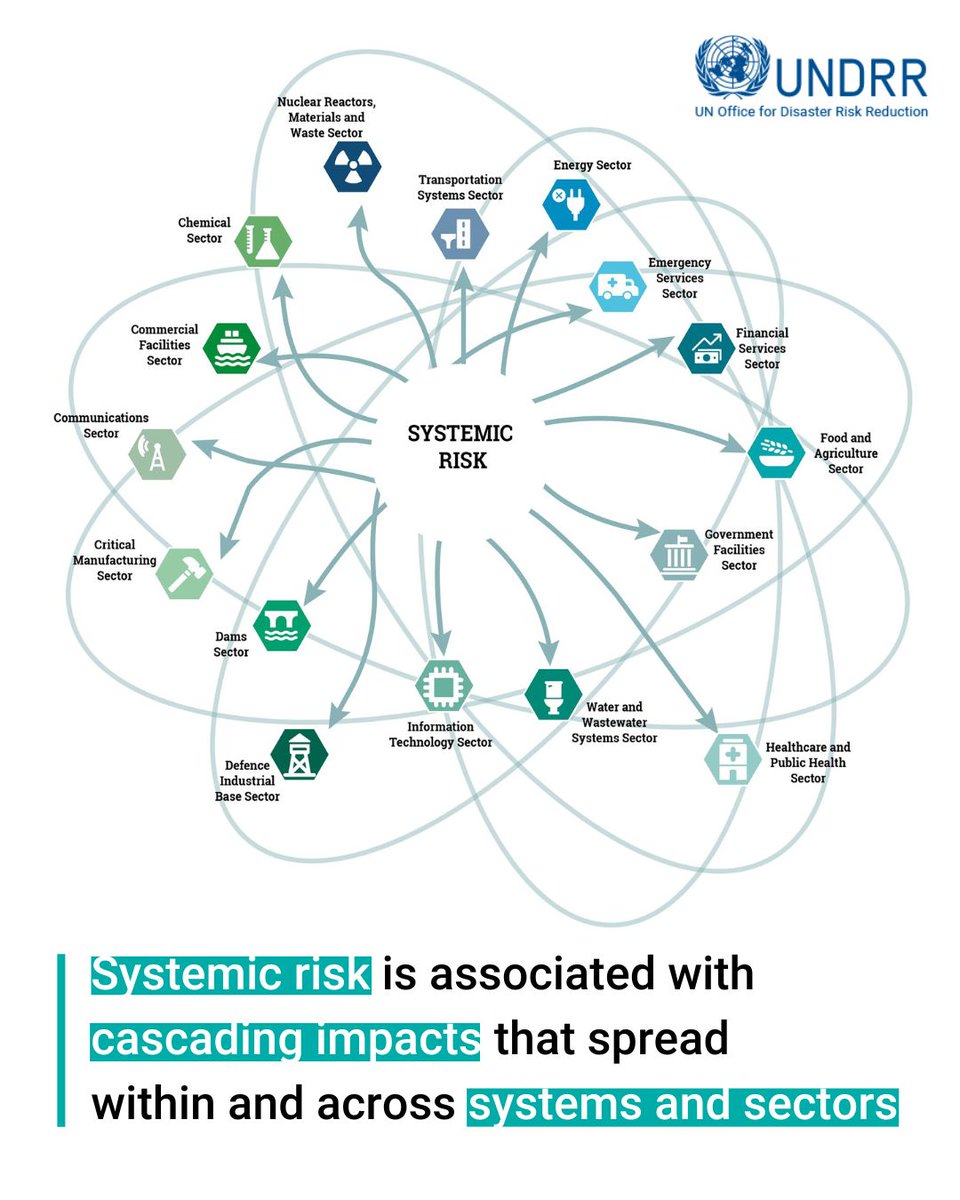
Disaster risks are not simple. Impacts often cascade across systems, creating new risks.
Addressing systemic risks requires a new approach, working across silos, accepting a greater degree of uncertainty.
Learn more about systemic risks ➡️ ow.ly/FkmA50TvUzx
🚰 💦 Water is at the heart of many disasters, but water can also guide us through crises.
Cooperation on water paves the way for cooperation on all shared challenges – including reducing disaster risk ➡️ ow.ly/MPSp50WCUY2#WordsIntoAction
📉 Disaster losses are spiralling out of control.
#GAR2025 reveals 3 downward spirals turning shocks into systemic crises — and how smart investments can break the cycle of disasters, debt & un-insurability.
🆕 Explore the UN flagship DRR report ➡️ ow.ly/JGno50VYQvo