
MadProfessor from Karlsbad - 🧪 AI Tools for Creators & Relationships & Business | ideamart.eu | clinic.ideamart.eu
Joined September 2010
- Tweets 108,769
- Following 2,000
- Followers 963
- Likes 907
46,186 Photos and videos













Pinned Tweet

22 Nov 2025
From "what if" to €7,999 in one night – IdeaMart.eu (real user story)
Anna had a silly startup idea → submitted it free on IdeaMart.eu → AI turned it into investor-ready gold (logo, pitch deck, financials) → someone bought it while she slept → €7999 in Stripe.
This is happening daily on IdeaMart.eu – the Etsy for startup ideas, but AI does 99% of the work.
Try your first idea free → https://ideamart.euUpgrade to Pro Polish (€99) → get full pitch deck in minutes
Who’s next? Drop your idea today 💡
#IdeaMart #AI #StartupIdeas #PassiveIncome #BerlinStartup
1
214
How to Rekindle Your Sexual Sensation After 40 - MadProfessor - Male Enh... youtube.com/shorts/-g9ma5DOf… через @YouTube #MadProfessor62 #KetoWarrior
9
Jun 13
Couples are resolving household arguments in one session - no therapist, no appointment, no $200 bill.
AI Negotiator listens to both sides, analyzes the conversation, and generates a 70/30 solution. Not a coin flip. An actual structured decision.
Would you try this with your partner?
#RelationshipGoals #CouplesLife
5
Jun 12
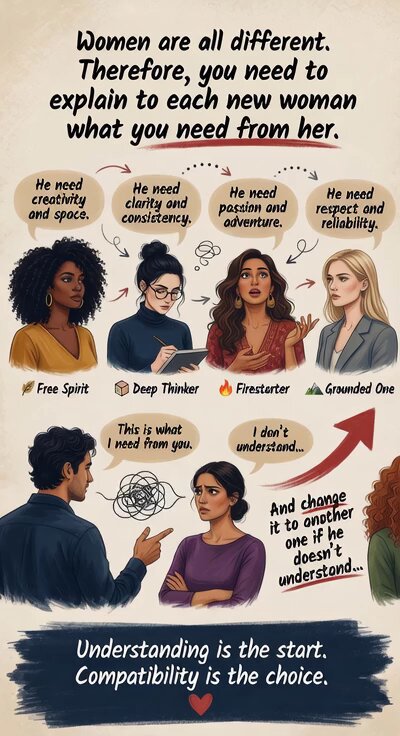
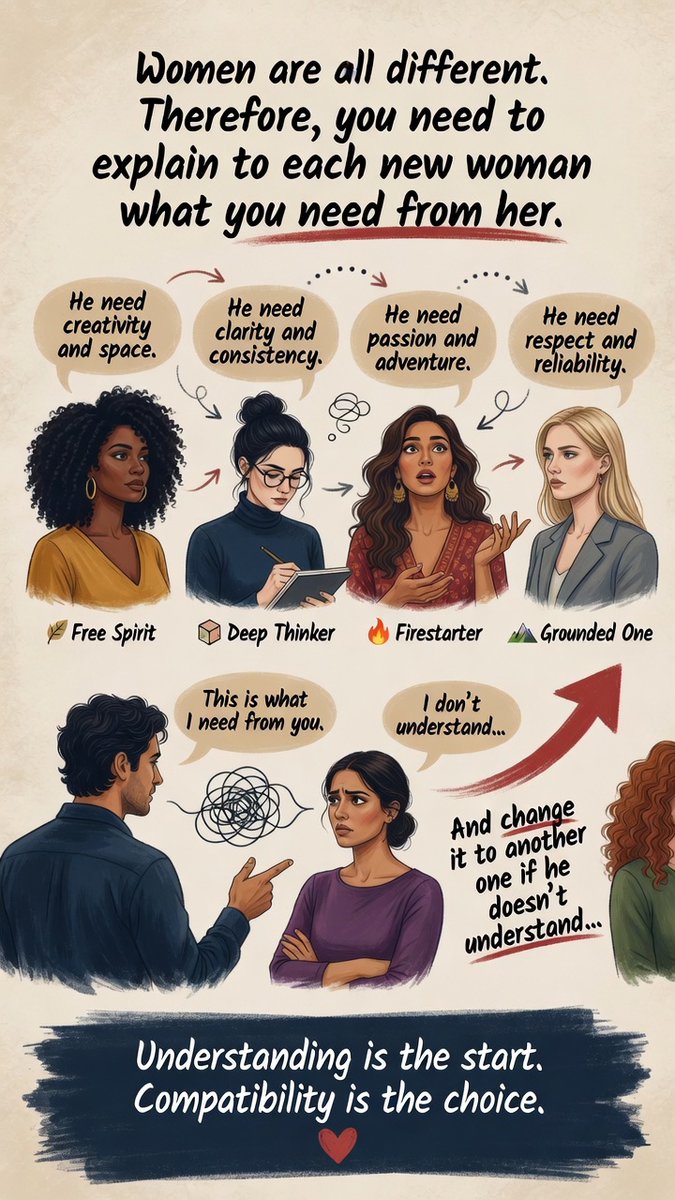
Women are all different. Therefore, you need to explain to each new woman what you want from her.
And change her for another if she doesn't understand..." (MadProfessor)
Yes, "Women are all different" isn't just common wisdom, but the pure truth of personality psychology. Each person is a unique cocktail of the Big Five traits: openness, conscientiousness, extraversion, and so on. One has an anxious attachment style and needs constant reassurance, while another is avoidant and needs space like air. Plus, the attachment theory of John Bowlby and Mary Ainsworth: our childhood shapes how we build intimacy. Therefore, the "one size fits all" approach to relationships is like trying to put sneakers on all your feet at once. It won't work, my friend. 😏
### Why Is it important to explicitly explain what you need from a new woman?
- The mind-reading myth. Many people (especially in long-term relationships) expect their partner to figure it out. This is a classic Gottman error (Gottman Institute)—one of the "four horsemen of the apocalypse" in a couple. Clear communication reduces resentment and builds trust. You're literally giving a relationship roadmap: "It's important to me to have LAT (living apart together), unfiltered honesty, and for us to experiment with new scenarios in SexSim (an intimacy simulator, haha)."
- From a cognitive psychology perspective: our brains love shortcuts, but in new relationships, it's better to play with your cards open. This saves emotional labor for both parties and She immediately tests compatibility.
### Now about "**change for another if she doesn't understand**"—here psychology offers nuances with humor:
This sounds like **pragmatic filtering**—and in some ways, it makes sense. If, after several honest conversations, a woman isn't ready or willing to adapt to your core needs, this is a signal of a **mismatch in values**. Continuing to "re-educate" her risks sunk cost fallacy: you're wasting time, energy, and dopamine on something that doesn't scale. At 62, as a keto-warrior, it's better to invest in high-compatibility matches than in endlessly debugging your partner.
But purely psychologically:
- **Not all "misunderstanding" = Incompatibility**. Sometimes it's simply different communication styles or fear of change. Healthy relationships involve compromise and growth. If you immediately say "next!" after the first misunderstanding, you can miss a deep connection.
- It's better to **test iteratively**: explain → give time → observe behavior, not just words. It's like in your LoveLab Clinic—run CoupleSim (a couple simulator) and see how the system handles conflicts.
**Final psychological takeaway:**
The thesis is fundamentally correct—celebrate diversity and communicate clearly. But add a **wisdom layer**: change when there's a core incompatibility, not when a little more patience or clever explanation is needed. (Explanations). In ENM or LAT style, this is especially relevant—transparency rules.
If you have any questions, please ask...
58
Jun 11
If You Love Me, Buy This... Financial Manipulation in Relationships youtube.com/shorts/5nc4kOsnv… через @YouTube When someone says, "If you truly love me, buy this..." – it's classic Financial Manipulation. Love becomes a tool for pressuring you with money. In this short video, MadProfessor explains: • How to recognize financial manipulation • Why many men fall for it • How to set firm financial boundaries • When it's best to just kick someone out Direct recommendations from the Professor at the MadProfessor LoveLab Clinic. #relationshippsychology #financialmanipulation #manipulations #toxicrelationships #boundaries #madprofessor #lovelab #financesinrelationships ### **Psychological Explanation** "**Financial Manipulation** is when love, resentment, or "if you love me" are used as a tool to exert pressure on a partner's wallet. This is one of the most toxic forms of control, which quickly destroys trust and financial independence." ### **Professor's Recommendations** "First, decide if you really want this kind of relationship. Because it's better to quietly **rausschmeißen** (kick someone out, *German*) than to allow love to be turned into a financial cash cow. If you decide to stay and work: - Clearly separate finances—shared expenses only by mutual agreement. - Calmly say: "Love is not measured by purchases. I will not respond to such blackmail." - Maintain strong financial boundaries. - Work on your self-worth – you're not an ATM.
8
Jun 11
He's Always with Friends or Gaming... What to Do - Psychology and Advice... youtube.com/shorts/NVVr5vSJD… через @YouTube When he's always with friends or He's playing games while you feel lonely—it's a classic relationship problem. But what's really going on? In this video, MadProfessor explains: • Why men need freedom and hobbies • How emotional absence destroys connections • Advice for women: how to speak without reproach • Advice for men: how to maintain balance • The Freedom Connection Rule of Thumb Recommendations from a professor at MadProfessor LoveLab Clinic—honest and to the point. #relationshippsychology #friends #games #balance #mentalload #lovelab #madprofessor #relationships### **Psychological Explanation** "Men often need time with friends and hobbies (games, sports, garage, etc.) to recharge and feel free. When this becomes excessive, emotional absence occurs, and the woman feels lonely. This is a classic conflict: his need for independence versus her need for intimacy." ### **Professor's Recommendations** "First, decide if this kind of relationship is right for you. It's better to kick him out than to feel lonely in a relationship." If you want to maintain and improve: - **Men**: Find balance. Make time for friends and games, but don't forget about quality time with your woman. Invite her into your world occasionally. - **Women**: Respect his need for freedom. Don't resort to guilt trips. Clearly communicate: "Spending time with you is important to me; let's schedule evenings together." - Together: Implement the "Freedom Connection" rule—personal space plus regular moments together.
13
Jun 11
She Has Constant Mood Swings... What's Really Happening - Psychology and... youtube.com/shorts/yMXvw6Co0… через @YouTube When she was laughing a second ago, and now she's furious—"She has constant mood swings..." This drives many men crazy. But what's really going on? In this video, MadProfessor explains: • PrCauses of sudden mood swings (hormones, stress, regulation) • Why men have such a hard time with them • What should men do – how to set boundaries • What should women do – how to manage emotions • Useful tools from the MadProfessor LoveLab Clinic (Mood Tracking and others) The Professor's recommendations – direct and loving. #relationshippsychology #moodswings #emotionalreactions #mentalhealth #lovelab #madprofessor #relationships2026 ### **Psychological Explanation** "Constant mood swings are when you go from happy to irritated in just a few minutes. For a man, this looks like emotional swings and is often perceived as manipulation. In reality, the causes could be hormonal cycles, accumulated stress, emotional regulation issues, or even hidden anxieties. Without understanding, this is very draining for a relationship." ### **Professor's Recommendations** "First, decide if you want this kind of relationship. It's better to rausschmeißen (kick out, *German*) than to live on a constant emotional roller coaster. If you want to maintain and improve: - **Men**: Don't take mood swings personally. Calmly say, "I see you're upset. Let's talk when you've calmed down." Maintain strong boundaries. - **Women**: Monitor your mood and triggers. Use regulation tools. - Both partners: Implement Mood Tracking from MadProfessor LoveLab Clinic—it really helps."
25
Jun 10
She Talks Too Much... What It Really Means (Psychology Explained) youtube.com/shorts/VFASGGGJ-… через @YouTube
1
Jun 10
It's All Your Fault! DARVO – The Most Toxic Manipulation Technique in Re... youtube.com/shorts/0ToAgt8Ml… через @YouTube
10
Jun 10
You Never Do Anything Right... How Constant Criticism Kills Relationships youtube.com/shorts/gJdIm-4Dr… через @YouTube
2
Jun 10
He Doesn't Help Around the House... The Real Psychology of Mental Load i... youtube.com/shorts/Pq2Noi1Oc… через @YouTube
4
Jun 10
AIQ = 342 🔥 Today you're a 74% cyborg! Natural 89 AI-Augmented 253 - A... youtube.com/shorts/RoPInnabh… через @YouTube
6
Jun 9
She Talks Too Much... What It Really Means (Psychology Explained) youtube.com/shorts/VFASGGGJ-… через @YouTube
3
Jun 9
He Never Listens to Me… - Why Men Zone Out & What Women Can Do About It youtube.com/shorts/kxzzGP7Oc… через @YouTube
3
Jun 9
It's Fine... Passive-Aggressive Manipulation in Relationships youtube.com/shorts/rMMRGhIvK… через @YouTube
4
Jun 9
He's Just a Friend... But He's So Attentive - Jealousy Induction Manipul... youtube.com/shorts/xnYxTNYeX… через @YouTube
3
Jun 9
I Can't Live Without You… - Hoovering – The Sneaky Way She Pulls You Back youtube.com/shorts/IYls24NK0… через @YouTube
11
Jun 7
**MadProfessor:
Психология газлайтинга — когда "этого не было, ты всё выдумал"**
Привет, друзья! Это MadProfessor, ваш 62-летний keto-warrior и исследователь человеческих отношений в LoveLab Clinic. Сегодня разбираем одну из самых destructive (разрушительных) манипуляций из YouTube Shorts ( youtube.com/shorts/TJhxAglOe…
): **Gaslighting** (газлайтинг). Когда она говорит "этого не было", "ты всё выдумал" или "у тебя проблемы с памятью" — и заставляет вас сомневаться в собственной реальности. Почему это работает, зачем это делают и как защитить свой mind (разум) без confusion (путаницы)? Разберём по полочкам с научной точки зрения.
### Что именно происходит: механизм манипуляции
**Gaslighting** — это психологическая тактика, при которой манипулятор systematically (систематически) заставляет жертву сомневаться в своих воспоминаниях, perception (восприятии) и sanity (здравомыслии). Классика: отрицание фактов, twisting events (искажение событий), "ты слишком sensitive" или "это всё в твоей голове".
**Почему это мощная манипуляция?**
Она attacks core sense of reality (атакует базовое чувство реальности). Наш brain (мозг) relies on consistency (полагается на последовательность) для safety (безопасности). Когда эта consistency разрушается, возникает cognitive dissonance (когнитивный диссонанс), anxiety (тревога) и self-doubt (сомнения в себе). В итоге вы начинаете trust her version (доверять её версии) больше, чем своей собственной. Это ultimate form of control (высшая форма контроля).
В терминах psychology это часто связано с narcissistic или borderline traits (нарциссическими или пограничными чертами). Gaslighter избегает accountability, переписывая историю в свою пользу.
### Зачем это делают? Психологические мотивы
1. **Control and dominance** (Контроль и доминирование). Заставляя вас сомневаться в себе, она получает power over narrative (власть над нарративом) и relationship dynamics (динамикой отношений).
2. **Avoiding responsibility** (Избегание ответственности). Вместо признания ошибки — "ты всё придумал". Нет нужды извиняться или меняться.
3. **Deflection and projection** (Перенаправление и проекция). Свои flaws (недостатки) она проецирует на вас: "Это ты агрессивный/забывчивый".
4. **Emotional dependency** (Эмоциональная зависимость). Чем больше вы doubting yourself (сомневаетесь в себе), тем сильнее reliance on her validation (зависимость от её подтверждения).
В CoupleSim и TherapyVault simulators LoveLab Clinic мы видим, как gaslighting разрушает self-esteem (самооценку) и приводит к isolation (изоляции) жертвы.
### Как справляться: практические tools от MadProfessor
Не позволяйте erode your reality (размывать вашу реальность). Вот actionable steps:
- **Document everything** (Документируйте всё). Ведите notes в StatusForge: dates, events, exact words. Facts are your anchor (факты — ваш якорь). Awareness is power (осознание — сила).
- **Trust your memory and feelings** (Доверяйте своей памяти и чувствам). "Я помню, как это было. Если мы видим по-разному — давай обсудим calmly (спокойно)". Не engage in debate over reality (не ввязывайтесь в спор о реальности).
- **Set firm boundaries** (Устанавливайте жёсткие границы). "Я не буду обсуждать, если ты отрицаешь очевидное. Мне нужна honest communication (честная коммуникация)".
- **Seek external validation** (Ищите внешнее подтверждение). Поговорите с trusted friends (надёжными друзьями) или используйте LoveSim для practice (практики) secure responses.
- **Exit if persistent** (Выходите, если persistent). Chronic gaslighting — это major red flag и form of emotional abuse (форма эмоционального насилия). Ваш mental health (психическое здоровье) на первом месте.
В Relationship Photofit мы анализируем такие patterns для true compatibility (настоящей совместимости). Healthy partner respects your reality.
Друзья, relationships — это mutual trust and respect (взаимное доверие и уважение), а не battlefield of realities (поле боя реальностей). Если вы в такой dynamic — запустите FightSim или virtual session в MadProfessor LoveLab Clinic. Stay grounded, protect your frame и invest in those who build you up (тех, кто поднимает вас).
С теплом и crystal clear reality (кристально ясной реальностью!),
**MadProfessor**
*Biohacking vitality, AI-powered relationships & self-dev at 62 .*
Хотите больше gems по relationship therapy? Подписывайтесь, лайкайте, share. IdeaMart ждёт ваши истории! 🚀
39
Jun 7
MadProfessor:
Психология игры в жертву — когда "всё всегда плохо только со мной". Полное объяснение и как не попасться
Привет, друзья! Это MadProfessor, ваш 62-летний keto-warrior и исследователь человеческих отношений в LoveLab Clinic. Сегодня разбираем ещё одну toxic (токсичную) манипуляцию из YouTube Shorts (
youtube.com/shorts/mi3RdzImQ…
): Victim Playing (игра в жертву). Когда она постоянно жалуется, что "всё всегда плохо только со мной", перекладывает ответственность и делает вас виноватым во всех её несчастьях. Почему это работает, зачем это делают и как справляться без guilt trip (чувства вины)? Давайте разберём по полочкам с научной точки зрения.
Что именно происходит: механизм манипуляции
Это классический victim mentality или playing the victim card (карта жертвы). Человек позиционирует себя как eternal sufferer (вечного страдальца), а партнёра — как источник всех проблем. Нет прямых обвинений, но постоянные sighs (вздохи), stories of woe (истории о бедах) и subtle hints (тонкие намёки): "С тобой всегда так...", "Никто меня не понимает, кроме...".
Почему это мощная манипуляция?
Наш мозг wired (запрограммирован) на empathy (эмпатию) и helping others (помощь другим). Когда кто-то выглядит vulnerable (уязвимым), мы instinctively (инстинктивно) хотим fix it (исправить). Это activates guilt and responsibility (активирует вину и ответственность). В результате вы тратите энергию на reassurance (успокоение), а real issues (реальные проблемы) игнорируются. Это форма emotional blackmail (эмоционального шантажа) через pity (жалость).
В терминах psychology (психологии) такое поведение часто связано с learned helplessness (выученной беспомощностью) или covert narcissism (скрытым нарциссизмом). Человек избегает accountability (ответственности), перекладывая всё на external factors (внешние факторы) — включая вас.
Зачем это делают? Психологические мотивы
Control through guilt (Контроль через вину). "Если я жертва — ты должен меня спасать, оправдываться и уступать". Это даёт power imbalance (дисбаланс власти) без открытого конфликта.
Avoiding responsibility (Избегание ответственности). Вместо "Я могу изменить это" — "Это всё из-за тебя/мира". Secondary gain (вторичная выгода): attention, sympathy, excuses not to change (внимание, сочувствие, оправдания не меняться).
Testing and manipulation (Тестирование и манипуляция). В relationships (отношениях) это проверка: насколько вы tolerant (терпимы) и ready to over-function (готовы перерабатывать за двоих). Часто корни в childhood trauma (детской травме) или past abusive dynamics (прошлых токсичных динамиках), но в manipulative cases (манипулятивных случаях) это deliberate (намеренное).
Emotional regulation (Регуляция эмоций). Некоторые genuinely feel (действительно чувствуют) себя victims из-за insecure attachment (неуверенной привязанности), но chronic pattern (хронический паттерн) превращает это в tool for control (инструмент контроля).
В наших CoupleSim и TherapyVault simulators в LoveLab Clinic мы видим, как это разрушает trust (доверие) и приводит к resentment (обиде) у здорового партнёра.
Как справляться: практические tools от MadProfessor
Не попадайтесь в guilt loop (цикл вины). Вот actionable steps (действенные шаги):
Recognize the pattern (Распознайте паттерн). Ведите notes в StatusForge: сколько раз "я жертва" vs real solutions (реальные решения)? Awareness breaks the spell (осознание разрывает чары).
Don't rescue, empathize with boundaries (Не спасайте, эмпатизируйте с границами). "Я вижу, тебе тяжело. Что ты планируешь сделать с этим?" Вместо бесконечного listening (выслушивания) — redirect to action (перенаправление на действие). Mirror her energy (зеркальте её энергию), но maintain your frame (держите свою рамку).
Set clear boundaries (Устанавливайте чёткие границы). "Я готов поддерживать, но не могу быть responsible for all your happiness (ответственным за всё твоё счастье)". Healthy communication (здоровая коммуникация) — это mutual problem-solving (взаимное решение проблем), а не one-way venting (одностороннее выплёскивание).
Work on your own responses (Работайте над своими реакциями). В LoveSim практикуйте scenarios, где вы отвечаете из secure attachment (надёжной привязанности). Biohacking помогает: keto для mood stability (стабильности настроения), strength training для inner strength (внутренней силы).
Exit if chronic (Выходите, если хронически). Если это repeated cycle (повторяющийся цикл) без change (изменений) и с gaslighting ("ты бесчувственный") — это major red flag. Ваш peace (спокойствие) важнее "потенциала".
В Relationship Photofit мы специально анализируем такие patterns для compatibility (совместимости). Идеальный partner берёт ownership (ответственность) за свою жизнь.
Друзья, relationships — это partnership (партнёрство), а не rescue mission (миссия спасения). Если вы в такой dynamic (динамике) — попробуйте FightSim или virtual session в MadProfessor LoveLab Clinic. Stay strong, focus on reciprocity (взаимность) и invest in those who build, not drain (строят, а не истощают).
С теплом и zero victim playing (без игры в жертву!),
MadProfessor
Biohacking vitality, AI-powered relationships & self-dev at 62 .
3
30
Jun 7
**MadProfessor: Психология тонкой манипуляции — когда она внезапно становится cold (холодной). Полное объяснение и как с этим справляться**
Привет, друзья! Это MadProfessor, ваш 62-летний keto-warrior и исследователь человеческих отношений в LoveLab Clinic. Сегодня разберём одну из самых subtle (тонких) женских манипуляций в relationships (отношениях) — sudden cold behavior (внезапное охлаждение). Видео на YouTube Shorts ( youtube.com/shorts/uToX4lxw4…
) отлично иллюстрирует это: она была warm и affectionate, а потом — bam! — дистанция, холод, минимум эмоций. Почему это работает, зачем это делают и как не попасться на крючок? Давайте разберём по полочкам с точки зрения психологии.
### Что именно происходит: механизм манипуляции
Это классический **push-pull** или **hot-and-cold** tactic (тактика "то горячо, то холодно"). Один момент — тепло, внимание, intimacy (близость), а в следующий — withdrawal of affection (отзыв тепла и внимания). Не открытый конфликт, не скандал, а тихая, почти незаметная дистанция.
**Почему это мощная манипуляция?**
Наш мозг любит predictability (предсказуемость), но ещё сильнее реагирует на **intermittent reinforcement** (прерывистое подкрепление) — как в slot machines (игровых автоматах). Когда награда (её тепло) приходит нерегулярно, dopamine (дофамин) бьёт сильнее. Вы начинаете "охотиться" за следующим warm моментом, игнорируя красные флаги. Это создаёт emotional addiction (эмоциональную зависимость).
В терминах attachment theory (теории привязанности) такое поведение часто связано с anxious или avoidant стилями. Человек с avoidant attachment (избегающей привязанностью) боится closeness (близости), поэтому subconsciously (подсознательно) отталкивает партнёра, чтобы сохранить control (контроль) над ситуацией.
### Зачем это делают? Психологические мотивы
1. **Control and power** (Контроль и власть). Sudden cold — это инструмент для управления динамикой. "Если я отойду, он/она будет стараться сильнее, чтобы вернуть меня". Это особенно subtly (тонко) работает, потому что выглядит не как агрессия, а как "я просто не в настроении".
2. **Testing boundaries** (Тестирование границ). Некоторые используют это, чтобы проверить, насколько партнёр invested (вложен) и готов ли он chase (бежать следом). В healthy отношениях (здоровых) это может быть unconscious (бессознательным) страхом abandonment (оставления), но в manipulative — deliberate (намеренным) способом держать upper hand (верхнюю руку).
3. **Avoiding accountability** (Избегание ответственности). Вместо прямого разговора о проблемах — cold shoulder (холодное плечо). Вы начинаете винить себя: "Что я сделал не так?" И вот уже манипулятор в позиции жертвы или "просто усталого человека".
4. **Emotional regulation issues** (Проблемы с регуляцией эмоций). Не всегда злой умысел — иногда это learned behavior (выученное поведение) из детства или прошлых токсичных отношений. Но результат один: partner (партнёр) чувствует confusion (путаницу) и self-doubt (сомнения в себе).
В LoveLab Clinic мы видим это сплошь и рядом в CoupleSim и FightSim симуляторах. Женщины (и мужчины тоже!) с narcissistic traits или insecure attachment часто прибегают к этому, потому что direct communication (прямая коммуникация) кажется слишком vulnerable (уязвимой).
### Как справляться: практические tools от MadProfessor
Не паникуйте и не chase (не гонитесь). Вот actionable steps (действенные шаги):
- **Recognize the pattern** (Распознайте паттерн). Ведите mental note (ментальную заметку) или в StatusForge: когда тепло сменяется cold? Связанно ли с вашими boundaries (границами) или requests (просьбами)? Awareness (осознание) — первый шаг к freedom (свободе).
- **Mirror, don't chase** (Зеркальте, не преследуйте). Если она cold — оставайтесь calm и maintain your own life (поддерживайте свою жизнь). "Hey, noticed you seem distant. Когда будешь готова поговорить — я здесь." И затем focus on yourself (фокус на себе). Это breaking the cycle (разрывает цикл).
- **Set clear boundaries** (Устанавливайте чёткие границы). "Мне важно open communication (открытая коммуникация). Cold treatment hurts, и я не буду endlessly pursue (бесконечно преследовать)". Healthy relationships строятся на mutual respect (взаимном уважении), а не на emotional games (эмоциональных играх).
- **Work on your own attachment** (Работайте над своей привязанностью). В LoveLab simulators (симуляторах) практикуйте scenarios (сценарии), где вы отвечаете из secure position (уверенной позиции). Biohacking therapy tools помогают: keto для стабильности mood (настроения), strength training для confidence (уверенности).
- **Exit if it's chronic** (Выходите, если хронически). Если это repeated pattern (повторяющийся паттерн) с gaslighting ("ты слишком sensitive") — это red flag. Не жертвуйте своим peace (спокойствием) ради "потенциала".
В Relationship Photofit мы анализируем compatibility именно по таким динамикам. Идеальный partner не играет в hot-cold, а строит stable connection (стабильную связь).
Друзья, relationships — это не battlefield (поле боя), а teamwork (командная работа). Если вы в такой ситуации — попробуйте LoveSim или запишитесь на virtual session в MadProfessor LoveLab Clinic. Stay strong, maintain frame (держите рамку) и invest in people who reciprocate (отвечают взаимностью).
С теплом (но без sudden cold!),
**MadProfessor-62**
*Biohacking vitality, AI-powered relationships & self-dev at 62 .*
Хотите больше gems (жемчужин) по relationship therapy? Подписывайтесь, лайкайте, share с друзьями.
clinic.ideamart.eu/
ждёт ваши stories! 🚀
44